What Type of Paint is Best for Kitchen Walls: Ultimate Guide
If you’ve ever scrubbed a stubborn grease splatter off your kitchen wall only to watch the paint peel off with it, you know not all paint is created equal for high-use spaces. Kitchen walls face a unique set of stressors: constant steam from cooking, baked-on grease, frequent scrubbing, and humidity spikes from dishwashing and boiling water. Picking the wrong finish or formulation can lead to peeling, mold growth, and constant touch-ups within a year or two of painting. This 2026 updated guide breaks down exactly what type of paint is best for kitchen walls, with actionable advice based on real-world performance, so you can pick a product that lasts 5+ years without sacrificing style.
Why Kitchen Wall Paint Requires Special Considerations
Regular interior paint formulated for living rooms or bedrooms is not designed to handle the unique demands of a kitchen. The constant exposure to cooking grease, steam, and frequent cleaning creates a harsh environment that wears down low-durability finishes quickly. Temperature fluctuations near stovetops and ovens cause paint to expand and contract, leading to cracking over time if the paint lacks flexibility. High humidity from sinks and dishwashers can also cause non-moisture-resistant paint to peel, bubble, or grow mold, which not only looks unappealing but can also impact indoor air quality. Choosing a paint specifically engineered for kitchen use will save you time, money, and frustration in the long run. For more on this, see our guide on what type of paint to use on kitchen.
The 4 Best Paint Finishes for Kitchen Walls, Ranked
Paint finish (also called sheen) is the single most important factor in how well kitchen paint holds up to daily use. Finishes are measured on a 0-100 gloss scale, where 0 is completely flat (no shine) and 100 is high-gloss (mirror-like shine). Below are the most common finishes, ranked by performance for kitchen walls:
High-Gloss (Sheen 70-100)
High-gloss paint has a mirror-like, reflective finish that is extremely durable and resistant to moisture, stains, and scrubbing, with a scrub rating of 10,000+ wet scrubbings per ASTM D2486 standards. It is ideal for high-use areas like trim, cabinets, and walls directly next to stovetops or sinks, where frequent cleaning is required. The major downside is that it highlights every small drywall imperfection, lump, nail pop, and patch mark, so flawless wall prep is non-negotiable for a professional-looking result. It also has a more intense shine that can feel too bold for full wall coverage in small kitchens.
Semi-Gloss (Sheen 40-60) — Top All-Around Pick
Semi-gloss is the best paint finish for 90% of household kitchens. It has a subtle shine that reflects light to brighten small spaces, while offering a scrub rating of 5,000-8,000 wet scrubbings, making it highly resistant to grease, moisture, and frequent cleaning. It hides minor wall imperfections far better than high-gloss, and its smooth surface wipes clean with a damp cloth and mild soap in seconds. The only minor trade-off is that it is slightly less durable than high-gloss for extreme high-wear areas, but it performs more than adequately for almost all residential kitchens. For more on this, see our guide on what type of paint to use for kitchen.
Satin (Sheen 20-40)
Satin finish has a soft, velvety sheen that falls between semi-gloss and eggshell, with a scrub rating of 2,000-4,000 wet scrubbings. It is a great pick for low-moisture kitchens with limited cooking, as it offers better durability and cleanability than eggshell while having a less intense shine than semi-gloss. It hides minor wall flaws well, but will show water spots and grease splatters more easily than semi-gloss if not wiped down regularly. Avoid satin for walls near sinks, dishwashers, or stovetops, as prolonged humidity exposure can cause it to peel over time.
Eggshell & Matte (Sheen 0-20)
Matte and flat finishes have a non-reflective, velvety appearance that is excellent at hiding wall imperfections, but they are rarely the right choice for kitchen walls. Their porous surface absorbs grease, water, and stains, making them nearly impossible to clean without damaging the finish, and they have a scrub rating of less than 1,000, meaning they will show wear after just a few cleanings. The only exception is for show kitchens that are rarely used, where the soft, luxurious look of matte paint is prioritized over durability.
Paint Formulations: Water-Based vs. Oil-Based for Kitchens
In 2026, water-based acrylic latex paint is the standard for kitchen walls, and for good reason. Modern acrylic formulas have flexible polymers that expand and contract with temperature changes, reducing the risk of cracking from kitchen heat fluctuations. Most include built-in mildewcide additives to resist mold growth in humid conditions, dry in 2-4 hours, have low odor during application, and clean up with just soap and water, making them ideal for DIY projects.
Oil-based paint, while extremely durable and smooth, has fallen out of favor for kitchen walls due to strict VOC regulations, a 24-hour dry time, strong fumes during application, and a tendency to yellow over time when exposed to kitchen heat. It is now mostly reserved for high-wear trim, cabinet exteriors, and surfaces near stovetops, where its ultra-hard finish can withstand heavy scrubbing and grease exposure. For almost all residential kitchen wall projects, water-based acrylic latex is the better choice.
Must-Have Performance Features for Kitchen Paint
When shopping for kitchen paint, look for these key features on the label to ensure it holds up to your space’s demands:
- Mildew resistance: Look for paints that meet ASTM D3273 mold resistance standards, which means they are formulated to inhibit mold growth even in high-humidity conditions. This is non-negotiable for kitchens near sinks or in humid climates.
- Scrub rating: Per ASTM D2486 testing, a scrub rating of at least 1,000 is minimum for low-traffic kitchen nooks, while 3,000+ is recommended for family homes with kids or frequent cooking. Paints with lower ratings will show wear after just a few cleanings.
- Stain-blocking primer compatibility: If your walls have existing grease stains, water marks, or dark colors you’re covering, choose a paint that works with a stain-blocking primer to prevent stains from bleeding through the new topcoat.
- Low or zero VOC: The EPA recommends choosing paints with VOC levels below 50 grams per liter for interior use to minimize indoor air pollution, especially in high-traffic areas like kitchens where you spend extended time cooking and cleaning. Look for Green Seal GS-11 or Greenguard Gold certification to confirm the paint meets strict low-emission standards.
- Grease-repellent formula: Some premium kitchen paints include additives that prevent grease splatters from bonding to the wall surface, making cleanup as simple as wiping with a damp cloth.
How to Choose the Right Paint Color for Your Kitchen
Paint color for your kitchen isn’t just an aesthetic choice—it can impact how spacious, bright, and cohesive the space feels. Keep these factors in mind when selecting a shade:
- Lighting: North-facing kitchens with limited natural light benefit from light, warm neutrals (soft white, warm greige, pale butter) to bounce available light around the room. South and east-facing kitchens with abundant sun can handle cooler tones (soft blue, sage green) or even darker accent walls without feeling dark.
- Cabinetry and countertops: If you have dark wood or black cabinets, light wall colors (white, light gray, cream) will make the space feel open and airy. For white or light gray cabinets, you can experiment with bolder shades like terracotta, muted navy, or soft sage to add personality. For kitchens with green cabinetry, our guide to pairing wall colors with green cabinetry offers curated shade recommendations that complement rather than clash with your existing fixtures. Similarly, if you have warm brown cabinets, our tips for coordinating paint with brown cabinets will help you find shades that enhance the natural wood tone without making the space feel dark.
- Layout: Small galley kitchens feel larger with light, monochromatic wall and cabinet colors. Large, open-concept kitchens can handle bold accent walls or darker shades to add coziness and define the cooking zone.
- Practicality: Dark, saturated colors show grease splatters and scuffs far more obviously than light neutrals, so if you cook frequently, avoid very dark matte or satin finishes on walls near your stovetop. Always test 2×2-foot paint samples on your wall, and live with them for 2-3 days to see how they look in morning, midday, and evening light before committing to a full gallon.
Eco-Friendly and Low-VOC Kitchen Paint Options
For homeowners prioritizing indoor air quality or reducing their environmental impact, low-VOC and natural paint options have come a long way in 2026, with many offering the same durability as conventional paints. Low-VOC paints contain fewer than 50 grams of volatile organic compounds per liter, which reduces the risk of headaches, allergies, and respiratory irritation during and after painting—critical for kitchens where you spend hours prepping meals. Zero-VOC paints contain less than 5 grams per liter, making them ideal for homes with kids, pets, or people with chemical sensitivities.
Natural paint options made from clay, chalk, plant oils, and milk proteins are also growing in popularity, especially for low-moisture kitchen nooks or show homes. In practice, clay-based paints absorb minor humidity and odors well, but they have a lower scrub rating than acrylic latex, so they are not recommended for high-traffic areas near sinks or stovetops. Look for third-party certifications like Green Seal or Greenguard Gold to confirm a paint’s eco-friendly claims, and always check the label for scrub ratings to ensure it will hold up to your kitchen’s cleaning routine. Popular reputable brands include Benjamin Moore Natura, ECOS Paints, and AFM Safecoat, all of which meet strict low-emission standards.
Step-by-Step Wall Prep for Long-Lasting Paint
Proper wall preparation is the difference between a paint job that lasts 7 years and one that peels within 12 months. A common mistake homeowners make is skipping or rushing prep steps to save time, which leads to poor adhesion and premature wear. Follow these steps to prep your kitchen walls for painting:
- Clear and protect the space: Remove all appliances, cabinet hardware, and decor from the walls. Cover countertops, floors, and fixed cabinetry with drop cloths or plastic sheeting, and tape off trim, ceilings, and window frames with painter’s tape.
- Degrease the walls: Use a trisodium phosphate (TSP) solution mixed with warm water to cut through years of baked-on grease and food splatters, especially near stovetops and sinks. Regular dish soap is not strong enough to remove the oily residue that prevents paint from adhering to drywall, no matter how many coats you apply. Scrub gently with a sponge, rinse with clean water, and let walls dry completely for 24 hours.
- Repair damage: Fill holes, cracks, and nail pops with spackle, sand smooth once dry, and wipe away dust with a tack cloth.
- Prime strategically: Apply a stain-blocking, mildew-resistant primer to any areas with existing water stains, grease marks, or dark colors you are covering. For walls in good condition with no stains, a standard all-purpose primer is sufficient. Let the primer dry fully per the manufacturer’s instructions (usually 2-4 hours for water-based, 24 for oil-based) before painting.
Pro Application Tips for a Flawless Finish
Even the highest-quality paint will look uneven or peel prematurely if applied incorrectly. Follow these tips for a professional, long-lasting result:
- Choose the right tools: Use a 3/8-inch nap roller cover for satin and semi-gloss finishes to avoid roller lines, and an angled sash brush for cutting in corners and edges near trim.
- Paint in order: Paint ceilings first, then walls, then trim, to avoid drips on finished surfaces.
- Apply thin coats: Two thin coats of paint will always look better and last longer than one thick coat. Thick coats dry slowly, are prone to drips, and may not adhere properly to the wall surface.
- Mind the weather: Avoid painting when humidity is above 70% or temperatures are below 50°F (10°C), as these conditions cause paint to dry too slowly or unevenly, leading to peeling.
- Maintain a wet edge: Work in 3×3 foot sections, overlapping each new stroke into the still-wet paint of the previous section to avoid visible lap lines.
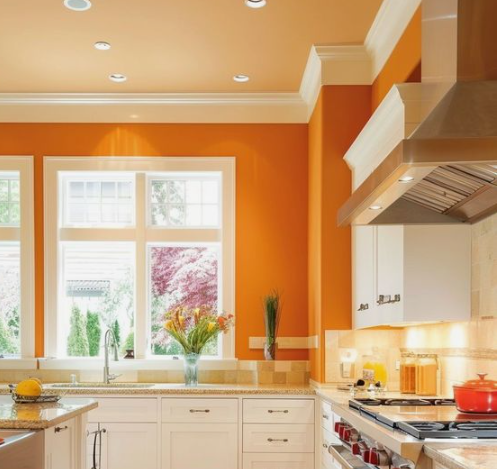 Semi-gloss finish is the top pick for most kitchens, as it resists grease and wipes clean easily.
Credit: www.jswpaints.in
Semi-gloss finish is the top pick for most kitchens, as it resists grease and wipes clean easily.
Credit: www.jswpaints.in
How to Maintain Kitchen Walls to Extend Paint Life
With proper care, a high-quality kitchen paint job can last 7+ years before needing a full repaint. Follow these maintenance tips to keep your walls looking fresh:
- Wipe down walls near stovetops and sinks weekly with a soft cloth and mild dish soap to remove grease before it builds up and bonds to the paint surface.
- For tough, dried-on splatters, use a magic eraser gently—never scrub hard, as abrasive scrubbing can dull the paint finish over time.
- Keep a small, labeled leftover can of paint for quick touch-ups of scuffs or scratches. Feather the edges of touch-ups with a small brush to blend them seamlessly into the existing wall.
- If you notice small mold spots (common in humid kitchens), clean the area with a 1:1 bleach and water solution, then spot-prime with a mildew-resistant primer before touching up with paint to prevent regrowth.
- Avoid abrasive scrubbers, ammonia-based cleaners, and undiluted bleach on painted walls, as these can break down the paint finish and cause discoloration.
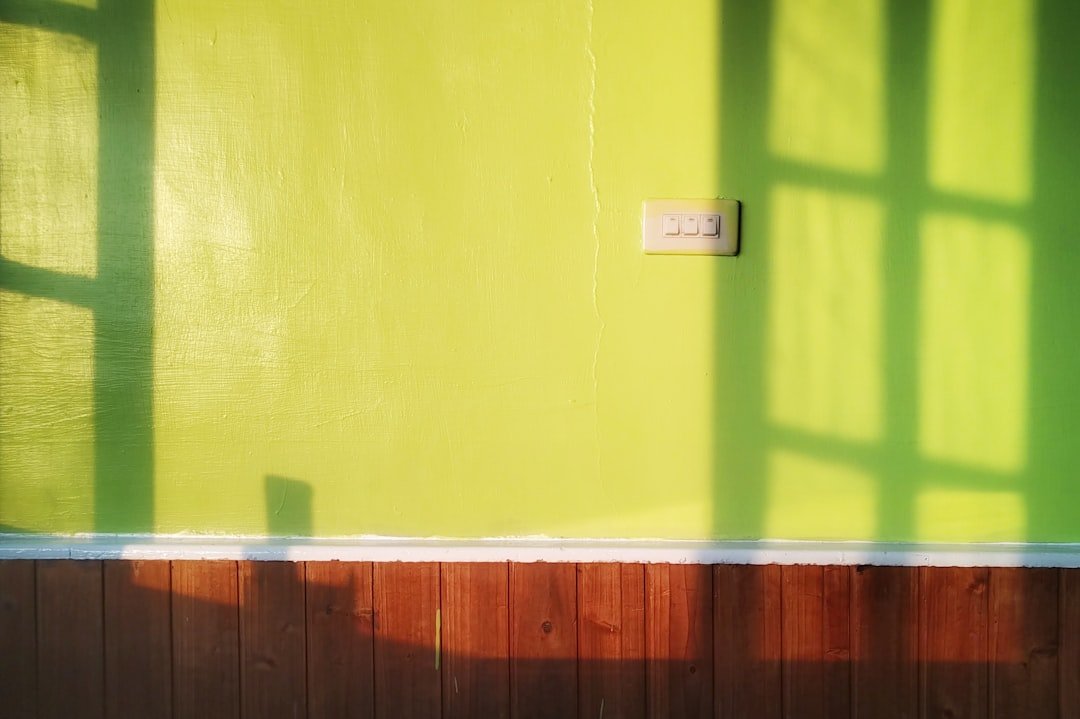
 Test paint samples on your wall and view them at different times of day to see how lighting affects the color.
Credit: www.brookfieldresidential.com
Test paint samples on your wall and view them at different times of day to see how lighting affects the color.
Credit: www.brookfieldresidential.com
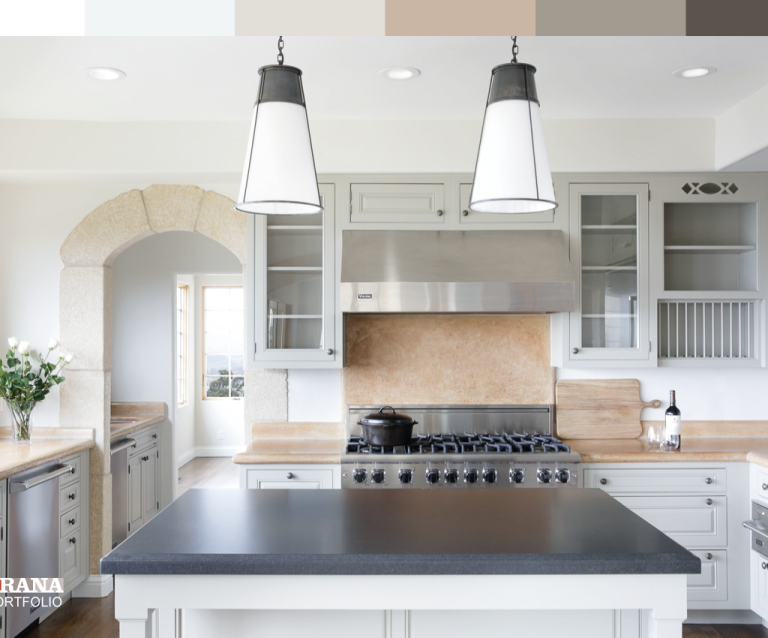
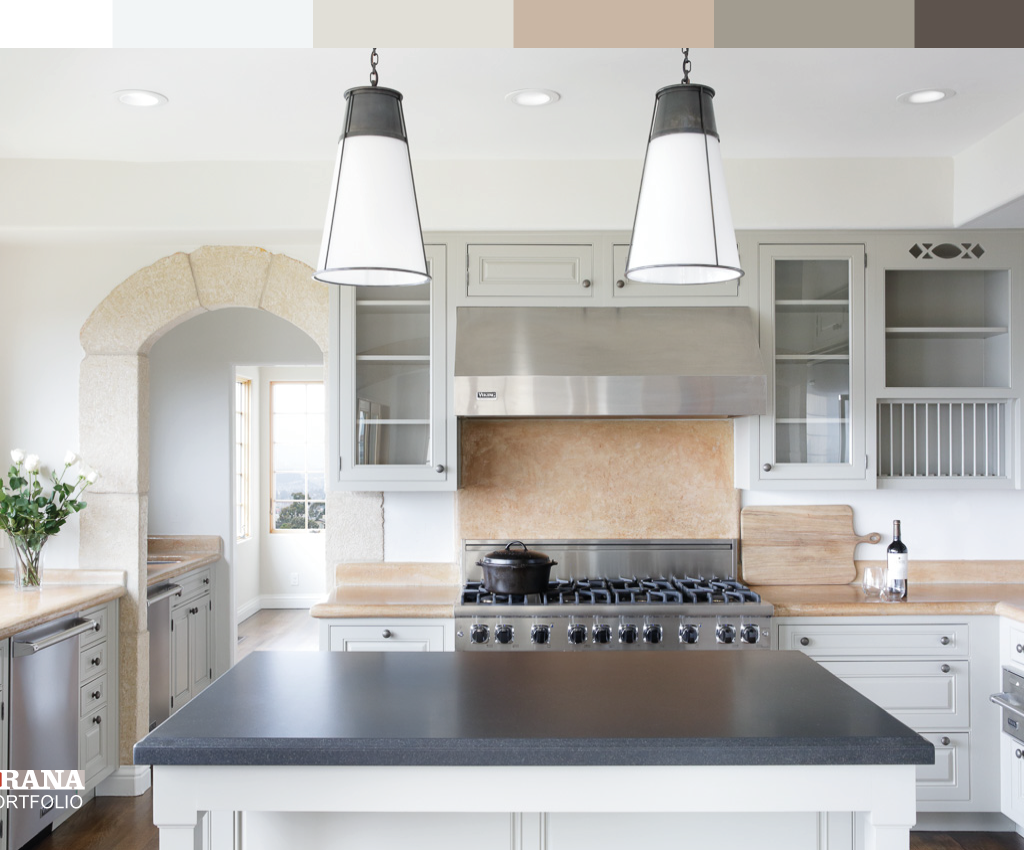 Warm neutral wall colors pair seamlessly with natural wood cabinetry for a cozy, timeless kitchen look.
Credit: www.craftsmanpainters.com
Warm neutral wall colors pair seamlessly with natural wood cabinetry for a cozy, timeless kitchen look.
Credit: www.craftsmanpainters.com
Frequently Asked Questions
What is the absolute best paint finish for kitchen walls?
Semi-gloss is the top all-around pick for most households, as it balances durability, moisture resistance, and ease of cleaning. With a scrub rating of 5,000-8,000 wet scrubbings, it can handle weekly wipe-downs of grease and food splatters for 5+ years without showing wear, while its moderate sheen hides minor wall imperfections better than high-gloss. For low-moisture, low-traffic kitchen nooks or show homes, satin is a great alternative with a softer, more subtle sheen.
Do I need to prime kitchen walls before painting?
Yes, in nearly all cases. Primer seals porous drywall or plaster, blocks existing grease and water stains from bleeding through new paint, and improves adhesion, which extends the life of your paint job by 2-3 years on average. You can skip primer only if you are painting over a previously painted, well-adhered wall with the same color and no existing stains or damage.
Can I use exterior paint on kitchen walls?
No. Exterior paint is formulated to handle UV exposure and extreme temperature fluctuations outdoors, and often contains higher levels of VOCs that can release harmful fumes in enclosed indoor spaces. Using exterior paint indoors can also lead to poor adhesion and premature peeling, as it is not designed to handle the frequent cleaning and humidity of a kitchen.
How often should I repaint kitchen walls?
With proper preparation and a high-quality, durable finish, kitchen walls typically last 5-7 years before needing a full repaint. High-traffic areas near stovetops may need minor touch-ups every 1-2 years to cover scuffs and grease stains, while low-traffic areas can go 8+ years with minimal maintenance.
Is washable paint worth the extra cost for kitchens?
Yes, for most households. Washable paints have a minimum scrub rating of 3,000 wet scrubbings per ASTM D2486 standards, compared to 1,000 or less for standard interior paints. This means they can withstand frequent cleaning without fading, wearing through, or losing their finish, saving you money on touch-ups and full repaints over time. The small upfront cost difference is almost always offset by the longer lifespan of the paint job.
Final Verdict: The Best Paint for Most Kitchens
For most households, the best paint for kitchen walls is a water-based acrylic semi-gloss paint with mildew and stain resistance, a scrub rating of at least 3,000, and low VOC levels. Semi-gloss offers the perfect balance of durability, moisture resistance, and ease of cleaning, while hiding minor wall imperfections better than high-gloss. If you have a low-moisture, low-traffic kitchen nook, satin is a great alternative with a softer, more subtle sheen. No matter which finish you choose, proper wall prep, two thin coats, and regular maintenance will ensure your paint job looks fresh for years to come. Ready to tackle your kitchen painting project? First, remove any old wall-mounted fixtures like faucets to create a smooth, even surface for painting. Our step-by-step guide to removing a wall-mounted kitchen faucet walks you through the process without damaging your plumbing or drywall.