Waffle Weave vs Terry Cloth Dish Towels: Which Is Best?
A waffle weave dish towels vs terry cloth comparison usually boils down to one question: do you want fast drying or heavy soaking? Waffle weave towels air out quickly and leave less lint on glass. Terry cloth grabs bigger spills and feels plusher in your hand.
Neither is wrong. They just excel at different jobs.
Manufacturer specs commonly place waffle weave cotton around 150 to 250 GSM, while terry cloth often lands between 400 and 600 GSM. That weight gap drives most of the feel and performance differences you'll notice at the sink, as of 2026. Here's what each weave actually does before you restock the drawer.
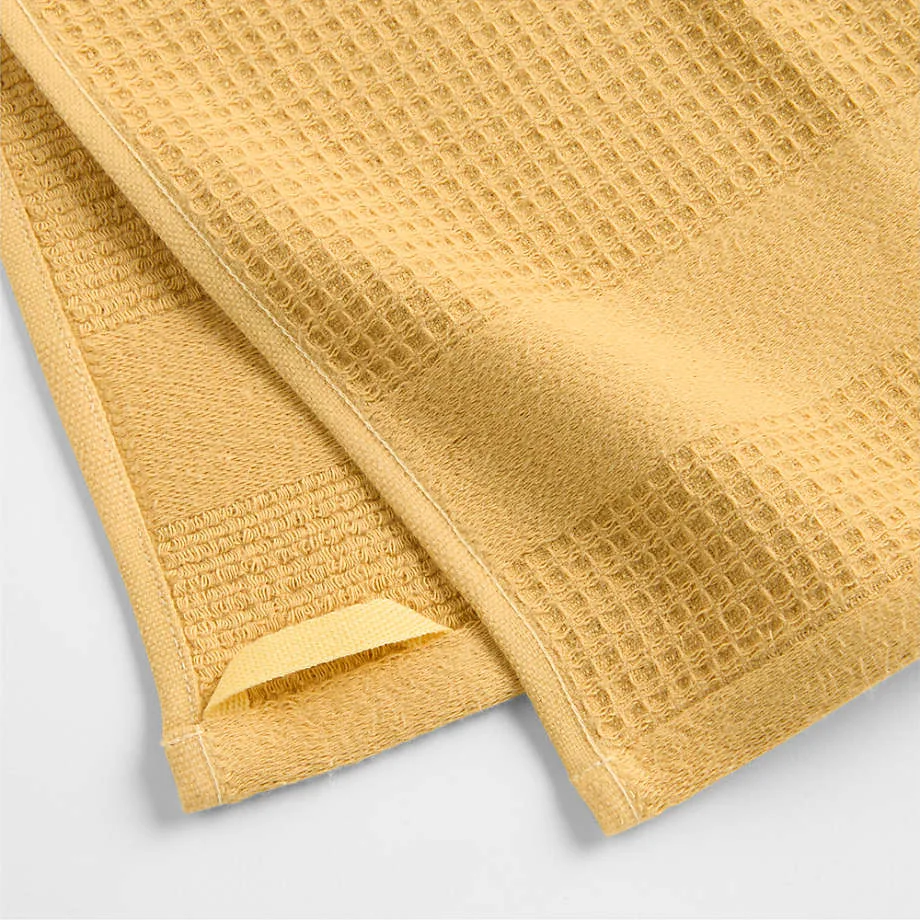
Image source: Web (Bing) / crateandbarrel.com (Web image (fair-use with source credit))
Waffle Weave vs Terry Cloth Dish Towels: The Quick Answer
Waffle weave dish towels vs terry cloth comparison favors waffle for glass and terry for grease. Waffle dries faster between uses. Terry holds more water on first contact.
Waffle sheds less lint on smooth surfaces. Terry feels thicker and more cushioned. Many cooks keep both types in rotation.
| Factor | Waffle Weave | Terry Cloth |
|---|---|---|
| Best for | Glassware, quick dry | Big spills, greasy pans |
| Typical GSM | 150–250 | 400–600+ |
| Lint on glass | Low | Moderate to high |
| Dry time | Hours (unbunched) | Longer when wet |
If you cook daily and hate sour-smelling towels, waffle weave wins for hand drying and countertop wipes. If you regularly tackle soaked pots or grease splatter near your walls, terry cloth's deeper pile pulls more liquid upfront. Aggregate buyer reviews suggest most frustration comes from using one towel type for every task, not from picking the wrong weave outright.
How Waffle Weave and Terry Cloth Are Built (and Why the Weave Changes Everything)
Waffle weave dish towels use a honeycomb or grid pattern that creates small pockets across a relatively flat surface. Terry cloth dish towels use loop pile construction, where thousands of raised cotton loops stand up from the base fabric. That structural difference is the whole story.
The waffle grid increases surface area without adding much bulk. Air moves through the open channels, which is why these towels dry faster when hung over a bar or hook. Terry's loops act like tiny sponges.
They trap water and grease inside the pile, which boosts initial absorbency but slows drying once the towel is saturated.
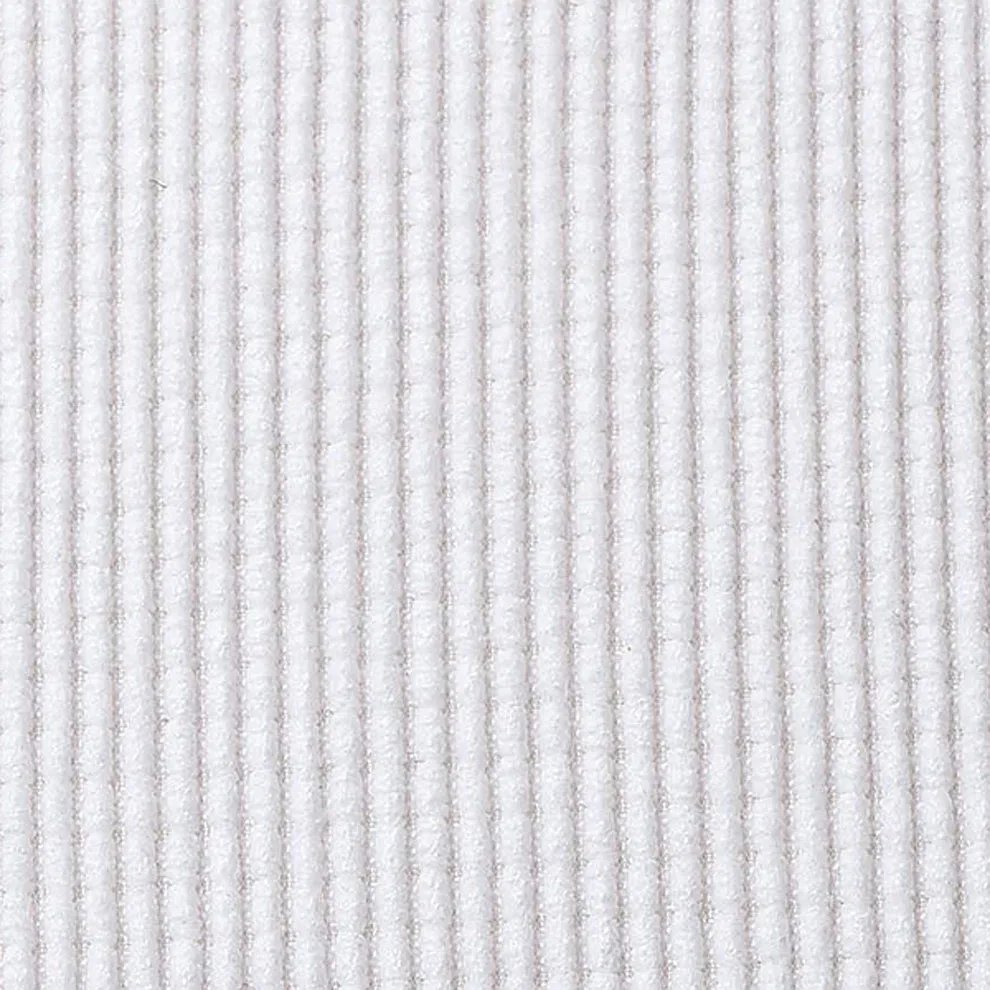
Image source: Web (Bing) / universalcompanies.com (Web image (fair-use with source credit))
What GSM Tells You
GSM means grams per square meter, a standard measure of fabric weight. Lighter waffle towels around 180 GSM feel crisp and wring out easily. Heavier terry at 500 GSM feels plush and holds more water before dripping.
Manufacturer care labels on both types typically recommend warm washes and skipping fabric softener, since softener coats fibers and kills absorbency over time.
Cotton type matters too. Long-staple and ring-spun cotton tends to stay smoother after repeated laundering. Budget open-weave cotton can feel rough sooner.
Products carrying OEKO-TEX Standard 100 certification meet independent limits on harmful substances, which is worth checking if towels sit near food prep zones.
Side-by-Side Comparison: Absorbency, Dry Time, Lint, Feel, and Durability
This is where the waffle weave dish towels vs terry cloth comparison gets practical. Absorbency, dry time, lint, feel, and durability pull in opposite directions depending on weave.
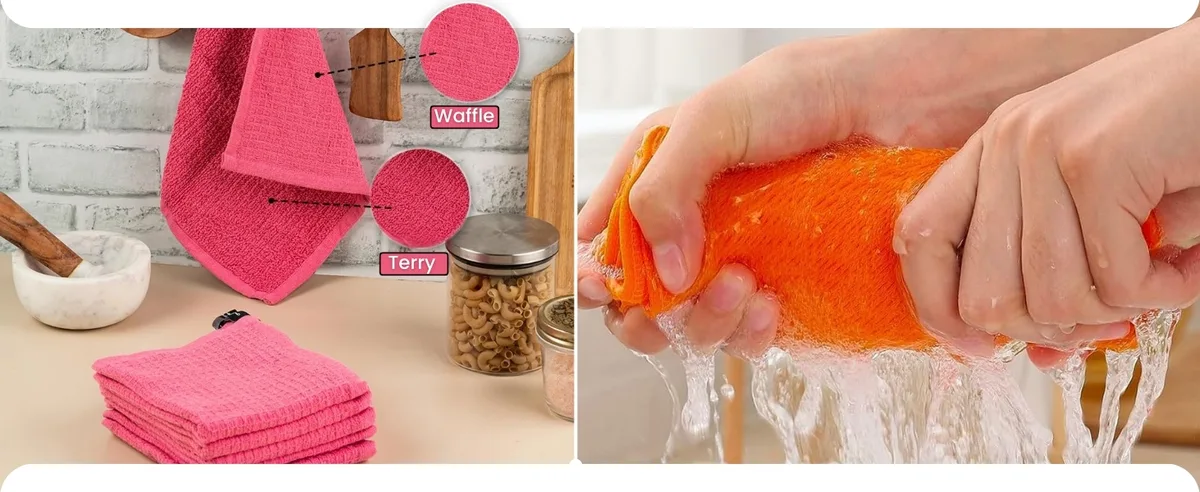
Image source: Web (Bing) / amazon.com (Web image (fair-use with source credit))
Absorbency. Terry cloth wins first-pass soaking. Those loops drink up puddles fast. Waffle weave absorbs well for everyday hand drying and light spills, but a fully saturated terry towel typically holds more total water before you need to wring it out.
Dry time. Waffle weave wins clearly. Aggregate reviews consistently report waffle towels ready for reuse within a few hours when hung openly. Terry bunched on a hook can stay damp overnight, especially in humid kitchens.
Lint. Waffle weave is the safer pick for wine glasses, mirrors, and stainless steel. Terry's loop pile sheds fibers, especially on newer towels or lower-quality cotton. That lint shows up as haze on recently cleaned surfaces near the sink.
Feel and durability. Terry feels soft and cushioned from day one. Waffle feels smoother and lighter. Over 100 to 300 wash cycles, both hold up when hems are well stitched.
Terry pile can mat or flatten with hot drying. Thin waffle towels may wear through at corners if you use them for scrubbing stuck-on food.
| Performance trait | Waffle Weave | Terry Cloth |
|---|---|---|
| First-pass absorbency | Good | Excellent |
| Air-dry speed | Fast | Slower |
| Lint on glass | Minimal | Noticeable |
| Long-term pile retention | Stable texture | Can mat over time |
Which Towel Wins for Glassware, Greasy Cleanup, and Everyday Kitchen Use
The right pick depends on what you're wiping, not which weave looks prettier folded on the counter.
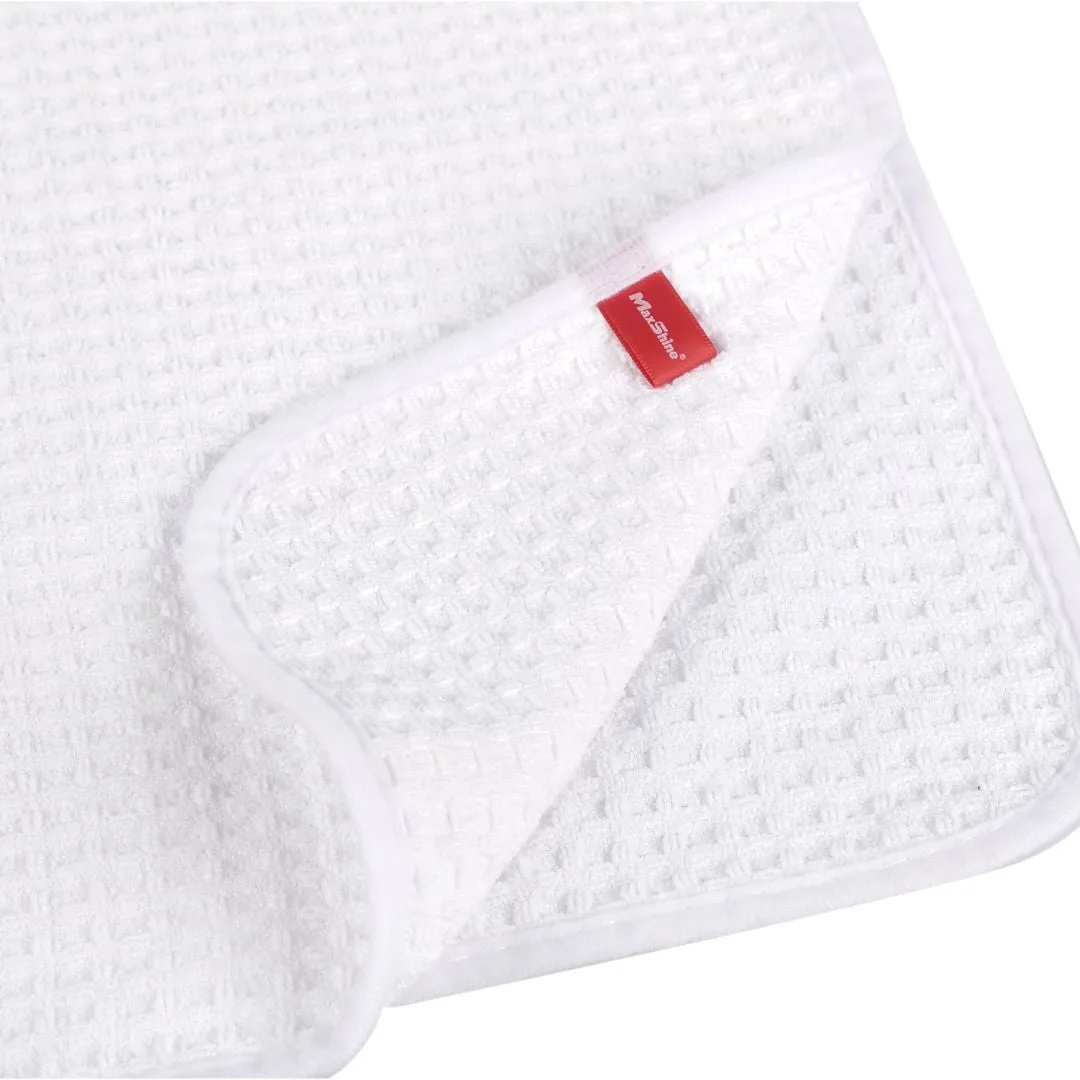
Image source: Bing (Web image (fair-use with source credit))
Glassware and Stemware
Waffle weave is the clear winner here. The flatter surface leaves fewer streaks and almost no lint on wine glasses or drinking tumblers. Terry works in a pinch, but you'll often need a second pass to buff away fibers or water marks.
Greasy Pans and Heavy Spills
Terry cloth takes this category. Loop pile grabs cooking oil and greasy residue more aggressively than smooth waffle texture. Grease can lodge deep in terry loops, though.
Wash those towels separately from your glass-drying set, and never run oil-heavy terry through a hot dryer. The USDA Food Safety and Inspection Service recommends keeping raw-meat contact surfaces separate from other kitchen linens to reduce cross-contamination risk.
Everyday Hand Drying and Counter Wipes
For daily sink use, waffle weave is hard to beat. It dries fast between tasks, takes less drawer space, and handles flour dust or light spills without feeling sodden. Terry works well if you prefer a thicker hand feel and don't mind rotating towels more often.
A simple split that verified buyer feedback supports: keep two waffle towels for hands and glass, plus two terry towels for pots, pans, and messy cleanup. If your kitchen runs tight on space, lean waffle. If you cook greasy meals often, stock terry.
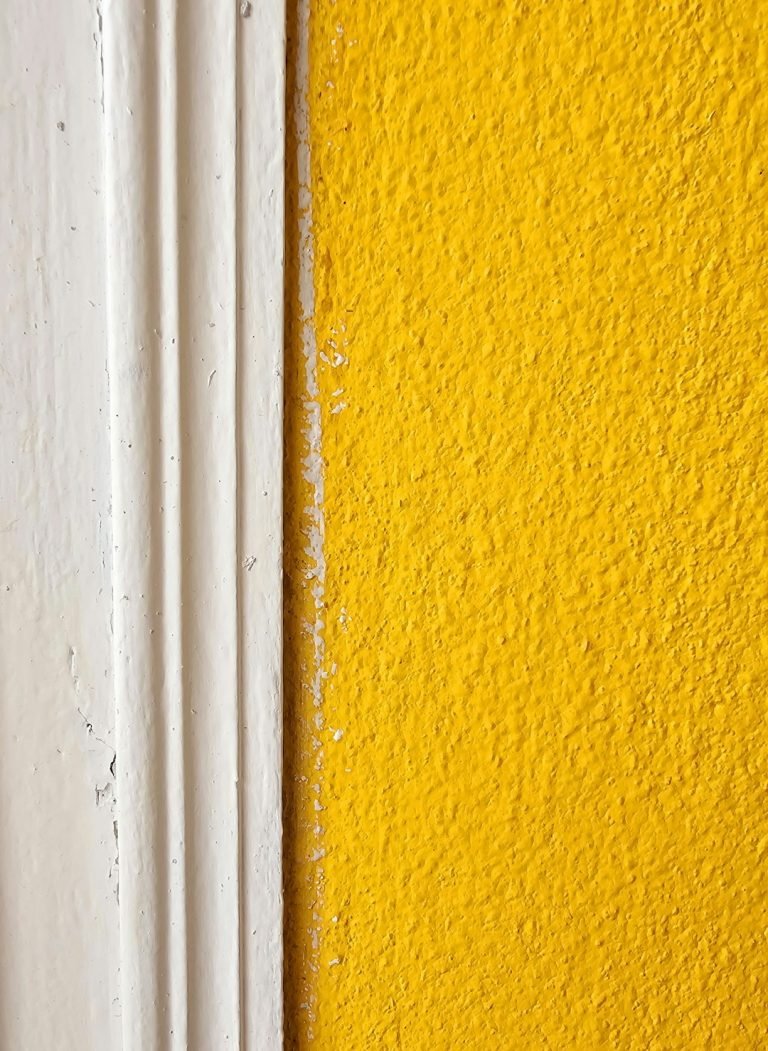
A clean backsplash zone makes towel rotation easier since wet linens aren't sitting against grime traps.
Care, Hygiene, and Mistakes That Ruin Both Towel Types
Even the best waffle weave or terry cloth dish towel fails fast with bad laundry habits. Damp cotton is a breeding ground for bacteria, and the CDC's food safety guidance stresses keeping kitchen surfaces and tools clean to prevent illness.
Wash new towels before first use. Sizing chemicals from manufacturing block absorbency until that first hot wash strips them away.
Skip fabric softener. Always. It leaves a coating that makes towels repel water within a few weeks.
Use a rotation system. Label or color-code: one set for hands and glass, one for grease and raw-protein cleanup. Swap daily or whenever a towel smells off.
Hang towels flat to dry. Drape them over a bar with full surface exposed. A bunched terry loop on a hook stays wet for hours.
Common Mistakes to Avoid
- Washing all kitchen towels together after a greasy pan session (grease transfers to every weave)
- Using bleach on colored waffle towels (fade and fiber damage)
- Tumble drying terry on high heat every load (shrinks cotton 3 to 8% and mats pile)
- Keeping a "clean looking" towel that smells sour (odor means bacterial buildup)
- Wiping wall splatter above the stove with your glass towel (transfers grease and grime to smooth surfaces)
A vinegar rinse every few weeks resets musty odors both weaves develop in humid climates. Replace any towel when hems unravel, holes appear, or the smell survives a hot wash. At that point, no weave type saves it.
Specs, GSM, and What You Should Actually Pay
Price and fabric weight tell you more than marketing photos ever will. Standard sizes cluster around 16×28 inches, 18×28 inches, and 20×30 inches. Larger towels cover more counter space but take longer to dry.
| Spec | Waffle Weave | Terry Cloth |
|---|---|---|
| Typical GSM | 150–250 | 400–600+ |
| Common sizes | 16×28", 18×28" | 18×28", 20×30" |
| Budget pack (6) | $12–$20 | $10–$18 |
| Premium single | $8–$15 | $6–$12 |
Budget terry packs often deliver the lowest cost per towel. Premium long-staple waffle towels cost more upfront but hold shape longer through 200+ wash cycles. Look for pre-shrunk labeling if you tumble dry regularly.
Non pre-shrunk cotton can shrink 3 to 8% after hot drying.
Certifications worth checking include OEKO-TEX Standard 100 and GOTS for organic cotton claims. Ring-spun cotton feels smoother after repeated laundering than open-weave budget cotton. If you're refreshing your kitchen look, white utility towels match any palette and make it obvious when a terry towel needs a bleach-sanitize cycle after heavy grease sessions.
FAQs About Waffle Weave and Terry Dish Towels
Are waffle weave dish towels more absorbent than terry cloth?
No. Terry cloth wins first-pass absorbency because loop pile traps more water upfront. Waffle weave absorbs well for everyday hand drying and light spills.
It just holds less total liquid before needing a wring. Choose terry for soaked pots. Choose waffle for quick countertop wipes.
Do waffle weave towels leave lint on glassware?
Waffle weave sheds far less lint than terry on wine glasses, mirrors, and stainless steel. Terry's raised loops release fibers, especially on newer or lower-quality cotton. For streak-free glass drying, waffle is the safer pick.
Buff with a dry section if any haze remains.
How often should you wash kitchen dish towels?
Swap hand and counter towels daily in busy kitchens. Wash immediately after any raw meat or poultry contact. The CDC recommends keeping kitchen surfaces and tools clean to reduce foodborne illness risk.
A sour smell means bacteria buildup. Hot wash that towel or retire it.
Can you use fabric softener on waffle or terry dish towels?
Skip fabric softener on both types. It coats cotton fibers and kills absorbency within a few weeks. Use a vinegar rinse instead for odor reset.
Hot water and regular detergent restore performance better than any softening product.
Which towel type dries faster between uses?
Waffle weave dries faster because its honeycomb grid lets air pass through open channels. Terry bunched on a hook can stay damp overnight, especially in humid kitchens. Hang either type flat over a bar with full surface exposed for quickest turnaround.
Do terry cloth dish towels shrink in the dryer?
Yes, especially without a pre-shrunk finish. Hot tumble drying can shrink cotton terry 3 to 8% and mat the loop pile. Low heat or line drying preserves thickness longer.
Waffle weave shrinks less due to lighter weight and flatter construction.
Which Kitchen Towel Should You Choose?
Start with your messiest daily task. Glass-heavy routines point to waffle weave. Grease-heavy cooking points to terry cloth.
Most home kitchens benefit from keeping both on hand rather than forcing one weave to do everything.
Humid climates and small spaces favor waffle. Faster dry time means fewer musty odors between washes. Cooks who want a thick, cushioned feel at the sink and don't mind extra rotation will prefer terry's plush loop pile.
Good habits matter more than weave choice. Skip softener, separate towels by task, and hang them flat to dry. Retire any towel when hems fail or odors survive a hot wash.
A well-maintained cooking zone keeps towel care simple since you're not fighting built-up grime at the sink every night.
Match the weave to the job, keep both types clean, and the daily towel fight mostly disappears.