Farmhouse Table Runner Ideas to Style Your Dining Table
You picked a farmhouse table runner because you want texture and warmth without hiding the wood. Good call. The hard part isn't finding farmhouse table runner ideas for dining table setups online.
It's making the runner look right on your table length, wood tone, and daily mess level.
A table runner is a narrow strip of fabric centered on the dining table. It defines the visual centerline and protects the surface. Most farmhouse setups use 14 to 16 inch widths with 6 to 12 inches of overhang per end.
Get that proportion wrong and even a beautiful linen runner looks off. As of 2026, styling trends still favor clean, scaled layers over busy tablescapes. Start with size and material before you worry about candles or seasonal swaps.
Quick Answer
Farmhouse table runner ideas for dining table styling start with proportion. Use a 14 to 16 inch wide runner. Leave 6 to 12 inches overhang on each end.
Match texture to your wood tone. Washed linen suits warm oak. Grain-sack stripe works on whitewashed pine.
Layer a simple centerpiece and odd-numbered taper candles. Skip full tablecloths when you want the wood visible.
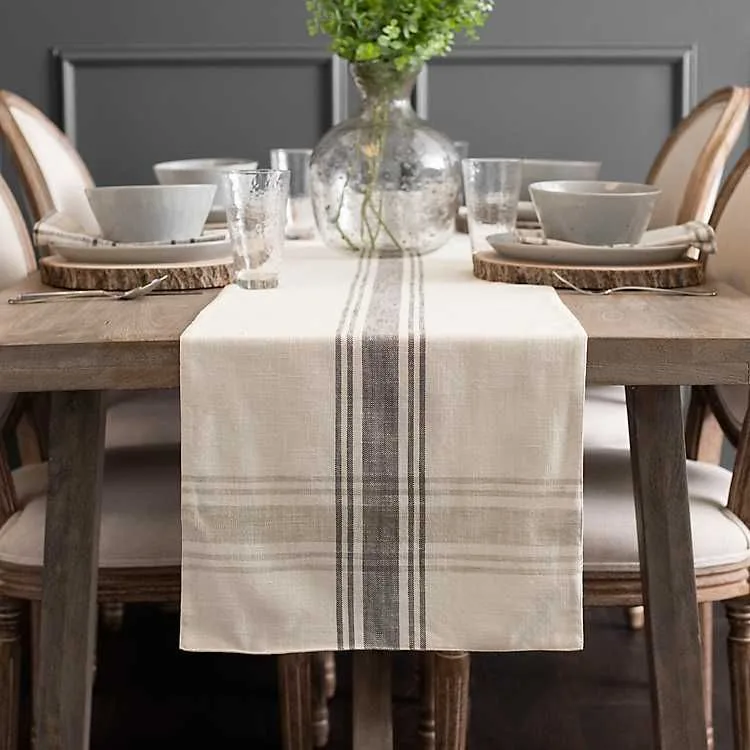
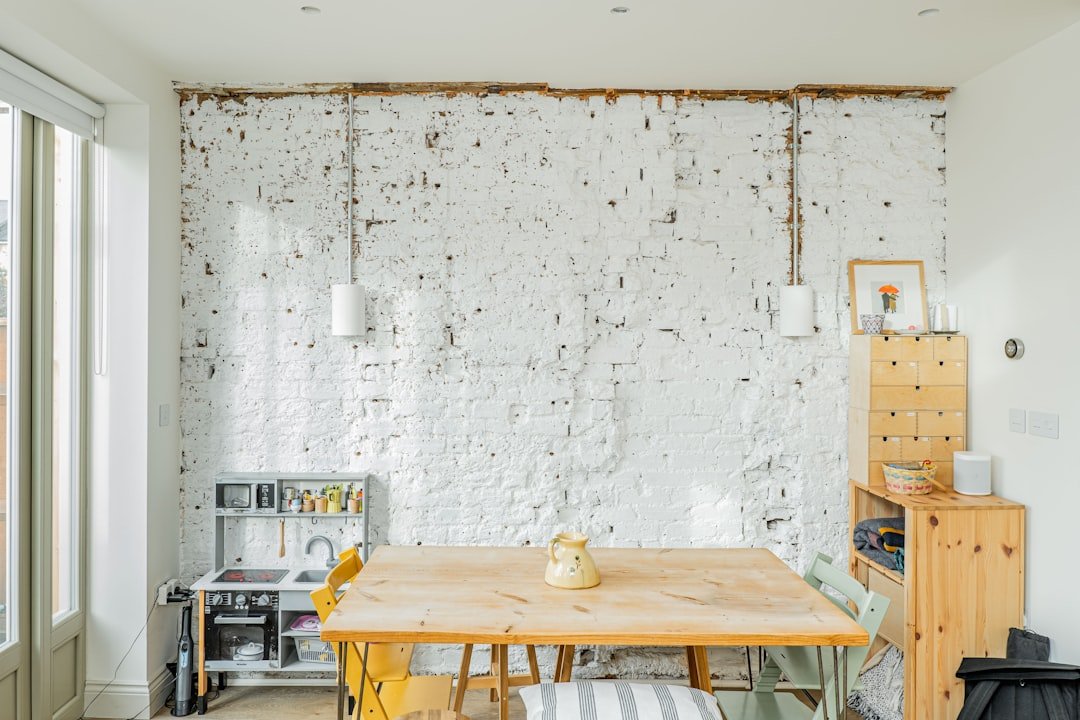
Image source: Web (Bing) / pinterest.com (Web image (fair-use with source credit))
Why Proportion Changes Everything on a Farmhouse Dining Table
Farmhouse dining tables run long and wide. A runner that looks perfect on a 48 inch round table disappears on an 8 foot harvest table. What you're really styling is the relationship between runner width, table width, and how much fabric hangs past the edge.
Picture the table from the short end. The runner should cover roughly one-third of the table width, centered. On a 42 inch wide farm table, a 14 inch runner leaves wood showing on both sides.
That frame effect is the whole farmhouse look. Cover too much and you've basically got a tablecloth with extra steps.
Length matters just as much. Too short and the runner floats like a placemat that gave up. Too long and ends drop into laps or snag on chair arms.
Aggregate decor reviews consistently flag overhang as the top complaint on long rectangular tables.
Your wood tone sets the backdrop. Warm honey oak reads differently than grey-washed pine or dark reclaimed boards. A cream runner on warm wood glows.
The same cream on cool grey wood can look flat unless you add texture or a subtle stripe. If your dining space opens into the kitchen, wall tones behind the table affect how the runner reads from across the room.
What good proportion looks like
- Runner width: 12 to 16 inches for most farm tables (14 inches is the sweet spot)
- Wood visible on both sides: at least 10 to 12 inches per side on a 40+ inch wide table
- End overhang: 6 to 12 inches per side (8 inches is the most common target)
- Centerpiece width: stay within the runner edges, not wider than the fabric
How to Size a Table Runner for a 6, 8, or 10-Foot Farm Table
Grab a tape measure. Write down your table length and width before you shop or sew. Runner sizing is simple math, but only if you start with real numbers.
The length formula: Table length minus 12 to 18 inches gives you a runner that sits inset from the table ends. For a softer, draped look, add 12 to 24 inches total overhang instead (6 to 12 inches per end). Manufacturer specs on ready-made runners typically list 72, 90, and 108 inch lengths to match standard table sizes.
| Table length | Inset runner (12–18 in. total shorter) | Overhang look (6–8 in. per end) |
|---|---|---|
| 72 in. (6 ft) | 54–60 in. runner | 84–88 in. runner |
| 96 in. (8 ft) | 78–84 in. runner | 108–112 in. runner |
| 120 in. (10 ft) | 102–108 in. runner | 132–136 in. runner |
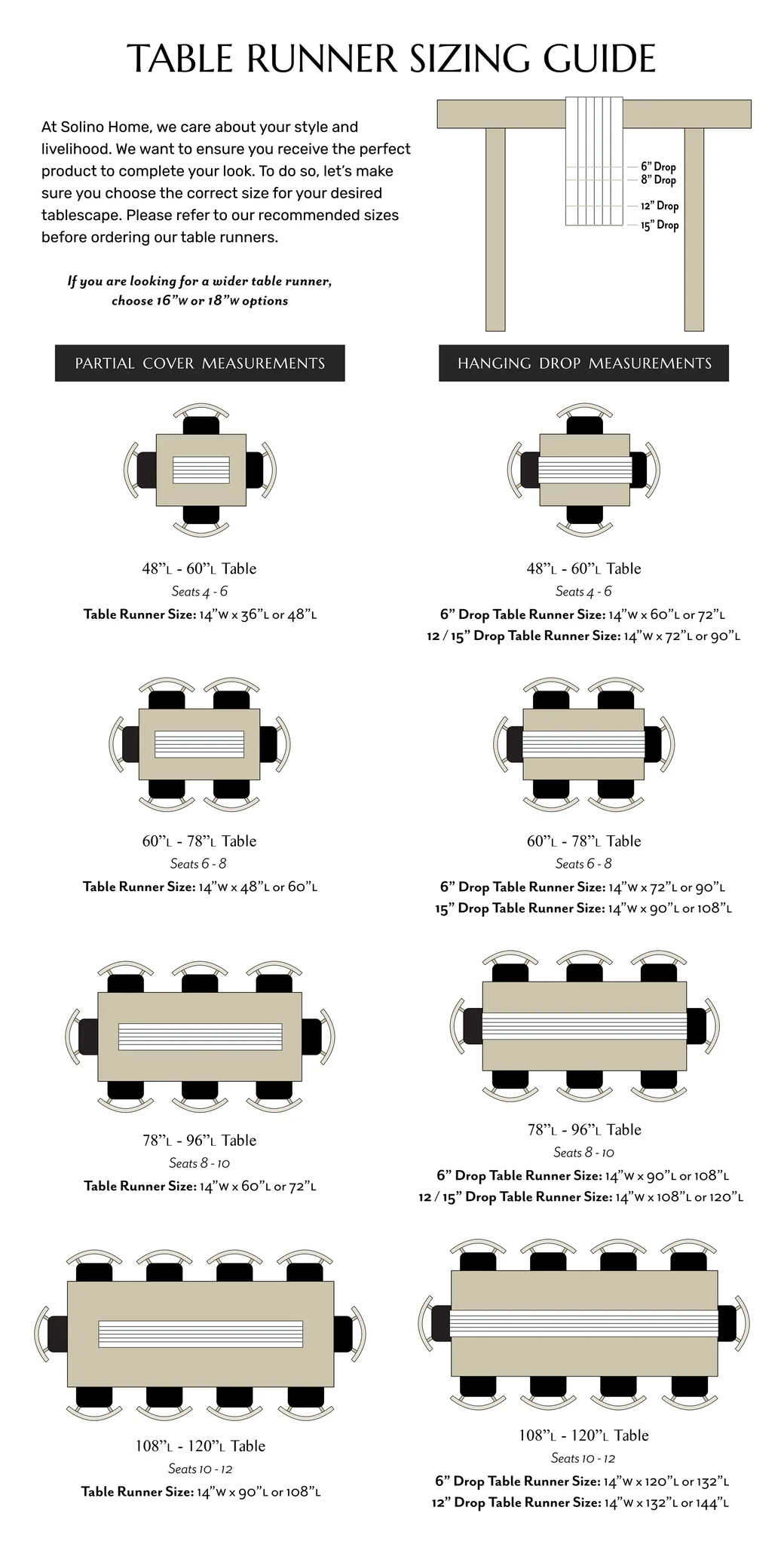
Image source: Web (Bing) / storage.googleapis.com (Web image (fair-use with source credit))
The width formula: Match runner width to table width. Tables 36 to 40 inches wide take a 12 to 14 inch runner. Tables 42 to 48 inches wide can handle 14 to 16 inches.
Round pedestal farmhouse tables follow the same one-third rule. Lay the runner across the diameter and check that wood shows evenly on both sides.
If your runner slides on sealed wood, a thin non-slip liner underneath fixes it without bulk. Press or steam the runner before setting. Wrinkles break the clean line that makes farmhouse styling work.
Quick sizing checklist
- Measure table length and width
- Choose inset or overhang length style
- Pick runner width at roughly one-third of table width
- Steam and center the runner before adding decor
- Stand at chair height and check overhang doesn't hit laps
Linen, Burlap, and Grain-Sack Runners: Matching Texture to Your Wood
Material choice is where farmhouse table runner ideas either click or clash. You're pairing fabric texture against wood grain, and the eye picks up that contrast instantly.
Washed linen is the modern farmhouse default. Soft drape, slight wrinkle, breathable weave. It suits warm oak, cherry, and natural pine.
Aggregate reviews report linen holds up well to weekly washing if you follow care labels. Cold wash, low heat or air dry keeps fibers happy.
Burlap and jute push rustic hard. Nubby texture, earthy color, casual feel. They work on reclaimed wood and darker tables.
The tradeoff is shedding. Verified buyer feedback often mentions burlap fibers on plates and sleeves. Spot-clean or shake outdoors rather than heavy washing.
Grain-sack stripe and ticking hit the French-country farmhouse note. Neutral base with a muted stripe (charcoal, sage, or blue on oatmeal). These patterns add visual interest without competing with food or centerpiece height.
Cream cabinet kitchens nearby tend to pair well with grain-sack tones.
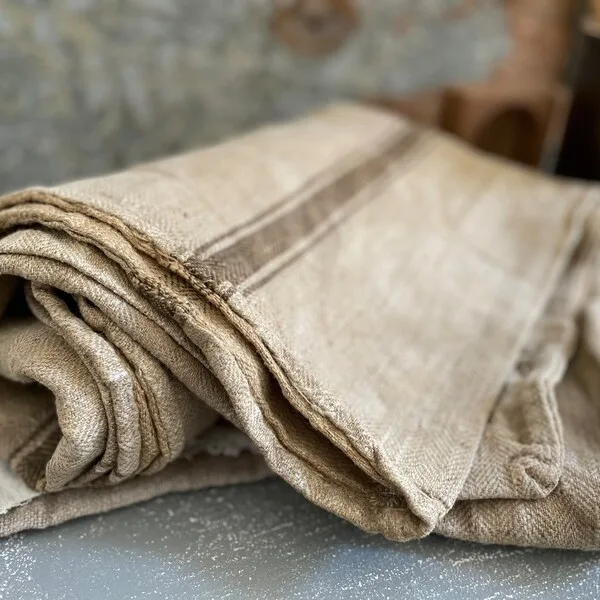
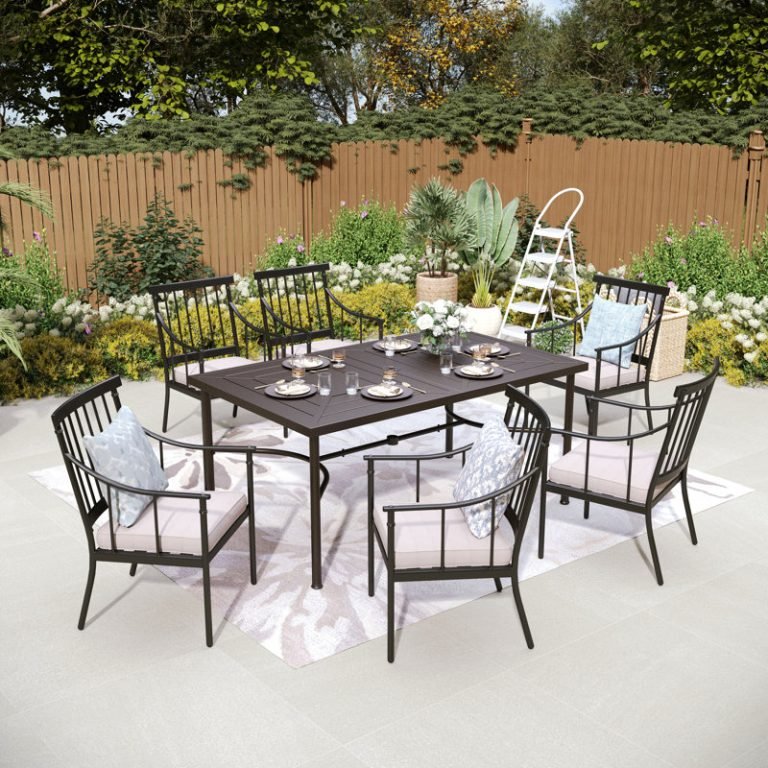
Image source: Web (Bing) / etsy.com (Web image (fair-use with source credit))
| Material | Best wood match | Care level | Visual vibe |
|---|---|---|---|
| Washed linen | Warm oak, natural pine | Machine wash gentle | Soft, lived-in |
| Burlap/jute | Reclaimed, dark wood | Spot clean, shake | Rough, rustic |
| Grain-sack stripe | Whitewashed, grey tones | Varies by blend | Structured, French country |
| Cotton muslin | Any light to mid wood | Easy machine wash | Clean, minimal |
Per the FTC Textile Fiber Products Identification Act, purchased runners must list fiber content on the label. Check that tag before buying, especially if the runner sits directly under plates.
Warm wood vs cool wood
- Warm undertones (honey oak, amber pine): ivory, cream, oatmeal, sage
- Cool undertones (grey-wash, whitewashed): charcoal stripe, muted blue, soft grey solid
- Dark reclaimed: lighter runners (cream, natural muslin) for contrast
Farmhouse Table Runner Ideas by Style, Season, and Table Shape
Once size and material are set, the fun part starts. These combos work because they respect proportion first and add personality second.
Modern farmhouse keeps it quiet. Solid washed linen in oatmeal or soft white. One low greenery piece.
Maybe three taper candles in simple holders. No plaid overload. Clean lines on metal or upholstered chairs pair best here.
Rustic farmhouse leans into texture. Burlap or loose-weave jute. Buffalo check or muted plaid for fall.
Wood chargers and a dough bowl centerpiece. Works on rough-hewn tables and open-plan dining layouts where the table sits in full view.
French country farmhouse favors grain-sack stripes, gingham, or subtle floral on linen blends. Taper candles in brass holders. Dried lavender or a small eucalyptus sprig.
Best on lighter wood and pedestal tables.
Seasonal swap ideas
| Season | Runner direction | Accent layer |
|---|---|---|
| Spring | Light linen, soft floral or solid sage | Fresh tulips or herbs in a crock |
| Summer | White or natural cotton muslin | Citrus in a wooden bowl, no heavy candles |
| Fall | Grain-sack stripe or buffalo check | Mini pumpkins, dried wheat, warm tapers |
| Winter | Cream linen or charcoal stripe | Greenery garland, pine cones, white candles |
Round vs rectangular: Rectangular harvest tables carry long runners with centered overhang. Round tables need shorter runners that span the diameter minus 12 to 18 inches. A square overlay rotated 45 degrees adds visual interest on round pedestal tables.
Square farm tables take a runner down the middle like a rectangle, but width proportion matters more because the surface area is compact.
Swap runners seasonally instead of rebuilding the whole dining zone decor. Store them rolled or flat in a dry closet. Humid climates wrinkle linen fast.
A quick steam before each use beats fighting permanent creases.
How to Layer Your Runner, Centerpiece, and Candles Without Clutter
Layering is where farmhouse tables go wrong. A runner plus oversized centerpiece plus chargers plus five candles plus place cards equals chaos. The goal is a clear centerline with breathing room.
Build bottom to top. Runner first, pressed flat and centered. Chargers or plates next if you use them.
Centerpiece last. Candles and greenery sit inside the centerpiece zone, not spread across the full table length.
Height rule: Keep centerpiece height at or below 12 to 14 inches. Conversation sightlines matter at a dining table. Low bowls, dough bowls, and horizontal greenery arrangements beat tall floral towers.
Candle rule: Use odd numbers (3 or 5) on long tables. Space them evenly along the runner centerline. Always use proper holders.
Trim wicks to 1/4 inch. The CPSC recommends never leaving candles unattended near fabric like linen or burlap.

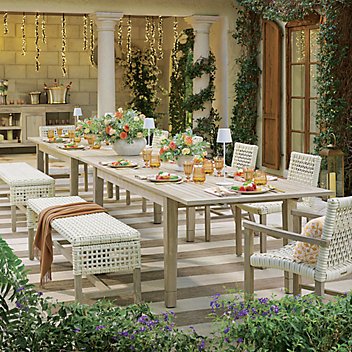
Image source: Bing (Web (fair-use with source credit))
Layering order
- Runner (steamed, centered)
- Chargers or plates (aligned with place settings, not overlapping runner edges wildly)
- Base centerpiece (bowl, tray, or wooden board)
- Greenery or florals (low and horizontal)
- Candles (tapers in holders, taller than greenery but under 14 inches total)
Scale decor to table length. An 8 foot table can carry three candle groupings spaced along the runner. A 6 foot table gets one central cluster.
If you add a garland, let it run the runner length but keep it slim. A fat garland plus a bowl plus candles reads heavy fast.
Daily family meals need less styling than holiday hosting. A runner with a simple bowl of fruit works Monday through Thursday. Add candles and greenery when guests arrive.
That same approach keeps kitchen-adjacent walls from competing with an overdone tablescape you won't maintain anyway.
Protect your wood between styled moments. Wipe spills quickly on cotton and linen. Blot, don't rub, on burlap.
Rotate runners weekly if you eat at the table daily. That small habit prevents sun fading on one strip and spreads wear evenly across your collection.
Common Farmhouse Runner Styling Mistakes (and Easy Fixes)
Most farmhouse runner problems come down to scale, not taste. The fabric might be gorgeous. If it's the wrong length or width for your harvest table, the whole setup looks amateurish fast.
Runner too long. Ends that drop past 12 inches per side catch on chair arms and land in laps. Fix it by remeasuring and swapping to a shorter length. Inset sizing (table length minus 12 to 18 inches) solves this cleanly on daily-use tables.
Runner too short. A strip that stops well before the table edge looks like a floating placemat. Aim for at least 6 inches of overhang per end, or inset evenly with 6 inches of wood showing at each short end.
Wrong width on a wide table. A 10 inch runner on a 48 inch farm table gets lost. Bump up to 14 or 16 inches so wood still frames both sides. Our research shows width complaints spike on tables wider than 42 inches.
Sliding on sealed wood. Smooth polyurethane finishes let cotton and linen drift with every bump. A thin non-slip mat under the runner fixes this without changing the look.
Wrinkled fabric after storage. Steam before setting, not after you've added candles and bowls. Linen especially needs a quick pass with a steamer or iron on low heat.
Over-styled layers. Runner, chargers, tall florals, garland, and five candles on one 6 foot table reads cluttered. Strip back to runner plus one low centerpiece. Add extras only for hosting nights.
Color clash with wood undertones. Cool grey runners on honey oak can look flat. Swap to cream, oatmeal, or a warm stripe. If your dining area sits near painted kitchen walls, check how wall color shifts the runner tone at dinner hour.
| Mistake | Quick fix |
|---|---|
| Too long | Shorten or switch to inset sizing |
| Too narrow | Move to 14–16 in. width |
| Slides | Non-slip liner underneath |
| Wrinkles | Steam before layering decor |
| Too busy | Remove one layer (garland or extra candles) |
FAQs About Farmhouse Table Runners for Dining Tables
How long should a table runner be on a farmhouse dining table?
For an overhang look, choose a runner 12 to 24 inches longer than your table (6 to 12 inches per end). For a cleaner inset look, pick a runner 12 to 18 inches shorter than the table length. An 8 foot table typically takes a 90 to 108 inch runner depending on the style you want.
Should a table runner hang over the edge of a dining table?
Yes, a slight overhang is standard and looks intentional. Target 6 to 12 inches past each end. More than 12 inches per side often interferes with seating.
Less than 6 inches can look too short on long rectangular farm tables.
What material works best for a farmhouse table runner?
Washed linen suits warm wood and modern farmhouse rooms. Grain-sack stripe cotton blends add pattern without bulk. Burlap and jute fit rustic tables but shed fibers and need spot cleaning.
Cotton muslin is the easiest care option for daily family meals.
Can you use a table runner without a tablecloth?
Absolutely. That's the point on farmhouse tables. A runner adds color and protects the center strip while keeping wood grain visible on the sides.
It works especially well on long harvest tables where a full cloth feels heavy or too formal.
How do you keep a table runner from sliding on a wood table?
Center the runner and place a thin non-slip pad or shelf liner underneath. Heavier centerpiece bases also help anchor the fabric. Avoid overly slick synthetic runners on sealed wood unless you use a grip layer below.
How wide should a table runner be for a 42-inch dining table?
A 14 to 16 inch width is the sweet spot on a 42 inch table. It covers roughly one-third of the surface and leaves enough wood showing on both sides. Drop to 12 to 14 inches only if your table is 36 to 40 inches wide.