Linen vs Cotton Tablecloth: Which Is Better?
If you're trying to settle the linen tablecloth vs cotton which is better question before your next dinner party, the honest answer is that neither fabric wins everywhere. Better depends on how often you wash, how much wrinkling bothers you, and what your budget looks like.
In our research, quality linen runs roughly $60 to $250 for standard rectangular sizes, while cotton typically lands between $20 and $80. Both fibers shrink about 3% to 5% on first wash per ASTM textile testing methods. Here's how they actually stack up at the table.
Linen vs Cotton Tablecloth: Which Is Better?
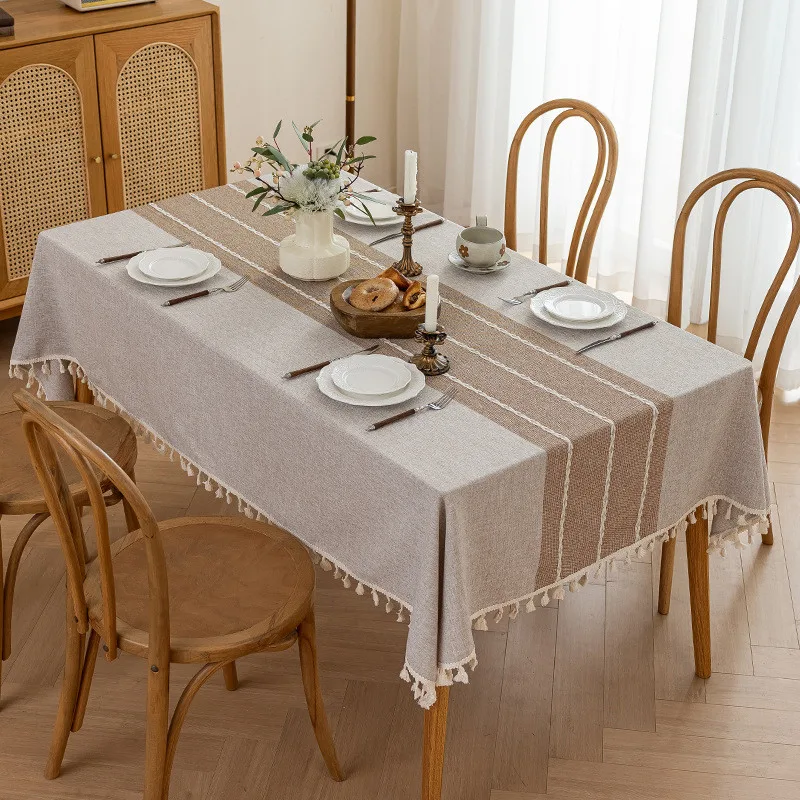
Image source: Web (Bing) / shopee.com.my (Web image (fair-use with source credit))
Quick Answer: Linen vs Cotton Tablecloth, Which Is Better?
Neither fabric is universally better. Cotton wins for daily rotation and budget. Linen wins for longevity and heat-heavy settings.
Cotton feels softer right out of the package. Linen gets softer with age and handles humidity well. Pick cotton if you want easy care.
Pick linen if you want a long-term investment piece.
What Linen and Cotton Tablecloths Actually Do Differently
A tablecloth is more than a cover. It's the surface your plates, glasses, and elbows touch for hours. Linen and cotton both come from plant fibers, but they behave differently once woven, washed, and laid on a table.
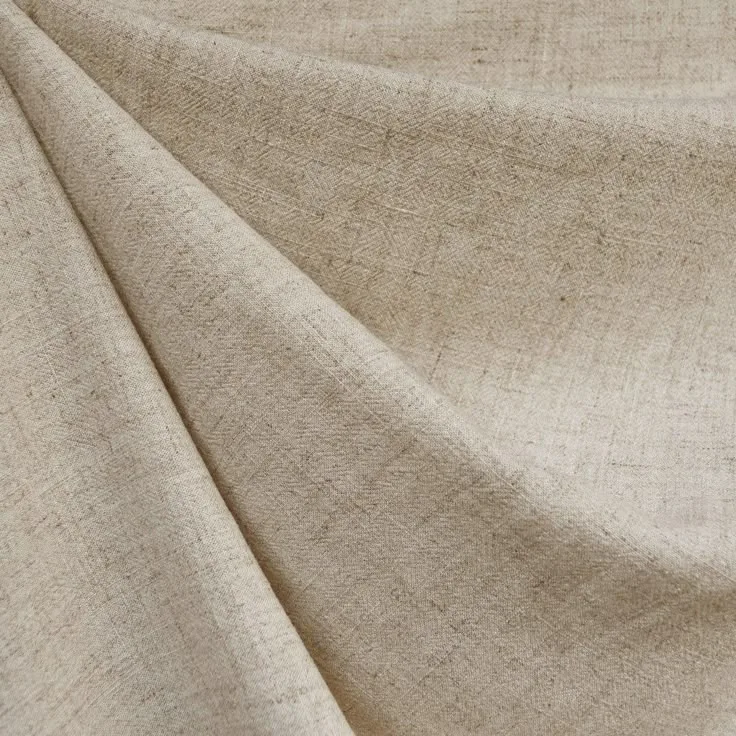
Image source: Web (Bing) / pinterest.com (Web image (fair-use with source credit))
Linen Tablecloths: Flax Fiber, Drape, and Break-In
Linen is woven from flax fiber, the long strands inside the flax plant stem. Manufacturer specs confirm it's one of the strongest natural fibers used in home textiles. Fresh linen can feel crisp and slightly textured.
After repeated washes, it softens and develops a relaxed, lived-in drape.
Linen breathes well. That matters in hot kitchens or outdoor summer meals where heat builds near the table. The trade-off is wrinkling.
Linen creases easily, and many buyers actually like that look. If you want a pressed, hotel-smooth surface every night, linen will test your patience unless you steam or iron regularly.
Cotton Tablecloths: Weave, Softness, and Daily Rotation
Cotton comes from the cotton plant's boll. It's widely used in table linens because it feels soft immediately and accepts dye well. You'll find cotton in plain weaves, damask patterns, percale, and sateen finishes.
Thread count matters more here than with linen. Many quality cotton tablecloths sit in the 200 to 400 thread count range.
Cotton absorbs spills quickly, which helps with cleanup but also means stains can set if you wait. Aggregate reviews report that lower-grade cotton can pill or thin after heavy weekly washing. Long-staple cotton, like Supima or Egyptian varieties, holds up noticeably better.
For families running the tablecloth through laundry several times a week, cotton's lower cost makes rotation practical.
Linen vs Cotton Tablecloth: Side-by-Side Comparison
You're not comparing two vague "natural fabrics." You're comparing feel, care, cost, and how each one looks after a year of real meals.
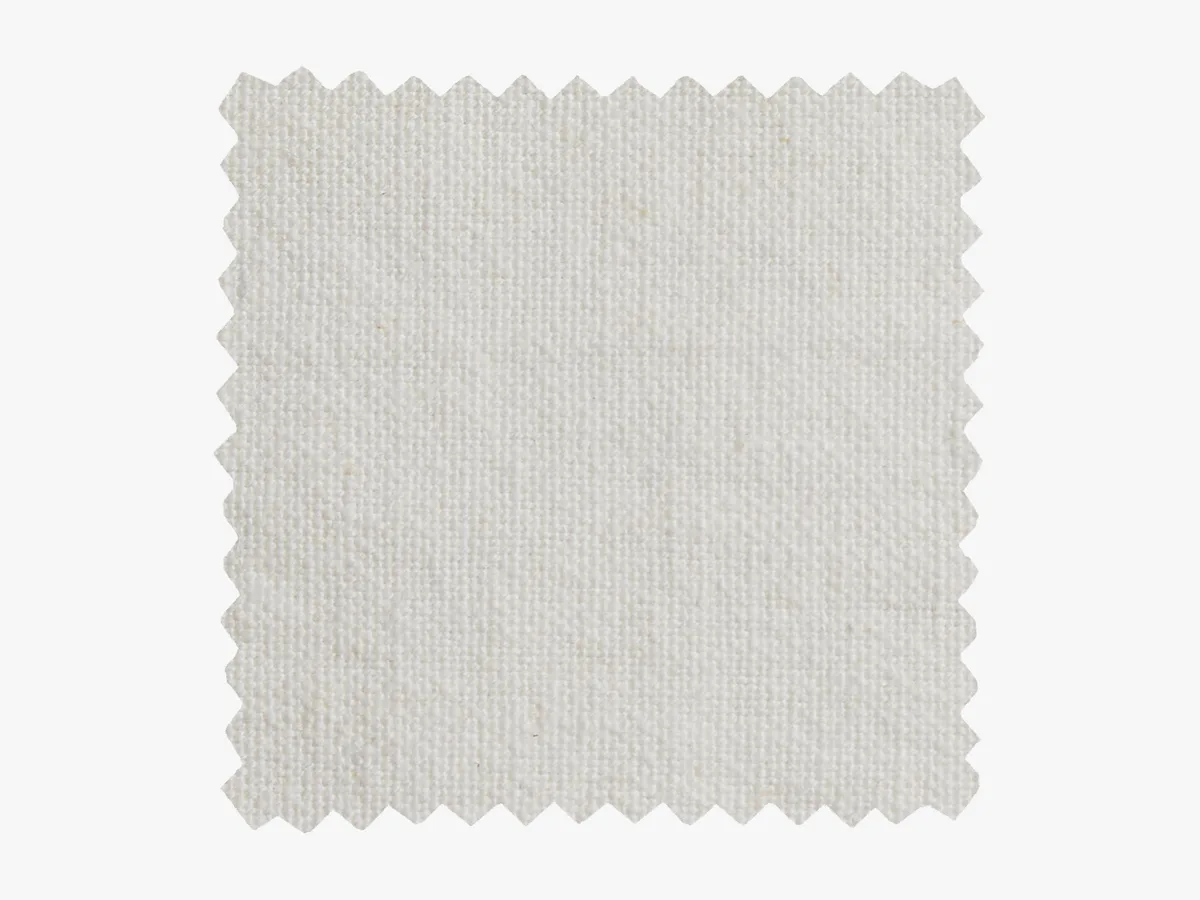
Image source: Web (Bing) / parachutehome.com (Web image (fair-use with source credit))
| Factor | Linen | Cotton |
|---|---|---|
| Upfront cost | $60–$250+ (quality pieces) | $20–$80 (typical home range) |
| Softness out of package | Crisp, improves with washing | Soft immediately |
| Wrinkle tendency | High (natural texture) | Moderate to low |
| Lifespan (home use) | 10–20+ years | 3–7 years with heavy rotation |
| Best climate | Hot, humid | Any; easier in dry homes |
| Stain behavior | Strong when treated fast | Absorbs fast; treat quickly |
Linen's tensile strength gives it an edge for formal hosting and long-term use. Cotton's affordability and familiar care routine make it the default for everyday family tables. Blended linen-cotton tablecloths exist, but they split the difference on both pros and cons rather than eliminating them.
Per the FTC Textile Fiber Products Identification Act, any label must state exact fiber content. Check for 100% linen or 100% cotton rather than vague "natural fiber" wording when you buy.
Which Fabric Fits Your Table: Daily Meals, Hosting, Events, and Outdoor Dining
The right pick depends on how your table actually gets used, not how it looks in a catalog photo.
Daily family meals. Cotton is the practical choice. It handles frequent washing, costs less to replace, and irons faster than linen. If your table sees cereal, homework, and weeknight pasta, cotton's lower price lets you keep a spare in rotation without guilt.
Formal dinner hosting. Linen earns its place here. The natural texture reads as intentional, even with light wrinkles. For holiday meals or dinner parties where you want the table to feel elevated, linen's drape and breathability stand out.
Pair it with cloth napkins in the same fiber for a cohesive look.
Weddings and events. Linen dominates professional event styling for good reason. It photographs well, handles large buffet setups, and survives repeated commercial laundering. Cotton works for casual outdoor weddings on a budget.
Outdoor and patio dining. Linen handles heat and humidity better than most cotton weaves. Spills still happen, so quick stain treatment matters either way. If your dining area sits near an active kitchen, keeping grease off nearby surfaces reduces grime that drifts toward your table linens over time.
High-rotation laundry households. Families with kids, pets, or daily sit-down meals should lean cotton or buy multiple cotton tablecloths. Linen can work, but the ironing load adds up fast when you're washing after every meal.
Your dining space aesthetic matters too. Linen suits rustic, minimalist, and farmhouse tables. Cotton fits broader color and pattern choices, which helps if you're coordinating wall tones with your table setting as of 2026.
Price, Lifespan, and Care: Wrinkles, Shrinkage, and Washing Reality
Price tells part of the story. Care tells the rest. A $150 linen tablecloth only makes sense if you'll actually maintain it.
Lifespan expectations. Manufacturer care guides and aggregate user feedback suggest quality linen lasts 10 to 20 years with proper washing. Cotton under heavy home use often shows thinning or pilling within 3 to 7 years. Restaurant-grade cotton holds up longer, but home laundry is gentler on linen than people assume.
Shrinkage and pre-washing. Pre-wash both fabrics before the first use. ASTM shrinkage test methods show many untreated natural fibers lose 3% to 5% of length or width on the first wash. Pre-shrunk and stonewashed linen reduces that surprise.
Washing workflow.
- Machine wash cold or warm on a gentle cycle.
- Pre-treat wine, oil, and coffee stains before the wash.
- Tumble dry low or line dry to reduce heat damage.
- Iron or steam while slightly damp for the smoothest finish.
Linen needs more pressing if you want a crisp look. Cotton generally releases wrinkles faster with a quick steam pass. Verified buyer feedback reports that skipping the iron and embracing linen's natural creases is a valid style choice, not a care failure.
Storage. Fold or roll tablecloths loosely to avoid deep crease lines. Rotate between two or more cotton cloths to spread wear evenly. After messy meals, routine wall and surface cleaning in the dining area keeps airborne grease from settling into fabric fibers over time.
Look for OEKO-TEX Standard 100 or GOTS certification if chemical safety matters in food-adjacent textiles. Those labels confirm tested limits on harmful substances, which matters when cloth sits inches from plates and serving dishes.
Mistakes to Avoid When Choosing Linen or Cotton
Buying the wrong tablecloth usually comes down to a few predictable missteps, not bad luck.
Skipping the pre-wash. If you lay a new cloth on the table before washing, it may no longer fit after laundry day. Pre-wash once, then measure your drop again.
Choosing size by table length alone. Width and desired overhang matter just as much. A 60×102 inch cloth on a wide table leaves short sides and an awkward look. Always add 16 to 24 inches total to both length and width for a standard 8 to 12 inch drop on each side.
Assuming thread count equals quality for linen. Thread count is a cotton marketing hook. With linen, fiber quality and weave weight (often 160 to 250 GSM) tell you more about durability than a number on the tag.
Ignoring wrinkle tolerance. Linen creases are part of the fabric's character. If you hate ironing, buying premium linen and expecting it to stay smooth is a recipe for regret. Cotton or a wrinkle-resistant cotton finish fits better here.
Waiting on stains. Wine, turmeric, and grease set fast on both fibers. Blot immediately, pre-treat, then wash. A beautiful cloth ruined by one untended spill is the most common complaint in aggregate reviews.
Trusting vague labels. "Natural fiber blend" might mean mostly polyester. Check for 100% linen or 100% cotton on the care tag. If your dining area doubles as a workspace, keeping walls clean before any refresh reduces dust and grease that settle into fabric over time.
How to Pick the Right Tablecloth Without Second-Guessing It
You don't need to overthink this. Match the cloth to your table size, your laundry habits, and the meals you actually host.
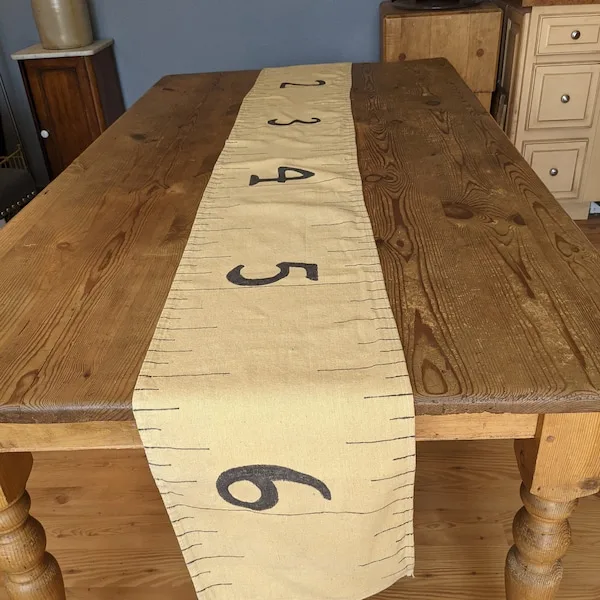
Image source: Web (Bing) / etsy.com (Web image (fair-use with source credit))
Step 1: Measure your table. Record length, width, and height. Add your target drop (8 to 12 inches formal, 6 to 10 inches casual) to each dimension. Round up to the nearest standard size if needed.
Step 2: Pick your use case. Daily family meals point to cotton. Formal hosting or outdoor summer dining point to linen. Mixed use?
Cotton for weekdays, linen for holidays works well and spreads wear across both.
Step 3: Set your care ceiling. If ironing weekly sounds unrealistic, lean cotton or embrace linen's natural texture. If you want a decade-long piece, invest in quality flax linen from a reputable mill.
Step 4: Check certifications. OEKO-TEX Standard 100 or GOTS labels confirm tested chemical limits. That matters when fabric sits next to food and drink for hours.
Step 5: Buy one, test the workflow. Wash it, dry it, lay it, and live with it for two weeks. You'll know fast whether the feel and care fit your routine. If you're refreshing the room around the table, cream cabinet wall pairings can help you coordinate color without clashing against your new linen or cotton.
| Your priority | Best pick |
|---|---|
| Lowest upfront cost | Cotton |
| Longest lifespan | Linen |
| Least ironing | Cotton or wrinkle-resistant cotton |
| Hot/humid dining | Linen |
| Widest pattern range | Cotton |
FAQs About Linen vs Cotton Tablecloths
Is linen or cotton better for everyday use?
Cotton is better for everyday use. It costs less, feels soft immediately, and handles frequent washing without a heavy ironing routine. Linen works for daily use only if you accept wrinkles or don't mind regular steaming.
Does linen shrink more than cotton?
Both shrink roughly 3% to 5% on the first wash if untreated. Pre-washed, stonewashed, or pre-shrunk options reduce that surprise for either fiber. Always check the care label before the first laundry cycle.
Can you machine wash linen tablecloths?
Yes. Most linen tablecloths are machine washable on a gentle cycle with cold or warm water. Tumble dry low or line dry.
Iron or steam while slightly damp if you want a smoother finish.
Which fabric is more durable long term?
Linen is more durable long term. Flax fiber has high tensile strength and often lasts 10 to 20 years with proper care. Cotton typically shows thinning or pilling within 3 to 7 years under heavy home rotation.
Are linen tablecloths worth the extra cost?
They're worth it if you host often, want a relaxed elevated look, or plan to keep the cloth for years. For budget tables with daily spills and weekly washes, cotton delivers better value. The European Confederation of Linen and Hemp notes flax linen's strength and moisture-handling properties as key reasons it outlasts many cotton weaves in heavy use.