How to Maintain a Charcuterie Board Like a Pro
Maintaining a charcuterie board is trickier than building one in the first place. Once it hits the table, moisture escapes, cheeses sweat, crackers stale, and meats turn tacky. You're watching your hard work disappear in real time.
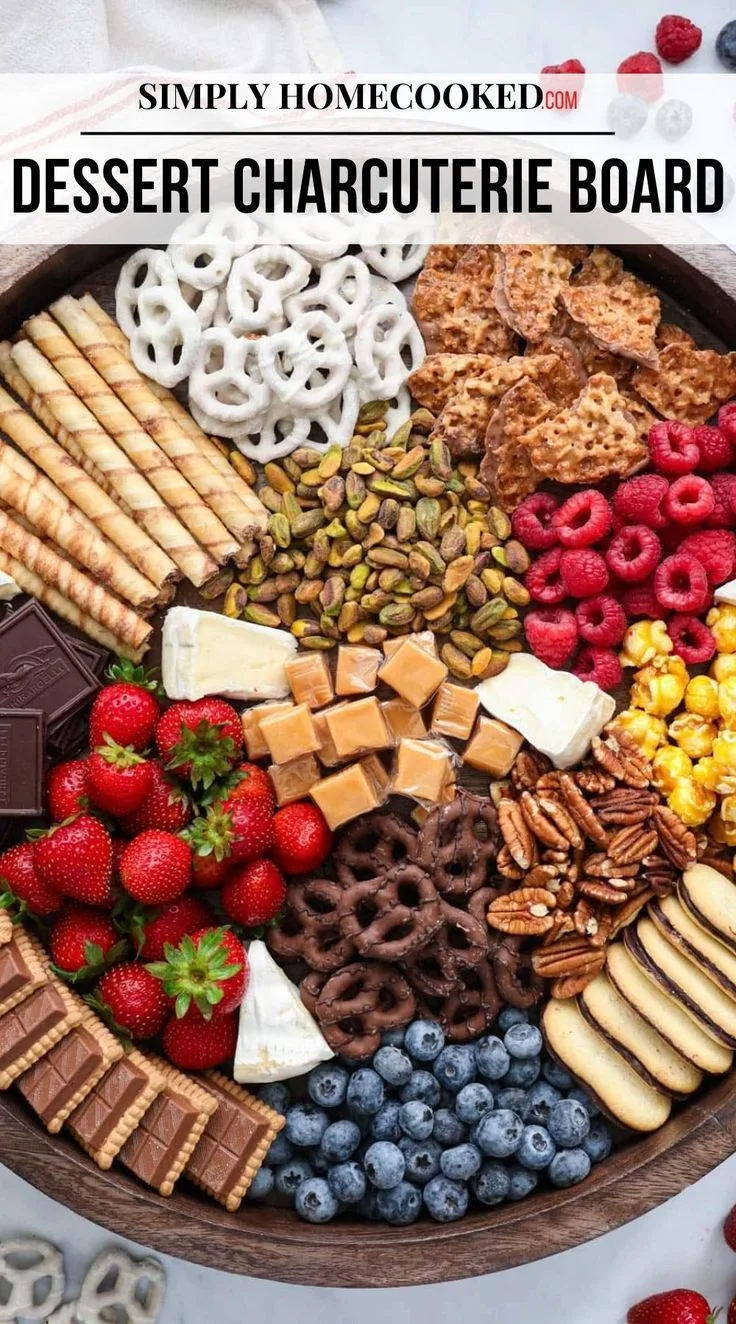
Here's the simple truth: you have a two-hour window at room temperature before most of these items fall out of the safe-to-eat range. At 90°F or above, that drops to one hour. Per USDA guidance on temperature control, that clock starts the moment you set the board down.
So how do you stretch that window without sacrificing taste?
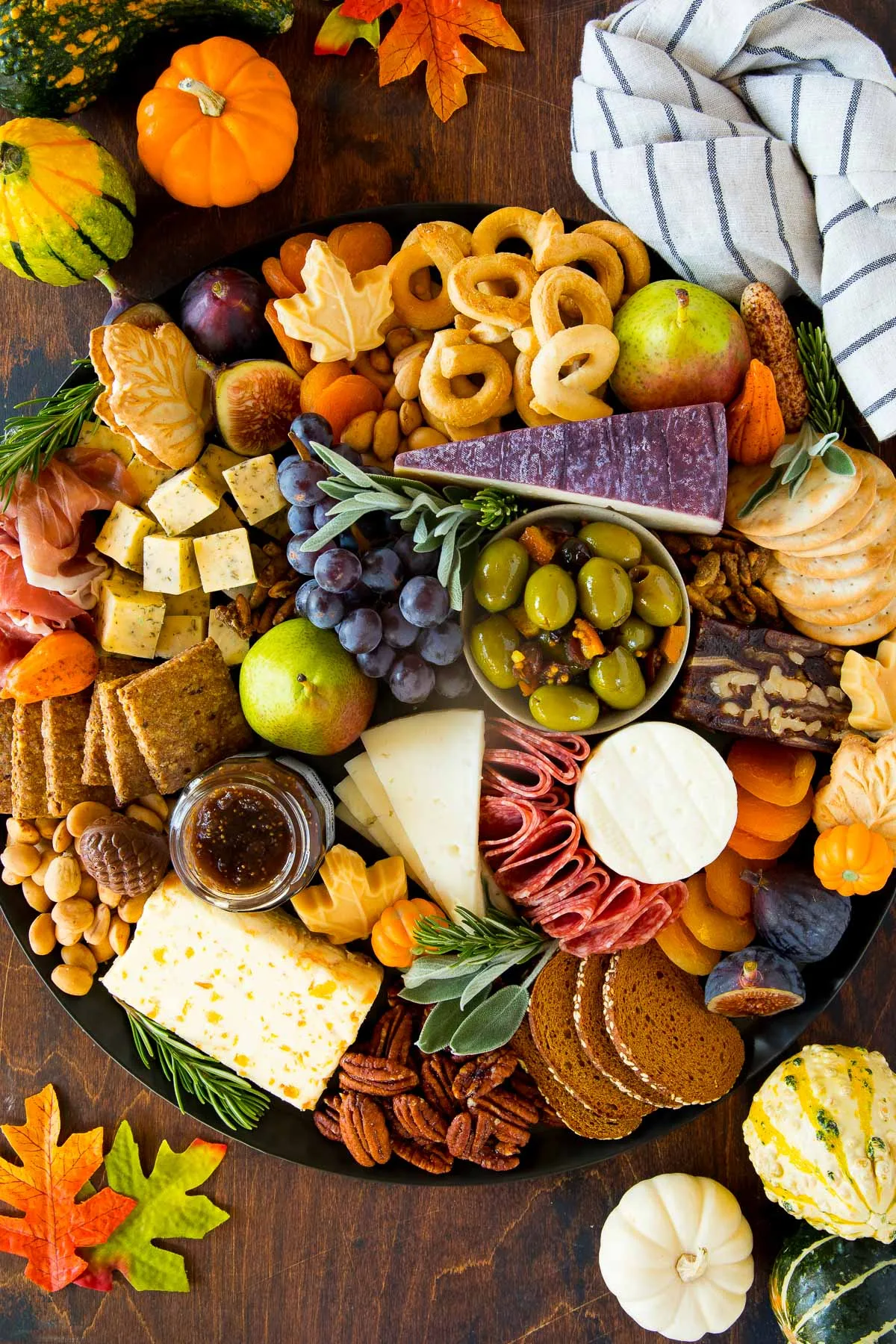
Image source: Web (Bing) / theperksofbeingus.com (Web image (fair-use with source credit))
Quick Answer
How to maintain charcuterie board requires timing, temperature control, and smart wrapping. Serve within two hours at room temperature or one hour above 90°F. Rotate cheeses every thirty minutes during service.
Wrap leftovers in parchment paper then seal in containers. Store hard cheeses three to four days. Discard soft cheeses past two days.
Why Charcuterie Boards Deteriorate So Fast
The Science Behind the Quick Drop-off
Every ingredient on your board reacts differently to air, warmth, and time. Understanding those reactions gives you power over the outcome. You can plan around the weaknesses instead of reacting to ruined food.
Moisture Loss in Cheeses and Cured Meats
Soft cheeses like brie and burrata lose water fast. They form a dry skin within two hours of being exposed. Hard cheeses like aged cheddar hold up better but still dry at the edges.
Cured meats like prosciutto and sopressata release oils when they warm up. Those oils pool on the board surface. The meat becomes greasy and unappetizing.
Staling Crackers, Bread, and Dried Fruits
Crackers absorb ambient moisture from the air. They go from crisp to soggy quickly near wet ingredients like olives or fresh fruit. Bread sticks and baguette slices dry out instead, turning hard and brittle.
Dried apricots and figs actually pull moisture from the air, getting sticky on the outside while staying chewy inside.
Oxidation and Color Changes
Cut apples and pears turn brown within minutes. Grapes weep juice when punctured, creating sticky messes. Citrus segments dry at the edges and turn bitter.
These changes are mostly cosmetic but they ruin the visual appeal fast.
The Open-Air Display Problem
Everything on the board is breathing. Evaporation pulls moisture away from every surface. Air carries away volatile flavor compounds, especially from strong cheeses and fresh herbs.
Warm rooms speed this up dramatically. A cooler kitchen gives you extra breathing room.
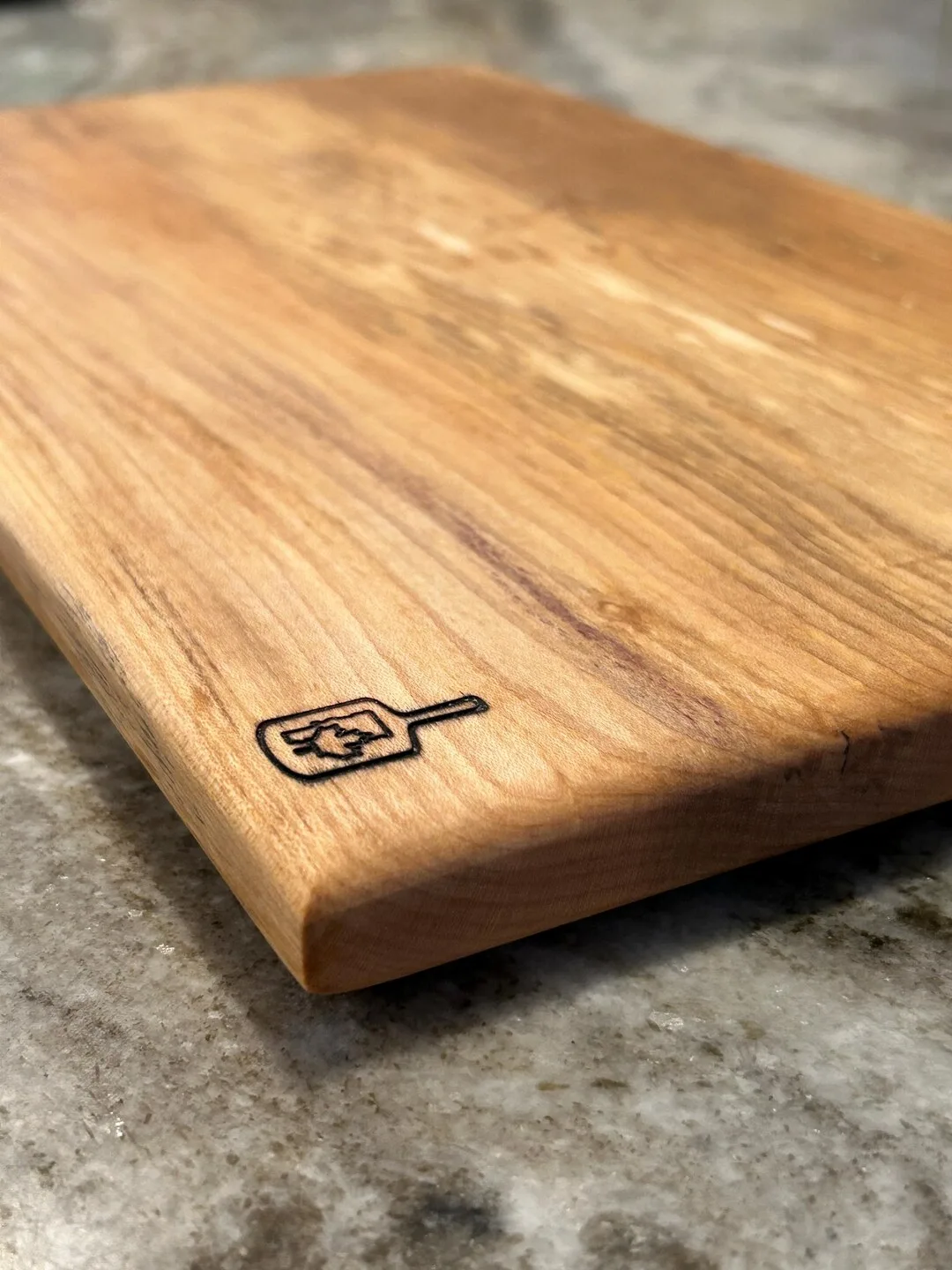
Board material choice also affects longevity. End-grain wood absorbs less moisture than live-edge slabs, much like upgrading your outdoor entertaining gear requires thoughtful piece selection. Choosing appropriate materials early reduces waste later.
Your First Decision: How Long Has It Been Out?
The 2-Hour Rule and When It Becomes 1 Hour
This is where most people get tripped up. The food safety clock does not care how much you paid for your cheese. It only cares about temperature and time.
The moment that board leaves your kitchen counter, the clock starts ticking.
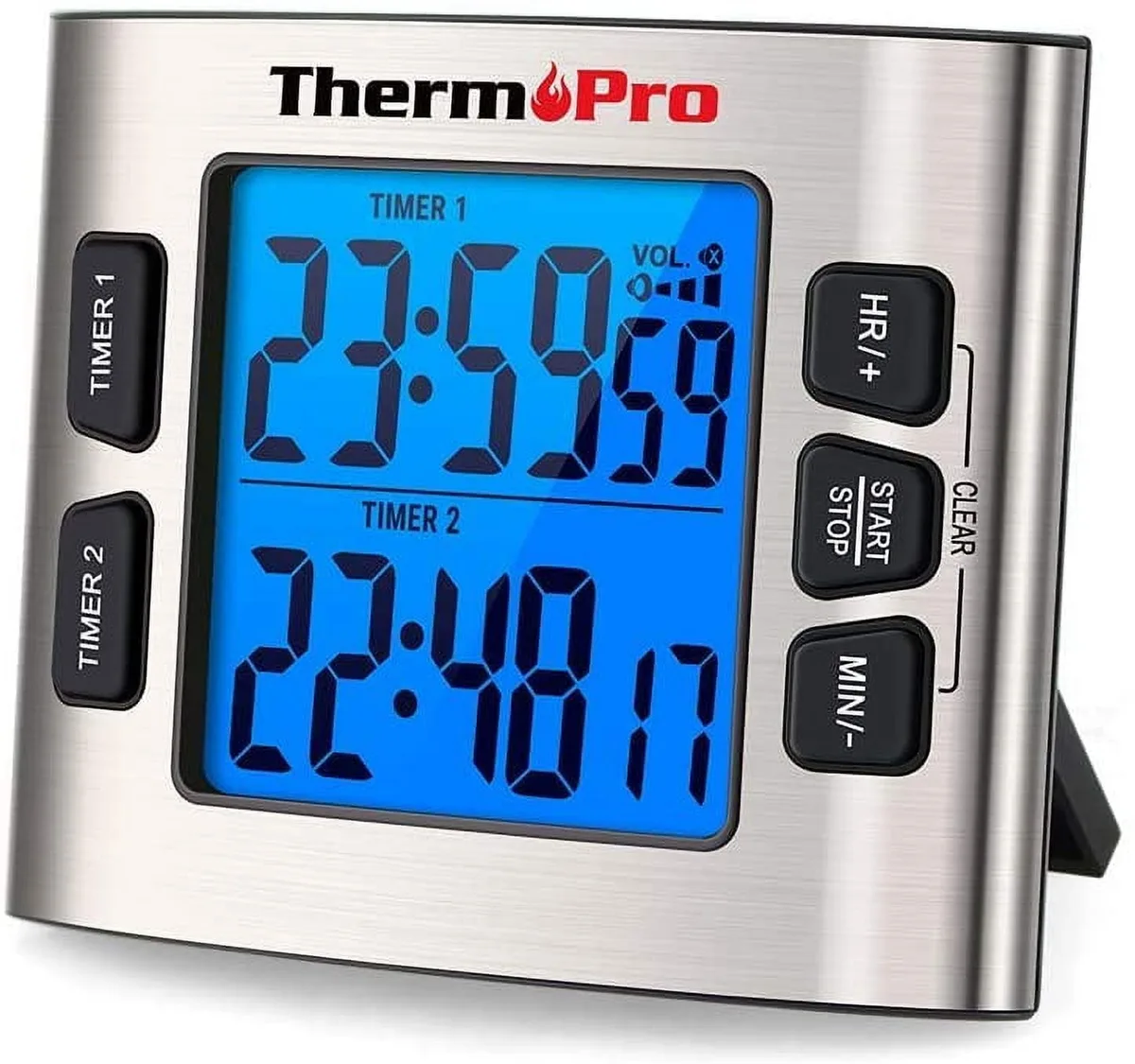
Image source: Web (Bing) / walmart.com (Web image (fair-use with source credit))
| Time Outside | Condition | Action |
|---|---|---|
| 0 to 1 hour | Room temp or cooler | Perfectly safe. Enjoy. |
| 1 to 2 hours | Below 90°F ambient | Still safe. Begin wrapping leftovers soon. |
| 2+ hours | Below 90°F ambient | Discard perishable items. |
| 1+ hour | Above 90°F ambient | Discard perishable items. |
| Overnight or longer | Any condition | Discard everything perishable. |
Understanding the Danger Zone (40°F–140°F)
Bacteria grow fastest between 40°F and 140°F. That is the temperature band every refrigerator and food handler knows by heart. Your charcuterie board spends most of its life squarely inside this danger zone once it lands on the table.
Room temperature sits right in the sweet spot for bacterial multiplication. Cheese and cured meats sit there for hours. Left unchecked, unsafe bacteria levels accumulate faster than you might expect.
You can always put items back in the fridge to slow things down, but once they hit the two-hour mark, the safest move is throwing them out. The FDA confirms this boundary with no exceptions for home entertaining.
Visual and Textural Signs You've Crossed the Line
Cheese that sweats heavily has been out too long. A wet film on the surface means bacteria have been active. Prosciutto that feels slimy rather than silky is past its point.
Crackers that have turned leathery or sodden should not be served. If appearance or texture worries you, discard the item.
Why the Clock Starts at Placement, Not Eating
Guests do not start consuming immediately. People mill about, chat, and drift in late. The board sits exposed during all of that.
That silent time counts toward your two-hour window just as much as active eating time. Set your clock the moment you place the board down, not when the first person reaches for a cracker.
Active Service: Keeping Things Fresh While You Host
Rotating Cheese and Refolding Prosciutto
The single best technique you can use during service is strategic rotation. Every thirty minutes or so, swap cheese wedges to new angles. This exposes fresh cut surfaces rather than letting the same side dry out all evening.
Fold prosciutto slices loosely instead of laying them flat. Layers protect the inner surfaces from direct air exposure. The goal is minimizing total surface area hitting the atmosphere at any given moment.
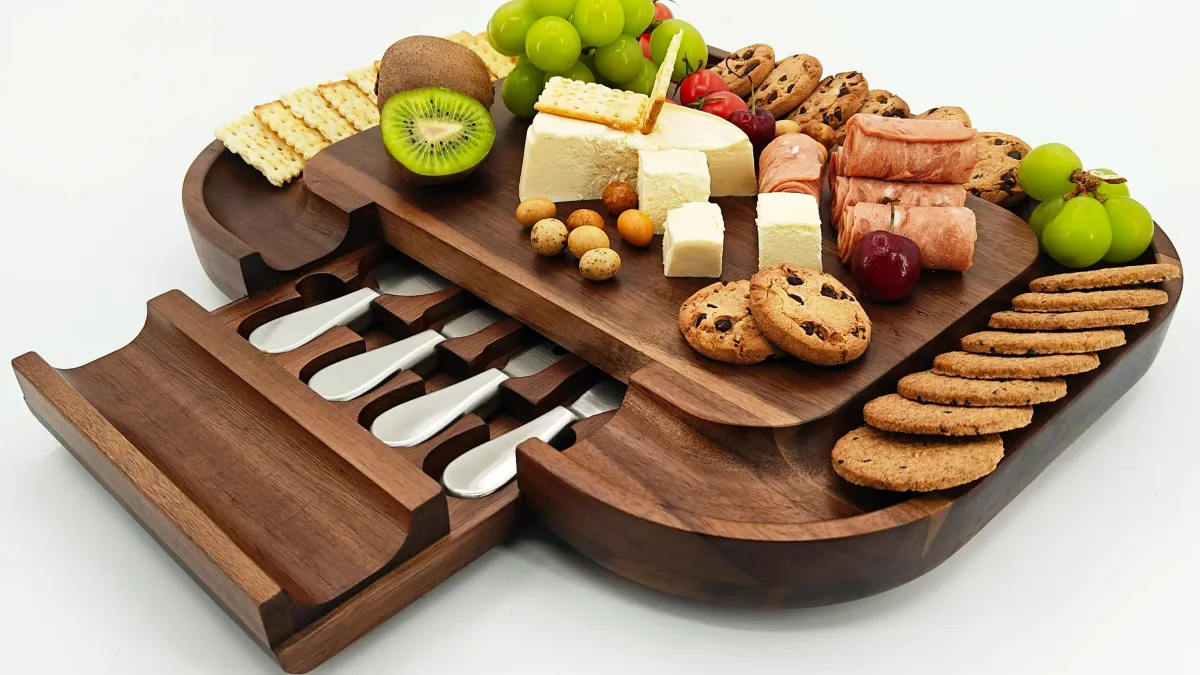
Quality serving tools like cheese knives and tongs help preserve presentation while supporting your overall outdoor entertaining setup. Having the right implements prevents unnecessary handling damage.
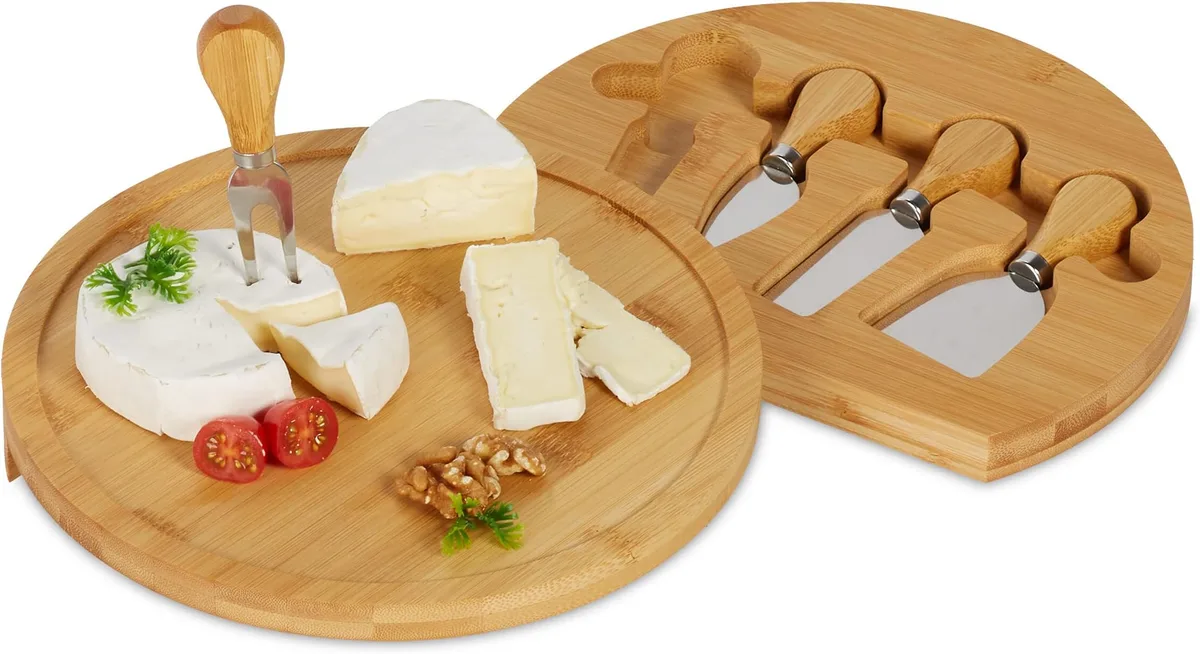
Image source: Bing (Web (fair-use with source credit))
Strategic Layout Choices That Extend Lifespan
Place wetter items away from drier ones. Keep olives and pickles separated from crackers and breadsticks. Place soft cheeses in the center where they stay cooler.
Put hard cheeses and cured meats around the edges where air circulation is stronger. This positioning strategy buys you meaningful extra time without any effort beyond the initial setup.
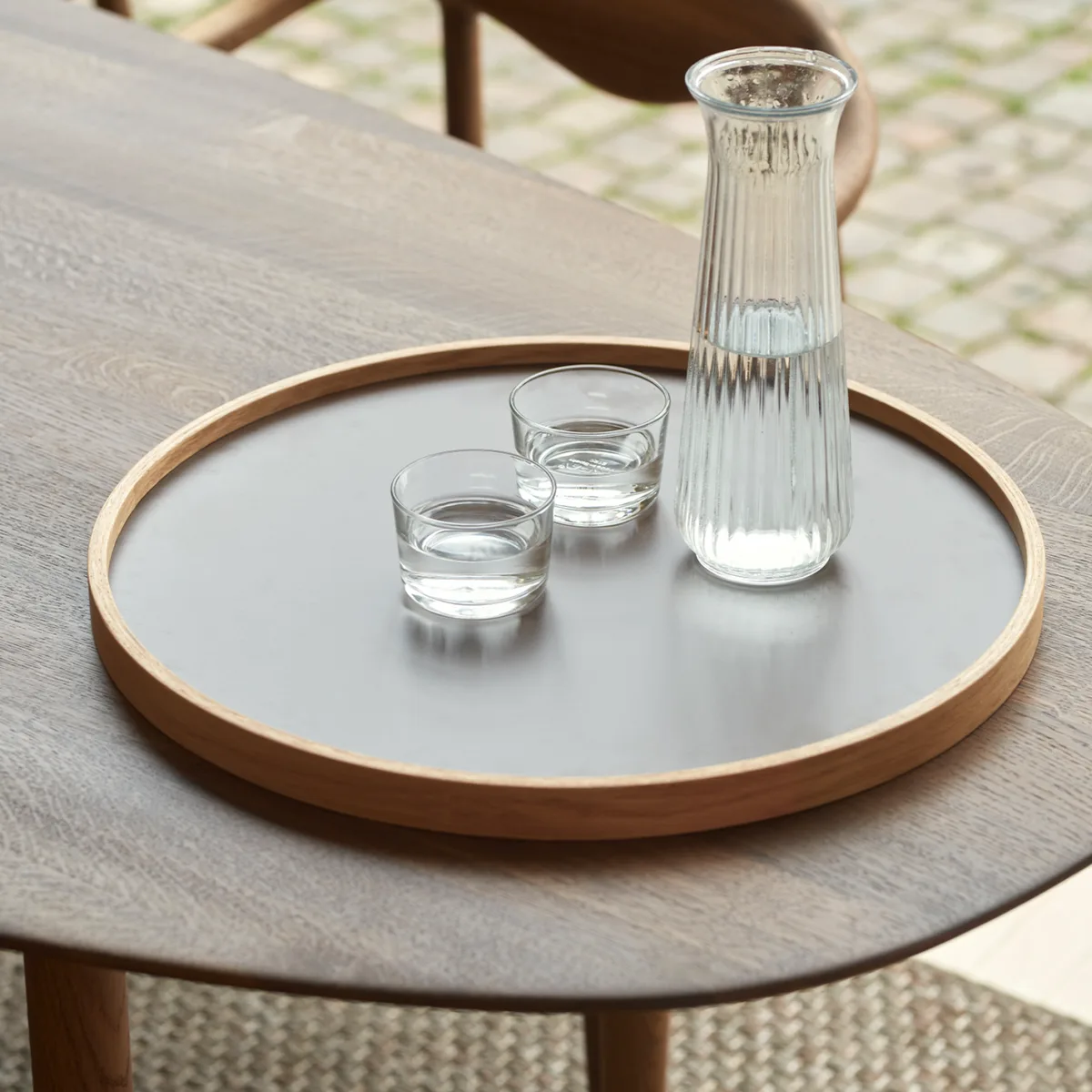
Arranging your spread works best when paired with thoughtful outdoor dinnerware selection that complements the aesthetic while keeping functional requirements in mind.
Adding Fresh Components Mid-Party Without Starting Over
Keep a backup stash in the fridge. When your board looks tired, swap out half the items for fresh versions. This looks intentional rather than desperate.
Guests will not notice the refresh if you do it smoothly. Crackers and bread often need replacement most because they stale first.
Managing Temperature in Warm Rooms
If your gathering is outdoors or in a hot space, bring ice underneath your serving board. A shallow pan of ice beneath a wooden board slows heat transfer significantly. Move the board into shade whenever possible.
Cooler environments buy you time across every category of item simultaneously.
When to Pull Items Back and Replace From Storage
If the party runs long and certain items start looking sad, pull them back. Cover them tightly in the fridge until you need them. Freshen up the board with new pieces.
This cycle can repeat a few times before you run through your supply. Plan accordingly and keep extras on hand.
Post-Party: The Save-or-Toss Decision
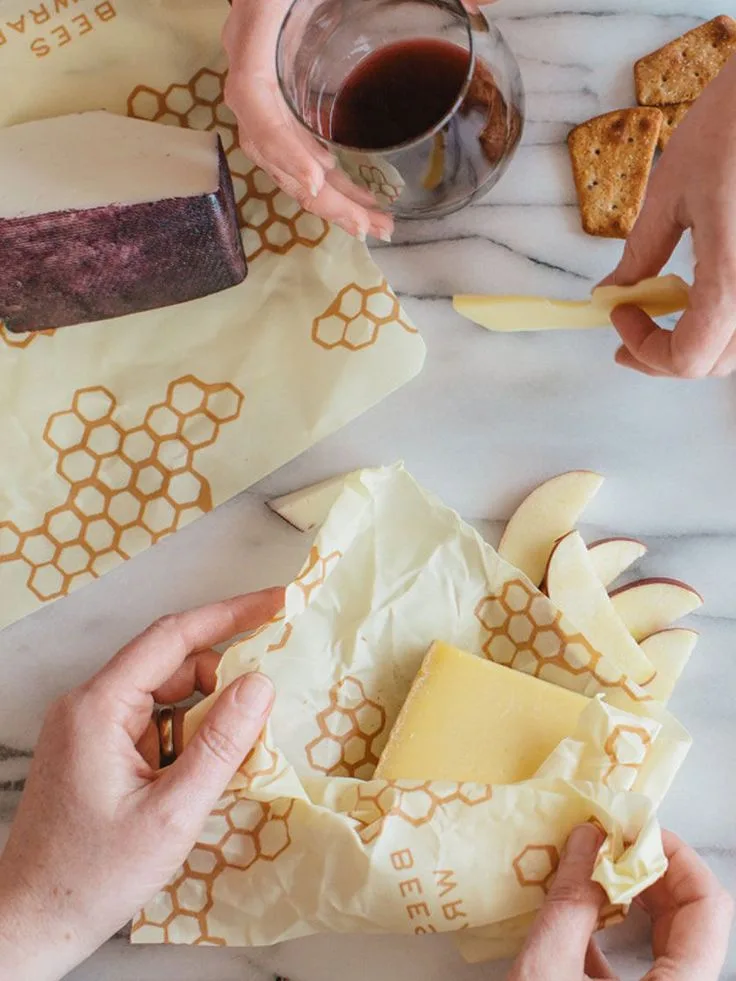
Image source: Bing (Web (fair-use with source credit))
How to Wrap Cheese Without Suffocating It
Plastic wrap directly against cut cheese surfaces traps moisture and creates off-flavors. Instead, wrap cheese in parchment paper first, then place that inside a loose plastic bag or airtight container. This lets the cheese breathe slightly while protecting it from drying out completely.
Soft cheeses need extra care. Cut away any visible mold on hard and semi-hard cheeses, removing about an inch around the affected spot. Do not do this with soft cheeses.
Mold threads penetrate deeply into brie and camembert. Make your wrapping choices count.
Proper board cleaning follows the same principles as cleaning outdoor tableware regularly, gentle methods preserve the surface while removing residue.
Which Accompaniments Survive Refrigeration
Crackers and breadsticks do not survive well once refrigerated. They absorb fridge odors and lose crispness permanently. Store them in sealed containers at room temperature instead.
Dried fruits rehydrate and stick together when cold. Keep them sealed and at room temp. Fresh fruit slices brown rapidly even when wrapped.
Skip saving those. Nuts stay good for days in a sealed bag.
Returning Cold Cheese to Serving Temperature
Cheese tastes flat straight out of the fridge. Take it out forty-five minutes to an hour before serving. This gives it time to warm up and release its full flavor profile.
Hard cheeses benefit more from longer rest times than soft ones.
What to Do With Partially Eaten Crackers and Breads
Once guests have touched crackers or broken breadsticks, those pieces are contaminated with saliva. Do not put them back. This applies across the entire board.
Any item that has made direct contact with a guest's mouth should be discarded. It is the only safe approach.
The Limits of the Sniff Test
Your nose cannot detect unsafe bacteria. Pathogens like Listeria and Salmonella are odorless and tasteless. If something has been out past the safe window, it could look and smell perfectly fine while still being dangerous.
When in doubt about timing, err on the side of tossing rather than tasting.
Common Mistakes That Waste Perfectly Good Leftovers
Wrapping Everything in Plastic Wrap
Many people wrap every single item tightly in plastic wrap. This suffocates cheese and traps unwanted moisture. Some items actually prefer breathable wrapping like cheese paper or wax paper.
Use the right material for each type of food rather than defaulting to plastic for everything.
Throwing Out Items That Are Still Safe
The line between safe and risky is blurry for most home cooks. Hard cheeses and cured meats often last well beyond two hours if kept cool. Check temperature and appearance honestly before discarding.
A cheese board kept in a cool room is different from one left baking in summer sun. Judge the conditions, not just the clock.
Leaving Everything Out "Just a Bit Longer"
That bit longer is how food poisoning happens. Every extra hour multiplies bacterial risk exponentially. One host story about leaving a board out overnight is enough to scare anyone straight.
Stick to the timer. No amount of leftover value is worth the health risk.
Storing Wet and Dry Items Together
Putting damp olives next to dry crackers in the same container ruins both. Moisture migrates. Keep wet and dry accompaniments in separate sealed containers.
This preserves texture across the board and keeps everything pleasant to eat the next day.
Refreezing Thawed Cheeses and Meats
Freezing breaks down the cell structure in cheese. Texture turns crumbly and grainy upon thawing. Cured meats develop freezer burn and lose flavor.
Only freeze items you plan to use in cooked dishes afterward, not for another raw presentation board.
Long-term board care mirrors maintaining an outdoor dining set over seasons: regular upkeep prevents damage and extends lifespan. Consistent habits matter more than perfection.
Your Quick Food-by-Food Save-or-Toss Reference
| Item Type | Safe Leftover Storage | Best Use After Storage |
|---|---|---|
| Hard cheese (cheddar, pecorino) | Fridge, 3–4 days | Grate for cooking, slice thin |
| Semi-hard cheese (gouda, fontina) | Fridge, 3–4 days | Eat cold or melt in dishes |
| Soft cheese (brie, chèvre) | Fridge, 1–2 days | Cook into sauces, do not reserve for raw boards |
| Prosciutto and cured meats | Fridge, 3–5 days | Slice thin for sandwiches or cooked applications |
| Crackers and breadsticks | Room temp, airtight, 2–3 days | Best eaten fresh, quality declines quickly |
| Fresh fruit slices | Skip saving | Oxidizes fast, save nothing |
| Dips and spreads | Fridge, 2–3 days | Stir and serve chilled |
| Pickles and olives | Fridge, 5–7 days | Excellent restocked in containers |
FAQs About Maintaining Charcuterie Boards
Can You Freeze a Charcuterie Board?
Freezing is not recommended for most charcuterie components. Ice crystals damage the texture of cheese, turning it crumbly and grainy upon thawing. Cured meats develop freezer burn and lose flavor.
Some items like nuts and dried fruits freeze reasonably well, but assembling a frozen board defeats the purpose.
If you must freeze leftovers, do so only for ingredients you plan to cook with later. Separate items by type and label with dates. Thaw slowly in the refrigerator before using in recipes.
How Do You Tell If Brie Is Bad?
Bad brie shows clear visual and textural signs. Look for excessive moisture pooling, a sour smell, or unusual color changes like pink or green patches. Safe brie should smell mildly milky and feel firm but yielding.
If you spot mold on brie, discard the entire wheel. Soft cheeses allow mold spores to travel far below the surface. Even cutting away the visible mold does not guarantee safety.
When uncertain, toss it.
Is It OK to Leave a Charcuterie Board Out Overnight?
No. Leaving any perishable food out overnight exceeds safe time limits by many hours. Bacteria multiply rapidly during that time, even if the board looks unchanged.
The USDA danger zone applies regardless of how carefully you arranged your display.
If someone left a board out all night, dispose of all cheese and cured meats. Save hard cheeses only if they were wrapped tightly and stayed in a cool, enclosed space, but even then caution is wise.
What's the Best Way to Store Prosciutto?
Wrap prosciutto loosely in parchment paper, then place it in a resealable bag or airtight container. Remove as much air as possible without crushing the folds. Store in the coldest part of your refrigerator, usually the back of a shelf.
Use within three to five days for best quality. If the meat feels sticky or smells tangy, it has started to spoil. Never salvage partially eaten slices that have been at room temperature.
Can You Reuse Cheese That's Been Cut Too Far Ahead?
Yes, with proper storage. Wrap cut cheese surfaces in parchment or cheese paper first, then place in a sealed container. This prevents drying and odor absorption from other fridge items.
Bring cheese to room temperature forty-five minutes before serving. Cold cheese tastes dull and firm. Hard cheeses improve more with rest than soft varieties.
Plan ahead so you can refresh boards without waste.
For larger gatherings, scaling up with practical serving tray techniques helps keep multiple boards organized without overwhelming your space.
Ethan Cole is a kitchen innovation enthusiast and food technology writer at DiningGadgets.com. With over 8 years of experience reviewing cookware, smart kitchen tools, and design trends, he helps readers discover gadgets that make cooking easier and dining more enjoyable. When he’s not testing the latest kitchen appliances, Ethan enjoys experimenting with recipes and sharing practical tips for modern homes.
Similar Posts