How to Clean a Picnic Basket: Quick & Easy Guide
If you've ever opened a picnic basket after a long afternoon outdoors, you've probably noticed crumbs, stale smells, and stains you'd rather not deal with. Learning how to clean picnic basket properly means matching your method to the materials inside. One wrong move with water or harsh soap can warp wicker or stain leather forever.
Per EPA guidance on household mould remediation, moist organic materials like wicker and fabric can develop visible mould within 24 to 48 hours in humid conditions. That timeline matters if your basket has been sitting damp in a garage or car trunk. Getting to know your basket's exact materials is the only way to avoid permanent damage.
Quick Answer
How to clean picnic basket effectively starts with knowing its material. Wicker and rattan need only a barely damp cloth and immediate drying. Fabric liners can be removed and washed in cold water with mild detergent.
Leather trim requires a specialised leather cleaner followed by conditioner. Stubborn stains respond to baking soda paste or diluted white vinegar. Always test any cleaner on a hidden spot first.
Never submerge a woven basket in water. Allow 24 to 48 hours of full air drying before closing the lid.
Why cleaning your picnic basket depends on what it's made of
The single most important step before reaching for any cleaner is identifying what your basket is built from. A natural wicker basket needs an entirely different approach than a leather-trimmed vintage piece or a plastic-lined modern cooler basket. Misidentifying the material is the fastest route to irreversible damage.
The golden rule: test first, soak never
Test every cleaner on a hidden spot before applying it anywhere visible. Dab a small amount of your chosen solution on an inconspicuous area and wait 10 minutes. If the finish darkens, bleeds, or feels tacky, that cleaner is too aggressive.
Never submerge any part of a woven basket in water. Even brief soaking causes wicker to swell and warp as it dries unevenly.
Identifying your basket material in 30 seconds
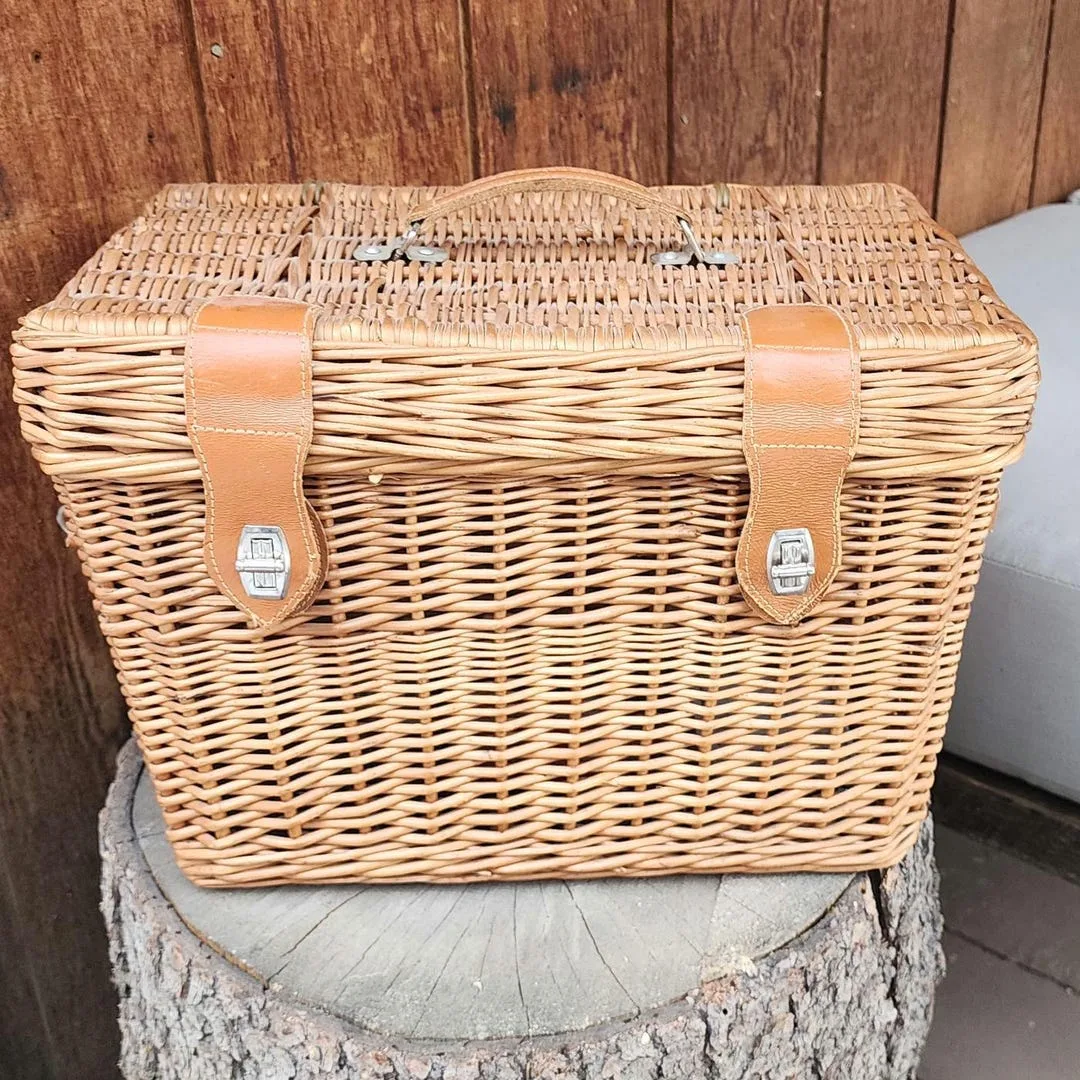
Look closely at the weave pattern and handle construction to identify your basket type. Natural wicker shows an organic, slightly irregular texture with visible plant fibre grains. Rattan tends to be smoother and more uniform in appearance.
Leather trim appears as solid strips along the edges and handle.
Modern fabric liners are usually removable and attach with zips or snaps. Plastic or resin baskets feel smooth and lightweight with no grain whatsoever.
Deciding between spot clean vs. full restoration
Light spills and surface dust call for a quick spot clean. A vacuum with a brush attachment removes loose debris from the weave. Follow with a damp microfiber cloth and a drop of mild dish soap if needed.
Full restoration becomes necessary when you see mould, deep stains, or accumulated grime baked into the weave. As of 2026, most manufacturers recommend a mid-season cleaning for baskets used weekly during warmer months.
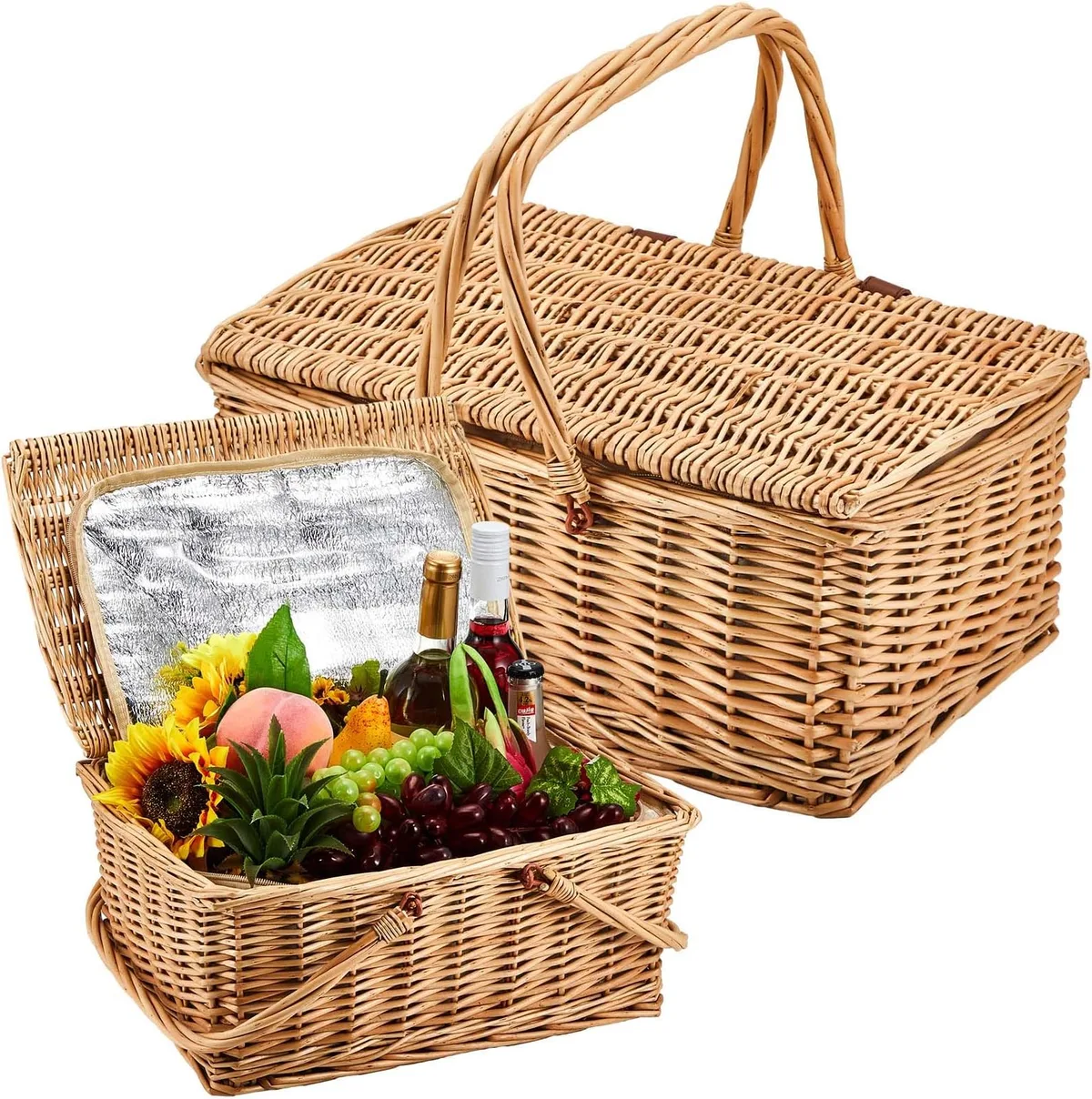
| Material Type | Water Tolerance | Best Cleaning Approach |
|---|---|---|
| Natural wicker | Very low | Damp cloth only, dry immediately |
| Rattan | Low | Barely damp cloth, quick dry |
| Leather trim | Low | Specialised leather cleaner and conditioner |
| Fabric liner | High | Remove and machine wash if label permits |
| Plastic or resin | High | Soap and water freely |
Mould and mildew removal: Safe steps for wicker and fabric
Mould on a picnic basket is more than an eyesore. It signals moisture that has penetrated the weave or fabric lining. Addressing it quickly prevents structural damage and keeps your next outing comfortable and safe.
When surface mould meets deep rot
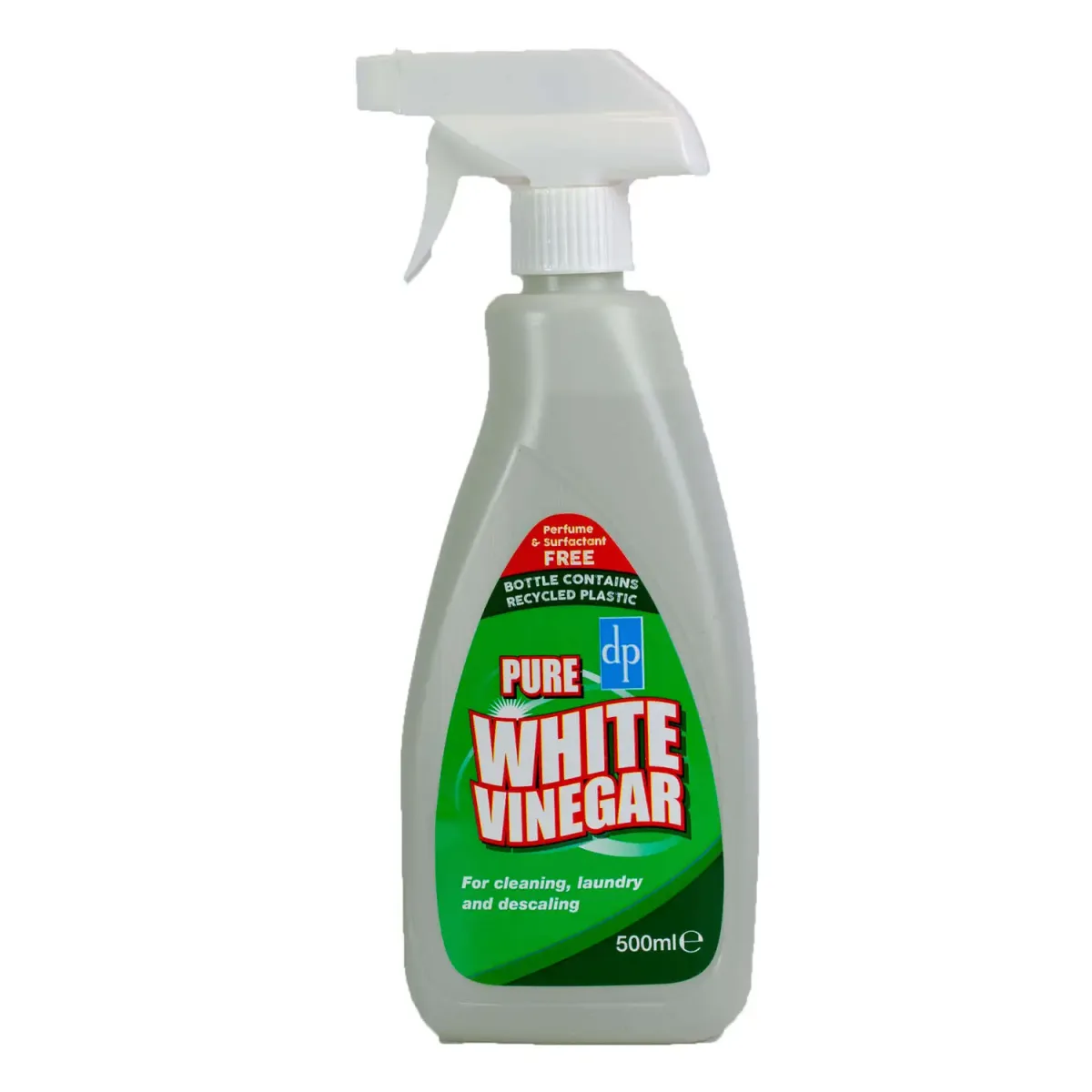
Surface mould appears as fuzzy black, green, or white spots that wipe away easily with the right solution. You can treat it with a diluted white vinegar spray or a thick baking soda paste left to sit briefly. Deep rot presents differently.
The weave itself feels soft, crumbly, or discoloured beyond surface staining. In those cases, the structural integrity is already compromised and professional restoration may be your only realistic option. The EPA notes that outdoor organic materials facing repeated moisture exposure need inspection after any heavy rain or humid storage period.
See EPA mould remediation guidelines for detailed cleaning protocols.
Safe drying methods that won't warp wicker
Never place a wet wicker basket in direct sunlight or near a space heater. Rapid drying causes uneven shrinkage and hairline cracking that weakens the entire weave. Instead, stuff the basket loosely with crumpled brown paper towels or clean cotton rags.
These absorb moisture from the inside while maintaining the basket's shape. Place it in a well-ventilated, shaded area and allow 24 to 48 hours of air circulation before closing the lid again. Check interior dryness by feeling for coolness, which indicates lingering moisture.
Fabric liner treatment without ruining the weave
Remove the fabric liner whenever the design allows it. Shake it out outdoors away from the basket itself to avoid redistributing spores or dirt. Wash according to the care label, using cold water and a gentle detergent.
For persistent odour retention, add half a cup of white vinegar to the rinse cycle instead of fabric softener. Let the liner air dry completely before placing it back inside the basket.
If the liner cannot be removed, spot treat affected areas with a cotton swab dipped in hydrogen peroxide. Blot gently, do not rub, to avoid grinding the mould deeper into the fibres. Allow the interior to dry fully before any further use.
Removing food and drink stains from liners and seats
Food stains are the most common complaint among picnic basket owners. Wine spills, greasy sandwiches, and jam drips set quickly if not treated promptly. The right approach depends entirely on the stain type and the fabric material involved.
Grease and oil: why soap alone isn't enough
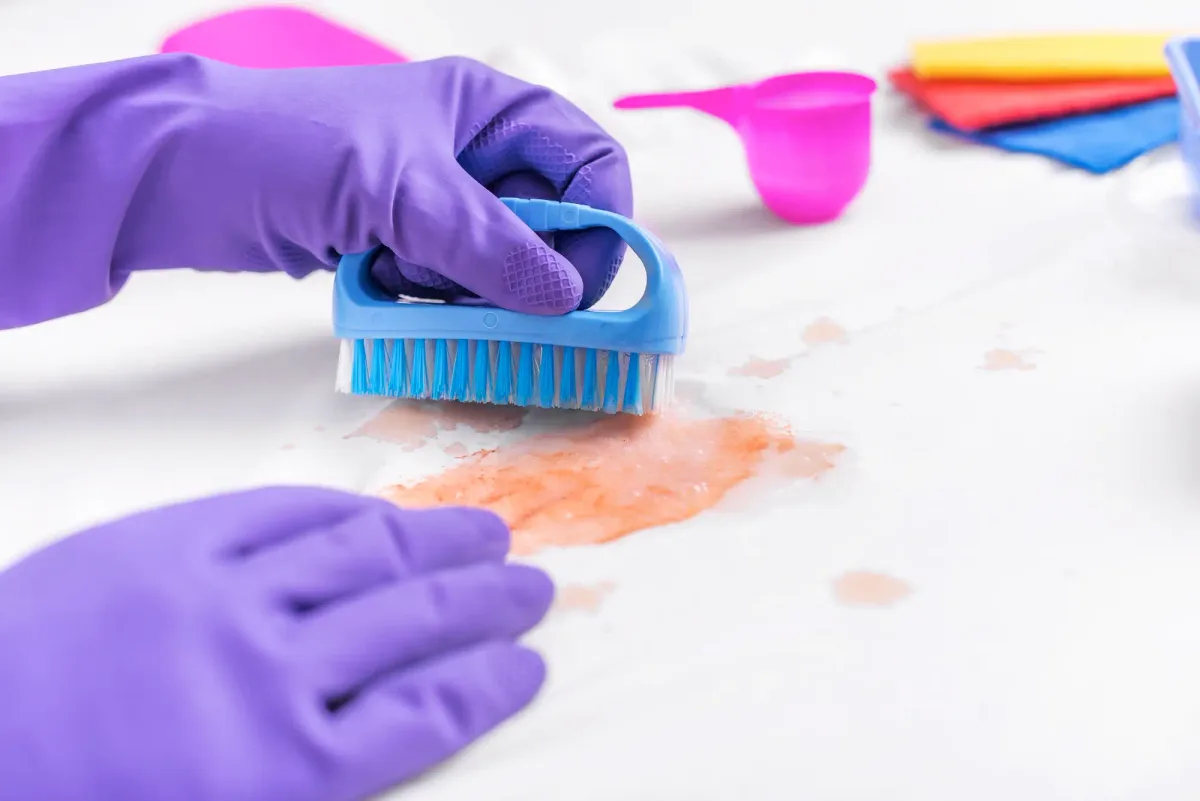
Grease stains require more than a quick wipe with soapy water. Oil bonds to fabric fibres and actually spreads if you rub it. Start by blotting fresh grease immediately with a clean paper towel.
Press firmly to lift as much oil as possible from the surface. Then sprinkle baking soda or cornstarch generously over the stain and let it sit for 15 minutes. The powder draws remaining oil out of the fibres.
Brush off the powder and inspect the result. Repeat the application if the stain persists before moving to a wash step.
Wine, juice, and bright colours: neutralising before washing
Red wine and berry juices oxidise quickly, which locks the colour permanently into fabric. Do not wait or dab with a warm cloth. Blot immediately with a clean cloth soaked in cold water.
Then apply a mixture of one part white vinegar to two parts water directly to the stained area. Let it sit for five minutes before rinsing with cold water and blotting dry. For white fabric liners, a thick paste of baking soda and water applied gently can lift remaining colour tint.
Rinse thoroughly after the paste dries.
Choosing the right stain remover for fabric type
Fabric liners vary widely in construction and tolerance. Heavy cotton and canvas tolerate stronger treatments like vinegar and baking soda. Synthetic blends and waterproof vinyl require gentler solutions that won't degrade their coating.
Always check the manufacturer's care label before applying anything. For delicate or unknown fabrics, start with the mildest option available. Mix cold water with a single drop of mild dish soap and apply with a soft cloth.
Work from the outside of the stain inward to prevent spreading it further into clean fabric.
Polishing hardware and eliminating musty smells
The hinges, latches, and clasps on a picnic basket collect grime along with odours from old food and damp linings. Tackling both problems together restores the basket's overall appearance and function.
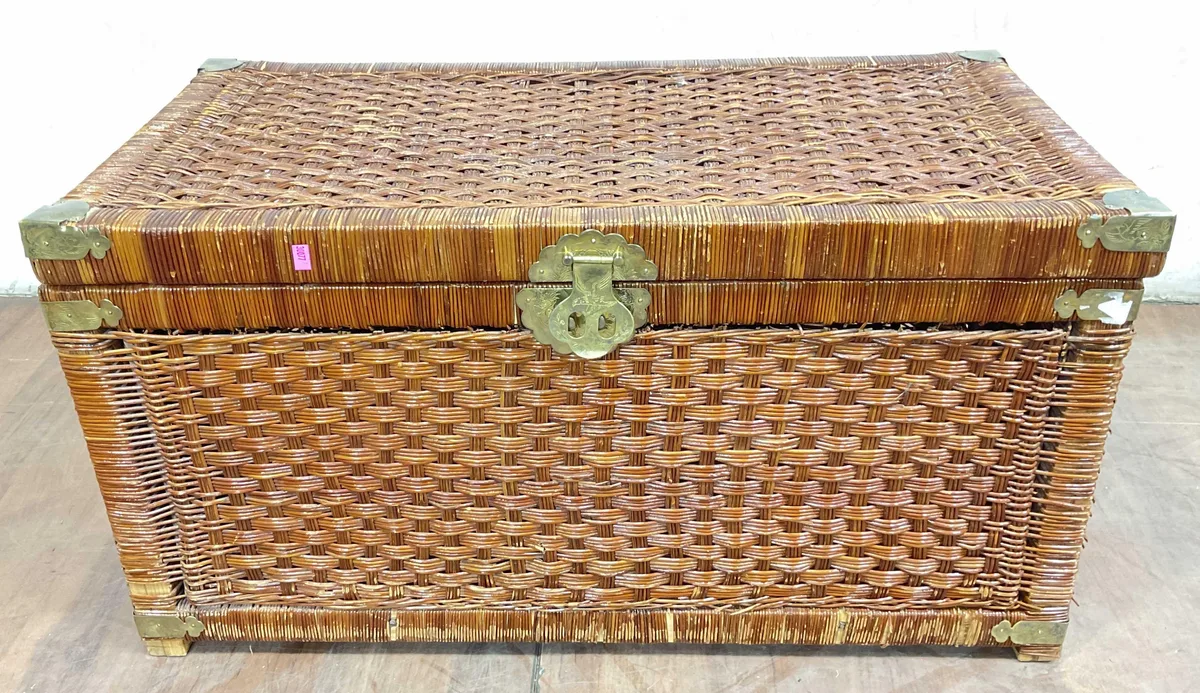
Bringing tarnished brass and steel back to life
Brass hardware tarnishes from repeated exposure to moisture and acidic foods like citrus and wine. Clean it with a paste made from equal parts flour and white vinegar or fresh lemon juice. Apply the paste with a soft cloth, gently rub the tarnished surface, and let it sit for five minutes.
Wipe clean with a damp cloth and buff dry with a separate lint-free cloth. For steel or chrome hardware, a light application of mineral oil after cleaning prevents future tarnish and keeps hinges operating smoothly.
Baking soda overnight: the simplest deodoriser
A musty smell inside your basket usually means trapped moisture and bacteria living in the weave. The simplest and most effective fix is an overnight baking soda treatment. Sprinkle a generous layer of baking soda across the entire interior surface, including corners and tight crevices where odours hide.
Close the lid and leave it undisturbed overnight. The baking soda absorbs trapped odours while you sleep. Vacuum it out thoroughly the next morning using a brush attachment to reach into the weave.
Ventilation tricks for stubborn odours after rain
If your basket developed a sour smell after getting caught in rain, ventilation is your strongest tool. Open the lid completely and place the basket in a dry, breezy location indoors or under a covered porch. Stuff the interior with dry newspaper or unopened silica gel packets to draw lingering moisture from deep within the weave.
Leave it open for at least 24 hours with periodic checks. Avoid sealing the basket while any dampness remains inside, even slightly. Trapped moisture guarantees mould returns within days.
Common cleaning mistakes that ruin baskets
Even careful owners can damage a picnic basket during cleaning. These common mistakes are easy to avoid once you understand why they cause harm.
Submerging wicker: the fast track to rot
Putting a wicker basket in a bathtub or hosing it down with a garden sprayer seems like a logical deep clean method. It is not. Wicker is made from dried plant fibres that absorb water rapidly and retain it deeply.
Once saturated, the fibres expand and weaken at the joints. As the basket dries, it shrinks unevenly in multiple directions. This causes the weave to loosen, cracks to form along stress points, and the overall structure to collapse over time.
Wicker cleaning always uses a barely damp cloth, never running water.
Using harsh chemicals on natural finishes
Bleach, ammonia, and heavy-duty degreasers work well on many household surfaces. They destroy the natural finishes on picnic baskets completely. These chemicals strip protective coatings from wicker and leather, leaving them bare and exposed to moisture and UV damage.
They also degrade the adhesive bonds holding woven strands together. Stick to mild dish soap, white vinegar, baking soda, or products specifically formulated for the basket's actual material. Harsh chemistry saves nothing and ruins everything.
Skipping the dry step and inviting mould back
A basket that looks clean but feels slightly damp inside is an active mould incubator. Many people clean their basket thoroughly, close the lid, and assume the job is complete. Moisture trapped inside the weave or under a fabric liner creates the perfect environment for mould spores to multiply rapidly.
Always ensure the interior is bone dry before closing and storing. Use absorbed moisture indicators like crumpled paper towels or desiccant packs to confirm complete dryness before returning the basket to its storage space.
Preventing future odors and spills
Prevention matters far more than recovery when it comes to picnic basket care. A few simple habits after every outing keep your basket fresh and extend its life dramatically.
Liner choices that resist stains and smells
The fabric liner you choose has a direct impact on how easy your basket is to maintain long term. Heavy-duty canvas liners with waterproof coatings resist most common spills and wipe clean in seconds. Vinyl-lined liners are nearly stain-proof but can develop odours if moisture gets trapped underneath them.
Cotton or flannel liners are the most breathable and comfortable against food items but require the most attentive care.
Post-picnic routine: 5 minutes now saves hours later
After every single picnic, take five minutes for a quick post-outing routine. Shake out all crumbs and food particles from the weave and interior. Remove any fabric liner and air it out separately.
Wipe down spilled areas with a dry cloth before they have time to set. Open the basket completely and leave it open during transport back home so air circulates through every corner. This small habit prevents the majority of odour and mould problems before they start.
Seasonal storage that protects the weave year-round
When you're done using your basket for the season, prepare it for proper storage. Clean it thoroughly following the appropriate material-specific method. Stuff the interior loosely with acid-free tissue paper or clean white cotton rags to maintain shape and absorb ambient moisture.
Store it in a cool, dry location away from direct sunlight and humidity sources. Never store a picnic basket in an unconditioned garage or attic where temperature swings cause weave damage over time. An airtight plastic container with silica gel packets works well for smaller baskets in humid climates.
Maintenance and long-term optimization
A well-maintained picnic basket can last decades with proper care. Regular maintenance prevents costly repairs and keeps your basket looking sharp season after season.
Inspecting for wear before problems develop
Make it a habit to inspect your basket quarterly during active use seasons. Check the weave tightness around hinges and handle attachment points where stress concentrates. Look for loose strands or fraying along the rim where contents shift during transport.
Examine fabric liners for thin spots, small tears, or permanent stains that signal replacement is needed soon. Early detection of minor wear prevents sudden failures during important outings.
Conditioning leather and protecting wood finishes
Leather handles and trim components benefit from conditioning every three to six months depending on usage frequency. Apply a quality leather conditioner with a soft cloth, working it gently into the grain. Allow it to absorb fully before using the basket again.
For unfinished or oil-finished wicker surfaces, apply a thin coat of paste wax or beeswax once a year to replenish protection and repel light moisture. Avoid silicone-based polishes on natural wicker since they create a surface film that traps moisture underneath.
Knowing when professional restoration is worth it
Some baskets simply cannot be restored at home. Antique wicker pieces with deteriorating joints and structural weakness need specialist attention. Baskets with severe water damage where the weave has permanently softened and lost rigidity should be evaluated by a conservation professional.
Professional restorers can re-weave damaged sections, consolidate weakened bonds, and treat mould at a structural level that home methods cannot reach. For inherited or valuable baskets, professional intervention preserves both function and resale value.
Frequently Asked Questions
Can I use a pressure washer on a wicker basket?
Never use a pressure washer on any woven basket. The intense water force forces moisture deep into the fibre core where it cannot escape. Even low-pressure settings cause wicker strands to separate and swell beyond their original shape.
Hand cleaning with controlled damp cloths remains the only safe method for woven materials.
How do I get rust out of metal clasps without damaging the wood?
Remove the hardware entirely if possible and clean it separately with fine steel wool and white vinegar. If removal isn't feasible, apply a small amount of cooking oil directly to the rust spot and gently rub with a cotton swab. Keep all liquids away from surrounding wicker by placing a small barrier of cling wrap around the affected area during treatment.
Dry thoroughly immediately after cleaning.
Is it safe to put a fabric liner in the washing machine?
Only place fabric liners in the washing machine if the care label explicitly permits it. Machine washing can shrink natural fibres like cotton and damage waterproof coatings on synthetic blends. Always use cold water on a gentle cycle with mild detergent.
Air dry completely before reinstalling. If no care label exists, hand washing remains the safer choice for extending liner lifespan.
What's the best way to store a damp basket after cleaning?
Never close a damp basket under any circumstances. Open it completely in a well-ventilated indoor space with good airflow. Place paper towels inside the weave and replace them every few hours as they absorb moisture.
Use a fan on a low setting pointed nearby to increase circulation without heating the basket directly. Only close and store the basket once every surface feels completely dry to the touch.
How often should I deep clean my picnic basket?
For baskets used weekly during outdoor season, perform a full deep clean at least twice per year. A spring cleaning before the season begins removes winter storage dust and any trapped moisture. An autumn cleaning before storage eliminates summer residues and prevents mould from developing during months of non-use.
Spot clean between deep cleans after any spill or stained incident.
What causes that sour smell inside my wicker basket?
A sour smell indicates bacterial growth feeding on organic residue trapped in the weave. Common causes include forgotten food particles, spilled acidic beverages, and moisture left sitting inside closed compartments. Wicker's porous nature absorbs these residues deeply where regular wiping cannot reach them.
Baking soda overnight treatments combined with thorough ventilation typically resolve the problem effectively.

Ethan Cole is a kitchen innovation enthusiast and food technology writer at DiningGadgets.com. With over 8 years of experience reviewing cookware, smart kitchen tools, and design trends, he helps readers discover gadgets that make cooking easier and dining more enjoyable. When he’s not testing the latest kitchen appliances, Ethan enjoys experimenting with recipes and sharing practical tips for modern homes.
Similar Posts