how to fold cloth napkins easy ways for dinner party
Learning how to fold cloth napkins easy ways for dinner party setup doesn't require origami skills or a free afternoon. A few clean creases turn plain fabric squares into something that looks intentional before anyone picks up a fork. Hosts often spend hours on the main course and still wonder why the table feels flat.
Napkins are frequently the missing piece.
Standard dinner napkins measure 18×20 inches to 22×22 inches, and that range shapes every fold you'll try. Pressed fabric holds creases under dining room lighting. Wrinkled linen fights you at every step.
Nail the prep first, and the folds below come together fast.
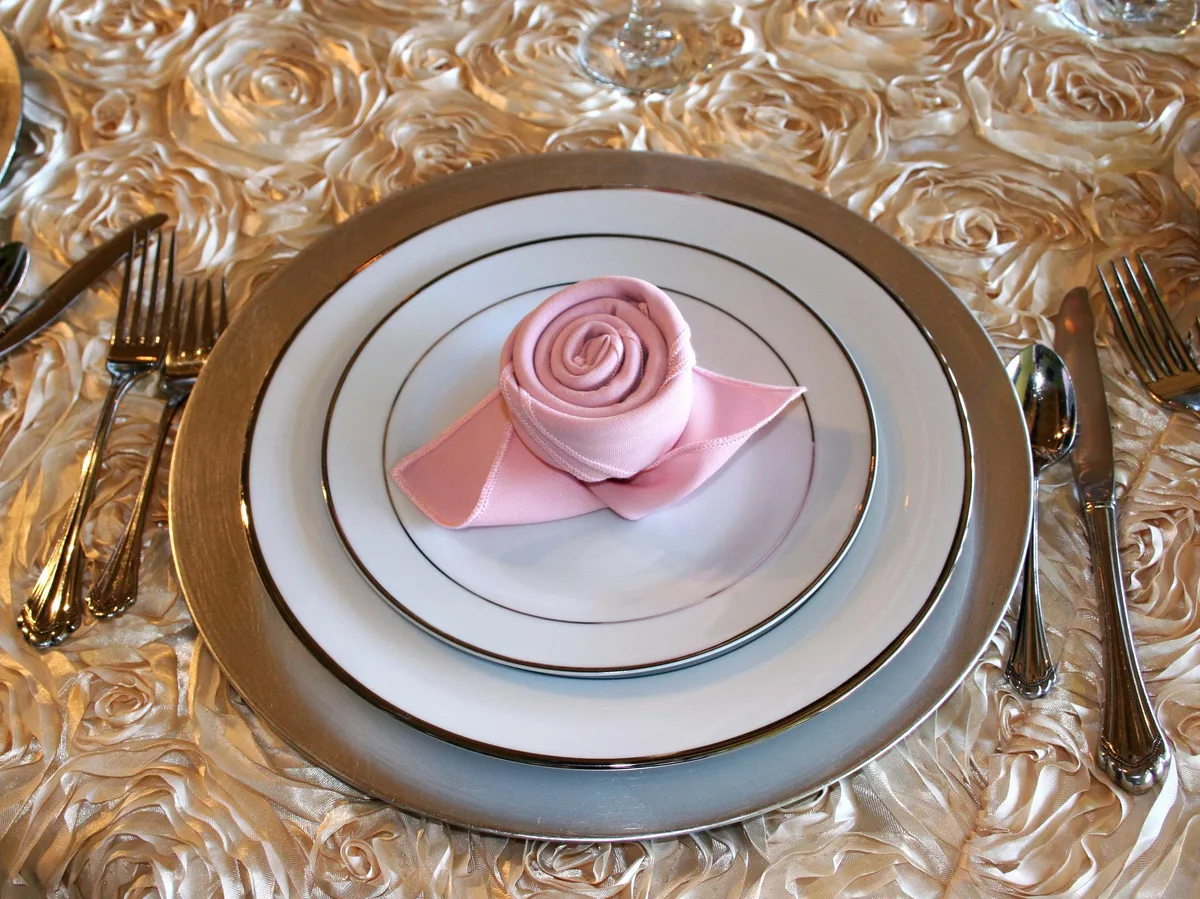
Image source: Web (Bing) / pinterest.com (Web image (fair-use with source credit))
Quick Answer
How to fold cloth napkins easy ways for dinner party starts with pressed 20×20 inch cotton napkins. Try four beginner folds: flat rectangle, silverware roll, fan, or triangle pyramid. Each takes under 90 seconds once practiced.
Place the finished fold centered on the dinner plate or charger. Leave two inches of rim showing for a clean look.
Why a Folded Cloth Napkin Sets the Tone Before Anyone Sits Down
Guests scan the table before they taste a single bite. A folded cloth napkin signals that someone planned this meal, not just reheated it. Paper squares work fine for pizza night.
For a sit-down dinner party, fabric folds read as warmer and more personal.
Cloth napkins also do real work at the table. They catch crumbs, wipe fingers, and stay put better than thin paper when someone sets down a wine glass. Aggregate hosting reviews consistently rank table presentation among the top three things guests remember, alongside the food itself.
You don't need a full formal place setting to benefit. Even a simple flat rectangle on each plate adds structure to an otherwise plain setup. If your dining space doubles as everyday kitchen territory, a polished table pairs well with a spotless backdrop behind the seats.
Reusable napkins cost more upfront than disposables, but they pay back over a few dinner seasons. Wash, press, fold, repeat. As of 2026, most cotton-linen blends handle home laundry without special dry cleaning.
That makes them practical for hosts who entertain four to twelve guests a few times a year.
Think of the napkin as the handshake of your table. A neat fold says the evening matters. A crumpled square says you ran out of time.
Both are honest. One just looks better in photos.
What Napkin Size, Fabric, and Pressing Actually Do to Your Creases
Size and fabric weight decide whether a fold holds or flops open mid-cocktail hour. Manufacturer specs for standard dinner napkins cluster around 18×18, 20×20, and 22×22 inches. Smaller cocktail napkins suit drink tables only.
They lack the surface area for utensil pockets or standing folds.
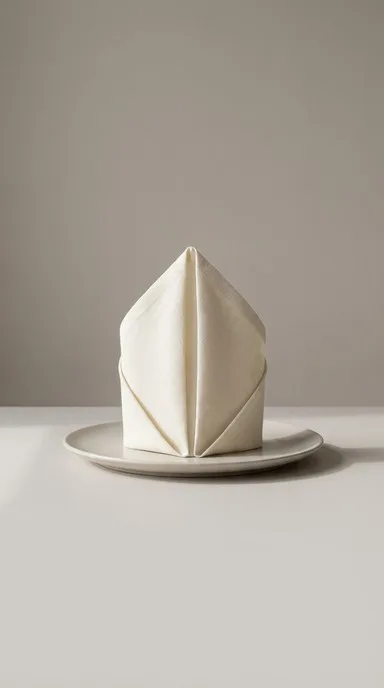
Image source: Bing (Web (fair-use with source credit))
Cotton holds crisp creases well and forgives minor ironing gaps. Linen drapes beautifully but wrinkles faster under warm dining room lights. Polyester blends resist wrinkles but feel slick, so folds slip apart unless you press hard.
Our research points to cotton or a cotton-linen mix as the sweet spot for beginner folds.
Pressing matters as much as folding. Steam or iron napkins flat the day before your party. Starch spray adds structure for fan and pyramid shapes.
Skip starch if you want a relaxed drape on a casual table. Work on a clean flat surface near your kitchen prep zone so you can batch-fold without rushing.
| Fabric type | Crease hold | Best for |
|---|---|---|
| Cotton | Strong | Rectangle, roll, fan folds |
| Linen | Moderate (wrinkles fast) | Relaxed pyramid, soft drape |
| Poly blend | Slippery | Flat lay only, minimal structure |
A 20×20 inch napkin fits most 10 to 11 inch dinner plates with room to spare. Go 22×22 if you plan silverware roll folds that need extra width for a fork and knife bundle. Match napkin scale to plate diameter and you avoid folds that hang over the rim like a lopsided hat.
Four Easy Cloth Napkin Folds, Step by Step With Visual Cues
Each fold below assumes a square napkin, pressed flat, wrong side down if one face looks nicer. Watch for valley folds (crease toward you) and mountain folds (crease away). Those two directions are what photos and diagrams show most clearly.
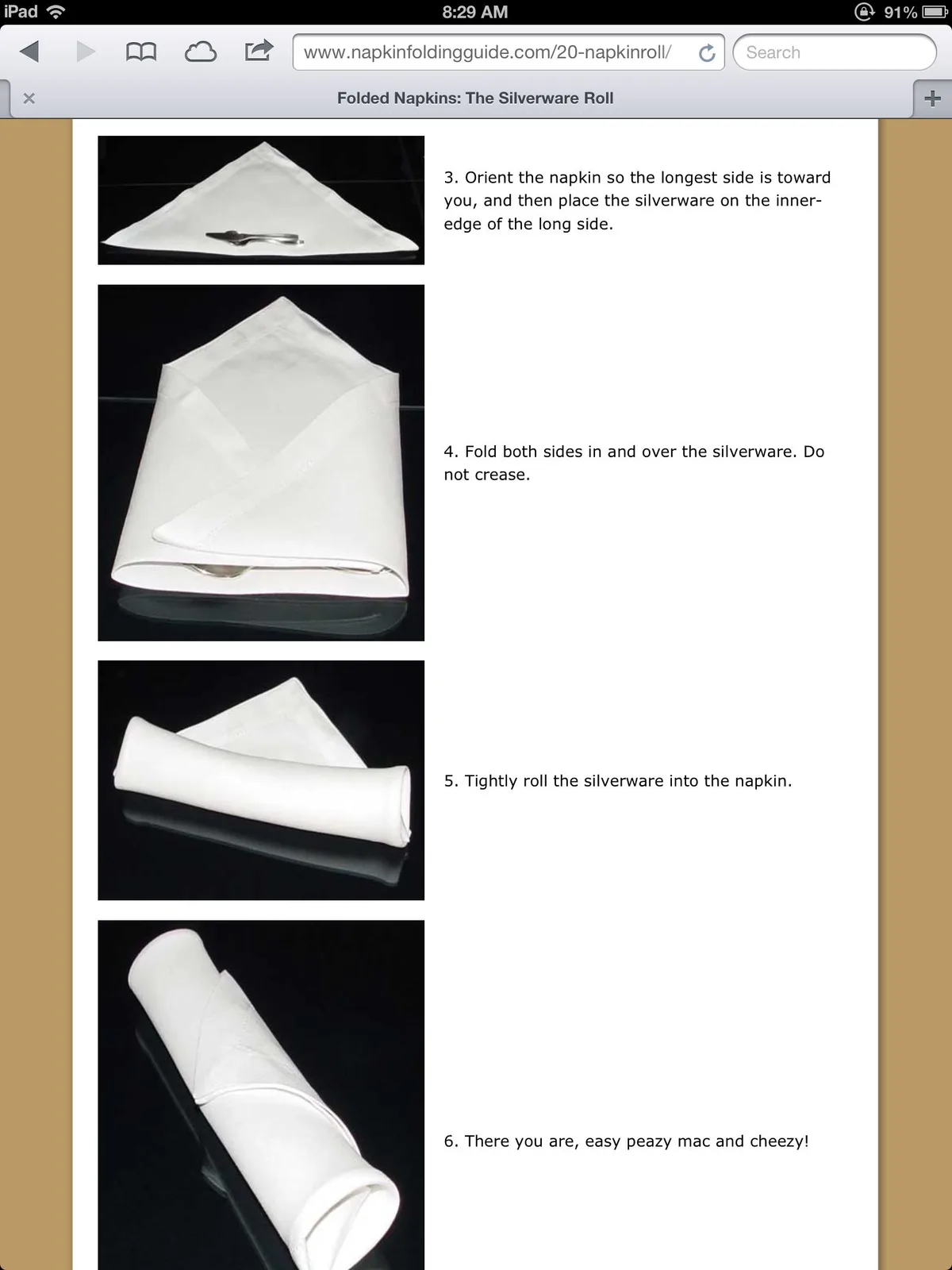
Image source: Web (Bing) / pinterest.com (Web image (fair-use with source credit))
Flat Rectangle Fold (Lay-Flat or Standing)
Fold the napkin in half top to bottom, then in half left to right. You now have a thick square. For a lay-flat version, fold once more into a slim rectangle and center it on the plate.
For a standing version, fold the square diagonally so it forms a triangle tent with the open edge at the back. This is the fastest fold in the set. Budget 30 seconds per napkin once you find your rhythm.
Silverware Roll Fold (Utensil Pocket)
Lay the napkin flat like a diamond. Fold the bottom corner up to the center. Place fork and knife parallel on top, knife blade facing inward per standard table manners guidance from the Emily Post Institute.
Fold the left corner over the utensils, then roll tightly toward the top corner. Tuck the final flap under the bundle. This fold shines at buffet setups where guests grab plate and utensils in one move.
Simple Fan Fold
Start with the napkin in a rectangle, long edge facing you. Make accordion pleats about one inch wide, working bottom to top. Pinch the pleated stack at the center.
Fold the stack in half so pleats fan upward. Set the fold on the plate with the pleated edge facing the guest. A light starch mist keeps pleats crisp through the first course.
Triangle Pyramid Fold
Fold the square diagonally into a triangle. Fold the left and right corners up to meet the top point. Flip the shape over.
Fold the bottom corners inward so they overlap slightly at the center. Stand the napkin on the overlapping base. You get height without fussy layers.
It reads formal on a charger plate without needing a napkin ring.
Batch twelve identical folds in one sitting for consistency. Stack them lightly under a clean tea towel so dust doesn't settle on the pressed fabric.
Where to Place the Finished Fold: Dinner Plate, Charger, or Left of the Forks
American formal place setting convention puts the napkin on the dinner plate or charger when guests arrive. The Emily Post Institute notes that placement signals the start of the meal. Once seated, guests move the napkin to their lap.
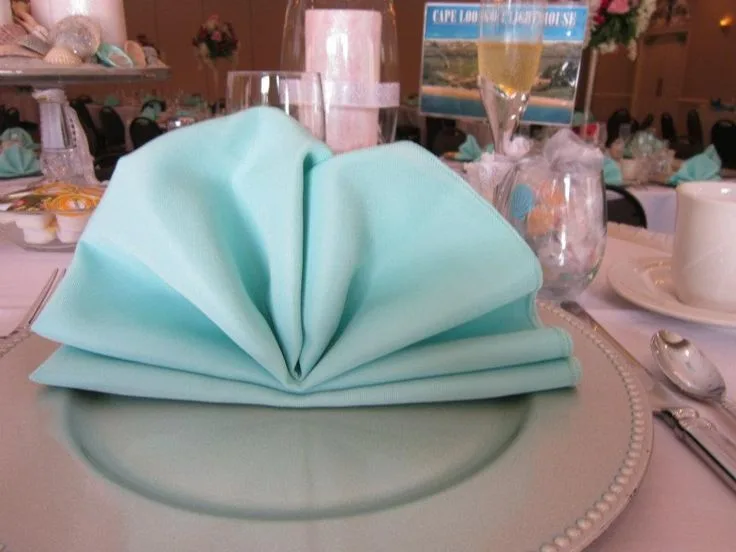
Image source: Web (Bing) / pinterest.com (Web image (fair-use with source credit))
Center the fold on the plate with roughly two to three inches of rim visible. On a charger, sit the napkin inside the inner ring so it doesn't overhang the decorative edge. A roll fold with utensils can rest directly on the charger if the plate goes out during service.
Some hosts place the napkin to the left of the forks instead. That works for European-influenced settings or when the plate arrives pre-plated from the kitchen. Either spot is correct.
Pick one style and repeat it at every seat so the table looks uniform.
| Placement | Best when | Fold types that work |
|---|---|---|
| On dinner plate | Plated service, guest arrival | Rectangle, pyramid, fan |
| On charger | Decorative base layer | Pyramid, fan, flat rectangle |
| Left of forks | Pre-plated courses | Flat rectangle, envelope |
If your dining area opens into the kitchen, a cohesive wall color scheme behind the table helps the napkin folds pop in photos. Keep flatware outside the napkin unless you're using the roll fold. Knife blade always faces the plate center.
Visual Mistakes That Make Folds Collapse or Look Uneven Under Dining Light
The most common failure is skipping the press step. A wrinkled napkin shows every uneven crease under pendant lights or candles. Iron or steam flat first.
Fold second. That order saves rework.
Folds also collapse when fabric is too slippery or the napkin is undersized. A 16 inch cocktail square cannot hold a fork-and-knife roll without gaping seams. Upgrade to 20×20 inches minimum for utensil wraps.
Cotton with a tight weave grips itself better than satin-finish blends.
Uneven pleats on fan folds usually mean inconsistent fold width. Use your thumb as a rough one-inch guide across the full width. For pyramid folds, mismatched corner points create a lopsided peak.
Align corners precisely before the final tuck.
Silverware poking through roll folds happens when the roll is too loose or utensils sit at an angle. Lay flatware parallel to the bottom edge and roll snugly. If the napkin still gapes, switch to a larger size or wrap fork and spoon only.
Store pre-folded stacks upright rather than crushed under heavy platters. Weight flattens standing folds before guests arrive. Set napkins last when building the table, after decor touches and centerpiece placement, so nothing gets bumped out of shape.
Per USDA Food Safety and Inspection Service guidance on safe food handling, always wash and fully dry reusable linens before folding. Damp fabric breeds crease lines that won't press out and raises hygiene concerns if stored wet.
Which Easy Fold Fits Your Dinner Party Setup (Plated vs Buffet, Formal vs Casual)
Your service style picks the fold, not the other way around. If guests serve themselves from a buffet, the silverware roll fold wins. They grab one bundle with fork and knife already wrapped.
That cuts clutter on the buffet line and keeps utensils from sliding off stacked plates.
Plated dinners call for folds that sit flat or stand tall without tipping when the plate lands. The triangle pyramid and simple fan both hold shape on a 10 to 11 inch dinner plate. A flat rectangle works when you want zero height and fast batch prep for eight or more seats.
Formal holiday tables with charger plates pair well with the pyramid or fan. Both add vertical interest without a napkin ring. Casual weeknight entertaining suits the flat rectangle or a loose roll with fork only.
Skip heavy starch on relaxed setups. Soft cotton drape reads friendly, not fussy.
| Your setup | Best fold | Why |
|---|---|---|
| Buffet | Silverware roll | Utensils travel with the napkin |
| Plated formal | Pyramid or fan | Height and polish on the charger |
| Large guest count (10+) | Flat rectangle | Fastest batch fold, under 30 seconds each |
| Cocktail hour + sit-down | Flat rectangle on plate | Low profile survives drink refills |
If you're setting up in an open kitchen layout, fold napkins near the table so you don't carry stacks through a busy cook zone. A clean prep surface nearby keeps pressed creases sharp while you work through a dozen place settings.
Frequently Asked Questions
How far ahead can you fold cloth napkins before a dinner party?
Fold them one to two days ahead for simple styles like the flat rectangle or silverware roll. Store stacks upright under a clean tea towel in a dry spot. Standing folds like the pyramid or fan are best folded the day of the event.
Weight and humidity flatten pleats overnight.
What size cloth napkin is best for beginner dinner party folds?
A 20×20 inch square is the sweet spot for most easy folds. It fits standard dinner plates with two inches of rim showing. Go 22×22 inches if you wrap fork and knife together.
Cocktail napkins at 16 inches or smaller lack room for utensil pockets.
Do you need starch to fold cloth napkins for a dinner party?
No, starch is optional. Cotton and cotton-linen blends hold basic creases after a good press without spray. Starch helps fan pleats and pyramid peaks stay crisp through the first course.
Skip it for a relaxed, soft-drape look on casual tables.
Can you put the napkin ring on any fold?
Napkin rings work best on flat or loosely rolled napkins, not structured standing folds. Slide a pressed rectangle through a ring and set it on the plate center. Rings save time when you're hosting six or more guests and want a polished look without complex folding.
Is it better to place cloth napkins on the plate or beside the forks?
Both placements are correct. American formal convention puts the napkin on the dinner plate or charger when guests arrive. Left-of-forks placement suits European-style settings or pre-plated courses.
Pick one spot and repeat it at every seat for a uniform table.
How do you keep folded napkins from unfolding before guests arrive?
Press fabric flat before folding. Choose cotton or tight-weave blends over slippery satin finishes. Set napkins last during table setup, after the centerpiece and glassware.
Store standing folds upright, not stacked flat under heavy serving dishes. Light starch mist on fan pleats adds extra hold.