How to Protect Kitchen Wall from Grease: Ultimate Easy Tips
If you’ve ever scrubbed at crusty, yellowed grease splatters on your kitchen wall for 20 minutes only to leave faint streaks, you know how frustrating kitchen grease buildup can be. Even occasional cooks deal with airborne grease droplets that settle on walls within weeks of regular cooking, turning pristine paint sticky, stained, and hard to clean. The good news? You don’t need expensive renovations or hours of weekly scrubbing to keep walls spotless. This guide breaks down actionable, low-effort tips tested in real home kitchens to protect your walls from grease, no matter how often you fry, sauté, or roast at home.
Why Kitchen Wall Grease Is More Than A Cosmetic Nuisance
That sticky layer of grease on your walls isn’t just ugly. Grease is a porous material that absorbs food particles and bacteria, creating an unhygienic surface that can harbor pathogens if left uncleaned. According to NFPA kitchen fire safety guidance, accumulated grease is the leading cause of residential kitchen fires, as even a small spark can ignite built-up residue. Grease also seeps into porous surfaces like matte paint and unglazed tile over time, causing permanent staining, peeling, and discoloration that requires costly repainting or refinishing to fix. Addressing grease buildup early saves you time, money, and hassle long-term. For more on this, see our guide on how to clean oil grease from kitchen wall.
Top Causes Of Kitchen Wall Grease Buildup
Understanding why grease ends up on your walls is the first step to preventing it. Most buildup comes from two core sources, amplified by your cooking habits and kitchen setup.
Airborne Grease From High-Heat Cooking
When you fry, sear, or sauté at temperatures above 350°F, oil vaporizes into tiny, invisible droplets that travel 3–6 feet from the stove before settling on nearby walls, cabinets, and appliances. Cooking fatty proteins like bacon, burgers, or ribs releases far more airborne grease than vegetables or lean cuts, leading to faster buildup in homes that cook these foods regularly. For more on this, see our guide on how to prevent kitchen wall from grease.
Direct Splatters From Stovetop Activity
Larger grease droplets are sent flying when you flip food, stir boiling pots, or splash oil while cooking. These splatters can land up to 2 feet above the cooktop, hardening on walls within 10–15 minutes of exposure. Leaving pots uncovered while cooking or overfilling pans to prevent boil-overs dramatically increases the volume of direct splatters.
Poor Ventilation
Without proper airflow, grease particles linger in the air instead of being extracted from your kitchen. Vented range hoods, which pull air directly outside your home, capture far more airborne grease than recirculating models that only filter air before blowing it back into the room. Even homes with range hoods see faster buildup if filters are clogged or the hood is too weak for the size of the cooktop.
Immediate Steps To Protect Walls During Cooking
Small adjustments to your cooking routine can cut grease splatters dramatically, no extra tools required.
Use Splatter Guards Correctly
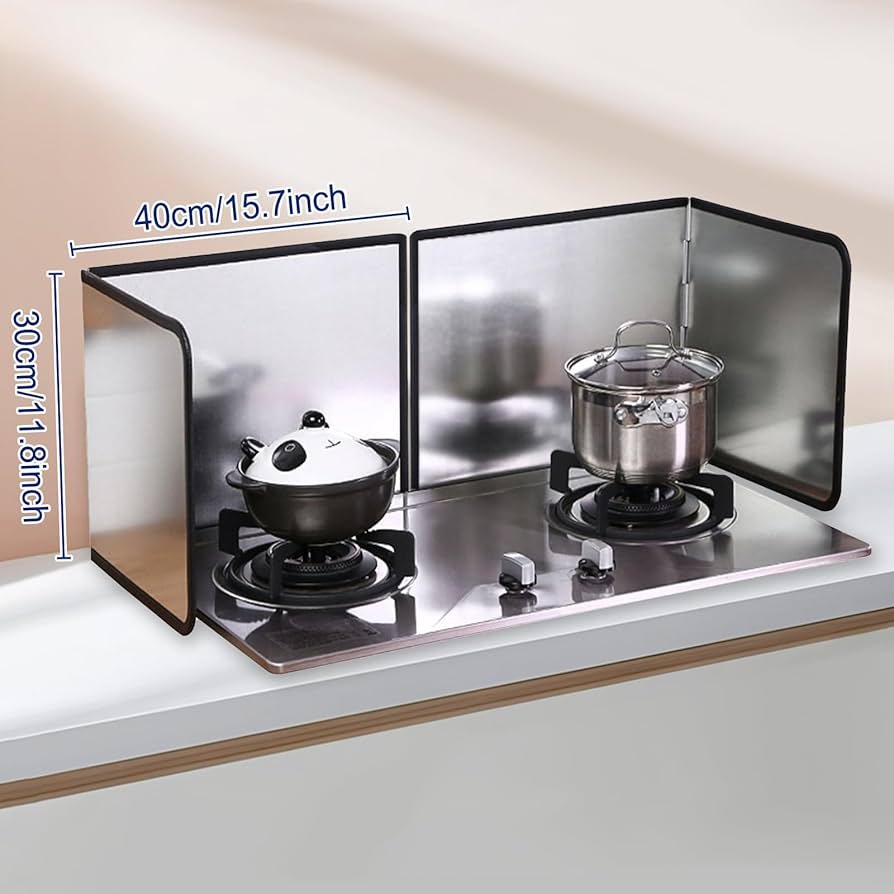
Foldable metal or heat-resistant silicone splatter guards are far more effective than cheap mesh screens, as they block large grease droplets while letting steam escape to prevent soggy food. Place the guard directly on top of your pan, not on the stovetop, to avoid melting plastic or silicone edges. For extra protection, pair a splatter guard with a lid when frying or boiling to catch both airborne and direct splatters.
 Place splatter guards directly on cookware, not the stovetop, to avoid melting and maximize grease protection.
Credit: www.walmart.com
Place splatter guards directly on cookware, not the stovetop, to avoid melting and maximize grease protection.
Credit: www.walmart.com
Optimize Your Range Hood Use
Turn on your range hood 5 minutes before you start cooking to create negative air pressure that pulls grease particles toward the vent, and leave it running for 10–15 minutes after you finish cooking to capture lingering residue. Clean metal range hood filters monthly in warm, soapy water, and replace charcoal filters for recirculating models every 3–6 months to maintain maximum suction power.
Adjust High-Heat Cooking Techniques
Lowering your stovetop heat by 25–50°F when frying reduces oil spitting without sacrificing crispness, and covering pots and pans while cooking cuts direct splatters drastically. Avoid overfilling pans to prevent boil-overs, and pat dry meats before cooking to reduce water-oil splatter reactions that send grease flying.
Long-Term Wall Protection Solutions
For lasting protection, invest in durable, easy-to-clean wall finishes that repel grease before it can cause damage.
Choose Grease-Resistant Paint And Finishes
Semi-gloss and satin paint finishes are far more grease-resistant than matte, as their smooth surface doesn’t let grease seep into the paint layer. Look for paints labeled "scrubbable" or "kitchen and bath formula" — these are formulated to withstand frequent wiping without fading or peeling. For easier maintenance, opt for mid-tone paint colors (warm gray, taupe, soft beige) that hide minor grease stains far better than bright white or pastel shades, making them a great pick if you’re pairing your finish with green cabinetry or matching walls to warm brown cabinets. If you’re repainting over existing grease stains, apply a coat of oil-based stain-blocking primer first to prevent old residue from seeping through the new paint.
 Semi-gloss and satin paints are far more grease-resistant than matte finishes for kitchen walls.
Credit: www.amazon.com
Semi-gloss and satin paints are far more grease-resistant than matte finishes for kitchen walls.
Credit: www.amazon.com
Install A High-Quality Backsplash
A backsplash is the most effective permanent barrier against grease splatters, especially behind the stove and sink. The best materials for grease protection, ranked by performance, are:
- Stainless steel: Non-porous, heat-resistant, and completely wipeable, but shows fingerprints and water spots more than other materials.
- Glazed ceramic/porcelain tile: Durable, available in endless styles, but unsealed grout lines can absorb grease if not maintained.
- Tempered glass: Smooth, seamless, and modern, with no grout lines to clean, but can show hard water spots.
- Peel-and-stick vinyl tile: Affordable, removable, and ideal for renters, but less heat-resistant near the cooktop. Extend your backsplash at least 6 inches above the cooktop and 18–24 inches behind the sink to cover the most common splatter zones.
Use Temporary Protective Coverings
If you’re a renter or don’t want to commit to a permanent backsplash, clear acrylic sheets or heat-resistant peel-and-stick wall protectors are a low-cost, removable option. For a stylish alternative, hang a flame-resistant fabric or bead curtain in front of the wall behind your stove to catch splatters before they hit the paint.
Deep Cleaning Techniques For Existing Grease Stains
If grease has already built up on your walls, these targeted cleaning methods remove stains without damaging surfaces.
Cleaning Painted Walls
For fresh grease on scrubbable painted walls, mix 1 part white vinegar with 2 parts warm water and a drop of dish soap, spray lightly onto the stain (avoid oversaturating drywall), let sit for 5 minutes, then scrub gently with a soft microfiber cloth in circular motions. For set-in stains, make a paste of baking soda and water, apply it to the affected area, let sit for 10 minutes, then wipe away with a damp cloth. Always test any cleaner on a hidden spot first to avoid damaging paint finishes. For hygiene guidance, the University of Minnesota Extension recommends wiping greasy surfaces immediately after cooking to prevent bacterial growth.
Cleaning Non-Porous Backsplash Materials
For tile, glass, or stainless steel backsplashes, use a commercial kitchen degreaser or a mixture of rubbing alcohol and water for quick, streak-free cleanup. For stained grout lines, apply a paste of baking soda and hydrogen peroxide, let sit for 15 minutes, then scrub with a soft grout brush and rinse. For vinyl washable wallpaper, wipe with a damp cloth and mild soap, avoiding abrasive scrubbers that can damage the print.
If you need to move heavy appliances to clean hard-to-reach grease buildup behind them, take care to shut off water lines first to avoid leaks or water damage.
 Wipe walls within 10 minutes of cooking to prevent fresh grease from hardening and staining.
Credit: www.reddit.com
Wipe walls within 10 minutes of cooking to prevent fresh grease from hardening and staining.
Credit: www.reddit.com
Common Mistakes To Avoid
Even well-meaning kitchen maintenance routines can backfire if you make these common errors:
- Using abrasive cleaners on painted walls: Scouring pads, bleach, or harsh chemical degreasers can strip paint and leave permanent streaks, especially on matte finishes. Stick to mild soap, vinegar, or baking soda for painted surfaces.
- Skipping ventilation while cooking: Even 10 minutes of cooking without a range hood leaves a thin layer of grease on walls that hardens within hours. Always turn on ventilation before you start cooking, not after you see smoke.
- Ignoring backsplash grout: Unsealed grout absorbs grease and stains permanently, so seal grout every 6–12 months and wipe up splatters immediately to avoid penetration.
- Oversaturating walls with water: Soaking drywall or unsealed paint can cause water damage, mold, or peeling. Dampen your cleaning cloth instead of soaking it, and dry the wall thoroughly after cleaning.
Frequently Asked Questions
How Can I Prevent Grease Buildup On Kitchen Walls?
Start with immediate prevention: use a splatter guard when frying, turn on your range hood before cooking, and wipe walls with a damp soapy cloth within 10 minutes of finishing a cook session. For long-term protection, install a grease-resistant backsplash and use scrubbable semi-gloss paint on kitchen walls. These steps cut grease buildup significantly for most home cooks.
What Materials Protect Kitchen Walls From Grease Effectively?
The most effective materials, ranked by performance, are stainless steel (non-porous, heat-resistant, easy to wipe clean), glazed ceramic tile (durable, wide style options, but requires sealed grout), tempered glass (smooth, no grout lines, modern aesthetic), and scrubbable vinyl wallpaper (affordable, removable, ideal for renters). Avoid porous materials like unsealed wood, matte paint, or unglazed tile, which absorb grease and stain permanently.
How Often Should I Clean Kitchen Walls To Avoid Grease?
Wipe down kitchen walls after every heavy cooking session (frying, grilling, etc.) to remove fresh splatters before they harden. Do a full deep clean of walls and backsplashes once a month to remove accumulated grease. For low-use kitchens, a quick weekly wipe-down is sufficient to prevent buildup.
Does Ventilation Help Reduce Grease On Kitchen Walls?
Yes, dramatically. Proper ventilation extracts airborne grease particles before they settle on walls. A vented range hood is the most effective option, as it pulls grease-laden air directly outside your home instead of recirculating it through filters. Even opening a window while cooking improves airflow and cuts down on grease buildup significantly.
Conclusion
Protecting your kitchen walls from grease doesn’t require expensive renovations or hours of weekly scrubbing. By combining simple daily habits, the right protective materials, and occasional deep cleaning, you can keep your kitchen looking fresh and clean for years. Ready to tackle existing grease stains or plan a kitchen update? Start by wiping down your walls after your next cook session, and invest in a splatter guard for high-heat frying to see immediate results.