How to Decorate Wall above Kitchen Cabinets: Stunning Ideas to Transform
That empty, dust-prone gap between the top of your kitchen cabinets and the ceiling is one of the most underutilized spaces in the average home. Left bare, it collects grease, dust, and forgotten items, making your kitchen feel unfinished. Decorated intentionally, it becomes a stunning focal point that adds personality, warmth, and even the illusion of higher ceilings to your space. In this 2026 guide, we’ll share actionable, tested ideas for every style, budget, and kitchen layout, so you can transform that overlooked area without a full renovation.
Pre-Decor Prep: Set Your Space Up for Success
Skipping prep is the most common mistake homeowners make when decorating above cabinets—without it, you’ll end up with dust-covered decor, water stains on your cabinet finish, or pieces that don’t fit your space. Follow these quick steps to set yourself up for success:
- Measure your vertical gap: Most standard kitchens have 12 to 30 inches of space between the top of upper cabinets and the ceiling. This measurement dictates what decor you can use: gaps under 6 inches work best for leaned art or small plants, while gaps over 18 inches can accommodate shelves, larger art, or hanging lighting.
- Test light levels: Hold your hand 6 inches above the cabinet top; if you can barely see your shadow, the space gets low light, so opt for low-light tolerant plants or art instead of sun-loving specimens.
- Clear and dust the area: Use an extendable microfibre duster to remove built-up grease and dust, which can damage decor and cabinet finishes over time.
- Check for obstructions: Note the placement of wall-mounted faucets, stove vents, or crown molding that might impact where you can place decor or mount shelves. If your kitchen has a wall-mounted faucet, ensure any mounted shelving or decor is placed at least 6 inches away from the fixture to avoid water damage—our guide to safe removal of wall-mounted kitchen faucets walks you through adjusting fixtures if needed.
Industry standards from the National Kitchen and Bath Association recommend leaving at least 18 inches of clearance between countertop appliances and upper cabinet bottoms to avoid heat damage to decor placed above. For more on this, see our guide on ideas to decorate above kitchen cabinets.
 Credit: www.reddit.com
A common blank spot above cabinets that can be transformed with simple decor
Credit: www.reddit.com
A common blank spot above cabinets that can be transformed with simple decor
Choose a Cohesive Theme That Matches Your Kitchen Style
Picking a theme before you start shopping eliminates decision fatigue and ensures your decor feels intentional, not random. Match your theme to your existing kitchen style for a seamless look:
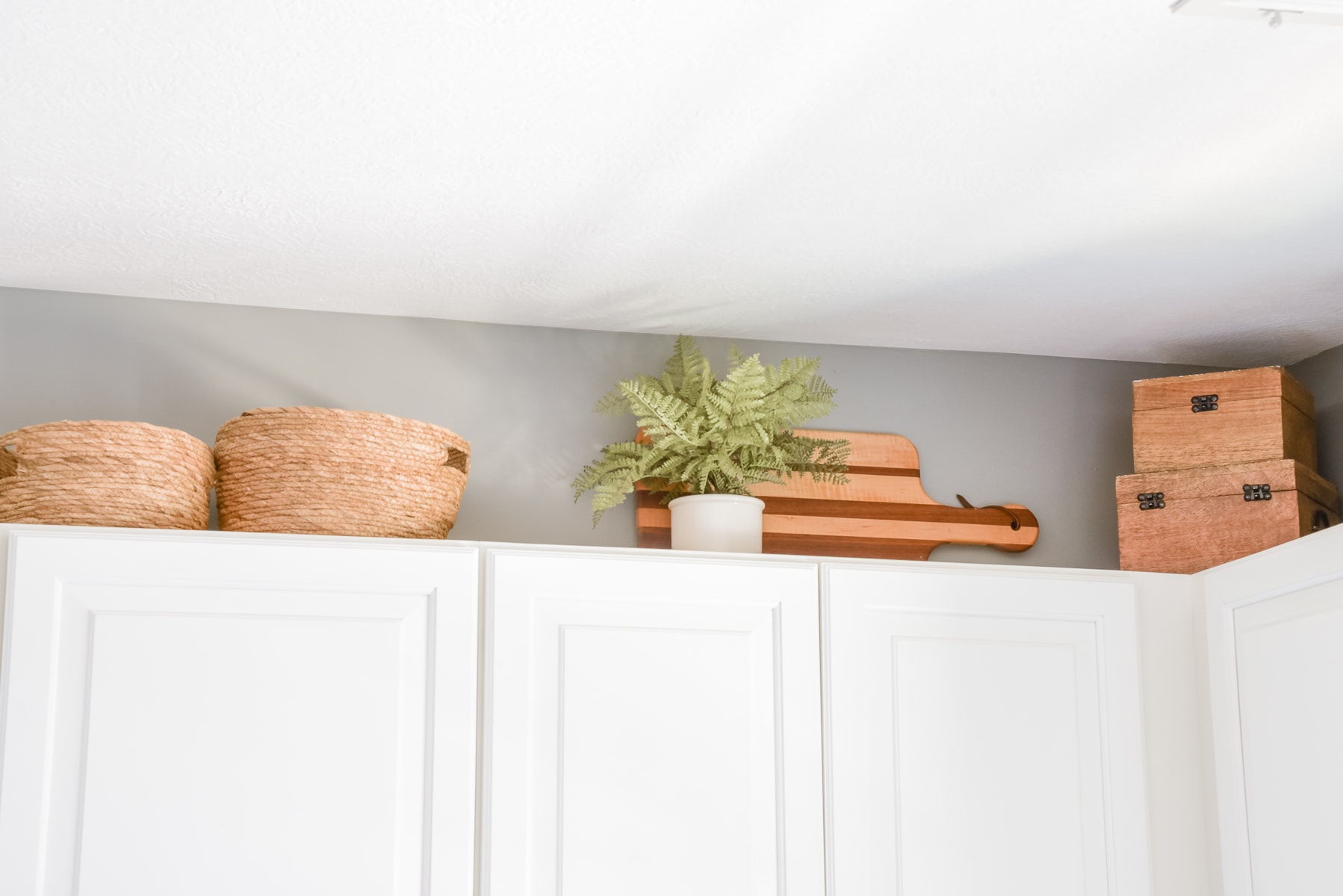
- Rustic/farmhouse: Ideal for kitchens with shaker cabinets, butcher block countertops, or exposed beams. Use natural materials like reclaimed wood, woven rattan baskets, vintage mason jars, and dried eucalyptus to add cozy, lived-in warmth.
- Modern minimalist: Perfect for kitchens with flat-panel cabinets, quartz countertops, and neutral hardware. Stick to 2-3 monochrome pieces, like a large abstract print, a sleek ceramic vase, or a small metal sculpture, and leave plenty of empty space to keep the area feeling airy. For small kitchens, avoid bulky decor that makes the space feel cramped.
- Eclectic: Works for kitchens with mixed finishes or bold cabinet colors. Combine travel souvenirs, vintage kitchenware, and colorful art in balanced clusters—group items by color or height to avoid a chaotic look.
A common mistake is mixing too many themes at once; stick to 1-2 core styles to keep the space feeling curated.
Add Low-Maintenance Greenery for Freshness
Greenery softens hard cabinet edges and adds a fresh, inviting touch to the space. The key is picking plants that thrive in the low-light, low-humidity conditions typical of the area above cabinets:
- Low-light tolerant options: Snake plants (Sansevieria), ZZ plants (Zamioculcas zamiifolia), and artificial eucalyptus or olive branches are perfect for dim spots. They require minimal watering and can survive for weeks without care, making them ideal for busy homeowners. Artificial options made from recycled materials are a popular 2026 sustainable pick for those who want zero upkeep.
- Bright spot options: If your space gets 4+ hours of indirect light, small succulents, potted herbs like thyme or rosemary, or trailing ivy work well.
- Pro tip: Place a small silicone tray under all potted plants to catch excess water and prevent stains or warping on your cabinet finish. Avoid placing plants directly on porous cabinet surfaces if you have a gas stove, as they can absorb grease over time.
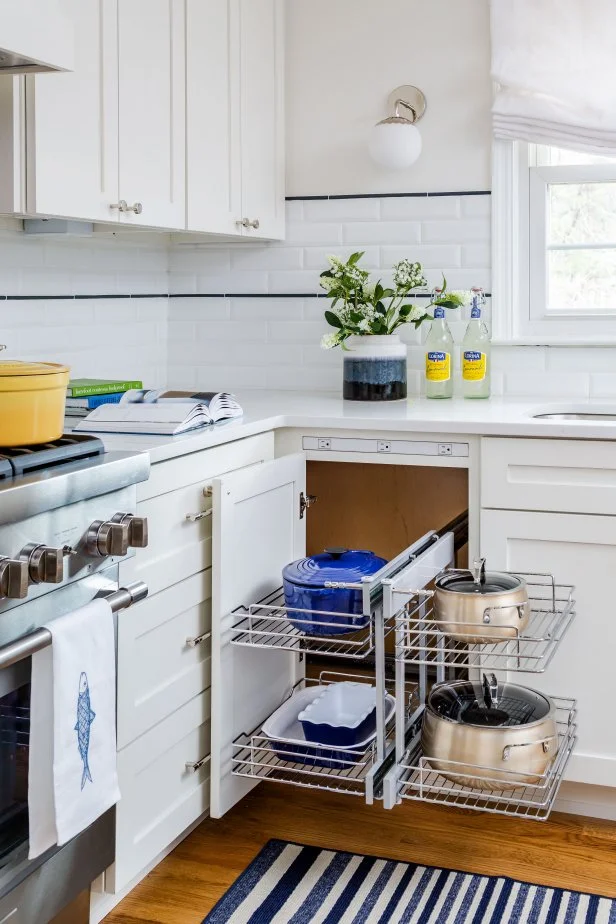 Credit: www.hgtv.com
Rustic decor with natural textures and warm tones above cabinets adds cozy character
Credit: www.hgtv.com
Rustic decor with natural textures and warm tones above cabinets adds cozy character
Incorporate Art & Personal Touches
Art adds color, texture, and personality to the space, turning a blank wall into a reflection of your style. Choose pieces that fit your kitchen’s vibe and the size of your gap:
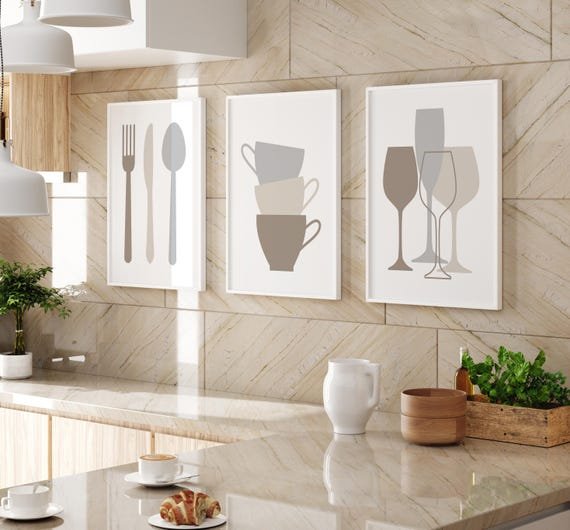
- Lightweight framed prints: For renters or small gaps, use adhesive command strips to hang small food-themed watercolors, abstract prints, or vintage kitchen signs without damaging the wall. Group 3-5 small frames in a gallery layout for visual interest.
- Leaned art for tight spaces: If you have less than 6 inches of vertical gap, lean small framed art, decorative plates, or cutting boards against the back of the cabinet top instead of hanging them on the wall. This creates a layered look without requiring hardware.
- Decorative plates: Hang hand-painted ceramic plates with plate hangers for a charming, kitchen-appropriate touch. Arrange them in a straight row or organic cluster, and mix patterns and sizes for visual interest.
Avoid heavy framed art over 5 pounds unless you’re anchoring into wall studs, as it can pull away from the wall over time.
Add Ambient Lighting to Highlight Your Decor
Lighting above cabinets adds warmth, highlights your decor, and makes the space feel usable after dark. Choose options that fit your budget and skill level:
- LED strip lights: The most popular no-fuss option, these adhesive-backed lights stick to the top edge of your cabinets for a continuous, energy-efficient glow. Opt for warm white (2700K-3000K) bulbs to avoid harsh blue lighting, and choose a dimmable model to adjust brightness for different occasions. Battery-operated versions are perfect for renters, as they require no hardwiring and last up to 6 months on a single charge.
- Adjustable spotlights: If you want to highlight specific decor pieces (like a collection of vintage mugs or a statement sculpture), install small adjustable spotlights under your cabinet crown molding. You can direct the beam to focus on your favorite items, creating a gallery-like effect.
- Fairy lights: For a cozy, whimsical touch, drape battery-operated fairy lights along the cabinet top or weave them through plant arrangements. They’re easy to move and swap out with the seasons.
For safe installation of hardwired above-cabinet lighting, follow guidelines from the U.S. Consumer Product Safety Commission to reduce fire and electrical hazard risks. A common mistake is using cool white (4000K+) bulbs, which make kitchens feel cold and clinical, especially in the evening. For more on this, see our guide on how to decorate above cabinets in kitchen.
 Credit: www.christeneholderhome.com
A curated eclectic mix of art, plants, and collectibles avoids clutter while feeling personal
Credit: www.christeneholderhome.com
A curated eclectic mix of art, plants, and collectibles avoids clutter while feeling personal
Display Meaningful Collectibles Without Clutter
The space above cabinets is perfect for showcasing items that tell your story, but overcrowding is the fastest way to make the area feel messy. Follow these rules for a balanced display:
- Use the rule of thirds: group objects in clusters of 3, 5, or 7 for an intentional look, rather than scattering single items randomly.
- Place taller items in the back of the display and shorter items in the front so all pieces are visible.
- Use small wooden or acrylic stands to elevate tiny collectibles (like vintage spoons or salt and pepper shakers) so they don’t get lost behind larger decor.
Popular collectible options include vintage kitchen tins, copper cookware, ceramic vases, and travel souvenirs. For seasonal updates, swap out summer-themed pottery for pinecones and holiday mugs in winter to keep the space feeling fresh without a full redesign.
Install Functional Shelving for Extra Storage
If you have a large gap (over 18 inches) and want extra storage or display space, installing shelving is a practical, stylish option:
- Floating shelves: These bracket-free shelves offer a clean, modern look that works with any kitchen style. Use a stud finder to anchor them into wall studs for support—most floating shelves can hold 15-20 pounds per shelf when installed correctly, which is enough for small plants, cookbooks, and lightweight decor. Opt for adhesive-mounted floating shelves if you’re renting and don’t want to drill into the wall.
- Open racks: Metal or wood open racks with slat or wire design add a farmhouse or industrial touch, and are ideal for storing heavier items like cast iron pans, woven baskets, or pantry overflow. The open design allows air to circulate, preventing dust buildup on stored items.
- Built-in cabinetry: If you’re doing a full kitchen renovation, custom built-in cabinets that match your existing finish offer hidden storage behind doors or glass panels, keeping the area tidy while protecting fragile decor from dust.
Add Texture for Warmth and Depth
If your kitchen has all smooth surfaces (glossy cabinets, quartz countertops, tile backsplash), adding textured decor above cabinets creates visual interest and warmth:
- Woven accents: Woven rattan baskets, macramé hangings, and jute rugs add natural, earthy texture that fits farmhouse and boho kitchen styles. Group 2-3 baskets of varying sizes for a casual, layered look.
- Wood accents: Reclaimed wood planks, carved wooden panels, or wooden cutting boards add organic warmth that complements natural wood cabinet finishes. Cut planks to fit your cabinet top gap for a custom, rustic touch.
- Textile hangings: Lightweight macramé or woven wall hangings add softness and subtle pattern to the space. Opt for synthetic blends if your cabinet area is near a gas stove, as they can be wiped down easily to remove grease and cooking odors.
Use Color to Enhance Your Kitchen’s Layout
Color is one of the easiest ways to make the space above cabinets feel intentional, and it can even alter the perception of your kitchen’s size:
- Accent walls: For small kitchens with low ceilings, paint the wall above cabinets a soft, light color (warm white, pale sage, light taupe) to create the illusion of higher ceilings and a more open space. For larger kitchens with dark cabinets, a deep accent color (navy, forest green, terracotta) adds depth and draws the eye upward.
- Coordinated palettes: Match the wall color above cabinets to small decor items like vases, bowls, or cookbooks to create a cohesive, curated look. If you’re unsure which hues work with your cabinetry, refer to guides for hues that complement green cabinetry or pairings for brown cabinet bases to narrow down your options.
- Renter-friendly options: Use removable peel-and-stick wallpaper instead of paint if you don’t want to commit to a permanent color change. Avoid high-gloss finishes near stoves, as they show grease smudges easily—opt for satin or matte paint for easy cleaning.
Low-Maintenance Upkeep for Long-Lasting Style
Decor above cabinets can collect dust and grease quickly, but simple upkeep keeps it looking fresh for years:
- Dust the cabinet top and all decor monthly with an extendable microfibre duster to prevent buildup.
- Water potted plants over a sink to avoid drips that can warp cabinet finishes or cause water stains.
- Place a felt or silicone liner under items placed directly on the cabinet top to protect the surface from scratches and water damage.
- Check any wired lighting (fairy lights, LED strips) every 6 months for frayed wiring or loose connections to reduce fire risk.
If you have a gas stove, avoid placing flammable fabric decor within 24 inches of the cooktop to minimize fire hazard.
Frequently Asked Questions
What are the best decor ideas for above kitchen cabinets?
The most versatile options include low-maintenance plants (like snake plants or artificial eucalyptus), lightweight framed art, woven baskets, and small collections of vintage kitchenware. For tight spaces with less than 6 inches of vertical gap, leaning small decor against the back of the cabinet top works better than wall-mounted pieces. Avoid overcrowding the space—leaving 20% of the visible area empty creates a balanced, intentional look.
How do I style above kitchen cabinets on a budget?
Focus on DIY and repurposed items: use empty glass jars from pasta sauce as vases, thrift vintage plates for wall display, or make your own macramé hangings from leftover cotton rope. Battery-operated LED fairy lights and small potted herbs from the grocery store add impact for under $20 total. Swap out decor seasonally instead of buying new pieces each year to keep costs low.
Is it safe to put heavy decor above kitchen cabinets?
Yes, as long as you anchor it properly. For wall-mounted shelves or art, use a stud finder to secure anchors into wall studs—most floating shelves can hold 15-20 pounds when installed correctly. Avoid placing heavy cast iron cookware or large stone sculptures on shelves that aren’t reinforced, as this can cause them to pull away from the wall. For items placed directly on the cabinet top, ensure they are stable and won’t tip over if bumped.
How do I decorate above cabinets in a kitchen with a sloped ceiling?
Adjustable shelving or leaning decor against the back of the cabinet top works best for sloped ceilings, as fixed wall-mounted shelves may not sit level. Opt for low-profile decor like small plants, framed photos, or woven baskets that don’t protrude too far into the sloped space. You can also use the full height of the sloped area to hang a row of small spotlights that highlight the decor below.
What should I avoid putting above kitchen cabinets?
Skip porous items like untreated wood, unglazed ceramic, or thick fabric near gas stoves, as they can absorb grease and cooking odors, and pose a minor fire risk if placed too close to heat sources. Avoid fragile glass or ceramic items if you have young children or pets who might bump the cabinet doors and knock them over. Finally, don’t overcrowd the space—too many items create a cluttered, messy look that detracts from your kitchen’s design.
How often should I update the decor above my cabinets?
There’s no strict rule, but most homeowners find that small seasonal updates (like swapping summer pottery for holiday decor in winter) keep the space feeling fresh without a full redesign. If your decor is starting to look dated or dusty, a full refresh every 2-3 years is sufficient for most spaces.
Conclusion
Decorating the wall above your kitchen cabinets doesn’t require a full renovation or a big budget—even small, intentional changes can turn a wasted, dusty space into a stunning focal point that reflects your personal style. Whether you opt for low-maintenance artificial plants, a curated collection of vintage kitchenware, or warm LED accent lighting, the key is to balance personality with cohesion so the space feels intentional, not cluttered. Start with one small change this weekend—like adding a potted snake plant or a string of fairy lights—and watch that overlooked spot transform into a stunning feature of your kitchen.