What Paint is Good for Kitchen Walls: Expert Tips for Durable Beauty
The kitchen is the most used room in any home, and its walls take a beating that no other interior surface does: steam from boiling pots, airborne grease from searing meats, sticky fingerprints from snack-seeking kids, and daily scrubbing with harsh cleaners to remove splatters and stains. Choosing the wrong paint for your kitchen walls can lead to peeling, fading, and stained surfaces in as little as 18 months, while the right product will retain its fresh, beautiful finish for 7–10 years with minimal upkeep. In this guide, we break down expert-backed guidance on the best paint types, finishes, colors, prep steps, and maintenance practices to give your kitchen walls durable, long-lasting beauty, no matter how often you cook. You can also read our guide on what color walls go with dark brown kitchen cabinets.
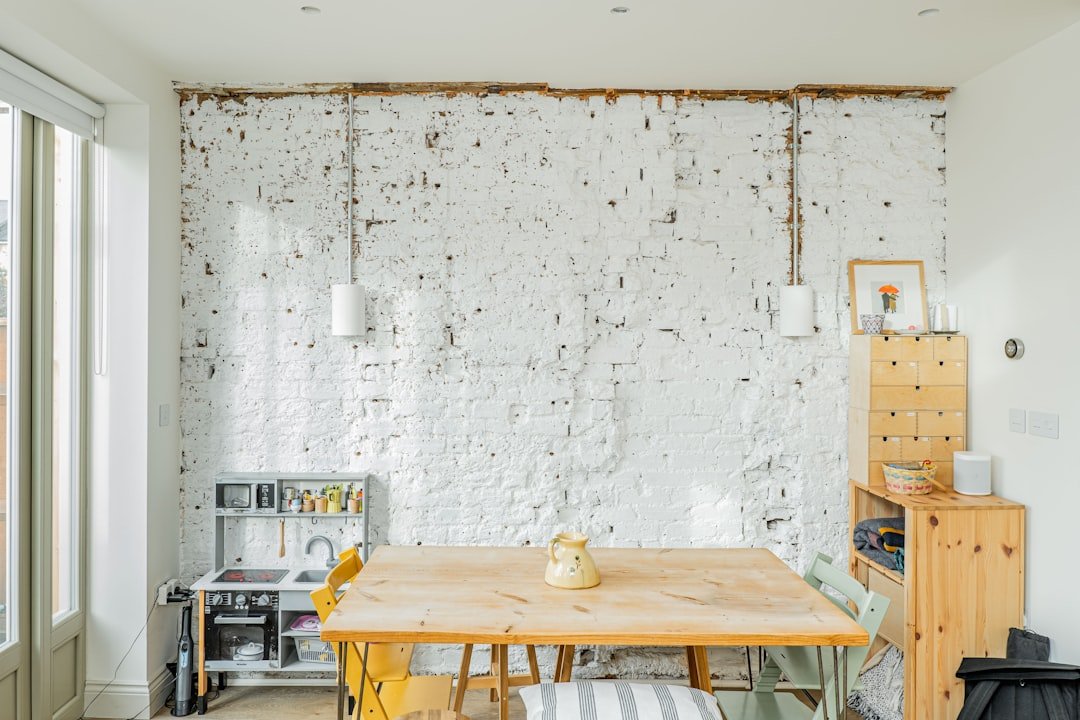
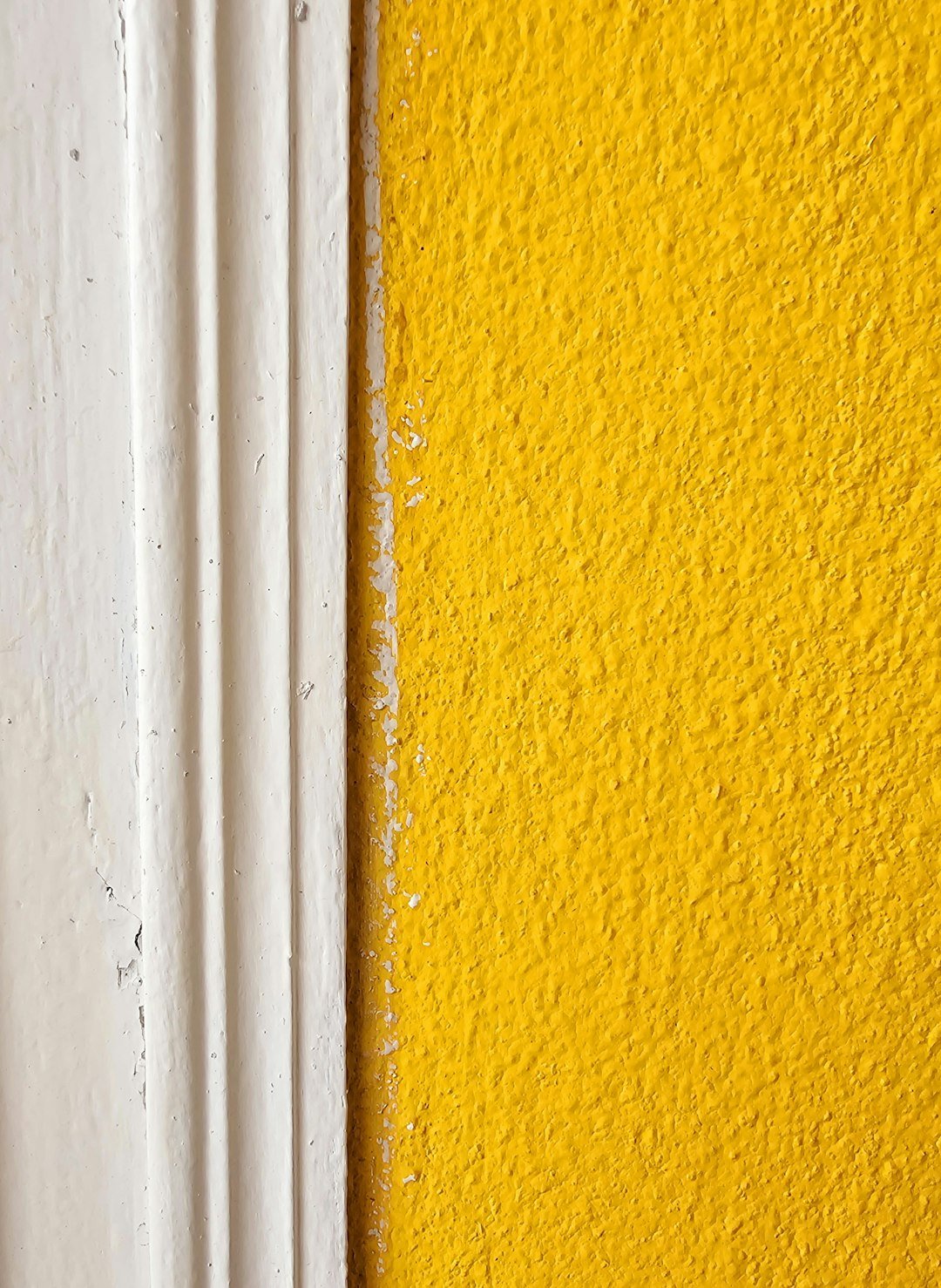
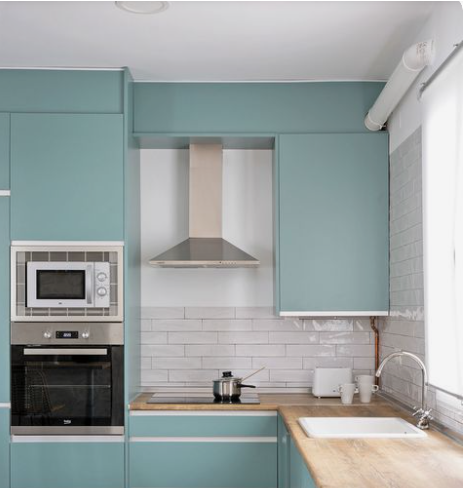 Semi-gloss paint repels grease and steam from daily cooking, making it ideal for high-splatter kitchen zones.
Understanding Core Kitchen Paint Formulations
Not all interior paint is built to stand up to the unique stressors of a kitchen. The constant exposure to moisture, heat, grease, and frequent scrubbing requires a formulation engineered for durability, rather than just aesthetic appeal. Below are the most common paint types for kitchen walls, ranked by performance for this high-traffic space. You can also read our guide on what depth are kitchen wall units.
Water-Based Latex vs. Oil-Based Paints
As of 2026, water-based (latex) paint makes up 90% of all residential kitchen wall paint sales, and for good reason. Latex dries quickly to the touch in 1–2 hours, has low odor during application, and cleans up easily with soap and water. It also resists yellowing over time, a critical feature for kitchens exposed to cooking heat and sunlight. Oil-based paint, by contrast, takes 6–8 hours to dry, emits strong fumes during application, requires harsh solvents for cleanup, and yellows noticeably when exposed to UV light and heat. While oil-based paint offers a harder, more stain-resistant finish, it is only recommended for trim, baseboards, and cabinet faces, not full kitchen walls, due to its long cure time (up to 30 days, vs. 7 days for latex) and higher maintenance requirements. For evidence-based guidance on selecting low-VOC, durable interior paints for high-moisture residential spaces, university extension guidelines recommend 100% acrylic latex blends formulated specifically for kitchen and bathroom use, as they balance performance with minimal indoor air pollution. You can also read our guide on what finish for kitchen walls.
Acrylic-Enhanced Latex: The Gold Standard for Kitchen Walls
Acrylic latex is a premium formulation of standard latex paint, with added acrylic polymers that boost flexibility, moisture resistance, and adhesion. In practice, this flexibility prevents cracking and peeling caused by the constant temperature fluctuations in a kitchen (for example, when you open a hot oven door, the wall expands and contracts). You can also read our guide on how much to paint a kitchen walls and ceiling. High-quality acrylic latex paints are rated to withstand 1000+ scrub cycles per ASTM D4828 standards, meaning they won’t fade, chip, or lose their finish even with weekly scrubbing to remove grease and splatters. A common mistake homeowners make is purchasing "premium" acrylic paint without checking for added grease-resistant or mildewcide additives, which are critical for kitchen performance. This paint type also holds color exceptionally well, so your chosen wall shade will stay vibrant for years without fading. You can also read our guide on how to stop kitchen cabinet door from hitting wall.
Specialty Kitchen Paint Blends
For kitchens with unique needs, specialty formulations offer targeted protection:
- Mold-resistant acrylic: Infused with mildewcides, these paints block fungal growth on walls, ideal for kitchens with poor ventilation, high humidity, or a history of mold near windows, ceilings, or behind sinks.
- Grease-resistant acrylic: Features a hydrophobic topcoat that repels oily splatters and airborne grease particles, making it perfect for walls within 3 feet of a stove, cooktop, or range.
- Zero-VOC acrylic: Formulated with no volatile organic compounds, these paints are ideal for homes with young children, pets, or residents with respiratory sensitivities, as they emit no harmful fumes during application or curing. These specialty blends cost 10–15% more than standard acrylic latex, but their extended lifespan and reduced cleaning requirements make them a cost-effective choice for most households. You can also read our guide on stains on kitchen walls what to use.
Must-Have Performance Features for Durable Kitchen Walls
When shopping for kitchen wall paint, prioritize these three non-negotiable features to ensure your investment lasts:
Washability and Scratch Resistance
Look for paints labeled "scrubbable" rather than just "wipeable" — "scrubbable" means the paint can withstand 100+ scrubs with a mild abrasive (like a non-scratch sponge) without showing wear, per Paint Quality Institute standards. "Wipeable" labels only indicate the paint can handle light dusting with a soft cloth. Higher scrub resistance often correlates with a higher sheen, so if you prefer a matte or low-sheen look, be prepared to touch up minor scuffs more frequently. You can also read our guide on michel design works kitchen towels.
Moisture and Grease Repellency
A typical family kitchen generates up to 2 gallons of water vapor per week from boiling, cooking, and running the dishwasher, plus airborne grease particles that settle on walls and cabinets. Paints with hydrophobic additives repel both moisture and grease, preventing bubbling, peeling, and yellowing that occurs with standard interior paint. For walls directly behind a stove or cooktop, prioritize a grease-resistant formulation to avoid stubborn, set-in stains. You can also read our guide on what type of paint to use on kitchen walls.
Mold and Mildew Inhibition
Kitchens with no range hood, or a range hood that only recirculates air rather than venting outdoors, are at high risk for mold and mildew growth on walls, especially near windows, ceilings, and plumbing fixtures. Paints with added mildewcides create a barrier that blocks fungal growth, reducing allergy risks and preventing costly repairs from water damage. Note that mold-resistant paint is not a substitute for proper ventilation, but it adds a critical layer of protection for high-risk areas. You can also read our guide on art decor for kitchen walls.
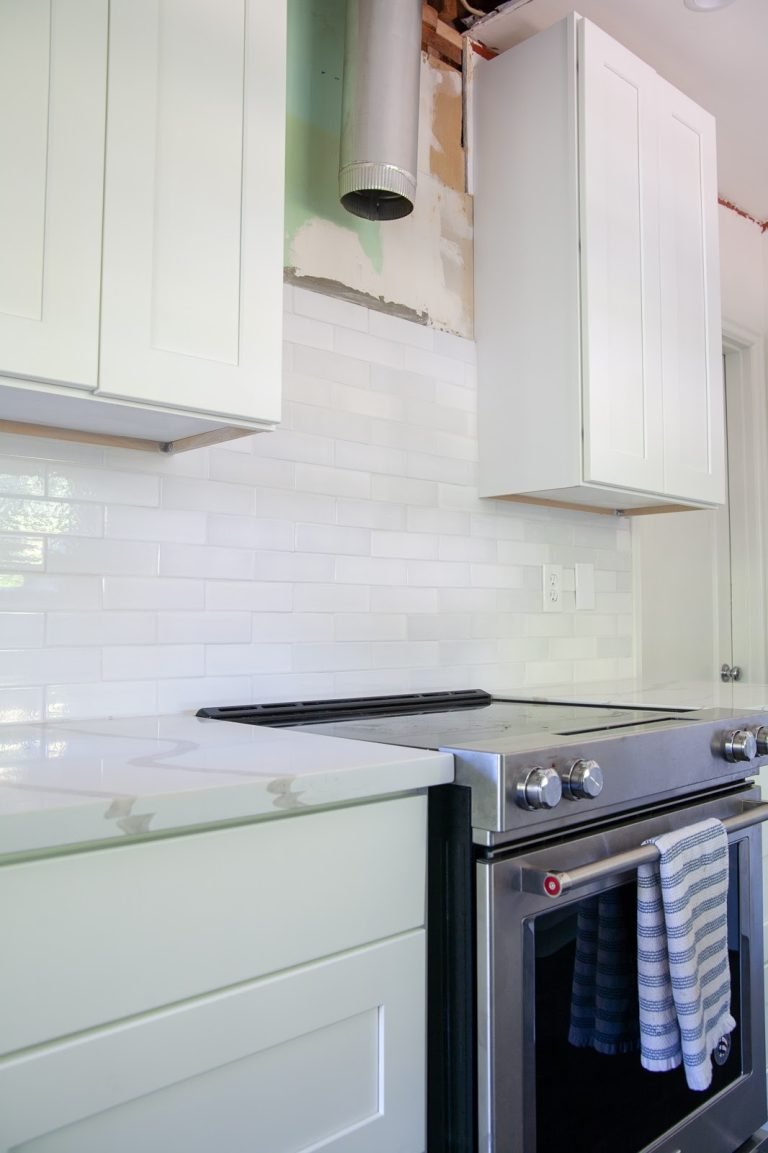
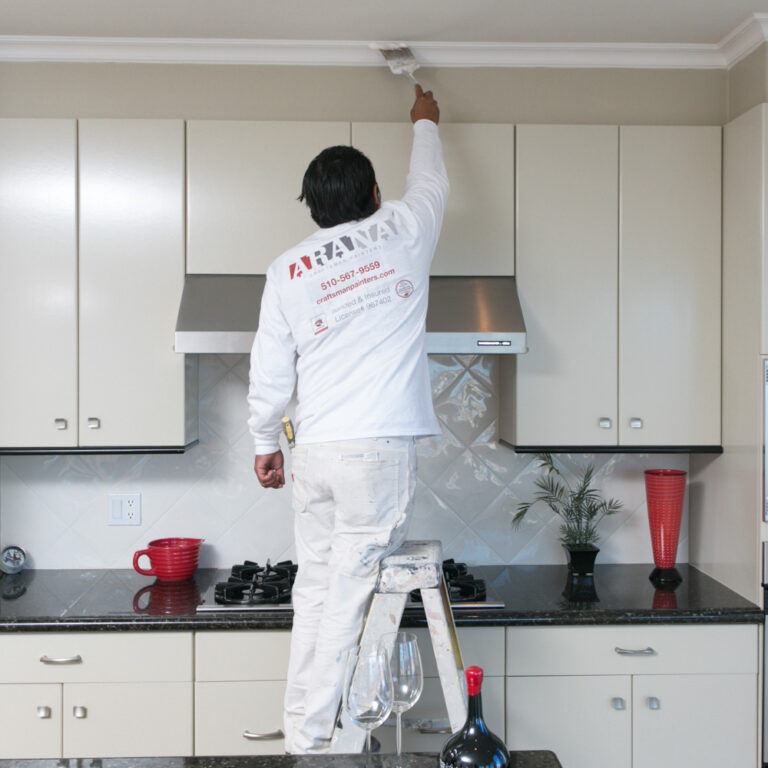 Satin finish offers a soft, low-sheen look that balances durability and aesthetic appeal for most kitchens.
The Best Paint Finishes for Kitchen Walls, Ranked by Durability
Paint finish (sheen) is one of the biggest factors in how well your kitchen walls hold up to daily use. Below is a breakdown of the most common finishes, ranked by durability and best use case for kitchen spaces:
| Finish | Sheen Level | Durability Rating | Best Use Case | Pros | Cons |
|---|---|---|---|---|---|
| High-Gloss | 80+ units | Highest | Trim, backsplashes, walls directly adjacent to sinks/stoves | Repels all moisture and grease, easiest to clean, highly reflective | Highlights every wall imperfection, very shiny for full wall coverage |
| Semi-Gloss | 40–70 units | Very High | High-traffic kitchen walls, behind ranges and cooktops | Scrubbable, moisture-resistant, subtle shine | Shows minor wall flaws, can feel too shiny for minimalist or cozy design schemes |
| Satin | 20–39 units | High | Most full kitchen walls, low-to-medium traffic areas | Balances durability and soft aesthetic, hides minor wall imperfections | Requires gentle cleaning to avoid marring the finish |
| Eggshell | 10–19 units | Medium | Low-traffic kitchen walls, accent walls away from cooking zones | Soft matte look, hides major wall texture flaws | Not ideal for high-splatter areas, stains can set in permanently if not cleaned quickly |
| Flat/Matte | <10 units | Low | Only for formal, rarely used kitchen spaces | No shine, hides major wall damage and texture | Porous surface absorbs grease and moisture, impossible to clean without damaging the finish |
In practice, satin is the most popular all-around finish for kitchen walls, as it balances enough durability for daily use with a soft, low-sheen look that complements most design styles. Semi-gloss is the best choice for walls within 3 feet of a stove, sink, or cooktop, where splatters and moisture are most common. Flat and matte finishes are only recommended for formal kitchens that are rarely used for meal prep, as their porous surface makes them impossible to clean effectively. You can also read our guide on decorative wall tiles for kitchen.
Smart Color Choices for Kitchen Walls That Last
Paint color does more than set the mood of your kitchen — it also impacts how often you need to touch up or repaint the space. Below is guidance on choosing a shade that fits your style and maintenance preferences. You can also read our guide on best small black french country kitchen rugs.
Timeless Neutrals vs. On-Trend Bold Shades
Neutrals — including soft white, warm gray, creamy beige, and pale taupe — remain the most popular choice for kitchen walls, as they pair seamlessly with any cabinet finish, backsplash material, and appliance color, and don’t show dust, grease splatters, or touch-up marks as prominently as dark shades. For 2026, on-trend bold shades like deep navy, forest green, and muted terracotta are growing in popularity for accent walls or full kitchen coverage, but note that dark colors require more frequent cleaning and touch-ups to maintain their fresh look. If you’re pairing your new paint with green cabinetry, our guide to coordinating wall colors can help you find the perfect complementary shade. coordinate with green cabinetry For brown cabinet schemes, this breakdown of matching wall tones ensures your palette feels cohesive, not clashy. pair with brown cabinet schemes You can also read our guide on how to choose paint color for kitchen walls.
How Light Impacts Kitchen Paint Color
Natural and artificial light play a huge role in how paint colors appear on your walls, and failing to account for light can lead to a shade that looks perfect in the store but muddy or washed out in your home. North-facing kitchens get cool, indirect natural light, so warm undertones (cream, warm beige, soft yellow) prevent the space from feeling cold or sterile. South-facing kitchens get warm, bright natural light, so cool undertones (soft blue, sage gray, pale green) balance the warmth and prevent the space from feeling overly bright. Always test 2×2 foot paint samples on your wall, wait 24 hours, and view them at morning, noon, and night under both natural and artificial light before making a final decision. A common mistake is choosing a paint color under the fluorescent lighting of a hardware store, which can make shades look drastically cooler or warmer than they will appear in your home. You can also read our guide on navy kitchen what colour walls.
Balancing Bold and Neutral Shades
If you want to incorporate a bold shade without overwhelming your kitchen, use it on a single accent wall (like the wall behind the sink or range) and pair it with neutral walls on the remaining sides. This creates visual interest without making a small kitchen feel cramped. For open-concept kitchens that flow into living or dining areas, stick to neutral shades to maintain a cohesive, connected feel across the space. You can also read our guide on how to clean oil stains from kitchen walls.
Step-by-Step Kitchen Wall Prep for Flawless, Long-Lasting Results
Proper prep work is the difference between a paint job that lasts 10 years and one that peels and fades in 18 months. Skipping prep steps to save time will cost you more in long-term repairs than the few extra hours of work upfront. You can also read our guide on how to fix wall tiles in kitchen.
Deep Cleaning to Remove Grease and Grime
Standard all-purpose cleaner will not cut through years of cooked-on grease and grime on kitchen walls. Start by washing walls with a degreasing cleaner (diluted trisodium phosphate, or TSP, works best for heavy grease buildup) and a non-abrasive sponge, focusing on areas near the stove, sink, and backsplash. Rinse thoroughly with clean water, then let walls dry completely for 24–48 hours, depending on your home’s humidity levels. If you’re remodeling and removing old fixtures like a wall-mounted faucet, address any water damage or mold behind the fixture before painting to avoid future issues. address water damage from old fixtures You can also read our guide on worlds best dish cloths.
Repairing Damaged Surfaces
Inspect walls for cracks, holes, peeling paint, and water stains. Fill small holes and cracks with a paintable spackle, using a putty knife to smooth the surface flush with the wall. Sand repaired areas with 120-grit sandpaper, then wipe away dust with a tack cloth. For walls with major water damage, uneven texture, or large patches of peeling paint, skim-coat the entire wall with a thin layer of joint compound for a perfectly smooth base that won’t highlight imperfections under paint. You can also read our guide on how to clean greasy kitchen walls.
Priming for Maximum Adhesion and Stain Blocking
Priming is non-negotiable for kitchen walls, especially if you’re painting over a dark color, existing glossy paint, or stained surfaces. Use a stain-blocking primer with added mildewcide for kitchens with high humidity or a history of water damage. Apply one even, thin coat with a roller, covering all repaired areas and stained spots. Let the primer dry for 2–4 hours, then sand lightly with 220-grit sandpaper for a smooth, uniform base. Tinted primer (matched to your topcoat color) can reduce the number of topcoats needed from 3 to 2, saving you time and money. You can also read our guide on how to paint wall tiles in kitchen.
Expert Application Tips for a Durable, Flawless Finish
Proper application technique will ensure your paint adheres fully, cures evenly, and lasts for years without chipping or peeling. You can also read our guide on how to clean oily kitchen walls.
Proper Techniques for a Smooth Finish
Start with a 3/8-inch nap roller cover for satin and semi-gloss finishes — the thicker nap holds more paint and leaves fewer roller marks than thinner covers. For cutting in edges, trim, and corners, use a 2.5-inch angled sash brush, which allows for precise, clean lines without bleeding onto adjacent surfaces. Avoid cheap brushes and rollers, which shed bristles and lint into the paint, leading to a bumpy, uneven finish. You can also read our guide on how to clean kitchen grease off painted walls.
Number of Coats Recommended
Apply 2 thin, even coats of topcoat, rather than 1 thick coat. Thick coats dry slowly, crack, and peel over time, leading to premature wear. Let each coat dry for the time specified on the paint can (typically 2–4 hours, depending on temperature and humidity) before applying the next coat. Sand lightly with 220-grit sandpaper between coats to remove any dust nibs or roller marks for a glass-smooth finish. You can also read our guide on apron front kitchen sinks.
Drying and Curing Guidelines
Full cure (when the paint reaches its maximum hardness and durability) takes 7–14 days, so avoid cleaning walls or hanging heavy objects for at least 2 weeks after painting. The most common application mistake is working in unfavorable conditions: avoid painting when humidity is above 60% or temperatures are below 50°F, as these conditions cause paint to dry slowly, bubble, and peel. Wait for a dry, mild day with temperatures between 60–80°F and humidity below 50% for best results. You can also read our guide on what color to paint kitchen walls with dark cabinets.
Long-Term Maintenance to Keep Kitchen Walls Looking New
With proper care, your freshly painted kitchen walls will retain their beauty for 7–10 years. Follow these maintenance practices to extend their lifespan:
Cleaning Painted Surfaces Safely
Wait at least 2 weeks after painting for full cure before cleaning your walls. For routine cleaning, use a soft microfiber cloth or non-abrasive sponge, warm water, and a mild dish soap — avoid harsh degreasers, bleach, or ammonia-based cleaners, which can break down the paint binder and cause fading. Wipe gently in circular motions, rinse with a clean damp cloth, then dry immediately to prevent water spots. For stuck-on grease, make a paste of baking soda and water, apply to the stain, let sit for 5 minutes, then wipe away — this gentle method is safe for all paint finishes and won’t damage the surface. You can also read our guide on what colors are best for kitchen walls.
Touch-up and Repair Strategies
Store leftover paint in a sealed container in a cool, dark place — it will stay usable for 3–5 years, so you’ll have a perfect match for quick touch-ups. For small scuffs or scratches, clean the area, sand lightly with 220-grit sandpaper, apply a thin layer of touch-up paint with a small brush, let dry, then feather the edges with a dry brush to blend seamlessly with the surrounding wall. For larger damage (peeling paint, water stains), repaint the entire wall section to avoid noticeable color or sheen differences. You can also read our guide on what paint to use on kitchen walls.
When to Repaint
Most kitchen walls need repainting every 5–7 years with regular maintenance. Signs it’s time to repaint include persistent stains that won’t come off with cleaning, noticeable fading or yellowing, peeling or cracking paint, or if you’re updating your cabinet or backsplash design and want a cohesive new look. Choosing a high-quality, scrubbable acrylic latex paint will reduce the frequency of repainting needed over the life of your home. You can also read our guide on what paint finish to use on kitchen walls.
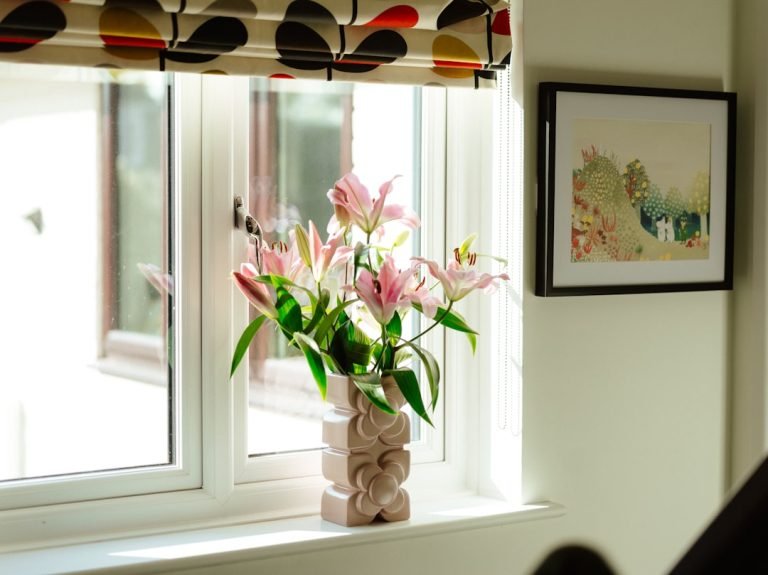
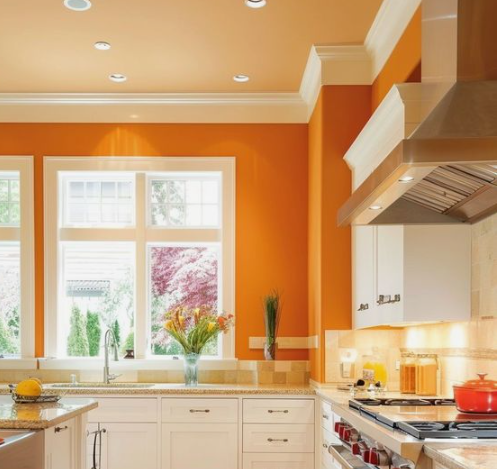 Eggshell finish works well for low-traffic kitchen walls, but is not recommended for areas prone to frequent splatters.
Frequently Asked Questions
What type of paint is best for kitchen walls?
For most kitchens, 100% acrylic latex paint in a satin or semi-gloss finish is the best choice. Acrylic latex resists moisture, grease, and yellowing, while satin offers a balance of durability and soft aesthetics, and semi-gloss is ideal for high-splatter areas like behind stoves and sinks. For homes with poor ventilation, choose a mold-resistant acrylic blend for extra protection against mildew growth. You can also read our guide on what color to paint my kitchen walls with white cabinets.
Can I use flat or matte paint in my kitchen?
Flat and matte paints are not recommended for kitchens used for regular cooking, as their porous surface absorbs grease, moisture, and stains, making them impossible to clean without damaging the finish. They are only suitable for formal, low-traffic kitchens that are rarely used for meal prep. You can also read our guide on best way to pack glassware safely.
Is mold-resistant paint necessary for kitchens?
Mold-resistant paint is highly recommended for kitchens with poor ventilation, high humidity, or a history of mold growth. It contains mildewcides that block fungal growth on walls, reducing allergy risks and preventing costly repairs from water damage. Note that it is not a substitute for a properly vented range hood that exhausts outdoors, but it adds a critical layer of protection for high-risk areas. You can also read our guide on how to get rid of grease stains on kitchen walls.
Should kitchen walls have oil-based or water-based paint?
Water-based (latex) paint is the clear choice for kitchen walls. It dries faster, has low odor during application, resists yellowing, and cleans up easily with soap and water. Oil-based paint is harder and more stain-resistant, but its long cure time, strong fumes, and tendency to yellow make it impractical for full kitchen wall coverage. You can also read our guide on how to clean kitchen walls without removing paint.
How many coats of paint do kitchen walls need?
Most kitchen walls need 2 coats of paint over primer. If you’re painting over a dark color, or using a light topcoat over a dark primer, you may need a third coat for full, even coverage. Always follow the manufacturer’s recoat instructions for best results. You can also read our guide on best oven mitts and pot holders.
Conclusion
Choosing the right paint for your kitchen walls doesn’t have to be overwhelming. By prioritizing 100% acrylic latex paint with mold and grease resistance, selecting a finish that matches your kitchen’s traffic level, and following proper prep and application steps, you can create a beautiful, durable space that stands up to daily use for years to come. Neutral shades offer timeless versatility that pairs with any design update, while bold accent walls add personality without requiring a full overhaul. If you’re still finalizing your kitchen’s full design palette, our guides to coordinating wall colors with green and brown cabinetry offer tailored, expert recommendations to help you create a cohesive, stylish space that fits your personal taste. Happy painting! You can also read our guide on how to paint wall above kitchen cabinets.