How to Get Rid of Kitchen Grease on Walls: Easy & Effective Tips
Stubborn kitchen grease on walls is one of the most frustrating, overlooked cleaning headaches for homeowners. It’s not just an eyesore: that sticky, yellowish film traps dust, pet dander, and bacteria, can cause paint to peel or discolor over time, and even emits a faint, unpleasant greasy odor if left unaddressed. The good news? You don’t need harsh chemicals or expensive professional cleaning to restore your walls to their original finish. This guide covers easy, effective, surface-specific tips to remove existing grease and stop it from coming back, no special skills required. You can also read our guide on www yoursite com what height are kitchen wall.
Why Kitchen Grease Builds Up on Walls
Understanding where kitchen grease comes from helps you remove existing stains and prevent future buildup more effectively. Grease accumulates gradually from everyday cooking activities, and its composition changes the longer it sits on your walls. You can also read our guide on how to decorate kitchen wall tiles.
Common Sources of Kitchen Grease
Most kitchen grease starts as vaporized fats from cooking oils, butter, lard, and shortening. When you pan-fry, sear, or deep-fry at high heat, tiny grease aerosols can travel up to 6 feet from the cooktop, settling on walls, upper cabinets, and even ceilings before you notice them. Even lower-heat cooking like boiling, simmering, or baking releases fat particles that mix with steam and stick to surfaces over time. Additional sources include splatter from flipping meats or tossing oily ingredients, and residue from handling greasy utensils or touching walls with unwashed hands after cooking. The U.S. Environmental Protection Agency identifies cooking exhaust as the top source of indoor grease and particulate matter in residential kitchens, which accumulates on hard surfaces if not properly ventilated U.S. EPA guidance on indoor cooking pollutants. You can also read our guide on how to install a kitchen range hood wall vent.
How Grease Damages Different Wall Surfaces
Grease doesn’t just make walls look dirty: it actively degrades different surface materials over time if left unaddressed. You can also read our guide on best chair leg pads for hardwood floors.
- On flat or matte painted walls, grease soaks into the porous paint and drywall underneath, causing permanent yellowing and discoloration that can’t be wiped away. Over time, the grease breaks down the paint’s binder, leading to peeling or flaking.
- On semi-gloss, satin, or glossy painted walls, grease sits on the surface longer before absorbing, but can still cause paint to bubble or peel if not cleaned regularly.
- On wallpaper, oil-based grease dissolves the adhesive holding the paper to the wall, leading to bubbling, warping, or permanent stains that require full replacement to fix.
- On unsealed drywall or plaster, grease penetrates deep into the material, causing persistent odors and discoloration that often requires repainting or professional resurfacing to fix. As noted by University of Minnesota Extension home cleaning guidelines, grease that penetrates porous wall materials is far harder to remove than surface-level grime University of Minnesota Extension kitchen surface cleaning best practices.
Tools and Supplies You’ll Need
Having the right tools on hand before you start cleaning will protect your walls from damage and make the process far faster and more effective. Choose supplies based on your wall type to avoid accidental damage. You can also read our guide on how to retile a kitchen wall.
Basic Household Cleaning Supplies
For most light to moderate grease stains, you likely already have everything you need in your home:
- Mild dish soap (avoid heavy-duty degreasing dish soap for painted walls, as it can strip paint)
- Warm distilled water (tap water can leave mineral streaks on glossy surfaces)
- Soft microfiber cloths (avoid abrasive scrubbers, which can scuff paint)
- Soft-bristled scrub brush (for tile or textured surfaces only)
- Spray bottle (for applying cleaning solutions evenly)
- Rubber or nitrile gloves (to protect skin from grease and cleaning product irritation)
- Drop cloth or old towels (to protect floors from drips)
- Painter’s tape (optional, to protect trim and outlet edges)
Specialized Grease Removal Products
For set-in or heavy grease stains, you may want to use a targeted product:
- Commercial kitchen degreaser (look for water-based formulas for painted walls)
- Melamine sponge (Magic Eraser-type product, for tile or glossy surfaces only, as it can scuff matte paint)
- Enzyme-based cleaner (breaks down fat molecules for deep-set stains on porous surfaces)
- Isopropyl alcohol (for spot-cleaning small grease stains on glossy paint, test first for discoloration)
- Non-toxic, biodegradable degreaser (for homes with kids, pets, or chemical sensitivities)
Step-by-Step Safe Cleaning Methods
Proper prep and gentle technique are key to removing grease without damaging your walls. A common mistake homeowners make is oversaturating drywall with cleaning solution, which can lead to water damage and mold growth behind the paint—always wring out cloths and sponges until they are just damp, not dripping. You can also read our guide on pasta making and wine tasting rome.
Pre-Cleaning Prep
Start by clearing the area around the greasy walls: remove any movable items, wall decor, switch plates, outlet covers, and even wall-mounted kitchen faucets if they’re near the stain to clean behind them thoroughly. Cover your floors with a drop cloth or old towels to catch drips and prevent slipping. Open windows or turn on your range hood or exhaust fan to ventilate the space, reducing exposure to cleaning product fumes and helping walls dry faster to prevent water damage. You can also read our guide on best way to pack glassware safely.
Gentle Cleaning for Fresh Grease Stains
For grease that’s less than a week old and hasn’t yet penetrated the wall surface:
- Mix 1 teaspoon of mild dish soap with 2 cups of warm distilled water in a spray bottle or bucket.
- Test the solution on a small, hidden area of the wall (like behind a piece of furniture) to ensure it doesn’t discolor the paint or wallpaper.
- Dip a soft microfiber cloth into the solution, wring out excess liquid, and gently wipe the greasy area in circular motions. Avoid scrubbing hard, which can spread grease into porous surfaces.
- Rinse the cloth frequently in clean warm water to avoid spreading grease around the wall.
- Wipe the area again with a clean, dry microfiber cloth to remove excess moisture and prevent streaks.
For light surface grease, let the solution sit for 2-3 minutes before wiping to loosen grime without extra scrubbing.
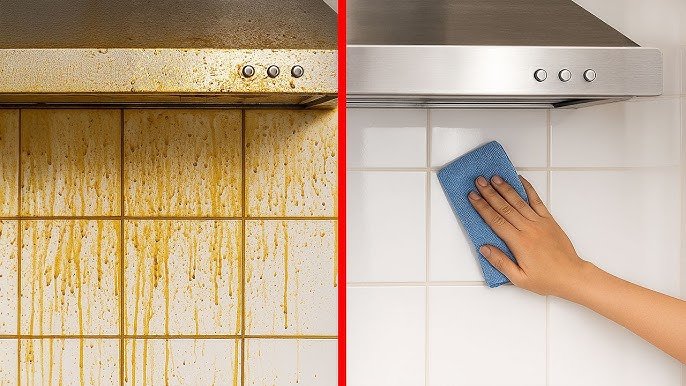
 A gentle degreaser and soft sponge are all you need for fresh, light grease stains on painted walls.
Tackling Set-In, Stubborn Grease
For grease that’s been on the wall for weeks or months, and has formed a sticky, yellowed film:
- Apply your chosen cleaning solution (natural or commercial) to the stain, and let it sit for 10-15 minutes to break down the fat bonds. Do not let the solution dry on the wall.
- For tile or glossy painted surfaces, use a soft-bristled brush to gently agitate the grease after the dwell time.
- Wipe the area with a clean, damp microfiber cloth, rinsing the cloth frequently.
- Repeat the process if the stain remains, avoiding harsh scrubbing that can damage the wall finish.
- Dry the area thoroughly with a clean towel once the stain is gone.
Natural, Non-Toxic Grease Removal Solutions
Natural cleaning methods use inexpensive, non-toxic ingredients that are safe for homes with kids, pets, or chemical sensitivities. They work best for light to moderate grease stains on most wall types, with a few surface-specific caveats. You can also read our guide on how to get rid of grease stains on kitchen walls.
Vinegar and Dish Soap Spray
White vinegar’s mild acidity breaks down grease molecules, while a small amount of dish soap boosts its grease-cutting power. This solution works on painted walls, tile, and stainless steel backsplashes. You can also read our guide on how to clean kitchen walls for painting.
- Mix 1 part white vinegar, 2 parts warm distilled water, and 1 teaspoon of mild dish soap in a spray bottle.
- Spray the solution directly on the greasy area, and let it sit for 5-10 minutes.
- Wipe with a damp microfiber cloth, then dry with a clean towel. You can source affordable bulk white vinegar from online home winemaking suppliers to keep costs low for frequent cleaning. Avoid using this solution on unsealed stone tiles or wallpaper, as the acid can damage these surfaces. You can also read our guide on how to clean oil grease from kitchen wall.
 White vinegar solution cuts through light grease without harsh chemicals, safe for most wall types.
Baking Soda Paste for Tough Stains
Baking soda is a gentle abrasive that lifts grease without scratching most wall surfaces. It works especially well on set-in stains on tile, semi-gloss paint, and sealed stone. You can also read our guide on how to change wall colour in ikea kitchen planner.
- Mix 3 parts baking soda with 1 part warm distilled water to form a thick paste.
- Spread the paste over the greasy stain with a soft cloth, and let it sit for 10-15 minutes.
- Gently scrub the area in circular motions with a soft-bristled brush or damp sponge.
- Wipe away the paste with a clean, damp cloth, then dry the wall thoroughly. Baking soda is a versatile staple used in both kitchen cleaning and beginner winemaking kits for pH adjustment, so it’s a cheap, multi-purpose item to keep on hand. Avoid using baking soda paste on matte painted walls, as the abrasive texture can scuff the finish. You can also read our guide on how to remove grease from walls in kitchen.
 Baking soda paste works well on set-in grease on tile or semi-gloss painted surfaces.
Lemon and Salt for Small, Fresh Stains
Lemon’s citric acid cuts through grease and leaves a fresh, light scent, while coarse salt adds gentle scrubbing power for small, fresh stains. You can also read our guide on how to clean kitchen wall grease.
- Cut a fresh lemon in half, and dip the cut side into a small pile of coarse salt.
- Rub the lemon directly on the greasy area in circular motions, pressing gently to release the juice and salt.
- Let the solution sit for 3-5 minutes.
- Wipe the area clean with a damp microfiber cloth, then dry. This method works best on small, fresh stains on glossy surfaces. Always test on a hidden area of painted walls first, as citric acid can lighten dark or matte paint finishes. You can also read our guide on how to remove kitchen cabinets without damaging wall.
Commercial Degreasers: When and How to Use Them
For heavy, set-in grease that natural methods can’t lift, a commercial kitchen degreaser is a fast, effective option. The key is choosing the right formula for your wall type to avoid damage. You can also read our guide on how to protect wall behind kitchen sink.
When selecting a degreaser, look for products labeled specifically for kitchen use, with grease-cutting surfactants and solvents. For painted walls, choose water-based, non-ammonia formulas: ammonia can yellow paint over time, and solvent-based degreasers can dissolve paint binders. For tile, stainless steel, or other non-porous surfaces, solvent-based degreasers work well for heavy grease, but always test in a hidden area first. You can also read our guide on best cloth napkins for everyday use.
To apply commercial degreaser safely:
- Wear nitrile gloves and ensure the space is well-ventilated.
- Spray the degreaser onto a soft microfiber cloth first, rather than directly on the wall, to avoid oversaturation and drips that can cause water damage.
- Gently wipe the greasy area in circular motions, letting the product sit for the time recommended on the label (usually 2-5 minutes).
- Wipe the area clean with a damp cloth, then dry thoroughly with a clean towel. Never mix commercial degreasers with bleach or other cleaning products, as this can create toxic fumes.
Quick Comparison: Natural vs. Commercial Grease Removal
Use this table to choose the right method for your wall type and stain severity:
| Method | Best For | Pros | Cons |
|---|---|---|---|
| Natural (vinegar, baking soda, lemon) | Light to moderate grease on painted, tile, or wallpaper surfaces | Non-toxic, inexpensive, no harsh fumes | Requires longer dwell time, less effective on set-in grease |
| Commercial degreaser | Heavy, set-in grease on all surfaces except unsealed drywall | Fast-acting, breaks down tough grease quickly | Can damage paint or wallpaper if misused, may have strong fumes |
| Professional cleaning | Grease that has penetrated paint or drywall, large areas | Restores severely damaged surfaces, no risk of DIY damage | Higher cost, requires scheduling |
How to Prevent Future Grease Buildup
Preventing grease from accumulating on your walls is far easier than removing set-in stains. Small, consistent habits and simple upgrades can cut grease buildup significantly, keeping your kitchen looking fresh with minimal effort. You can also read our guide on best dish cloths that dont smell.
Daily and Weekly Cleaning Routines
The single most effective way to prevent grease buildup is to wipe down your walls regularly:
- After every cooking session, wipe down the area behind your stove, backsplash, and adjacent walls with a damp cloth dipped in mild dish soap and warm water. This removes fresh grease before it has time to harden and absorb into the wall.
- Do a full kitchen wall wipe-down once a week using the gentle dish soap solution outlined earlier, focusing on areas within 3 feet of the cooktop.
- Always run your range hood or exhaust fan while cooking, and keep it running for 15 minutes after you finish to capture lingering grease aerosols in the air. Wiping down walls after cooking is just as routine as regular tile and grout upkeep to stop grease from hardening into stubborn stains. You can also read our guide on how to clean kitchen wall tiles easily.
Protective Upgrades for Your Kitchen
If you cook frequently, small upgrades can block grease before it reaches your walls:
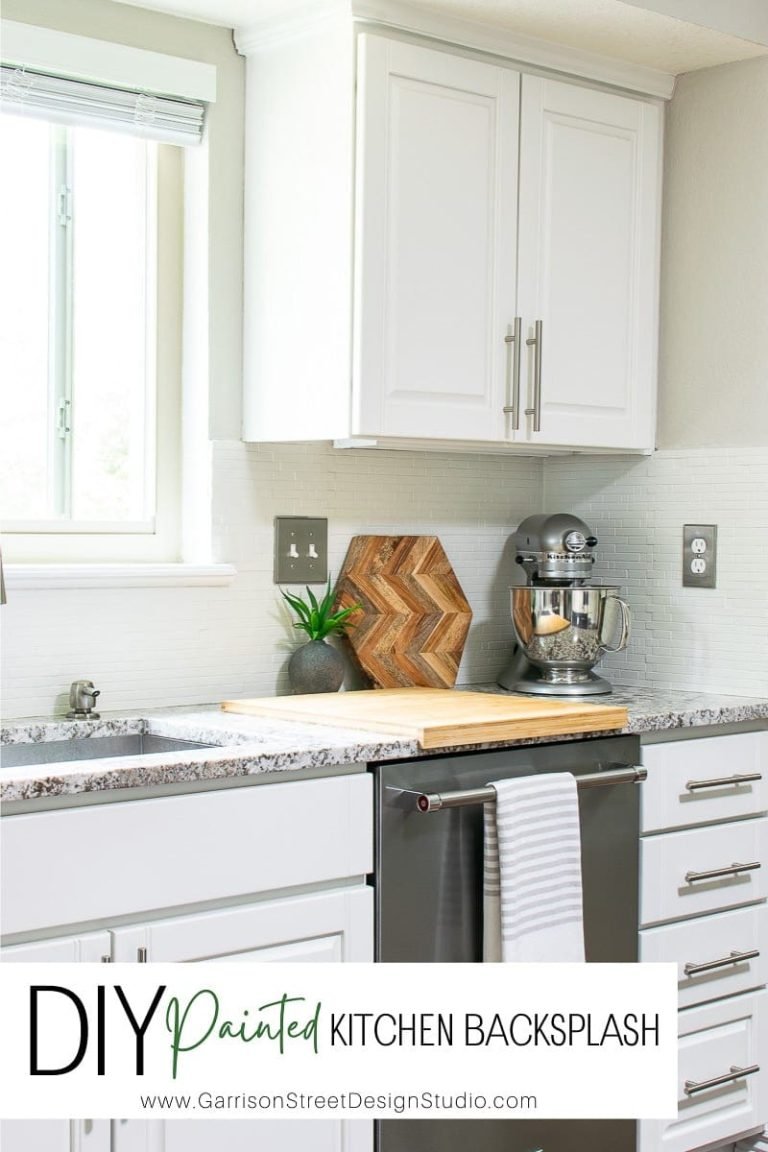
- Install a durable backsplash at least 4 inches high behind your stove, extending the full width of your cooktop. Glass, tile, or stainless steel backsplashes are non-porous and wipe clean in seconds, blocking 90% of cooking splatter. If you’re choosing a backsplash material, opt for a smooth, non-porous finish rather than textured tile, which can trap grease.
- Upgrade to a high-CFM range hood that vents to the exterior of your home, rather than a recirculating model, to capture far more airborne grease particles.
- Place a silicone splash guard on the wall behind your stove if you don’t have a backsplash; these are easy to wipe down after cooking and don’t trap grease like fabric guards. If you’re repainting your kitchen after a deep grease clean, opt for a satin or semi-gloss paint finish, which repels grease far better than flat or matte paint—similar to how sturdy home winemaking bottles are engineered to resist staining from acidic liquids. You can also read our guide on how to clean sticky kitchen walls.
When to Call a Professional Cleaning Service
Most kitchen grease stains can be removed with DIY methods, but there are cases where professional help is the best option to avoid costly wall damage. Call a professional if:
- You’ve scrubbed the area 3+ times with both natural and commercial cleaners, and the stain remains visible or sticky to the touch.
- The grease has caused paint to peel, bubble, or flake, exposing the drywall underneath.
- You notice a persistent greasy odor that doesn’t go away after cleaning, which indicates grease has penetrated deep into the drywall.
- The stained area is large (more than 2 square feet) or located on a hard-to-reach surface like a vaulted ceiling.
Professionals have access to low-pressure hot water extraction tools and industrial-grade, surface-safe degreasers that can lift deep-set grease without damaging paint or drywall. They can also spot-prime and repaint small areas of damaged drywall in the same visit, saving you the time and hassle of a full repaint. While professional cleaning costs more than DIY, it can save you hundreds of dollars in repair costs if grease has already caused significant wall damage. You can also read our guide on how to remove a kitchen wall cabinet.
Frequently Asked Questions
How can I remove kitchen grease from walls naturally?
For most light stains, mix 1 part white vinegar with 2 parts warm water and 1 teaspoon of dish soap, spray on the stain, let sit for 5-10 minutes, then wipe with a damp cloth. For set-in stains, use a baking soda paste (3 parts baking soda to 1 part warm water) left to sit for 15 minutes before scrubbing gently. You can also read our guide on how to remove wall tile in kitchen.
What household items effectively clean kitchen grease?
Baking soda, white vinegar, lemon juice, and mild dish soap are the most effective natural options. For tougher stains, a melamine sponge (Magic Eraser) works well on glossy surfaces, but test first on matte paint to avoid scuffing. You can also read our guide on how to clean oily kitchen walls.
How often should I clean kitchen grease off walls?
Wipe down walls near the stove and backsplash after every cooking session to prevent buildup. Do a full kitchen wall cleaning once a week to remove any accumulated grease before it hardens. You can also read our guide on grey kitchen cabinets what colour walls.
Can I use commercial cleaners for kitchen grease removal?
Yes, commercial degreasers are highly effective for set-in stains. Always choose a formula labeled for kitchen use, test it on a hidden area first, and follow the label’s safety instructions. Avoid ammonia-based or solvent-based degreasers on painted walls, as they can cause discoloration or peeling. You can also read our guide on how to fix wall tiles in kitchen.
Will Magic Erasers damage painted walls?
Melamine sponges are safe for glossy, semi-gloss, and tile surfaces, but they can scuff and dull matte or flat paint finishes. Always test in a hidden area first before using on visible wall space. You can also read our guide on how to paint wall tiles in kitchen.
How do I remove grease from kitchen walls without removing paint?
For stains that have penetrated the paint but not the drywall underneath, use an enzyme-based cleaner left to sit for 20 minutes, then gently wipe away. For yellowed, discolored paint, spot-prime the area with a stain-blocking primer before repainting to prevent the grease from bleeding through. You can also read our guide on stains on kitchen walls what to use.
Final Thoughts
Removing kitchen grease from walls doesn’t have to be a time-consuming, frustrating chore. For fresh stains, gentle dish soap and warm water are often all you need, while set-in grease responds well to natural vinegar and baking soda solutions or targeted commercial degreasers. The key to long-term results is consistent, routine cleaning and small protective upgrades like a high-quality backsplash and range hood to stop grease from settling on your walls in the first place. You can also read our guide on what to use to clean grease off kitchen walls. If you’re tackling a deep kitchen clean, don’t forget to address other high-grease areas like your range hood filter and countertop grout to keep your entire space fresh. For more kitchen maintenance and design tips, browse our full library of home guides. You can also read our guide on how to decorate my kitchen walls.