How to Clean Restaurant Kitchen Walls: Ultimate Guide for Sparkling Results
Dirty kitchen walls are more than an eyesore for restaurant operators: they’re a top health code violation, a fire hazard from accumulated grease, and a breeding ground for bacteria and pests that can compromise food safety and damage your brand’s reputation. In 2026, maintaining clean, compliant kitchen walls is a non-negotiable part of running a successful food service operation, and this guide walks you through every step to get long-lasting sparkling results, no matter what wall type you have.
Why Restaurant Kitchen Wall Cleaning Is Non-Negotiable
Health inspectors prioritize wall condition during commercial restaurant inspections, per the full FDA Food Code surface requirements, which mandate that all walls in food prep, cooking, and storage areas be smooth, non-absorbent, and easy to clean. Grease buildup not only fails this standard but also creates a major fire risk: the National Fire Protection Association estimates that 22% of commercial kitchen fires start from accumulated grease on walls and exhaust systems. Beyond compliance and safety, clean walls improve staff morale and prevent unsightly grime from being visible to customers passing by open kitchen concepts. For more on this, see our guide on how to clean kitchen walls.
Choosing the Right Cleaning Supplies for Commercial Kitchen Walls
Using the wrong products can damage wall surfaces, leave toxic chemical residues, or fail to remove tough grease. Always prioritize NSF-certified cleaning products, which are tested and approved for use in food service environments.
NSF-Certified Cleaning Agents by Use Case
For heavy grease buildup near fryers, grills, and exhaust hoods, use a heavy-duty alkaline degreaser rated for food contact surfaces. For daily general cleaning, a neutral pH all-purpose cleaner is safe for most wall types and won’t degrade finishes. After removing dirt and grease, use an EPA-registered disinfectant to kill common foodborne pathogens like Salmonella and E. coli, as required by most local health codes. Avoid harsh acidic cleaners (like undiluted vinegar) on natural stone tile, as they will etch and discolor the surface, and never use bleach on unsealed brick or concrete, as it causes permanent staining and material degradation. For more on this, see our guide on how to clean kitchen grease off painted walls.
Essential Tools for Every Wall Type
Match your tools to your wall material to avoid damage: use a stiff nylon grout brush for tile grout lines, an extendable padded pole with a microfiber cover for high walls to avoid ladder use, and a soft-bristled scrub brush for painted or epoxy surfaces. For rinsing, a squeegee with a rubber blade prevents water spots on stainless steel and glossy painted walls, while a wet/dry vacuum can remove excess water from porous surfaces like brick after cleaning.
Required Personal Protective Equipment (PPE)
Protect your staff from chemical exposure and slip hazards with nitrile gloves (resistant to degreasers), safety goggles, and non-slip closed-toe shoes. For cleaning with strong degreasers or working in poorly ventilated spaces, a NIOSH-approved respirator is required to avoid inhaling fumes, per OSHA’s commercial kitchen safety standards. Keep a safety data sheet (SDS) for every cleaning product on site for emergency reference.
Step-by-Step Wall Preparation Before Cleaning
Skipping prep steps will make cleaning far less effective and can lead to damage to nearby surfaces or wall finishes. Follow this 4-step prep process before applying any cleaning solution:
Clear Wall-Mounted Fixtures and Clutter
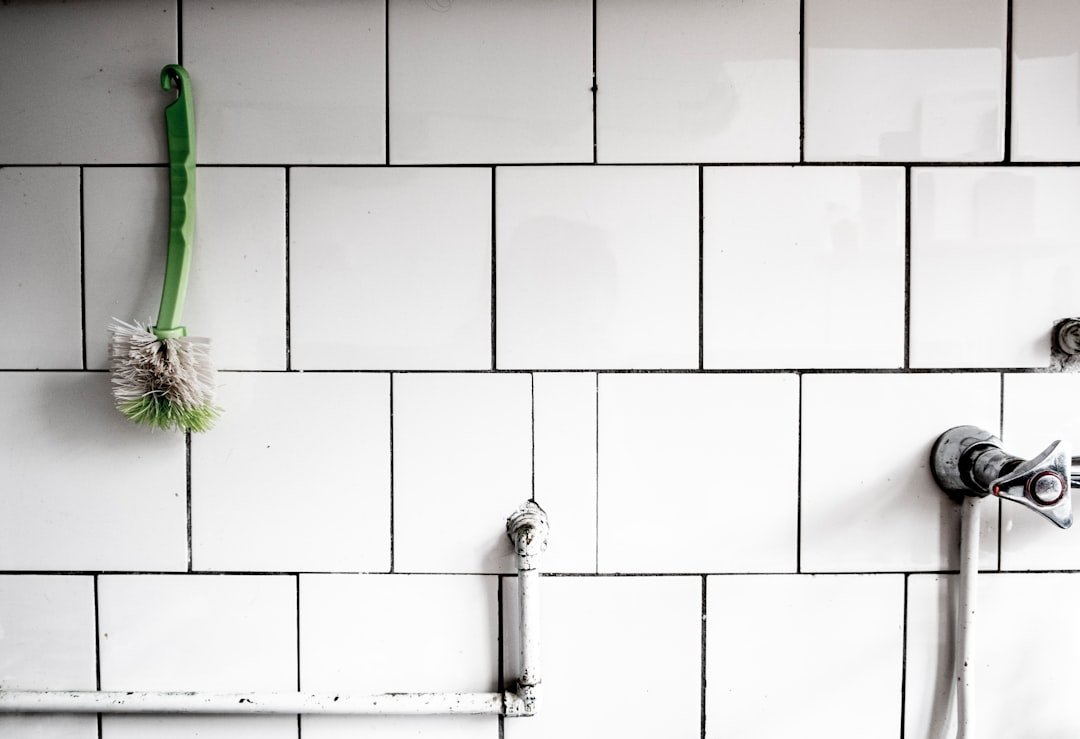
Remove all wall-mounted items including menu boards, thermometers, hand sanitizer dispensers, and decor to get full access to the wall surface. If you have wall-mounted faucets or other hardware that blocks access to hard-to-reach areas, follow our safe removal steps to avoid damaging pipes or drywall while you clean.
Remove Loose Dust and Debris
Use a vacuum with a brush attachment to remove dust, cobwebs, and loose food particles from ceiling corners and wall edges, then wipe the entire surface with a dry microfiber cloth. Skipping this step will turn loose dust into muddy smears when you apply wet cleaning solution, doubling the time you spend scrubbing.
Protect Adjacent Surfaces
Tape 6-mil plastic sheeting over countertops, cooking equipment, and flooring with low-tack 3M painter’s tape to avoid damage from drips and splashes. For stainless steel appliances, keep a dry microfiber cloth on hand to wipe away any cleaner contact immediately to prevent water spots and corrosion.
Pre-Treat Heavy Grease Buildup
Spray NSF-certified degreaser on high-grease zones (above fryers, stovetops, and exhaust hoods) 10–15 minutes before full cleaning to loosen caked-on grime. This reduces scrubbing effort and prevents you from applying too much pressure that could scratch or peel wall finishes.
Cleaning Techniques for Every Common Commercial Wall Type
Each wall material responds differently to cleaning agents and tools, so use the method below for your specific surface to avoid damage and get the best results.
Ceramic/Porcelain Tile Walls
The most common commercial kitchen wall surface, tile is highly resistant to moisture and grease when sealed properly. Clean tiles with warm water and a neutral pH cleaner, then scrub grout lines with a baking soda and hydrogen peroxide paste (mix to a thick spreadable consistency) and a nylon grout brush. Let the paste sit for 10 minutes to break down grease, then rinse thoroughly with clean water. Avoid abrasive scrub pads that will scratch the tile glaze, and never use acidic cleaners on natural stone tile (travertine, marble) as they will etch the surface.
Commercial-Grade Painted Walls
Most commercial kitchen walls use semi-gloss or satin paint formulated for easy cleaning. Test any cleaning solution in an inconspicuous spot (like behind a cabinet) 24 hours before full use to check for peeling or discoloration. For daily cleaning, use a cloth dampened with warm water and a drop of dish soap, blotting grease spots instead of rubbing to avoid spreading stains. For stubborn grease, use a degreaser diluted 1:10 with water, and avoid using excess water that can cause paint to bubble and peel.
Stainless Steel Wall Panels
Stainless steel is durable and resistant to grease, but it shows fingerprints and water spots easily. Clean with a microfiber cloth and mild detergent mixed with warm water, wiping in the direction of the grain to avoid scratches. For extra shine and water spot removal, wipe with a 50/50 mix of white vinegar and water, then dry immediately with a clean cloth. Never use steel wool, abrasive cleaners, or chlorine-based products on stainless steel, as they will cause permanent rust spots and corrosion.
Epoxy-Coated Walls
Epoxy-coated drywall is a popular low-maintenance option for commercial kitchens, as it is highly resistant to grease and moisture. Clean with a soft cloth and mild degreaser, and use a damp melamine foam (magic eraser) for stubborn stains. Never use abrasive scrub brushes or pressure washers on epoxy surfaces, as they will scratch and peel the protective coating.
Brick and Concrete Block Walls
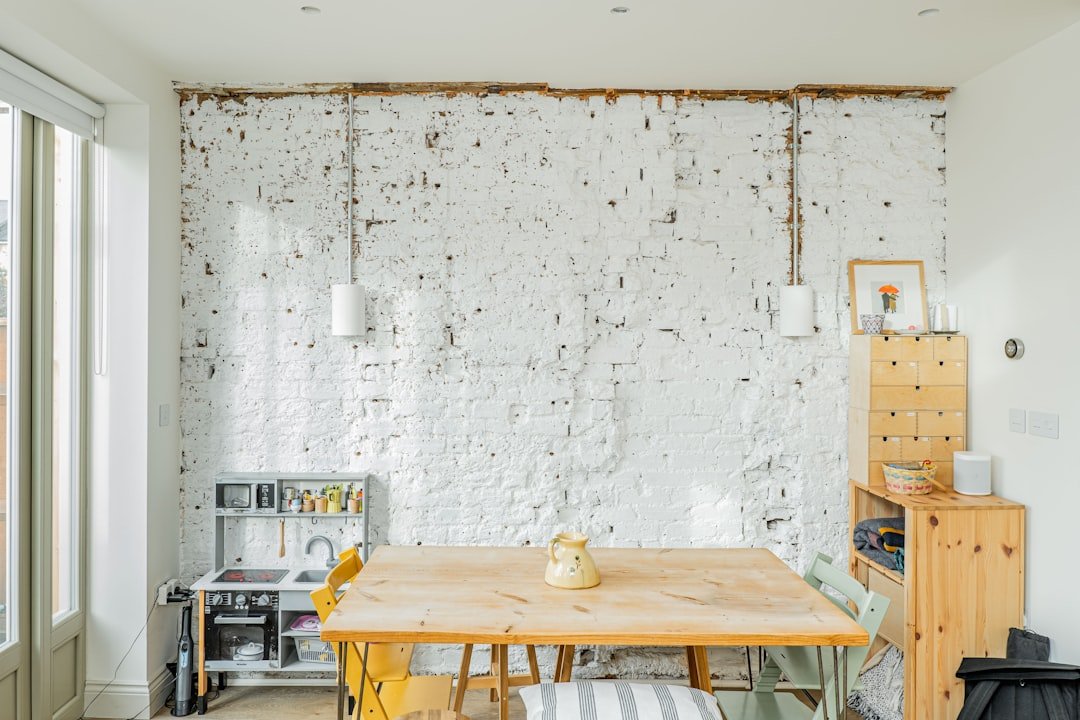
Unsealed brick and concrete are porous and prone to staining, so apply a food-safe sealant before first use and reapply annually to make cleaning easier. For regular cleaning, scrub with a stiff nylon brush and warm soapy water. For deep grease buildup, apply a poultice of baking soda and water to the stain, let sit for 30 minutes, then scrub and rinse. If using a pressure washer, keep the PSI setting below 1000 and hold the nozzle 12 inches from the surface to avoid eroding mortar or chipping brick.
 Sealed ceramic tile walls are the most common commercial kitchen surface, easy to clean and resistant to grease.
Removing Stubborn Grease and Tough Stains
Long-standing grease buildup and stubborn stains require targeted treatments to avoid damaging wall surfaces. Use the guide below to match your stain type to the right solution:
| Stain Type | Common Cause | Recommended Treatment |
|---|---|---|
| Heavy Grease | Near fryers, stovetops, exhaust hoods | NSF-certified alkaline degreaser, pre-treat 15 minutes, scrub with nylon brush |
| Carbon/Char Buildup | Near grills, charbroilers | Paste of baking soda and hydrogen peroxide, let sit 20 minutes, scrub with grout brush |
| Mold/Mildew | High humidity, poor ventilation | 3% hydrogen peroxide solution, spray, let sit 10 minutes, scrub, rinse, dry thoroughly |
| Food Splatter | Prep areas, sinks | Warm soapy water, blot with microfiber cloth, avoid rubbing |
For grease that has built up for months, apply degreaser and let it sit overnight before scrubbing to avoid excessive force that can damage walls. Never use flammable cleaning products near open flames or hot cooking equipment, as this creates a serious fire hazard.
Long-Term Wall Maintenance to Reduce Cleaning Time
Consistent, low-effort maintenance will cut down on deep cleaning time and extend the life of your wall surfaces. Follow this schedule for high-volume restaurants (200+ covers per day), and adjust frequency for lower-volume operations:
Daily, Weekly, and Monthly Cleaning Schedules
- Daily: At the end of each service day, spend 10 minutes wiping down all wall surfaces within 6 feet of cooking and prep areas with a neutral pH cleaner and microfiber cloth. Assign this task to a specific staff member to ensure accountability.
- Weekly: On your slowest business day, do a full deep clean: pre-treat high-grease zones, scrub grout lines, disinfect all wall surfaces with an EPA-registered product, and spot-clean any new stains.
- Monthly: Hire a commercial kitchen cleaning service to deep clean high ceilings and hard-to-reach areas with industrial steam cleaners. They will also inspect for wall damage (cracks, peeling paint, loose grout) that can harbor pests or bacteria.
Preventive Upgrades to Cut Grease Buildup
Install 3–4 feet of stainless steel or tile wainscoting in high-splatter zones (above stovetops, fryers, and sinks) to protect upper walls from daily grease exposure. Ensure your exhaust hood is cleaned quarterly per NFPA 96 standards to reduce the amount of grease that settles on walls, and fix any leaks immediately to prevent water damage and mold growth.
 Installing stainless steel or tile wainscoting 3-4 feet high protects upper walls from daily grease splatters.
Health, Safety, and Compliance Standards
Clean walls are a core part of food safety and regulatory compliance for restaurants. Follow these guidelines to avoid violations and keep your staff safe:
Aligning with Health and Fire Codes
In addition to FDA Food Code surface requirements, follow NFPA 96 standards for commercial cooking operations, which require kitchen walls to be free of accumulated grease to reduce fire risk. During health inspections, inspectors will check walls for grease buildup, cracks, peeling paint, and mold; even minor violations can result in fines or failed inspections that hurt your business.
Safe Chemical Handling for Staff
All staff using cleaning products must be trained on proper handling per OSHA guidelines, including how to read safety data sheets (SDS), wear appropriate PPE, and never mix cleaning products (mixing bleach and ammonia, for example, creates toxic chloramine gas). Store all cleaning chemicals away from food prep areas and out of reach of untrained staff.
Waste Disposal Best Practices
Dispose of grease and oil waste in sealed, leak-proof containers, never pour it down drains or leave it near walls, as it can cause permanent stains and attract pests. Line all trash bins with leak-proof bags and empty them at the end of each service day to avoid odors and pest infestations near wall surfaces.
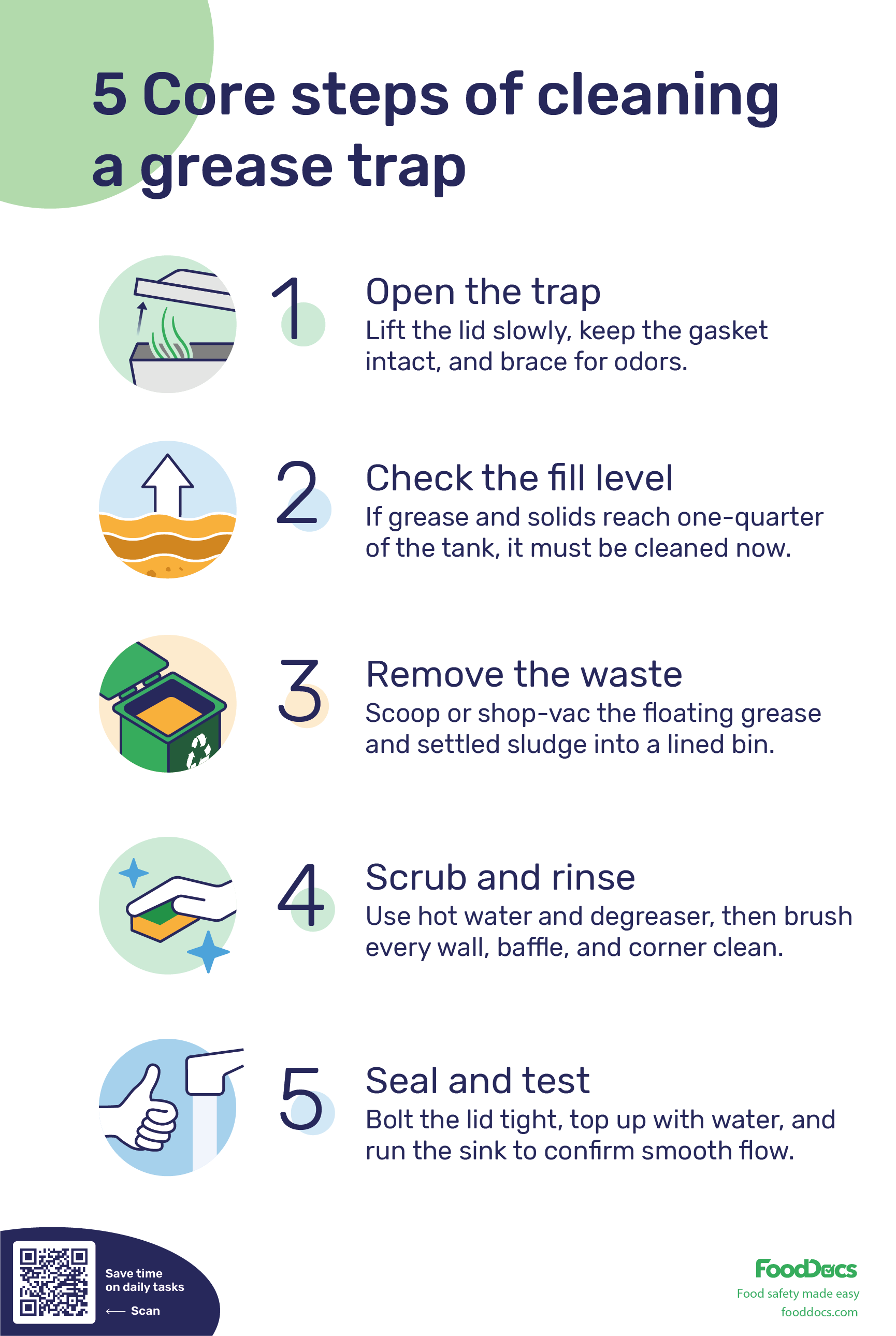 Regular grease trap cleaning reduces the amount of grease that settles on kitchen walls and other surfaces.
Frequently Asked Questions
How often should restaurant kitchen walls be deep cleaned?
For high-volume restaurants, do a daily wipe-down of high-splatter zones, a full weekly deep clean, and monthly professional cleanings. Lower-volume operations may only need biweekly deep cleans and quarterly professional service.
Can I use a pressure washer on commercial kitchen walls?
Only on sealed, durable surfaces like epoxy-coated concrete or ceramic tile, using a PSI setting below 1000 and a wide spray nozzle. Never use a pressure washer on painted walls, unsealed brick, or grout, as it will cause permanent damage, peeling, and erosion.
What cleaning products are safe for food service kitchen walls?
Only use NSF-certified cleaning products rated for food contact surfaces. Avoid unregulated all-purpose cleaners that may leave toxic residues, and always rinse walls thoroughly after using degreasers or disinfectants to remove chemical residue.
How do I prevent grease from building up on kitchen walls?
Install a properly sized exhaust vented directly outside, use splatter guards on fryers and grills, do daily wipe-downs after each service, and seal porous walls like brick or concrete with a food-safe sealant to prevent grease from penetrating the surface.
Conclusion
Consistent restaurant kitchen wall cleaning is one of the lowest-effort, highest-impact tasks for maintaining food safety, avoiding costly health code violations, and reducing fire risk from accumulated grease. Start with pre-treating high-grease zones to cut down on scrubbing time, and pair daily wipe-downs with weekly deep cleans to avoid stubborn buildup. If you’re refreshing your kitchen’s layout or paint scheme to make cleaning easier, our guides to green cabinet wall pairings and brown cabinet wall pairings offer code-compliant, grease-hiding color picks for commercial spaces.