Black Kitchen Units What Colour Walls: Stunning Combinations Revealed
Black kitchen units have cemented their spot as a top kitchen design trend for 2026, favored for their sleek, timeless look and ability to hide everyday scuffs, spills, and wear from busy household use. But while dark cabinetry adds instant sophistication, it also raises a common design dilemma: what wall color will complement your black units without making the space feel dark, cramped, or unbalanced?
The right wall color doesn’t just frame your cabinetry — it sets the entire mood of your kitchen, impacts how large the room feels, and ties together your countertops, hardware, and decor. In this guide, we’re breaking down stunning, vetted wall color combinations for black kitchen units, plus practical tips to avoid common pitfalls and nail the look for your space.
Why Wall Color Matters for Black Kitchen Units
Black cabinetry absorbs more light than lighter finishes, so your wall color directly impacts your kitchen’s perceived brightness, mood, and visual spaciousness. A mismatched wall tone can make the space feel cave-like or disjointed, while a complementary shade will make your black units pop while keeping the room inviting. As noted in the National Kitchen and Bath Association’s 2026 kitchen design guidelines, wall color is one of the most impactful, budget-friendly ways to transform a kitchen’s mood and perceived size, especially when working with bold cabinetry choices like black industry-standard kitchen design guidelines.
Undertones are just as important as the base color: a black cabinet with warm undertones will clash with cool blue-toned grey walls, for example, creating an unbalanced, sterile feel instead of a cohesive look. Getting this balance right is the key to a kitchen that feels intentional, not thrown together.
Top Stunning Wall Color Combinations for Black Kitchen Units
Below are the most popular, vetted pairings for black kitchen units, with tradeoffs and use cases for each to help you pick the right fit for your space.
Crisp White Walls: Timeless High-Contrast Elegance
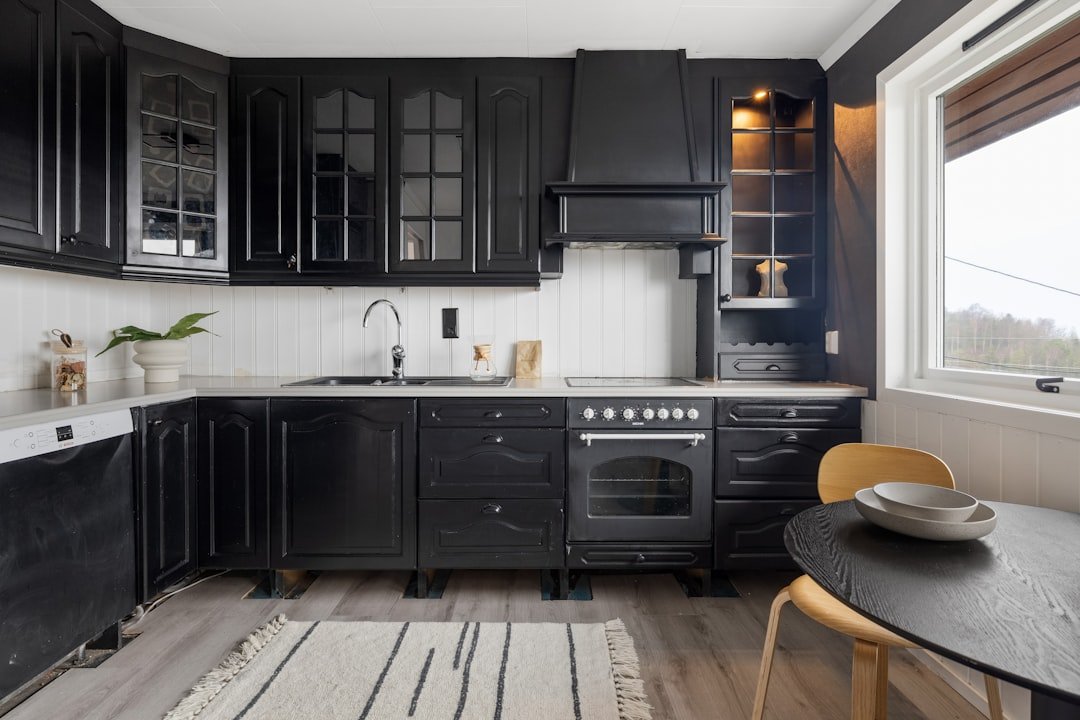
White walls paired with black kitchen units create a striking, high-contrast monochrome palette that never goes out of style. This combination makes black units the clear focal point of the room while keeping the space feeling bright and open, even in small kitchens. The key to nailing this look is choosing the right white shade: avoid stark, cool blue-toned whites, which can feel clinical and clash with warm undertones in black cabinetry. Instead, opt for warm whites like Benjamin Moore White Dove or Sherwin-Williams Alabaster, which add subtle warmth without dulling the contrast.
Pair this pairing with matte black hardware and a light quartz or marble countertop to keep the look cohesive. A common mistake is leaving white walls completely plain: add subtle texture via a shiplap backsplash or matte white subway tile to soften the bold contrast and add visual interest.
 This high-contrast pairing keeps small kitchens feeling open and bright, even with dark cabinetry
Credit: www.reddit.com
This high-contrast pairing keeps small kitchens feeling open and bright, even with dark cabinetry
Credit: www.reddit.com
Warm Neutral Walls (Beige, Greige, Cream): Cohesive, Inviting Calm
Warm neutrals like soft beige, creamy off-white, and greige (grey-beige blend) are ideal for anyone who wants the sophistication of black units without the starkness of high-contrast white. These shades add gentle warmth to the space, making the kitchen feel cozy and welcoming rather than formal. They’re especially well-suited for north-facing kitchens with low natural light, as their warm undertones bounce available light around the room to prevent the space from feeling dark.
For a cohesive look, pair warm neutral walls with wood accents like butcher block countertops, open wood shelving, or woven jute rugs to lean into the earthy, relaxed vibe. If you’re exploring similar warm palettes for other cabinet finishes, our guide to matching walls to brown kitchen units offers tailored advice for balancing dark and warm elements.
Soft Grey Walls: Modern, Balanced Sophistication
Grey walls strike the perfect middle ground between bold contrast and soft neutrality for black kitchen units, creating a modern, calming vibe that works for almost any design style. The key to getting this pairing right is matching the grey’s undertone to your space: cool grey shades with blue or green undertones (like Sherwin-Williams Repose Gray) pair perfectly with modern, minimalist kitchens with stainless steel appliances, while warm greige shades with beige or taupe undertones (like Benjamin Moore Greige) add coziness to farmhouse or traditional kitchens.
Avoid using dark charcoal grey on all walls in small kitchens, as it can make the space feel cramped. Instead, use charcoal as an accent wall behind your stove or sink for a dramatic focal point, and keep the remaining walls a lighter grey to maintain openness. For a luxe touch, add a satin finish to your grey walls to reflect light and highlight the sleek finish of your black units.
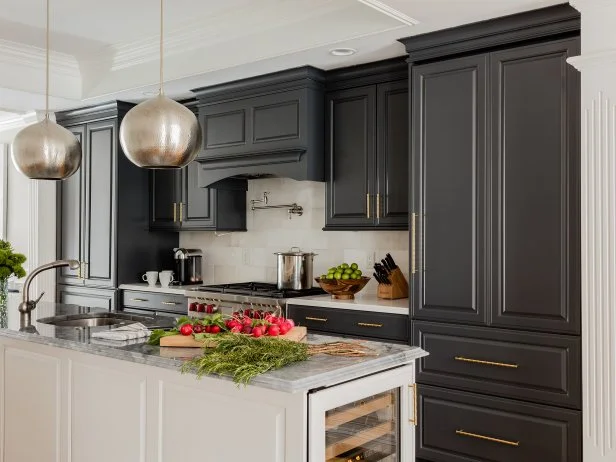 Warm grey walls soften the boldness of dark cabinetry without competing for attention
Credit: www.foodnetwork.com
Warm grey walls soften the boldness of dark cabinetry without competing for attention
Credit: www.foodnetwork.com
Deep Jewel Tones (Emerald, Navy, Burgundy): Dramatic, Mood-Enhancing Contrast
If you want to make a bold design statement, deep jewel tones like emerald green, navy blue, or muted burgundy create a dramatic, luxurious contrast against black kitchen units. These rich shades add depth and personality to the space, making it feel cozy and intentional rather than dark. This pairing works best in large kitchens with at least 3 hours of direct natural light per day, as the dark wall color can feel overwhelming in small, windowless spaces.
To balance the dark palette, pair jewel-tone walls with light countertops (white quartz, marble, or light wood) and reflective metallic hardware (brass, gold, or polished nickel) to bounce light around the room. For a cohesive look, add small pops of the jewel tone in your decor, like dishware or bar stools, to tie the palette together without clashing.
Soft Pastels (Dusty Rose, Pale Mint, Butter Yellow): Playful, Subtle Warmth
Soft pastel shades offer a gentle, low-commitment way to add color to a kitchen with black units, without the intensity of bold jewel tones. Dusty rose, pale mint, and butter yellow soften the sharp, modern edge of black cabinetry, creating a cozy, inviting space that feels fresh without being overwhelming. This pairing works especially well for cottage, Scandinavian, or eclectic kitchen styles.
To avoid looking washed out against dark black units, choose pastels with subtle warm undertones, and pair them with white or light wood accents to keep the palette bright. Use pastels on a full wall for a soft, all-over glow, or as an accent wall behind your sink for a subtle pop of color.
Accent Wall Combinations: Personalized Focal Points
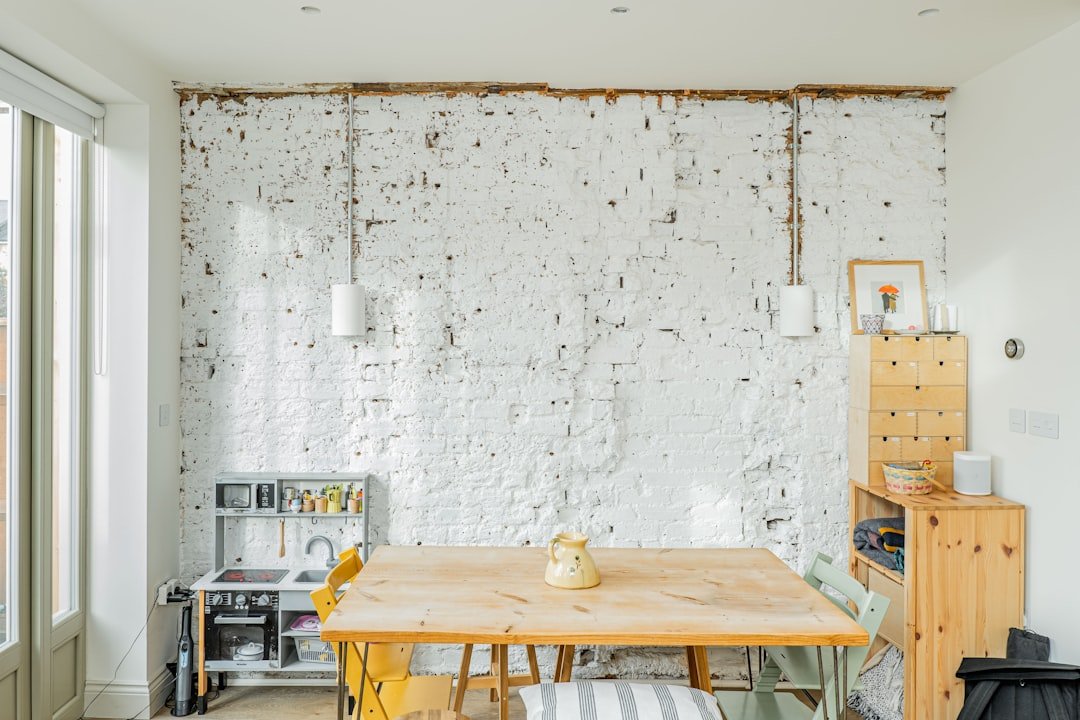
If you’re not ready to paint all your walls a bold color, an accent wall is the perfect way to add personality without overwhelming the space. Place your accent wall behind the stove, sink, or kitchen island to create a natural focal point that draws the eye without competing with your black units. For texture and visual interest, use materials like exposed brick, wood paneling, or subtle geometric wallpaper in neutral or muted tones that complement your black cabinetry.
If you’re exploring accent wall ideas for other cabinet styles, our guide to coordinating walls with green cabinet finishes includes tips for blending multiple bold hues without clashing.
Key Factors to Finalize Your Wall Color Choice
No two kitchens are the same, so the “best” wall color for your black units will depend on a few key variables:
- Natural light and room size: North-facing or windowless small kitchens benefit most from light, warm neutral walls to maximize perceived brightness. South-facing large kitchens can handle bold jewel tones or dark accent walls without feeling heavy.
- Black cabinet finish: Matte black units pair well with glossy or satin wall finishes to bounce light around the room, while glossy black units work best with matte or eggshell walls to reduce glare and smudge visibility.
- Existing decor and hardware: If you have warm brass hardware, opt for wall colors with warm undertones (beige, cream, warm grey) to create cohesion. For stainless steel appliances, cool neutrals or jewel tones work best to maintain a modern, monochromatic look.
- Personal style and mood: For a calm, low-key kitchen, stick to soft neutrals or pastels. For a dramatic, luxurious vibe, lean into high-contrast white or deep jewel tones.
Pro Tips to Nail the Look
Drawing on years of kitchen design best practices, these tips will help you avoid common mistakes and get a flawless finish:
- Always test paint samples first: Paint 2×2 foot swatches on at least two walls in your kitchen, and observe how the color looks at 8am, 12pm, and 6pm. Natural light shifts dramatically throughout the day, and a color that looks soft and warm in the morning can feel dull and grey by evening next to black cabinetry.
- Choose the right wall finish: Satin or eggshell finishes are ideal for most kitchens, as they’re durable, easy to clean, and reflect enough light to balance black cabinetry without showing smudges and fingerprints as obviously as gloss finishes.
- Limit your palette to 2-3 colors max: Stick to your wall color, backsplash, and one accent decor color to avoid visual clutter that competes with your black units.
- Refresh fixtures alongside walls: If you’re updating your kitchen as part of your wall refresh, our step-by-step guide to removing an outdated wall-mounted faucet makes for a quick, DIY-friendly upgrade that ties the whole look together.
Frequently Asked Questions
What wall colors complement black kitchen units?
Soft neutrals (white, beige, greige, light grey) are the most versatile, as they create contrast without overwhelming the space. Soft pastels (dusty rose, pale mint) add subtle warmth, while deep jewel tones (emerald, navy) create dramatic contrast for larger, light-filled kitchens. Avoid dark, cool-toned wall colors on all walls, as they can make the space feel cave-like.
Can bold colors work with black kitchen units?
Yes, bold jewel tones and vibrant pastels pair beautifully with black units, but they require careful planning. Pair bold wall colors with light countertops (white quartz, marble) and reflective metallic hardware to bounce light and prevent the space from feeling dark. Limit bold colors to one accent wall or use them in rooms with ample natural light.
Are light walls better with black kitchen units?
Light walls are generally the best choice for most spaces, as they reflect light to balance the light-absorbing nature of black cabinetry, making the kitchen feel larger and more open. Dark walls can work for dramatic, moody designs, but are best reserved for large, well-lit kitchens or small accent walls.
How do I choose a wall color for a small black kitchen?
Opt for light, warm neutrals (cream, soft greige, pale white) to maximize perceived space. Avoid dark wall colors or bold jewel tones on all walls, as they will make the room feel cramped. Use a bold accent wall behind the stove or sink to add personality without sacrificing openness.
Do black kitchen units make a room look smaller?
Not if paired with the right wall color and finishes. Black units absorb light, so pairing them with light, reflective wall colors (white, light grey, cream) and glossy or satin wall finishes will bounce light around the room to create the illusion of more space. Adding under-cabinet lighting and reflective countertops (like quartz or marble) further enhances the open feel.
What wall color goes best with black units and stainless steel appliances?
Cool neutrals (soft grey, greige with cool undertones) or crisp white work best with stainless steel, as they create a cohesive, modern, monochromatic palette. Warm neutrals (beige, cream) also pair well, as they soften the coolness of stainless steel while complementing the warmth of black cabinetry.
Conclusion
Black kitchen units are a versatile, timeless choice that pairs beautifully with a wide range of wall colors, from crisp high-contrast white to dramatic jewel tones and soft pastels. The perfect combination for your space depends on your kitchen’s natural light, size, existing decor, and personal style — but the core rule remains: balance the light-absorbing nature of black cabinetry with reflective, complementary wall tones to keep the space feeling open and inviting.
For more guidance on building a cohesive kitchen palette, check out our tips for pairing wall colors with green kitchen cabinetry and coordinating wall hues with brown cabinetry to create a space that feels intentional and stylish.
Ready to refresh your space? Grab sample pots of your top 2-3 wall color picks, paint 2×2 foot swatches on multiple walls, and observe how they look in morning, afternoon, and evening light next to your black units before making your final decision.