What to Use on Kitchen Walls Instead of Tiles: Stylish Alternatives
Tired of scrubbing stained grout lines, paying hundreds for regrouting, or dealing with the dust and cost of full tile removal? You don’t have to settle for dated tiled kitchen walls to get a durable, stylish space. From budget-friendly paint to high-end glass panels, there are dozens of tile alternatives that fit every design style, budget, and skill level — no messy tile work required.
Below, we break down the most popular, practical options, their pros and cons, and pro tips for installation and maintenance to help you pick the perfect fit for your kitchen. For more on this, see our guide on what can i use on kitchen walls instead.
The Hidden Costs and Hassles of Kitchen Tiles
Before diving into alternatives, it’s worth weighing the ongoing burdens of tiled kitchen walls:
- Professional regrouting for a standard 30-square-foot backsplash typically costs $200–$500, and needs to be repeated every 3–5 years as grout degrades and absorbs grease and stains.
- Full tile removal runs $3–$10 per square foot for professional labor, plus additional fees for dust containment and debris disposal.
- Even sealed grout will absorb spills over time, leading to permanent discoloration that is impossible to fully remove.
- Updating a tiled wall requires full removal and reinstallation, a project that takes 3–7 days for most standard kitchens.
Top Stylish Kitchen Wall Alternatives
Each option below is ranked by affordability, ease of installation, and suitability for different kitchen layouts and design styles.
1. Moisture-Resistant Paint (Best for Budget & Easy Updates)
Paint is the most affordable, fastest tile alternative, with material costs as low as $1 per square foot. It works for full walls or targeted backsplashes, and can be updated in a single weekend when you want to refresh your kitchen’s look. For more on this, see our guide on what to put on kitchen walls instead of. For kitchen use, opt for semi-gloss or satin finishes: semi-gloss repels moisture and grease, making it ideal for areas behind sinks and stoves, while satin hides wall imperfections and works well for low-tra kitchen walls. Add mildew-resistant additives for high-humidity kitchens with poor ventilation. 2026 color trends lean into warm, calming tones: soft sage green, warm greige, deep navy, and matte black accent walls are all popular, as are timeless warm off-whites for small, dim kitchens that need a brightness boost. For more on this, see our guide on what can you put on kitchen walls instead. A common mistake homeowners make when painting over old glossy tile or drywall is skipping a bonding primer, which leads to peeling within 6–12 months in high-humidity spaces. For safe, low-VOC interior paint guidelines that protect your household’s air quality, the U.S. Environmental Protection Agency outlines key requirements for kitchen-friendly paint products. Trade-offs: Paint can scuff or stain in high-traffic areas behind cooking surfaces, and is less heat-resistant than tile, metal, or glass. Expect to do touch-ups every 2–3 years in high-use spaces.
2. Kitchen-Grade Wallpaper (Best for Bold Patterns & Renters)
Wallpaper eliminates grout lines entirely and comes in endless patterns, making it ideal for renters or homeowners who want to add personality without permanent installation. For kitchen use, only opt for vinyl-coated, laminated waterproof, or peel-and-stick wallpaper rated for high-moisture areas. Peel-and-stick options are renter-friendly, as they can be removed without damaging walls, while traditional vinyl wallpaper is more durable for permanent installations behind sinks and stoves. 2026 pattern trends include subtle terrazzo prints, small-scale botanical motifs, soft geometric stripes, and grasscloth-look textures that add warmth without overwhelming small spaces. Pro tips for longevity: avoid installing standard wallpaper directly behind stoves unless it is rated for high heat, use a smoothing tool to eliminate air bubbles during installation, and seal all edges with clear caulk to prevent peeling from moisture exposure. Trade-offs: Peel-and-stick wallpaper will peel within a year if exposed to constant heat or moisture, and traditional wallpaper requires professional installation for a wrinkle-free finish. Sharp objects can also tear or puncture the surface.
3. Wood Paneling & Beadboard (Best for Warm, Rustic to Modern Style)
Wood paneling adds natural texture and warmth that tile can’t match, and works for every design style from farmhouse to modern minimalist. Popular options include shiplap (grooved planks for a coastal or farmhouse look), tongue-and-groove (seamless, linear finish for modern rustic spaces), MDF beadboard (classic cottage style, budget-friendly), and reclaimed wood (eco-friendly, unique character). For kitchen use, all wood panels must be sealed with a water-based polyurethane or marine-grade varnish to prevent warping and mold from humidity. Avoid installing unsealed wood directly behind stoves without an added heat barrier. When choosing a wall color to pair with wood paneling, our guide to complementary wall shades for green kitchen cabinets and this breakdown of coordinating wall tones for brown kitchen cabinets can help you nail a cohesive, balanced look. Trade-offs: Unsealed wood will warp or develop mold in high-humidity kitchens, and needs resealing every 2–3 years. Sharp objects can also scratch the surface.
4. Metal & Stainless Steel Panels (Best for Durability & Industrial Style)
Metal panels are ultra-durable, heat-resistant, and completely grout-free, making them ideal for high-traffic areas behind stoves and sinks. Options include brushed stainless steel (fingerprint-resistant, modern), matte black (warm, fits farmhouse and industrial styles), copper (develops a natural patina over time), and embossed patterned sheets for statement backsplashes. Metal repels moisture and stains, and can be wiped clean with a simple soap and water solution, no harsh cleaners required. It also adds a hygienic, non-porous surface that doesn’t harbor bacteria, a bonus for food prep areas. Pro tips: use a microfiber cloth for cleaning to avoid scratches, avoid abrasive scrubbers that can damage the finish, and install a thin heat barrier behind stoves to prevent warping from high temperatures. Trade-offs: Metal shows fingerprints and water spots more than any other material, and can be noisy when hit with utensils. Upfront costs run $5–$15 per square foot, higher than paint or wallpaper.
5. Tempered Glass Panels (Best for Seamless, Light-Filled Kitchens)
Tempered glass panels create a sleek, grout-free look that reflects light, making them perfect for small, dim kitchens. Options include clear glass (minimalist, matches any design), frosted glass (soft, diffused light for privacy), printed or colored glass (custom art or matched to cabinet colors), and anti-fingerprint coatings for high-traffic areas. Tempered glass is 4x stronger than regular glass, and shatters into small, less dangerous pieces if broken, making it a safe choice for kitchen use. It is also completely non-porous, so it won’t absorb stains or harbor bacteria. Pro tips: hire a professional installer to ensure proper adhesion and avoid air bubbles, use a squeegee and vinegar-water solution for cleaning to avoid water spots, and opt for 6mm thick glass for maximum durability. Trade-offs: Glass can crack if hit with heavy objects, shows water spots and fingerprints easily, and requires professional installation. Costs run $10–$30 per square foot.
6. Brick & Stone Veneer (Best for Textured, Statement Walls)
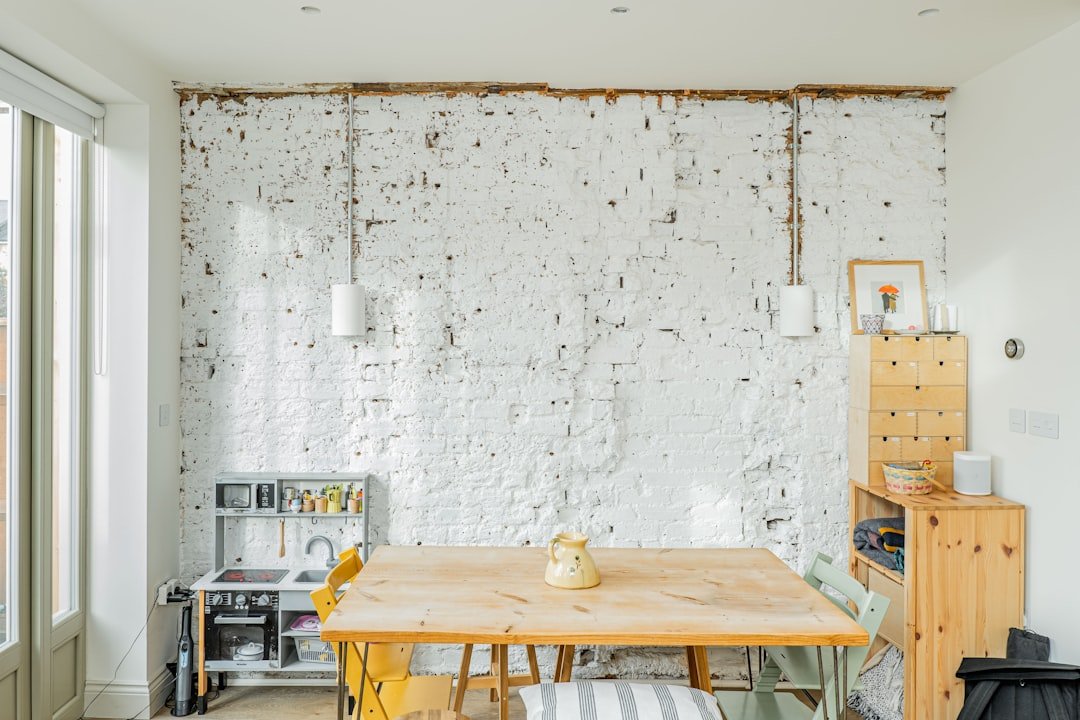
Thin brick and stone veneer adds rustic or modern texture to kitchen walls without the cost or weight of full brick or stone installation. Thin veneer panels can be glued directly to drywall with construction adhesive, no mortar required, making them a DIY-friendly option for statement accent walls. Options include thin red brick veneer (rustic, farmhouse style), stacked stone veneer (modern, neutral tones), and lightweight faux stone panels (budget-friendly, easy to cut to size). Pro tips: seal veneer with a water-based sealant every 3–5 years to prevent staining, use a soft brush to clean dust from textured grooves, and confirm your wall can support the weight of veneer before installation, as it is heavier than paint or wallpaper. Trade-offs: Veneer collects dust in grooves and requires regular sealing, and may need wall reinforcement for heavy stone options.
7. Functional Write-On Surfaces (Best for Families & Home Organizers)
Chalkboard, whiteboard, and magnetic paint turn your kitchen wall into a functional organization hub, perfect for meal planning, grocery lists, and family notes. Chalkboard paint creates a matte, rustic surface for traditional chalk, while whiteboard paint offers a glossy, wipe-clean surface for dry-erase markers. Magnetic paint can be layered under either option to hang notes and photos. For best results, apply 3–4 thin coats of paint to avoid drips, and seal with a clear topcoat to prevent staining from markers or chalk. Install away from direct sunlight to prevent fading. Trade-offs: Chalk dust can settle on food prep areas, whiteboard markers can stain if left on too long, and these surfaces are not heat-resistant, so avoid installing them behind stoves.
8. Textured & Fabric-Backed Panels (Best for Sound Dampening & Unique Style)
For open-concept kitchens that connect to living areas, textured and fabric-backed panels add softness and dampen echo for a more comfortable space. Options include 3D PVC panels (lightweight, bold patterns, easy to clean), vinyl-coated fabric panels (soft, stain-resistant, sound-absorbing), and acoustic panels designed for kitchen use. Choose panels with a moisture-resistant finish for high-humidity kitchens, and avoid installing them directly behind sinks or stoves. Trade-offs: Uncoated fabric panels can stain easily, and these options are not as heat-resistant as tile or metal. Costs run $3–$12 per square foot.
How to Choose the Right Alternative for Your Kitchen
Narrow down your options by weighing these key factors:
- Budget: Paint is the most affordable ($1–$3/sq ft), followed by peel-and-stick wallpaper ($2–$5/sq ft), wood paneling ($3–$10/sq ft), and metal/glass ($10–$30/sq ft).
- Maintenance willingness: If you hate cleaning, opt for smooth, non-porous options like glass or stainless steel that wipe clean in seconds. If you don’t mind occasional dusting, textured options like brick veneer or wood work well.
- Renter vs homeowner: Renters should opt for peel-and-stick wallpaper, paint (with landlord approval), or temporary adhesive panels. Homeowners can install permanent options like wood, metal, or glass.
- Humidity level: For kitchens with poor ventilation, choose moisture-resistant paint, vinyl wallpaper, or sealed wood. Avoid unsealed fabric or chalkboard paint in high-humidity areas.
- High-traffic zones: Behind stoves and sinks, choose heat and water-resistant options like stainless steel, glass, or sealed wood. Low-traffic areas like dining nook walls can use wallpaper or chalkboard paint.
If you’re updating multiple kitchen elements at the same time, coordinate your wall finish with your cabinet and fixture choices for a cohesive look. If you need to remove an old wall-mounted faucet before starting your project, this step-by-step guide to removing a wall-mounted faucet will help you prep your space quickly and without damage.
Frequently Asked Questions
What is the most affordable alternative to kitchen tiles?
Moisture-resistant paint is the most budget-friendly option, costing as little as $1 per square foot for materials. It can be applied in a weekend, and updated easily when you want to refresh your kitchen’s look.
Can I use wallpaper instead of kitchen tiles?
Yes, but only opt for kitchen-grade vinyl-coated or laminated waterproof wallpaper for areas behind sinks and stoves. Peel-and-stick options work well for low-traffic walls and renters, but will peel if exposed to high heat or constant moisture.
Are beadboard panels suitable for kitchen walls?
Yes, MDF or wood beadboard panels are a classic, cost-effective option for kitchen walls. Be sure to seal them with a water-based polyurethane to prevent warping from humidity, and avoid installing them directly behind cooking surfaces without a heat barrier.
Is stainless steel a practical kitchen wall covering?
Stainless steel is extremely durable, heat-resistant, and easy to clean, making it ideal for backsplashes behind stoves and sinks. The main downsides are that it shows fingerprints and water spots easily, and has a higher upfront cost than paint or wallpaper.
What kitchen wall alternative is most heat-resistant?
Stainless steel and tempered glass are the most heat-resistant options, able to withstand temperatures up to 500°F without warping or discoloring. Sealed wood and brick veneer are also heat-resistant, but require a protective sealant to prevent damage.
Can I install these wall alternatives myself?
Paint, peel-and-stick wallpaper, and lightweight 3D PVC panels are DIY-friendly for most homeowners. Permanent options like glass, metal, brick veneer, and traditional wallpaper require professional installation to ensure proper adhesion and safety, especially for heavy materials.
Final Tips for a Flawless Kitchen Wall Update
- Always prep walls properly: clean off all grease and dust, repair any cracks or holes, and apply a primer if needed before installing any alternative.
- Test samples first: order paint chips, wallpaper swatches, or small material samples to see how they look in your kitchen’s natural and artificial lighting before committing to a full wall.
- Plan for outlets and switches: mark their locations before installing panels or wallpaper to avoid cutting holes incorrectly.
- For evidence-based durability standards for kitchen surfaces, the National Kitchen and Bath Association sets performance benchmarks for high-traffic cooking spaces to help you pick materials that will last.
There’s no one-size-fits-all tile alternative: the best choice depends on your budget, design style, maintenance preferences, and whether you’re a renter or homeowner. Swapping tile for a modern alternative can save you hundreds on removal and regrouting costs, and let you refresh your kitchen’s look in a weekend instead of weeks. Pick an option that fits your lifestyle, and enjoy a kitchen that feels uniquely yours.
 Semi-gloss paint is the most budget-friendly tile alternative, costing as little as $1 per square foot for materials
Image source: www.amazon.ca
Semi-gloss paint is the most budget-friendly tile alternative, costing as little as $1 per square foot for materials
Image source: www.amazon.ca
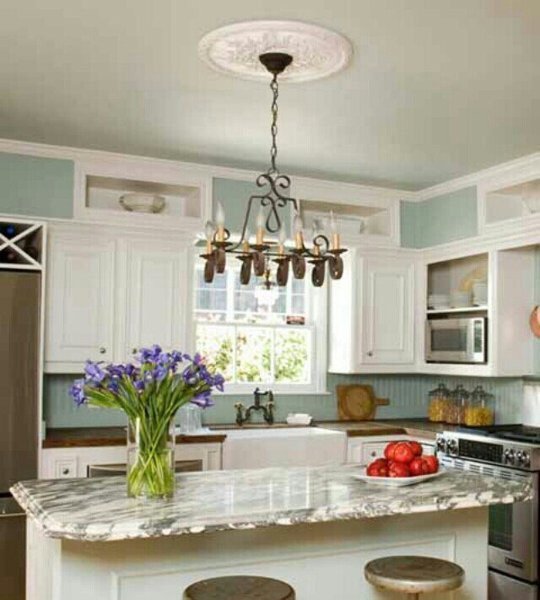
 Tempered glass panels create a grout-free, light-reflective backsplash that works well in small, dim kitchens
Image source: vegakitchenandbath.com
Tempered glass panels create a grout-free, light-reflective backsplash that works well in small, dim kitchens
Image source: vegakitchenandbath.com
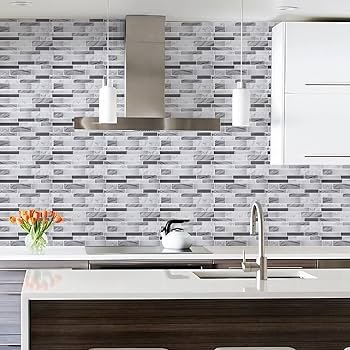
 Thin brick veneer adds rustic texture to kitchen walls without the cost or weight of full brick installation
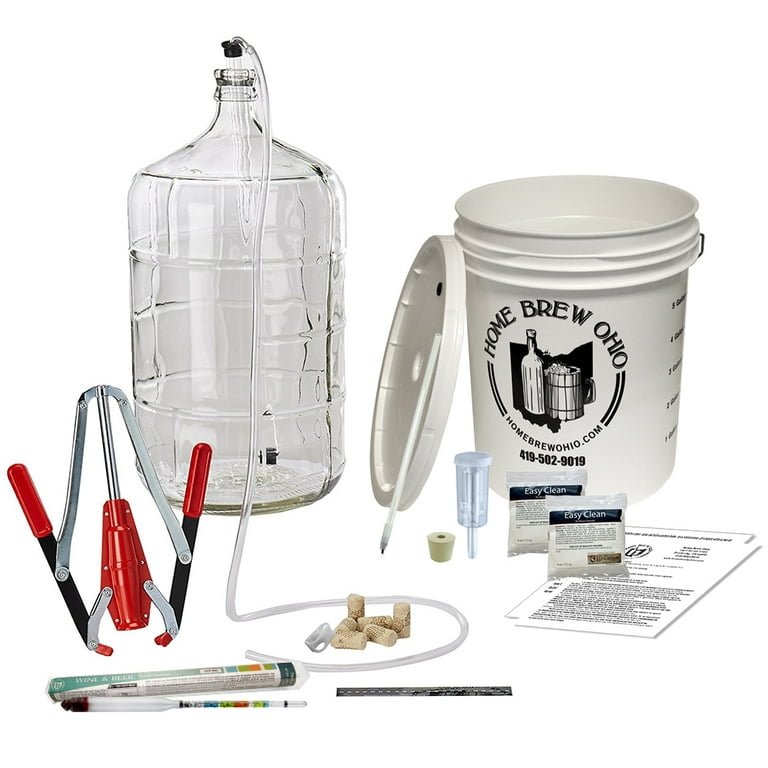
Image source: www.designcafe.com If you’re planning a full kitchen refresh alongside your wall project, our top home wine making tools can help you craft perfect beverage pairings for meals you’ll prepare against your new walls. For more inspiration to make your kitchen the heart of your home, our hosting and meal planning tips offer creative ideas for gatherings of all sizes.
Thin brick veneer adds rustic texture to kitchen walls without the cost or weight of full brick installation
Image source: www.designcafe.com If you’re planning a full kitchen refresh alongside your wall project, our top home wine making tools can help you craft perfect beverage pairings for meals you’ll prepare against your new walls. For more inspiration to make your kitchen the heart of your home, our hosting and meal planning tips offer creative ideas for gatherings of all sizes.
Ready to ditch the grout for good? Pick your preferred wall alternative, grab your supplies, and start your kitchen refresh this weekend — no professional tile work required.