How Much Weight Can Kitchen Wall Cabinets Hold: Ultimate Guide
Overloading kitchen wall cabinets is a common, often overlooked home hazard. The US Consumer Product Safety Commission estimates that thousands of preventable injuries occur annually in the U.S. from collapsing wall-mounted storage, including kitchen cabinets, many caused by users unknowingly exceeding weight limits. Whether you’re storing heavy dish sets, small appliances, or stacks of cookbooks, understanding your cabinet’s true capacity will protect your kitchen, your belongings, and your family. This guide breaks down exact weight limits, the factors that change your cabinet’s strength, how to test your existing units, and actionable tips to maximize storage safely.
Weight Capacity Basics For Kitchen Wall Cabinets
Not all wall cabinets are created equal, and their weight limits vary far more than most homeowners realize. Knowing the baseline standards and the variables that shift those numbers will help you avoid costly damage or dangerous accidents.
Official Standard Weight Ranges
The baseline weight capacity for standard residential wall cabinets is 30 to 50 pounds per linear foot, a standard set by the Kitchen Cabinet Manufacturers Association (KCMA), the leading North American trade group for cabinet production. This limit applies to evenly distributed weight across the entire shelf surface—concentrated loads (like a single heavy cast iron Dutch oven) put 2 to 3 times more stress on the shelf structure and will lower your safe limit significantly. This range applies to 12 to 30 inch wide stock wall cabinets in good condition, mounted properly to wall studs. Custom solid wood cabinets may support up to 60 pounds per linear foot, while low-cost particleboard stock cabinets may only hold 20 to 30 pounds per linear foot, even when installed correctly.
Key Factors That Change Your Cabinet's Limit
Five core variables determine how much weight your specific wall cabinets can safely hold:
- Construction material: Solid hardwood (oak, maple) cabinets hold 20 to 30% more weight than plywood or particleboard counterparts of the same size, per cabinet maker guidelines. MDF (medium-density fiberboard) is smooth and affordable but prone to sagging under concentrated loads over time.
- Mounting method and wall type: Cabinets screwed directly into 16-inch on-center wall studs (the standard spacing for residential framing) can hold 2 to 3 times more weight than cabinets mounted only to drywall with plastic expansion anchors. Plaster and brick walls require specialized masonry anchors for full strength.
- Shelf design: Fixed (non-adjustable) shelves are 30 to 40% stronger than adjustable shelves with standard metal shelf pins, as the pins create weak points under load. Thinner 1/2 inch shelves sag far more easily than standard 3/4 inch thick shelves.
- Cabinet age and condition: Older cabinets with water damage, loose hinges, or cracked shelves have significantly reduced weight capacity. A cabinet with visible sag or warped sides may only hold half its original rated weight.
- Weight distribution: Storing 80% of a shelf’s weight on one side of the cabinet creates uneven leverage that can pull the cabinet away from the wall, even if the shelf itself can support the total load.
How To Test Your Existing Wall Cabinet's Safe Weight Limit
If you’re unsure of your cabinet’s capacity, a simple DIY stress test will give you a precise, safe working limit for your specific unit. This is far more accurate than relying on generic manufacturer ratings, which often assume perfect installation and new, undamaged cabinets.
Step-By-Step DIY Stress Test
- Fully empty the cabinet and inspect for existing damage: look for sagging shelves, loose hinges, cracks in the cabinet box, or gaps between the cabinet and the wall. If you find any of these, reduce your expected weight limit by 50% until repairs are made.
- Place a flat, rigid 1/2 inch plywood board across the shelf to distribute weight evenly and avoid point loads that mimic real-world storage (like the bottom of a heavy pot).
- Add weight in 10-pound increments (use water jugs, books, or weight plates) pausing 30 seconds between each addition to check for stress signs.
- Watch for these red flags during testing: visible shelf sag (measure with a level to detect deflection as small as 1/8 inch), creaking sounds from the shelf or mounting hardware, the cabinet shifting away from the wall, or hinges starting to pull loose.
- Your safe working load is 50% of the weight at which you first notice any of these signs. For example, if the shelf starts sagging at 60 pounds, your safe limit for that shelf is 30 pounds. In practice, most standard cabinets installed with proper stud mounting show first signs of stress at 60 to 80 pounds total per shelf, well below the manufacturer’s rated limit if installation is subpar.
Red Flags Your Cabinets Are Already Overloaded
Even if you haven’t done a formal stress test, these visible signs mean your cabinets are already operating above their safe limit:
- Sagging or warped shelves, or uneven gaps between the shelf and cabinet sides
- Doors that won’t stay closed, or hinges that feel loose when you open and close the cabinet
- Cracks in the drywall or plaster around the cabinet edges
- Creaking sounds when you open the cabinet or place items inside If you notice any of these, immediately redistribute heavy items to lower, more centrally located shelves, and add reinforcement as needed.
Safe Weight Limits By Common Cabinet Size & Use Case
Weight limits scale with cabinet width, as wider cabinets have more mounting points and larger, stronger shelf surfaces. The table below outlines safe total weight limits for standard stud-mounted wall cabinets in good condition, with evenly distributed loads:
| Cabinet Width (Standard) | Safe Total Weight Limit | Recommended Storage Items |
|---|---|---|
| 12 inch | 15–25 pounds | Spices, small dishware, decorative glassware |
| 18 inch | 25–40 pounds | Everyday plates and bowls, small countertop appliances (toasters, blenders) |
| 24 inch | 40–60 pounds | Cookbooks, bulk dry goods, microwaves under 30 pounds (with a certified mounting kit) |
| 30 inch | 60–90 pounds | Heavy dish sets, multiple small appliances, canned goods stored in a single layer |
Storing Heavy Items: Small Appliances, Cookware & More
Certain heavy items require extra precautions to avoid overloading your cabinets:
- Microwaves: Never place a microwave directly on a standard wall cabinet shelf unless you use a manufacturer-certified microwave mounting kit, which is rated for 40 to 50 pounds and attaches directly to wall studs, bypassing the cabinet shelf entirely.
- Cast iron and stoneware: Store these items on the lowest shelf of the cabinet, closest to the wall mounting points, to reduce leverage and stress on the cabinet box.
- Canned goods: Store in a single, even layer across the shelf, rather than stacking 2 to 3 high in one spot, to avoid concentrated point loads.
- Glassware and collectibles: Avoid storing heavy glassware on the top shelf of tall cabinets, as the height increases leverage and stress on the top mounting hardware. If you’re selecting new cabinets as part of a kitchen refresh, you’ll also want to choose wall colors that complement your finish—our guides to coordinating wall colors for green cabinetry and complementary palettes for brown cabinets make the design process simple.
How To Maximize Wall Cabinet Weight Capacity Safely
You don’t have to replace your cabinets to increase their weight capacity—small, low-cost adjustments can add significant strength without major renovations.
Installation Best Practices For Maximum Strength
If you’re installing new wall cabinets, follow these rules to hit the top end of their weight rating:
- Use a stud finder to locate 16-inch on-center wall studs, and screw cabinets into at least two studs per cabinet run. Use #8 or #10 wood screws at least 2.5 inches long, with at least 1.5 inches of penetration into the stud.
- If you cannot hit a stud, use heavy-duty toggle bolts rated for at least 50 pounds per anchor, not cheap plastic expansion anchors, which are only rated for 10 to 15 pounds of load.
- Join multiple adjacent cabinets with the manufacturer’s supplied cabinet screws before mounting the full run to the wall, which distributes weight across more mounting points.
- Use a level to ensure the cabinet is perfectly plumb and level before tightening all screws—uneven installation creates uneven stress that will cause shelves to sag or cabinets to pull away from the wall over time. If you’re updating multiple kitchen fixtures as part of your renovation, you may also need to remove an old faucet before installing new cabinetry.
Shelf Reinforcement For Heavy Loads
For cabinets that need to hold heavier items than their stock rating allows:
- Add a 1/2 inch plywood underlayment under existing shelves, screwed securely to the cabinet side walls. This increases shelf strength by 40 to 50% without replacing the entire shelf.
- Replace thin particleboard adjustable shelves with 3/4 inch solid wood or plywood shelves, which resist sag far more effectively.
- Add small metal shelf brackets under shelves, screwed into the cabinet sides, for extra support for heavy items like canned goods or cast iron cookware.
Load Distribution Rules To Prevent Damage
Proper weight distribution is the easiest way to avoid overloading your cabinets, even if you’re storing heavy items:
- Keep 70% of the total shelf weight on the bottom two shelves of the cabinet, and no more than 30% on upper shelves. This reduces leverage that pulls the cabinet away from the wall.
- Spread heavy items evenly across the full width of the shelf, rather than clustering them on one side.
- Avoid stacking heavy items more than 2 high on a single shelf, as this creates concentrated point loads that can cause sagging. A common mistake we see is storing all heavy canned goods on the top shelf of a wall cabinet, which creates excess leverage that can pull the cabinet away from the wall even if the shelf itself can support the weight. If you regularly host dinner parties and need extra storage for heavy dishware and serving supplies, our roundup of wine making accessories for home bars includes durable, heavy-duty options for glassware and bar tools. For full kitchen organization guidance, check out our home wine making tool storage tips to keep all your entertaining gear secure and accessible.

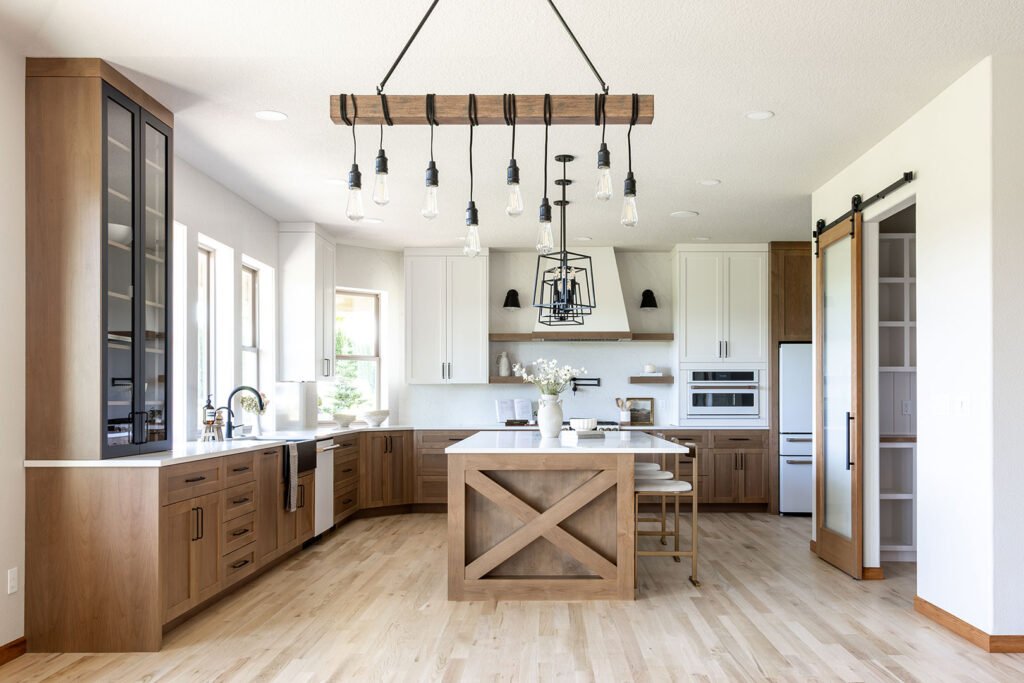
 Reinforced cabinets mounted directly to wall studs can safely hold heavier loads like dishware and small appliances.
Credit: imperialcabinets.net
Reinforced cabinets mounted directly to wall studs can safely hold heavier loads like dishware and small appliances.
Credit: imperialcabinets.net
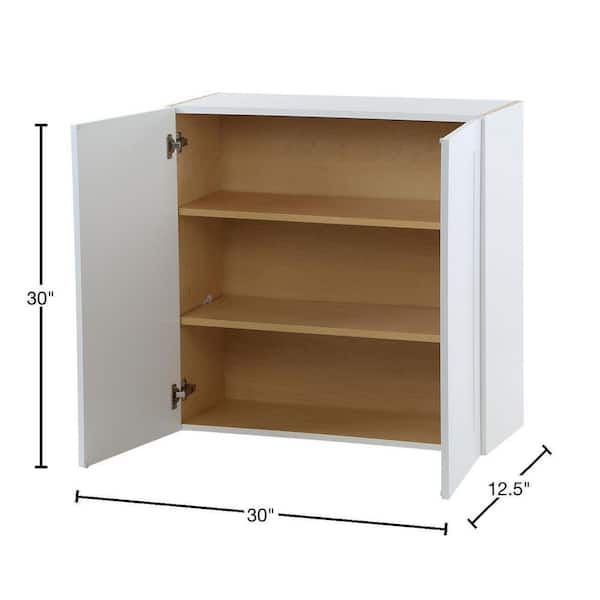 Standard adjustable shelf wall cabinets work for most light to moderate storage needs when loaded within weight limits.
Credit: www.homedepot.com
Standard adjustable shelf wall cabinets work for most light to moderate storage needs when loaded within weight limits.
Credit: www.homedepot.com
Frequently Asked Questions
How much weight can standard kitchen wall cabinets hold?
Standard residential wall cabinets hold 30 to 50 pounds per linear foot when mounted to wall studs and loaded with evenly distributed weight. This equals 15 to 25 pounds for a 12 inch cabinet, 25 to 40 pounds for an 18 inch cabinet, 40 to 60 pounds for a 24 inch cabinet, and 60 to 90 pounds for a 30 inch cabinet. Cabinets mounted only to drywall with plastic anchors will have a much lower limit, typically 10 to 15 pounds total.
What factors affect kitchen cabinet weight capacity?
The biggest factors are construction material (solid hardwood holds more than particleboard), mounting method (stud-mounted holds 2-3x more than drywall-only), shelf design (fixed shelves are stronger than adjustable), cabinet age and condition, and how weight is distributed across the shelf. Poor installation or existing damage can cut your cabinet’s weight limit in half.
Can kitchen wall cabinets hold heavy appliances?
Small countertop appliances under 30 pounds (toasters, blenders, coffee makers) are safe for most standard 18 to 24 inch wall cabinets mounted to studs. Microwaves require a certified wall-mounted microwave kit rated for 40 to 50 pounds, attached directly to studs, as standard cabinet shelves are not designed to support the weight and vibration of a microwave. Never store heavy appliances like air fryer ovens or stand mixers on wall cabinet shelves unless you have reinforced the shelf and confirmed the mounting is rated for the weight.
How do I increase my kitchen wall cabinet weight capacity?
You can increase capacity without replacing cabinets by: 1) Adding 1/2 inch plywood underlayment under existing shelves, screwed to the cabinet sides, 2) Replacing thin particleboard adjustable shelves with 3/4 inch solid wood or plywood, 3) Adding heavy-duty toggle bolts rated for 50+ pounds if you cannot mount cabinets to studs, 4) Distributing weight evenly across shelves with 70% of load on the bottom two shelves. For very heavy loads, add metal shelf brackets under the shelf for extra support.
Final Safety Takeaways
Your kitchen wall cabinet’s weight limit is not a one-size-fits-all number—it depends on your cabinet’s construction, installation quality, age, and how you load it. By testing your existing cabinets, following proper installation rules, and distributing weight evenly, you can safely maximize your storage without risking damage or injury. If you’re planning a full kitchen renovation to upgrade your storage capacity, explore our guides to cabinet style and complementary kitchen updates to build a space that’s both beautiful and functional.