What to Put on Kitchen Walls Instead of Tiles: Stylish Alternatives
Tired of scrubbing stained grout lines, budgeting for costly tile replacements, or feeling stuck with a kitchen wall design that feels generic? Traditional ceramic tile has long been the default for kitchen walls, but it comes with significant downsides: grout stains easily, professional installation averages $10–$15 per square foot, and updating your design later requires full removal of old tile, a messy, time-consuming process. The good news is there are dozens of stylish, functional, and often more affordable alternatives that fit every skill level, budget, and design aesthetic. In this guide, we break down the best kitchen wall alternatives to tile, with practical advice on durability, maintenance, cost, and styling to help you pick the perfect option for your space.
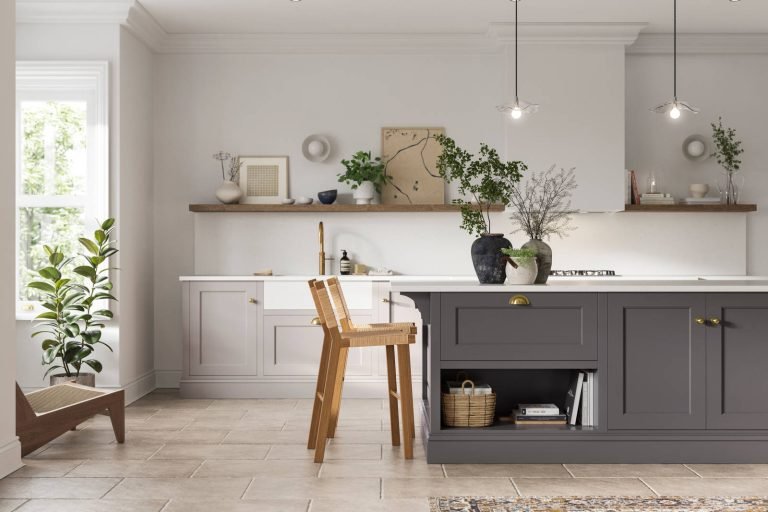
 Painted walls eliminate grout maintenance while offering endless color customization for any kitchen style.
Credit: www.designcafe.com
Painted walls eliminate grout maintenance while offering endless color customization for any kitchen style.
Credit: www.designcafe.com
Why Ditch Kitchen Tiles?
Before diving into alternatives, it’s helpful to understand the key drawbacks of traditional tile that drive homeowners to look for other options:
- Grout maintenance: Grout is porous, so it absorbs cooking grease, moisture, and stains over time. It requires regular sealing (every 1–2 years) and deep cleaning to prevent mold, mildew, and discoloration, adding ongoing upkeep to your to-do list.
- High upfront cost: Full wall tile installation for an average 10’x10’ kitchen can cost $1,000–$2,000 or more, including materials and labor, making it one of the most expensive kitchen wall options.
- Inflexible design: Once installed, changing your tile design requires full removal of the old tile, repair of underlying wall damage, and reinstallation, a project that can cost thousands and take weeks to complete.
- Cold, sterile aesthetic: Tile can feel impersonal and cold, especially in small, windowless kitchens, and doesn’t offer the texture and warmth of natural or textured materials.
Paint: The Most Flexible, Budget-Friendly Option
Paint is the most accessible and customizable kitchen wall alternative, with endless color and finish options to match any design style. It’s ideal for renters, DIYers, and homeowners looking for a low-cost, low-commitment update. For more on this, see our guide on what can you put on kitchen walls instead.
Best Paint Finishes for Kitchens
Kitchen walls face regular exposure to steam, grease, and frequent cleaning, so not all paint finishes will hold up. Satin and semi-gloss finishes are the top picks for most kitchen walls: they resist moisture, wipe clean easily, and hold up to scrubbing without peeling. Eggshell is a good middle ground if you prefer a low-sheen, matte-adjacent look that still resists light stains, but avoid flat or matte finishes in high-splash areas like behind the stove or sink, as they absorb grease and are impossible to clean without repainting. For humid climates, opt for mold-resistant paint formulas approved by the EPA’s indoor air quality guidelines to reduce the risk of mold growth and improve indoor air quality. A common mistake homeowners make is skipping primer, which leads to peeling and poor adhesion, especially on previously painted walls or new drywall.
2026 Color Trends for Kitchen Walls
In 2026, popular kitchen wall colors lean into warm, cozy, and personalized palettes. Warm neutrals (soft greige, creamy off-white, warm taupe) are top picks, as they complement both white and natural wood cabinets without feeling stark. Soft muted greens and blues are also trending for a calm, spa-like vibe, while bold accent walls in deep navy, forest green, or terracotta add personality without overwhelming the space. If you have green cabinetry, pairing it with warm off-white or soft beige walls creates a balanced, earthy aesthetic that feels both fresh and timeless balanced earthy aesthetic. For kitchens with rich brown wood cabinets, soft greige or muted cream walls highlight the cabinetry’s natural warmth without creating a dark, cramped feel muted cream walls. For more on this, see our guide on what to use on kitchen walls instead of.
Cost and DIY Feasibility
Paint is the most budget-friendly wall alternative, costing just $0.50–$2 per square foot for materials. Most homeowners can complete a full kitchen paint job in a weekend with basic supplies (roller, tray, painter’s tape, primer). To ensure a long-lasting finish, clean walls with a degreaser before painting to remove built-up cooking grease, and apply 2–3 thin coats of paint rather than one thick coat to avoid drips and uneven coverage.
Wood Paneling: Warm, Textured Charm
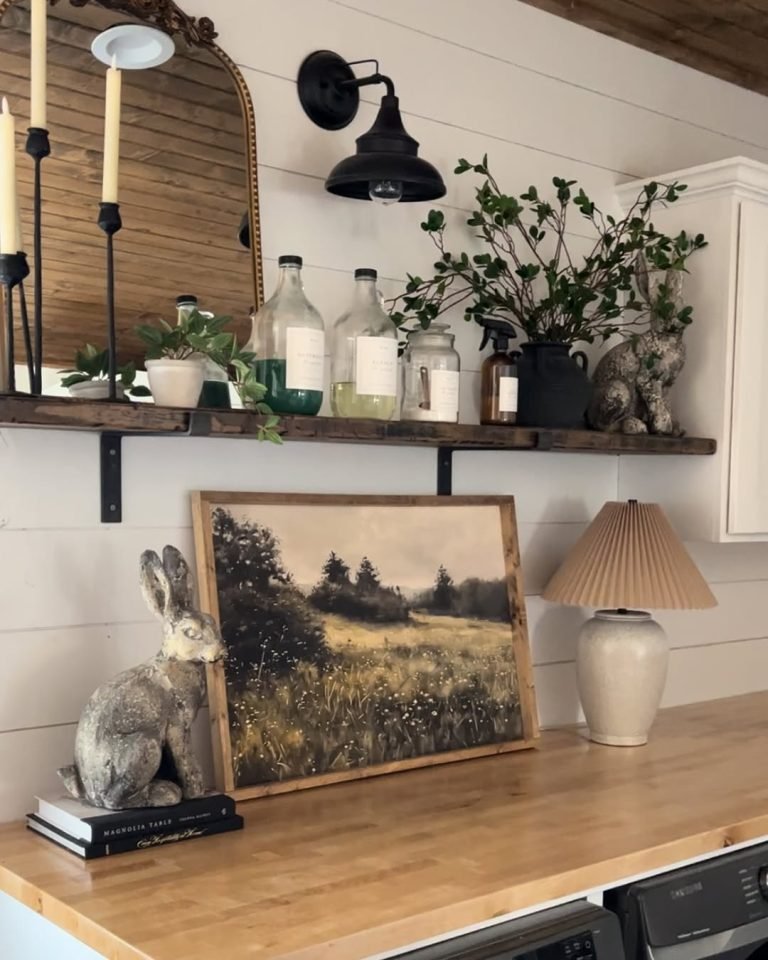
Wood paneling adds natural warmth, texture, and character to kitchen walls, making it a top pick for farmhouse, rustic, and modern kitchen designs. It’s more durable than paint for high-traffic areas, and can be refinished if it gets scratched or stained over time.
Best Wood Types for High-Moisture Kitchens
Not all wood is suitable for kitchen walls, as porous softwoods can absorb moisture and warp over time. Top picks for kitchen use include:
- Maple: Dense, scratch-resistant, with a smooth, subtle grain that works for both modern and traditional kitchens.
- Cedar: Naturally moisture and insect-resistant, with a warm, rustic look ideal for farmhouse styles.
- Oak: Durable with a pronounced grain, perfect for traditional and rustic kitchens.
- Teak: Highly water-resistant and premium, with a rich, warm tone for modern luxury kitchens.
- Engineered wood veneer: A budget-friendly alternative to solid wood, with a real wood veneer over a plywood core that offers better moisture resistance than solid softwoods like pine.
Finishing Options for Durability
Seal all wood paneling with a water-based polyurethane or varnish to protect against moisture, grease, and scratches. Apply 2–3 thin coats, sanding lightly between coats for a smooth, even finish. For a more rustic, natural look, use a penetrating oil finish that soaks into the wood rather than sitting on top, but note that oil finishes require reapplication every 1–2 years, compared to 5+ years for polyurethane. A common mistake is installing wood paneling directly against drywall without a moisture barrier, which can lead to mold growth behind the panels over time.
Cost and Installation
Solid wood paneling costs $5–$15 per square foot, while engineered wood veneer costs $2–$8 per square foot. DIY installation is feasible for basic shiplap or tongue-and-groove panels, but more complex patterns or curved walls may require professional installation, adding $2–$5 per square foot in labor costs.
Moisture-Resistant Wallpaper: Bold, Low-Effort Style
Wallpaper is a great pick for homeowners who want to add bold patterns, textures, or color to their kitchen walls without the cost and labor of tile. Modern kitchen-grade wallpaper is designed to withstand the humidity, steam, and splashes of a busy kitchen.
Best Wallpaper Materials for Kitchens
Skip standard paper wallpaper, which will peel and warp in humid kitchen conditions. Opt for vinyl-coated, washable, or peel-and-stick moisture-resistant wallpaper, which is designed to withstand steam, splashes, and grease. Look for products labeled "kitchen-grade" or "bathroom-safe" for the highest durability. A common mistake is installing wallpaper too close to the stove or sink without a protective sealant, leading to peeling and bubbling over time from heat and moisture exposure.
Pattern Ideas for Every Kitchen Size
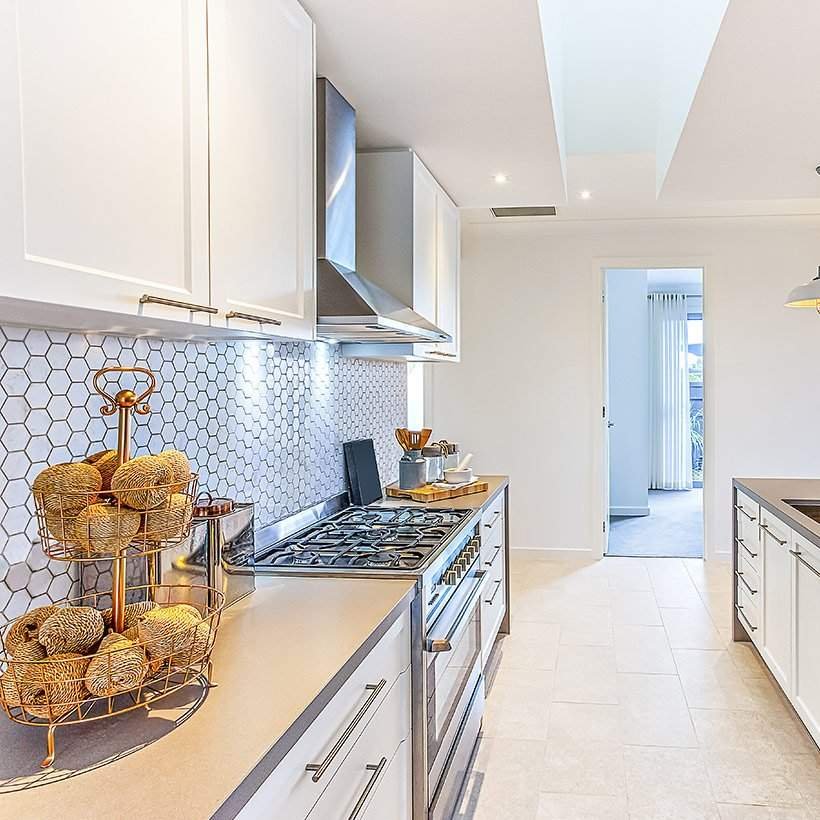
For small kitchens, opt for subtle, small-scale patterns (like tiny florals, thin stripes, or textured grasscloth) to avoid overwhelming the space. For large kitchens, bold geometric patterns, large-scale florals, or tile-look wallpaper can create a stunning focal point without the cost and labor of real tile. If you want the look of traditional tile without the grout work, opt for wallpaper printed with a tile pattern, available in subway, hexagon, and encaustic styles.
Installation and Longevity
Peel-and-stick wallpaper is the most DIY-friendly option, requiring no adhesive and removing cleanly without damaging walls if you decide to change the design later, making it ideal for renters. Traditional paste-the-wall wallpaper is more durable, lasting 10–15 years with proper installation, but requires more skill to hang without bubbles. Even moisture-resistant wallpaper will need to be replaced every 5–10 years in high-use kitchens, as adhesive breaks down over time from heat and steam exposure.
Metal & Stainless Steel Panels: Sleek, Industrial Durability
Metal and stainless steel panels offer a sleek, modern, low-maintenance alternative to tile, perfect for industrial, minimalist, and contemporary kitchen designs. They’re extremely durable, resistant to heat and stains, and easy to clean.
Finish Options to Match Your Style
Stainless steel panels come in brushed, polished, matte, and even colored finishes (like black, bronze, or gold) to fit a range of design aesthetics. Brushed finishes hide fingerprints and water spots better than polished finishes, making them a better pick for busy households with kids. Perforated or corrugated metal panels add texture and visual interest, while smooth panels create a sleek, seamless look.
Pros and Cons of Metal Walls
Pros: Extremely durable, heat and stain-resistant, non-porous (so no bacteria growth), easy to clean, and reflect light to make small kitchens feel larger. Cons: can feel cold and sterile if not paired with warm accents (like wood open shelving or a colorful rug), polished finishes show every fingerprint and smudge, and installation can be tricky for DIYers, as panels need to be securely fastened to wall studs to avoid warping.
Cost and Maintenance
Metal panels cost $10–$25 per square foot, including professional installation. Cleaning is simple: wipe with a damp cloth and mild detergent, or use a specialized stainless steel cleaner for polished finishes to avoid streaks. Avoid abrasive scrubbers, which can scratch the surface.
Glass Panels: Seamless, Light-Boosting Style
Glass panels create a sleek, seamless look for kitchen walls, reflecting light to make small kitchens feel larger and brighter. They’re stain and water-resistant, making them easy to clean, and can be customized with colors, prints, or textures to fit any design style.
Glass Types for Safety and Style
Tempered glass is the only safe option for kitchen walls, as it shatters into small, non-sharp pieces if broken, unlike regular glass. Laminated glass is even more durable, with a plastic layer between two glass panes that holds together if shattered, making it ideal for homes with kids or pets. Frosted or textured glass adds privacy while still letting light through, perfect for kitchen walls adjacent to other rooms. Clear glass is great for a seamless look, but it shows smudges, water spots, and any wall behind it, so make sure the wall behind the glass is painted a nice color or has a decorative backsplash.
Customization and Design Options
Glass panels can be painted on the back for a solid pop of color, or printed with custom patterns, photos, or nature-inspired designs for a one-of-a-kind look. You can also combine glass with wood or metal frames to soften the sleek look and fit traditional kitchen styles.
Installation and Maintenance
Glass panels require precise measurements and professional installation to avoid cracking or improper sealing, which can lead to moisture damage behind the panels. Cost ranges from $15–$30 per square foot, including installation. Maintenance is low: wipe with a glass cleaner and soft cloth to remove grease and smudges.
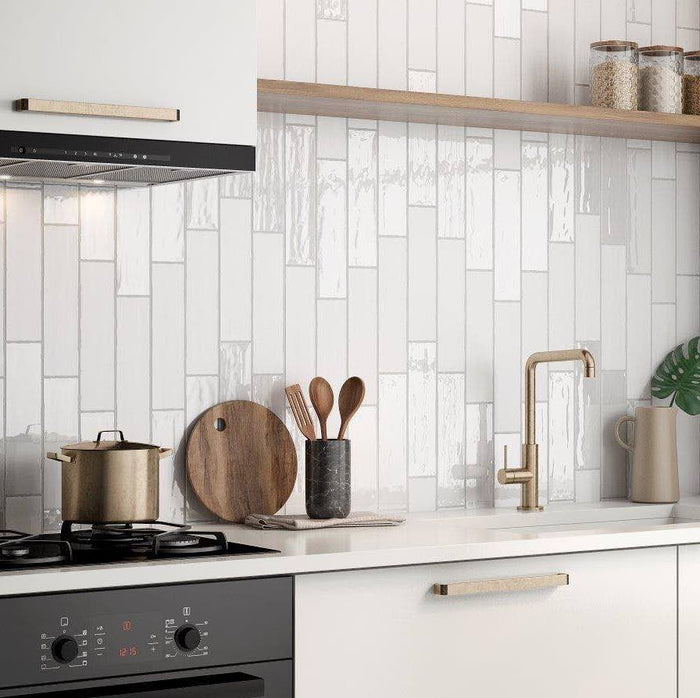 Textured tile adds visual interest, but alternatives can achieve a similar look without the cost of grout work.
Credit: www.mineraltiles.com
Textured tile adds visual interest, but alternatives can achieve a similar look without the cost of grout work.
Credit: www.mineraltiles.com
Open Shelving: Functional, Display-Focused Design
Open shelving replaces upper wall tiles with functional, stylish shelves that add storage and personality to your kitchen. It’s a great pick for small kitchens, as it opens up wall space and makes the room feel larger, and for homeowners who love displaying their favorite dishes, plants, and decor.
Best Materials for Kitchen Open Shelves
Wood (solid or engineered) is the most popular choice, as it adds warmth and can be stained or painted to match your kitchen’s aesthetic. Metal (steel or wrought iron) is more durable for heavy items, and works well for industrial or modern kitchens. Glass shelves are sleek and minimalist, but show dust and grease more easily, so they require more frequent cleaning. Choose finishes with a water-resistant sealant for shelves installed near the stove or sink to prevent warping.
Styling Tips to Avoid Clutter
A common mistake with open shelving is overcrowding it with too many items, which makes the kitchen feel messy and cluttered. Stick to a 60-30-10 rule: 60% functional items you use daily (like dishes, glasses, and cooking essentials), 30% decorative items (like plants, artwork, or vintage ceramics), and 10% negative space to let the design breathe. Group items in odd numbers for a more visually appealing arrangement, and vary the height of items to create visual interest.
When to Choose Open Shelving vs Closed Cabinets
Open shelving is a great pick if you have a small kitchen and want to make the space feel larger, or if you love displaying your favorite dishes and decor. However, if you have a lot of small, cluttered items, or if you cook frequently with a lot of grease and steam, closed cabinets may be a more practical choice, as they hide mess and protect items from grease and dust.
Chalkboard & Whiteboard Walls: Playful, Functional Accent Walls
Chalkboard and whiteboard paint turn kitchen walls into interactive spaces for note-taking, meal planning, and drawing, making them a great pick for families with kids or anyone who loves a playful, functional design.
Best Use Cases
Chalkboard and whiteboard paint are ideal for accent walls (behind the sink, next to the fridge, or above a kitchen desk) rather than full kitchen walls, as they can be overwhelming if used on every surface. They’re perfect for writing grocery lists, meal plans, and reminders, and provide a space for kids to draw while you cook.
Application Tips for a Smooth Finish
For best results, apply 2–3 thin coats of chalkboard or whiteboard paint to a smooth, primed wall, rather than one thick coat, which can lead to cracking and uneven surfaces. Let each coat dry fully (24–48 hours) before applying the next, and cure the surface for 3–5 days before writing on it to ensure the paint adheres properly. A common mistake is applying the paint too thickly, which leads to a gummy, uneven surface that’s hard to write on and clean. Avoid applying chalkboard or whiteboard paint to walls with direct, prolonged sunlight exposure, as this can cause the paint to yellow over time.
Maintenance and Longevity
Clean chalkboard walls with a damp cloth or chalkboard eraser, and avoid harsh chemical cleaners, which can damage the paint. Whiteboard walls can be cleaned with a dry cloth or whiteboard cleaner for stubborn marks. With proper care, chalkboard and whiteboard paint will last 3–5 years before needing to be reapplied.
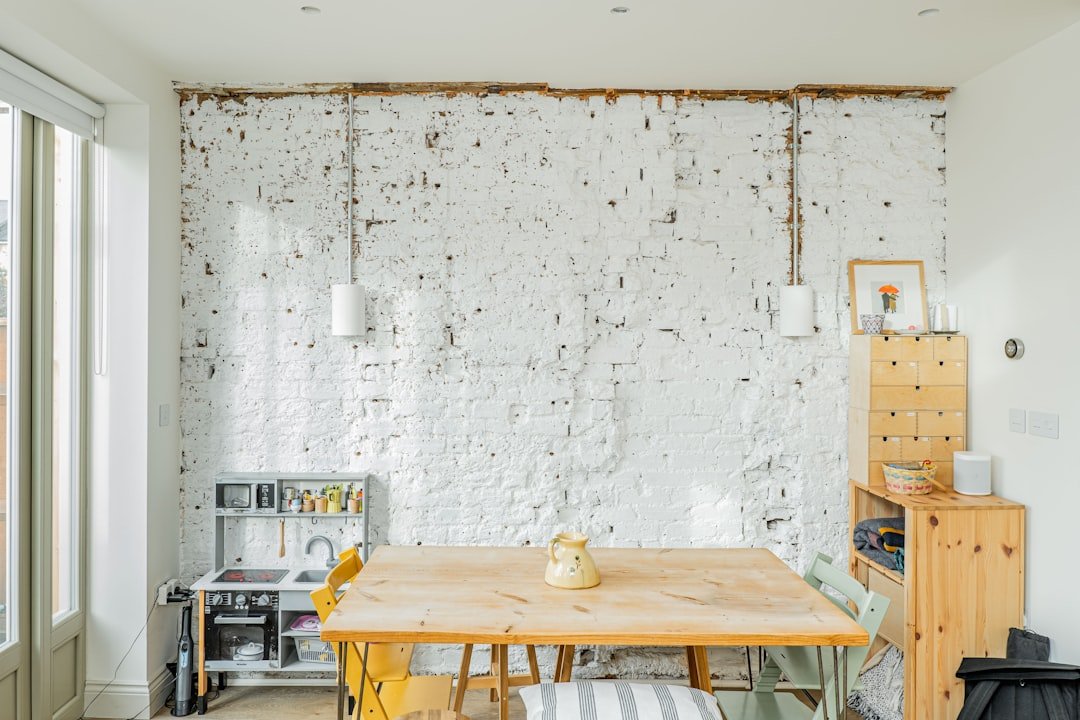
Brick & Stone Accent Walls: Rustic, Textural Focal Points
Brick and stone accent walls add texture, depth, and character to kitchen walls, creating a stunning focal point for rustic, industrial, and traditional kitchen designs. They’re available in natural and faux options to fit any budget and skill level.
Natural vs Faux Brick/Stone: Cost and Installation Comparison
Natural brick or stone is a premium option, costing $15–$30 per square foot, including professional installation, as it’s heavy and requires a structurally sound wall to support the weight. It ages beautifully, developing a unique patina over time, but is difficult and expensive to change once installed. Faux brick or stone panels are a budget-friendly alternative, costing $2–$10 per square foot, and are lightweight enough for DIY installation with peel-and-stick backing or simple adhesive. Faux materials closely mimic the look of real brick or stone, making them a great pick for renters or homeowners on a budget.
Sealing and Upkeep
Both natural and faux brick/stone need to be sealed with a penetrating sealant to protect against grease, moisture, and stains, especially in high-splash areas like behind the stove. Sealant should be reapplied every 2–3 years to maintain protection. Clean brick and stone walls with a soft brush and mild detergent, avoiding high-pressure washers, which can damage the surface. When selecting a brick or stone accent wall, refer to the National Kitchen and Bath Association’s design guidelines for recommendations on weight capacity, sealing, and safety for kitchen spaces.
Styling Tips for Every Kitchen Aesthetic
Exposed brick works perfectly for industrial and rustic kitchens, pairing well with stainless steel appliances and open shelving. For modern kitchens, use smooth, light-colored faux stone panels for a sleek, minimalist look. For traditional kitchens, choose faux brick with a weathered, aged finish to add charm and character.
 Traditional ceramic tiles are a common kitchen wall baseline, but many alternatives offer lower maintenance and more design flexibility.
Credit: www.tilemountain.co.uk
Traditional ceramic tiles are a common kitchen wall baseline, but many alternatives offer lower maintenance and more design flexibility.
Credit: www.tilemountain.co.uk
Budget and Installation Comparison
Use this quick comparison to find the best alternative for your budget, skill level, and design needs:
| Alternative | Average Cost Per Sq Ft | DIY Feasibility | Durability (1-5) | Maintenance Level | Best For Kitchen Style |
|---|---|---|---|---|---|
| Paint | $0.50–$2 | High | 3 | Low (touch-ups as needed) | All styles, especially small kitchens |
| Wood Paneling | $2–$15 | Medium–High | 4 | Medium (sealing, occasional refinishing) | Farmhouse, rustic, modern |
| Moisture-Resistant Wallpaper | $1–$8 | High | 2–3 | Medium (replace every 5–10 years) | Bold, eclectic, small accent walls |
| Metal Panels | $10–$25 | Low (professional recommended) | 5 | Low (wipe down as needed) | Industrial, modern, minimalist |
| Glass Panels | $15–$30 | Low (professional required) | 4 | Low (wipe with glass cleaner) | Modern, minimalist, small kitchens |
| Open Shelving | $5–$20 per shelf | High | 4 | Medium (dust and grease cleaning) | Farmhouse, industrial, small kitchens |
| Chalkboard/Whiteboard Paint | $10–$20 per gallon | Medium | 2–3 | Low (wipe clean as needed) | Family-friendly, eclectic, accent walls |
| Brick/Stone Accent Walls | $2–$30 | Medium (faux) / Low (natural) | 5 | Medium (sealing every 2–3 years) | Rustic, industrial, traditional |
Frequently Asked Questions
What Are The Best Tile Alternatives For Kitchen Walls?
The best tile alternatives depend on your budget, skill level, and design preferences. For budget-friendly DIY options, paint and peel-and-stick wallpaper are top picks. For durability and a modern look, metal or glass panels are ideal. For warm, textured charm, wood paneling or brick accent walls work well. For family-friendly functionality, chalkboard paint or open shelving are great choices.
How Do I Make Kitchen Walls Water-resistant Without Tiles?
To make kitchen walls water-resistant without tiles, opt for moisture-resistant paint with a satin or semi-gloss finish, seal wood paneling with polyurethane, or install non-porous materials like stainless steel or glass panels. Avoid porous materials like unsealed brick or untreated wood in high-splash areas behind sinks and stoves, as they can absorb moisture and lead to mold growth. For extra protection, install a backsplash of water-resistant material (like quartz or metal) behind the stove and sink to catch splashes.
Can Wallpaper Work Well In Kitchen Wall Spaces?
Yes, kitchen-grade moisture-resistant wallpaper works well for most kitchen walls, especially in low-splash areas away from the stove and sink. Avoid standard paper wallpaper, which will peel and warp in humid conditions. For high-splash areas, choose vinyl-coated, washable wallpaper, and consider adding a clear sealant over the wallpaper for extra protection. Peel-and-stick options are ideal for renters, as they can be removed without damaging the wall when you move out.
Are Wood Panels A Good Alternative To Kitchen Tiles?
Yes, sealed wood panels are a great alternative to kitchen tiles, offering warmth, texture, and a cozy aesthetic that tiles can’t match. For best results, choose moisture-resistant wood species (like maple, cedar, or teak) and seal all panels with a water-resistant finish to prevent warping and staining. Avoid installing wood paneling in areas with direct, constant water exposure (like directly behind a sink without a backsplash) unless it’s fully sealed.
Can I combine multiple wall alternatives in one kitchen?
Absolutely! Many homeowners mix materials to create a unique, layered look. For example, pair painted walls with a wood accent wall behind the stove, or add open shelving below a glass panel backsplash. Just make sure the materials you choose have complementary finishes and colors to avoid a disjointed look. For a cohesive design, stick to a 2–3 color palette and repeat materials throughout the space.
How long do non-tile kitchen walls last?
Lifespan varies by material: properly sealed wood paneling can last 20+ years, metal and glass panels can last 30+ years, moisture-resistant wallpaper lasts 5–10 years, and paint lasts 3–7 years in high-use kitchens before needing to be touched up or repainted. Regular maintenance (like sealing, cleaning, and touching up chips) will extend the lifespan of any material.
Final Tips for Choosing the Right Alternative
There’s no one-size-fits-all kitchen wall alternative: the best choice depends on your budget, DIY skill level, maintenance willingness, and overall kitchen design style. For low-cost, low-commitment updates, paint or peel-and-stick wallpaper are perfect. For long-lasting, low-maintenance durability, metal, glass, or sealed wood are top picks. For a cozy, personalized touch, open shelving, brick accents, or chalkboard paint add unique character.
If you’re still unsure which alternative fits your space, start by testing paint samples or small wallpaper swatches on your wall to see how they look in your kitchen’s natural light throughout the day. For more kitchen design tips to tie your new walls together, explore our guides on coordinating wall colors with your cabinetry coordinating wall colors with your cabinetry and choosing finishes that match your kitchen’s style.