Kitchen Wall Decorating Ideas Do It Yourself: Stunning DIY Tips
Your kitchen walls take a constant beating: grease splatters from stovetop cooking, steam from dishwashing, scuffs from grocery bags and kitchenware, and the occasional marker scribble from kids. Unlike living room or bedroom walls, kitchen surfaces need to be both beautiful and durable enough to withstand daily wear — and you don’t need a professional budget or years of renovation experience to make them shine. Whether you’re a renter looking for removable, no-drill updates or a homeowner ready for a permanent statement, these 2026-trending DIY kitchen wall decorating ideas are tailored to every skill level, budget, and style. We’ll walk you through critical prep steps, low-cost paint and tile techniques, functional decor that saves counter space, and upcycling projects that reduce waste while adding one-of-a-kind charm to your space.
Pre-Work: Essential Wall Prep for Long-Lasting DIY Results
Skipping wall prep is the most common cause of failed DIY kitchen wall projects: grease, dust, and loose paint will cause adhesives to peel, paint to chip, and decor to fall off within months. Follow these steps to ensure your work lasts for years, even in high-moisture, high-traffic kitchen conditions:
- Deep clean all surfaces: Use a degreasing cleaner to remove built-up cooking residue, especially behind the stove, near the sink, and above countertops. For stubborn, years-old grease stains, deep-cleaning greasy kitchen surfaces before starting any project will prevent paint and adhesive from failing down the line.
- Patch and sand: Fill small nail holes, cracks, or dents with spackle, let dry, then sand smooth for an even finish.
- Test for moisture: Press a piece of plastic wrap to the wall near the sink or stove, tape the edges, and leave it for 24 hours. If condensation forms underneath, you’ll need to address moisture issues (like leaky pipes or poor ventilation) before installing any decor to avoid mold growth behind walls.
- Prime if needed: For bold paint colors, porous surfaces like reclaimed wood, or walls with existing stains, apply a stain-blocking primer to ensure even coverage and long-lasting adhesion.
Pro Tip for Renters
Stick to removable adhesives (Command strips, removable tile adhesive, and no-nail hanging hardware) for all mounting and installation to avoid security deposit deductions. If you’re working with an IKEA kitchen layout, use their free online planner to map out decor placement and ensure your updates align with existing cabinet and fixture placements customizing wall decor for IKEA kitchen layouts. You can also read our guide on how to remove grease stains from painted kitchen walls.
Creative Paint Techniques for Custom, Low-Cost Impact
Paint is the most budget-friendly way to transform kitchen walls, with projects costing as little as $20 for a small accent wall. 2026 kitchen design trends lean toward warm, low-saturation hues that complement both neutral and bold cabinet finishes, but the best color choice depends on your existing space and style goals.
Accent Walls With Bold, On-Trend Colors
A single accent wall instantly adds depth and personality to a plain kitchen without the commitment of painting the entire room. For 2026, top on-trend shades for kitchen accent walls include muted terracotta, soft navy, warm olive, and deep burgundy — all of which pair seamlessly with popular cabinet finishes like white, gray, natural wood, and even bold green tones. To avoid clashing with your existing decor, test 3-4 paint swatches on your wall and view them at morning, afternoon, and evening, as natural and artificial light can drastically shift how a color appears.
- For kitchens with palettes that pair with green cabinetry, soft warm whites, pale sage, or muted cream create a balanced, earthy feel that avoids clashing with cool green tones.
- For kitchens with coordinating shades for brown cabinet setups, light cool grays, soft beige, or muted blue add brightness without competing with warm wood undertones. A common DIY mistake is painting a small, hidden wall (like the space behind the fridge) as an accent: choose a wall that’s visible from the main entrance of your kitchen for maximum impact.
Stenciling for Custom Patterns (No Art Skills Needed)
Stenciling lets you add custom, high-end patterns to your walls without the cost of wallpaper or the skill of freehand painting. For kitchens, opt for subtle, easy-to-clean patterns like geometric shapes, botanical prints, or tile-inspired designs that hide small grease splatters better than solid paint. To avoid the most common stenciling error (paint bleeding under stencil edges), use a dense foam sponge instead of a brush, dab lightly instead of stroking, and apply two thin coats of paint instead of one thick layer. Secure the stencil with painter’s tape, and overlap edges slightly for a seamless, repeating pattern. Metallic paint adds a subtle shimmer that looks stunning under under-cabinet lighting.
Chalkboard and Whiteboard Paint Zones
Chalkboard paint turns a small section of wall into a functional, playful space for grocery lists, meal plans, family notes, or even doodles while waiting for water to boil. Unlike older formulas that yellowed over time, 2026 chalkboard paints are low-odor, grease-resistant, and easy to clean with a soft, damp cloth (avoid abrasive scrubbers, which can wear down the finish). For the most practical placement, paint a narrow 12-inch strip above your prep station, or the inside of a cabinet door for hidden, out-of-sight notes. If you have existing kitchen tile you want to keep, paint a small chalkboard section directly adjacent to the tile for a coordinated look complementing tile decor with chalkboard accents.
DIY Tile and Backsplash Ideas That Withstand Kitchen Wear
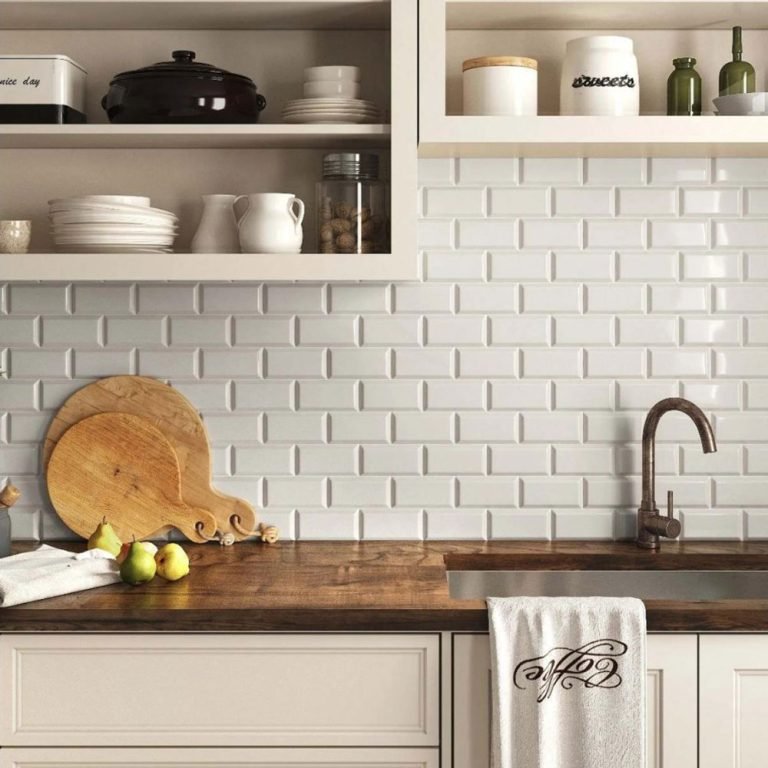
Tile backsplashes protect walls from grease, steam, and splatters while adding texture and visual interest to your kitchen. You don’t need professional tiling skills to install a stunning, durable backsplash with these DIY-friendly options:
Peel-and-Stick Tiles: Renter-Friendly, No-Mess Updates
Modern 2026 peel-and-stick tiles have come a long way from the flimsy, short-lived versions of the past: most feature a grease-resistant coating and heavy-duty adhesive that holds up to kitchen steam and splatters for 3+ years with proper installation. They’re ideal for renters, DIYers without tiling experience, or anyone who wants to update a backsplash behind the stove or sink in a single afternoon. For a seamless finish, apply tiles to a clean, dry, flat surface, use a rubber roller to press out all air bubbles, and apply grout (if desired) to hide seams. The only trade-off is that peel-and-stick tiles are less durable than permanent thin-set tile in high-traffic areas behind sinks, where constant water exposure can weaken adhesive over time.
Upcycled Mosaic Backsplashes
A mosaic backsplash made from recycled materials is a one-of-a-kind, eco-friendly alternative to store-bought tile. You can use broken ceramic dishes, old glass bottles, reclaimed wood scraps, or even leftover tile from other renovation projects to create a custom design. For a cohesive look, group materials by color to create a gradient effect, or use contrasting tones for a bold statement. Always wear gloves when cutting glass or ceramic, and seal the finished mosaic with a clear, food-safe sealant to prevent grime and grease from settling in gaps between pieces. For kitchens with grey cabinetry, mosaic palettes that complement grey cabinetry with pops of terracotta, navy, or soft green create a balanced, modern contrast.
Permanent Thin-Set Tile for Long-Term Use
If you’re a homeowner planning to stay in your space long-term, traditional thin-set mortar tile is the most durable option for high-traffic backsplashes. To save money, shop for "mis-tint" tile at hardware stores for 50-70% off retail price, and create a random, eclectic pattern that hides imperfect cuts — no professional tiling skills required for a basic running bond or grid layout.
 A low-commitment peel-and-stick wallpaper option that adds subtle texture to a kitchen accent wall
Credit: www.familyhandyman.com
A low-commitment peel-and-stick wallpaper option that adds subtle texture to a kitchen accent wall
Credit: www.familyhandyman.com
Wall Art and Functional Decor That Doubles as Storage
Wall decor doesn’t have to be purely decorative: these DIY projects add style while solving common kitchen storage problems.
Framed Gallery Walls That Don’t Look Cluttered
A gallery wall adds personality to a blank kitchen wall without overwhelming the space. Follow the 2-3-3 rule for a balanced look: 2-3 large anchor pieces, 3-4 medium-sized accents, and leave 2-3 inches of space between all frames for a clean, cohesive feel. For kitchen-specific art, opt for functional pieces like vintage food posters, framed magnetic boards for notes, or custom art printed with your favorite family recipes. Use adhesive picture hanging strips instead of nails if you’re a renter, or want to avoid patching holes later.
DIY Floating Shelves for Style and Storage
Floating shelves add both storage and visual interest to kitchen walls, and are far more affordable than custom built-ins. For kitchen use, opt for sealed hardwood or moisture-resistant MDF to avoid warping from steam, or sand and seal reclaimed pallet wood for a rustic farmhouse look. Always anchor shelves to wall studs (not just drywall) to support heavy items like cookbooks, glass jars, and dishware. If you’re removing an old wall-mounted fixture (like an outdated faucet) before installing shelves, follow proper steps to removing old wall-mounted fixtures to avoid damaging your drywall. Upcycle idea: Mount old wooden crates as open shelves for a vintage, farmhouse-inspired look that holds mugs, tea towels, and small plants.
Hanging Plants That Thrive in Kitchen Conditions
Hanging plants add fresh, natural greenery to kitchen walls without taking up valuable counter space. For low-humidity, low-light kitchen spaces, opt for low-maintenance varieties like pothos, spider plants, snake plants, and small herb varieties like basil and mint. Mount plants on adjustable hooks near a sunny window, or install a wall-mounted rail with small pots for easy access while cooking. Use self-watering pots to avoid overwatering, which can cause water damage and mold growth on your walls over time. A small hanging herb garden also lets you grow fresh cooking ingredients right at your fingertips.
Functional Wall Features That Save Counter Space
These DIY projects combine style and practicality to free up cluttered kitchen countertops:
Magnetic Knife Strips
A magnetic knife strip keeps your most-used cooking tools within reach while freeing up drawer space and eliminating the risk of dull blades from crowded storage. Mount the strip at a height that’s comfortable for your reach, 6-12 inches away from the edge of the counter to avoid accidental knocks, and always anchor it to wall studs to support the weight of heavy knives. Wooden strips complement farmhouse and rustic kitchens, while stainless steel strips fit modern and industrial spaces.
Wall-Mounted Pot Racks
A wall-mounted pot rack is a game-changer for small kitchens with limited cabinet storage. It holds pots, pans, and lids while adding a decorative rustic or industrial element to your wall. Mount the rack above your stove or prep area for easy access, and leave 12 inches of clearance between the rack and your head to avoid bumps while cooking.
Hanging Herb Gardens
A wall-mounted herb garden lets you grow fresh cooking ingredients right in your kitchen, no outdoor space required. For a no-fuss DIY version, mount small glass jars on a wooden board with metal brackets, or hang a fabric pocket organizer on a Command strip for a no-drill option. Best herbs for indoor kitchen growing include basil, mint, parsley, and chives, all of which thrive in the warm, bright conditions near a kitchen window. Place the garden within arm’s reach of your prep station to make adding fresh herbs to meals effortless.
Upcycling and Repurposing for Unique, Eco-Friendly Decor
Upcycling old items into kitchen wall decor saves money, reduces waste, and adds a one-of-a-kind, personal touch to your space that no store-bought decor can match.
Vintage Window Frames as Wall Accents
Old wood window frames (from salvage yards, flea markets, or your own home renovation leftovers) make stunning, rustic wall accents. Remove the glass, sand the frame to remove any loose paint, and paint or stain it to match your kitchen’s style. Use the divided panes to display small potted herbs, family photos, vintage recipe cards, or small kitchen ephemera like cookie cutters or vintage utensils. Add small Command strips to the back of items placed in the panes to avoid them falling when the door opens.
Repurposed Wooden Crates and Pallets
Wooden crates and pallets are free or low-cost materials that can be transformed into custom wall storage. Sand thoroughly to remove splinters, seal with a water-resistant, food-safe finish to protect against kitchen grease and moisture, then mount vertically as a spice rack, horizontally as a shelf for cookbooks, or stack two crates to create a small storage nook for mugs and tea towels. To avoid avoiding grease and splinter damage to your painted walls, place a small silicone mat under crates mounted near the stove to catch drips and crumbs.
Vintage Plates and Metal Signs
Vintage decorative plates and metal kitchen signs add color and nostalgia to your wall. Look for unique plates at thrift stores or flea markets, and use invisible plate hangers to mount them in an odd-numbered grouping (3, 5, or 7) for a balanced gallery wall. Vintage metal signs with kitchen-themed quotes or retro branding add a playful, nostalgic touch; avoid hanging heavy items directly above the stove or sink, where steam and splatters can damage them over time.
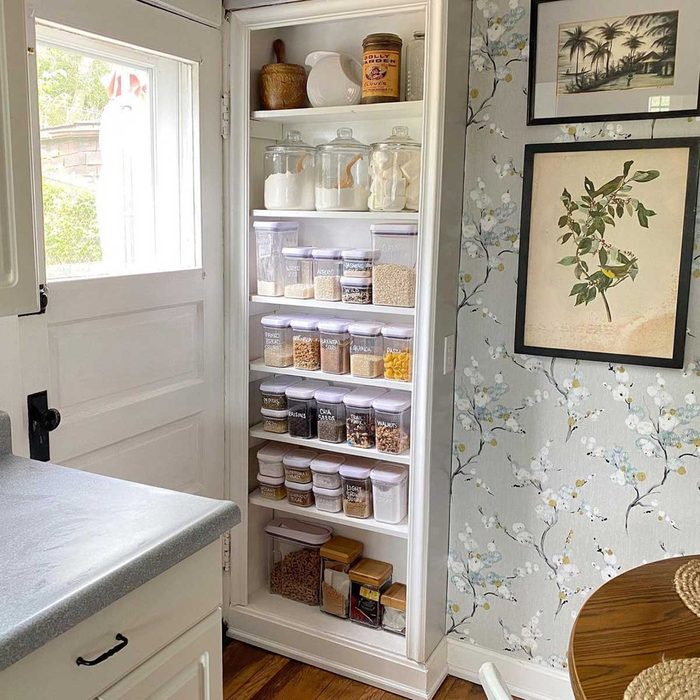 Floating DIY shelves combine functional storage with decorative displays of cookware and plants
Credit: www.familyhandyman.com
Floating DIY shelves combine functional storage with decorative displays of cookware and plants
Credit: www.familyhandyman.com
Lighting Enhancements to Highlight Your Wall Decor
Even the most beautiful wall decor will fall flat without proper lighting to highlight it. These DIY lighting upgrades add warmth, functionality, and visual interest to your kitchen walls:
String Lights for Ambient Warmth
String lights are an affordable, no-wiring way to add a cozy glow to dark kitchen corners or frame a gallery wall. 2026 trends favor Edison bulb string lights for a vintage look, or solar-powered string lights near kitchen windows to reduce energy use. Use Command clips to attach lights to walls or shelves without leaving holes, making this option perfect for renters. For a playful touch, use warm white bulbs for a calm, cozy feel, or colorful bulbs to add personality to a kids’ kitchen or breakfast nook.
Under-Shelf LED Lighting
Under-shelf LED strips highlight decor on open shelves, make it easier to find spices and kitchenware, and add subtle depth to flat walls. Opt for battery-operated LED strips to avoid running wires behind walls, which is ideal for renters and DIYers without electrical experience. Choose dimmable LEDs to adjust brightness for cooking (bright, focused light) vs. entertaining (soft, ambient light).
Decorative Wall Sconces
Wall sconces add both style and functional task lighting to your kitchen, without taking up any counter space. For prep areas, opt for gooseneck sconces that direct light exactly where you need it for chopping and cooking. For dining nooks or above kitchen islands, shaded sconces add soft ambient light for meals and gatherings. Plug-in sconces are a no-hassle, no-wiring option for renters, while hardwired sconces are a great permanent upgrade for homeowners — always turn off power to the area at the breaker before installing hardwired fixtures for safety. For safe installation practices, follow safe wall mounting guidelines to ensure sconces are securely anchored to wall studs.
 A functional chalkboard wall zone for grocery lists, meal plans, and family notes
Credit: www.designcafe.com
A functional chalkboard wall zone for grocery lists, meal plans, and family notes
Credit: www.designcafe.com
Frequently Asked Questions
What Are Easy Kitchen Wall Decorating Ideas for Beginners?
Start with no-tool, low-commitment projects first: apply peel-and-stick tile to a small backsplash section, use adhesive stencils to add a pattern to an accent wall, or hang a gallery wall with adhesive picture strips. All of these take 2 hours or less, require no special skills, and can be removed or adjusted if you don’t like the result. For renters, stick to removable adhesives only to avoid damage to your security deposit.
How Can I Decorate Kitchen Walls Myself Without Spending a Fortune?
Prioritize upcycled and budget-friendly materials: use broken ceramic dishes for a mosaic backsplash, repurpose old wooden crates as shelves, or print free botanical art at home and frame it with thrifted frames. Most of these projects cost less than $50 total, compared to $200+ for professional installation of similar features. Focus on one small area at a time to avoid feeling overwhelmed.
Which Materials Suit High-Moisture Kitchen Wall Decor?
Stick to moisture-resistant materials to avoid warping, mold, or peeling: sealed hardwood, ceramic or glass tile, vinyl peel-and-stick products, and mildew-resistant chalkboard paint. Avoid untreated fabric art, paper prints without a protective sealant, or unsealed wood in areas near the stove or sink, as these will degrade quickly from steam and grease.
How To Choose Colors For Kitchen Walls That Pair With Existing Cabinets?
For white or light gray cabinets, almost any color works, but warm neutrals like beige, soft terracotta, or muted sage create a cozy, inviting feel. For dark wood or green cabinets, opt for light, cool tones like soft white, pale gray, or muted blue to balance the space and make it feel larger. For bold cabinet colors like navy or burgundy, stick to neutral wall colors to avoid overwhelming the room. Always test paint swatches on your wall and view them at different times of day, as natural and artificial light can drastically change how a color looks.
Conclusion
Transforming your kitchen walls doesn’t require a massive budget, professional skills, or permanent changes that you’ll regret later. From bold accent walls and custom stenciled patterns to upcycled mosaic backsplashes and functional floating shelves, there’s a DIY project for every skill level, style, and living situation. The key to success is starting with proper wall prep, choosing materials that can withstand kitchen wear, and starting small with low-commitment updates before tackling larger permanent projects. Whether you’re a renter looking for a no-drill refresh or a homeowner ready for a full wall makeover, these ideas will help you create a kitchen space that feels uniquely yours, every single day. Ready to start your first project? Begin with a low-commitment update like a stenciled accent wall or a set of floating shelves, and build from there. For step-by-step guidance on prepping greasy kitchen surfaces to ensure your DIY decor lasts for years, deep-clean your walls properly before starting any paint or adhesive project.