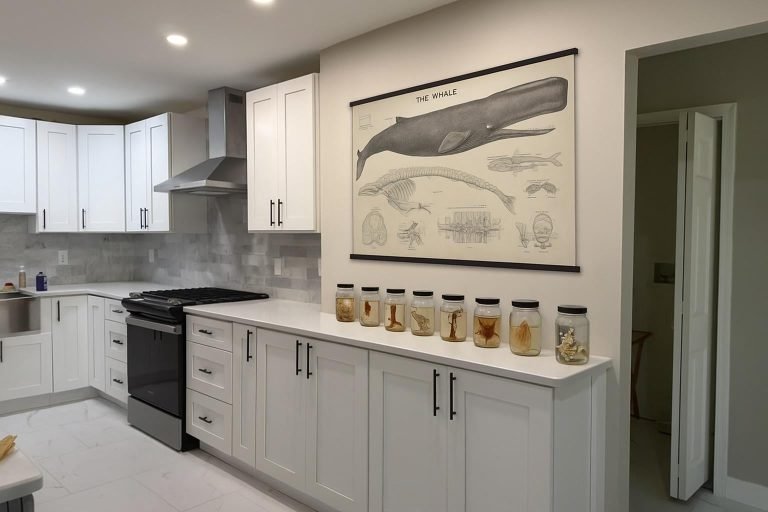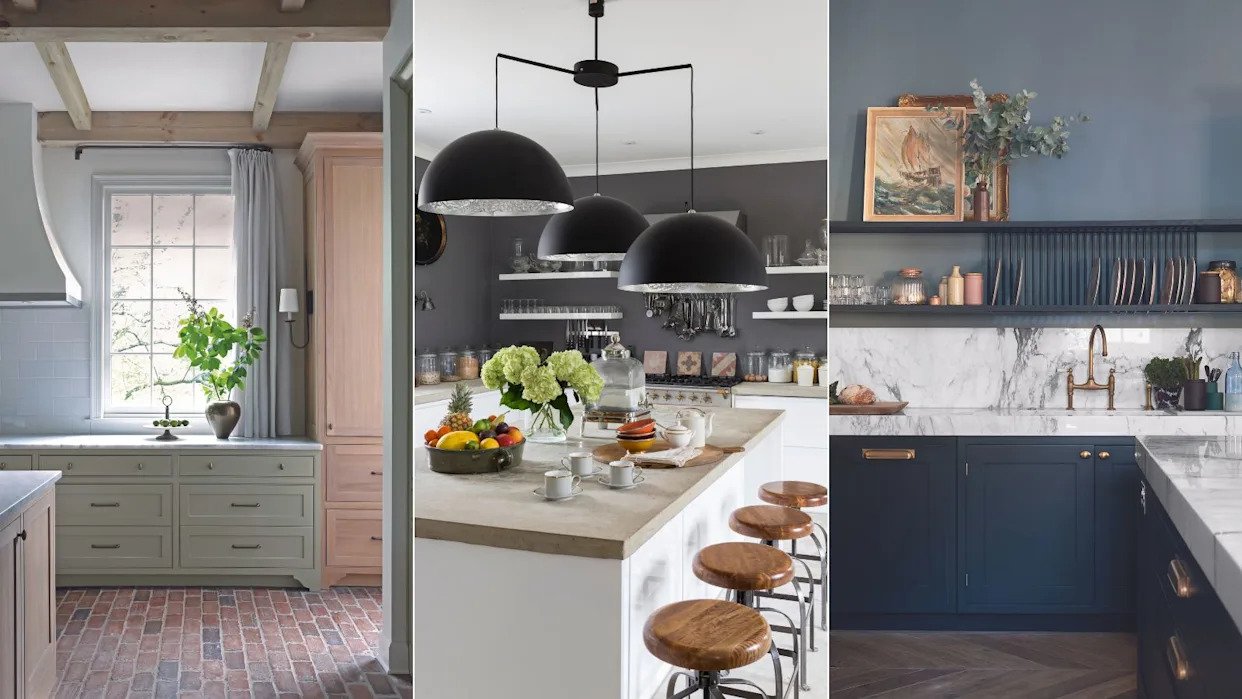
Gray Walls What Color Kitchen Cabinets: Stunning Color Combos
Gray remains one of the most popular kitchen wall colors for good reason: its neutral, versatile base works with every design style, from modern farmhouse to industrial minimalist, and hides scuffs and marks far better than bright white or bold hues. But that same versatility can make picking the right cabinet color feel overwhelming. The wrong pairing can leave your kitchen feeling cold, drab, or disjointed, while the right combo creates a space that feels balanced, inviting, and uniquely yours.
This guide breaks down actionable, design-vetted cabinet color pairings for gray walls, tailored to every style preference, lighting condition, and budget. We’ll cover how to account for wall undertones, low-risk neutral combos, bold statement options, two-tone ideas, and common mistakes to avoid, so you can finalize your cabinet choice with confidence. For more on this, see our guide on what color to paint kitchen walls with gray.
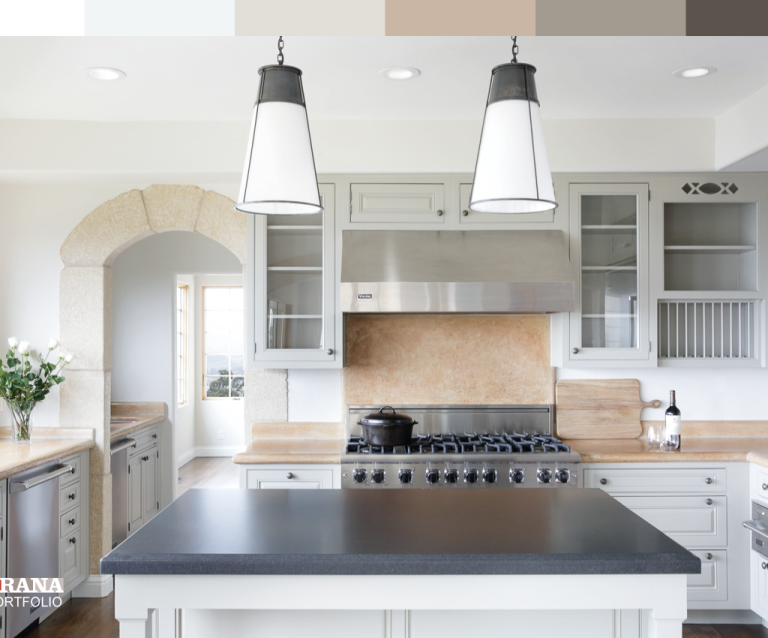
 Warm beige cabinets balance cool gray walls for a cozy, traditional kitchen vibe.
Image source: georgeintl.com
Warm beige cabinets balance cool gray walls for a cozy, traditional kitchen vibe.
Image source: georgeintl.com
Start With Gray Wall Undertones: The Foundation of a Perfect Combo
Not all gray is created equal. Gray walls fall into three main undertone categories, and matching your cabinet color to your wall’s base tone is the first step to a cohesive palette. Industry guidelines from the National Kitchen and Bath Association emphasize that this undertone match is the most reliable way to avoid clashing, disjointed design, per NKBA design standards.
- Cool gray has subtle blue, green, or purple undertones, and feels crisp and modern. It pairs best with cool cabinet tones like navy, sage, and bright white.
- Warm gray has beige, taupe, or brown undertones, and feels cozy and inviting. It works best with warm cabinet tones like oak, cream, and terracotta.
- Neutral true gray has no obvious undertone, and is flexible enough to pair with almost any cabinet color.
To test your wall’s undertone, hold a piece of white paper next to your gray wall in natural light. If the wall looks blue or green next to the white, it’s cool; if it looks beige or brown, it’s warm. For example, cool blue-gray walls will look drab next to warm beige cabinets, while warm taupe-gray walls will feel muddy paired with cool navy cabinets, even if both gray shades look neutral on the paint chip. This small step eliminates 90% of cabinet pairing mismatches in practice. For more on this, see our guide on light gray kitchen cabinets what color walls.
Best Cabinet Color Combos for Every Style
Once you’ve identified your wall undertone, you can narrow down cabinet colors that align with your desired kitchen vibe. Below are the most popular, design-vetted combos for every aesthetic.
Timeless Neutral Combos
Neutral cabinet colors are low-risk, long-lasting, and work with nearly any gray wall undertone. They’re ideal if you plan to sell your home soon or prefer a calm, uncluttered space.
- Bright white cabinets: Paired with cool gray walls, bright white creates a crisp, airy modern look that bounces light around small or dim kitchens. For warm gray walls, opt for warm off-white or cream cabinets to avoid a sterile, cold feel.
- Matching gray cabinets: Use a lighter shade of gray for upper cabinets and a darker shade for lower cabinets to add depth without harsh contrast. Match the cabinet gray’s undertone to your wall gray for perfect cohesion.
- Black or matte black cabinets: Paired with light or medium gray walls, black cabinets add sleek, sophisticated drama perfect for industrial or minimalist kitchens. Add brass or gold hardware to warm up the cool contrast, and pair with white countertops to prevent the space from feeling dark.
Warm, Cozy Combos
If you want to avoid a cold, uninviting kitchen, warm cabinet tones balance cool gray undertones to create a welcoming, lived-in feel.
- Natural wood finishes: Light oak or maple cabinets brighten small or dim kitchens and pair seamlessly with cool gray walls for a fresh, Scandinavian vibe. Medium walnut or cherry cabinets add rich, timeless warmth to warm gray walls, perfect for traditional or farmhouse styles. Dark espresso wood cabinets create high contrast with light gray walls for a luxe, dramatic look.
- Warm neutral cabinets: Beige, taupe, or soft terracotta cabinets add subtle warmth to gray walls without overwhelming the space. They pair beautifully with woven rugs, wooden cutting boards, and linen curtains for a cozy, organic feel.
- Clay or rust tones: Muted terracotta or clay cabinets bring earthy, sunny warmth to cool gray walls, ideal for rustic-modern kitchens with lots of natural light.
Cool, Sleek Combos
Cool cabinet tones enhance gray’s natural calmness for a polished, contemporary kitchen aesthetic.
- Navy blue cabinets: Deep navy adds sophisticated, moody contrast to cool gray walls, and hides smudges and fingerprints far better than lighter shades, making it a practical choice for busy families. Pair with brass hardware and light oak flooring to balance the cool tones.
- Soft blue or sage green cabinets: Pale blue creates a bright, coastal vibe perfect for beach homes or small kitchens, while muted sage green adds earthy, calming depth to neutral gray walls. Pair both with white countertops and subway tile backsplashes to keep the space feeling open. If you’re exploring green cabinetry, matching wall colors to green kitchen cabinets will keep your palette feeling intentional, not mismatched.
- Deep emerald or forest green cabinets: For a bold, luxurious statement, pair emerald cabinets with medium gray walls and marble countertops. The cool gray grounds the rich green, while marble’s white veining keeps the combo from feeling overwhelming. This pairing works especially well for a standalone kitchen island.
Bold, Playful Combos
If you want your kitchen to reflect your personality, bold cabinet colors create a high-impact, memorable space against subtle gray walls.
- Burgundy or deep red cabinets: This warm, dramatic pairing adds luxe energy to cool gray walls. Pair with black countertops and copper hardware for a rich, moody vibe that feels both traditional and modern.
- Mustard yellow or ochre cabinets: Sunny, energetic mustard adds a playful pop to light gray walls, and pairs beautifully with white backsplashes and black hardware for a high-contrast, contemporary look.
- Soft pastel cabinets: Blush pink, mint green, or pale lavender cabinets add a gentle, sophisticated touch to gray walls, perfect for cottage-style or small kitchens. They reflect light well to keep the space feeling airy, and pair beautifully with gold or rose gold hardware.
Two-Tone and Mixed Cabinet Ideas for Gray Walls
Mixing cabinet colors is a great way to add personality to your gray-walled kitchen without committing to a full bold color. Gray’s neutral base makes it the perfect backdrop for mixed cabinet designs.
Upper/Lower Two-Tone Cabinets
The most popular mixed cabinet style uses darker shades for lower cabinets and lighter shades for upper cabinets to ground the space and keep it feeling airy. For example, pair navy lower cabinets with soft white upper cabinets against cool gray walls for a modern, cozy vibe. If your kitchen is small or dim, stick to light upper cabinets to reflect light and open up the space. Add under-cabinet lighting to highlight the color transition and add depth.
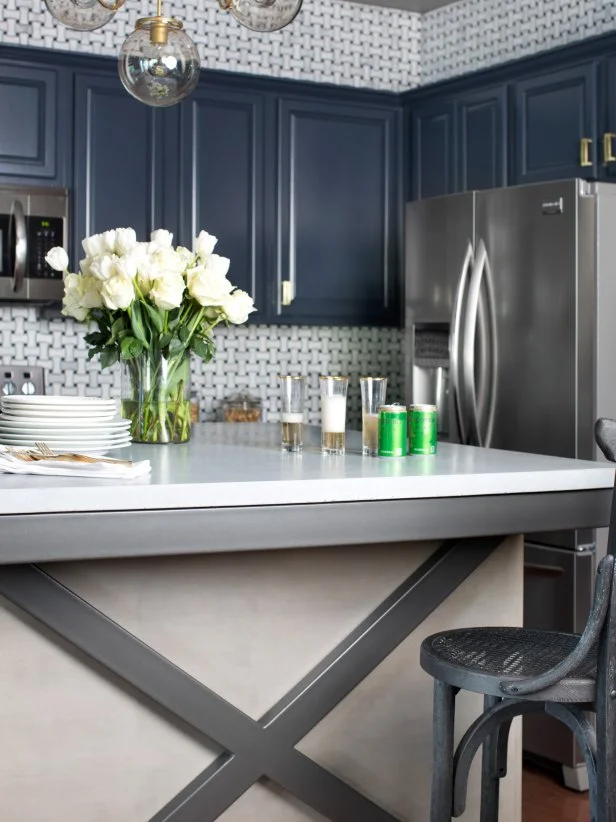 Two-tone cabinets against gray walls create visual hierarchy without overwhelming small kitchen spaces.
Image source: www.hgtv.com
Two-tone cabinets against gray walls create visual hierarchy without overwhelming small kitchen spaces.
Image source: www.hgtv.com
Accent Island or Nook Cabinets
If you’re not ready to paint all your cabinets a bold color, paint only your kitchen island, breakfast nook, or built-in pantry a contrasting shade. For example, pair warm gray walls with a neutral base cabinet color, then paint the island deep emerald for a subtle focal point. Match the accent color to small decor elements like pendant lights, bar stools, or a rug for a cohesive, intentional look.
Open Shelving Color Blocking
Open shelving is a low-commitment way to add color and texture to your gray-walled kitchen. Paint your open shelves a contrasting shade (like deep blue or natural wood) to add visual interest, and keep displayed items in neutral tones to avoid clutter. This is also a budget-friendly option for renters who can’t paint permanent cabinets.
Tie It All Together: Hardware, Countertops, and Backsplashes
The right hardware, countertops, and backsplashes will tie your gray wall and cabinet combo together into a polished, intentional design.
Metal Hardware Finishes That Work
Hardware finishes set the tone for your entire kitchen:
- Brushed nickel pairs seamlessly with cool gray walls and cool cabinet tones for a sleek, modern look.
- Oil-rubbed bronze adds warm, rustic contrast to warm gray walls and wood cabinets.
- Matte black creates a bold, low-maintenance statement for industrial or contemporary kitchens, and works with both cool and warm gray walls.
- Polished brass or gold adds luxe warmth to dark cabinets (navy, black, emerald) and cool gray walls, and pairs beautifully with marble countertops.
Countertop and Backsplash Pairing Rules
A simple rule of thumb: if you choose bold cabinet colors, keep countertops and backsplashes neutral (white quartz, marble, or subway tile) to avoid clashing. If you opt for neutral cabinets, you can add subtle pattern to your backsplash (herringbone tile, concrete-look tile, or a subtle stone slab) for extra interest. High contrast between dark cabinets and light countertops also makes small kitchens feel larger and more open.
Lighting to Make Your Combo Shine
Lighting can make or break your cabinet and wall pairing:
- Use warm 2700K-3000K light bulbs to soften cool gray walls and warm up cool cabinet tones.
- Add under-cabinet lighting to eliminate shadows and highlight your cabinet color and hardware.
- Pendant lights over your island can match your hardware finish for extra cohesion.
- Maximize natural light if you choose bold cabinet colors (like burgundy or emerald) to prevent the space from feeling dark or cramped.
How to Test Cabinet and Gray Wall Combos Before Committing
Never rely solely on online photos or small paint swatches when choosing a cabinet color. Follow these steps to test your combo in your actual space:
- Order physical swatches: Get large cabinet finish and paint samples from your manufacturer or paint store, as small swatches can look drastically different when scaled up.
- Test in all lighting conditions: Hold swatches against your gray walls at 9am, 12pm, and 6pm to see how undertones shift in morning light, midday sun, and evening artificial light.
- Live with the swatch for 3 days: Tape the swatch to your wall and look at it while you cook, clean, and go about your daily routine to make sure you don’t grow tired of the pairing.
- Compare to fixed elements: Hold swatches next to your flooring, appliances, and countertops to ensure all elements tie together seamlessly.
Common Mistakes to Avoid When Pairing Cabinets With Gray Walls
Even experienced homeowners run into these common pitfalls when matching cabinets to gray walls:
- Ignoring wall undertones: Warm beige cabinets will look mismatched next to cool blue-gray walls, even if both are neutral. Always match undertones for a cohesive look.
- Choosing cabinet colors that clash with your lighting: Dim kitchens need lighter cabinet colors to reflect available light; bold dark colors will make the space feel cramped and dark.
- Overlooking cabinet finish: Glossy finishes reflect more light and make colors pop, but show smudges and fingerprints easily. Matte finishes are more forgiving for busy households and give a softer, more muted look.
- Mixing too many bold elements: If you choose bold cabinets (like emerald or burgundy), keep your backsplash, countertops, and decor neutral to avoid a cluttered, overwhelming feel. If you’re updating your faucet alongside cabinet changes, proper removal of a wall-mounted kitchen faucet will prevent scratches or damage to your new cabinet finishes.
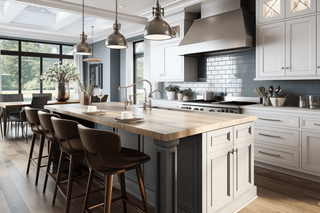 Warm wood cabinet finishes neutralize cool gray undertones for an inviting, lived-in kitchen feel.
Image source: homecabinets.com
Warm wood cabinet finishes neutralize cool gray undertones for an inviting, lived-in kitchen feel.
Image source: homecabinets.com
Frequently Asked Questions
What cabinet colors look best with light gray walls?
Light gray walls are extremely versatile: bright white, warm cream, light oak, soft pastels (pale blue, mint), and deep navy all work beautifully. For a cozy feel, pair with warm wood tones; for a sleek modern look, pair with matte black or glossy white cabinets.
Can I pair dark cabinets with gray walls?
Yes, but stick to medium or light gray walls to avoid a cave-like effect. Dark espresso, black, or navy cabinets pair perfectly with light gray walls, especially when paired with light countertops (white quartz, marble) and ample task lighting.
Do warm or cool cabinets work better with gray walls?
It depends entirely on your wall’s undertone: cool gray (blue/green undertones) pairs best with cool cabinets (navy, sage, bright white), warm gray (beige/taupe undertones) pairs best with warm cabinets (oak, cream, terracotta), and neutral true gray works with almost any tone.
How can I make gray walls and cabinets feel less cold?
Add warm, textured elements: wood flooring, woven jute rugs, brass or oil-rubbed bronze hardware, warm 2700K lighting, and natural decor like linen curtains or wooden cutting boards. Even small warm accents keep the space from feeling sterile.
Are two-tone cabinets a good idea with gray walls?
Absolutely! Gray walls are the perfect neutral backdrop for two-tone cabinets. Try darker lower cabinets and lighter upper cabinets to ground the space, or paint only your island a bold color for a subtle, high-impact statement.
Conclusion
Gray walls are a timeless, versatile foundation for almost any kitchen cabinet color, as long as you account for undertones, lighting, and your personal style. Timeless neutrals like white and warm wood offer low-risk, long-lasting appeal, while bold options like navy and emerald add personality and drama. Two-tone designs and mixed cabinet styles let you customize the look even further without overwhelming the space.
Before you finalize your cabinet order, grab 3-4 paint and finish swatches, hold them against your gray walls in both morning and evening light, and snap photos to compare how they look at different times of day. This small, low-effort step ensures you land a combo you’ll love for years to come. For homeowners working with brown cabinetry instead of gray walls, coordinating wall shades for brown kitchen cabinets will help you create a similarly cohesive, intentional palette.