Light Grey Kitchen Cabinets What Color Walls: Stunning Color Combos
Light grey kitchen cabinets have cemented their spot as a top 2026 design staple, prized for their ability to blend seamlessly with every style from minimalist contemporary to warm modern farmhouse. But the secret to unlocking their full potential lies in the wall color you pair them with: the right shade will make your space feel bright, cohesive, and uniquely yours, while the wrong choice can leave your kitchen feeling cold, washed out, or disjointed. Whether you’re renovating a compact galley kitchen or refreshing a large, open-concept space, we’ve curated stunning, vetted color combos, pro tips for avoiding common mistakes, and actionable advice to help you find the perfect wall match for your light grey cabinetry.
Why Light Grey Kitchen Cabinets Are a 2026 Design Staple
Light grey’s neutral base means it works with every popular kitchen design trend, from sleek industrial spaces with stainless steel appliances to cozy cottage kitchens with vintage hardware. Unlike stark white or bold black cabinets, light grey doesn’t force a specific aesthetic, so you can easily update your decor, accents, and even cabinet hardware down the line without a full remodel. This flexibility makes it a top choice for homeowners who want a long-lasting, timeless look that won’t feel outdated in a few years.
Most light grey cabinet finishes have a Light Reflectance Value (LRV) between 50 and 65, meaning they bounce natural and artificial light around the room without the harsh, clinical feel of pure white cabinets. This makes them ideal for kitchens with limited natural light, as they help brighten dark corners and make small spaces feel significantly more open. For windowless galley kitchens, pairing light grey cabinets with high-LRV wall colors can create the illusion of extra square footage without the need for costly light fixture upgrades.
One of the biggest drawbacks of white cabinets is their tendency to show every smudge, fingerprint, and food splatter. Light grey, by contrast, hides everyday messes far better, reducing the need for frequent deep cleaning. It also shows less wear and tear over time, so scuffs and scratches are far less noticeable than they would be on lighter or darker cabinet finishes. For busy families or home cooks who use their kitchen daily, this low-maintenance benefit is a major selling point.
Light grey pairs effortlessly with every common kitchen finish, from warm oak and walnut hardwood floors to cool marble and quartz countertops. It also works with every hardware finish: brushed brass, matte black, polished nickel, and oil-rubbed bronze all look intentional against light grey, so you don’t have to replace your hardware if you update your wall color later. This universal compatibility eliminates the stress of matching new elements to your existing cabinetry.
Core Principles for Pairing Wall Colors With Light Grey Cabinets
This foundational guidance will help you narrow down your options and avoid common, costly mistakes before you even pick up a paint swatch. Every successful pairing starts with these three rules:
1. Match Undertones First to Avoid Muddy Clashes
All grey shades have either cool (blue/green) or warm (yellow/brown) undertones, and mismatching these undertones with your wall color is the most common cause of disjointed, muddy kitchen designs. To test your cabinet’s undertone, hold a plain white piece of printer paper next to an open cabinet door: if the grey looks like it has a blue or green tint, it’s cool; if it looks like it has a yellow or brown tint, it’s warm. Pair cool grey cabinets with wall colors that have matching cool undertones (soft blue, cool greige, pale green) for a cohesive, fresh look. Pair warm grey cabinets with warm undertones (creamy white, soft beige, muted peach) to keep the space feeling inviting and balanced.
2. Account for Your Kitchen’s Unique Lighting
Lighting changes how every paint color appears, so a shade that looks perfect on a store swatch can look completely different in your kitchen. South-facing kitchens get warm, golden sunlight all day, so cool wall tones will balance that warmth and prevent the space from feeling too yellow. North-facing kitchens get cool, blue-tinted light, so warm wall tones will prevent the space from feeling icy or uninviting. If you have under-cabinet LED lighting (the most common kitchen lighting type, with a cool 4000K-5000K color temperature), avoid warm wall undertones, which can look yellowed and unflattering under cool artificial light. For the most accurate test, paint 2×2 foot swatches on multiple walls and evaluate them at 9 a.m., 12 p.m., 6 p.m., and with your kitchen lights turned on at night. For evidence-based guidance on testing paint samples in your unique lighting conditions, the University of Minnesota Extension recommends painting large 2×2 foot swatches on multiple walls and evaluating them at different times of day to avoid undertone clashes, per their home painting best practices guide.
3. Adjust for Space Size
Your kitchen’s square footage will impact how dark or light your wall color should be. For compact galley kitchens or spaces with limited natural light, stick to wall colors with an LRV of 70 or higher to amplify light and make the space feel larger. For large, open-concept kitchens with multiple windows, you can safely use deeper, moodier shades without making the space feel cramped, as long as you balance them with light accents like white backsplashes and light countertops.
Stunning, Vetted Color Combos for Every Kitchen Style
Below are the most popular, designer-vetted color pairings for light grey kitchen cabinets, organized by mood and use case, with trade-offs and accent ideas to help you customize the look to your space.
Crisp Cool White for Bright, Airy Spaces
The classic pairing of light grey cabinets and cool-toned white walls is a go-to for coastal, Scandinavian, and modern farmhouse kitchens. Cool whites with LRV 80+ and subtle blue or grey undertones amplify the light-reflective properties of light grey cabinets, making small galley kitchens feel significantly more open and airy. The contrast between the soft grey cabinets and bright white walls keeps the space from feeling flat or monochrome, while still feeling warm and inviting.
The key trade-off to note: avoid stark, pure white walls with yellow or red undertones, which will clash with cool grey cabinets and create a dull, muddy look. For high-traffic kitchens with kids or pets, opt for a washable satin or semi-gloss paint finish to make cleaning up splatters and smudges effortless. Accent this combo with natural light oak open shelves, matte black cabinet hardware, and woven jute or seagrass rugs for a textured, layered look.

Soft Warm Neutrals (Beige, Greige, Taupe) for Cozy, Inviting Kitchens
If you prefer a warmer, more inviting feel, pair your light grey cabinets with soft warm neutrals like beige, greige, or taupe with LRV 60-75. These shades balance the coolness of cool-toned grey cabinets, or amplify the warmth of grey cabinets with yellow undertones, for a cozy, lived-in vibe that works perfectly for transitional, farmhouse, or traditional kitchen designs. This pairing is ideal for open-concept homes that connect to living spaces with warm wood floors, as it creates a seamless flow between rooms.
The main trade-off: very saturated warm beiges can make light grey cabinets look dull if their undertones clash, so always test a paint sample next to your cabinet door before committing. Accent this combo with brass or bronze drawer pulls, marble or granite countertops with warm veining, and dried greenery or potted herbs on the windowsill for a natural, organic touch. If you ever decide to swap your light grey cabinets for warmer wood tones down the line, this neutral wall base pairs seamlessly with brown cabinetry color pairings for a timeless, cohesive look.
Pale Blue for Coastal or Tranquil Retreats
For a soft, calming vibe that feels like a coastal getaway, pair light grey cabinets with pale blue walls with LRV 70+. This cool, muted shade adds a subtle pop of color without overwhelming the neutral grey cabinetry, making it perfect for bedrooms attached to kitchens, or for homeowners who want a low-key, relaxing cooking space. Pale blue reflects light beautifully, so it works well in kitchens with limited natural light, and it pairs effortlessly with white countertops and natural wood accents for a timeless, beachy feel.
This combo works especially well if your kitchen gets plenty of south-facing sunlight, as the cool blue tone balances the warm golden light. Avoid saturated navy or royal blue shades, which will make the space feel dark and heavy; stick to soft, muted pastel blues for the best results.
Blush Pink for Soft, Personality-Filled Modern Spaces
For a unique, personality-driven look that still feels sophisticated, pair light grey cabinets with soft blush pink walls with LRV 65-75. This warm pastel shade adds a subtle, feminine touch without feeling overly sweet or dated, making it perfect for modern, eclectic, or mid-century modern kitchen designs. Blush pink warms up the coolness of light grey cabinets, creating a balanced, inviting space that feels both cozy and stylish.
Accent this combo with brushed gold or brass hardware, light wood flooring, and black bar stools for a high-contrast, layered look. For homeowners who love hosting, this palette works perfectly for serving meals inspired by classic Roman culinary experiences, as the soft background lets your food and decor take center stage.
Navy Blue for Bold, Sophisticated Statements
If you want to make a bold, dramatic statement without overwhelming your kitchen, pair light grey cabinets with navy blue walls. The deep, rich blue creates high contrast that makes light grey cabinets stand out as a focal point, rather than blending into the background, for a sophisticated, luxe look that works perfectly for large, sunlit kitchens with high ceilings. Navy blue pairs beautifully with metallic accents like brushed brass, polished nickel, and matte black hardware, and it works with both light and dark countertop shades.
The key to making this pairing work is balancing the dark walls with plenty of light accents: white subway tile backsplashes, light wood open shelves, and stainless steel appliances will prevent the space from feeling cave-like. This combo is ideal for homeowners who love entertaining, as the moody backdrop creates a cozy, intimate vibe for dinner parties and casual gatherings.
Deep Forest Green for Nature-Inspired Warmth
For a nature-inspired, earthy vibe that feels both cozy and modern, pair light grey cabinets with deep forest green walls. This muted, warm green adds depth and richness without feeling overly saturated, making it perfect for rustic, cottage, or eco-friendly kitchen designs. Forest green balances the coolness of light grey cabinets with natural, organic warmth, and it pairs beautifully with wooden countertops, potted plants, and natural fiber rugs.
This combo works especially well in kitchens with lots of natural light, as the green tone can look dark and muddy in low-light spaces. Accent with brass hardware and marble countertops with grey veining for a luxe, layered look. If your kitchen doubles as a space for hobbyist projects like home winemaking, this muted wall shade won’t compete with the rich colors of your equipment, and you can find all the quality winemaking supplies you need to get started.
Terracotta for Rustic, Earthy Charm
For a warm, rustic vibe that feels cozy and lived-in, pair light grey cabinets with terracotta walls. This reddish-brown, earthy shade adds a warm, Mediterranean-inspired touch that complements light grey’s cool neutrality perfectly, making it ideal for southwestern, farmhouse, or rustic kitchen designs. Terracotta pairs beautifully with natural wood accents, terracotta tile backsplashes, and potted succulents for a cohesive, nature-inspired look.
The trade-off: terracotta is a bold, saturated shade, so it can feel overwhelming in small, dark kitchens. Stick to muted, desaturated terracotta tones for smaller spaces, and use it as an accent wall rather than covering all four walls if your kitchen is compact. This combo works best in sunlit kitchens, as the warm tone can look dull in low light.
Charcoal for Moody, Modern Drama
For a sleek, modern, moody look, pair light grey cabinets with charcoal walls. This deep, cool grey shade creates a subtle, cohesive contrast with light grey cabinets, rather than the high contrast of navy or forest green, for a sophisticated, understated dramatic look. Charcoal works perfectly for minimalist, industrial, or contemporary kitchen designs, and it pairs beautifully with matte black hardware, stainless steel appliances, and light wood countertops.
To prevent the space from feeling too dark or heavy, add plenty of light accents: white subway tile backsplashes, under-cabinet LED lighting, and light wood open shelves will balance the dark walls and keep the space feeling open. This combo works best in large kitchens with multiple windows, as natural light offsets the darkness of the charcoal walls.
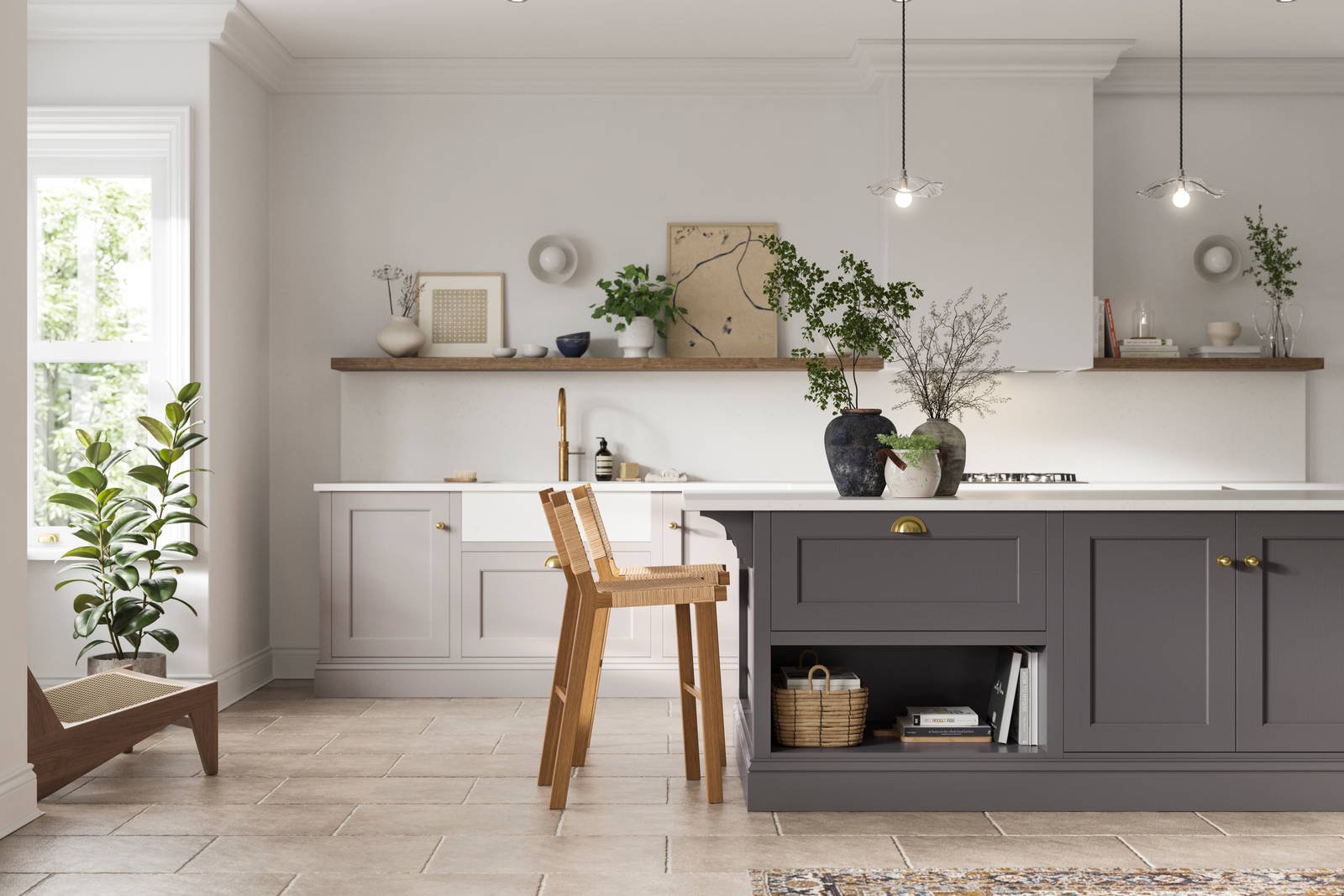
 Deep charcoal walls create a dramatic, moody contrast that makes light grey cabinets pop, perfect for large, sunlit kitchens.
Credit: www.nhance.com
Deep charcoal walls create a dramatic, moody contrast that makes light grey cabinets pop, perfect for large, sunlit kitchens.
Credit: www.nhance.com
Deep Plum for Luxe, Unexpected Personality
For a unique, luxe look that stands out from standard neutral and bold color pairings, pair light grey cabinets with deep plum walls. This rich, warm purple shade adds a touch of personality and sophistication without feeling overly loud or dated, making it perfect for eclectic, bohemian, or traditional kitchen designs. Deep plum pairs beautifully with brass or gold hardware, marble countertops with grey veining, and velvet upholstered bar stools for a high-end, curated look.
This combo works best in low-traffic, formal kitchens, as deep purple can show smudges and marks more easily than lighter wall shades. For frequent hosts who love wine tastings, this neutral palette provides a subtle backdrop that lets your top-rated home winemaking setups take center stage during casual gatherings.
Pro Tips for Nailing Your Light Grey Cabinet Wall Color
Even with the perfect color combo, small missteps can leave your kitchen feeling off. Follow these pro tips to ensure your final look is polished and cohesive:
Test Swatches Across All Lighting Conditions
As noted earlier, paint colors shift dramatically depending on the time of day and light source. Always paint 2×2 foot swatches on multiple walls (not just one small spot) and live with them for 3 full days before making a final decision. This will help you catch any undertone clashes or unexpected hue shifts that aren’t visible on small store swatches.
Choose the Right Paint Finish for Your Lifestyle
The finish you choose will impact both the look and durability of your walls. For high-traffic kitchens with kids, pets, or frequent cooking, opt for satin or semi-gloss finish, which is easy to wipe clean and resists moisture and stains. For low-traffic, formal kitchens, matte finish is a great choice, as it hides wall imperfections and creates a soft, velvety look that feels luxurious. Avoid flat finish in kitchens, as it is not washable and will show smudges and stains easily.
Anchor Your Palette With 3 Key Accents
To keep your color palette from feeling flat or disjointed, anchor it with three consistent accent elements that appear throughout the space. For example, if you choose cool white walls and light grey cabinets, use matte black hardware, natural wood open shelves, and a black and white geometric rug as your three accents. This repetition creates a cohesive, intentional look without requiring you to match every single element perfectly. If you ever decide to switch to green cabinet color schemes for a bold update later, these same accents will still work seamlessly with your wall color.
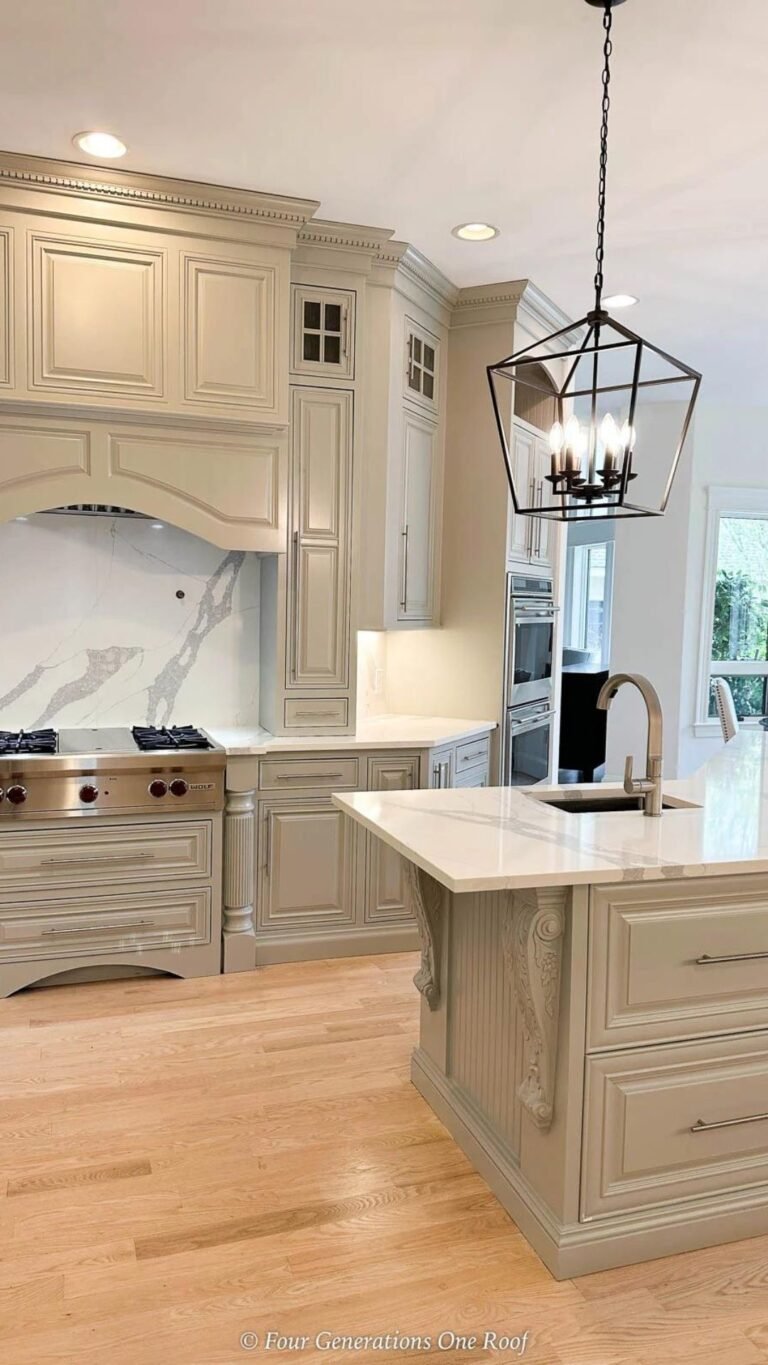 Soft pastel blush walls add a warm, inviting touch without overwhelming the neutral grey cabinetry.
Credit: www.fourgenerationsoneroof.com
Soft pastel blush walls add a warm, inviting touch without overwhelming the neutral grey cabinetry.
Credit: www.fourgenerationsoneroof.com
Frequently Asked Questions
What Wall Colors Complement Light Grey Kitchen Cabinets?
The most versatile complementary wall colors range from cool crisp whites and soft pale blues to warm beiges, greiges, and muted pastels. For bolder statements, deep navy, forest green, charcoal, and even terracotta work beautifully. The right choice depends on your cabinet’s undertone, kitchen lighting, and desired mood: cool, airy, cozy, or dramatic. For small, windowless kitchens, stick to light, high-LRV (Light Reflectance Value) shades to amplify natural and artificial light, while large, sunlit spaces can handle deeper, moodier tones without feeling cramped.
Can Dark Wall Colors Work With Light Grey Cabinets?
Absolutely, and this pairing is a top trend for 2026 modern and moody kitchen designs. Dark shades like charcoal, navy, forest green, and deep plum create high contrast that makes light grey cabinets stand out as a focal point, rather than blending into the background. The key to making this work is balancing the dark walls with light, reflective accents: white subway tile backsplashes, brushed brass or nickel hardware, and light wood or stone countertops will prevent the space from feeling cave-like. This combo works especially well in large kitchens with multiple windows, as natural light offsets the darkness of the walls.
Are Neutral Wall Colors Best For Light Grey Cabinets?
Neutral wall colors are the most versatile, low-risk choice for light grey cabinets, as they work with every design style from traditional to contemporary and make it easy to update your decor without repainting. Creamy whites, warm greiges, soft taupes, and light beiges all fall into this category. To avoid a flat, boring look, add texture through shiplap, textured wallpaper, or a tile backsplash, and layer in contrasting accents like black bar stools or natural wood cutting boards. Neutral walls also make it easy to switch out your cabinet color later if you decide to refresh your space, as they pair with almost every cabinet shade from white to dark brown.
How Do Warm Wall Colors Affect Grey Kitchen Cabinets?
Warm wall colors like soft peach, muted yellow, terracotta, and warm beige balance the natural coolness of most light grey cabinets, preventing the space from feeling sterile, cold, or uninviting. This pairing is ideal for north-facing kitchens that get minimal warm sunlight, as the warm wall tones add coziness without clashing with the grey cabinetry. The key is to avoid overly saturated warm shades, which can make grey cabinets look dull or dirty; stick to muted, low-saturation warm tones for a balanced, inviting look.
Do I Need to Match My Wall Color to My Countertop or Floor?
No, you don’t need to match your wall color to your countertop or floor, but you should ensure all three elements share a similar undertone for a cohesive look. For example, if you have warm oak hardwood floors, pair your light grey cabinets with warm white or beige walls rather than cool blue-toned white, which will clash with the floor’s warm undertones. If you have a cool grey quartz countertop, cool wall undertones will create a seamless, harmonious palette. Testing all three samples together in your kitchen’s lighting is the best way to confirm they work.
Final Thoughts
Pairing the right wall color with your light grey kitchen cabinets is one of the easiest, most high-impact ways to elevate your space without a full remodel. Whether you opt for a bright, airy cool white for a small galley kitchen, a moody charcoal for a large sunlit space, or a soft pastel for a cozy, personality-filled vibe, the key is to match undertones, test swatches in your unique lighting, and balance light and dark accents to avoid a flat or cramped feel. Ready to find your perfect combo? Pick 3-4 paint sample pots that align with your cabinet’s undertone and your kitchen’s lighting, paint 2×2 foot swatches on multiple walls, and live with them for 3 full days before committing to a final shade to avoid costly, avoidable repaints.