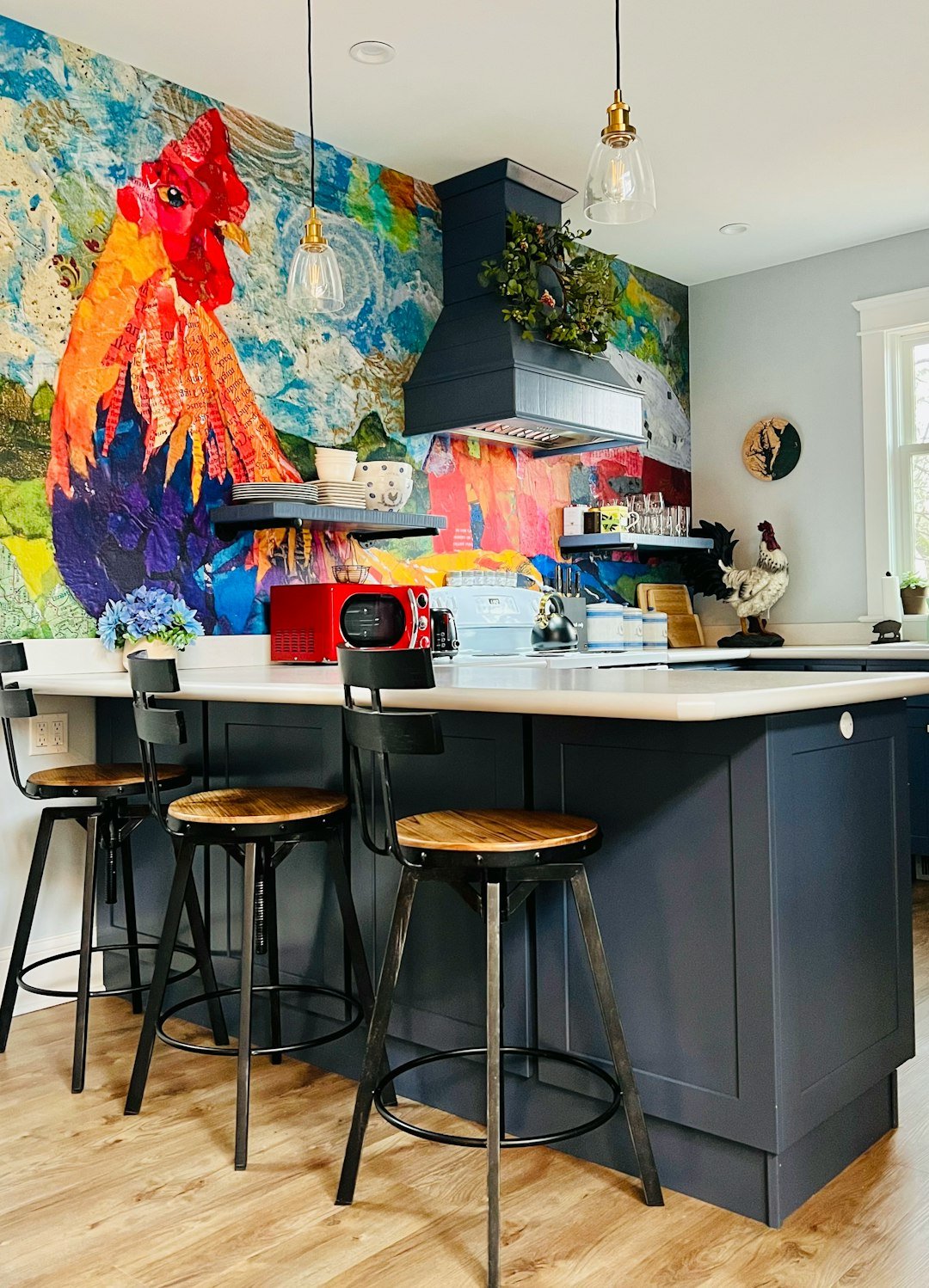
What Color Kitchen Walls With Oak Cabinets: Stunning Color Ideas
Oak cabinets are a perennially popular kitchen choice for their durability, timeless grain, and warm, inviting character. But their signature golden or reddish undertones can make picking the right wall color feel like a high-stakes gamble: the wrong shade can mute the wood’s natural beauty, clash with your decor, or leave the space feeling dull and dated. Whether you’re leaning toward a soft neutral, a bold statement shade, or a subtle earthy tone, this guide breaks down curated, design-vetted color ideas that work with every oak finish, plus pro tips to avoid common pitfalls and create a kitchen that feels balanced, bright, and uniquely yours. If you’re also considering updating your cabinetry, our guides to pairing walls with green kitchen cabinetry and matching walls to brown cabinet tones offer tailored advice for other popular cabinet finishes.
Match Wall Undertones to Oak’s Warm Base for a Cohesive Look
Before diving into specific color shades, it’s critical to understand that almost all oak cabinets have warm undertones: light oak leans golden yellow, while red oak has subtle reddish-brown hues. Cool-toned wall colors (like icy blues, ashy grays, or purple-tinged neutrals) will clash with these warm undertones, creating a disjointed, dated feel. As outlined in industry-backed kitchen design guidelines from the National Kitchen and Bath Association, matching the undertone of your wall paint to your cabinet finish is the single most impactful step to creating a balanced, harmonious kitchen space. Always test 2-3 paint samples on different walls in your kitchen, and observe them at morning, midday, and evening light, as oak shifts appearance dramatically depending on the time of day and light source. For more on this, see our guide on oak kitchen cabinets what color walls.
Warm Neutral Wall Colors for a Timeless, Inviting Kitchen
Warm neutrals are the most versatile, low-risk choice for oak cabinets, as they complement the wood’s natural warmth without competing with its grain. These shades work for every design style, from traditional farmhouse to modern transitional, and make spaces feel larger and brighter, especially in small or dim kitchens.
Beige and Cream Tones
Soft beige and cream shades with yellow or brown undertones create a soft, sun-warmed backdrop that amplifies oak’s golden hues. Linen, sand, and warm off-white cream shades reflect natural light to make small kitchens feel open and airy, and pair seamlessly with stainless steel appliances, natural stone countertops, and wooden flooring for a cohesive, timeless look. These shades are ideal for traditional, farmhouse, or cottage-style kitchens. For more on this, see our guide on what color to paint my kitchen walls with.
Warm Taupe (Greige) Shades
Taupe shades with balanced brown and gray undertones (often called "greige" when gray is the dominant tone) add subtle depth and sophistication without overwhelming oak’s grain. Soft taupe works with both light and dark oak finishes, and pairs beautifully with brass or matte black hardware for a modern, elevated feel. This shade is perfect for modern farmhouse or minimalist kitchens.
Warm Gray Options
Unlike cool, ashy grays that clash with oak’s warmth, warm gray shades with beige or brown undertones add modern contrast while keeping the space feeling cozy. Warm gray works with every oak finish, from honey to deep amber, and provides a neutral backdrop that lets colorful backsplashes, artwork, or decor stand out. This is a great choice for contemporary or industrial-style kitchens.
 Warm beige walls complement medium oak cabinets and travertine accents for a cozy, timeless kitchen look.
Image source: www.kylieminteriors.ca
Cool Contrast Wall Colors for a Fresh, Airy Feel
Cool wall colors create a gentle, calming contrast with oak’s warm tones, making the space feel bright and refreshing without clashing. These shades work best in kitchens with ample natural light, as cool tones can feel flat or dull in dim, artificially lit spaces.
Soft Light Blue Hues
Powder blue, sky blue, and soft cornflower blue with subtle warm undertones bring a peaceful, coastal vibe to oak cabinet kitchens. These shades make spaces feel larger and more open, and pair beautifully with white subway tile, matte black hardware, and natural light wood flooring. They’re ideal for cottage, coastal, or Scandinavian-style kitchens.
Muted Pale Green Shades
Sage, celadon, and soft moss green with yellow undertones bring a gentle natural feel that complements oak’s wood grain, creating a subtle, organic contrast. These shades work well in kitchens with lots of indoor plants or natural light, and pair seamlessly with butcher block countertops and woven textiles for a rustic, cozy look.
Soft Muted Teal
Muted teal with gray undertones adds a rich, unexpected depth that makes golden oak cabinets pop, without feeling overwhelming. This shade is perfect for bohemian or eclectic kitchens, and pairs beautifully with brass accents, woven light fixtures, and natural stone countertops for a warm, curated feel.
Bold & Vibrant Wall Colors for a Statement Kitchen
If you want to make your kitchen a true focal point, bold, saturated wall colors create striking contrast with oak cabinets, highlighting the wood’s natural warmth and adding personality to the space. For best results, use bold shades on an accent wall or upper walls only, to avoid overwhelming the room.
Deep Navy
Navy with warm undertones (avoid inky, cool navy) creates dramatic, sophisticated contrast that makes oak’s golden hues stand out. This shade is perfect for contemporary or moody traditional kitchens, and pairs beautifully with brass or gold hardware, light-colored quartz countertops, and warm under-cabinet lighting to balance the darkness and keep the space feeling inviting.
Rich Forest Green
Deep forest green with brown undertones brings an earthy, luxe vibe that complements oak’s natural, organic character. This shade works well for traditional, moody farmhouse, or cottage kitchens, and pairs seamlessly with marble countertops, natural linen curtains, and vintage ceramic accessories for a cohesive, grounded feel.
Warm Terracotta
Terracotta, burnt orange, and clay shades with warm undertones amplify oak’s cozy, rustic charm, creating a space that feels warm and welcoming. This color is ideal for Southwestern, Mediterranean, or rustic kitchens, and pairs beautifully with terracotta tile backsplashes, woven light fixtures, and natural wood accents for a layered, intentional look.
Earthy & Organic Wall Color Ideas for a Natural Feel
Earthy tones bring the outdoors in, creating a grounded, cozy kitchen that feels connected to nature. These shades complement oak’s natural wood grain perfectly, and work well for rustic, farmhouse, or bohemian-style spaces.
Clay and Rust Tones
Soft terracotta, rust, and burnt clay shades add warm depth that highlights oak’s texture, creating a cozy, lived-in feel. These shades work best in kitchens with plenty of natural light, and pair seamlessly with open shelving, ceramic dishware, and natural fiber rugs for a handcrafted, inviting look.
Sandy Beige Palettes
Sandy beige, desert tan, and warm taupe-beige shades create a soft, sun-warmed backdrop that doesn’t compete with oak’s grain. These neutral earthy tones make spaces feel calm and clean, and pair well with white quartz countertops and light oak flooring for a bright, airy beach or desert-inspired kitchen.
Soft Olive Greens
Muted olive green with yellow undertones adds a subtle, natural pop of color that balances oak’s warmth without clashing. This shade is perfect for eclectic or farmhouse kitchens, and pairs beautifully with black hardware, vintage decor, and indoor plants for a curated, organic feel.
Classic White & Off-White Wall Options for a Bright, Timeless Look
Crisp white and soft off-white walls create a bright, airy backdrop that makes oak cabinets stand out, while keeping the space feeling clean and timeless. The key to nailing this look is choosing a white shade with undertones that complement oak’s warmth, rather than cool, blue-toned whites that can make oak look orange or dated.
Bright Neutral Whites
Crisp bright white with neutral (not cool blue) undertones creates a clean, modern backdrop that maximizes light in small or dim kitchens. This shade pairs beautifully with stainless steel appliances, light-colored countertops, and minimalist decor for a contemporary, airy feel.
Creamy Off-Whites
Creamy off-white with warm yellow undertones softens oak’s golden tones, creating a cozy, inviting feel that never goes out of style. This shade is ideal for traditional, farmhouse, or cottage kitchens, and pairs seamlessly with brushed nickel hardware, natural fiber rugs, and wooden cutting boards for a warm, lived-in look.
Soft Ivory Shades
Soft ivory with subtle beige undertones adds a touch of understated elegance that complements oak’s natural warmth, without feeling stark or cold. This shade is perfect for classic or transitional kitchens, and pairs beautifully with marble countertops, brass accents, and simple decor for a luxe, understated feel.
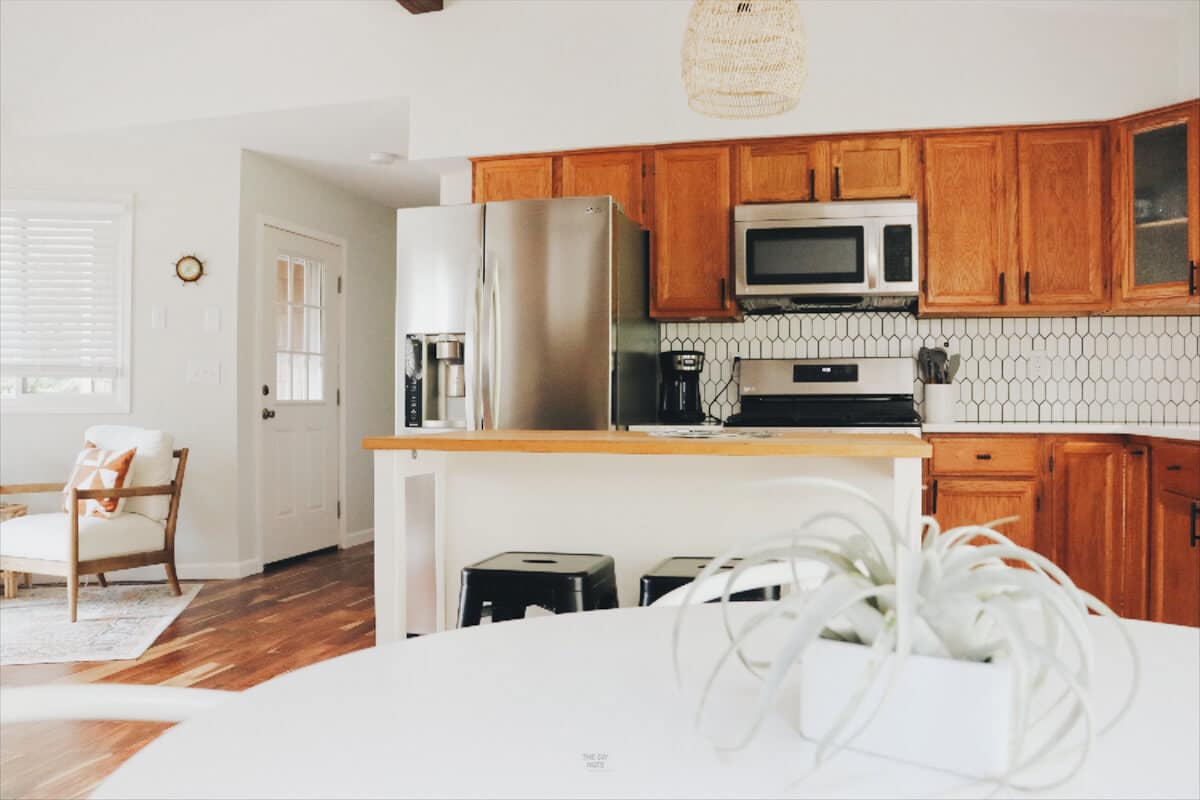 Warm gray walls create a soft, modern backdrop for honey oak cabinets, especially when paired with updated hardware.
Image source: thediynuts.com
Accent Wall Ideas to Add Personality Without Overhauling Your Space
If you’re not ready to paint all your kitchen walls, an accent wall is a low-commitment, high-impact way to add personality and draw attention to your oak cabinets.
Removable Wallpaper
Removable wallpaper with subtle botanical, geometric, or textured grasscloth patterns is a renter-friendly option that adds dimension without permanent commitment. Choose patterns with warm undertones to complement oak’s tones, and avoid overly bold, high-contrast prints that can clash with the wood’s grain.
Textured Paint Techniques
Techniques like limewash, rag rolling, or subtle Venetian plaster add soft depth and dimension to walls, catching light differently throughout the day to highlight oak’s natural grain. These effects work best with warm neutral or muted earthy paint shades, and are ideal for Mediterranean, rustic, or farmhouse-style kitchens. Test the technique on a small, hidden patch first to ensure it complements your cabinet finish.
Contrasting Paint Colors
A single accent wall in a deep, warm shade (like navy, forest green, or terracotta) creates a dramatic focal point without overwhelming the space. This works best when the accent wall is positioned behind a key feature, like your stove, sink, or dining nook, to draw the eye and add depth to the room.
Pro Tips for Paint Finish and Lighting to Make Oak Cabinets Shine
The right paint sheen and lighting will make your chosen wall color look its best, and highlight oak’s natural grain for a polished, professional finish.
Choose the Right Paint Sheen
Matte or eggshell finishes are the best choice for most kitchen walls with oak cabinets: they hide minor wall imperfections, don’t reflect glare that can compete with oak’s texture, and create a soft, cozy backdrop. Reserve semi-gloss or high-gloss paint for high-moisture areas like backsplashes, as glossy main walls can feel clinical and draw attention away from your cabinetry.
Optimize Lighting for Your Color Choice
Natural north-facing light has cool undertones, so pair it with warm wall colors to avoid a dull, lifeless feel. South-facing light has warm undertones, so you can pull off slightly cooler shades if desired. For artificial lighting, use 2700K-3000K warm bulbs to enhance oak’s golden tones, and add under-cabinet lighting to eliminate dark shadows that can make wall colors look drab or uneven.
Highlight Oak’s Natural Grain
To emphasize oak’s signature grain, choose a wall color with 1-2 shades of contrast between the wall and cabinet finish. For example, light honey oak cabinets pair well with medium warm gray walls, while dark red oak looks stunning with soft cream walls. Install directional spotlights above upper cabinets to cast subtle shadows that make the wood grain pop.
 Crisp white walls brighten a kitchen with red oak cabinets, making the warm wood tones pop without clashing.
Image source: www.kylieminteriors.ca
Common Mistakes to Avoid When Pairing Wall Colors With Oak Cabinets
Even with the best color inspiration, a few common missteps can leave you with a kitchen that feels disjointed or dated. Avoid these pitfalls for a foolproof result:
- Choosing cool, ashy gray or blue-toned wall colors: These shades clash with oak’s warm undertones, making the space feel dull and making oak look orange or outdated.
- Skipping paint samples: Oak shifts color dramatically in different lighting, so a shade that looks perfect in the store can look terrible on your wall. Always test samples on your actual walls, and live with them for 2-3 days before committing.
- Matching wall color exactly to oak’s tone: This creates a monotonous, flat look with no contrast, making the space feel small and uninteresting.
- Using high-gloss paint on main walls: Glossy finishes reflect too much light and compete with oak’s natural texture, making the space feel clinical and overwhelming.
- Ignoring your kitchen’s size and lighting: Dark bold walls work best in large, well-lit kitchens, while light neutrals are better for small or dim spaces to avoid feeling cramped.
Frequently Asked Questions
What colors complement oak kitchen cabinets best?
Warm neutrals (beige, cream, warm taupe, warm gray) are the most versatile, foolproof options that complement oak’s warm undertones. Soft cool shades like pale blue, sage green, and muted teal also work well, as long as they have subtle warm undertones to avoid clashing. Bold shades like navy, forest green, and terracotta create striking contrast for statement kitchens.
Can I use dark paint with oak cabinets?
Yes, dark shades like navy, charcoal, and forest green create dramatic, sophisticated contrast with oak cabinets, highlighting the wood’s grain and adding depth to the space. For best results, pair dark walls with light countertops, ample task lighting, and warm light bulbs to avoid making the space feel cramped or dark. Dark walls work best in large kitchens with plenty of natural light.
Are warm colors suitable for oak kitchen walls?
Absolutely — warm colors like terracotta, mustard, soft yellow, and clay amplify oak’s natural warmth, creating a cozy, inviting atmosphere. Opt for muted, soft warm shades rather than overly bright or saturated hues to avoid overwhelming the wood’s natural tone.
Should kitchen walls be light or dark with oak cabinets?
The choice depends on your kitchen’s size, lighting, and style preference: light walls (white, cream, beige) brighten small or dim spaces and create a timeless, airy feel, while dark walls add drama and sophistication to large, well-lit kitchens. If you’re unsure, start with a light neutral, which works for every space and style.
What wall color makes oak cabinets look more expensive?
Soft, warm neutrals like creamy off-white, warm taupe, and muted olive green create a timeless, high-end look that elevates oak’s natural beauty. Pair these shades with high-quality matte or eggshell paint, coordinating brass or matte black hardware, and simple, clean decor for a polished, luxe feel that never goes out of style.
Conclusion
Choosing the right wall color for your oak cabinet kitchen doesn’t have to be overwhelming: the key is to match your wall shade’s undertones to oak’s warm base, test samples in your actual space, and align your choice with your kitchen’s size, lighting, and personal style. Warm neutrals offer a foolproof, timeless look for every space, while cool contrasts and bold shades add personality and drama for more adventurous designs. Earthy tones and classic whites create a bright, organic feel that highlights oak’s natural grain for a kitchen that feels both stylish and lived-in.
If you’re tackling other kitchen updates as part of your refresh, our step-by-step guide to removing a wall mounted kitchen faucet walks you through the process to upgrade your fixtures without damage.