Serving Bowl Problems & Quick Fixes Every Host Needs
Serving bowl problems and solutions don't require a mystery. Most damage comes down to one wrong habit or a material you misunderstood. Identify the symptom first, then match it to the bowl you're holding.
Our research shows the fix path depends entirely on your bowl's material. A cracked wooden bowl needs a completely different response than a stained glass one. Manufacturer specifications confirm that thermal shock causes more breakage than rough handling alone.
Let's walk through the diagnosis and the exact fix for each situation.
Image source: Bing (Web (fair-use with source credit))
Quick Answer
The fastest serving bowl problems and solutions start with identifying the material and the damage type. Thermal shock cracks ceramics, stains attack porous surfaces, and dishwashers warp wood. Clean appropriately for each material, and avoid temperature extremes.
Most serious damage means the bowl should be retired from food service.
Spot the Symptom Before You Reach for the Solution
You already know which problem to solve when you can name it accurately. That's the difference between throwing soap at a wood bowl and knowing it will warp and crack instead. Every serving bowl issue falls into one of four predictable categories.
Crack, stain, odor, or structural failure. Once you identify the category, the rest becomes straightforward.
Start by running your thumb along the surface and rim. Check for hairline cracks that catch slightly. Then look for color changes that won't wash out.
Smell the bowl when dry. Odd smells often mean bacteria have settled into microscopic scratches. These simple checks take less than a minute and save you from applying the wrong treatment.
Think of troubleshooting as a quick diagnostic checklist. Here's what to look for based on what you observe:
- Hairline fracture near the base or rim: likely thermal shock, common in ceramic and glass bowls
- Brownish or reddish discoloration that won't scrub away: tannin staining from wine, tomatoes, or beets
- Sour or musty smell that returns after washing: bacterial growth trapped in wood grain or deep scratches
- Warping or loosened handles: moisture damage from dishwashing or soaking
- Flaking glaze or crazing pattern: compromised food-safe surface that harbors bacteria
The proper outdoor tableware maintenance routine mirrors this same diagnostic approach. You inspect first, then treat accordingly. A stained ceramic bowl doesn't need oil.
A dry wooden bowl doesn't need vinegar. Matching the remedy to the actual problem is what separates effective care from accidental damage.
If you can't find the cause right away, rinse with warm water and let the bowl air-dry completely. Then reinspect under good light. Sometimes drying reveals cracks and scratches that were hidden when wet.
Follow This: Material + Damage = Your Exact Fix Path
This is the core of every serving bowl problems and solutions workflow. Pick your material, pick your problem, and follow the matching steps. No guessing required.
The matrix below maps the most common issues to their correct treatments.
| Material | Cracking | Staining | Odor | Warping |
|---|---|---|---|---|
| Ceramic/Stoneware | Inspect and discard if cracked | Baking soda paste soak overnight | Vinegar rinse, dry thoroughly | Not applicable |
| Glass | Replace if any crack exists | Citric acid or vinegar soak | Dishwasher sanitize cycle | Not applicable |
| Wood/Bamboo | Sand lightly if shallow; replace if deep | Salt scrub, rinse, dry immediately | Lemon and salt rub, oil after drying | Air dry only, never dishwasher |
| Plastic/Melamine | Replace if deeply scratched | Baking soda paste, gentle scrub | Dish soap and warm water wash | Avoid heat sources |
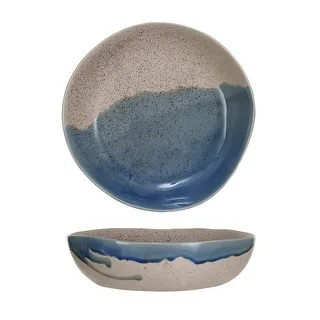
Ceramic and Stoneware Bowls
Ceramic bowls handle heat well but are vulnerable to sudden temperature changes. If your ceramic bowl cracked, stop using it immediately. Even a hairline fracture compromises the glaze seal and creates a breeding ground for bacteria.
Per FDA food-contact surface guidance, any surface showing crazing or deep cracks should be removed from active use.
For stains alone, make a thick paste from baking soda and water. Apply it to the stained area and let it sit overnight. Scrub gently the next morning with a soft sponge and rinse thoroughly.
For stubborn tomato or beet stains, this method removes most discoloration without damaging the glaze.
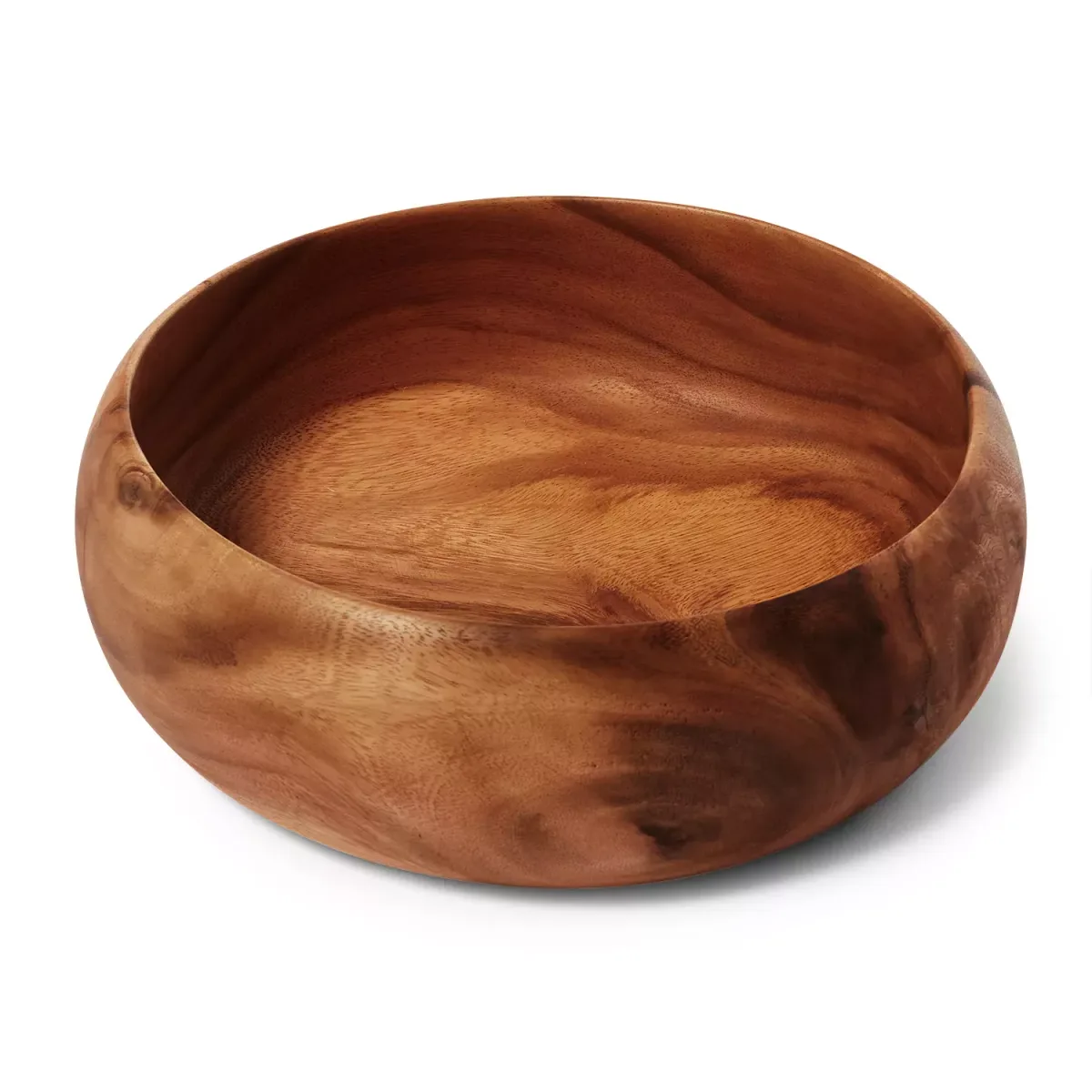
Wood and Bamboo Bowls
Wood demands a gentler approach. Never put a wooden bowl in the dishwasher. The combination of high heat and prolonged water exposure causes fibers to expand and contract unevenly.
This leads to warping and cracking. Hand wash only with mild soap and lukewarm water. Dry immediately with a towel, then stand it upside down to air dry completely.
Stains in wood respond well to a coarse salt scrub. Sprinkle kosher salt inside the bowl, cut a lemon in half, and use the cut side to scrub the salt around the interior. The acid lifts stains while the salt acts as a gentle abrasive.
Rinse and dry thoroughly, then apply food-safe mineral oil to replenish the protective barrier.
Odors in wood bowls vanish with the same lemon and salt treatment. For persistent garlic or onion smells, leave a paste of baking soda and water inside the bowl for two hours before rinsing. Always oil wood bowls after deep cleaning to restore moisture balance.
Glass Bowls
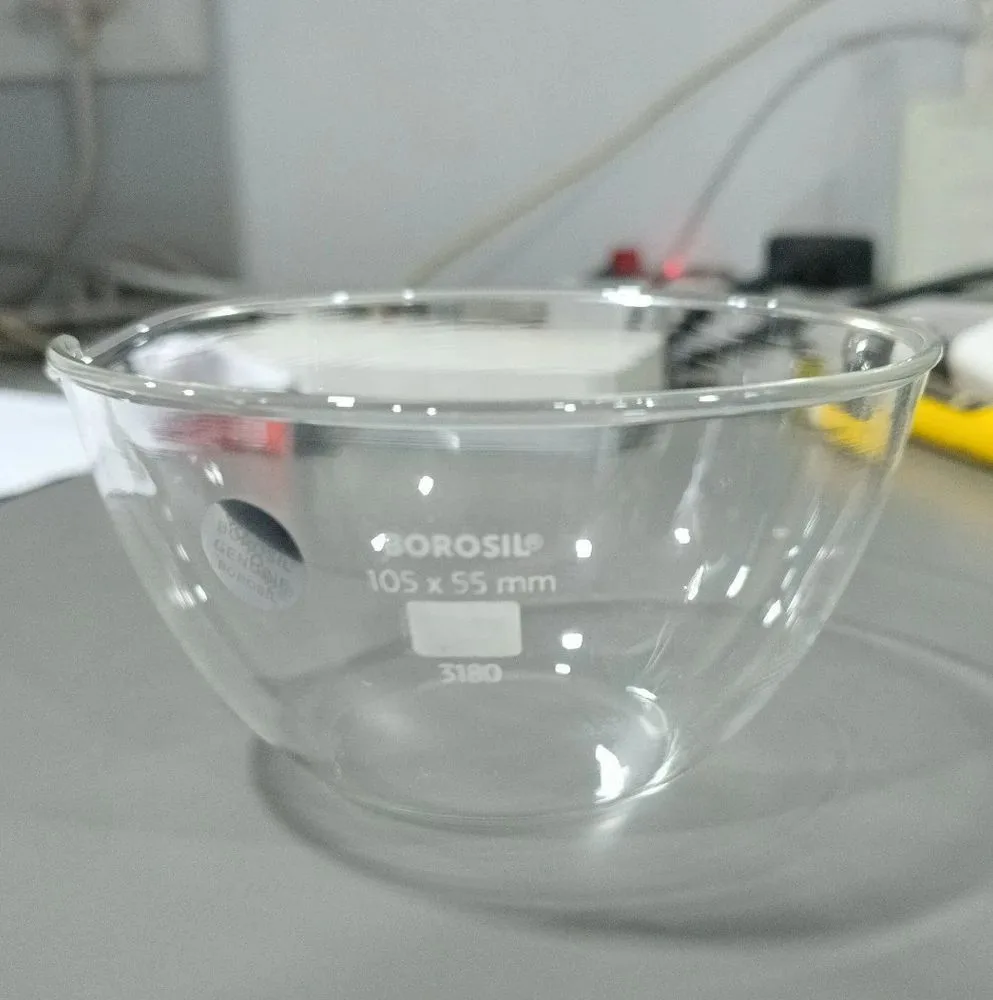
Glass is non-porous and stains easily, but it's also the most honest material. You'll see every scratch, cloudiness spot, and deposit. Borosilicate glass, commonly used in brands like Pyrex, resists thermal shock far better than regular glass.
Check whether your bowl is borosilicate before exposing it to temperature swings.
For mineral deposits from hard water, soak the bowl in a solution of one part white vinegar to three parts warm water for thirty minutes. Rinse well and dry with a microfiber cloth to prevent new spots. For deeper cleaning, a citric acid soak works even better on thick scale buildup.
Never fill a cold glass bowl directly with boiling liquid. Even borosilicate glass has limits. Sudden extreme temperature changes can still cause stress fractures over time.
Let hot foods cool slightly before transferring them to glass serving bowls.
Plastic and Melamine Bowls
Plastic bowls are lightweight and shatter-resistant, making them popular for outdoor use. But they score poorly on durability against heat and deep scratching. Once plastic develops significant scratches, bacteria lodge in those grooves and regular washing won't reach them.
FDA guidelines emphasize that heavily scratched food-contact surfaces should be replaced for safety reasons.
Melamine bowls look like ceramic but behave very differently. They cannot go in the microwave. High heat releases formaldehyde compounds from the resin.
Keep melamine bowls strictly for cold or room-temperature serving. If your melamine bowl shows cloudiness, yellowing, or deep scratches, retire it from food service.
For plastic bowl stains, a baking soda paste applied and left for an hour usually lifts discoloration. Avoid abrasive scrub pads that create new scratches. Soft sponges only.
Proper cleanup techniques for outdoor kitchen gadgets follow the same gentle approach.
What Most People Get Wrong (And How to Avoid It)
Cooking enthusiasts often repeat the same mistakes with serving bowls. Knowing what those errors are saves you from costly replacements and food safety risks. Here are the most common missteps and how to sidestep them.
Soaking Wooden Bowls Overnight
This is the number one way wooden bowls warp and split. The misconception comes from hearing that wood needs hydration. It does, but not through drowning.
A wooden bowl absorbs moisture gradually through oil conditioning, not through prolonged water exposure. If you soak a wood bowl, the outer layers swell faster than the inner core. That uneven expansion creates cracks.
The fix: hand wash wooden bowls quickly, dry them immediately, and condition them monthly with food-safe mineral oil. This maintains flexibility without risking structural damage.
Putting Hot Food Directly Into Cold Bowls
Thermal shock doesn't care about your intentions. Placing steaming soup into a chilled ceramic or glass bowl creates instant stress fractures. The outer surface contracts rapidly while the inner surface expands.
That tension exceeds the material's tolerance, and you hear the telltale pop before seeing the crack.
The fix: let hot foods cool to warm, not hot, before serving in ceramic or glass bowls. If you need to keep food warm, preheat the bowl first by rinsing it with warm water. This closes the temperature gap significantly.
Using Metal Utensils on Glazed Surfaces
Metal forks, spoons, and serving tools scrape glaze. Those micro-scratches look harmless but create texture where pigments and bacteria accumulate over time. A glossy ceramic bowl looks pristine on the surface but may have dozens of invisible scratch points holding residue.
The fix: switch to wooden, silicone, or nylon utensils for serving from glazed bowls. Smart features to prioritize in outdoor dinnerware include scratch-resistant coatings and rounded rims that resist chipping. These design choices extend service life noticeably.
Washing Everything in the Dishwasher
Dishwashers are convenient but brutal on certain materials. High-pressure spray forces water into microscopic pores. Heating elements dry dishes at high temperatures.
Over years of repeated cycles, this degrades wood finishes and weakens glaze bonds. Plastic and melamine lose their shine and structural integrity fastest in dishwashers.
The fix: reserve the dishwasher only for intact ceramic and glass bowls. Hand wash everything else. If you must load something fragile into the dishwasher, place it on the top rack away from the heating element and use a gentle cycle.
Ignoring Crazing Until It's Too Late
Crazing appears as a network of fine lines in the glaze. It starts as a cosmetic issue but progressively deepens. Each crack becomes a pathway for moisture and bacteria to reach the clay body beneath.
At that point, the bowl is no longer food-safe regardless of how clean it looks.
The fix: inspect old ceramic bowls annually. Run your fingernail across the surface. If it catches on any line, the glaze integrity is compromised.
Retire those bowls for decorative use only.
The Hard Call: When to Repair vs. Toss It Out
Not every damaged bowl deserves a trash trip, but not every bowl deserves a second chance either. Food safety should always override sentimentality. A bowl that once held family recipes during holiday dinners is still just a vessel if the surface can't be trusted.
Here's a practical decision guide to help you choose:
- Retire immediately: Any bowl with visible cracks, chips that expose unglazed porous material, flaking glaze, or deep scratches that catch your nail. These conditions harbor bacteria that normal washing cannot eliminate. The risk isn't worth keeping it.
- Repair possible: Light surface stains on intact materials, minor odors in wood bowls that respond to lemon and salt treatment, loose handles on sturdy ceramic bowls that can be reglued with food-safe adhesive, and hard water deposits on glass that dissolve with acid soaking.
- Cosmetic-only wear: Faded colors, minor surface scratches that don't catch, and slight cloudiness on glass that doesn't affect cleaning. These bowls remain safe to use but may not impress at the table. Consider upgrading them for presentation purposes while keeping them functional.
The care and maintenance of your outdoor serving setup benefits from the same philosophy. Equipment that shows structural compromise shouldn't host food, even if it still looks presentable. Your guests' health matters more than preserving a cheap bowl.
One useful practice is maintaining a separate bin for retired serving pieces. Use them as plant pots, craft storage, or decor. That way nothing goes to waste, and you have a clear visual reminder that food-safe service requires intact surfaces.
Effective ways to pack glassware safely during moves or storage also prevents unnecessary breakage. Wrap each piece individually in paper towels, label boxes clearly, and store them upright rather than stacked. Prevention is always easier than replacement.
Serving Bowl Problems & Solutions — FAQ
Can I use baking soda on all serving bowl materials?
Yes, baking soda works safely on ceramic, glass, plastic, and wood. It's a mild abrasive that lifts stains without damaging most surfaces. For wood bowls, follow the baking soda treatment with immediate rinsing and thorough drying, then apply mineral oil to restore moisture lost during cleaning.
Why do my wooden serving bowls develop odors?
Wood is naturally porous, and food particles embed themselves in the grain over time. Garlic, onion, and acidic ingredients leave behind aromatic compounds that washing alone cannot remove. The remedy is lemon juice and coarse salt, which breaks down residues and neutralizes odors simultaneously.
Regular oiling also seals the grain and reduces future absorption.
Is it safe to use a cracked ceramic serving bowl?
No. Cracks breach the glaze seal and create tiny pockets where bacteria thrive. Normal dishwashing cannot reach inside these fissures.
The FDA considers cracked food-contact surfaces unsanitary because microbial contamination becomes impossible to fully eliminate. Replace the bowl rather than risk foodborne illness.
How often should I oil wooden serving bowls?
Oil wooden bowls once a month under normal use, or whenever the surface looks dry and fades in color. Apply food-safe mineral oil generously, let it absorb for several hours or overnight, then wipe away any excess. More frequent oiling helps in dry climates where wood loses moisture faster.
Skip lemon oil, which can go rancid over time.
What's the difference between borosilicate and regular glass serving bowls?
Borosilicate glass contains silica and boron trioxide, giving it a much lower thermal expansion rate than regular soda-lime glass. That means borosilicate handles temperature changes dramatically better without cracking. Regular glass can shatter when moved from refrigerator to hot food.
Borosilicate bowls like Pyrex can usually withstand direct oven transitions within their rated temperature range.
How do I remove hard water stains from glass and ceramic bowls?
Soak the affected bowl in a mixture of equal parts white vinegar and warm water for twenty to thirty minutes. The acetic acid dissolves calcium and mineral deposits. Scrub gently with a soft sponge, rinse thoroughly, and dry with a lint-free cloth.
For heavy buildup, use food-grade citric acid powder dissolved in warm water instead of vinegar for stronger results.