How to Clean Serving Bowls: A Fast, Effortless Guide
how to clean serving bowl depends entirely on what it's made of. Wood needs oil and hand-washing. Crystal demands gentle treatment.
Silver requires special polish. Get it wrong and you can warp, crack, or cloud your bowl permanently.
Our research into material care standards shows that dishwasher-safe labels apply to only about 60 percent of common serving bowl materials. Meanwhile, outdoor dinnerware features that matter suggest proper cleaning directly affects how long your pieces last. Most damage comes from ignoring material differences.
Let's walk through exactly what each type needs.
Quick Answer
how to clean serving bowl starts with identifying the material. Wood bowls need warm soapy water and monthly oiling. Ceramic and glass bowls handle dishwashers unless they are crystal.
Silver bowls require specialized polish applied by hand. Plastic bowls avoid heat and tackle stains with baking soda. Always dry thoroughly after washing to prevent warping and mold.
How to Tell What Your Serving Bowl Is Made Of
Before you grab any cleaner, you need to know what you're working with. Using the wrong method on the wrong material causes real damage. A quick check saves hours of repair work later.
Look at the bottom of the bowl first. Manufacturers usually stamp the material there. You might see something like "China," "Crystal," "Stainless Steel," or a wood species name.
If the label is worn off, try these quick tests instead.
Simple Identification Tests
Hold the bowl up to light. Wood has grain patterns that run in lines or rings. Marble or stone feels cool and heavy with natural veining.
Metal bowls feel noticeably cold and make a ring sound when tapped gently. Glass is transparent or translucent and feels smooth regardless of temperature.
Do the water test sparingly. Put a small drop of water on an inconspicuous spot. Wood absorbs it quickly and darkens slightly.
Glazed ceramic and glass bead the water and sit on the surface. Unglazed ceramic absorbs slowly but doesn't change color much.
Check for weight and sound. Wooden bowls are surprisingly light compared to their size. Stone bowls feel dense and solid.
Crystal makes a clear ringing tone when you tap it. Regular glass produces a duller sound. Stainless steel is lightweight but dense-feeling.
Melamine plastic mimics ceramic weight but feels warmer to the touch.
If you are unsure, treat the bowl as delicate. Hand-wash with mild soap and warm water regardless of material. Air dry completely before storing.
This approach works safely across all common serving bowl types without risking damage.
Reading manufacturer care instructions gives you the most reliable answer. Food safety agencies recommend using cleaning methods that do not introduce contaminants or degrade the material surface. When in doubt, consult the maker's care sheet first.
Wood Bowls: Hand-Washing, Stain Removal, and Oil Conditioning
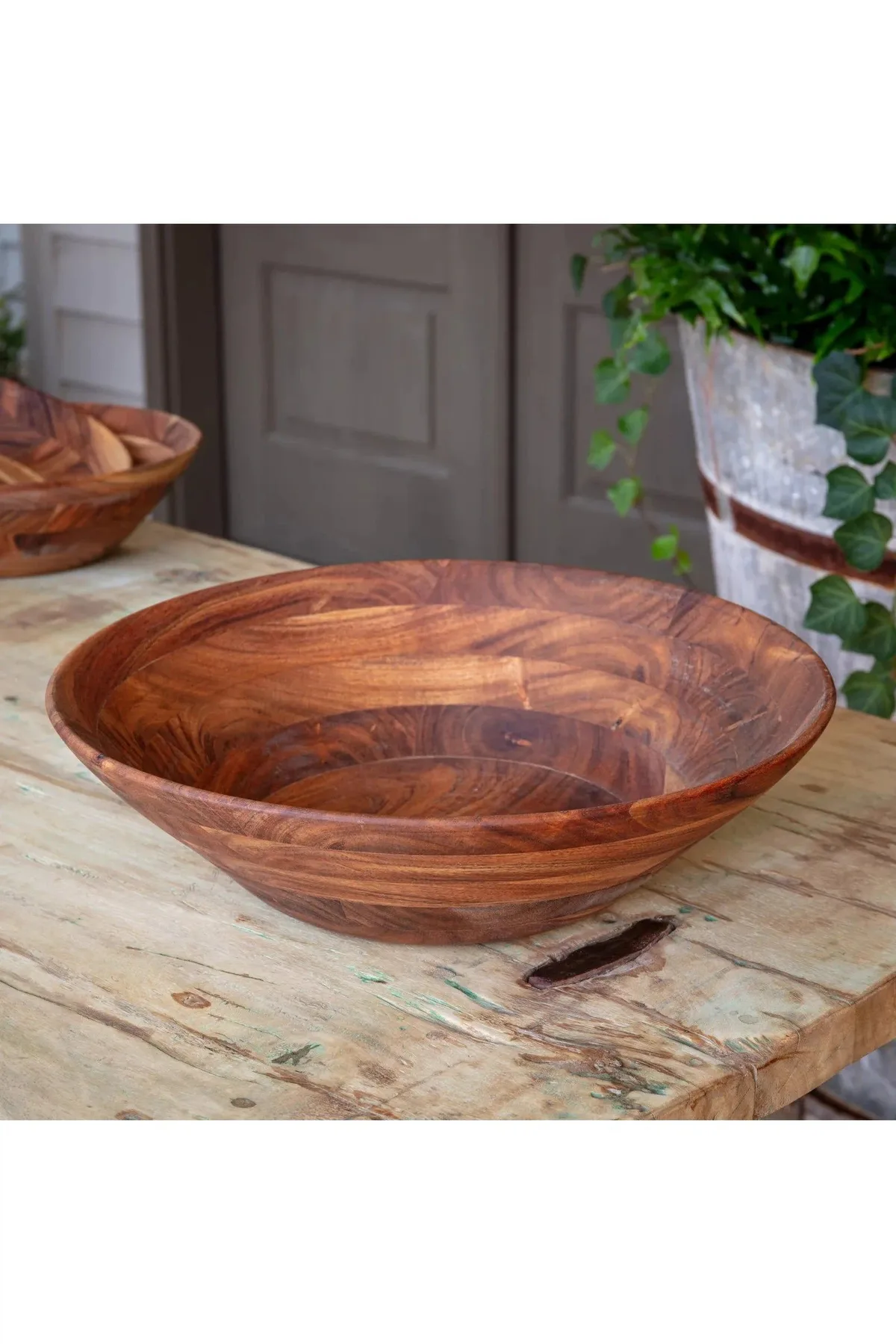
Wood is porous and sensitive to water. Get this part right and your bowl lasts decades. Skip it and you face warping, cracking, and bacteria traps.
The difference between a beautiful bowl and a ruined one comes down to two habits.
Never soak a wooden serving bowl. Even ten minutes in standing water forces moisture into the grain. That swelling followed by drying causes cracks.
Always wash with a damp cloth or quick rinse under lukewarm running water instead.
Washing wooden bowls properly
Fill your sink with just an inch or two of warm water. Add a few drops of mild dish soap. Dip a soft cloth or sponge into the soapy water.
Wipe the inside and outside of the bowl quickly. Do not let it sit in the suds. Rinse with a clean wet cloth.
Pat dry immediately with a towel. Stand it upright to air dry completely before storing.
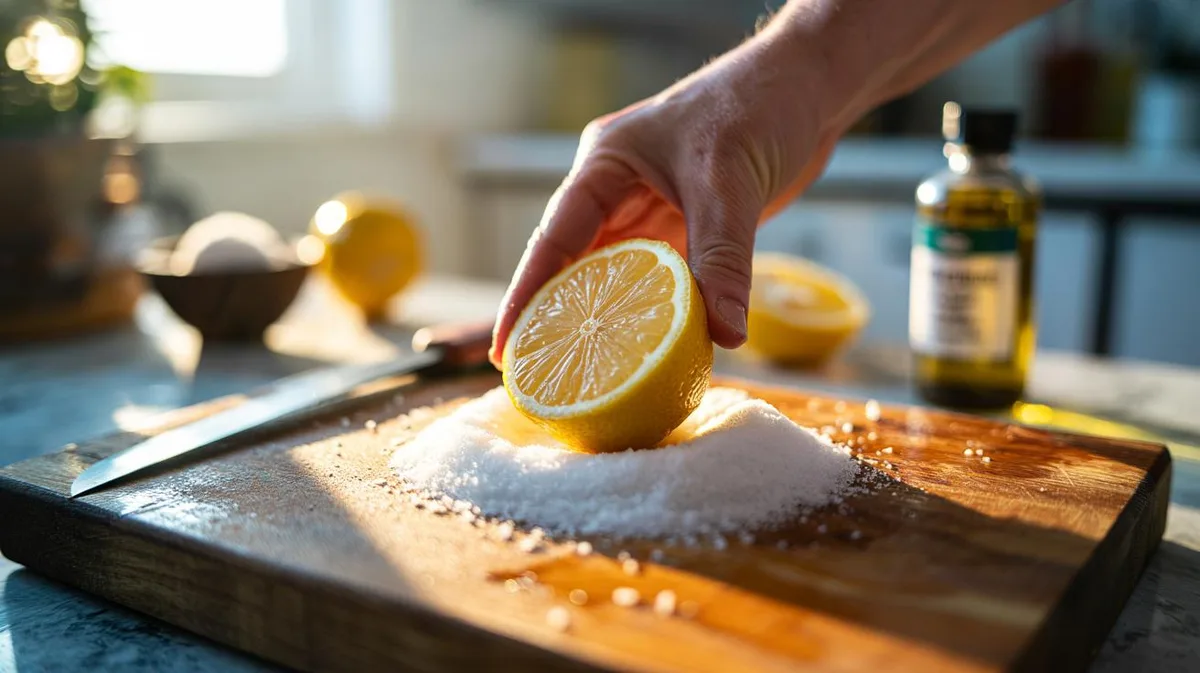
Stubborn stains need extra attention without soaking. Sprinkle coarse salt over the stained area. Cut a lemon in half and use the cut side as a scrubber.
Rub firmly over the stain in circular motions. The salt acts as a gentle abrasive while the citric acid breaks down discoloration.
For deeper wine or turmeric stains, make a paste from baking soda and water. Spread it thickly over the stain. Let it sit for thirty minutes.
Scrub gently with a soft brush. Rinse and dry thoroughly. This method lifts stubborn pigments without damaging the wood fibers.
Conditioning wooden bowls with food-safe oil
New wooden bowls arrive unfinished or lightly sealed. They absorb oils from foods quickly. That is why conditioning matters so much.
Apply food-safe mineral oil or a dedicated bowl conditioner every one to three months depending on use frequency.
Pour a small amount of mineral oil onto a clean cloth. Rub it into every surface of the dry bowl. Include the exterior and the rim.
Let the oil soak in for at least twenty minutes. Buff off any excess with a dry cloth. The wood should feel smooth and slightly resistant to water afterward.
Avoid using vegetable or olive oil on serving bowls. Those go rancid over time and create unpleasant odors. Mineral oil stays stable and is non-toxic once absorbed.
You will find it at most kitchen supply stores and online retailers.
If your bowl shows white streaks or feels rough, the finish has worn thin. Recondition immediately before stains penetrate deeper. Proper oiling also restores the natural luster that makes wooden serving pieces look elegant.
Ceramic, Glass, and Crystal Bowls: Avoiding Cloudiness and Scratches
These materials share similar cleaning basics but diverge sharply when it comes to crystal and high-end ceramics. Dishwashers work fine for basic stoneware. Crystal demands hand washing.
Skipping that distinction clouds otherwise beautiful pieces permanently.
Start with the simplest rule. Remove food residue as soon as possible after use. Dried cheese and baked-on sauces become exponentially harder to remove later.
A quick rinse with warm water prevents most staining before it starts.
Hand-washing versus dishwasher safety
Most ceramic and glass serving bowls tolerate dishwashers without issue. Check the bottom for a dishwasher-safe symbol before loading. If you see one, place the bowl on the top rack away from heating elements.
Use a gentle cycle with low heat setting.
Crystal bowls deserve special handling. Lead crystal especially suffers from dishwasher detergents. The alkaline chemicals etch the surface over time.
That etching creates permanent cloudiness that no polish can fix. Hand wash crystal in warm water with a drop of gentle dish soap. Dry immediately with a lint-free cloth.
Unglazed ceramic presents a unique challenge. The porous surface absorbs liquids and stains readily. Avoid soaking these bowls.
Clean promptly with a soft brush and mild detergent. Baking soda paste works well for setting stains. Apply, let sit briefly, then rinse thoroughly.
Removing water spots and hard water deposits
Hard water leaves mineral deposits on glass and crystal. Those white spots look unappealing and feel rough. A vinegar solution solves this problem effectively.
Mix equal parts white vinegar and warm water in a spray bottle.
Spray the mixture generously over affected areas. Let it sit for five minutes. Wipe with a soft microfiber cloth.
For heavier buildup, soak the bowl in the solution for fifteen minutes. Rinse well and dry immediately to prevent new spots from forming.
Aggressive scrubbing pads scratch smooth surfaces. Reserve them only for heavily carbonized residue on sturdy stoneware. For regular cleaning, soft cloths and non-abrasive sponges protect the finish while still removing food safely.
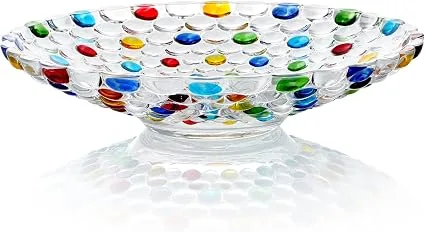
Glass bowls that turn cloudy may have suffered etching rather than surface deposits. Etching is permanent structural damage. Prevention through gentle cleaning remains your only defense.
Store glass and crystal separately to avoid scratching against harder materials during storage.
Silver and Metal Bowls: Tarnish Prevention and Polishing
Silver tarnishes from exposure to sulfur compounds in the air. Food acids accelerate this process. Stainless steel resists tarnish but shows water spots and fingerprints easily.
Both need specific approaches to stay looking sharp.
Polishing silver correctly protects the metal rather than wearing it away. Too much agitation removes thin layers of silver over time. Gentle chemical reactions do the work instead of aggressive scrubbing.
Cleaning tarnished silver bowls
Begin by removing loose debris with a soft brush or cloth. Mix a paste using baking soda and a small amount of water. Apply it gently with a soft cloth following the direction of the grain if visible.
Rub in light circular motions without pressing hard.
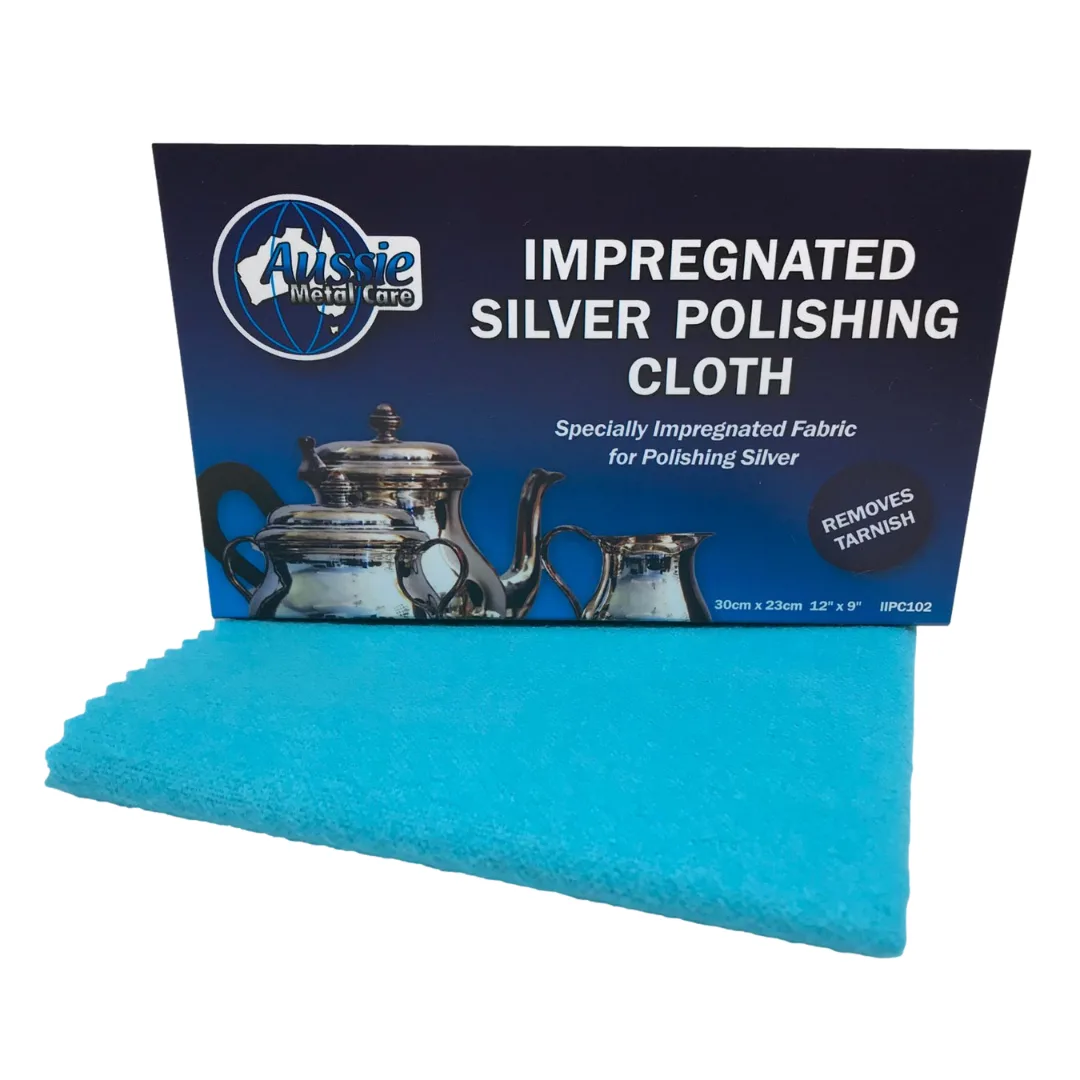
For heavier tarnish, commercial silver polish works efficiently. Apply a thin layer with a soft cloth. Let it sit for the time specified on the product label.
Buff off completely with a clean dry cloth. Residual polish attracts dust and looks worse than tarnish itself.
Silver-plated bowls require extra caution. The plating is thin and wears through with aggressive polishing. Use only the gentlest methods and minimal pressure.
Stop polishing when tarnish disappears rather than continuing indefinitely.
Stainless steel bowls respond well to standard dish soap and warm water. Water spots wipe away easily with a vinegar solution. Dry immediately after washing to prevent new spots from forming.
Buff with a microfiber cloth for a streak-free shine.
Preventing future tarnish and corrosion
Store silver bowls in anti-tarnish bags or wrapped in acid-free tissue paper. Exposure to air slows tarnishing considerably. Keep them in a dry cabinet away from humidity.
Silica gel packets stored nearby absorb excess moisture effectively.
Avoid leaving acidic foods like citrus or tomato-based dishes in silver bowls for extended periods. The acids accelerate tarnishing and can pit the surface over time. Transfer leftovers to another container promptly after serving.
Regular light polishing after each use prevents heavy buildup. A quick buff with a dedicated silver cloth takes under two minutes and keeps bowls looking bright without deep cleaning interventions.
Plastic and Melamine Bowls: Stain Fighting and Heat Limits
Plastic and melamine serving bowls offer practical benefits. They are lightweight, shatter-resistant, and affordable. But they absorb stains and odors more readily than other materials.
Heat sensitivity limits cleaning options significantly.
Melamine specifically cannot tolerate high temperatures. Dishwashers often exceed safe thresholds. Hand washing remains the recommended method for longevity despite the extra effort required.
Removing stains from plastic and melamine
Baking soda paste tackles most discoloration effectively. Mix three parts baking soda with one part water until you achieve a spreadable consistency. Apply to stained areas and let sit for twenty minutes.
Scrub gently with a soft sponge. Rinse thoroughly.
Turmeric and paprika stains respond well to lemon juice and salt. Sprinkle salt over the stain. Rub lemon juice into the salt until it forms a fizzing paste.
Leave it for fifteen minutes before scrubbing and rinsing. The combination breaks down pigments without harsh chemicals.
Odor absorption plagues plastic bowls more than other materials. Fill the bowl with a mixture of warm water and two tablespoons of baking soda. Let it sit overnight.
Dump and wash normally the next morning. The baking soda neutralizes trapped odors from previous uses.
Heat restrictions and replacement timing
Melamine bows deform above approximately 160 degrees Fahrenheit. Never put them in dishwashers with heated dry cycles. Avoid microwaving them entirely.
Hot food poured directly into melamine can cause warping over repeated exposures.
Replace plastic serving bowls when deep scratches appear. Those grooves harbor bacteria that regular washing cannot reach. Clear cloudiness that scraping does not remove also signals the material is breaking down.
At that point, cleaning effectiveness drops below safe thresholds.
Choosing higher-quality polypropylene or Tritan containers extends usable life considerably. These materials resist staining better than standard polyethylene. They also tolerate gentler dishwasher cycles without degrading as quickly.
Universal Cleaning Rules and Mistakes to Avoid
Some habits hurt every type of serving bowl regardless of material. Learning these universal rules prevents most common damage before it starts.
Never leave food sitting in any serving bowl overnight. Dried residue bonds to surfaces and becomes nearly impossible to remove without harsh scrubbing. Soak only when necessary and never exceed thirty minutes for porous materials.
Avoid abrasive cleaners on smooth surfaces. Steel wool scratches wood and ceramic alike. Those micro-scratches collect bacteria and look terrible within weeks.
Soft cloths and sponges handle routine cleaning safely across all materials.
Using excessive heat damages many serving bowls. Pouring boiling liquid into cold crystal causes thermal shock and cracking. Wood warps from hot dishwasher cycles.
Glass can shatter from rapid temperature changes. Always match cleaning temperature to your bowl's tolerance.
Cross-contamination prevention basics
After handling raw meat juices or allergenic foods, wash thoroughly before storing. Bacteria survives in microscopic scratches on all surface types. A quick sanitizing rinse with diluted vinegar solution kills pathogens without damaging most materials.
Don't mix cleaning products. Combining bleach with ammonia creates toxic gas. Vinegar mixed with hydrogen peroxide generates peracetic acid.
Stick to one cleaner per washing session and rinse completely between products if switching.
Food safety experts recommend cleaning and sanitizing food-contact surfaces after preparing different types of food to prevent cross-contamination. This applies equally to serving bowls used for different dishes during a meal.
Seasonal Maintenance and Storage for Longevity
Regular upkeep keeps serving bowls looking their best year-round. Material-specific schedules prevent small problems from becoming costly replacements.
Monthly inspections catch early warning signs before they escalate. Check wooden bowls for dry spots needing oil. Look for cracks forming along grain lines.
Inspect metal bowls for tarnish starting in crevices. Early intervention saves time and money over the long run.
Monthly care routine by material
Wooden bowls need oiling every four to eight weeks depending on use frequency. Heavy entertainers may require monthly conditioning. Light users can stretch to quarterly applications.
Test absorption by sprinkling water on the surface. If it beads, the seal holds. If it soaks in, reoil immediately.
Ceramic and glass bowls benefit from vinegar rinses once monthly to prevent hard water buildup. Crystal needs gentle hand washing only. Polish with a soft cloth after each use to maintain clarity.
Silver bowls require buffing after every few uses in humid climates. Anti-tarnish strips stored with them slow oxidation significantly. Stainless steel needs only occasional polishing to remove fingerprints and water marks.
Plastic and melamine bowls should be inspected for cloudiness and deep scratches quarterly. Replace showing significant wear to maintain food safety standards.
Proper storage to prevent warping and damage
Store bowls upright whenever possible. Stacking creates pressure points that crack rims over time. Use dividers or towel layers between nested pieces to prevent scratching.
Control humidity in storage areas. Excessive moisture encourages mold on wood and tarnish on silver. Desiccant packets absorb ambient humidity effectively.
Avoid sealed plastic containers for wood storage as trapped moisture causes mildew.
Keep heavy items off stacked bowls. Weight compresses materials unevenly and deforms shapes permanently. Dedicated shelf space or cabinet storage works best for valuable serving pieces.
Frequently Asked Questions
Can I put all serving bowls in the dishwasher?
No, only dishwasher-safe materials tolerate machine washing. Wooden, crystal, silver, and melamine bowls require hand washing. Check manufacturer labels before loading anything mechanical.
Heat and detergent damage delicate materials permanently.
How do I remove turmeric stains from plastic bowls?
Make a baking soda paste with warm water. Apply thickly to stained areas. Let sit for twenty minutes then scrub gently with a soft sponge.
Rinse thoroughly. Repeat if discoloration persists. Lemon juice and salt work as an alternative treatment.
Why does my crystal bowl look cloudy after washing?
Cloudiness usually indicates either hard water deposits or permanent etching from dishwasher detergents. Vinegar soaking removes surface mineral buildup. Etching is irreversible structural damage caused by alkaline chemicals wearing down the crystal surface over time.
Prevent it by hand washing only.
How often should I oil a wooden serving bowl?
Condition wooden bowls every one to three months based on usage frequency. Heavy use demands monthly oiling. Light occasional use allows quarterly treatments.
Test absorption by dropping water on the surface. Beading means protection holds. Absorption signals immediate reconditioning needed.
Is it safe to use bleach on serving bowls?
Bleach works on stainless steel and hard plastic but damages wood, crystal, and silver surfaces. Never mix bleach with other cleaners. Rinse thoroughly after any sanitizing application.
Food-safe alternatives like vinegar solutions disinfect effectively without material degradation risks for most serving bowl types.
What is the best way to store silver serving bowls long-term?
Wrap silver bowls in anti-tarnish cloth or acid-free tissue paper. Store in airtight containers with tarnish-preventing strips. Keep in a cool dry place away from humidity.
Separate pieces to prevent scratching. Regular light polishing maintains appearance between deep cleanings.