The Easiest Way to Clean Any Serving Platter
You've finished hosting, the leftovers are packed away, and now you're staring at a serving platter with dried cheese and wine rings. Knowing how to clean serving platter surfaces properly matters because the wrong method can permanently damage an expensive piece. A marble tray touched by lemon juice will etch within minutes, while submerging a wooden board guarantees warping.
Let's walk through exactly what each material needs so you clean with confidence.
Our research into material science and manufacturer guidelines confirms that serving platters fall into five primary categories: wood, stone, crystal or glass, ceramic or porcelain, and metal. Each reacts differently to moisture, acids, abrasion, and heat. Understanding those reactions upfront saves you from costly mistakes.
Here's how to tackle every common platter type correctly.
Quick Answer
How to clean serving platter surfaces depends entirely on the material. For most platters, warm water with a few drops of mild dish soap, a soft sponge, and thorough towel drying works perfectly. Wood needs food-grade mineral oil applied after every deep clean.
Marble requires pH-neutral cleaners only because vinegar and citrus will etch the surface permanently. Crystal and glass benefit from a diluted white vinegar rinse for lasting sparkle. Always dry your platter completely before storing it away.
Why the Right Cleaner Starts With Your Platter Material
The single biggest reason platters get ruined isn't dirty food residue. It's using the same cleaning method on every surface. Our analysis of manufacturer care guidelines and material science shows that five common platter types react very differently to the same treatment.
Wood absorbs water like a sponge. Soak it long enough and the grains swell, crack, and warp. Once warped, the board won't sit flat and food slides everywhere.
Stone like marble and limestone is calcium-based. Acids trigger a chemical reaction called etching. The surface goes dull and pitted.
That damage is permanent. You can't wash it away.
Crystal and lead-free glass are delicate in their own way. Harsh scrubbing leaves micro-scratches that cloud the finish over time. Mineral deposits from hard water create stubborn cloudy spots.
Porcelain and ceramic are tougher but can chip at the rims if you use abrasive pads. Metal platters range from stainless steel, which is nearly indestructible, to silver plate, which tarnishes quickly, to copper, which reacts with acidic foods.
Understanding these differences changes your entire approach. Before you reach for any cleaner, identify your material. Check the bottom of the platter for stamped markings.
Most manufacturers label dishwasher safety, hand-wash-only status, and food-safe finish information right there. If you're unsure about the material, assume it needs gentle handling until proven otherwise.
This material-first mindset also connects to broader entertaining upkeep. Learning how to maintain outdoor tableware follows the same principle. Different materials need different care routines.
Your indoor platters deserve the same attention to detail.
How to Clean Wood, Marble, Crystal, Porcelain, and Other Materials
Each material has its own cleaning protocol. Follow these steps precisely and your platters will stay in great shape for years.
Wood: Scrape, Salt, Oil — Never Soak
Start by scraping off all food debris with a bench scraper or stiff brush. Never soak a wooden platter. Fill a sink with warm water and add a drop or two of mild dish soap.
Dampen a soft cloth or non-abrasive sponge, wipe the surface quickly, and dry it immediately with a clean towel.
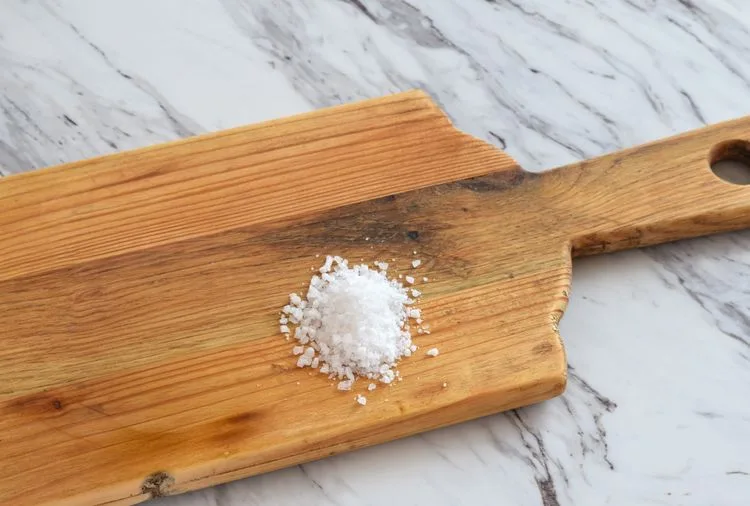
For stains and odors, sprinkle kosher salt over the surface. Cut a lemon in half and use it as a scrubbing pad. The salt acts as a gentle abrasive while the lemon lifts stains.
Rub along the grain, then wipe clean and dry thoroughly.
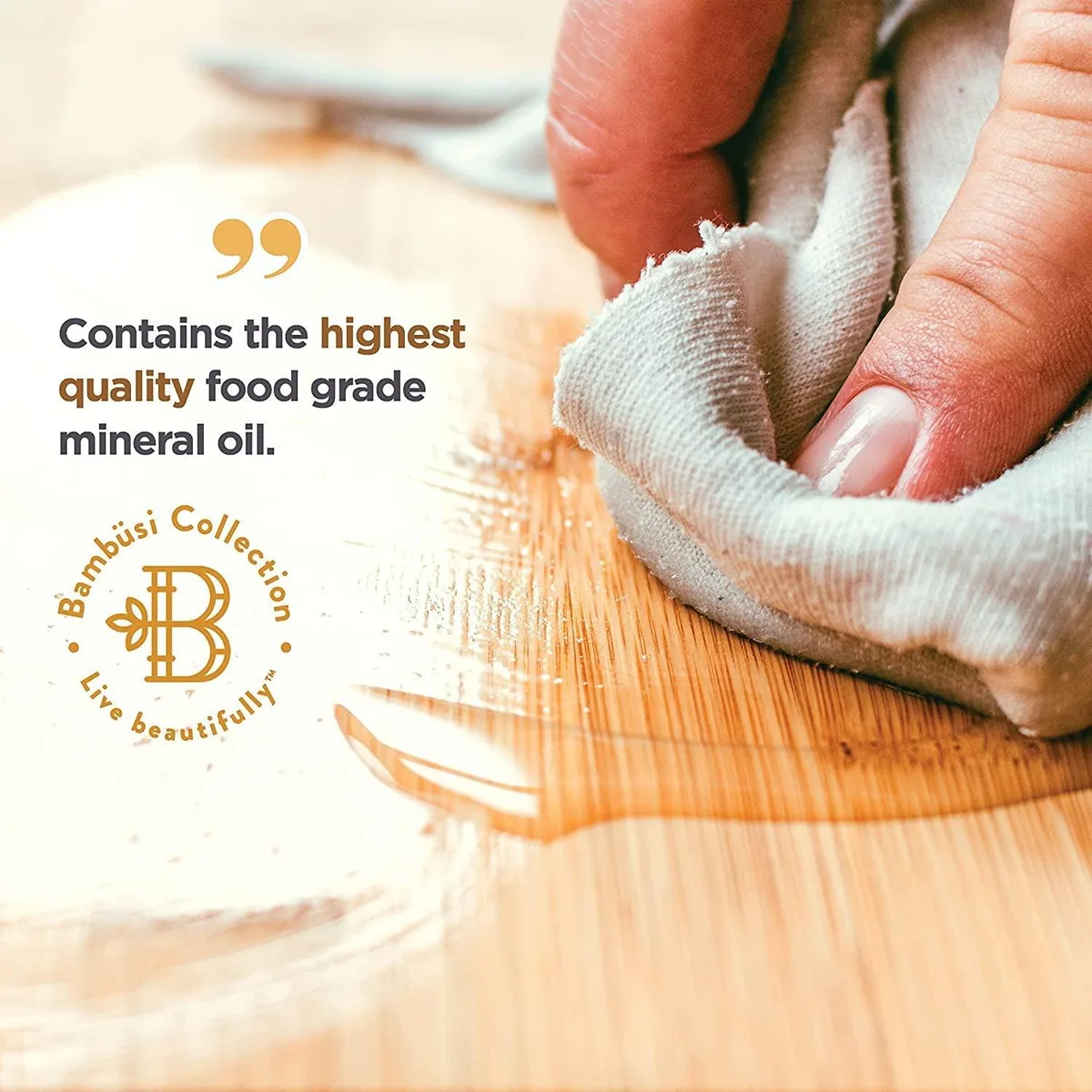
Once the wood is completely dry, apply food-grade mineral oil. Use about one tablespoon per square foot, rubbing it in with a cloth along the grain. Let it absorb for several hours or overnight, then buff off any excess.
Reapply mineral oil every four to six weeks, or whenever the wood looks dry and pale.
Marble & Stone: pH-Neutral Only, Wipe Immediately
Never use vinegar, lemon, or any acidic cleaner on marble. These etch the surface permanently. Instead, use a few drops of pH-neutral dish soap in warm water.
Dampen a soft cloth and wipe the surface gently. Rinse with a clean damp cloth to remove all soap residue.
For stuck-on cheese or charcuterie residue, make a paste of baking soda and water. Apply it to the stained area, let it sit for ten minutes, then gently rub with a soft cloth. Wipe clean and dry immediately.
Marble is porous, so spilled wine, olive oil, or tomato sauce should be blotted, not rubbed. Rubbing pushes the pigment deeper into the stone. After blotting, clean the area with the soap-and-water method above.
Crystal & Glass: Soap, Soft Cloth, Dry Fast
Crystal collects water spots and film faster than regular glass. Clean with warm soapy water and a soft microfiber cloth. For sparkle, mix one part white vinegar with four parts water.
Wipe the surface with this solution, then rinse with plain water and dry immediately with a lint-free cloth.
Avoid ammonia-based cleaners on crystal. They can cloud the finish over time. Never use steel wool or abrasive pads.
Store crystal platters separately so they don't knock against each other.
Porcelain, Ceramic & Melamine: Dishwasher-Safe? Check First
Most porcelain and ceramic platters can go in the dishwasher, but check the manufacturer's label first. Some hand-painted designs and gold-leaf edges cannot survive dishwasher heat and detergent. When in doubt, hand wash with warm soapy water and a soft sponge.
Melamine platters are durable and lightweight but scratch easily. Hand wash only. Abrasive pads will leave visible marks that trap dirt over time.
Metal Platters: Tarnish and Stain Care
Stainless steel platters are the easiest to clean. They're dishwasher safe, stain resistant, and durable. Clean with standard dish soap and a soft sponge.
Silver-plated items tarnish over time. Use a dedicated silver polish cloth for routine maintenance. For heavier tarnish, apply polish with a soft cloth, buff gently, and rinse thoroughly.
Never put silver plate in the dishwasher.
Copper platters react with acidic foods. Most are lined with tin or stainless steel on the food surface. If your copper platter is unlined, avoid serving acidic foods on it and clean immediately after use with warm soapy water.
Dry completely to prevent patina buildup.
Common Mistakes That Ruin Platters Fast
These errors show up repeatedly in manufacturer warnings and expert guidance. Avoiding them protects your investment.
Soaking wooden boards is the number one mistake. Wood absorbs water unevenly, causing grains to swell and crack. Even a thirty-minute soak can warp a thin cutting board or serving platter.
If you accidentally soak wood, dry it immediately and weight it down flat while it dries to minimize warping.
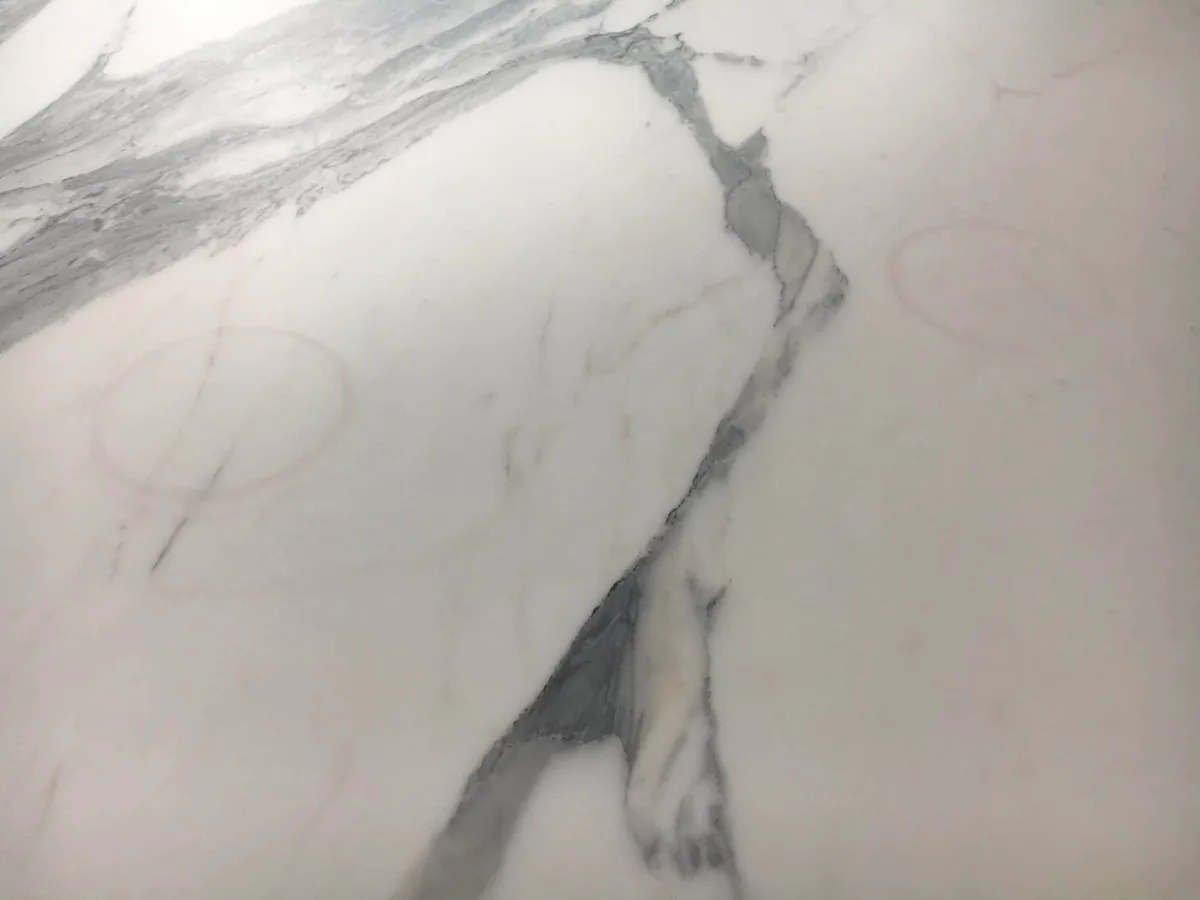
Using vinegar or lemon on marble seems harmless because both are natural cleaners. But marble is calcium carbonate. Acid plus calcium carbonate equals etching.
The result is a dull, rough patch that feels different when you run your finger across it. This damage cannot be reversed by cleaning. Only professional polishing can restore it.
Putting hand-finished platters in the dishwasher is another costly error. The high heat and harsh detergents degrade wood sealants, cloud crystal, and fade painted designs. Always verify dishwasher safety before loading.
Scrubbing with steel wool or abrasive pads creates micro-scratches on every surface. On wood, scratches trap food particles and odors. On crystal and glass, they create cloudy areas that no amount of polishing fully removes.
On marble, they compound existing etch damage.
Ignoring immediate cleanup makes everything harder. Dried cheese, set sugar, and cooled fat are significantly harder to remove than fresh residue. A quick wipe-down after each use takes thirty seconds and prevents ninety percent of deep-cleaning work.
Using the wrong oil on wood is surprisingly common. Olive oil goes rancid over time, leaving an unpleasant smell and sticky residue. Always use food-grade mineral oil, which stays stable and odorless.
Some people turn to outdoor dining set maintenance routines for similar material-care principles.
Maintenance That Keeps Planners Looking New
Regular maintenance prevents the kind of damage that requires expensive restoration. The routine varies by material but follows the same logic: clean properly, dry thoroughly, protect the surface.
For wooden platters, the oiling schedule is the most important maintenance task. Apply mineral oil every four to six weeks with regular use. If you host frequently, check monthly by sprinkling a few drops of water on the surface.
If the water beads up, the seal is intact. If it soaks in darkly, it's time to reoil.
Marble platters need an impregnating sealer reapplied once or twice a year, depending on usage. Sealers fill the microscopic pores and give you a window to wipe up spills before they stain. Test the seal by placing a few drops of water on the surface.
If it darkens the stone within a minute, reseal. If it beads for five minutes or more, you're protected.
Crystal and glass platters benefit from a monthly vinegar rinse even if you wash them after every use. This prevents hard water film from building up gradually. Dry with a microfiber cloth to avoid water spots.
Porcelain platters rarely need special maintenance beyond careful handling. Check for chips regularly, especially around the rim. A small chip can grow into a larger crack if stress accumulates.
Metal platters should be inspected for tarnish weekly if used often. A quick buff with the appropriate polish keeps them looking sharp.
Good storage matters too. Stack platters with soft felt separators between them. Store wooden boards vertically or flat on a rack, never leaned against a wall where they can bow.
Keep crystal in a padded cabinet or wrapped in acid-free tissue paper.
Proper storage connects to the wider picture of outdoor dinnerware features that matter when you're choosing pieces that last. Durability starts with how you treat the pieces you already own.
When to Deep Clean vs. Quick Refresh
Not every cleaning session needs the same intensity. Matching your effort to the level of soiling saves time and reduces wear on your platters.
A quick refresh handles daily use: wiping off crumbs, rinsing cheese dust, and giving the surface a light soap wash. This takes two to three minutes and prevents buildup. Do this after every single use, regardless of material.
A standard clean addresses a full entertaining session with multiple foods, spills, and dried residue. This involves the full material-specific cleaning process described above. Allow fifteen to twenty minutes depending on soiling level and material.
A deep clean is reserved for three situations: when stains have set in overnight, after serving strongly pigmented foods like beets or turmeric, or when odors persist after a standard clean. For wood, this means a salt-lemon scrub followed by a full reoil. For marble, a baking soda paste treatment and resealing check.
For crystal, a vinegar soak for stubborn water spots.
The USDA Food Code emphasizes that food-contact surfaces must be cleaned and sanitized after each use with potential contamination. USDA food safety guidelines recommend this for any surface that held ready-to-eat foods. While home entertaining doesn't always require commercial sanitization, the principle holds.
When in doubt, clean more thoroughly rather than less.
Deep cleaning too frequently can actually damage some materials. Reoil-ing wood more than needed saturates the fibers and creates a sticky surface. Aggressive scrubbing on marble wears down the finish over time.
Match the depth of your cleaning to the actual level of soiling, and your platters will serve you well for years.
Frequently Asked Questions
Can I put any serving platter in the dishwasher?
Only platters explicitly labeled dishwasher-safe by the manufacturer. Most wooden, marble, crystal, and silver-plated platters are not. Porcelain and melamine often qualify, but hand-painted or gold-trimmed pieces usually don't.
Check the bottom stamp before loading. When unsure, hand wash to protect your investment.
How do I remove red wine stains from a marble platter?
Blot immediately without rubbing. Apply a thick baking soda paste and let it sit for ten to fifteen minutes, then gently wipe away. If the stain remains, a marble poultice kit can draw out embedded pigment.
Speed matters because wine penetrates porous stone quickly and sets permanently if ignored.
What oil should I use on a wooden serving platter?
Food-grade mineral oil is the industry standard. It stays stable, doesn't turn rancid, and remains odorless. Some woodworkers blend beeswax into mineral oil for a harder finish.
Skip olive oil and vegetable oil because they oxidize over time and leave unpleasant rancid smells on your food surfaces.
How often should I reoil a wooden platter?
Reapply every four to six weeks during normal use. Heavy entertaining seasons may require monthly oiling. Light-use pieces might only need treatment once or twice per year.
Test by sprinkling water on the surface. Beading means you're fine. Absorption means it's time to oil again.
Is it safe to use bleach on a serving platter?
Bleach is not recommended for routine home platter care. It degrades wood sealants, damages stone finishes over repeated use, and leaves residues that are hard to fully rinse. For sanitizing wooden boards between raw meat prep and produce, a dilute hydrogen peroxide solution is safer and equally effective against common bacteria.
How do I fix minor etching on marble without calling a pro?
Light etching can sometimes be polished out using a diamond marble polishing powder. Apply with a soft damp cloth in small circular motions, then buff dry. This works best on fresh etches rather than set-in damage.
Heavier pitting requires professional stone restoration services to level and resurface correctly.