How to Clean Melamine Dinnerware: 7 Easy Stain-Removing Tips
Knowing how to clean melamine dinnerware is simpler than most people think, but one wrong choice, harsh scrubbers, chlorine bleach, or high heat, can ruin the finish permanently. Most stains come off with a soft sponge, baking soda, or hydrogen peroxide depending on what you are dealing with.
Manufacturer specifications confirm that melamine is top-rack dishwasher safe, but hand washing extends the life of your set significantly. Per FDA guidance on melamine-formaldehyde resins, the material is stable for food contact when used as intended, that means no microwave use and no exposure to extreme heat. Once you know the right tools and the right technique for each type of stain, cleaning takes minutes.
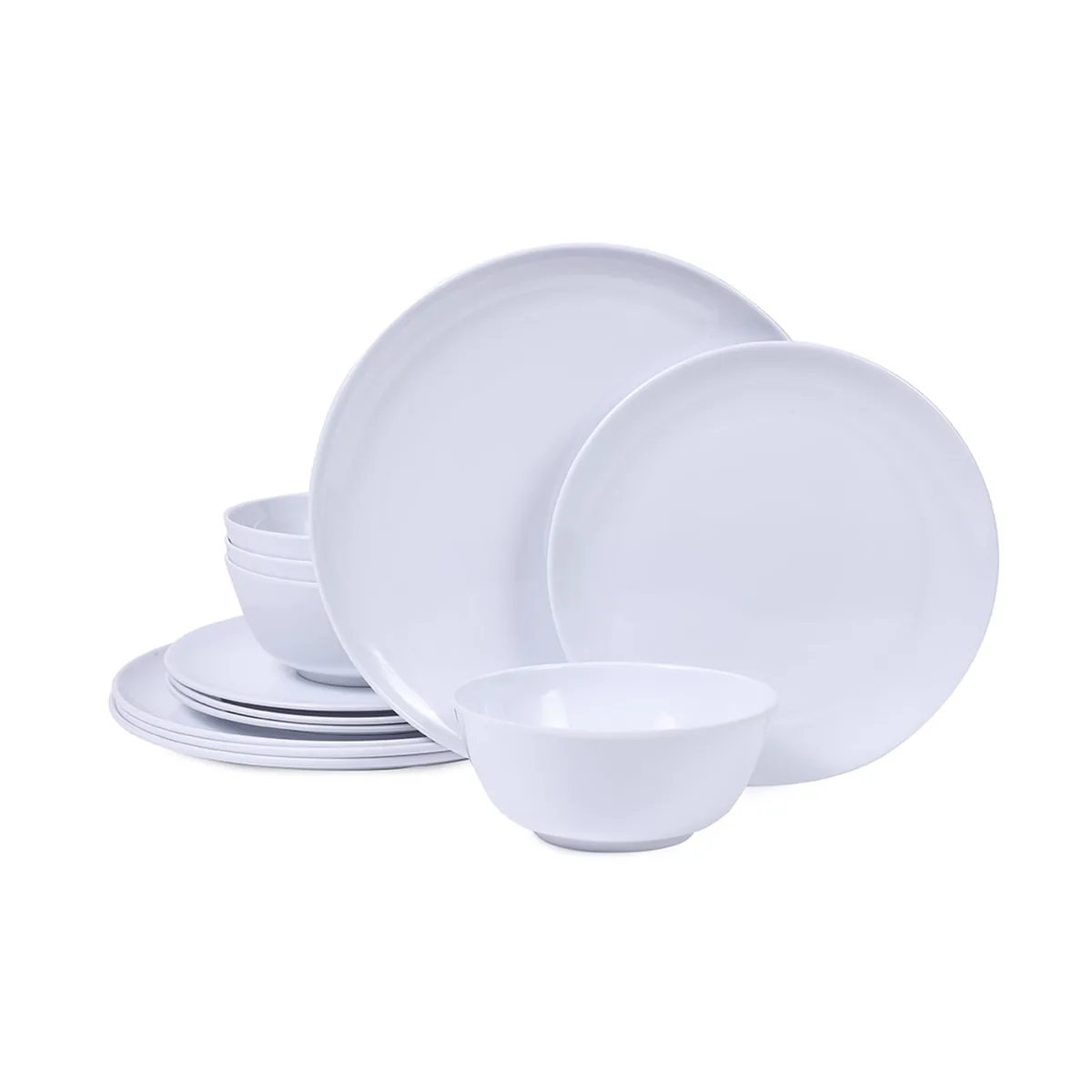
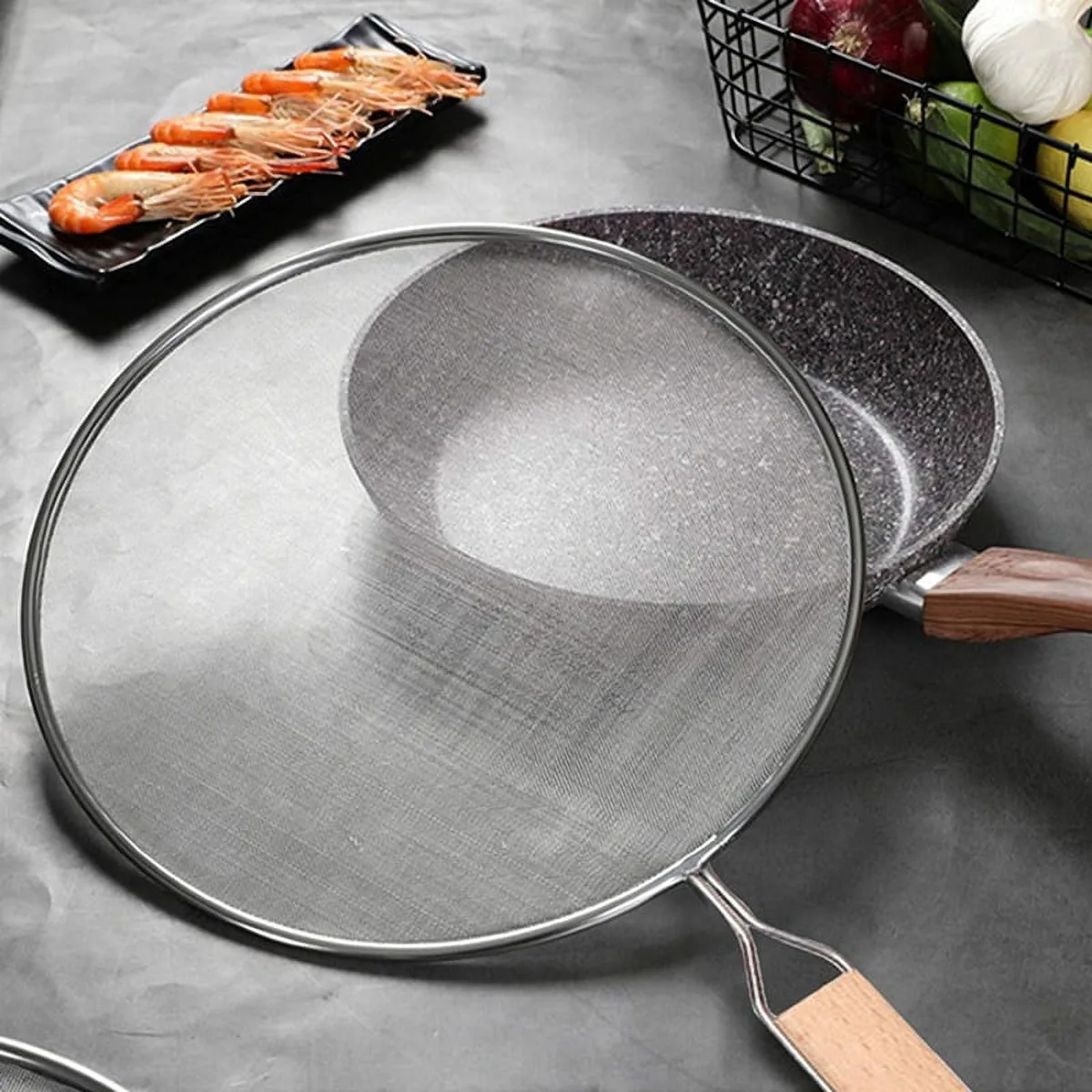
Image source: Bing (Web (fair-use with source credit))
Quick Answer
How to clean melamine dinnerware: use warm soapy water and a soft sponge for everyday grime. Baking soda paste lifts baked-on residue. A white pencil eraser removes grey scuff marks.
Hydrogen peroxide treats deep stains. Keep everything off the bottom dishwasher rack and never use chlorine bleach.
Why Melamine Needs Different Care Than Ceramic or Glass
Melamine is a thermosetting plastic made from melamine-formaldehyde resin. That means once the material is molded and cured, it cannot be melted back down. It is hard, lightweight, and nearly shatterproof.
Those qualities make it a favourite for family homes, schools, campsites, and outdoor dining setups. You can read more about outdoor dinnerware features that actually matter if you are comparing materials for patio use.
The trade-off is surface vulnerability. The resin cure creates a dense but relatively soft outer layer compared to ceramic glaze or glass. That softness lets the dish slide easily in a drawer or cooler, but it also means abrasive contact scratches the surface quickly.
A scratch may look minor at first. It becomes a tiny harbourage zone where pigments, oils, and bacteria collect over time.
This is why melamine demands gentler cleaning chemistry and softer tools. Ceramics and glass handle steel wool and heavy-duty powders without flinching. Melamine will not forgive that treatment.
Match your cleaning approach to the material, and your dishes stay bright far longer.
Aggregate manufacturer care guides converge on a short list of non-negotiables: soft sponges only, mild dish detergent, warm water, and top-rack dishwasher placement if you choose to machine wash. Anything hotter or more aggressive shortens the useful lifespan of the piece. As our guide to maintaining outdoor dining sets explains, regular gentle care beats occasional harsh cleaning every time.
Your Stain-Troubleshooting Decision Tree
The single most useful skill you can learn is reading the stain before you attack it. Melamine surfaces present several distinct problem types, and each one responds best to a completely different approach. Pick the right path and the job finishes fast.
Pick the wrong one and you waste time or risk permanent damage.
Grey Scuff or Transfer Marks
Dark grey lines often appear after a plate slides across a tabletop or scrapes against another dish in a packed cabinet. Those marks are usually not stains on the melamine. They are material transfer from whatever struck the surface.
Start with a standard white pencil eraser. Rub gently along the mark. In most cases the transferred residue lifts off cleanly without any liquid or foam.
If the eraser alone does not clear it, switch to a damp melamine foam pad. Light pressure in small circles is enough. Aggressive scrubbing defeats the purpose and may create new micro-scratches.
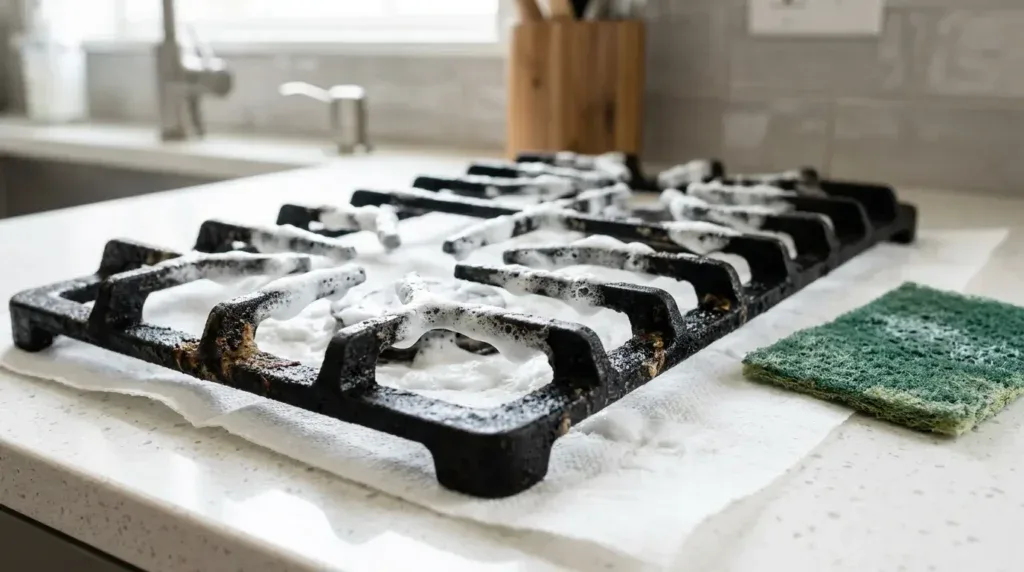
Image source: Web (Bing) / bakingsodarecipe.com (Web image (fair-use with source credit))
Everyday Grime and Light Residue
Faint film from pasta sauce, dried mustard, or general table dust falls into the routine clean category. Fill a sink or basin with warm tap water and a squirt of standard dish soap. Let the item soak for five to ten minutes.
Wipe with a soft yellow sponge. Rinse thoroughly and dry with a clean towel.
If you want extra cutting power without abrasives, add half a cup of white vinegar to the soak water. Vinegar breaks down oily films and leaves no chemical residue behind. This routine handles the vast majority of daily messes.
Reserve stronger treatments for harder problems.
Baked-On Food and Cooked-On Grease
Cheese crust from a casual pizza night, gravy that dried during prep, or oil that polymerized from a hot skillet all belong in this category. Water alone will not dissolve them. Baking soda does the heavy lifting here.
Mix baking soda with just enough water to form a thick spreadable paste. Apply a generous layer over the affected area. Let it sit for fifteen to twenty minutes.
The paste draws moisture into the baked deposit and softens it without scratching. Scrub gently with a soft sponge. Rinse and inspect.
Repeat once if needed before moving to a stronger option.
Deep Pigment Stains and Discolouration
Turmeric, beet juice, tomato paste left in a bowl for hours, red wine, these can penetrate the surface microstructure enough to leave a visible colour change. Surface-level pastes often fall short.
A three-percent hydrogen peroxide solution works well for this tier. Dampen a soft cloth or cotton pad and press it directly onto the stained area. Leave it in place for thirty minutes.
Gently rub the spot afterward. Rinse thoroughly. For stubborn cases, combine equal parts baking soda and hydrogen peroxide into a paste, apply thickly, cover loosely with plastic wrap to slow evaporation, and leave it overnight.
Scrub lightly and rinse first thing in the morning.
Avoid chlorine bleach entirely. Bleach degrades melamine resin over repeated exposures and accelerates yellowing. The FDA maintains guidance on food-contact materials on its official website, and consumer safety literature consistently warns against harsh oxidizers on melamine surfaces.
Mistakes That Permanently Damage Melamine
Certain habits cause irreversible harm to melamine dinnerware, and most people repeat them without realizing the cost. The damage is rarely obvious on day one. It compounds slowly until the dish looks dull, feels rough, or holds stains permanently.
Spot the mistakes early and your sets last years longer.
The most common culprit is the wrong cleaning tool. Green scouring pads, steel wool, and abrasive kitchen powders score the surface aggressively. Each pass deposits fine scratches that collect colour and grime faster than smooth melamine ever would.
Once scratched, a dish never fully recovers its original brightness regardless of how carefully you clean it going forward.
High heat is the second major threat. Putting melamine on the bottom rack of a dishwasher places it near the heating element. Temperatures there routinely exceed what the resin tolerates over repeated cycles.
Warping, cloudiness, and loss of structural rigidity follow. Same result in ovens, broilers, or near hot stovetop burners. Even brief exposure to direct heat can distort a plate.
Image source: Bing (Web (fair-use with source credit))
Chlorine bleach deserves its own warning. A single diluted soak might not destroy a piece immediately, but regular use breaks down the resin matrix. Discolouration, surface softening, and eventual cracking are the end results.
Baking soda and hydrogen peroxide accomplish the same whitening and stain-lifting goals without the degradation risk.
Leaving acidic foods sitting on melamine for extended periods also takes a toll. Tomato sauce, citrus dressings, vinegar-based marinades sit for hours in a stacked cabinet and slowly dull the finish. Prompt washing after meals prevents this gradual etching.
Soaking a stained bowl overnight in warm soapy water is fine. Letting a spicy Arrabbiata sauce harden in the same bowl for two days is not.
Finally, ignoring cracks and chips is a hidden mistake. A hairline fracture or rim chip creates a pocket where moisture and food particles hide. You cannot clean inside that gap effectively.
Bacteria accumulate there over time. When you notice any separation or sharp exposed edge, retire that piece from active use rather than keeping it at the table.
Long-Term Care and When to Replace Your Melamine
Proper storage and consistent gentle cleaning keep melamine looking good for years. Dishwasher use is acceptable when done correctly, but hand washing remains the longest-lasting option. If you run melamine through the machine, place it exclusively on the top rack and skip the heated dry cycle.
Air drying prevents the thermal stress that warps and clouds the surface over time.
Stacking strategy matters more than most people realise. Nested plates rub against each other during loading, transport, and unloading. That friction creates the grey transfer marks discussed earlier.
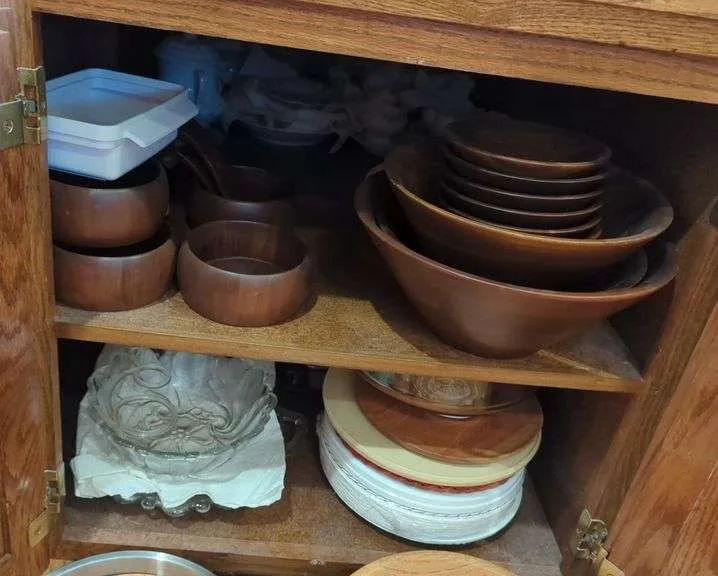
Separate layers with a soft cloth or paper towel between each piece, or store plates vertically whenever drawer or shelf space allows. Proper stacking mirrors the same organisational logic you would apply when maintaining your camping kitchen gear.
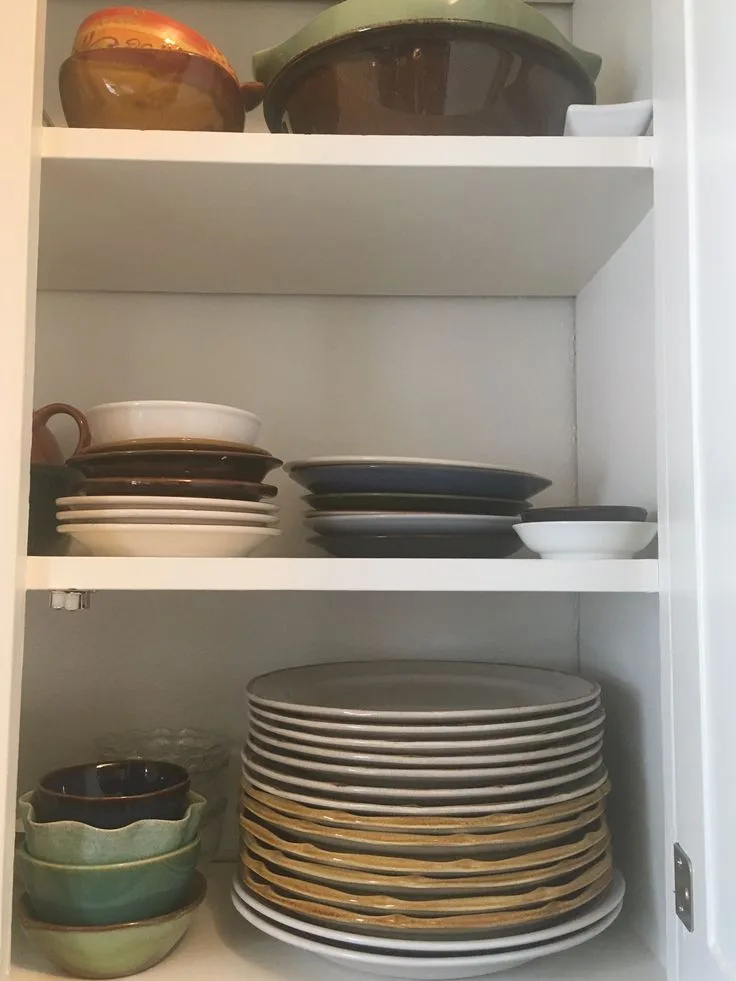
Image source: Bing (Web (fair-use with source credit))
Routine maintenance is straightforward. After each use, wash with warm soapy water and a soft sponge. Dry thoroughly before stacking.
Inspect annually for signs of wear that signal retirement time. Replacement triggers include deep scratches that refuse to clean out, persistent discolouration despite repeated treatment, visible warping that makes a plate rock on a flat surface, and any crack or chip near the rim.
Melamine dinnerware remains a practical choice for high-traffic households, outdoor entertaining, and budget-conscious buyers precisely because it withstands everyday abuse better than fragile alternatives. The payoff comes only when you treat the material respectfully. Match your cleaning to the stain, avoid the known damage pathways, and your current set will outlast several cheaper replacements.
Frequently Asked Questions
Is melamine really safe for everyday food use?
Yes. Melamine-formaldehyde resin is approved for food-contact surfaces by major regulatory agencies when manufactured to spec. The concern arises only with deliberate misuse, microwaving, sanding the surface, or using damaged pieces with open cracks.
Handle it normally and it performs safely for years.
Can I put melamine plates in the dishwasher?
Top rack only. Keep them away from the bottom heating element and disable heated dry if your model allows it. Hand washing is gentler and preserves the finish longer, but dishwasher use on the upper rack is widely considered safe by manufacturers.
Why do my melamine plates develop grey scuff marks?
Those marks are material transfer, not stains. Something softer, a chair leg, another dish, a rubberised mat, deposited a thin layer of residue on the melamine surface. A pencil eraser or damp melamine foam pad usually lifts them without scratching the underlying plate.
What is the strongest cleaner safe for melamine?
Hydrogen peroxide at three percent concentration is the strongest safe option for stain removal. Combine it with baking soda for a paste on tough discolouration. Avoid chlorine bleach, ammonia-based cleaners, and powder abrasives, all of them degrade the resin over time.
How do I know when melamine dinnerware should be replaced?
Replace pieces showing deep scoring that won't clean out, permanent discolouration that survives multiple treatments, warping that prevents the plate from sitting flat, or any crack or chip near the rim. Continued use of compromised pieces traps bacteria and poses a hygiene risk.

Similar Posts