How to Clean and Maintain Your Splatter Screen for
You've probably noticed your splatter screen getting gunkier with every bacon cookout, and you're wondering how to maintain splatter screen gear without stripping the mesh or warping the frame. That frustration is completely normal, grease builds up fast, and most home cooks skip proper cleaning until the screen is basically a solid sheet of hardened oil.
Manufacturer specifications indicate that a well-maintained stainless steel splatter screen can last five years or more, while nylon-coated versions typically last one to three years with regular care. Proper cleaning techniques matter just as much as the frequency, so let's walk through exactly what works and what doesn't.
Quick Answer
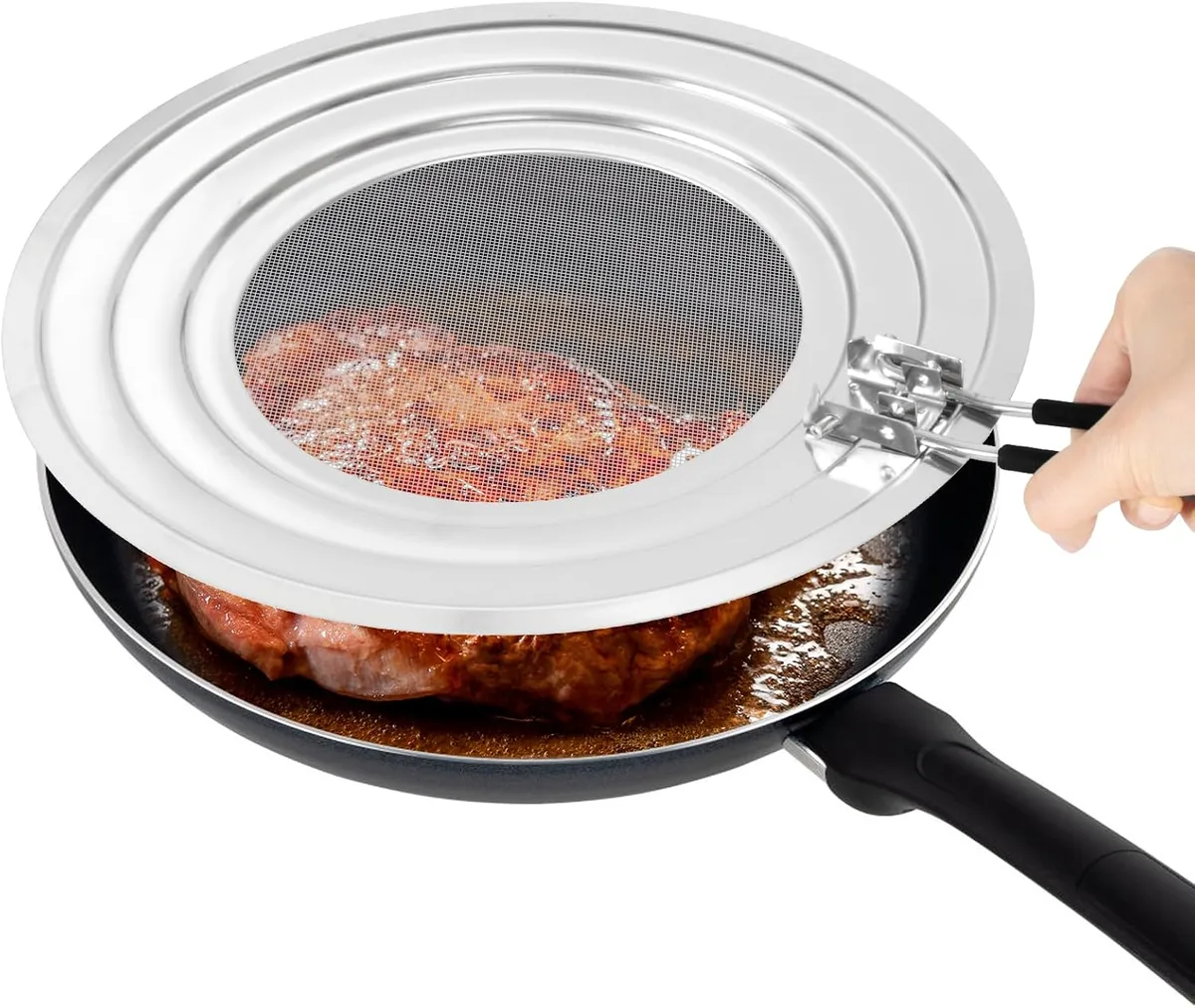
How to maintain splatter screen depends on your screen type. Rinse it after each use while warm. Wash with warm soapy water weekly.
Dry it thoroughly before storing. Deep clean baked-on grease monthly. Replace it when holes appear or coating peels.
Know Your Gear: Different Screens Need Different Care
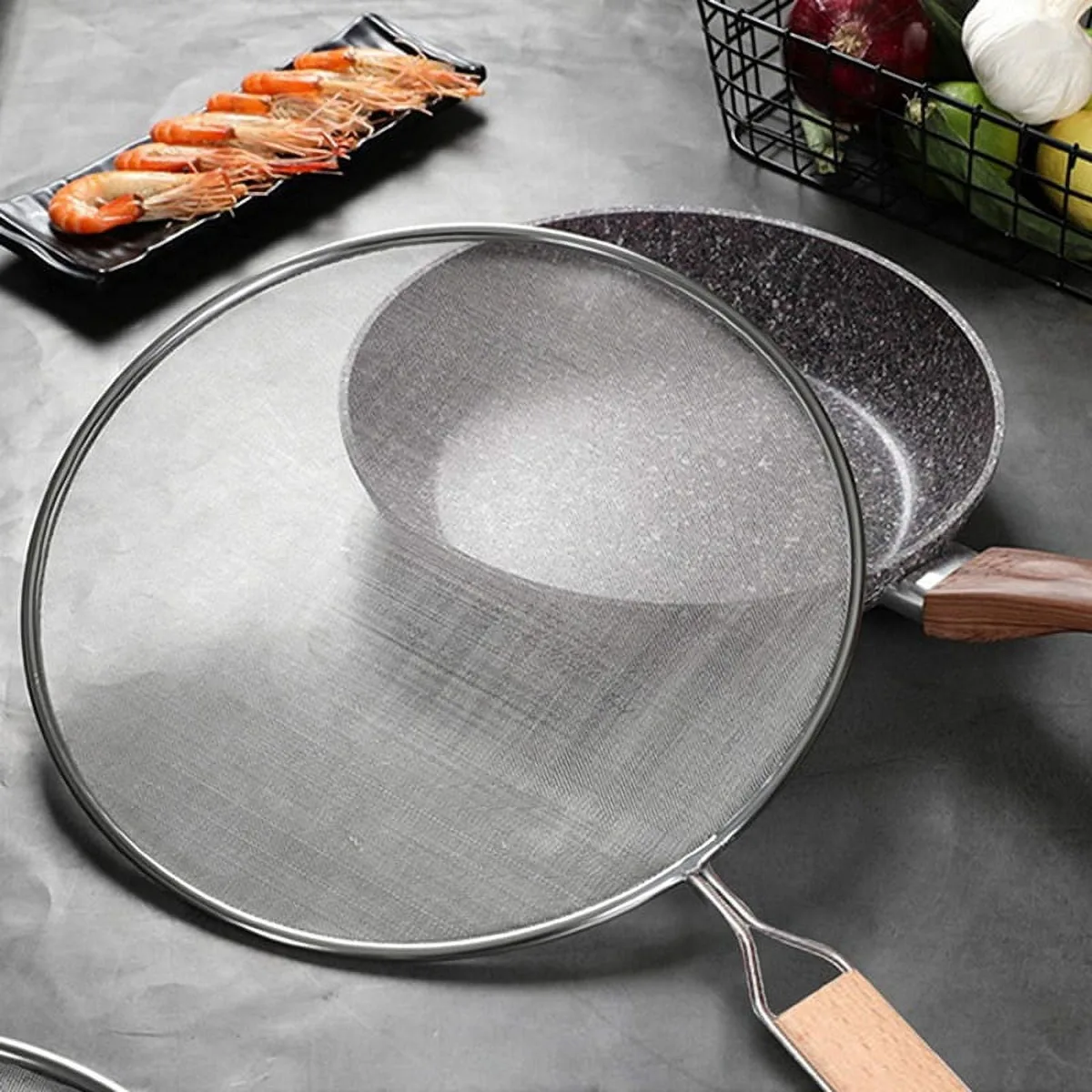
Your splatter screen maintenance routine changes based entirely on what material it's made from. Stainless steel mesh can handle tougher cleaning methods without issues. Nylon-coated versions require gentler treatment to protect the non-stick surface.
Silicone-rimmed screens need attention to both the mesh and the edge seal.
Stainless Steel vs. Nylon-Coated vs. Silicone-Rimmed
| Screen Type | Cleaning Method | Heat Limit | Expected Lifespan | Dishwasher Safe |
|---|---|---|---|---|
| Stainless steel mesh | Hand wash or top-rack dishwasher | Up to 750°F | 5+ years | Yes |
| Nylon-coated mesh | Hand wash only | Up to 400°F | 1-3 years | No |
| Silicone-rimmed | Hand wash or top-rack dishwasher | Up to 450°F | 3-5 years | Usually yes |
Stainless steel screens are the workhorses of kitchen maintenance. They tolerate baking soda pastes, steel wool (used carefully), and even brief soaking without degrading. The trade-off is that plain steel lets tiny food particles through, which means you might spot smaller splatter reaching your stovetop.
Nylon-coated options solve that problem by trapping finer debris. The downside is the coating adds fragility. You cannot use abrasive pads, and high heat will damage the layer.
Think of these screens like maintaining camping kitchen gadgets, delicate surfaces need gentle handling to survive repeated use.
Silicone-rimmed screens combine benefits from both worlds. The rim creates a better seal against your pan, reducing oil escape paths. Most manufacturers approve top-rack dishwasher cycles for these units.
However, you should inspect the silicone edge regularly for cracks or separation from the mesh.
Cleaning outdoor tableware properly uses similar gentle principles. Both kitchen mesh screens and outdoor serving pieces share the same vulnerability: harsh chemicals degrade protective coatings over time.
The Step-by-Step Cleaning Workflow: From Quick Rinse to Deep Degrease
Daily maintenance takes under two minutes. Weekly deep cleaning requires ten to fifteen minutes. Monthly degreasing might stretch to twenty minutes depending on buildup severity.
Knowing which level your screen needs prevents either neglect or unnecessary scrubbing.
Daily Post-Use Reset
Let your screen cool until it's warm but safe to touch. Hold it over the trash or sink and tap it gently to dislodge loose debris. Rinse under warm running water while using your fingers to rub away fresh grease.
Pat dry with a clean towel and return it to storage immediately. This routine prevents the worst of the buildup before it has time to bake on.
Think about how using an outdoor serving tray requires similar wipe-down habits after each event. Small daily efforts prevent major cleanup disasters later.
Weekly Deep Clean for Baked-On Grease
Fill your sink with warm water and a few drops of dish soap. Submerge the screen and let it soak for five minutes. Use a soft sponge or nylon brush to work the mesh gently.
For stubborn spots, make a paste of baking soda and water, apply it to affected areas, and let it sit another five minutes before rinsing. Always rinse thoroughly and dry completely before storing.
The FDA recommends cleaning food-contact equipment with hot water and detergent after each use. Your splatter screen qualifies as food-contact equipment since oil and food particles touch its surface repeatedly. Following those guidelines keeps your cooking accessories sanitary and functional.
Fixing Warped Screens and Loose Handles
Warped screens happen when high heat meets thermal shock. If yours bows slightly, try flattening it while warm by pressing it between flat surfaces for an hour. Handles loosen over time from grip friction and washing cycles.
Tighten screw-type connections when you notice wobble. Riveted handles cannot be tightened and may need replacement if they detach completely.
Common Mistakes That Ruin Your Splatter Screen Faster
Making these errors shortens screen lifespan dramatically. Most damage comes from shortcuts taken during cleaning or improper storage habits.
Using Abrasive Pads on Coated Mesh
Steel wool destroys nylon coatings instantly. Scouring pads designed for pans work too aggressively on delicate mesh surfaces. Coating removal exposes bare wire to food acids, causing faster degradation and uneven filtering performance.
Stick to sponges, soft brushes, or microfiber cloths for any coated product.
Putting It in the Oven or on Direct Flame
Splatter screens belong on stovetops, not inside ovens. Even stainless steel models warp at sustained temperatures above their rated limits. Placing a screen directly over flame ignores basic safety design and risks melting handles, damaging coatings, or creating sharp bent edges.
Ignoring a Damp Screen and Letting Rust Form
Water left trapped in mesh causes oxidation within hours. Store screens completely dry every single time. If you accidentally store it damp, remove it immediately and dry thoroughly.
Repeat this mistake regularly and expect rust stains or perforation within months.

Just as maintaining outdoor dining sets requires protecting metal components from moisture, your kitchen screen needs the same vigilance against water damage.
When to Keep Using Your Screen—and When to Toss It
Screens have finite lifespans regardless of care quality. Knowing when to extend service versus when to replace prevents cooking accidents and poor results.
Spotting Permanent Damage: Holes, Bending, and Peeling
Holes larger than one millimeter defeat the screen's purpose entirely. Oil escapes through gaps without warning, defeating the whole point of using the tool. Severe bending creates unstable seating on your pan, increasing spill risk.
Nylon peeling indicates coating failure, continue using it only if you accept reduced protection.
Replacement cost ranges from eight to thirty dollars as of 2026, depending on size and features. That investment pales compared to damaged cookware or burned stovetop repairs. Consider gold flatware selection criteria, durability and value justify upfront spending on quality kitchen tools that last.
Cost Comparison: Cleaning Supplies vs. Replacement Screens
Basic cleaning supplies cost roughly five dollars initially and refill cheaply. Baking soda runs under a dollar per box. Dish soap costs pennies per use.
Towels reuse indefinitely. Over five years, maintenance supplies total under twenty dollars for a screen that would otherwise need replacement every two years.
Skipping cleaning entirely saves zero meaningful money while destroying the accessory prematurely. A twenty-dollar screen cleaned properly lasts three times longer than a neglected one, making maintenance financially obvious.
Safety First: Burns, Slippery Floors, and Stovetop Protection
Proper maintenance intersects directly with kitchen safety. Grease on screens, floors, or cooktops creates real hazards beyond cosmetic messes.
Handling Hot Screens Without Scalding Yourself
Screens absorb and retain heat longer than you might expect. Always handle with oven mitts or dry towels until completely cooled. Place hot screens on heat-safe surfaces, never on counters that melt or warp.
Grease on hot screens causes steam burns if water contacts them unexpectedly.
Keeping Your Glass Cooktop Scratches-Free
Metal mesh dragging across glass stovetops leaves permanent scratches. Inspect your screen edges before placing it down. Smooth rims prevent contact damage.
If your current screen has sharp bent wires, consider swapping to a silicone-rimmed model designed for delicate surfaces.
Food-Safe Materials and Manufacturer Guidelines
Only use cleaning products approved for food-contact surfaces. Bleach damages mesh integrity and leaves harmful residue. Avoid ammonia-based cleaners on coated screens unless the manufacturer explicitly approves them.
Follow Underwriters Laboratories standards for kitchen equipment safety when selecting replacement parts or cleaning chemicals.
Just like setting up an outdoor pizza oven, proper initial setup and ongoing care prevent dangerous failures down the line.
Advanced Troubleshooting: Solving Common Splatter Screen Problems
Even with careful maintenance, splatter screens develop issues that require targeted solutions. Knowing how to address each problem prevents premature replacement and extends usable lifespan significantly.
Persistent Grease Buildup Won't Come Off
When regular washing fails to remove baked-on residue, try a vinegar soak. Mix equal parts white vinegar and hot water, submerge the screen for thirty minutes, then scrub gently. The acid breaks down polymerized oil that soap alone cannot dissolve.
For stainless steel models, you can safely increase soaking time to two hours without damaging the mesh.
Mesh Developing Small Tears
Minor tears often start at stress points where the mesh meets the frame. Apply a small amount of food-safe silicone sealant to stop propagation. This temporary fix works for screens you need until replacement shopping becomes convenient.
However, if tears appear across multiple areas, the structural integrity is compromised and replacement makes more sense than constant patching.
Handle Becomes Unstable During Use
Wobbly handles create safety hazards during active cooking. Check whether your model uses screws or rivets. Screw-type connections tighten with a small Allen wrench when loose.
Riveted designs cannot be repaired at home, consider whether the handle bracket itself is damaged or if the screen frame deformed under heat. Sometimes replacing just the handle component saves money versus buying a whole new screen.
Screen Slides Around Inside Pan
If your screen moves while cooking, it creates uneven protection and potential spill risks. Make sure the screen diameter matches your pan inner diameter closely. Screens that are too small ride around loosely.
Those designed for specific pan sizes maintain better stability during active frying.
Seasonal Storage and Long-Term Care Strategies
Proper storage practices matter as much as cleaning routines. How and where you store your splatter screen affects longevity between uses throughout the year.
Best Storage Methods for Different Kitchen Layouts
Flat storage works best when drawer space allows it. Place screens between paper towels or cloth napkins to absorb any residual moisture and prevent scratching. Hanging storage requires sturdy hooks that won't bend the frame over time.
Cabinet shelving works well if you organize screens vertically rather than stacked, which prevents warping from weight pressure.
Preparing Screens for Extended Idle Periods
Before storing away for summer or extended vacations, clean and dry your screen thoroughly. Add a silica gel packet to the storage container to control humidity. Check stored screens monthly for any signs of moisture damage or pest intrusion.
Properly stored screens maintain readiness for winter cooking seasons without degradation.
Rotating Multiple Screens for Longer Life
Owning two or three screens lets you rotate usage, giving each piece extended recovery time between cooking sessions. This practice reduces wear frequency and extends overall set lifespan. You can also designate specific screens for particular tasks, heavy greasing duties versus lighter sauté work, reducing cumulative damage on your primary screen.
Just as choosing the right outdoor dinnerware involves considering how often and intensely pieces will be used, rotating kitchen tools prevents any single item from bearing all the wear.
Frequently Asked Questions
Can I put my splatter screen in the dishwasher?
Stainless steel and silicone-rimmed screens survive top-rack dishwasher cycles safely. Never place nylon-coated screens in dishwashers. The combination of heat and detergent strips the protective coating, ruining filtering ability within months.
How do I remove burnt grease from a splatter screen?
Soak the screen in hot water mixed with dish soap for thirty minutes. Create a thick paste from baking soda and water. Spread it over greasy areas and let sit ten minutes before scrubbing gently with a soft brush.
Rinse and repeat for heavy buildup.
Why does my splatter screen warp after washing?
Thermal shock causes warping. Moving a hot screen directly into cold water creates rapid temperature changes that bend metal. Allow screens to cool gradually to room temperature before washing, and avoid submerging hot screens in anything colder than warm.
Is a splatter screen necessary if I use a lid instead?
Lids trap steam and change cooking results. Screens maintain airflow while blocking large splatter. They suit different purposes rather than competing directly.
Many cooks use both tools interchangeably depending on the dish.
How often should I replace a splatter screen?
Replace stainless steel screens every three to five years with regular care. Nylon-coated screens need replacement annually or when coating peels. Inspect monthly for holes, warping, or loose handles that affect safety or performance.
What's the best way to store a splatter screen?
Store flat in a drawer to prevent bending. Hang it on a hook if your kitchen supports that. Avoid leaning screens against cabinet sides where they accumulate dust and grease from surrounding surfaces.
Clean before storing to preserve longevity.

Ethan Cole is a kitchen innovation enthusiast and food technology writer at DiningGadgets.com. With over 8 years of experience reviewing cookware, smart kitchen tools, and design trends, he helps readers discover gadgets that make cooking easier and dining more enjoyable. When he’s not testing the latest kitchen appliances, Ethan enjoys experimenting with recipes and sharing practical tips for modern homes.