How to Care for Wooden Serving Utensils: The Complete Guide
How to maintain wooden serving utensils doesn't have to be complicated. You can keep your wooden spoons, spatulas, and serving forks looking beautiful and safe to use with just a few simple habits. The trick is knowing what your utensil needs at each stage of wear, then taking the right action before small problems become big ones.
Research from the USDA Forest Service shows that properly conditioned wood resists moisture absorption far better than bare, untreated wood. Food safety testing confirms that intact, oiled wood surfaces do not promote bacterial growth when cared for properly. Here is a practical workflow you can follow to keep every wooden serving tool in your kitchen in top shape.

Quick Answer
Hand-wash your wooden utensils with warm water and mild soap after every use. Dry them completely before storing. Reapply food-safe mineral oil every two to four weeks depending on use.
For stains or odors, use a baking soda paste or white vinegar rinse. If the wood is dry or rough, lightly sand then oil the surface.
Assess Your Utensil's Current Condition
Start by examining your wooden serving tools carefully before deciding what to do next. This first step determines which maintenance path fits your situation.
What to Look For
Check for these common signs on every utensil you own:
- Light surface scratches from regular stirring and serving
- Dry or chalky appearance meaning the natural oils have faded
- Dull finish where water no longer beads on the surface
- Stains left by beet juice, turmeric, wine, or soy sauce
- Persistent odors from garlic, onion, or fish
- Small cracks especially near the handle or curved bowl
- Warping that makes the utensil uneven or hard to grip
- Loose joints in laminated or multi-part designs
Simple Tests You Can Run
Try the water drop test. Place a few drops of water on the wood surface. If the water soaks in quickly, the wood is dry and needs oil.
If it beads up, the finish is still protecting the surface. Run your fingernail lightly across the wood. If it catches on rough spots, sanding is needed.
Understanding how outdoor tableware requires regular upkeep helps explain why indoor wooden tools need the same attention.
Choose Between Deep Clean, Surface Refresh, or Repair
Each utensil falls into one of three care paths. Matching the problem to the right solution keeps your effort focused and effective.
Path 1: Deep Clean for Stains and Odors
Pick this path when the wood structure is sound but the surface shows discoloration or lingering smells. No cracks or warping are present. This method removes surface contaminants without changing the wood itself.
Deep cleaning works best for turmeric marks, beet stains, garlic odors, and general food residue buildup. It restores appearance without altering the wood structure.
Path 2: Surface Refresh for Dry or Rough Wood
Choose this path when the wood feels dry, rough, or looks faded. The structure is intact but the protective layer has worn thin. Light sanding opens the pores and fresh oil seals them back up.
This path suits utensils showing a chalky texture, visible fine scratches, or surfaces that no longer repel water. A monthly refresh keeps every tool in reliable shape, much like camping kitchen gadgets benefit from periodic care sessions.
Path 3: Repair or Retirement for Structural Issues
Opt for repair when a utensil has a small hairline crack under one-eighth inch wide or shallow grain separation that has not yet split open. Apply food-safe epoxy, sand smooth, then reoil.
Do not attempt repair on large cracks, deep splits, warped handles, or any utensil showing internal mold. In those cases, retiring the piece is the safer choice. Replacement costs far less than food safety risks.
Perform Deep Cleaning for Stains and Odors
When your utensil needs a thorough surface reset, follow these safe cleaning methods in order.
Baking Soda and Lemon Paste
This natural combination lifts stains and neutralizes odors without damaging wood fibers.
- Mix baking soda with enough fresh lemon juice to form a thick paste
- Rub the paste onto stained areas using a soft cloth or your fingers
- Let it sit for ten to fifteen minutes to break down discoloration
- Rinse thoroughly under warm running water
- Pat dry with a clean towel, then air-dry completely
White Vinegar Sanitizing Rinse
A diluted vinegar solution removes surface bacteria and mineral deposits safely.
- Combine one part white distilled vinegar with four parts warm water
- Briefly submerge the utensil for no more than fifteen minutes
- Remove and rinse well with clean water
- Dry immediately and completely before storing
What to Avoid During Deep Cleaning
Never soak wooden utensils in water overnight. Prolonged soaking forces water into the fibers and causes swelling and cracking. Never use bleach or harsh chemical cleaners on food-contact surfaces.
These products degrade the wood and leave unsafe residues behind. For guidance on cleaning outdoor tableware, similar gentle cleaning principles apply to protect delicate surfaces.
Execute Surface Refresh With Sanding and Oil
Restoring a dry or rough wooden surface takes a bit of hands-on work, but the results are worth it.
Sanding in the Right Direction
Sand along the grain of the wood, never across it. Cross-grain sanding leaves visible scratches that show up after oiling.
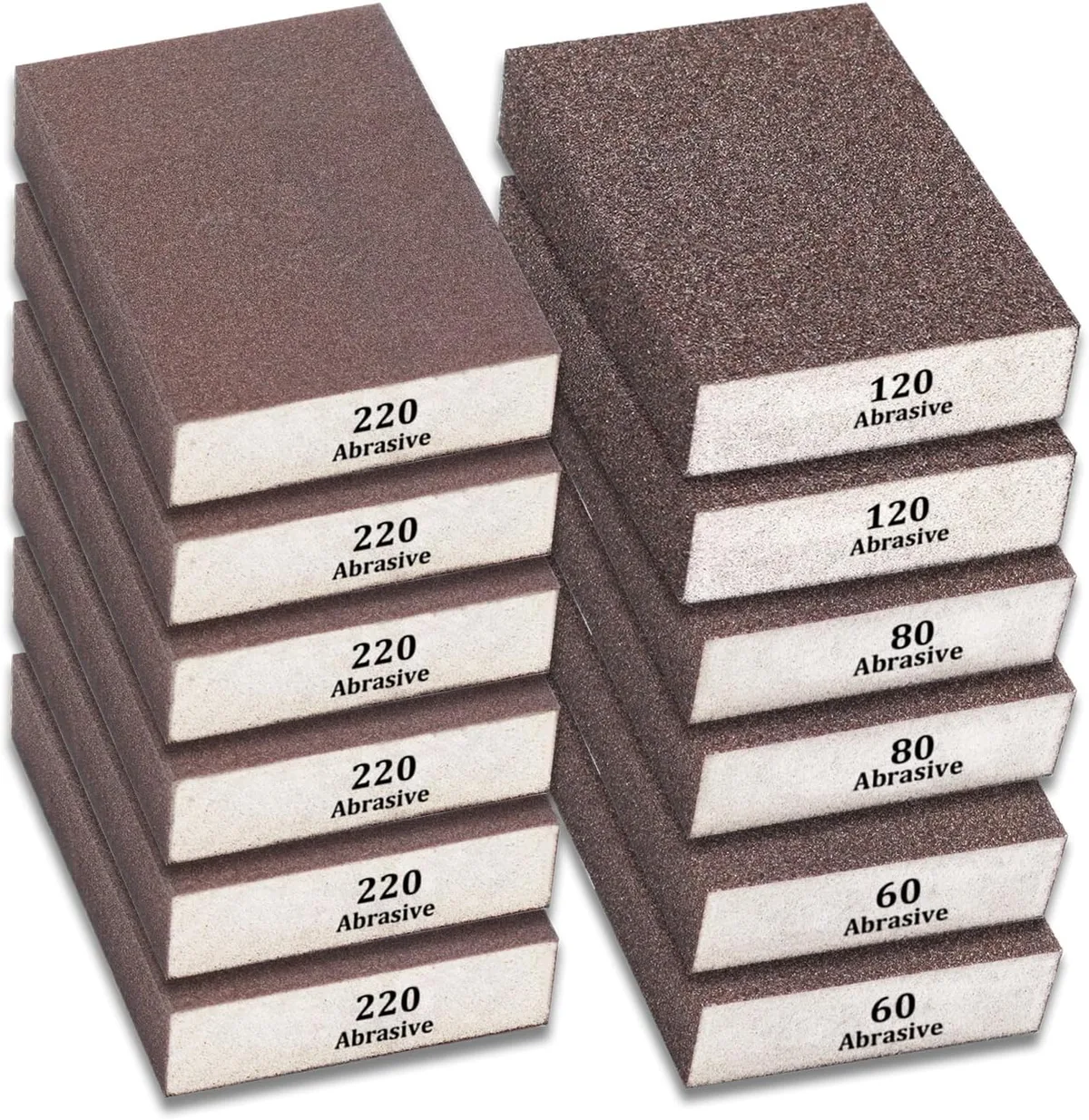
Start with 220-grit sandpaper for light surface roughness. Move to 320-grit if deeper scratches are visible. Finish with 400-grit for a smooth, silky feel.
Wipe away all dust with a clean, dry cloth before applying oil.
Applying Food-Safe Oil Correctly
Oil seals the wood and restores moisture resistance.
Pour a small amount of food-grade mineral oil onto a lint-free cloth. Rub the oil evenly over the entire surface, working it into carved details and grooves. Let it absorb for fifteen to twenty minutes.
Wipe away any leftover oil to prevent a tacky finish. Allow the utensil to cure for several hours or overnight before returning it to use.
The FDA provides guidance on acceptable food-contact coatings and finishes for kitchen tools. Using only approved products keeps your utensils safe for everyday serving.
Follow Routine Maintenance and Safety Guidelines
Consistent care prevents most problems before they start. Building simple habits into your kitchen routine protects your wooden tools for years.
Daily Washing and Drying Routine
Wash utensils promptly after each use with warm water and mild dish soap. Dry immediately with a towel. Stand them upright in a well-ventilated space until fully dry.
Store in a dry drawer or on a rack, never in a closed damp cabinet.
Conditioning Schedule
Apply a thin coat of food-safe oil every two to four weeks based on usage frequency. Heavy daily use requires biweekly oiling. Light or occasional use allows monthly conditioning.
The USDA Forest Service notes that properly oiled wood maintains structural integrity and resists staining much longer than dry, unprotected wood.
Safe Storage Practices
Store utensils in a dry, ventilated area away from direct heat sources. Never leave them sitting in a wet sink. Avoid sealing damp wood in plastic bags or airtight containers.
These mistakes trap moisture and encourage mold growth inside the grain.
When to Retire a Utensil
Replace any wooden tool showing deep cracks, internal mold, severe warping, or loose structural joints. Once the wood integrity is compromised, no amount of oil or sanding can restore food-safe performance. A new utensil costs less than risking contamination.
Choosing the Right Finish and Frequency
Selecting the correct finishing oil and establishing a realistic conditioning schedule makes all the difference in longevity. Different oils behave differently, and your usage pattern determines how often you need to reapply.
Oil Options Compared
Three food-safe oils dominate the market for wooden utensil care. Each has distinct properties that affect performance and application.
Food-Grade Mineral Oil
Mineral oil remains the most popular choice for several reasons. It is colorless, odorless, and completely inert. It does not polymerize or harden, which means it stays flexible inside the wood fibers.
This flexibility prevents the finish from cracking or flaking over time. Most kitchen supply stores carry food-grade mineral oil in inexpensive quart-sized bottles.
Fractionated Coconut Oil
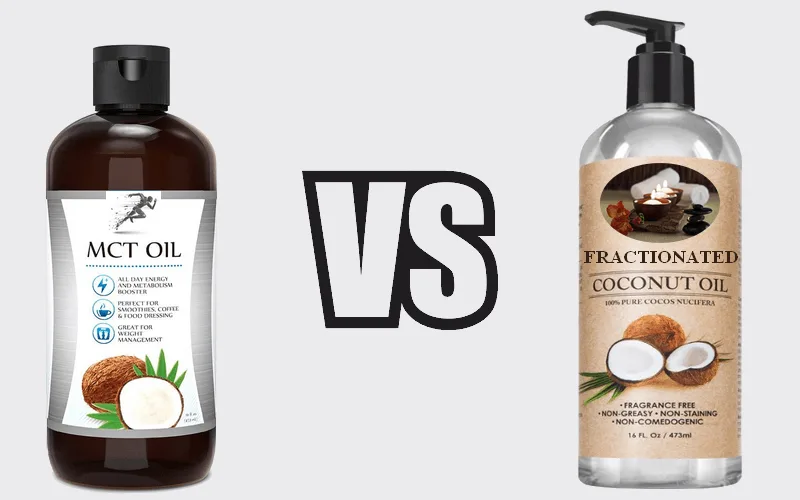
Fractionated coconut oil stays liquid at room temperature unlike regular coconut oil, which solidifies below seventy-six degrees Fahrenheit. It absorbs quickly into wood and leaves a light protective layer. Some users prefer its subtle natural origin compared to petroleum-derived mineral oil.
However, it costs more per ounce and may require more frequent reapplication due to faster absorption rates.
Pure Tung Oil
Pure tung oil comes from the nut of the tung tree. It polymerizes when exposed to air, creating a harder, more water-resistant surface than mineral oil. This durability makes it ideal for high-use utensils like salad servers and carving forks.
The trade-off is longer drying time. Expect to wait twenty-four to forty-eight hours before the finish cures completely. Make sure the product label states pure tung oil because many cheaper versions contain solvents or synthetic additives that are unsafe for food contact.
| Oil Type | Drying Time | Water Resistance | Best For | Reapplication Frequency |
|---|---|---|---|---|
| Mineral Oil | None | Moderate | Everyday utensils | Every 2 to 4 weeks |
| Fractionated Coconut Oil | None | Moderate | Natural-ingredient preference | Every 1 to 2 weeks |
| Pure Tung Oil | 24 to 48 hours | High | High-wear serving tools | Every 1 to 3 months |
Wax Blends Explained
Beeswax-based products combine wax with oil to create a semi-solid barrier on the wood surface. These blends offer extra water resistance compared to oil alone. The wax fills microscopic pores and creates a smoother feel that some users prefer for serving utensils.
Apply wax blends sparingly. A thin layer goes a long way. Buff the surface with a clean cloth until no residue remains.
Over-application creates a sticky film that attracts flour and sugar particles during use. Many commercial cutting board bars contain similar wax-oil combinations that work equally well on serving utensils.
Conditioning Schedule by Use Level
Your conditioning frequency should match how often you use each utensil. Here is a practical framework to follow.
Heavy daily use requires oil every one to two weeks. Check moisture absorption weekly using the water drop test. Regular home use used several times weekly allows monthly oiling.
Light or seasonal use calls for oil before and after storage periods. Even if you use a utensil only once a month, the wood loses moisture to ambient air. A single conditioning session before putting the item away extends its life significantly.
Step-by-Step Routine Maintenance Guide
Building consistent habits around your wooden utensils prevents most damage before it occurs. Follow this structured approach to keep every tool in reliable working condition.
Daily Care After Each Use
Clean your wooden serving tools immediately after finishing a meal. Food particles dry onto wood surfaces become impossible to remove without aggressive scrubbing, which damages the finish.
Rinse the utensil under warm running water. Apply a small amount of mild dish soap to a soft sponge or cloth. Gently wash the entire surface, paying special attention to carved grips and bowl edges where residue accumulates.
Rinse thoroughly until no soap remains. Pat dry with a clean towel, then stand the utensil upright in a well-ventilated area. Allow it to air-dry completely before storing.
Never place a damp wooden utensil in a closed drawer or cabinet.
Weekly Surface Conditioning
Once per week, inspect all your wooden serving tools for dryness or dullness. Perform the water drop test on each piece. Apply oil to anything that absorbs water quickly or feels slightly rough between your fingers.
Pour a quarter-sized amount of food-grade mineral oil onto a lint-free cloth. Rub the oil evenly across the entire surface. Work it into carved details, corners, and the underside of spoon bowls.
Let the oil penetrate for fifteen minutes. Wipe away any excess with a clean section of cloth. Buff the surface gently until it feels smooth, not slick.
Your utensil is ready to use once the excess oil disappears from the surface.
Monthly Deep Refresh
Every four weeks, give your entire wooden utensil collection a more thorough treatment. Remove any stubborn stains using the baking soda and lemon method described earlier. Rinse and dry completely.
Lightly sand all surfaces with 320-grit sandpaper. Sand along the grain direction using long, even strokes. Focus on areas showing visible scratches or discoloration.
Wipe away all sanding dust with a dry cloth. Apply a fresh coat of food-safe oil and allow it to cure overnight. This monthly ritual keeps your utensils looking new and performing safely for years.
Seasonal Storage for Infrequent Pieces
If you own specialty serving utensils used only during holidays or entertaining, proper storage extends their lifespan dramatically.
Before storing, clean each piece thoroughly. Dry completely for at least twenty-four hours. Apply a generous coat of mineral oil and let it absorb overnight.
Wrap each utensil individually in breathable cotton cloth or parchment paper. Store in a cool, dry location away from direct sunlight and heat sources. Check stored pieces every three months and reapply oil if the surface appears dry.
This protocol prevents cracking during long idle periods and ensures your serving tools are ready whenever you need them.
Common Mistakes to Avoid
Even well-intentioned care routines can damage wooden utensils if certain practices slip into your habits. Learning what not to do protects your tools from preventable harm.
Dishwasher Washing and Its Hidden Damage
The dishwasher exposes wood to extreme heat, prolonged water immersion, and harsh detergent chemicals simultaneously. These conditions cause internal stress that leads to cracking, warping, and glue failure in laminated pieces. Even the sanitize cycle reaches temperatures above one hundred forty degrees Fahrenheit, which degrades wood fibers over repeated exposure.
Always hand-wash wooden serving tools regardless of convenience.
Using Cooking Oils as Finishes
Many people reach for olive oil, vegetable oil, or canola oil because they are already in the kitchen. These oils oxidize and turn rancid when absorbed into wood. Within weeks, they develop sour smells and sticky textures that attract flour, sugar, and airborne bacteria.
Never substitute cooking oils for food-safe mineral oil or fractionated coconut oil. Your utensils will smell and perform worse, not better.
Over-Soaking and Harsh Chemical Exposure
Soaking wooden utensils in water, even briefly, forces moisture deep into the cellular structure. The wood swells unevenly, creating internal stress that manifests as cracks once the piece dries. Similarly, bleach, ammonia, and abrasive scouring powders break down wood fibers and strip away natural protective oils.
Stick to mild soap, warm water, and gentle mechanical action for cleaning.
Storing Damp or Sealed in Plastic
Leaving wet wooden utensils in a drawer, cup, or rack without airflow traps humidity against the surface. Plastic bags and airtight containers create identical microclimates that promote mold growth inside the grain. Always ensure complete dryness before storage.
Use open racks, ventilated drawers, or hanging organizers that allow air circulation around every surface.
Skipping Drying Time Between Steps
Rushing the maintenance process compromises results. Applying oil to a still-damp surface seals moisture inside the wood rather than allowing it to escape. Sanding before removing all previous finish produces uneven texture.
Letting epoxy cure for insufficient time weakens repair bonds. Build patience into each step. Quick shortcuts save minutes today but cost hours of redo work tomorrow.
Safety, Compliance, and Long-Term Care
Proper maintenance protects not only your utensils but also the people who eat from them. Understanding safety standards and recognizing warning signs keeps your kitchen healthy.
Food-Safe Finish Standards
All finishing products applied to wooden utensils must meet food-contact surface regulations. In the United States, the FDA monitors compliance under 21 CFR Part 175.300, which governs adhesives and components used in food-contact articles. Finished wood surfaces should be non-toxic, tasteless, and odorless after curing.
Look for products explicitly labeled as food-safe or food-grade. Reputable manufacturers provide safety data sheets confirming compliance. When in doubt, choose unflavored, USP-grade mineral oil available at pharmacies and hardware stores.
These products undergo rigorous testing for purity and safety.
Health Risks and Red Flags
Wooden utensils harbor bacteria when damaged or improperly maintained. Cracks and splits create protected environments where moisture and food particles accumulate beyond the reach of cleaning. Mold colonies establish root systems inside grain openings, making surface cleaning ineffective.
Monitor your utensils for these warning signs:
- Dark green, black, or pinkish discoloration inside cracks
- Fuzzy or slimy texture on any surface
- Persistent musty or earthy odors after washing
- Soft or spongy areas indicating internal rot
- Visible separation between laminated wood layers
Remove any utensil displaying these symptoms from service immediately. Do not attempt to salvage compromised wood through boiling, bleaching, or intensive sanding. Microbial contamination reaches depths that surface treatments cannot eliminate.
Climate-Specific Care Adjustments
Environmental conditions significantly impact wooden utensil maintenance requirements. Adjust your routine based on your local climate and indoor heating or cooling habits.
Humid climates with relative humidity above sixty percent accelerate moisture absorption and slow drying times. Increase ventilation during storage. Inspect utensils weekly for mold indicators.
Consider applying a slightly thicker oil coating during humid seasons to improve water repellency.
Dry climates and heated indoor spaces during winter create conditions where wood loses moisture rapidly. Cracking becomes the primary concern rather than mold. Apply oil more frequently, perhaps weekly during extreme dry periods.
Keep utensils away from radiators, heating vents, and direct sunlight that accelerates moisture loss.
Seasonal transitions stress wood through repeated expansion and contraction cycles. Perform a full conditioning treatment during seasonal changes. Check for new cracks that formed during the transition period.
Address any issues before they worsen.
Decision Guide: Which Path Is Right for Your Utensil?
This decision matrix helps you select the right maintenance path based on your utensil's condition. Use it whenever you pick up a wooden serving tool to assess what action is needed.
| Condition Observed | Recommended Action Path | Key Steps Required | Time Investment |
|---|---|---|---|
| Light surface staining from foods | Deep Clean | Baking soda paste or vinegar soak, rinse, dry | Ten to fifteen minutes |
| Lingering food odors | Deep Clean | Lemon and salt rub, thorough rinsing, air-dry | Five to ten minutes |
| Dry, chalky, or faded appearance | Surface Refresh | Light sanding with 220-grit paper, apply mineral oil, buff | Twenty to thirty minutes |
| Visible fine scratches on surface | Surface Refresh Plus | Progress through 220 to 400-grit sanding, reoil, cure | Thirty to forty-five minutes |
| Small hairline crack less than one-eighth inch wide | Repair Mode | Clean crevice, apply food-safe epoxy, sand flush, oil | Forty-five to sixty minutes |
| Deep crack exceeding one-quarter inch width | Retire the Utensil | Dispose responsibly, replace with new tool | Immediate action required |
| Warped handle affecting grip or balance | Retire the Utensil | No repair viable, replace to maintain safety | Immediate action required |
| Internal mold spotted in grain or joint | Retire the Utensil | Discard immediately, do not attempt salvage | Immediate action required |
| General wear with no specific defects | Routine Conditioning | Apply thin oil coat, buff, allow to cure | Ten to fifteen minutes |
This chart covers the most common scenarios you will encounter. When conditions overlap, address the most serious issue first. Mold or structural damage always takes priority over cosmetic concerns like staining or minor scratches.
Frequently Asked Questions
Can I put wooden utensils in the dishwasher?
No. Dishwasher heat and prolonged water exposure cause cracking, warping, and glue failure. Hand-wash wooden tools instead and dry them right away.
How often should I oil wooden serving utensils?
Oil every two to four weeks for regular use. Heavy daily use may need biweekly conditioning. Light use allows monthly application.
Why shouldn't I use olive or vegetable oil on wood?
Cooking oils turn rancid over time. They leave unpleasant odors and sticky residue. Stick to mineral oil, fractionated coconut oil, or pure tung oil for finishing.
How do I remove stubborn turmeric or beet stains?
Make a paste of baking soda and lemon juice. Rub it into the stain, let it sit for ten to fifteen minutes, then rinse and dry thoroughly.
Is it safe to repair a cracked wooden spoon?
Small hairline cracks under one-eighth inch can be filled with food-safe epoxy, sanded smooth, and resealed with oil. Larger cracks require replacing the utensil.
Can I sanitize wooden utensils safely?
Yes. Use a diluted white vinegar solution of one part vinegar to four parts water. Soak briefly, then rinse and dry completely.
Should I use soap on wooden utensils?
Yes. Mild dish soap is safe and effective for removing food residue. Use warm water and a small amount of soap, then rinse and dry immediately.
Avoid harsh detergents or excessive soap.
How do I know if a wooden utensil has mold inside?
Inspect cracks, joints, and carved details for dark spots, fuzzy growth, or a musty smell. If you see or detect mold inside the wood, discard the utensil. Mold cannot be fully removed from porous wood fibers.
What is the best oil for food-safe wood finishing?
Food-grade mineral oil is the top choice because it never goes rancid. Fractionated coconut oil and pure tung oil are also excellent options. Avoid cooked or boiled linseed oil, which contains toxic additives.
How long do well-maintained wooden utensils last?
With proper care, quality wooden utensils can last ten to twenty years or more. Maple and walnut species tend to outlast softer woods. Regular oiling and prompt drying are the key factors that determine lifespan.
Can I leave wooden utensils soaking in water to clean them?
No. Never soak wooden utensils, even briefly. Water absorption causes swelling, warping, and eventual cracking.
If something sticks to the surface, scrub it while damp instead of letting it sit in water.

Ethan Cole is a kitchen innovation enthusiast and food technology writer at DiningGadgets.com. With over 8 years of experience reviewing cookware, smart kitchen tools, and design trends, he helps readers discover gadgets that make cooking easier and dining more enjoyable. When he’s not testing the latest kitchen appliances, Ethan enjoys experimenting with recipes and sharing practical tips for modern homes.