How to Decorate a Long Kitchen Wall: Stunning Ideas to Transform Space
A long, blank kitchen wall can feel overwhelming — an endless stretch of drywall that makes your space feel unfinished, even if the rest of your kitchen is perfectly styled. The good news? This underutilized real estate is a huge opportunity to add personality, boost functionality, and even increase your home’s resale value, no full renovation required. Whether you’re a homeowner looking to refresh your space or a renter who can’t make permanent changes, this guide covers actionable, style-forward ideas to turn that empty wall into a stunning focal point.
Industry guidelines from the National Kitchen + Bath Association recommend zoning a long kitchen wall by use case (prep, storage, display) to avoid clutter and improve workflow in the space, especially for walls longer than 10 feet.
Plan Your Long Kitchen Wall Layout First
Before you buy decor or paint, take 10 minutes to assess your wall’s unique features to avoid costly mistakes. A common early error is ignoring existing permanent elements like electrical outlets, window placements, and cabinet edges, which can lead to wasted purchases or functionality gaps down the line.
Assess Your Wall’s Use Case
Note what the wall is adjacent to: if it sits behind your stove, it will need heat-resistant, easy-to-clean finishes; if it’s behind your sink, prioritize water-resistant materials; if it’s next to a dining nook, you can prioritize decorative, low-maintenance options. Measure the wall’s total length and note the placement of any permanent fixtures so you can plan around them.
Zone the Wall for Balance
For walls over 8 feet long, split the space into 2-3 distinct zones to avoid a cluttered, disjointed look. For example, a 12-foot wall could have a 4-foot prep zone (with under-shelf task lighting and pegboard storage) near the stove, a 4-foot display zone (with open shelving and art) in the middle, and a 4-foot accent zone (with a bold paint color or mirrored tile) near the dining area.
Establish a Strong Focal Point to Anchor the Space
A clear focal point prevents a long kitchen wall from feeling like an endless, unfinished stretch, drawing the eye naturally and creating visual hierarchy. Choose one anchor element to build the rest of your design around for a cohesive, intentional look.
Statement Art Pieces for Instant Impact
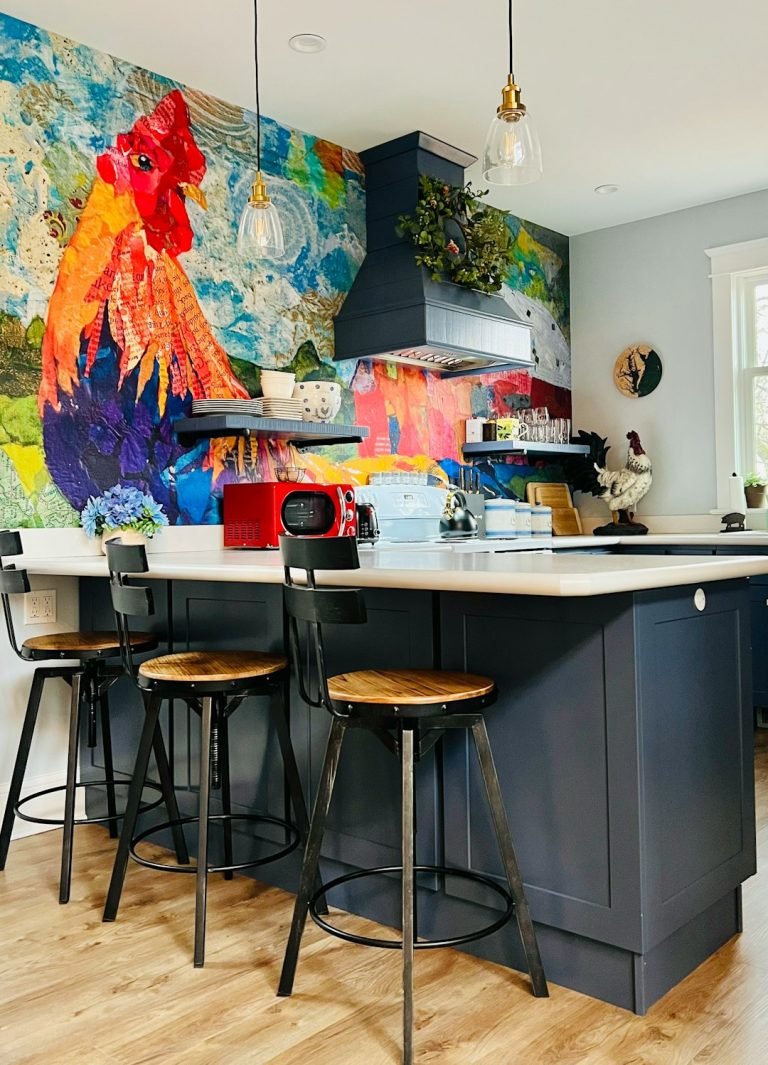
A single oversized artwork is far more effective than a cluster of small pieces on a wall over 8 feet wide: aim for a canvas or framed print at least 48×36 inches to fill the space without getting lost. For kitchen use, avoid unframed paper art or watercolors that can be damaged by steam and splashes; opt for sealed canvas, framed prints under glass, or metal wall art instead. Center the piece at eye level (57-60 inches from the floor to the center of the art) for optimal viewing, and choose a piece with colors that complement your existing cabinetry and countertops. For example, a warm abstract print in terracotta and cream tones pairs perfectly with wood cabinets, while a cool blue piece works well with white or gray kitchens.
Bold Color Accents to Add Personality
Color is the lowest-cost, highest-impact way to transform a long kitchen wall. For a full accent wall, choose a low-sheen, washable paint in a hue that matches your desired mood: deep forest green or navy creates a cozy, intimate feel, while soft sage or terracotta adds warmth without overwhelming the space. For kitchens with green cabinetry, a soft terracotta or warm cream accent wall creates complementary palettes for green cabinetry that feels cohesive and inviting. If you don’t want to commit to a full wall of bold color, try color blocking: paint a 12-18 inch wide stripe above your countertop, or add a geometric shape behind open shelving for subtle depth. When choosing paint, opt for low-VOC, washable formulations certified by the EPA’s indoor air quality guidelines to reduce indoor air pollution and make cleaning up cooking splashes simple.
Maximize Functionality With Smart Wall Storage
Long kitchen walls are prime real estate for storage that frees up precious counter space, a top pain point for home cooks of all skill levels. Mix open and closed storage options to balance display and clutter-hiding needs.
Open Shelving for Display and Daily Access
Open shelving works for 70% of long kitchen walls, but it’s best for displaying items you use daily to avoid clutter. Space shelves 12-18 inches apart to accommodate stacked dinnerware, glassware, and small plants. Material options include solid wood for rustic kitchens, matte black metal for modern spaces, and floating acrylic for minimalist designs. Leave 20% of shelf space empty to avoid a crowded look, and group items in threes (e.g., a vase, a cutting board, a small plant) for a curated display. For kitchens with brown cabinetry, pair warm wood shelves with neutral wall tones for brown cabinetry for a cohesive, warm feel. If you have young children or pets, install shelves with a 2-inch lip to prevent items from falling.
Floating Cabinets for Closed, Clutter-Free Storage
Floating cabinets are ideal for hiding less attractive items like pantry staples, small appliances, and cleaning supplies without taking up floor space. Install lower cabinets 24-36 inches from the floor for easy access to countertop items, and upper cabinets 72-84 inches high to avoid head bumps. Glass-front floating cabinets are a great middle ground: they hide clutter but let you display decorative dishware or vintage glassware. Add LED strip lighting under the cabinet lip to illuminate countertop workspace, which is especially helpful for food prep tasks. For home winemakers, lower floating cabinets are perfect for storing basic home wine making tools out of sight but within easy reach.
Pegboards and Hooks for Customizable, Renter-Friendly Storage
Pegboards are a versatile, no-permanent-installation option for renters or anyone who likes to adjust their storage frequently. A 4×8 foot pegboard panel covers a 6-foot stretch of wall perfectly, with adjustable hooks that can hold everything from cast iron pans to wooden utensils to small potted herbs. Choose powder-coated steel for durability or wood pegboards for a rustic look. A common mistake is overstuffing the pegboard with heavy items that can pull it off the wall; limit hanging items to 5-10 pounds per hook for safety. For avid cooks, pegboards are perfect for hanging commercial-grade wine making equipment during meal prep, keeping it accessible without cluttering counters.
Add Texture and Visual Interest With Wall Finishes
Flat, plain walls make long kitchen stretches feel endless. Textured finishes break up the length, add warmth, and can even hide minor wall imperfections for a polished look.
Wood Paneling and Shiplap for Warm, Timeless Texture
Wood paneling works for every kitchen style, from farmhouse to modern. For a 12-foot long wall, vertical wood planks (1×6 or 1×8 inch boards) make the ceiling feel higher, while horizontal planks emphasize the wall’s length for a cozy, grounded feel. Finish options include whitewashed wood for bright, airy kitchens, stained walnut for rich traditional spaces, and painted shiplap for a clean coastal vibe. For kitchens prone to steam and splashes, opt for moisture-resistant MDF or PVC wood panels to avoid warping. Wood paneling pairs perfectly with durable wine bottles for home winemaking displayed on adjacent floating shelves, creating a cohesive, functional display.
Brick, Tile, and 3D Panels for Durable, High-Impact Style
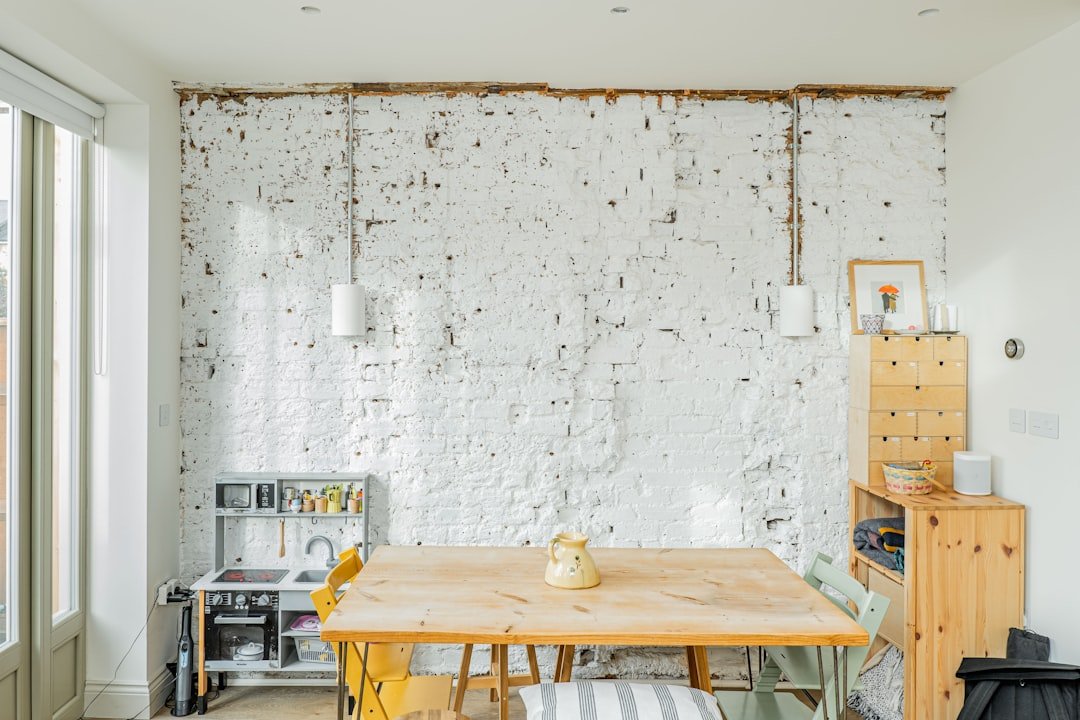
For high-traffic kitchens, tile is the most durable textured option. For long walls, large-format tiles (12×24 inches) installed in a herringbone or running bond pattern reduce grout lines for a sleek look, while small mosaic tiles add playful pattern. Subway tile is a classic choice, but zellige tile or textured ceramic tiles add more visual depth. For a rustic look, thin brick veneer panels are lightweight, easy to install over drywall, and add warm, earthy texture. 3D textured wall panels (made from gypsum, PVC, or wood) are a modern option that adds subtle shadow and dimension without the weight of brick or tile. All textured finishes near the stove or sink should be sealed with a grout sealer or waterproof finish to prevent staining from cooking splashes and moisture.
Removable Wallcoverings for Renters and Temporary Updates
If you’re renting or don’t want to commit to permanent changes, removable peel-and-stick wallpaper is a game-changer for long kitchen walls. Look for washable, kitchen-safe vinyl wallcoverings with patterns like botanical prints, geometric shapes, or faux brick/wood textures. A popular 2026 trend is muted, earthy-toned wallcoverings that mimic plaster or linen, adding soft texture without overwhelming the space. Measure your wall carefully and order 10% extra wallpaper to account for pattern matching and trimming around outlets.
Style the Wall With Personal and Decorative Elements
Once you’ve laid the foundation with storage and texture, add personal touches to make the space feel uniquely yours.
Curate a Cohesive Gallery Wall
Gallery walls work for any long kitchen wall, but require intentional layout to avoid clutter. For walls over 10 feet wide, split the gallery into two equal clusters with 6-8 inches of empty space between them to break up the length. For smaller walls, a single linear arrangement of 4-6 frames works best. Use uniform thin black or white frames for modern kitchens, or mix vintage wood frames in similar stain tones for rustic spaces. Mix food-themed art, family photos of cooking memories, vintage recipe cards, and small decorative plates for a personalized touch. A common mistake is hanging frames too high or too low; keep the center of the gallery at eye level (57-60 inches from the floor) for a balanced look.
Add Functional Decor That Serves a Purpose
Instead of purely decorative items, choose pieces that add function to your kitchen. A magnetic knife strip mounted on the wall keeps knives within reach and frees up counter space, while a wall-mounted wine rack stores bottles and adds a decorative touch for at-home wine enthusiasts. Small potted herbs (basil, mint, rosemary) mounted on a wall rack add fresh greenery for cooking and soft texture to the wall. Functional decor is especially useful for small kitchens where counter space is limited.
Incorporate Greenery to Soften Hard Lines
Plants soften the hard lines of cabinets and appliances and add a fresh, lively feel to the kitchen. For long walls, use a mix of hanging pothos, small potted succulents on shelves, and trailing ivy mounted on a wall hook to add height and visual interest. For low-light kitchens, opt for low-maintenance plants like snake plants or ZZ plants that thrive without direct sunlight. Use uniform terracotta or white ceramic pots to keep the look cohesive, and avoid overwatering to prevent water damage to walls and shelves.
Layer in Accent Lighting to Elevate the Space
Lighting is often overlooked, but it’s one of the easiest ways to make a long kitchen wall feel intentional and warm. For layered lighting, combine task, ambient, and accent lighting to suit both cooking and entertaining needs.
Task Lighting for Prep and Display Areas
Install warm white (2700K-3000K color temperature) LED strip lights under floating shelves or upper cabinets to illuminate countertop prep areas. This reduces eye strain while cooking and highlights decorative items on shelves. For gallery walls, install small, directional picture lights above each cluster of art to make the pieces pop.
Ambient and Accent Lighting for Atmosphere
Wall sconces installed evenly along a long wall (every 4-6 feet) add vertical interest and fill in dark corners. Choose dimmable sconces so you can adjust the brightness for meal prep vs. evening gatherings. For a modern touch, install recessed wall washers along the top of the wall to cast a soft, even glow that highlights textured finishes like wood paneling or tile. Avoid cool-toned (4000K+) lighting, which can make food look unappetizing and the space feel cold; warm white lighting is always more flattering for kitchen spaces.
Avoid Common Long Kitchen Wall Decor Mistakes
Even small missteps can make a well-planned wall feel off. Keep these common errors in mind as you design:
- Overcrowding the space: Leave 15-20% of the wall empty to avoid a cluttered, overwhelming feel. If you add new decor, remove one existing piece to keep the look balanced.
- Ignoring scale: A tiny piece of art on a 15-foot wall will look lost, while an oversized cabinet on a 6-foot wall will feel cramped. Always measure your wall and choose decor proportional to the space.
- Using inappropriate materials: Avoid unframed paper art, fabric tapestries, or unsealed wood decor near the stove or sink, as these can be damaged by steam, splashes, and heat.
- Mismatched styles: Mixing too many conflicting styles (e.g., rustic wood paneling, modern geometric art, vintage floral dishes) can make the wall feel disjointed. Stick to 1-2 core design styles that match the rest of your kitchen.
Frequently Asked Questions
Do I need a large budget to decorate a long kitchen wall?
No. Many high-impact ideas are low-cost: a gallon of washable paint costs $20-$40, a set of 4 floating shelves costs $50-$100, and a gallery wall of printed family photos costs less than $30. You can refresh the space for under $200 without any professional help.
How do I decorate a long kitchen wall on a rental?
Stick to renter-friendly options: removable peel-and-stick wallpaper, adhesive-backed wall hooks for pegboards and art, command strips for floating shelves, and potted plants that don’t require permanent installation. Avoid painting, drilling, or permanent adhesive that could damage the walls.
What should I avoid putting on a kitchen wall?
Avoid unframed paper art, fabric tapestries, or unsealed wood decor near the stove or sink, as these can be damaged by steam, splashes, and heat. Also avoid overcrowding the wall with too many small items, which creates visual clutter.
Can I mix different textures on a long kitchen wall?
Yes, mixing 2-3 complementary textures (e.g., wood paneling, ceramic tile, and metal hooks) adds depth without overwhelming the space. Stick to a consistent color palette when mixing textures to keep the look cohesive.
How high should I hang wall decor in a kitchen?
Center all wall art, mirrors, and gallery clusters at 57-60 inches from the floor to the center of the piece. This is the standard eye-level height that works for most people, and it creates a balanced, intentional look.
Conclusion
Decorating a long kitchen wall doesn’t require a full renovation or a huge budget — it just requires intentional planning that balances style, function, and your personal aesthetic. Start by assessing your wall’s existing features and daily use cases, then layer in one or two of the ideas above to transform the space from a blank stretch to a warm, functional focal point that makes cooking and gathering more enjoyable. Ready to tackle your project? Start small this weekend: hang a single oversized piece of art or install a set of floating shelves, and build from there for a space that feels uniquely yours.
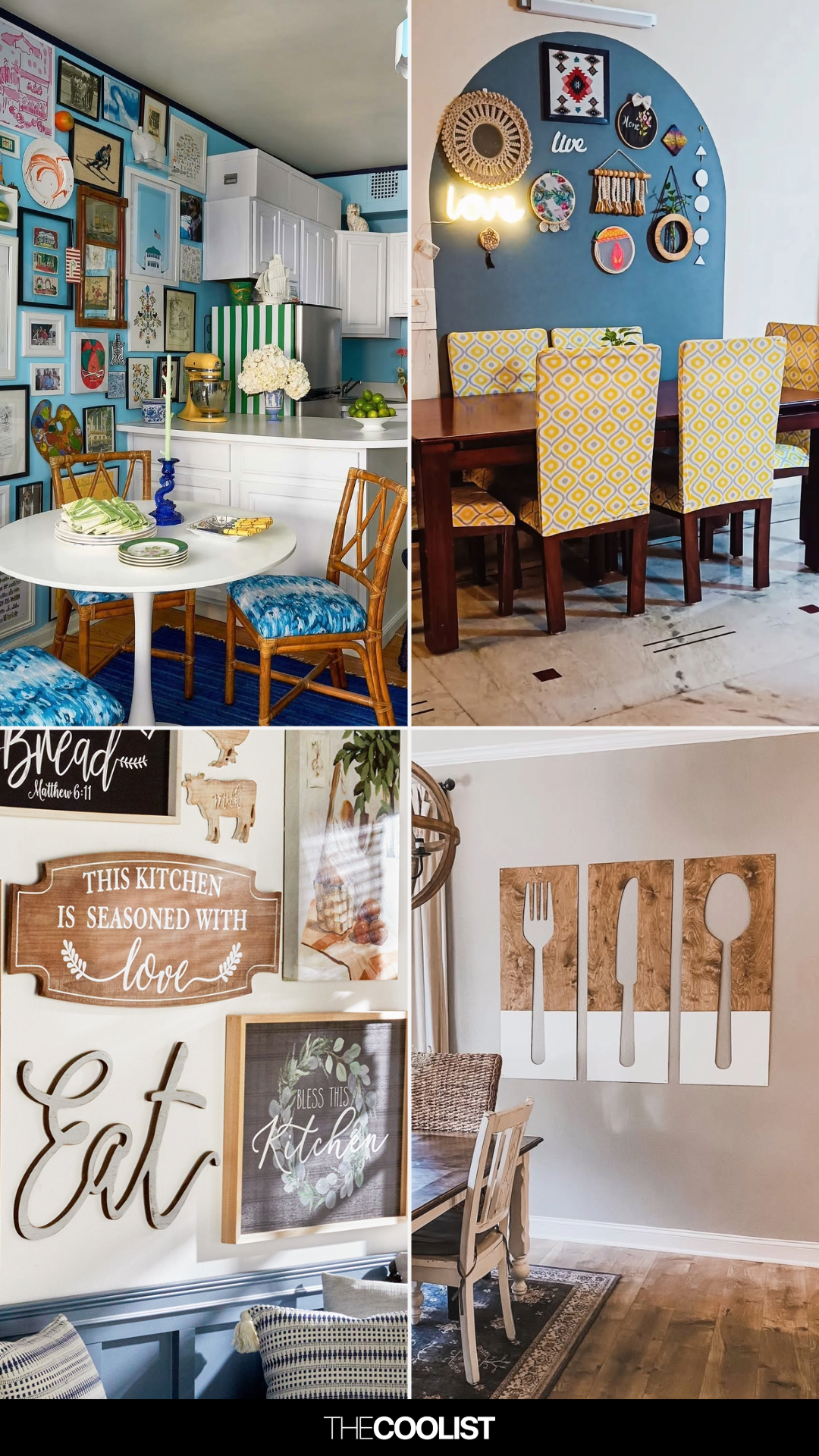
 This pastel kitchen uses open shelving and mixed decor to break up a long blank wall without clutter.
Credit: www.thecoolist.com
This pastel kitchen uses open shelving and mixed decor to break up a long blank wall without clutter.
Credit: www.thecoolist.com
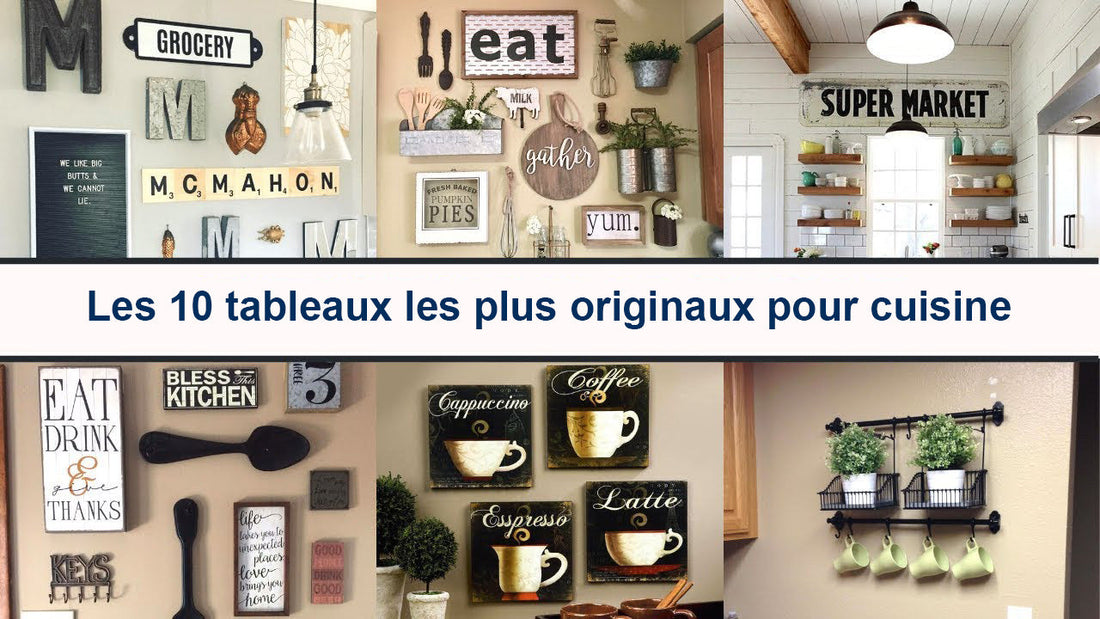 A split gallery wall works perfectly for long kitchen stretches over 10 feet wide, breaking up the length without feeling cluttered.
Credit: www.myselfmonart.com
A split gallery wall works perfectly for long kitchen stretches over 10 feet wide, breaking up the length without feeling cluttered.
Credit: www.myselfmonart.com
 Bold geometric paint patterns add visual interest to long walls without the cost of permanent structural changes.
Credit: www.myselfmonart.com
Bold geometric paint patterns add visual interest to long walls without the cost of permanent structural changes.
Credit: www.myselfmonart.com
Conclusion
Decorating a long kitchen wall is less about expensive overhauls and more about intentional, layered choices that balance form and function for your daily life. By first zoning your wall for its specific use case, anchoring the space with a single strong focal point, and mixing storage, texture, and personal touches, you can turn an overlooked stretch of drywall into a space that makes cooking, gathering, and everyday routines more enjoyable. Avoid the common pitfall of overcrowding the wall—leaving 15-20% of the space empty keeps the look curated, not cluttered, no matter which design style you prefer. If you’re unsure where to start, test a low-commitment option first: a gallery wall of framed photos or a single gallon of bold accent paint costs less than $50 and can be updated as your style evolves. For more guidance on pairing your new wall decor with your existing kitchen features, explore our tips for wall color pairings for brown cabinets.