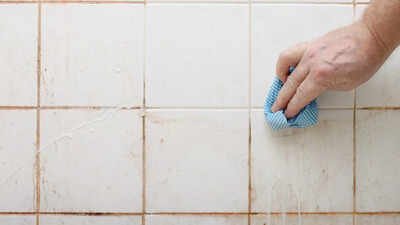
How to Clean Grease off Kitchen Wall Tiles: Easy & Effective Tips
Grease splatters on kitchen wall tiles are one of the most universal household annoyances for home cooks. One minute you’re searing a steak or frying bacon, the next you’re staring at sticky, dull patches on your backsplash that seem to get worse with every meal. Not only are these stains an eyesore, but left unaddressed, they attract dust, promote mold growth in grout lines, and can even degrade tile sealant over time. The good news? You don’t need harsh chemicals or hours of scrubbing to restore your tiles to their original shine. This guide covers easy, effective, tile-safe methods to cut through even the most stubborn grease buildup, plus simple steps to keep it from coming back.
Why Kitchen Wall Tiles Get Greasy
Common Sources of Kitchen Grease
Grease buildup doesn’t stem from one big mess, but from daily cooking activities. High-heat frying releases aerosolized fat particles that travel up to 3 feet from the stovetop, settling on walls, backsplashes, and cabinet fronts. Splatter from sautéing, searing meat, or tossing food in a hot pan adds to the layer, as does steam carrying fat molecules that condense on cooler tile surfaces. Even if you wipe splatters immediately, a thin film of grease builds up over weeks, turning into a sticky, dirt-attracting layer that’s hard to remove with just a dry cloth. For more on this, see our guide on how to regrout kitchen wall tiles easy steps.
How Grease Damages Tiles and Grout
Grease isn’t just unsightly: porous grout lines absorb oil over time, leading to permanent discoloration and weakening of the grout adhesive. The oily layer also traps food particles and dust, creating a breeding ground for bacteria and mold that can cause unpleasant kitchen odors and even food safety risks. On textured or unsealed tiles, grease can seep into the surface, leaving permanent dark stains that are impossible to remove with surface cleaning alone.
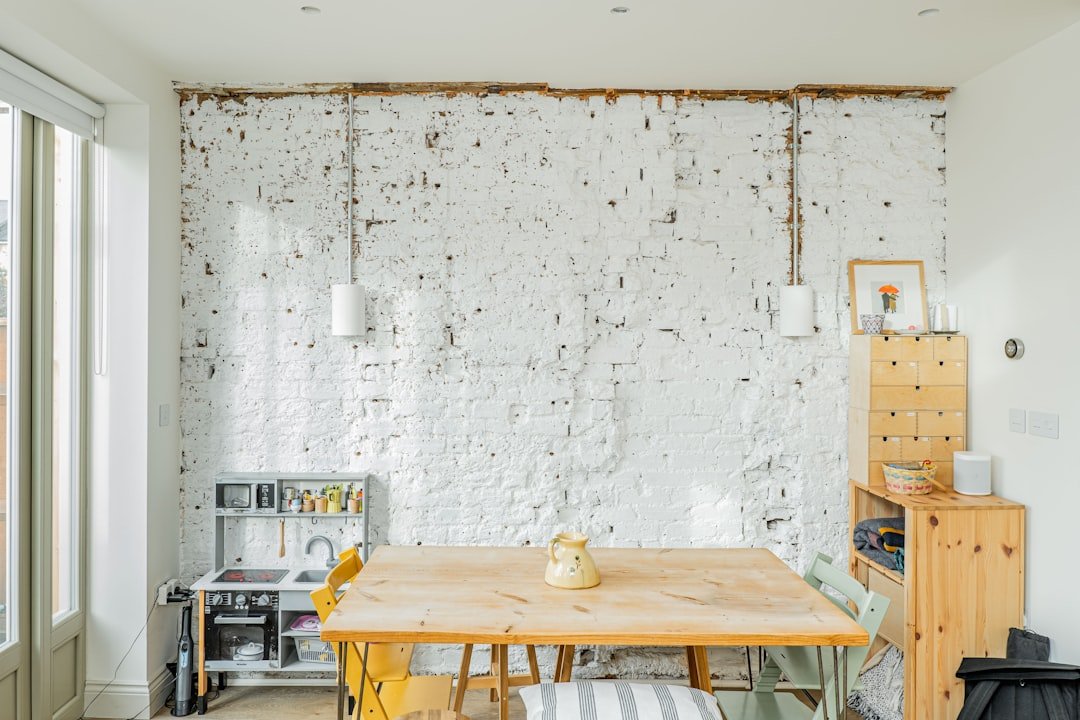
 Grease splatters near cooking surfaces accumulate quickly without regular wiping.
Credit: www.reddit.com
Grease splatters near cooking surfaces accumulate quickly without regular wiping.
Credit: www.reddit.com
Supplies You’ll Need for Safe, Effective Cleaning
Natural Household Cleaners
Most effective grease-cutting cleaners are already in your kitchen: white vinegar (standard 5% acidity breaks down grease on ceramic, porcelain, and glass tiles), dish soap (formulated to cut through food-based grease, works on light splatters), baking soda (mild abrasive that lifts stuck-on grease without scratching), lemon juice (citric acid dissolves grease and deodorizes), and warm water (dilutes cleaners and rinses away residue). For extra-sticky spots, rubbing alcohol works to dissolve lingering oily film. For more on this, see our guide on how to clean kitchen grease off painted walls.
Tools That Won’t Damage Your Tiles
Using the wrong tools can scratch tile surfaces or damage grout: soft microfiber cloths (lint-free, non-scratch for wiping and drying), soft-bristled scrub brushes or old toothbrushes (ideal for grout lines and textured tiles), a spray bottle (for even application of liquid cleaners), plastic scrapers (to gently lift caked-on grease without scratching), and rubber gloves (to protect skin from cleaning solutions).
What to Avoid
Skip steel wool, harsh scouring pads, and abrasive cleaners, which will scratch glazed tile surfaces. Never use vinegar, lemon juice, or other acidic cleaners on natural stone tiles (marble, travertine, granite), as they will etch the surface and cause permanent discoloration. Avoid mixing cleaning products, especially bleach with vinegar or ammonia, which can release toxic fumes.
Step-by-Step Grease Removal Guide
Step 1: Prep the Area and Test Your Cleaner
First, clear any items off countertops near the tiles, and protect nearby surfaces with a towel if needed. Always test your chosen cleaner on a small, hidden area (like behind the refrigerator or under a cabinet) to ensure it doesn’t discolor your tile or grout. If you have a wall-mounted kitchen faucet near the area you’re cleaning, you may need to remove it temporarily to access grease buildup behind it that often goes unnoticed.
Step 2: Apply the Cleaning Solution
For light grease, mix equal parts warm water and white vinegar in a spray bottle, add 1 tsp dish soap, and spray generously on the tiles. Let sit for 3-5 minutes to break down the grease. For heavy, caked-on grease, make a paste of 1/2 cup baking soda and 2 tbsp warm water, apply directly to the stained areas, and let sit for 10 minutes.
Step 3: Scrub Grout and Textured Surfaces
Use a soft-bristled brush or sponge to scrub the tiles in gentle circular motions, focusing on greasy spots and grout lines. For textured or matte tiles, use a soft brush to work cleaner into the grooves without scratching. A common mistake is scrubbing dry, which spreads grease around and damages tile surfaces – always keep the area wet while scrubbing.
Step 4: Rinse and Dry Thoroughly
Wipe the tiles with a clean, damp microfiber cloth to remove all soap and grease residue. Follow up with a dry microfiber cloth to prevent water spots and streaks. For grout lines, use a dry toothbrush to brush away any remaining cleaner, then wipe with a dry cloth to avoid mold growth from excess moisture.
 Soft-bristled brushes lift grease from grout without scratching tile surfaces.
Credit: www.youtube.com
Soft-bristled brushes lift grease from grout without scratching tile surfaces.
Credit: www.youtube.com
Natural vs. Commercial Cleaners: Which Is Right for You?
Top Natural Cleaner Recipes
Natural cleaners are affordable, non-toxic, and safe for most tile types:
- All-Purpose Degreaser: 1 cup warm water, 1/2 cup white vinegar, 1 tsp dish soap. Spray on tiles, let sit 5 minutes, wipe clean.
- Heavy-Duty Grease Paste: 1/2 cup baking soda, 2 tbsp warm water, 1 tbsp lemon juice. Apply to caked-on grease, let sit 10 minutes, scrub with a soft brush.
- Grout Stain Remover: 1 tbsp baking soda, 1 tsp hydrogen peroxide, 1 tsp dish soap. Apply to grout, let sit 5 minutes, scrub with a toothbrush, rinse. In practice, these recipes work well for 90% of household grease buildup, and leave no harsh chemical residue behind.
Safe Commercial Cleaner Picks
For heavy, set-in grease that natural cleaners can’t tackle, opt for a commercial degreaser labeled safe for tile and grout. Look for products free of bleach and harsh abrasives if you have light-colored grout. When using commercial cleaners, always work in a well-ventilated area, wear gloves, and follow the manufacturer’s dilution instructions. The EPA’s Safer Choice program offers guidance on selecting low-toxicity kitchen cleaning products that are safe for your family and pets, without sacrificing grease-cutting power. Always rinse tiles thoroughly after use to avoid leftover residue that attracts new grease.
How to Remove Stubborn, Set-In Grease
If grease has been left to build up for months, it can harden and seep into grout, making it harder to remove with standard cleaners. For these tough stains: first, apply your chosen cleaning solution (vinegar mix or baking soda paste) and let it sit for 15-20 minutes, longer than you would for light grease. Use a plastic scraper to gently lift any caked-on residue before scrubbing, to avoid scratching tiles. For grout stains that won’t budge, mix oxygen bleach (color-safe for colored grout) with warm water to form a paste, apply to the stain, let sit for 30 minutes, then scrub and rinse. Repeat the process if needed – never use excessive force, as this can damage grout. A common mistake is using harsh acidic cleaners on natural stone to remove set-in grease, which will permanently etch the surface; stick to pH-neutral stone cleaners for natural tile types.
How to Prevent Future Grease Buildup on Kitchen Tiles
Daily and Weekly Maintenance Habits
The easiest way to avoid tough grease stains is to stop buildup before it starts: wipe down tiles with a damp microfiber cloth after every cooking session, especially if you fried or sautéed food. Run your range hood while cooking to capture 60-70% of airborne grease particles before they settle on walls. Use a splatter screen when frying to catch oil droplets. Do a quick weekly wipe with a vinegar-water mix to break down any thin grease film before it hardens.
Long-Term Protective Upgrades
For long-term protection, seal your grout lines annually with a penetrating grout sealer to prevent oil from penetrating porous grout. Opt for glossy glazed ceramic or porcelain tiles for your backsplash, as their non-porous surface repels grease far better than matte or textured tile. Place a washable silicone splatter mat behind your stovetop to catch drips and splatters before they hit the wall. Clean, grease-free tiles pair perfectly with the right wall color for your green cabinets to make your entire cooking space feel brighter and more inviting, while neutral wall tones for brown cabinetry create a warm, timeless look that hides minor stains well between deep cleans.
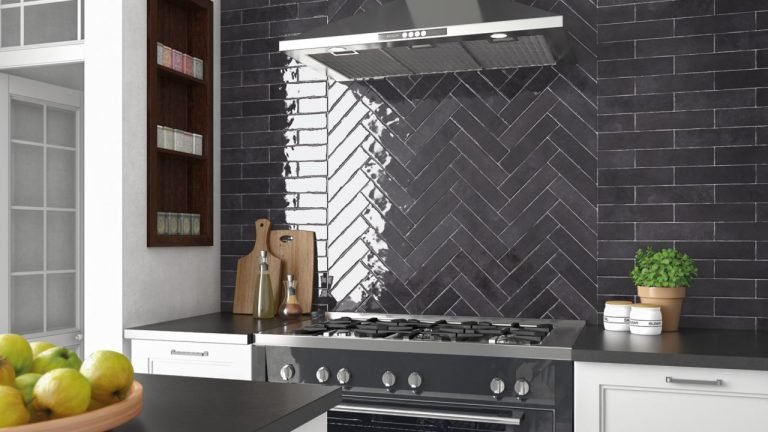
 Sealed glossy tiles resist grease buildup and are easy to wipe clean.
Credit: www.americantinceilings.com
Sealed glossy tiles resist grease buildup and are easy to wipe clean.
Credit: www.americantinceilings.com
Frequently Asked Questions
Can I use bleach to clean grease off kitchen wall tiles?
Diluted bleach (1 part bleach to 10 parts water) can be used on white ceramic/porcelain tiles and grout to remove mold from greasy buildup, but never use it on colored grout (it will cause discoloration) or natural stone tiles (it will etch the surface). Always rinse thoroughly after use, and never mix bleach with other cleaning products.
Will vinegar damage my kitchen wall tiles?
No, white vinegar is safe for glazed ceramic, porcelain, and glass tiles. Avoid using acidic cleaners like vinegar or lemon juice on natural stone (marble, travertine, granite), as the acid will etch the surface and cause permanent dulling or discoloration.
How do I remove old, caked-on grease that won’t scrub off?
Apply a baking soda paste or heavy-duty degreaser to the stain, let sit for 20-30 minutes, then use a soft plastic scraper to gently lift the loosened grease before scrubbing with a soft brush. For extreme buildup, repeat the process twice, and avoid using harsh abrasive pads that can scratch tiles.
How often should I clean kitchen wall tiles to prevent grease buildup?
Wipe down tiles with a damp cloth after each cooking session to remove fresh splatters, and do a deeper clean with a vinegar-water mix once a week to break down accumulated grease. Seal grout every 6-12 months to prevent oil from penetrating porous grout lines.
Can I use commercial cleaners on all tile types?
Most commercial tile cleaners are safe for ceramic and porcelain, but always check the label to ensure they are approved for your specific tile type. Avoid abrasive or acidic cleaners on natural stone, and always test on a hidden area first.
Conclusion
Cleaning grease off kitchen wall tiles doesn’t have to be a time-consuming, back-breaking chore. With the right supplies, a simple step-by-step process, and small daily maintenance habits, you can keep your backsplash looking shiny and new for years. For tough, set-in stains, don’t hesitate to let cleaning solutions sit longer or use a gentle plastic scraper to lift residue without damaging your tiles. For more easy kitchen maintenance tips to keep your space fresh and functional, explore our full library of home cleaning and design guides.