How Much to Tile Kitchen Wall: Ultimate Cost Guide & Tips
If you’re mid-kitchen renovation and typing “how much to tile a kitchen wall” into your search bar, you’re not alone: kitchen wall tiling ranks as a top 3 upgrade for 2026 remodels, per industry trade data, for its ability to add both durability and visual flair to high-use spaces. Whether you’re updating your space for casual family meals or hosting tastings of homemade wine, a well-tiled wall resists splatters, scratches, and wear for 10+ years with proper care. If you’re new to at-home fermentation, our beginner’s winemaking guide has simple tips to set up a functional kitchen workspace that complements your new tile.
Total costs vary far more than most homeowners expect, ranging from $70 for a small DIY ceramic backsplash to $12,000+ for a full high-end natural stone wall run with professional installation. This guide breaks down every cost factor, hidden fees, and savings tip to help you budget accurately and avoid expensive surprises.
What’s Included in a Kitchen Wall Tiling Project
Before estimating costs, it’s critical to define your project scope, as this is the single biggest driver of total price. Most kitchen wall tiling projects fall into one of three categories:
- Small backsplash: The 10–20 sq ft area behind your sink and stove, the most common and budget-friendly tiling project.
- Full accent wall: A 20–40 sq ft full wall behind your range or sink, used to add a statement design element.
- Full kitchen wall run: All kitchen walls, typically 40+ sq ft, often part of a full kitchen remodel.
Many projects also include add-ons like relocating electrical outlets to sit above the tile, installing waterproof backer board in high-moisture areas, or disposing of old tile and debris, which add to the total cost.
Core Factors That Drive Kitchen Wall Tiling Costs
Tile Material and Style
Tile material accounts for 40–70% of your total project cost, depending on the style you choose. 2026 pricing for common kitchen wall tile options includes:
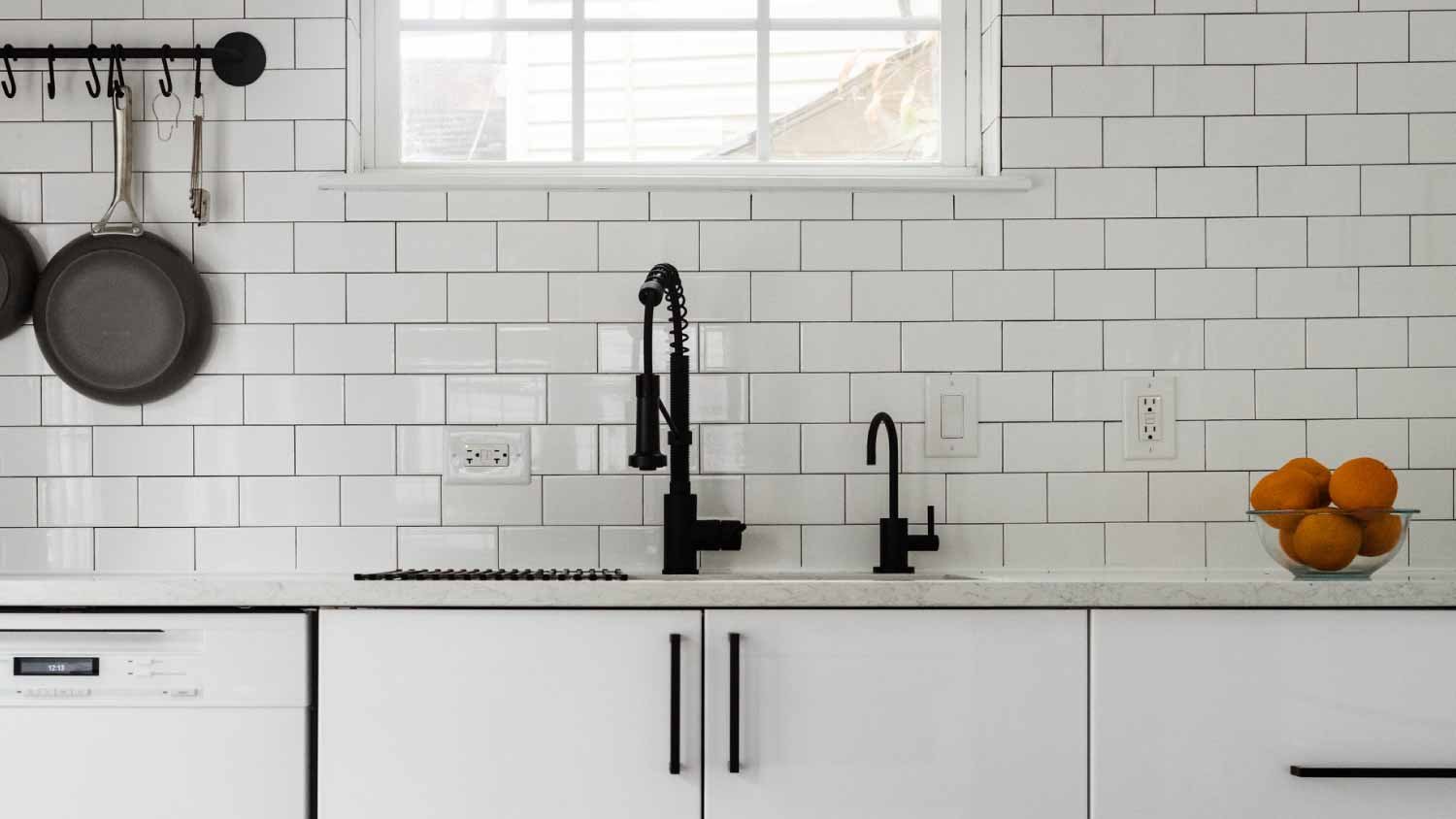
- Standard ceramic/porcelain subway tile: $1–$5 per sq ft, the most budget-friendly, durable, and DIY-friendly option for most kitchens.
- Large format porcelain (12×24” and up): $3–$10 per sq ft, fewer grout lines for a sleek look, but requires precise leveling during installation.
- Glass mosaic or subway tile: $7–$30 per sq ft, reflective, modern aesthetic, but prone to scratching and difficult to cut for DIYers.
- Natural stone (marble, slate, travertine): $5–$50 per sq ft, luxurious, unique texture, but porous and requires regular sealing to prevent stains.
- Handmade cement tile: $10–$25 per sq ft, trendy, customizable design, but highly porous and needs annual sealing.
Complex designs like diagonal layouts, herringbone patterns, or custom mosaics add 20–40% to labor costs due to extra cuts and precise spacing requirements. If you’re preparing homemade wine kits on your kitchen counter, opt for non-porous porcelain or sealed tile to resist stains from spills and splatters.
Project Scope and Layout
Larger projects cost more overall, but cost per square foot stays consistent for standard materials and installation. A 15 sq ft ceramic backsplash will cost ~$150–$225 for DIY, while a 40 sq ft full wall run of the same tile will cost ~$400–$600 for DIY. Small kitchens with tight angles or limited access may have 10–15% higher labor costs, as installers need extra time to cut tiles to fit odd spaces.
Wall Surface Preparation
Proper prep is non-negotiable for long-lasting tile adhesion, and poor prep is the #1 cause of tile failure (popping, grout cracking) within 2–3 years. Prep tasks and their costs include:
- Removing old wallpaper, paint, or existing tile: $2–$5 per sq ft for professional demo, or $0 if you DIY (just factor in time and tool rental).
- Repairing water damage, holes, or uneven drywall: $200–$800 for professional repairs, depending on the extent of damage.
- Installing cement backer board for high-moisture areas (behind sinks, stoves): $3–$7 per sq ft, required for natural stone and porous tile to prevent water damage.
Labor Rates and Installer Expertise
Labor makes up 30–60% of your total project cost, depending on your location and the installer’s skill level. 2026 average labor rates range from $6–$12 per sq ft in rural areas to $10–$20 per sq ft in major coastal cities. Certified Tile Installers (CTI, credentialed by the Tile Council of North America) charge 15–20% more than general contractors, but have a 90% lower rate of installation errors and offer 1–5 year warranties on their work. Most pros also include a 10–15% markup on materials, but handle all cleanup, disposal, and supply sourcing for convenience.
Additional Materials and Hidden Fees
Beyond tile, you’ll need to budget for:
- Thin-set adhesive: $10–$25 per bag, covers 50–70 sq ft
- Grout: $10–$30 per bag, covers 50–100 sq ft
- Tile spacers: $5–$10 per pack
- Grout and tile sealant: $15–$60 total, required for porous tile and grout
- Hidden fees: Debris disposal ($100–$300), permit fees ($50–$200 if you’re moving electrical/plumbing fixtures), and extra tile for cuts and future repairs (10–15% overage for standard layouts, 20% for complex patterns).
For national average cost benchmarks, the U.S. Department of Housing and Urban Development cost guide confirms that standard kitchen wall tiling projects fall within the $7–$15 per square foot range for materials and professional installation, with high-end custom work reaching $30+ per square foot.
2026 Average Cost Breakdown by Project Scope
The table below outlines typical total costs for common project scopes, including materials, labor, and basic prep for mid-range materials and professional installation:
| Project Scope | Low End (Standard Ceramic, DIY Install) | Mid Range (Porcelain/Subway, Pro Install) | High End (Natural Stone/Glass, Custom Pro Install) |
|---|---|---|---|
| Small backsplash (10-20 sq ft) | $70–$300 | $300–$1,200 | $1,200–$3,000 |
| Full accent wall (20-40 sq ft) | $140–$600 | $600–$2,400 | $2,400–$6,000 |
| Full kitchen wall run (40+ sq ft) | $280–$1,200 | $1,200–$4,800 | $4,800–$12,000+ |
Mid-range costs are the most common for U.S. homeowners, including professional installation of standard porcelain or subway tile with basic wall prep. High-end costs include custom cuts, imported tile, waterproofing, and outlet relocation.
Popular Kitchen Wall Tile Options & 2026 Pricing
Budget-Friendly Picks ($1–$5 per sq ft)
Standard ceramic and porcelain subway tile are the most popular choices for busy kitchens, as they resist stains, are easy to clean, and work for both DIY and pro installation. Overstock or discontinued styles sold at tile liquidators are often 50–70% off retail, with no noticeable quality difference for non-structural wall projects.
Mid-Range Options ($5–$15 per sq ft)
Large format porcelain, glass mosaic, and handmade cement tile add visual impact without the premium cost of natural stone. Cement tile offers a unique, artisanal look but requires annual sealing to prevent staining from cooking splatters or wine spills. If you’re tackling a DIY project, DIY winemaking kits are a fun way to test your project management skills before taking on larger home renovations.
Luxury Options ($15+ per sq ft)
Marble, slate, and handmade glass tile create a high-end, custom look, but require professional installation and regular maintenance. These materials are best reserved for low-moisture accent walls to reduce wear and staining risk.
DIY vs. Professional Installation: Costs, Risks, and When to Hire
When DIY Tiling Makes Sense
DIY is only cost-effective for projects under 15 sq ft, simple grid layouts, and standard ceramic or porcelain tile, if you have basic tool experience. DIY saves 40–60% on labor costs, but you’ll need to buy or rent tools: a wet saw ($50–$100 per day rental), trowel set ($20–$40), and tile cutter ($30–$100). In practice, most DIY tiling projects take twice as long as expected, as unexpected wall imperfections, inaccurate cuts, or grout mixing errors add hours of extra work. The Tile Council of North America recommends at least 6 months of DIY practice with small, low-stakes projects like floor tiling before attempting wall tiling, as vertical surfaces require extra skill to avoid lippage (uneven tile edges) and poor adhesion.
When to Hire a Professional
Hire a certified installer for projects over 20 sq ft, complex layouts (diagonal, herringbone), natural stone or glass tile, uneven wall surfaces, or if you need to move electrical or plumbing fixtures. Pros guarantee their work for 1–5 years, handle all prep and cleanup, and reduce the risk of costly errors like water damage from poor sealing. Always get 3 written quotes, ask for proof of insurance and CTI certification, and confirm if the quote includes disposal and material markup.
Cost and Risk Comparison
| Factor | DIY Installation | Professional Installation |
|---|---|---|
| Total Cost (20 sq ft mid-range project) | $300–$600 (materials + tool rental) | $600–$1,200 (materials + labor) |
| Time to Complete | 2–5 days (including prep and learning) | 1–2 days |
| Risk of Errors | High: lippage, poor adhesion, grout cracking, water damage that can cost $1,000+ to fix | Low: guaranteed work, warranty coverage |
| Long-Term Value | Lower if errors lead to early repairs | Higher, professional installation lasts 10+ years |
Proven Tips to Save on Kitchen Wall Tiling Costs
- Buy overstock, discontinued, or clearance tile: liquidators and online tile retailers often sell high-end tile for 50–70% off retail, with no noticeable quality difference for non-structural wall projects.
- Do prep work yourself: removing old wallpaper, painting primer, or tearing out old tile cuts labor costs by 20–30%, as installers charge by the hour for prep tasks.
- Stick to simple layouts: grid patterns cost 20% less in labor than diagonal, herringbone, or patterned mosaics, which require extra cuts and precise spacing.
- Pool bulk orders: if you’re tiling multiple kitchen areas or working with a neighbor on a renovation, combining your tile order unlocks bulk discounts, just as buying wine making yeast in bulk lowers the per-batch cost for home brewers.
- Skip unnecessary premium materials: for high-moisture areas behind the sink, porcelain is just as durable as natural stone for a fraction of the cost.
Maintenance Tips to Extend Your Tile’s Lifespan
Daily and Weekly Cleaning
Use a soft sponge or microfiber cloth with mild dish soap for all tile types. For grout, use a soft-bristled brush and baking soda paste to avoid discoloration. Avoid abrasive scrubbers, bleach, ammonia, or vinegar on natural stone and cement tile, as these can etch or stain the surface — a common mistake that beginner winemakers often make when cleaning up spills in shared kitchen spaces. Glass tile needs non-abrasive cleaner to avoid scratching its reflective finish.
Resealing and Repair
Seal grout every 1–2 years with a penetrating grout sealer to prevent water damage and staining. Porous tile (natural stone, cement) needs sealing every 1–3 years, depending on use. For chipped tiles, replace individual tiles as soon as possible to avoid water seeping behind the wall; replacement tiles cost $2–$50 each, plus $50–$100 in labor for a single repair.
Preventing Long-Term Damage
Install splash guards behind the sink and stove to reduce direct impact on tiles. Avoid hanging heavy pots or decorations on tiled walls with adhesive hooks, as these can pull tiles loose over time.
 Teal subway tile is a popular mid-range backsplash option that resists stains and complements most cabinet colors.
Credit: www.tilemountain.co.uk
Teal subway tile is a popular mid-range backsplash option that resists stains and complements most cabinet colors.
Credit: www.tilemountain.co.uk
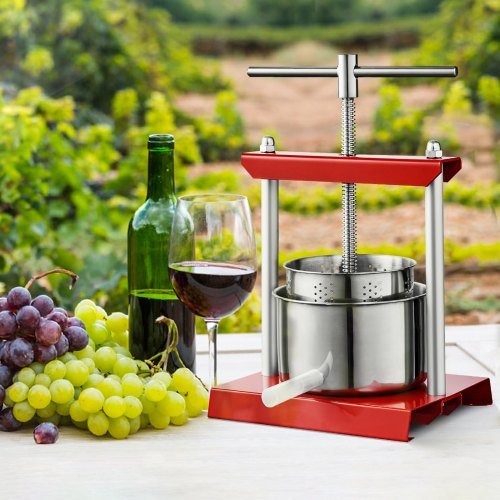
 Basic DIY tiling tools include a wet saw, trowel, and tile spacers for clean, even installation.
Credit: www.amazon.ca
Basic DIY tiling tools include a wet saw, trowel, and tile spacers for clean, even installation.
Credit: www.amazon.ca
 Annual grout sealing prevents water damage and staining in high-moisture kitchen areas.
Credit: www.amazon.ca
Annual grout sealing prevents water damage and staining in high-moisture kitchen areas.
Credit: www.amazon.ca
Frequently Asked Questions
How much does kitchen wall tiling cost per square foot in 2026?
Standard ceramic or porcelain tile with professional installation costs $7–$15 per square foot for most U.S. households. High-end natural stone, glass, or custom layouts push costs to $20–$30+ per square foot, especially in high-cost urban areas. This range includes materials, labor, and basic prep work.
What factors most impact the total cost of a kitchen wall tile project?
Project scope (size of the area being tiled), tile material, layout complexity, wall prep needs, and local labor rates are the biggest cost drivers. For example, a 15 sq ft ceramic backsplash with a simple grid layout will cost 75% less than a 30 sq ft marble accent wall with a herringbone pattern and new cement backer board.
Is it cheaper to DIY or hire a professional for kitchen wall tiling?
DIY saves 40–60% on labor costs, but only for small, simple projects under 15 sq ft. For larger or more complex jobs, DIY errors like poor adhesion, lippage, or water damage can cost $1,000+ to fix later, making professional installation more cost-effective long-term.
How long does a kitchen wall tiling project take?
A small DIY backsplash takes 1–2 days, while a professional full-wall run takes 1–3 days, plus 1–2 days for drying time for thin-set and grout. Complex layouts or extensive prep work can add 1–2 days to the timeline.
Do I need a permit to tile my kitchen wall?
Most areas do not require a permit for cosmetic tiling that does not involve moving electrical, plumbing, or structural elements. If your project requires relocating outlets, switches, or plumbing fixtures, check with your local building department for permit requirements, which typically cost $50–$200.
How much extra tile should I buy?
Order 10–15% extra tile for standard grid layouts to cover cut waste and future repairs. For diagonal layouts, mosaics, or custom patterns, order 20% extra to account for higher cut wastage.
Conclusion
The cost to tile a kitchen wall in 2026 ranges from $70 for a small DIY ceramic backsplash to $12,000+ for a full high-end natural stone wall run with professional installation. Your total cost depends almost entirely on project scope, tile material, layout complexity, and whether you hire a pro or tackle the work yourself.
To avoid surprises, always budget 10–15% extra for hidden costs like debris disposal, sealant, and unexpected wall repairs. For the best long-term value, prioritize proper wall prep and high-quality grout and sealant, even if you choose budget-friendly tile. If you’re unsure about your skill level, hire a certified installer to guarantee a durable, lippage-free finish that lasts 10+ years.
Ready to start your project? Measure your total wall square footage, research tile options that fit your style and budget, and get 3 written quotes from local certified installers to lock in the best price. For more kitchen renovation guides and tips for creating a space that works for cooking, hosting, and your favorite hobbies, browse our full library of home improvement resources, including guides to commercial-grade winemaking equipment for serious hobbyists.

Ethan Cole is a kitchen innovation enthusiast and food technology writer at DiningGadgets.com. With over 8 years of experience reviewing cookware, smart kitchen tools, and design trends, he helps readers discover gadgets that make cooking easier and dining more enjoyable. When he’s not testing the latest kitchen appliances, Ethan enjoys experimenting with recipes and sharing practical tips for modern homes.