What Color Walls Go With Grey Kitchen Cabinets: Stunning Combinations
Grey kitchen cabinets are one of the most popular cabinetry choices for 2026, thanks to their unmatched versatility and ability to fit modern, traditional, and eclectic kitchen styles alike. But the right wall color is the difference between a flat, uninspired space and a cohesive, inviting kitchen that makes your grey cabinets feel intentional and polished. The wrong shade can make your cabinets look dull, clash with their undertones, or make a small kitchen feel cramped, while the right pick brightens your space, ties together your countertops and hardware, and reflects your personal style.
This guide breaks down proven, designer-recommended wall color pairings for grey cabinets, from timeless neutrals to bold statement shades, plus practical tips for accounting for your kitchen’s lighting, layout, and existing finishes to find your perfect match.
Why Wall Color Choice Matters More With Grey Cabinets
Unlike stark white or natural wood cabinets, grey has variable undertones that can run cool (with blue or purple hints), warm (with yellow or brown hints), or completely neutral. Picking a wall color with clashing undertones will make your cabinets look muddy or discolored, while a shade with no contrast to your cabinets will erase visual depth and make your space feel flat. A common mistake homeowners make is choosing a wall grey within two shades of their cabinet grey, which eliminates the contrast needed to make the cabinetry stand out as a design feature. The right wall color enhances your cabinet’s natural undertones, brightens dim spaces, and ties together your countertops, backsplash, and hardware for a unified, polished look. For industry-backed kitchen color planning guidance, the National Kitchen + Bath Association recommends testing swatches in your space before finalizing a shade industry-backed kitchen color planning guidance.
Core Neutral Pairings for Timeless Appeal
Neutral wall colors are the most versatile pick for grey cabinets, as they work with any cabinet undertone, fit any design style, and are easy to update if your tastes change. These pairings create a calm, cohesive backdrop that lets your cabinets (and any accent decor) take center stage.
Crisp Whites and Warm Off-Whites
White walls are the most popular pairing for grey cabinets for good reason: they create high contrast that makes cabinets pop, and brighten small or dim kitchens. Cool grey cabinets (charcoal, slate) pair best with bright, cool-toned whites to keep the look crisp and modern, while warm greige (grey-beige) cabinets look better with off-white shades like ivory, eggshell, or cream, which have warm undertones that avoid a clashing cold feel. Off-white is also ideal for north-facing kitchens with low natural light, as stark bright white can feel harsh and clinical in low-light conditions.
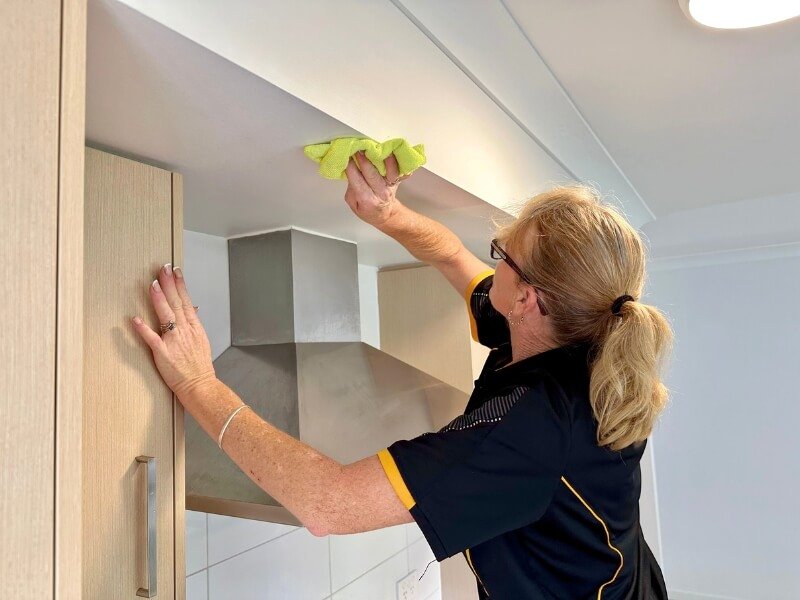
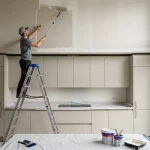
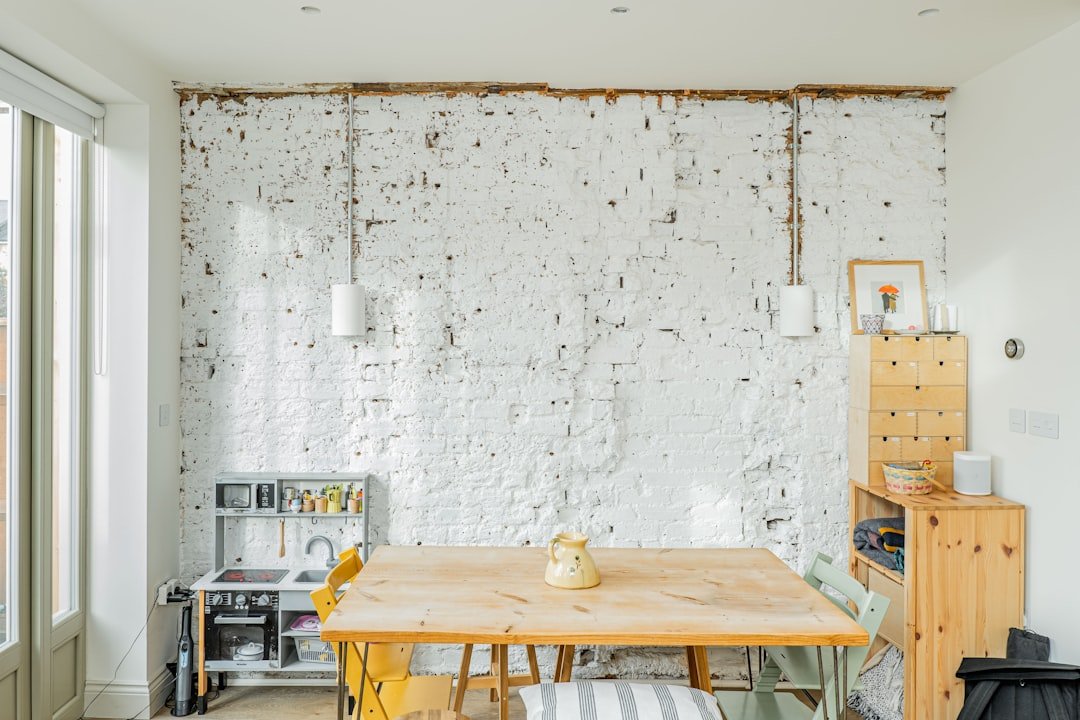
Crisp white walls eliminate visual clutter, making grey cabinets the focal point in small kitchens.
Credit: www.yahoo.com

Beige and Taupe for Cozy Warmth
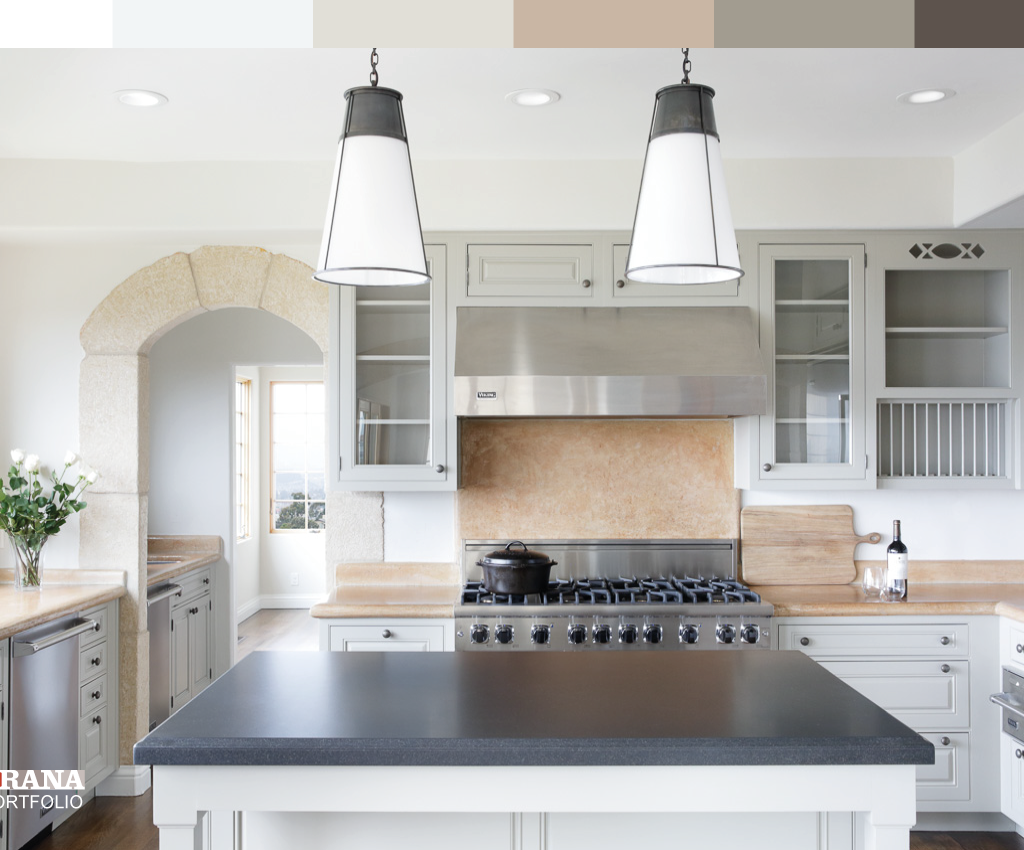
Warm beige and light taupe add earthy, inviting warmth that balances cool grey cabinets, creating a welcoming vibe perfect for family kitchens, rustic-style spaces, or farmhouse-inspired designs. Warm taupe with subtle pink undertones pairs beautifully with cool charcoal grey cabinets, while sandy beige works well with light warm greige cabinets for a soft, sunlit feel. These shades are also low-commitment: you can easily update the look with new accent colors, throw pillows, or wall art without repainting the entire room if your style changes. If you’re working with warm wood-toned cabinets instead, our guide to coordinating wall colors for brown cabinetry walks through matching warm neutrals to earthy cabinet finishes coordinating wall colors for brown cabinetry.
Layered Monochrome Greys
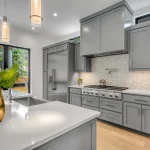
Using a lighter grey shade on walls than your cabinets creates a sleek, unified monochrome look that feels modern, calming, and intentionally designed. To avoid a flat, muddy look, aim for at least a 2-shade difference between your wall and cabinet grey: for example, pair light grey cabinets with a medium grey wall, or charcoal cabinets with a soft dove grey wall. Add a textured backsplash, metallic hardware, or open floating shelves to break up the monotone palette and add visual interest.
Bold, High-Contrast Combinations
If you want your kitchen to feel dramatic, personalized, and full of character, bold wall colors create striking contrast with grey cabinets that elevates the entire space. These pairings work best in well-lit kitchens or as accent walls in smaller spaces.
Deep Navy for Sophisticated Calm
Deep navy blue adds depth and drama without feeling overwhelming, making it a top pick for modern and traditional kitchen designs alike. It pairs best with cool grey cabinets (charcoal, slate) and works beautifully with brass or gold hardware for a classic, luxe look that feels both timeless and on-trend. If you’re hesitant to paint all four walls navy, use it as an accent wall behind the stove or sink to add a pop of color without shrinking the space.
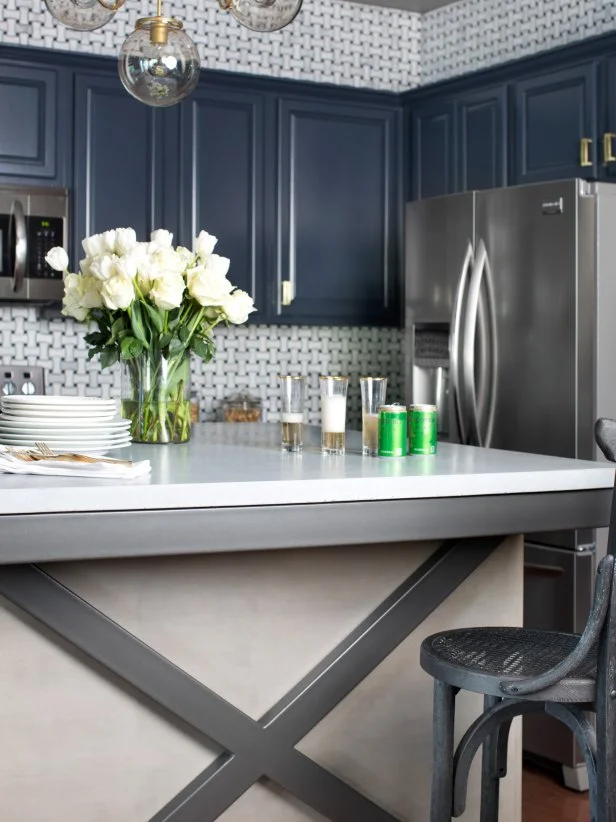
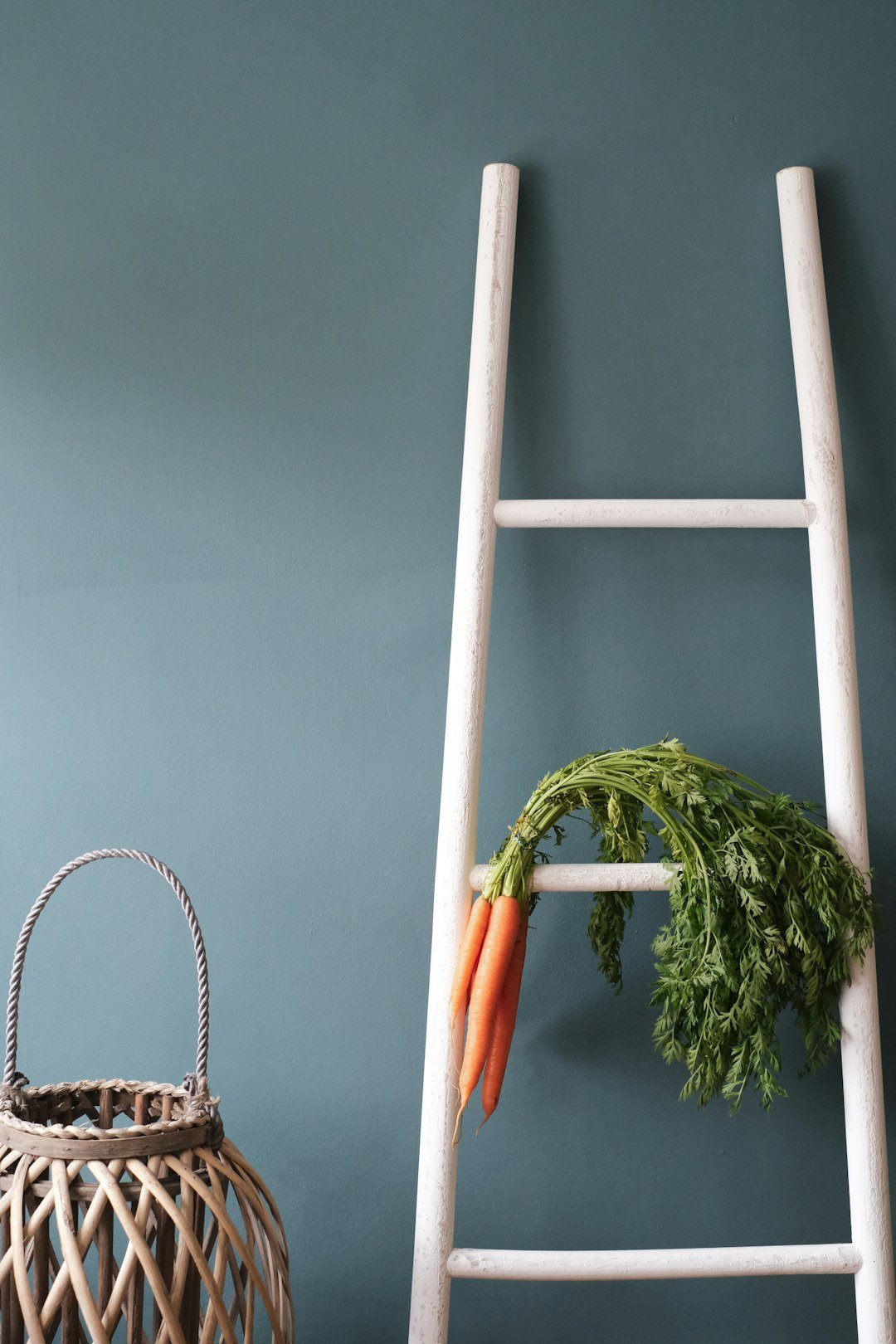
A navy accent wall adds depth without overwhelming the space, especially when paired with warm metallic hardware.
Credit: www.hgtv.com
Forest and Sage Greens for Organic Depth
Deep forest green, soft sage, and muted olive bring a natural, earthy vibe that balances the sleekness of grey cabinets, a pairing consistently ranked as a top enduring choice by kitchen designers. Matte forest green walls pair with light grey shaker cabinets and marble countertops for a moody, trendy look, while soft sage works with warm greige cabinets for a calming, spa-like kitchen. Green walls also hide smudges and splatters better than light neutrals, making them a practical pick for families with kids. If you love the look of green as a dominant kitchen tone, our guide to coordinating wall colors for green kitchen cabinets walks through pairing wall shades with green cabinetry for a cohesive look coordinating wall colors for green kitchen cabinets.
Rich Burgundy for Luxe Drama
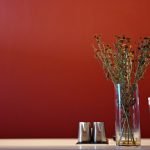
Deep burgundy and maroon add warm, luxurious contrast to cool grey cabinets, perfect for formal kitchens or spaces adjacent to a dining area. It pairs best with charcoal or slate grey cabinets, and works beautifully with dark wood countertops and matte black hardware for a moody, sophisticated vibe. For small spaces, use burgundy as a single accent wall to add drama without making the room feel closed in.
Soft Pastel and Warm Shade Pairings for Bright, Inviting Spaces
Pastel and warm wall tones add gentle color and energy to grey cabinets without overwhelming the space, perfect for kitchens used for frequent entertaining or family gatherings.
Cool Pastels (Blues, Teals, Mint) for Airy Brightness
Light blue, soft teal, and mint walls add a cool, soothing vibe that brightens dim kitchens without clashing with grey cabinets. Pale blue works best with cool grey cabinets in north-facing kitchens, as it reflects limited natural light and prevents the space from feeling cold. Teal, a midpoint between cool and warm, pairs with both cool and warm grey cabinets, especially if you have gold or brass hardware. Mint is a soft, fresh pick for cottage-style or coastal-inspired kitchens, pairing beautifully with white subway tile backsplashes.
Warm Pastels (Peach, Blush, Soft Yellow) for Cozy Cheer
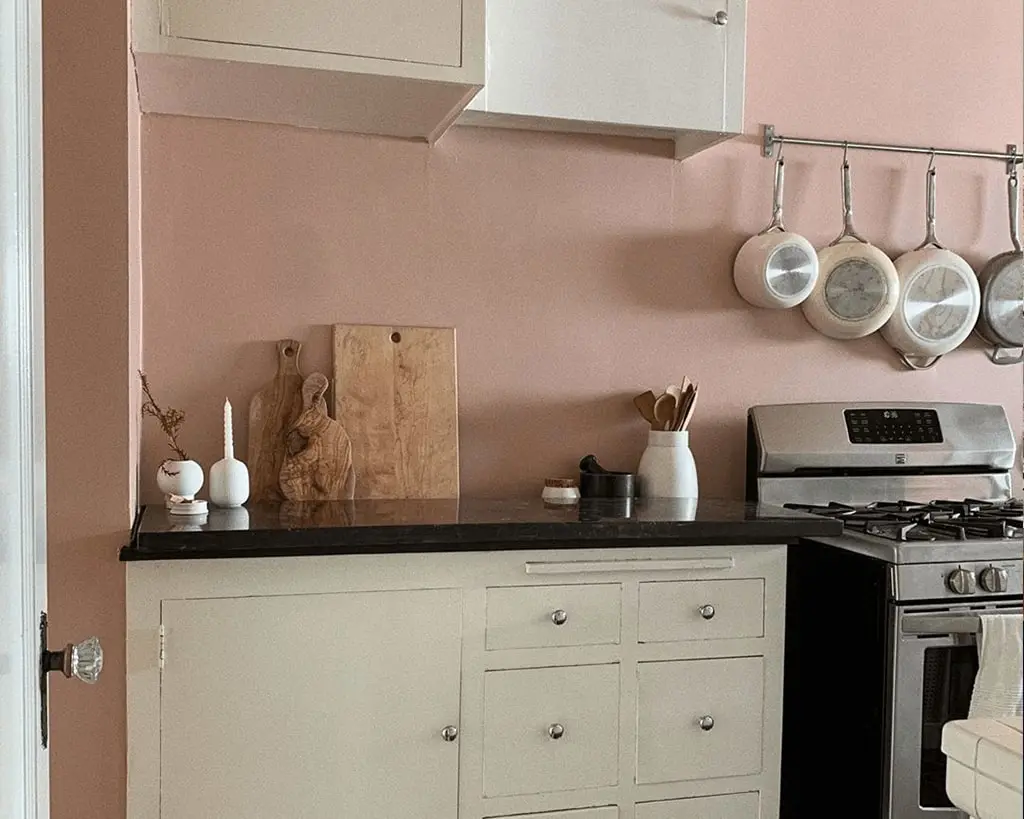
Soft peach, blush pink, and buttery yellow add warm, inviting energy to grey cabinets, perfect for family kitchens or spaces used for baking and hosting. Soft peach pairs with warm greige cabinets for a sunlit, welcoming vibe, while buttery yellow adds a cheerful pop to cool charcoal cabinets without feeling overwhelming. Blush is a subtle, on-trend pick for modern kitchens, adding just enough warmth to balance cool grey tones without feeling overly feminine.
Metallic and Textured Accents to Elevate Your Palette
Even if you stick to a neutral wall color, metallic finishes and textured treatments add dimension and personality to your grey cabinet kitchen.
Metallic Hardware and Accent Finishes
Metallic finishes add subtle shine and contrast to grey cabinets and wall colors, tying the whole palette together. Cool metallics like chrome and silver pair with cool grey cabinets and light wall colors for a sleek, modern look, while warm metallics like brass and bronze pair with warm greige cabinets and neutral or warm wall tones for a cozy, timeless vibe. Mixing two metals (e.g., brass light fixtures and a chrome faucet) is a popular 2026 trend, as long as each metal appears at least twice in the space to feel intentional.
Textured Wall Treatments for Added Dimension
Textured walls (rough plaster, wood paneling, grasscloth wallpaper, or limewashed finishes) add depth that flat paint can’t, making grey cabinets stand out more. Wood paneling adds warmth to cool grey cabinets, perfect for rustic or modern farmhouse kitchens, while grasscloth wallpaper adds subtle texture that works with both cool and warm grey cabinets for a high-end, layered look. Textured walls are especially impactful on large, empty kitchen walls that would otherwise feel bare.
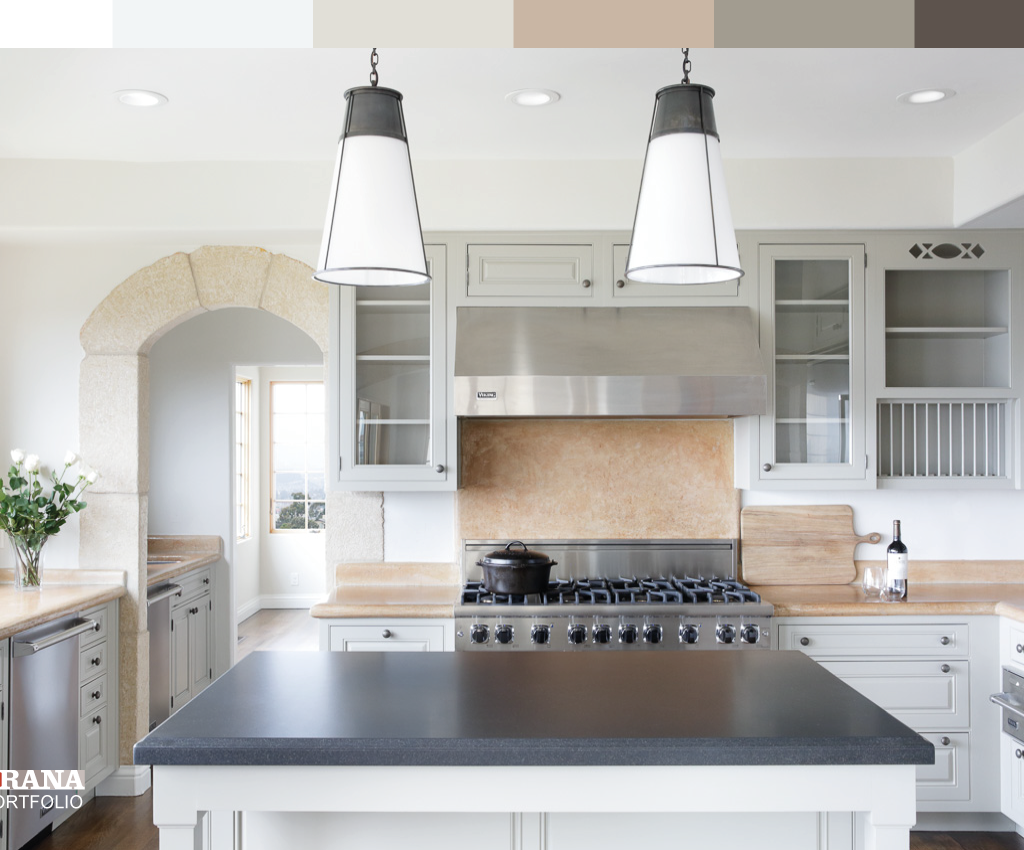
Warm beige walls balance cool charcoal grey cabinets for a cozy, timeless kitchen aesthetic.
Credit: www.magnet.co.uk

Practical Tips for Choosing the Perfect Wall Color
Picking the right wall color isn’t just about personal preference—it’s about matching your choice to your kitchen’s unique features to get a look you’ll love for years to come.
Factor In Layout and Natural Light
Your kitchen’s size and window placement are the biggest factors in your wall color choice. Galley kitchens with minimal windows benefit from light, cool-toned walls (soft white, pale blue) to reflect light and make the narrow space feel wider. Large open-concept kitchens with floor-to-ceiling windows can handle deep, saturated wall colors (navy, forest green) to add coziness without feeling dark. Under-cabinet lighting can also make dark wall colors feel less oppressive, as the light bounces off the wall and illuminates countertop workspace. If you’re also updating your kitchen’s hardware and faucets as part of your refresh, our step-by-step guide to removing a wall-mounted kitchen faucet walks you through the process without damaging your new paint or cabinets step-by-step guide to removing a wall-mounted kitchen faucet.
Coordinate With Existing Hard Surfaces
Your countertops, backsplash, and flooring should inform your wall color choice to avoid clashing. If you have white marble countertops with grey veining, warm off-white or soft beige walls create a cohesive, elegant look that doesn’t compete with the marble’s natural pattern. If you have a bold patterned tile backsplash, stick to neutral wall colors to avoid visual overload. For stainless steel appliances, avoid walls with strong red or orange undertones, as they can make the steel look dingy; opt for cool neutrals or soft blues instead. A slightly darker or more saturated wall color behind your kitchen island creates a subtle focal point without committing to color on all walls.
Test Swatches Before Committing
Paint looks drastically different in different lighting, so never rely on a tiny chip from a paint store. Buy 2-3 sample pots of your top 2-3 color choices, paint 2×2 foot swatches on multiple walls, and view them at morning, midday, and evening with both natural and artificial light on. Wait 24 hours for the paint to fully dry, as wet paint can appear 1-2 shades darker than the final finish. Hold a piece of your cabinet door next to each swatch to ensure the undertones complement each other, not clash. This small step saves you from costly repaints later. For evidence-based tips on how light impacts interior color perception, the University of Minnesota Extension recommends viewing paint swatches at multiple times of day to account for shifting natural light evidence-based tips on how light impacts interior color perception.
Balance Trends With Long-Term Style
2026 kitchen design trends lean towards warm, earthy neutrals and soft, muted bold tones, but trends cycle every 3-5 years. If you plan to stay in your home long-term, opt for a versatile neutral base that you can update with accent colors (throw pillows, small appliances, wall art) as trends change. If you’re planning to sell your home soon, stick to universally appealing neutral pairings like soft white walls with grey cabinets, which rank among the top choices for home buyers looking for move-in ready kitchens.
Frequently Asked Questions
What Wall Colors Complement Grey Kitchen Cabinets?
The best wall colors complement your specific grey cabinet undertones: cool whites pair with cool charcoal or slate grey cabinets for a crisp modern look, warm off-whites and beige pair with warm greige cabinets for a cozy vibe, soft blues and sage pair with both cool and warm grey for a calming, natural feel. The key is creating enough contrast between wall and cabinet to avoid a flat, muddy look—aim for at least a 1-shade difference on the paint scale.
Can Warm Colors Work With Grey Kitchen Cabinets?
Absolutely. Warm tones like soft peach, buttery yellow, and warm taupe balance the coolness of cool-toned grey cabinets, while warm greige cabinets pair well with cool pastels to avoid a monotonous warm palette. Warm colors work especially well in north-facing kitchens with limited natural light to prevent the space from feeling cold or dull. For a subtle pop of warmth, use warm pastels on a single accent wall instead of all four walls.
Are Dark Wall Colors Good With Grey Cabinets?
Yes, but they work best in kitchens with ample natural light (at least 2 large windows) to avoid feeling closed in. Deep navy, forest green, and charcoal walls add drama and sophistication to large, well-lit kitchens, and make stainless steel appliances and light countertops pop for high contrast. For small or dim spaces, use dark colors as a single accent wall behind the stove or sink to add depth without shrinking the room.
Should I Choose Light Or Dark Walls With Grey Cabinets?
It depends on your kitchen’s layout, lighting, and style goals. Light walls (whites, pale pastels, light greige) make small or dim kitchens feel larger and brighter, ideal for minimalist, Scandinavian, or cottage-style designs. Dark walls add sophistication and coziness to large, well-lit kitchens, perfect for modern, moody, or traditional aesthetics. Test swatches at different times of day to see how light shifts the tone before committing.
Conclusion
Choosing the right wall color for your grey kitchen cabinets doesn’t have to be overwhelming. Start by identifying your cabinet’s undertone, test 2-3 swatches in your space, and pick a shade that fits your kitchen’s lighting, layout, and personal style. Whether you opt for a crisp neutral, bold accent, or soft pastel, the right pairing will make your grey cabinets the star of a space you’ll love spending time in. Once you’ve finalized your kitchen’s color palette, you might be inspired to host dinner parties with custom homemade vintages—our guide to at-home winemaking for new enthusiasts walks you through the process at-home winemaking for new enthusiasts. You can find all the necessary wine making supplies online to get your first batch going without leaving your kitchen all the necessary wine making supplies online, and you can pick up specialized wine making yeast for sale to craft custom flavors that pair perfectly with your new kitchen’s aesthetic specialized wine making yeast for sale. If you’re ready to dive deeper into home brewing, our roundup of the best wine making kits for home use has everything you need to get started best wine making kits for home use.
Similar Posts