How to Maintain Serving Utensils: Expert Care Tips
Want to know how to maintain serving utensils? The answer depends on one thing: what your servers are made of. Wood needs oil.
Metal can mostly handle itself. Silicone is forgiving but has heat limits. Get it wrong once and you'll deal with warping, odors, or cracked handles.
Manufacturer specs and food safety guidelines agree on one thing. Porous materials absorb moisture and harbor bacteria if left damp. Non-porous metals and silicone can go in the dishwasher but still need proper drying and storage.
Once you know which bucket your tools fall into, the routine takes about two minutes after each use.
The Quick Answer
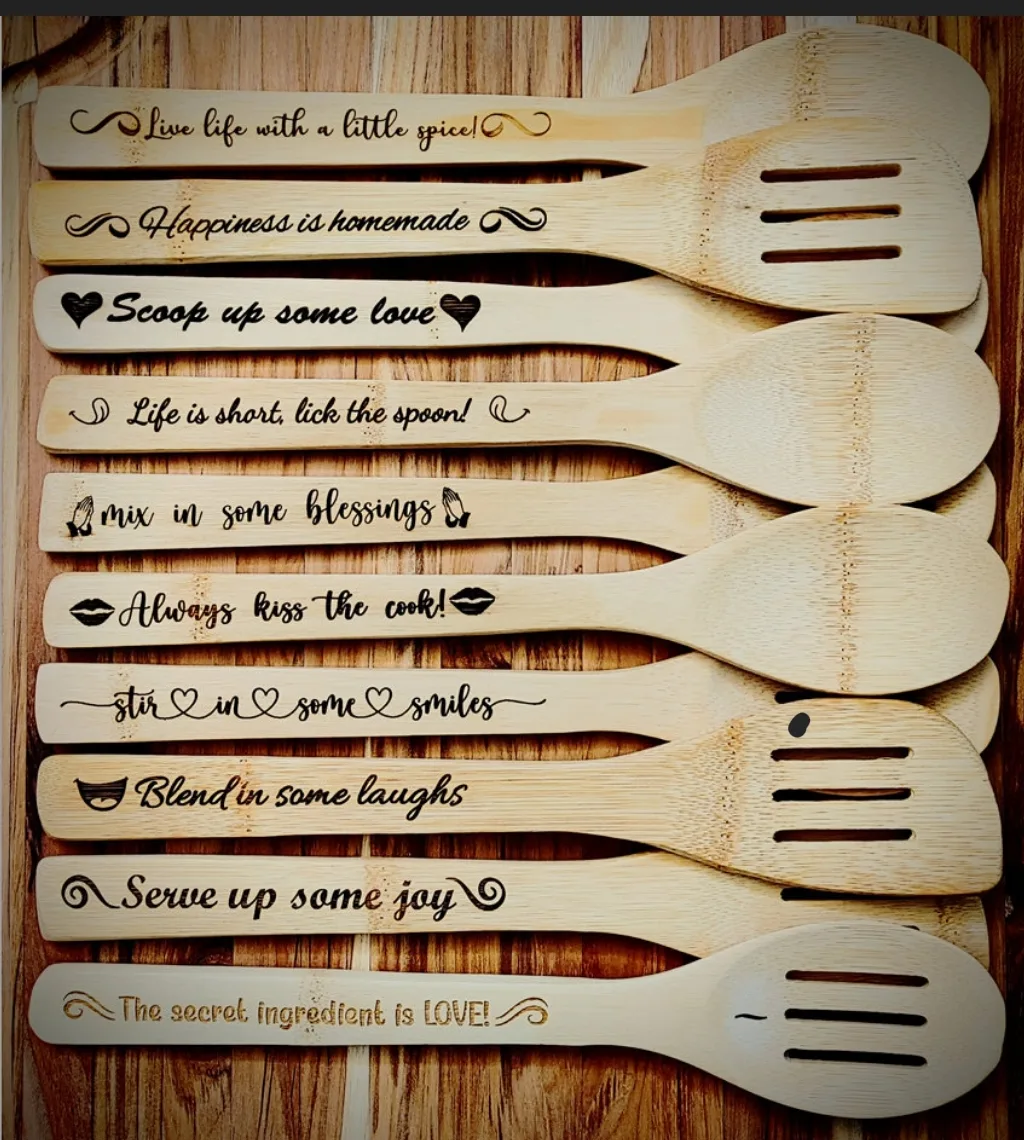
Wash wooden and bamboo servers by hand immediately after use. Never soak them. Dry them completely, then apply food-grade mineral oil every two to four weeks.
Stainless steel and silicone servers can go in the dishwasher on the top rack. Plastic servers hand wash best and replace when cloudy or scratched. Store all utensils upright in a dry area with airflow between pieces.
The Decision Tree: Start Here Before You Clean Anything
The fastest way to avoid mistakes is to pause and identify the material before you reach for soap. Different materials respond completely differently to water, heat, and chemicals. Make the wrong choice once and you might crack a spoon or ruin a handle.
Use this branching guide.
Wood and bamboo — your first red flag
If it's wood or bamboo, treat it like a sensitive guest. Hand wash only. Never soak it.
Dry it within seconds. Oil it regularly. Dishwashers are the number one reason wooden servers warp, split, or develop cracks where bacteria hide.
The FDA Food Code notes that food-contact surfaces must be smooth and non-absorbent, which is why wood requires extra conditioning to stay safe.
Stainless steel and other metals
Metal is the low-drama option. Dishwasher-safe in most cases. Hand washing keeps the shine longer.
Stainless steel won't rust if you dry it properly. Silverplate needs occasional polishing. Aluminum can discolor with acidic foods.
If you've got a mixed set, check the manufacturer's label for dishwashing confirmation.
Silicone and plastic
Both are dishwasher-friendly and lightweight. Silicone handles heat well but attracts dust. Plastic is cheap but degrades under high heat over time.
Neither absorbs odors like wood does. Both can stain from turmeric or tomato sauce. Replace them when they look cloudy or develop deep scratches.
Wood and Bamboo: The High-Maintenance Group (But They Last Forever If You Care for Them)
Wood is beautiful and gentle on cookware, but it demands respect. It drinks water. It swells when wet.
It shrinks when dry. Miss the steps and your favorite server ends up looking like kindling. Get the routine right and a good wooden spoon can outlive a dozen plastic replacements.
What happens when you skip care
Un-oiled wood cracks along the grain. Scratches become traps for food particles and moisture. Bacteria can take hold in those hidden spots.
You'll also notice odors sticking around long after the utensil is clean. That's a sign the surface is porous enough to harbor residue.
The hand-wash-only rule
Dishwasher heat and prolonged water exposure break down the natural fibers in wood. Even top-rack cycles are too harsh for regular use. Hand wash with warm water and a drop of mild dish soap.
Use a soft sponge, not an abrasive scrub pad. Rinse quickly and move straight to drying.
The oiling routine that takes 90 seconds
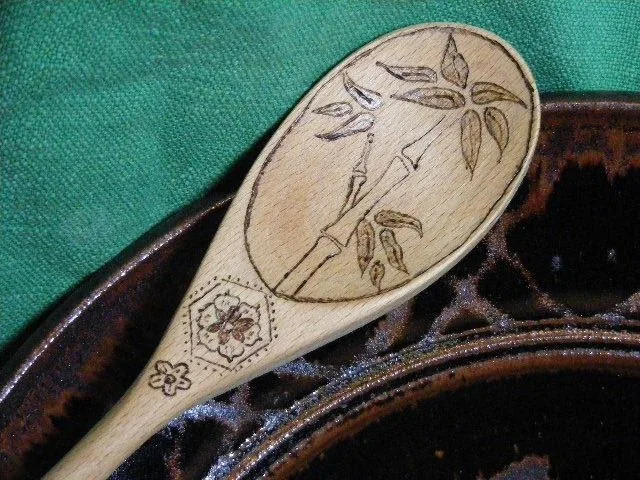
Food-grade mineral oil is the gold standard. It's odorless, tasteless, and doesn't turn rancid. Olive oil sounds natural but can go bad inside the wood and cause off-flavors.
Apply a thin coat after the utensil is completely dry. Rub it in with a clean cloth. Let it sit for twenty minutes, then wipe off the excess.
Do this every two to four weeks depending on how often you use it.
Deep-cleaning cracked or smelly wooden servers
For stubborn odors or stains, make a paste from baking soda and water. Scrub gently along the grain. Rinse thoroughly.
Let it air-dry completely before oiling again. Light surface scratches can be sanded with fine-grit paper, then re-oiled. Deep cracks that reach the core are a discard signal.
How often to inspect before handing food out
Before every gathering, run your fingers along the surface. Look for splinters, deep grooves, or warping. Check the handle joint if there's one.
Any roughness or instability means it's time to retire that piece. These inspection habits align with the same principles you'd follow for outdoor tableware maintenance.
Metal Utensils: The Set-It-and-Forget-It Category
Metal servers are the workhorses. They survive dishwashers, resist stains, and rarely need special products. That said, they're not entirely carefree.
Proper drying and occasional polishing keep them looking sharp and performing safely.
Dishwasher-safe with one catch
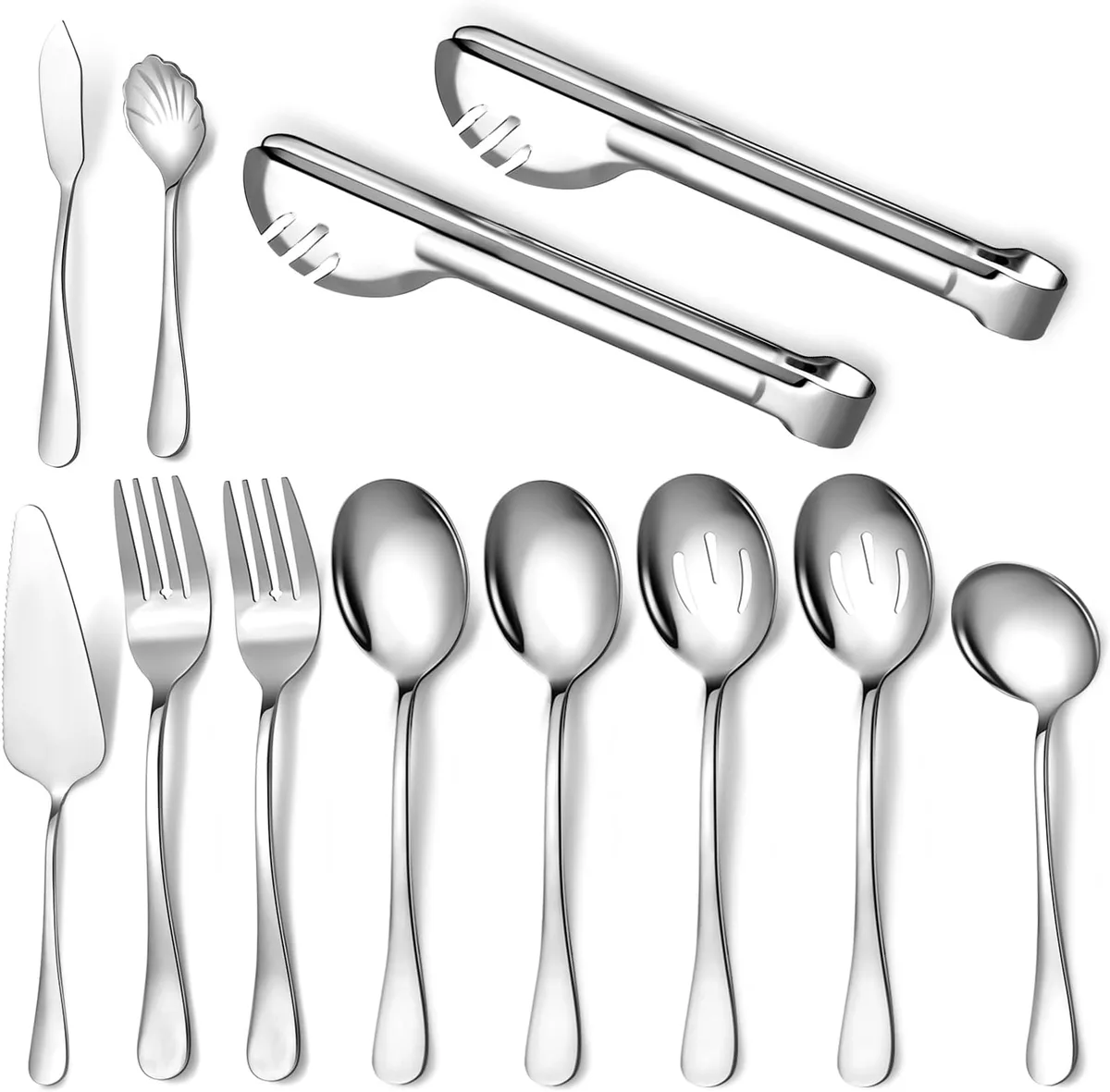
Most stainless steel and aluminum servers are labeled dishwasher-safe. Top rack is gentler on finishes. Avoid the heated dry cycle if possible, since prolonged high heat can cause spotting on some metals.
Hand washing with soap and warm water extends the luster and prevents water-spot buildup.
Preventing rust and tarnish
Stainless steel won't rust under normal use, but cheap alloys or damaged surfaces can. Always dry metal completely after washing. Store in a dry area with good airflow, much like you'd follow when using an outdoor serving tray to prevent moisture traps.
Silverplate utensils may tarnish over time. A polish cloth removes oxidation without harming the surface.
Polishing silverplate when it starts looking dull
Silverplate requires a bit more attention than stainless. Use a dedicated silver polish or a baking soda paste applied with a soft cloth. Buff gently, rinse well, and dry thoroughly.
Store silver in anti-tarnish bags or cloths if you're not using it frequently.
Silicone and Plastic: Easy Wins With One Big Warning
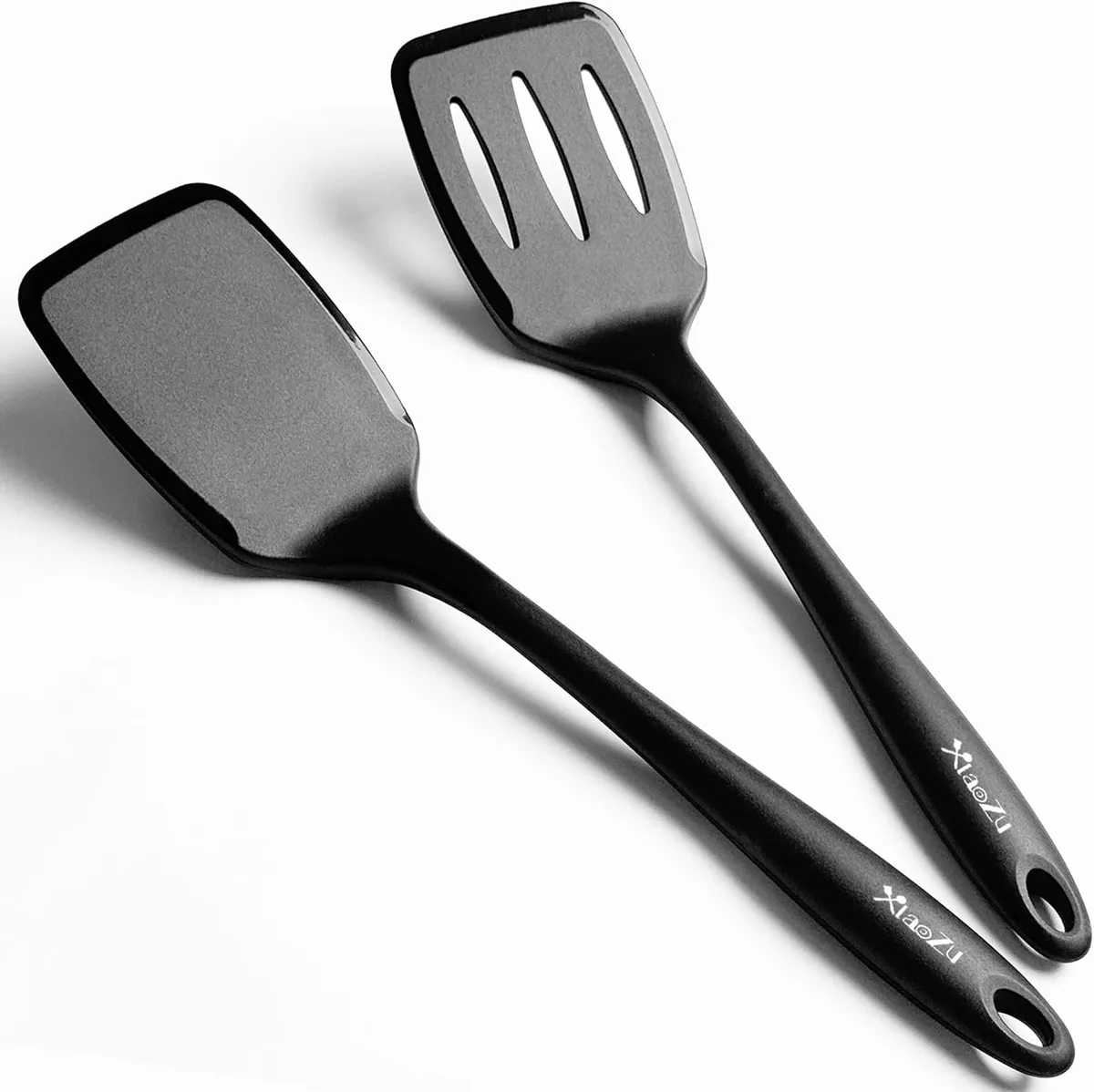
Silicone and plastic are the easiest materials to live with day to day. They're lightweight, dishwasher friendly, and resistant to staining compared to wood. But each has a limit, and crossing it means replacing the tool sooner than you'd expect.
Dishwasher confidence
Both materials handle top-rack dishwasher cycles without issue. Silicone holds up well to repeated washing. Plastic can cloud over time, especially with high-heat detergents.
For longest life, hand wash silicone and plastic when you can.
Heat limits you need to know
Silicone generally withstands temperatures up to about 450°F (230°C). That's fine for most serving tasks, but placing it directly against a hot pan or broiler element can deform it. Plastic has a lower threshold, often around 200°F (93°C).
Warped plastic isn't just ugly. It can melt into food or crack under stress.
When plastic stops being a safe choice
Watch for cloudiness, deep scratches, or a faint chemical smell after washing. Those are signs the plastic is breaking down. Old plastic can leach additives into food, especially when exposed to heat or acidic sauces.
At that point, replacement is the only safe move.
The Universal Rules That Apply to Every Single Utensil
No matter what material you own, three habits will keep your servers in better shape than almost anything else. These apply whether you're handling a wooden salad fork or a stainless steel pasta server. They also overlap with practices for maintaining camping kitchen gadgets, since the same principles of cleanliness and dry storage matter everywhere food is handled.
Drying properly matters more than washing
Washing removes food. Drying prevents damage. Water left on any surface becomes a problem over time.
Wood absorbs it. Metal spots from it. Plastic can develop microscopic cracks from repeated wet-dry cycles.
After washing, towel dry everything immediately. Then let it air-dry completely before putting it away. Standing utensils in a holder with space between them speeds this up.
Where and how you store them changes everything
Crowded drawers trap moisture and cause scratches. Store utensils upright in a breathable container or hang them on a rack. Keep them away from direct heat sources like stovetops or ovens.
If your kitchen runs humid, consider a dehumidifier or better ventilation. Good airflow is the difference between servers that last years and ones that warp in months.
Quick checks before every party or dinner
Before guests arrive, inspect each piece. Run a finger along surfaces for rough spots or splinters. Look for stains that won't come out.
Check handles for looseness. Test tongs for smooth opening and closing. Any server that feels compromised should stay in the back until you replace it.
When to Throw Them Out: 6 Clear Signs Your Servers Are Done
Replacement isn't failure. It's smart maintenance. Some signs are obvious.
Others hide in plain sight until you're serving food to people you care about. Here's when to retire a tool for good.
Cracks and splinters
Any crack deep enough to catch a fingernail or show signs of splitting is a hazard. Splinters can break off into food. Deep fissures harbor bacteria no amount of washing removes.
Toss cracked wood immediately. Don't try to glue it back together for food use.
Persistent odors that won't wash away
If a utensil smells like garlic, onion, or something sour even after thorough cleaning, the pores have absorbed compounds they'll never release. That smell transfers to whatever you serve next. Conditioned wood sometimes holds odors temporarily, but a deep, lingering scent means it's time to replace.
Warped handles and loose joints
A warped handle changes how the utensil works. It becomes awkward to grip and harder to control. Loose joints on tongs or folding servers create gaps where food gets stuck.
Neither issue fixes itself through cleaning. Replacement is the only solution.
Staining that cross-contaminates food color
Deep red stains from tomato sauce or beet juice signal that the surface has degraded. Those stains can transfer to lighter-colored foods. Clear staining on plastic is especially visible and unappealing.
Once color has penetrated deeply, no amount of scrubbing will restore the original surface.
Rust that won't come off
Surface rust on metal can sometimes be polished away. But rust that pits the metal or spreads despite cleaning means the protective layer is gone. Pitted surfaces trap bacteria and break down further with each use.
Retire rusted pieces quickly.
Non-stick coated pans and the metal danger
Using metal servers on non-stick cookware creates scratches that damage both the pan and the utensil edge. Those jagged edges become sharper over time and can cut food or your hand. Switch to silicone or wood if you own non-stick surfaces.
This mirrors the same caution you'd apply when choosing outdoor dinnerware features.
Common Mistakes That Cut Your Utensils' Lifespan in Half
Even careful owners make these errors. They're so common that most people don't realize they're causing damage until it's too late. Avoiding them keeps your serving tools looking new far longer.
Soaking wooden tools like they're pots
This is the single biggest mistake people make. A quick soak seems harmless. In reality, water penetrates the grain and causes swelling.
When the wood dries, it shrinks unevenly, leading to cracks. Never let wood sit in water, even for five minutes.
Using olive oil instead of mineral oil
Olive oil goes rancid inside wood. That creates unpleasant odors and off-flavors that seep into your food. Mineral oil stays stable.
It doesn't spoil. It's cheap and available at most stores. Save olive oil for cooking, not conditioning.
Stacking wet utensils in a drawer
Trapping damp tools against each other creates a breeding ground for mold and mildew. Always ensure complete dryness before storage. Stack only when fully dry.
Better yet, stand them upright to maximize airflow.
Ignoring the pivot points on tongs
Tongs collect grease and food particles at the hinge. This buildup makes them stiff and hard to clean. Disassemble tongs periodically if possible.
Wipe the pivot area with a damp cloth and dry thoroughly. Lubricate with a tiny amount of food-grade mineral oil if the action feels stiff.
Putting everything in the dishwasher just this once
One trip through the dishwasher won't destroy quality wood or bamboo. But that phrase often becomes a habit. Treat the dishwasher as a tool for metal and silicone only.
Hand wash everything else religiously.
Maintenance / Long-Term Optimization
Smart owners treat utensil care as a rhythm, not a chore. Small habits compound into months or years of reliable service. The payoff shows up in fewer replacements, cleaner food, and servers that actually look nice when you set the table.
Build a weekly five-minute check
Once a week, wipe down every server. Inspect wood for dry spots that need oil. Check metal for water spots.
Scan silicone and plastic for cloudiness or deep scratches. This takes less than five minutes and catches problems before they escalate.
Keep a dedicated conditioning routine for wood
Oil-conditioned wood looks richer and resists staining better than dry wood. Mark your calendar for the first of each month. Pull out the mineral oil and run it through any wooden servers that feel rough or matte.
That monthly touch keeps the finish healthy without turning maintenance into a project.
Rotate your set instead of using one piece daily
Rotating utensils extends life across the board. Instead of relying on one wooden spoon for everything, switch between two or three. Each piece gets time to rest, dry, and recover.
Rotation also reduces the chance of neglect because you'll notice sooner when one piece needs attention.
Store based on material type
Group similar materials when storing. Keep wood separate from metal to avoid scratching delicate finishes. Store silicone flat or hanging so dust doesn't settle into crevices.
Metal belongs in a dry spot with good air flow. Matching storage to material mirrors the same logic you'd follow for outdoor dining set setup.
Re-oil after deep cleaning or sanitizing
Any time you deep-clean wood with baking soda, vinegar, or light sanding, you strip some of the protective oil. Reapply mineral oil afterward to reseal the grain. Skipping this step leaves fresh fibers exposed and speeds up future cracking.
Real Scenarios / Case Examples
Real use reveals patterns that theory alone misses. These common situations show where proper maintenance pays off and where shortcuts cause costly mistakes. Each example ties back to the decision tree we built earlier.
The weekend dinner party
You host ten guests and use wooden salad servers, metal tongs, and a plastic pasta fork. Afterward, you rinse everything, towel-dry, and let it air. Two days later, the wooden servers feel dry.
You oil them that evening. Six weeks later, those same servers still glide smoothly and show no cracks. Proper timing made the difference.
The dishwasher shortcut
A homeowner puts mixed-material servers in the dishwasher on a high-heat cycle. The stainless steel comes out fine. The silicone holds up.
The wooden spoon, however, cracks along the grain within a month. Repair wasn't possible because the split reached the core. One convenience choice cost a replacement and a potential food-safety risk.
Tomato sauce staining
Plastic servers used repeatedly with tomato-based sauces develop orange discoloration. The staining doesn't affect safety directly, but it signals surface breakdown. After three months of heavy use, those servers start feeling rough.
Swapping in silicone servers for acidic foods prevents both staining and surface degradation over time.
Outdoor catering in humid weather
Catering staff in a humid climate store wooden servers in a closed cart overnight. Moisture gets trapped. Within two weeks, mold appears in the handle joint and a faint musty odor develops.
Moving to an upright, ventilated rack and oiling servers weekly eliminated both issues. Proper storage matters as much as cleaning, just like outdoor tableware maintenance practices do for outdoor gear.
Silverplate tarnish recovery
Silverplate servers left unused for months develop a dull patina. A gentle polish with a soft cloth and food-safe silver polish restores shine without damaging the surface. Aggressive abrasives scratch the plate and accelerate future tarnishing.
Gentle, regular polishing beats aggressive, rare cleaning every time.
Expert Tips / Pro Advice
Professional kitchen operators treat utensil care as part of service quality, not housekeeping. Their routines are simple but disciplined. Adopting even a few of these habits raises the standard for home use significantly.
Tag high-risk utensils
Use a small colored sticker or tape mark on servers that require hand washing only. That visual cue prevents accidental dishwasher loading. It's a tiny detail that stops a lot of costly mistakes.
Keep a dedicated oiling cloth
Store a small microfiber cloth near your utensil holder. Use it only for applying mineral oil. This prevents soap residue or food particles from contaminating the oil and keeps application consistent.
Test elasticity on tongs
Open and close tongs regularly. If resistance increases, clean the pivot and apply a drop of food-safe oil. Stiff tongs stress your hands and can snap under pressure.
Regular motion checks catch wear early.
Match utensil material to food acidity
Acidic foods stain plastic and degrade weakened wood faster. Use glass, stainless steel, or well-oiled wood for tomato-based or citrus-heavy servings. Reserve silicone and hard plastics for neutral or dry foods whenever possible.
Replace by schedule, not by failure
Set replacement reminders based on material type. Wood every three to five years with normal care. Plastic every one to three years.
Metal practically never, unless pitted or rusted. Scheduled replacement prevents surprise failures during events.
Safety / Legal / Compliance / Warnings
Food safety rules aren't abstract. They exist because cracked surfaces, rust, and degraded plastics have caused real contamination incidents. Following them protects you, your guests, and anyone who eats from your servers.
Follow FDA guidance on food-contact surfaces
The FDA Food Code requires smooth, non-absorbent, easily cleanable surfaces for food contact. Wood is absorbent by nature, which is why conditioning and inspection are mandatory. Proper maintenance brings wood closer to that standard.
Watch for physical contamination hazards
Splinters, rust flakes, and cracked plastic pieces can enter food. Any visible damage should trigger immediate removal from service. Don't risk choking or ingestion hazards for the sake of keeping a worn tool around.
Avoid chemical cross-contamination
Never store cleaning chemicals near serving utensils. Residual bleach or degreaser on a spoon can contaminate food. Rinse thoroughly after using any cleaner, and store cleaning products separately.
Commercial kitchens must meet NSF standards
Professional settings fall under NSF/ANSI Standard 2 for food equipment. That includes requirements for design, sanitation, and material durability. Home users don't need certification, but following equivalent care standards reduces risk and improves outcomes.
Keep records for high-volume use
If you maintain servers for events, catering, or a busy household, track oiling dates, replacements, and inspections. A simple log sheet prevents skipped maintenance and makes it easier to identify patterns, like a batch of utensils failing early due to storage conditions.
FAQs: Your Most Common Questions, Answered Straight
Can I put wooden serving spoons in the dishwasher?
No. Dishwashers expose wood to prolonged heat and moisture that cause warping and cracking. Hand wash wooden servers only, then dry immediately and oil regularly.
Is mineral oil the only thing safe to use on wood?
Yes for regular conditioning. Mineral oil isodorless, tasteless, and doesn't go rancid. Beeswax blends work too but mineral oil remains the standard recommendation from woodcare experts.
How do I get garlic smell out of my wooden servers?
Create a baking soda paste, scrub gently along the grain, rinse thoroughly, and let dry completely before re-oiling. Repeat if needed. Persistent odors may mean the wood has absorbed too much and needs replacement.
Can I sand and restore a heavily scratched wooden spoon?
Light surface scratches can be sanded with fine-grit paper, then re-oiled. Deep gouges that reach the core compromise structural integrity and food safety. Those should be retired rather than restored.
Are bamboo utensils better than wooden ones?
Bamboo is harder and more moisture-resistant than most woods, but it still requires the same care. Neither is dishwasher-safe. Choose bamboo for durability, wood for traditional feel and gentle cooking surface protection.
How often should I replace my serving utensils?
With proper care, wood lasts three to five years, metal effectively forever, silicone five to ten years, and plastic one to three years. Replace sooner if you notice cracks, persistent odors, warping, or rust that won't polish away.