Common Picnic Basket Problems (And How to Fix Them)
Picnic basket problems and solutions don't have to derail your next outdoor meal. Whether you're dealing with warm food, spills, or a basket that looks beautiful but fails practically, there's a fix that fits your situation. The key is matching the right design, material, and packing strategy to what actually goes wrong.
Per USDA food safety guidelines, perishable food must not sit above 40°F for more than two hours. In summer heat, that window shrinks to one hour. That single rule explains why so many picnics end with wasted food and a frustrating experience.
The good news is most issues are preventable, once you know what you're working with.
Quick Answer
The best picnic basket solution depends on group size, trip duration, and environment. Insulated baskets keep food safe for four to eight hours when packed correctly. A 12-quart model suits two people, while a 30-quart style handles families.
Always pair your basket with frozen gel packs and a separate cooler zone for drinks.
Why Your Picnic Basket Keeps Failing You
Most picnic basket failures follow predictable patterns. Food warms up. Drinks melt into puddles.
Loose containers tip over and leak across your cloth napkins. These aren't rare accidents. They happen because the basket doesn't match the outing, or the packing routine skips a critical step.
One of the biggest culprits is using a decorative wicker hamper as if it were an insulated cooler. Those baskets look stunning on a garden table. They offer almost zero thermal protection.
Warm air circulates freely through the weave. Ice melts in under an hour on a sunny day. Food enters the danger zone fast.
Organizational chaos creates another set of headaches. When plates, utensils, and food containers share one loose compartment, everything shifts during transport. Bottles roll.
Lids pop off. Dressings leak. Arriving at your picnic spot means unpacking disaster instead of setting up a relaxing meal.
Heavy baskets strain shoulders and backs. Carrying a rigid wooden hamper loaded with dishes, bottles, and ice over uneven ground turns a pleasant stroll into a workout. Many people simply avoid bringing enough food because lugging the basket isn't worth the effort.
Mold and lingering odors appear in baskets with fabric liners that never dry completely. Moisture trapped in seams and corners breeds bacteria between uses. Next time you pack a sandwich, it carries yesterday's sour smell.
Nobody wants that.
The root cause behind nearly every complaint comes down to one mismatch. Using a basket designed for looks instead of function. Or using the right basket but loading it incorrectly.
Fix either problem, and most picnic disasters disappear.
What Kind of Picnic Problem Are You Actually Facing?
Before buying anything or changing routines, diagnose the real issue. Different problems require different solutions, and mixing them up wastes money and effort. Here's how to identify yours.
Food getting warm or spoiling early points to inadequate insulation or insufficient cooling. If ice melts within two hours on a moderate day, your basket lacks proper thermal lining or your ice-to-food ratio is too low. Per FDA Food Code recommendations, maintaining cold food below 40°F requires constant attention to cooling capacity relative to ambient temperature.
Spills, leaks, and shifting containers signal poor compartmentalization. A single open space with nothing securing items inside guarantees messes during transport. Narrow bottle openings tipping sideways, dressings exploding under pressure, and loose lids are classic symptoms.
Not enough room for your group means your basket capacity doesn't match your headcount. A 12-quart basket crammed for six people leaves no room for ice. Everything gets squished, temperatures rise faster, and food safety drops.
Match basket volume to realistic serving needs, not idealized ones.
Too heavy or awkward to carry usually involves rigid materials like solid wood or thick wicker paired with a large capacity. If you're hiking to a trailhead picnic spot or walking across a park from a parking lot, weight and balance matter enormously. Dual handles dig into palms.
Single straps slide off shoulders. Backpack-style designs distribute weight far better.
Mold, mildew, or persistent odors mean moisture got trapped during storage or cleaning wasn't thorough enough. Fabric linings absorb spilled drinks and condensation from ice. If that dampness sits for days between uses, mold spores take root.
Wicker traps humidity in its weave. Both materials demand careful drying.
Style over substance describes baskets chosen purely for aesthetics. Beautiful woven patterns, vintage leather straps, and polished wood finish look great in photos. They offer minimal insulation, weak closures, and fragile construction.
If your priority is presentation at a formal outdoor event, accept the trade-off. If your priority is keeping food safe, choose function first.
Identify which category your frustration falls into. Then move to the next section where each problem maps to a specific solution path.
How to Choose the Right Picnic Basket Solution for Your Situation
Matching your problem to the right basket type prevents costly mistakes. The table below shows which solution fits each common scenario.
| Problem Category | Best Basket Type | Key Feature to Prioritize | Estimated Price Range |
|---|---|---|---|
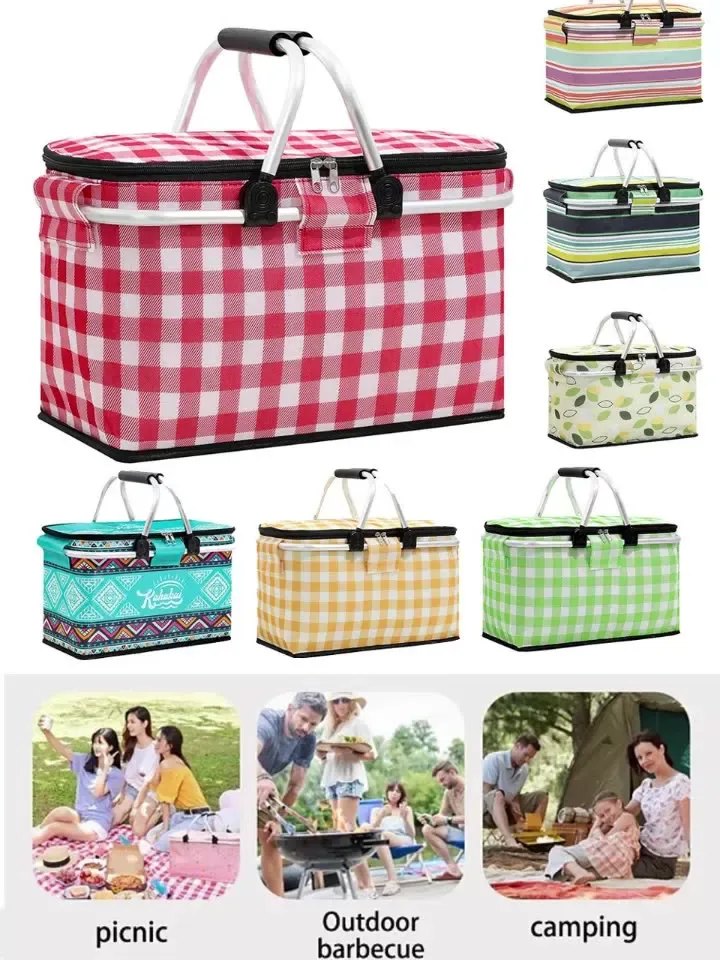
| Food warming too quickly | Insulated soft-sided tote or cooler basket | Thick foam or foil-lined insulation, separate cold zone | $40 to $120 |
| Spills and shifting containers | Multi-compartment organizer basket | Interior dividers, zippered pockets, secure closures | $30 to $90 |
| Not enough capacity | Large hard-sided cooler basket or 30-quart insulated model | Minimum 25 quarts for family of four plus ice | $60 to $180 |
| Too heavy to carry | Lightweight fabric backpack-style cooler | Under 3 pounds empty, padded straps, even weight distribution | $35 to $80 |
| Mold and odor issues | Removable liner basket or wipe-clean interior | Machine-washable insert, antimicrobial lining, quick-dry materials | $30 to $100 |
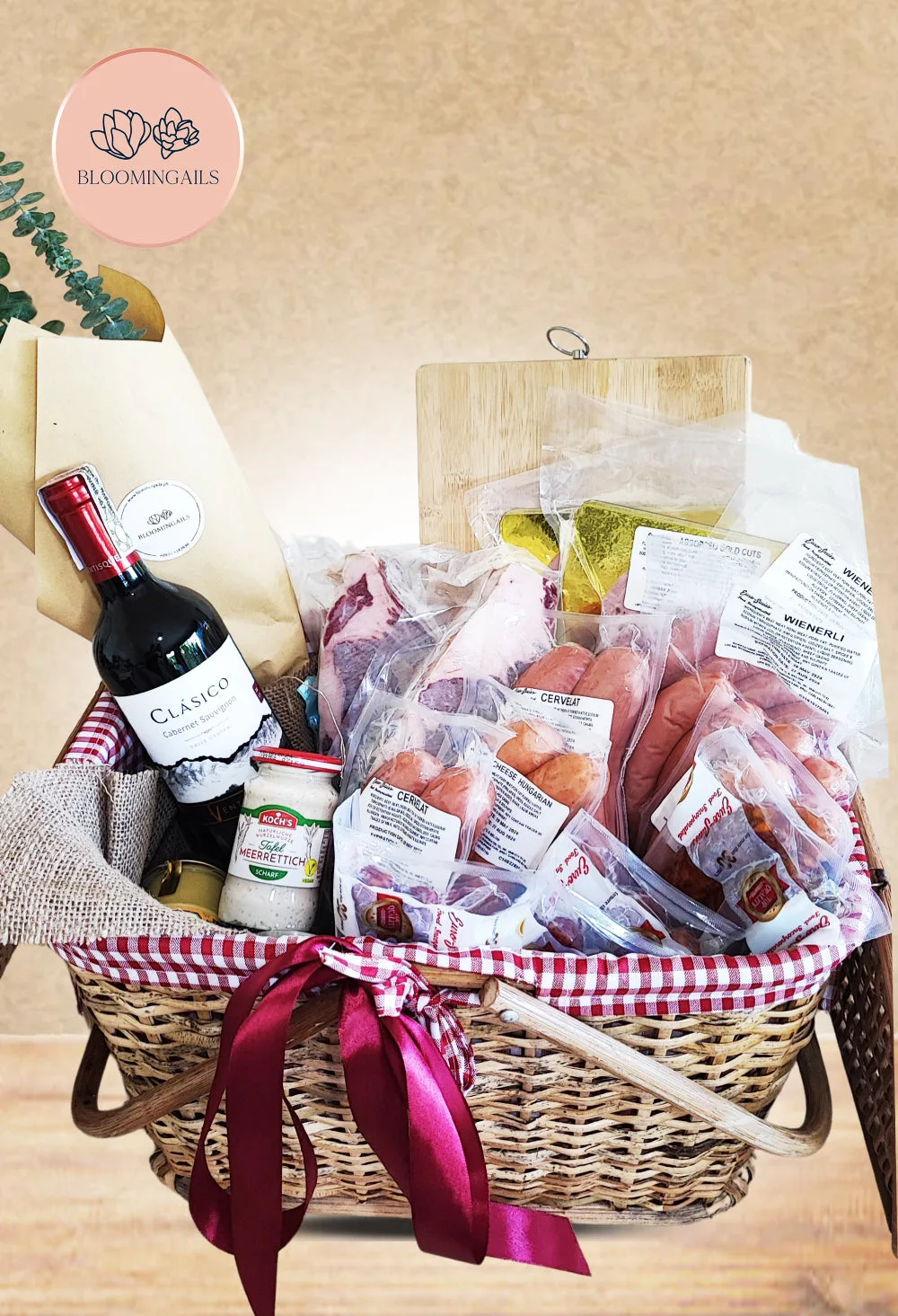
| Style-focused entertaining | Traditional wicker hamper with insulated liner insert | Add a separate insulated food carrier inside the decorative shell | $50 to $200 |
Capacity matters more than most people realize. A basket rated for two people barely holds enough for a family of three with drinks and sides. Always round up one size when uncertain.
Running out of space mid-packing forces you to leave food behind or compress everything tightly, which hurts insulation performance.
Trip duration determines insulation requirements. A one-hour park visit needs lighter cooling. An all-day beach day demands aggressive insulation and extra ice.
Manufacturer specifications typically rate insulation performance at roughly four to eight hours of cold retention depending on ambient temperature and pack density.
Environment shapes material choice significantly. Beach salt air corrodes metal hardware and degrades untreated wicker within a season. Park shade is gentler on materials.
Hot direct sun accelerates ice melt regardless of basket quality. Water-resistant or fully waterproof linings protect against rain and spilled drinks equally well.
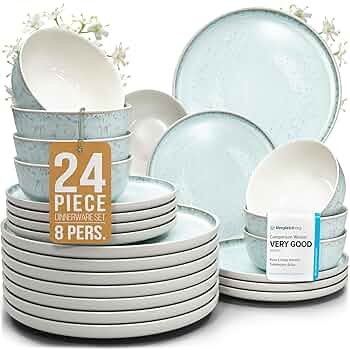
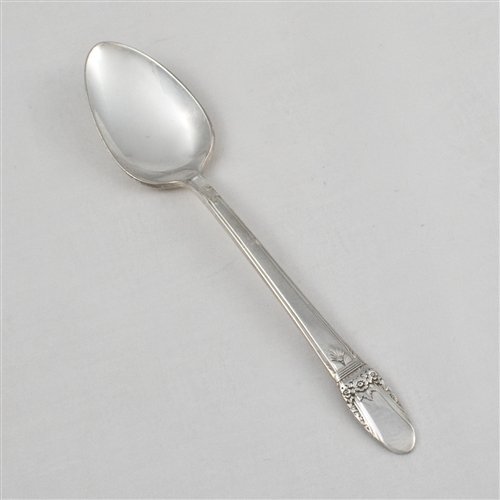
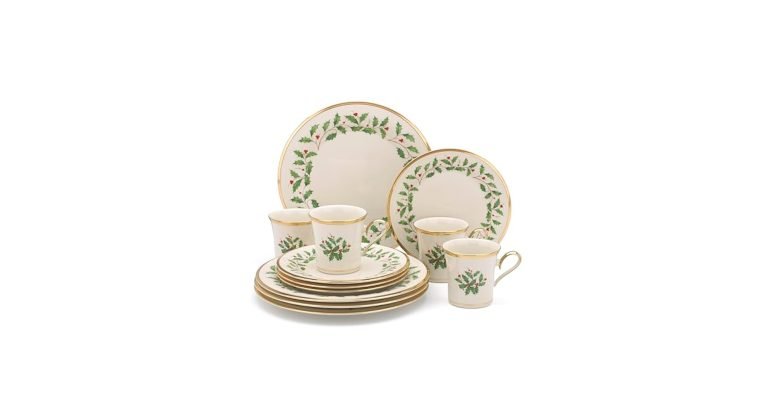
If you're building a complete outdoor dining setup alongside your basket choice, choosing quality table accessories can make a real difference. A best gold flatware set for elegant dining and stylish table settings elevates any outdoor spread, and selecting best brands of china dinnerware for elegant and durable table settings ensures your plates survive the journey. Packing those items properly matters too, so consider the best way to pack glassware safely for moving and storage tips adapted for picnic use.
Budget ranges span from basic insulated totes under $40 to premium hard-sided baskets exceeding $200. Mid-range models between $50 and $100 offer the best value for most families, combining adequate insulation with useful organizational features without paying for unnecessary brand markup.
The Best Picnic Basket Solutions by Scenario
Different outings demand different approaches. Here's what works best for the most common picnic situations.
Beach picnics require sand-resistant, water-friendly baskets with strong zippers and wipe-clean interiors. Wicker falls apart near salt water. Hard plastic or coated fabric handles sand blowoff and accidental splashes.
Look for baskets with exterior pockets for towels and shoes so sand stays contained. Pair with sealed drink containers and snack bags to keep crumbs from creating grit piles inside the basket.
Family outings with three or more people need spacious multi-zone designs. Separate compartments for drinks, main dishes, snacks, and utensils prevent cross-contamination and make unpacking orderly. A 30-quart insulated basket with removable dividers handles most family configurations comfortably.
Include a dedicated cold section sized for at least two gel packs minimum.
Hot-weather picnics above 85°F demand maximum insulation and generous ice capacity. Standard baskets struggle past two hours without aggressive cooling strategies. Opt for vacuum-insulated models or add freeze-your-own-water bottles alongside gel packs.
The USDA food safety guidelines recommend discarding perishables after one hour when temperatures exceed 90°F. Plan to eat sooner rather than later in extreme heat.
Car-free or active picnics where you hike or bike to your spot need lightweight backpack-style coolers under four pounds empty. Hard-sided baskets crush gear and dig into shoulders. Soft backpack coolers distribute weight across both shoulders and fit easily into larger daypacks.
Sacrifice some capacity for portability when transportation distance exceeds a quarter-mile.
Formal or entertaining picnics where appearance matters most benefit from traditional wicker hampers paired with a separate insulated food carrier inside. You get the aesthetic without sacrificing food safety. Place chilled bottles and covered dishes in the insulated insert while the outer basket holds bread, cheese, and room-temperature accompaniments.
This hybrid approach serves 18 10 flatware sets clearance deals you can pack thoughtfully alongside your meal.
Weekend camping picnics overlap with general cooler needs. Hard-sided rotomolded coolers outperform fabric baskets for multi-day trips. Reserve dedicated picnic baskets for same-day outings where quick setup and teardown matter more than multi-day cold retention.
Matching your primary scenario to the right basket type eliminates most problems before they start. The next section covers packing habits that reinforce whatever basket you choose.
Smart Packing Habits That Fix Most Basket Problems
How you load a basket often matters more than the basket itself. Follow these steps and temperature control, organization, and spill prevention improve dramatically.
Start by pre-chilling your basket. Place frozen gel packs or ice blocks inside the empty basket for 30 minutes before loading food. A cold starting interior buys extra cooling time once warm food enters the space.
Skip this step and warm air inside the basket immediately begins raising food temperatures from minute one.
Load cold items first and heaviest at the bottom. Gel packs and frozen bottles form a cool base layer. Pack dense cold foods like cheeses, cold cuts, and chilled main dishes directly against that layer.
Lighter items like bread, chips, and fresh fruit go on top where they stay cooler longer and easier to access.
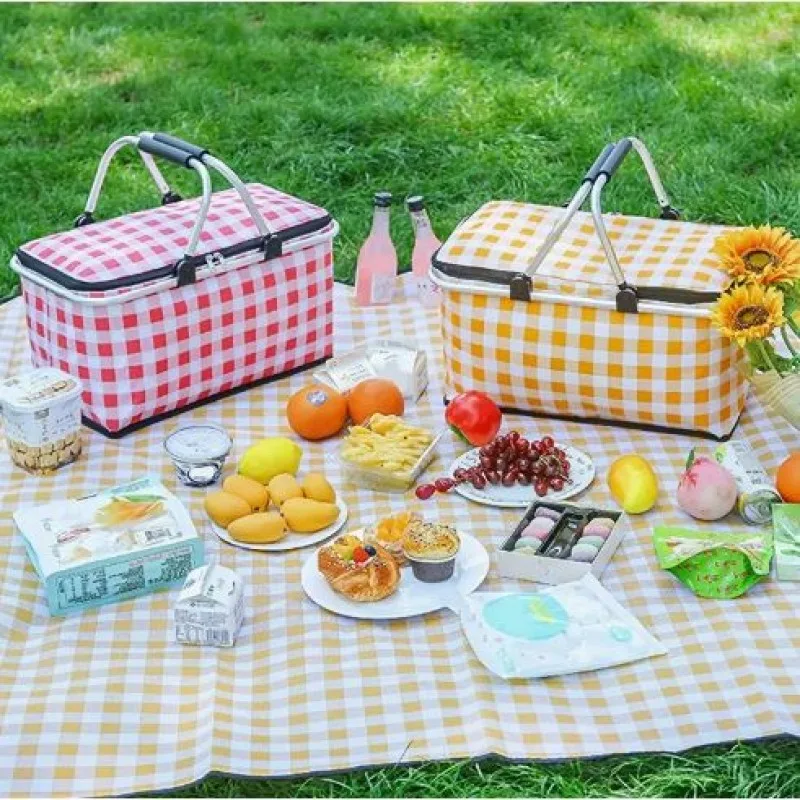
Use separate sealed containers for dressings, sauces, and liquids. Even spill-proof lids fail under pressure changes from transport jostling. Double-bag liquid items in resealable bags inside rigid containers.
This catches accidents before they ruin everything else in the basket.
Keep raw proteins completely separated from ready-to-eat foods. Raw chicken, marinated meats, and unpasteurized dairy belong in their own sealed container stored away from sandwiches, fruits, and cooked sides. Cross-contact causes foodborne illness far more often than people expect at casual outdoor gatherings.
Pack ice at a ratio of roughly two pounds of ice per person for outings lasting three to five hours. More ice means colder retention but less food space. Find the balance that keeps your specific load safe without sacrificing room for actual meals.
Frozen water bottles double as drinking water later, reducing waste.
Close closures gently without forcing. Overstuffing compromises seal integrity and damages zippers or latches over time. Leave room for air circulation around cold sources so chilled air circulates freely instead of getting trapped against one wall.
Everyday Mistakes People Make With Picnic Baskets
Even experienced picnickers repeat the same errors. Avoiding these habits makes an ordinary basket perform like a premium cooler.
Ignoring the two-hour rule tops the mistake list. Perishable food left above 40°F for two hours must be discarded. Above 90°F, that window drops to one hour.
People routinely save leftover salad or cut fruit for the drive home and risk illness doing it. When in doubt, throw it out. Food poisoning ruins picnics far worse than extra trash.
Using regular ice instead of gel packs wastes cooling efficiency. Regular ice melts faster, creates standing water, and floods your basket. Gel packs maintain consistent cold without liquid overflow.
Freeze water bottles as a backup since they serve dual purpose as drinking water once thawed.
Overpacking to maximize food quantity compromises insulation performance. Compressed food blocks block cold air circulation. Loose items create shifting hazards.
Pack with intention, not sheer volume. Better to bring slightly less food properly cooled than overload everything and risk warming.
Skipping the pre-chill step costs you an hour of cooling capacity. Loading warm food into a room-temperature basket raises internal temperatures immediately. Spend 30 minutes chilling the empty basket first.
The investment pays for itself in extended food safety.
Storing the basket damp and closed invites mold growth inside seams and fabric liners. Always air-dry thoroughly before closing. Leave lids open during transport home if weather permits.
Quick drying prevents the musty smells that make subsequent uses unpleasant.
Choosing the smallest basket that barely fits everything leaves zero margin for ice expansion or unexpected guests. Round up one size minimum. Extra interior space improves airflow around cold sources and gives you flexibility without sacrificing organization.
Keeping Your Picnic Basket in Good Shape Long-Term
Proper maintenance extends basket life and prevents odors, mold, and hardware failure between uses. Cleaning routines vary by material type.
Fabric-lined baskets benefit from removable liner washing. Zip out the interior insert and machine wash on gentle cold cycle whenever visible stains appear or after strong food odors develop. Air dry completely before reinstalling.
Never return a damp liner to a closed basket. That moisture trap guarantees mold within days.
Wipe-clean interiors respond well to a mild soap and water solution. Dampen a clean cloth, add a drop of gentle dish soap, and run it along all interior surfaces. Rinse with a second cloth dampened with plain water.
Dry thoroughly with a clean towel before closing and storing.
Wicker and rattan baskets need gentler treatment. Brush off loose debris with a soft-bristled brush. Wipe surface grime with a barely damp cloth.
Never submerge wicker in water or soak it. Moisture absorbed into the fibers causes swelling, warping, and eventual structural weakness. Allow complete air drying in shade before storage, never in direct sunlight which fades and brittleizes the fibers.
Metal hardware check prevents premature failure. Inspect hinges, latches, and zipper teeth quarterly for corrosion or stiffness. Apply a light coat of silicone lubricant to metal zippers and hinge pins.
Replace corroded buckles or broken handles before your next outing rather than discovering failures mid-trip.
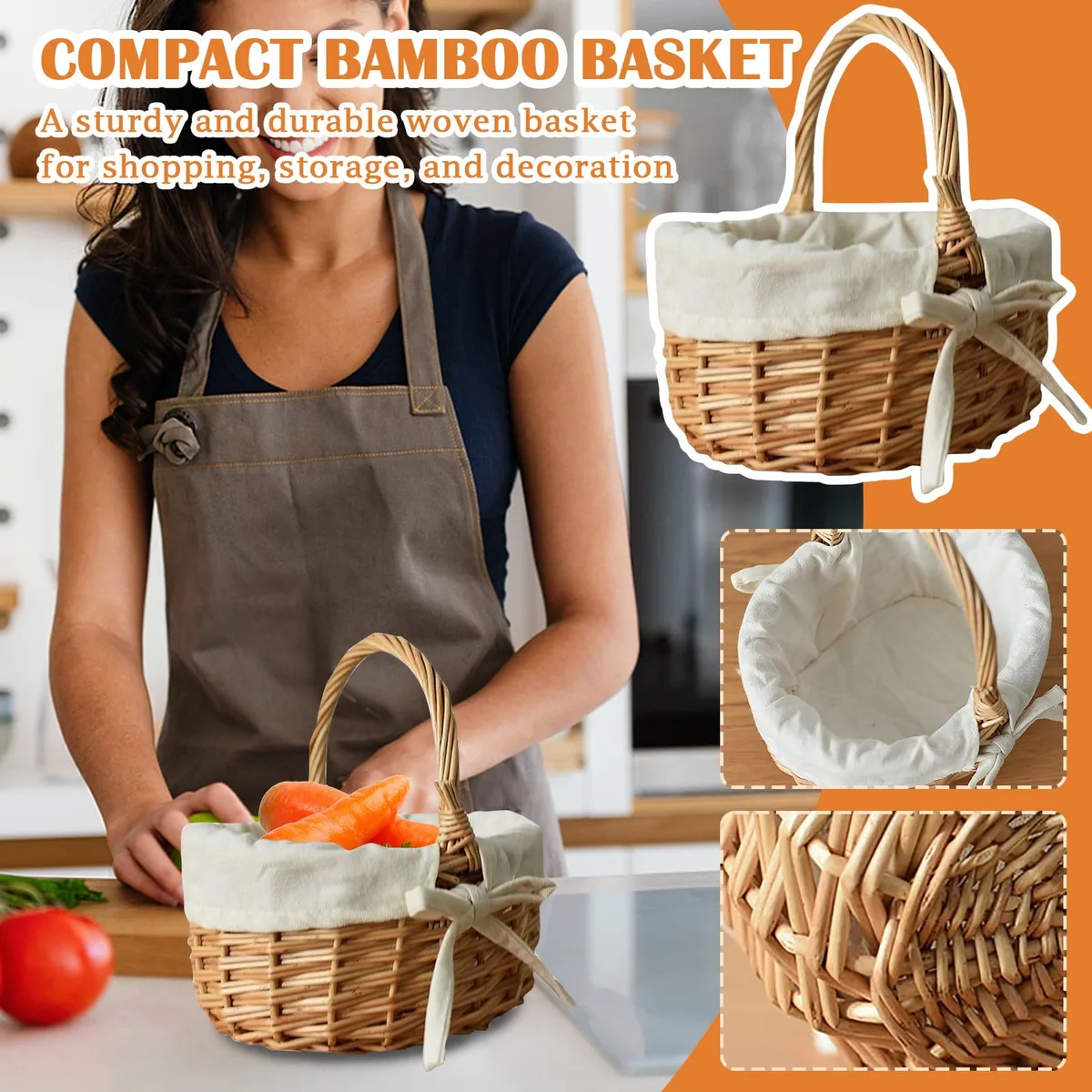
Seasonal storage matters for baskets used primarily in spring and summer. Store cleaned, completely dry baskets in a cool, low-humidity closet or garage space. Avoid attics where summer heat degrades adhesives and fabric linings.
Keep away from direct sunlight to prevent fading and material brittleness over time.
Rotate gel packs periodically even when not actively using the basket. Check seals for cracks and replace packs showing wear. A compromised gel pack loses freezing ability and creates water leakage risks inside your food storage space.
With the right basket and solid packing habits, most picnic failures disappear entirely. A few common questions help fill in the details most guides skip.
Frequently Asked Questions
How long does an insulated picnic basket keep food cold?
Properly packed insulated baskets maintain safe temperatures for four to eight hours depending on insulation quality and ambient conditions. Two gel packs minimum paired with pre-chilled interiors extend cold retention toward the upper range. In temperatures exceeding 90°F, expect reduced performance closer to three to four hours.
Can I use a regular wicker basket without an insulated liner?
Yes, but food safety becomes your responsibility rather than the basket's. Uninsulated wicker offers zero thermal protection. Keep all perishable foods in separate sealed containers wrapped around frozen gel packs placed directly among them.
This workaround works for short outings only.
What size picnic basket do I need for a family of four?
A minimum 25-quart insulated basket handles four adults comfortably with room for ice and beverages. Families with children who bring extra snacks benefit from 30 to 35-quart models. Capacity should accommodate food plus ice plus organizational space without compression.
Is it safe to leave food in a picnic basket overnight?
No. Per FDA Food Code and USDA guidelines, refrigerated perishable food must not remain between 40°F and 140°F for more than two hours, or one hour above 90°F. Overnight storage outside refrigeration creates serious foodborne illness risk.
Transport leftovers back indoors immediately upon returning home.
How do I remove persistent odors from my picnic basket?
Baking soda mixed with warm water creates a paste for wiping interior surfaces. Leave it for 15 minutes, then rinse and air dry completely. For fabric liners, add half a cup of white vinegar to the wash cycle alongside mild detergent.
Sun-dry the liner after washing for natural deodorizing and disinfecting action.
Do I need special ice for outdoor picnics?
Standard ice works but melts fastest. Reusable gel packs last longer and eliminate water overflow. Frozen water bottles offer the best compromise, providing extended cold retention and drinkable water once thawed.
Combine gel packs for sustained cooling with frozen bottles for gradual ice replacement.

Sophia Martinez is a culinary lifestyle writer and product reviewer for DiningGadgets.com. Passionate about blending style with functionality, she explores the latest dining essentials, kitchen décor, and cleaning hacks that transform everyday cooking spaces. With a background in home organization and design, Sophia brings readers expert advice on creating beautiful, practical kitchens that truly feel like the heart of the home.