How to Clean Picnic Table Accessories (Easy Steps)
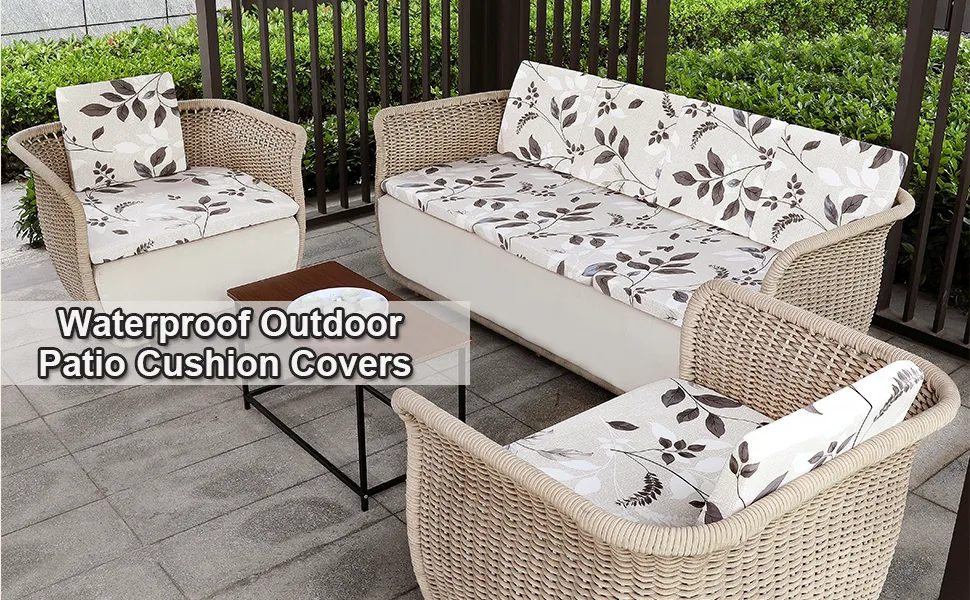
Want to know how to clean picnic table accessories without ruining them? Most people rush in with bleach and a scrub brush, only to fade their cushions or crack their vinyl. The truth is that material matters more than elbow grease.
In our research, manufacturer specs recommend using cool water and mild soap for routine maintenance, while vinegar works for mildew. We'll walk you through the exact steps for each type of accessory so you can keep your outdoor setup looking fresh all season.
Quick Answer
To clean picnic table accessories, identify the material first. Vinyl wipes down with soapy water and a soft cloth. Fabric cushions need gentle brushing and thorough drying.
Umbrella covers require mild detergent and shade drying. Always check the care label before using any cleaner.
What You're Actually Cleaning (and Why It Matters)
When you're deep cleaning your patio gear, you're probably dealing with a mix of materials. Vinyl covers resist water but scuff easily. Solution‐dyed acrylic fabrics shed stains but need extra drying time.
Canvas blends offer comfort but mildew loves them in humid climates.
Knowing what you have saves you from disaster. Applying the wrong cleaner to the wrong surface can cause fading, cracking, or mold growth that ruins the item completely. For more on keeping your entire outdoor dining setup cohesive, explore our guide to [luxurious flatware options].
Vinyl vs. Fabric vs. Mixed Materials: The Fast ID Guide
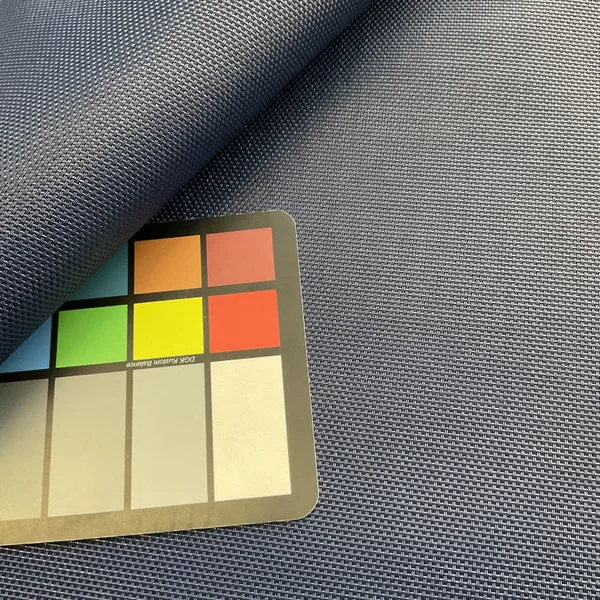
Here's how to tell them apart quickly. Look for a tag or label on the underside of cushions or inside zipper openings. Vinyl often feels smooth and non‐porous.
Fabric will have a woven texture and may feel slightly rough. Some accessories combine vinyl seating with fabric backs; treat each panel according to its material.
| Material | Touch Test | Cleaning Risk |
|---|---|---|
| Vinyl | Smooth, slightly tacky | High risk of cracking if harsh chemicals used |
| Acrylic fabric | Woven, breathable | Low risk if dried thoroughly |
| Canvas blend | Soft, absorbent | High risk of mildew if damp stored |
| Polyester blend | Silky, lightweight | Medium risk of pilling from aggressive scrubbing |
How to Clean Your Picnic Table Accessories — Branch by Material
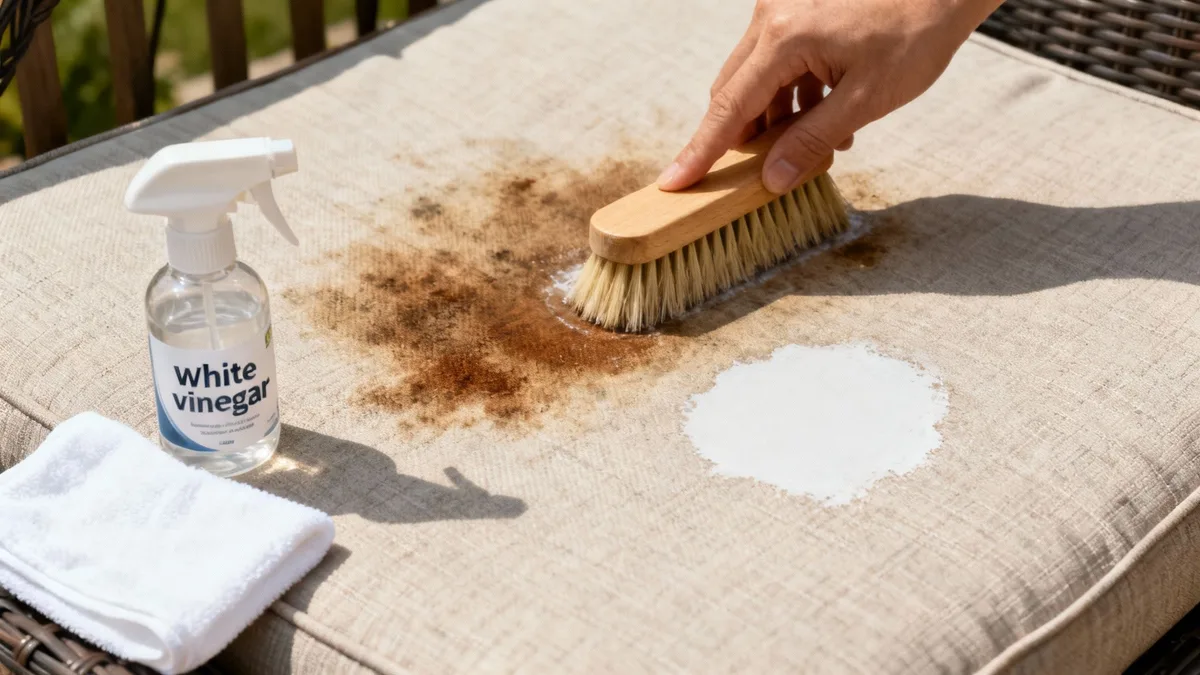
Vinyl
- Mix one cup of white vinegar with two cups of cool water in a spray bottle.
- Spray lightly and wipe with a microfiber cloth in circular motions.
- Rinse with a damp cloth and dry immediately with a towel.
- Apply a vinyl protectant spray every few months to prevent UV damage.
Fabric
- Vacuum loose dirt with an upholstery attachment first.
- Create a solution of mild dish soap (1 tablespoon) and a gallon of cool water.
- Dab stains gently; never rub aggressively.
- Air‐dry completely in shade before returning to the table.
Mixed materials
- Identify each zone separately.
- Clean vinyl portions with vinegar solution.
- Treat fabric zones with soap solution.
- Allow each area to dry fully before reassembly.
Common Mistakes That Actually Ruin Outdoor Gear
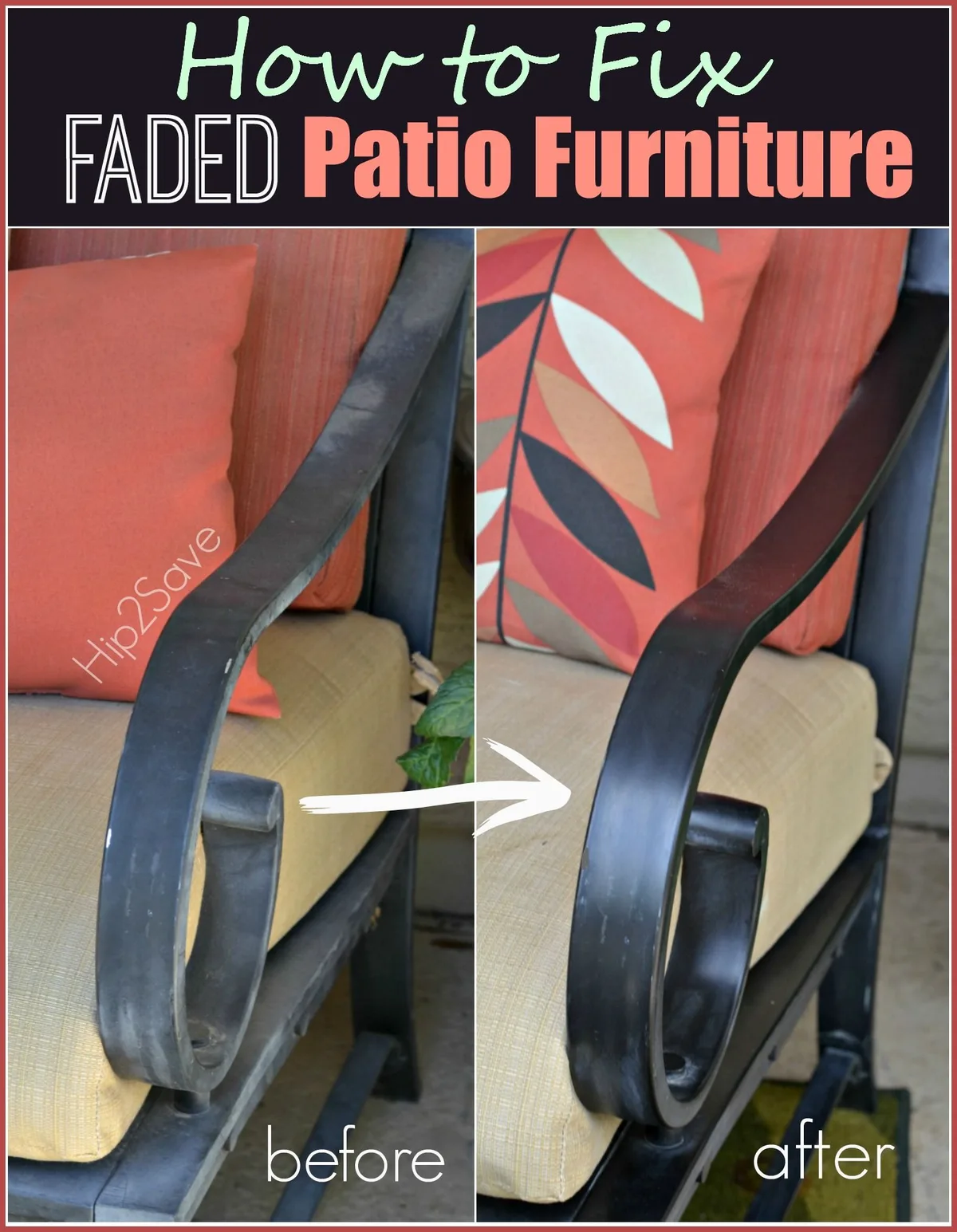
We've seen homeowners wipe out their investment with a single wrong move. Pressure washers set too high can tear seams and force water into padding. Chlorine bleach destroys colorfastness and weakens fibers over time.
Leaving cushions damp inside a storage box is a recipe for black mold.
Each mistake shares a common thread: rushing the process. Proper cleaning demands patience and the right tools. Below are the most frequent errors and how to avoid them.
- Using straight bleach instead of diluted solutions
- Scrubbing with stiff‐bristled brushes that scratch surfaces
- Skipping the rinse step, which leaves soap residue
- Storing accessories before they're bone‐dry
- Ignoring manufacturer care labels altogether
If you notice scratches on metal chair frames after cleaning, consult our guide to [classic silverplate designs] for proper polishing methods. Also, EPA Safer Choice certified products are a reliable starting point for eco‐friendly cleaning.
Maintenance Rhythm: Keep It Looking Good All Season
Consistency beats intensity when it comes to outdoor care. A quick weekly wipe‐down takes five minutes and prevents grime from building up. A monthly deep clean restores appearance and extends lifespan.
Seasonal transitions matter too. Before summer storage, give everything a thorough wash and inspect for wear. After winter, check for cracks or faded coatings before exposing gear to direct sun again.
University extension research suggests vinegar solutions effectively inhibit mold growth.
| Frequency | Action | Time Required |
|---|---|---|
| Weekly | Spot‐clean spills and dust | 5 minutes |
| Monthly | Full wash and dry | 30 minutes |
| Seasonal (spring) | Deep clean and inspect | 1 hour |
| Seasonal (fall) | Clean, condition, store | 1.5 hours |
When it's time to stow your cleaned gear, apply [protective storage techniques] to prevent moisture buildup. Pairing your freshly maintained cushions with [heavy‐ duty dining sets] ensures a cohesive look throughout the year.
FAQs About Cleaning Picnic Table Accessories
Can I machine‐wash outdoor cushion covers?
Yes, if the label permits. Use a gentle cycle with cold water and mild detergent. Air‐dry completely; never put fabric covers in a dryer unless the tag explicitly allows it.
Heat shrinks fibers and damages water‐repellent coatings.
What's the best homemade cleaner for vinyl?
Mix equal parts white vinegar and cool water in a spray bottle. Lightly mist the surface, wipe with a soft cloth, and rinse with a damp sponge. Vinegar cuts grease and disinfects without the harsh smell of commercial cleaners.
How do I remove mildew from fabric cushions?
Create a paste of baking soda and water, apply to affected areas, and let sit for 15 minutes. Gently scrub with a soft brush, then rinse thoroughly. Ensure complete drying to prevent regrowth.
Avoid direct sunlight while cleaning to prevent further fading.
When should I replace rather than clean my accessories?
Replace cushions if foam has lost resilience or fabric shows permanent discoloration. Vinyl seats with deep cracks or peeling coatings are beyond repair. If cleaning doesn't restore appearance after two attempts, it's time for a new set.
For advice on upgrading, our comparison of [premium dinnerware labels] can help you choose durable pieces.
Final Call: Quick Decision Checklist for Your Situation
Before you grab a bucket, run through this mental checklist. Identify your primary material. Check for existing damage or mold.
Gather the right supplies before starting. Work in shade to prevent rapid drying and streaking.
Following these steps keeps your gear safe and looks great. With regular maintenance, your picnic table accessories can last for years, even under heavy use. For more ideas on coordinating your patio furniture, browse our roundup of [durable table settings].

Sophia Martinez is a culinary lifestyle writer and product reviewer for DiningGadgets.com. Passionate about blending style with functionality, she explores the latest dining essentials, kitchen décor, and cleaning hacks that transform everyday cooking spaces. With a background in home organization and design, Sophia brings readers expert advice on creating beautiful, practical kitchens that truly feel like the heart of the home.