What to Look For in Picnic Table Accessories
You know how it is, you're ready to set up for a backyard barbecue, but your picnic table seating feels uncomfortable and your gear just doesn't fit right. That's why we've rounded up the key picnic table accessories features to look for so you can upgrade without the guesswork. With the right additions, you'll have more space for guests, better shade, and a setup that actually lasts through the seasons.
Manufacturer specs show standard rectangular tables run about 6 feet long by 29 inches wide, and most folding chairs are rated for 150 to 350 pounds per seat. But throwing random add-ons into your cart often leads to wasted money and frustration. Let's break down what really matters when you're shopping for outdoor seating and shade upgrades.
Quick answer: The three features that actually move the needle
When you're picking picnic table accessories, focus on these three core elements that separate durable setups from ones that fall apart after a few months. First, check the weight capacity per seat to ensure safe support for all your guests. Second, verify material construction since powder-coated steel resists rust while cheap plastic cracks in UV light.
Third, measure your folded dimensions against your vehicle trunk space so everything stores easily.
These three features cover safety, longevity, and convenience in one quick checklist. They cut through marketing fluff and help you compare options side-by-side before spending a dollar. We'll dive deeper into each category below so you can match them to your specific gathering style.
Four accessory families—and what to look for in each
Different accessories solve different problems, so grouping them by function keeps your shopping list focused. Here's where to direct your attention when evaluating each category.
Folding seating and benches
Folding chairs and benches give you extra places to sit when guests arrive. Look for seats with a weight capacity of at least 250 pounds to handle diverse body types safely. Powder-coated steel frames resist corrosion better than bare metal, especially in humid climates.
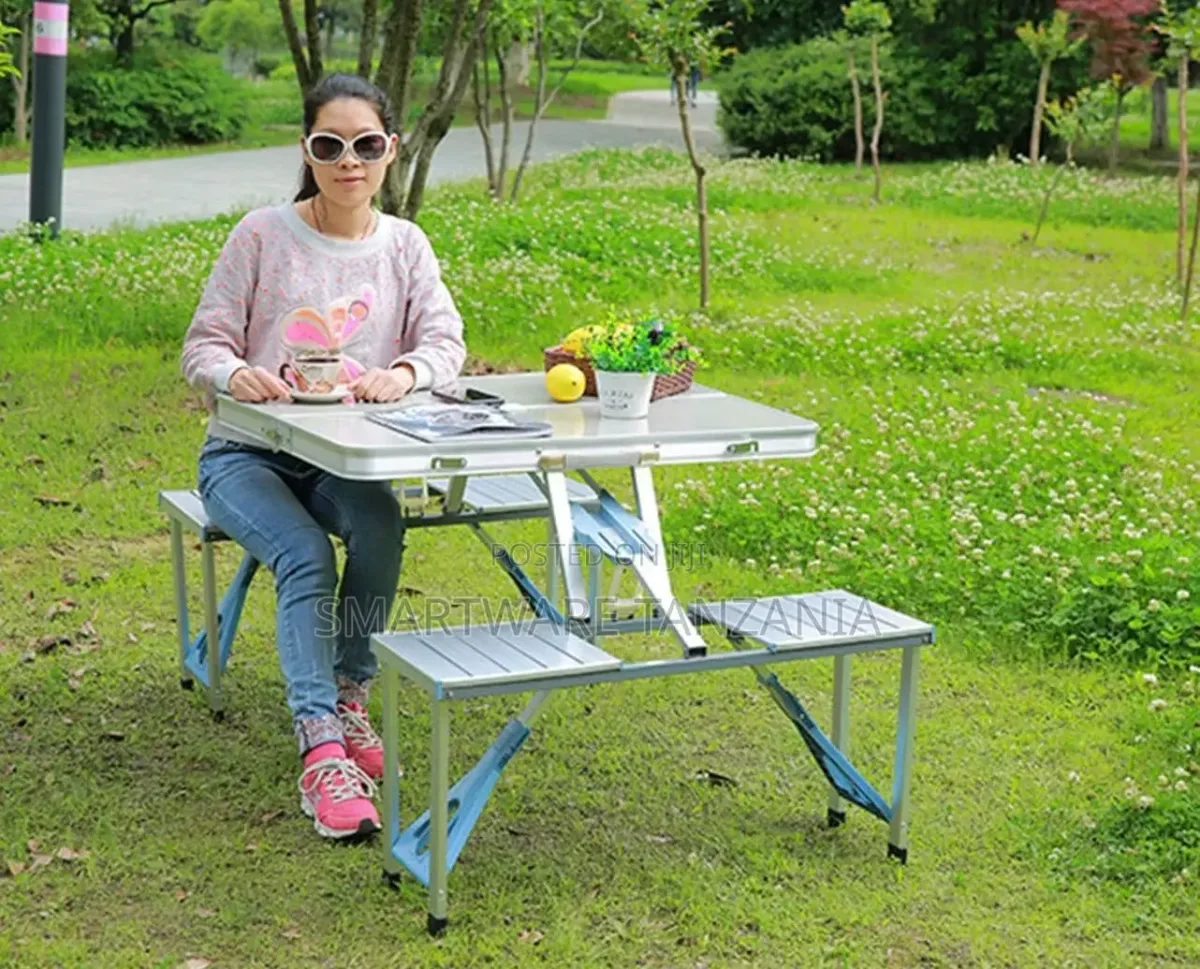
Collapsed dimensions matter a lot if you store gear in a compact car or truck bed. Aim for models that fold flat under 6 inches thick. Armrests add comfort for longer events, but removable arms let you stack chairs tighter.
Shade and sun protection
Umbrellas and canopies turn a blistering afternoon into a comfortable gathering. Cantilever umbrellas offset to one side, clearing table space underneath for food and drinks. Check the pole diameter matches your table hole or opt for a freestanding base.
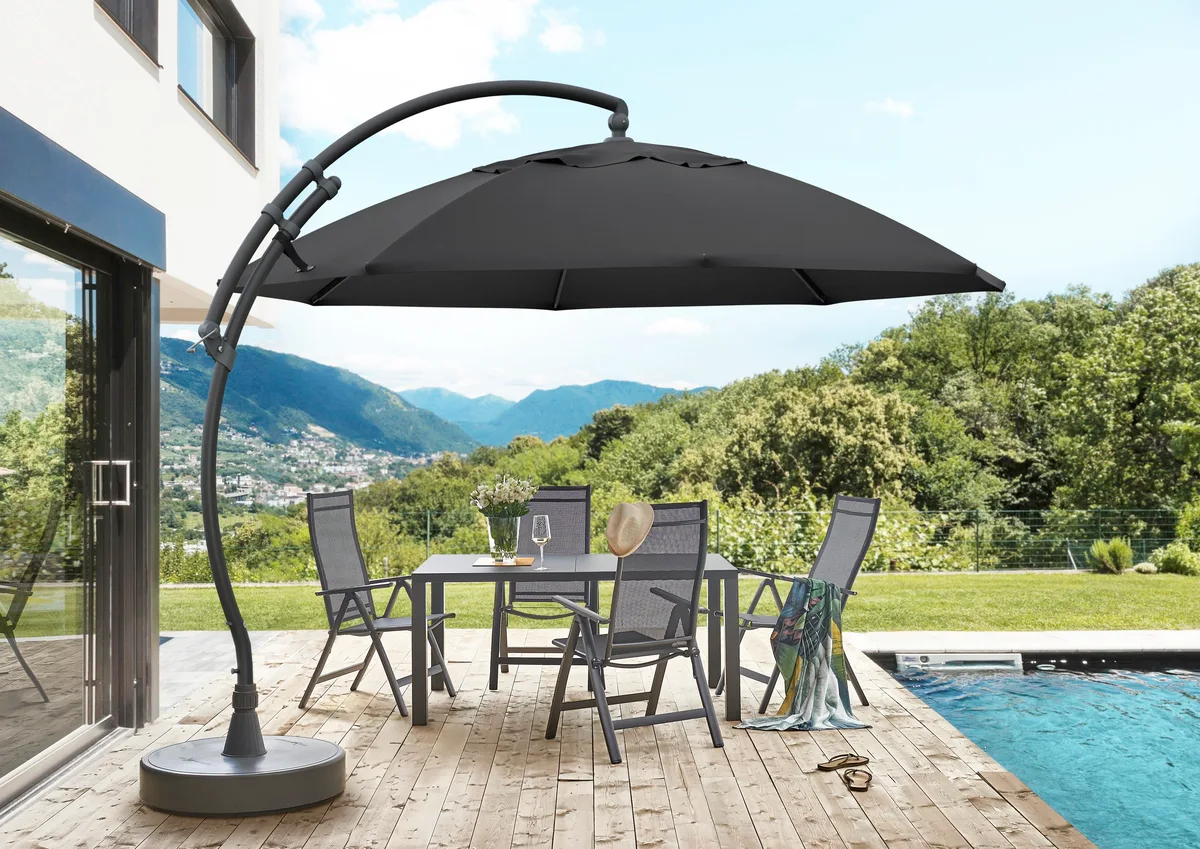
Fabric ratings like 180 grams per square meter (gsm) indicate denser weave and better UV blocking. UV-resistant coatings prevent fading and extend fabric life significantly. For windy areas, choose bases that anchor securely or models with vented peaks to let air escape.
Comfort, storage, and side add‐ons
Cushions soften hard benches, but you need quick-dry foam to prevent mold growth in damp weather. Removable covers with zippers make cleaning far easier between seasons. Side tables clamp onto bench ends and provide snack space without extra floor footprint.
Storage crates tuck under benches to hold napkins, utensils, or coolers out of sight. Wheels on tables or stands help relocate heavy setups across uneven grass or gravel paths smoothly. These small touches keep your service area organized during busy cookouts.
Table covers and seasonal protection
Heavy-duty covers shield your entire table from rain, snow, and tree sap throughout off-seasons. Look for reinforced stitching along seams since that's where cheap covers tear first. Velcro straps or elastic hems keep covers secure in gusty winds better than loose ties.
Ventilation panels reduce condensation buildup under the cover, which prevents mildew on wooden surfaces. For permanent installations, consider wraparound covers that protect the entire structure rather than just the top slab. Proper storage extends furniture lifespan dramatically.
Which combo fits your lifestyle
Your typical gathering style should dictate which accessories you prioritize first. Different scenarios demand very different gear choices.
Tailgating, camping, and RV trips
Portable setups win here because space and weight are limited. Stackable folding chairs that nest inside each other save maximum room in your vehicle cargo area. Lightweight aluminum frames outweigh steel options considerably yet still support average adult weights comfortably.
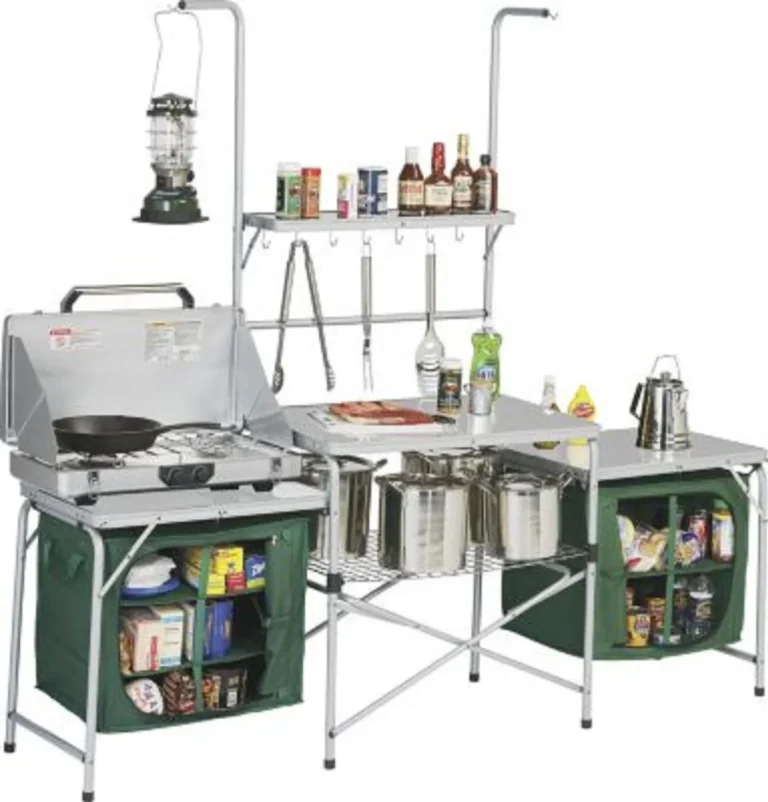
Collapsible tables double as work surfaces when parked and collapse flat for travel. Cooler bags with shoulder straps keep beverages cold without needing a separate ice chest. Check folded lengths against your truck cap or SUV rear space before purchasing.
Backyard entertainers and families
Durability and easy cleanup matter most for frequent use at home. Cushioned bench pads in washable fabrics withstand spilled drinks and frequent sitting. Storage benches hide grilling tools, lawn chairs, or party supplies away from view yet close at hand.
Umbrellas with crank lifts and tilt functions adjust shading as the sun moves across your yard. Side tables bolted permanently to benches offer stable drink placement without wobble. Pick designs that match your existing outdoor furniture aesthetic for cohesion.
Permanent park and commercial installs
Commercial-grade fixtures endure heavy daily abuse from many different users over years. Look for items with ASTM F1487 compliance, the safety standard for public playground equipment including picnic tables. Stainless steel hardware resists vandalism and theft better than painted alternatives.
Fixed armrests and integral seating prevent individual pieces from being stolen or misplaced. Anchor kits secure tables firmly in ground sleeves to deter tipping during high winds or rough play. Budget for replacements sooner rather than later since commercial wear accelerates faster than residential use.
Accessibility and aging‐in‐place needs
Comfort and ease of transfer guide accessibility-focused selections. Adaptive seating with higher backs and arm supports assists guests who struggle to rise from low benches. Wider seat surfaces accommodate wheelchairs or larger body frames without feeling cramped.
Non-slip footrests and stable bases prevent tipping when users shift weight during sitting transitions. Accessible height tables paired with clear knee space beneath allow wheelchair users to pull closer comfortably. These thoughtful features ensure every guest participates fully in gatherings.
Spotting low‐quality pieces before you buy
Red flags appear early if you know what details signal cheap manufacturing. Inspect welds on metal frames; rough or uneven joints indicate rushed production lines. Thin wall tubing bends easily under moderate pressure compared to thicker gauge alternatives.
Check plastic components for brittle textures or visible flow marks from poor molding processes. Fasteners like bolts and screws should feel solid when tightened, not strip immediately. Zippers on cushion covers must glide smoothly without catching fabric threads inside the track.
Return policies reveal manufacturer confidence too. Companies standing behind products offer hassle-free warranties covering defects for several years minimum. Vague warranty language or absent contact information suggests they expect high failure rates.
Maintenance that actually extends lifespan
Simple care routines preserve your investment far longer than neglect does. Regular cleaning prevents dirt accumulation that wears down fabrics and finishes prematurely. Seasonal inspections catch small issues before they become expensive repairs.
Seasonal cleaning by material
Wipe down metal frames with mild soap and water each spring to remove winter grime. Dry thoroughly afterward to prevent water spots or flash rust forming on unprotected surfaces. Apply touch-up paint to any scratched areas to seal exposed metal from moisture intrusion.
Clean wooden benches with a soft brush and vinegar solution to lift mold spores without damaging grain. Allow complete drying before replacing cushions to avoid trapping dampness against raw wood. Reapply sealant annually to maintain water repellency on treated lumber surfaces.
Proper storage and cover choices
Remove loose cushions and store them indoors or in waterproof bins during harsh winters. Fabric left outside freezes stiff and tears easily when manipulated while cold. Bring smaller accessories like side tables inside whenever possible during storm seasons.
Choose breathable cover materials that allow air circulation instead of plastic sheeting trapping humidity underneath. Secure covers tightly with ropes or bungee cords rated for outdoor tension use to withstand gusts. Covering furniture completely keeps debris like pine needles and bird droppings off surfaces intact.
Hardware checks and tightening schedule
Inspect every bolt, screw, and clamp connection after each major gathering event. Vibration from sitting and movement loosens fasteners gradually over time leading to wobbly structures. Use appropriate wrenches to snug connections back to manufacturer torque specifications reliably.
Replace stripped threads or cracked plastic inserts promptly rather than risking sudden failure during use. Lubricate moving parts like folding mechanisms with silicone spray annually to ensure smooth operation. Keeping hardware maintained prevents accidents caused by unexpected collapses while seated.
Frequently Asked Questions
How do I measure my picnic table for accessory compatibility?
Measure the top surface length and width to find umbrella hole size or cover dimensions. Check bench seat depth and overall height to select properly sized cushion covers. Record frame tube diameter if you plan to clamp attachments directly onto legs.
What weight capacity should folding chairs have for adults?
Choose chairs rated for at least 250 pounds to safely support most grown adults comfortably. Heavier-duty models rated 300+ pounds offer extra margin for larger individuals or dynamic movement. Always verify individual seat limits since some sets mix capacities across chair types.
Are cantilever umbrellas better than center-pole styles for picnics?
Cantilever designs clear the central table area entirely so guests have unobstructed dining space. Center-pole umbrellas require hole drilling or stable bases that might interfere with bench seating layout. Offset poles need sturdy anchors though since wind leverage tips them more readily.
How often should I clean outdoor picnic table cushions?
Rinse cushions monthly during active summer months to remove sweat, sunscreen, and pollen buildup. Deep clean with mild detergent solution every few weeks if spills occur frequently. Air dry completely before storing to prevent mold spores from germinating inside foam cores.
Can I leave picnic table accessories outside year-round?
Leaving items exposed shortens their usable life considerably due to UV degradation and moisture damage. Removing cushions and folding chairs during winter preserves fabric integrity and metal finish quality. Heavy covers can protect permanent installations but check ventilation requirements first.
Final recommendation: what to buy first
Prioritize accessories based on your most frequent use case rather than everything at once. Start with seating if you regularly host more guests than your table accommodates naturally. Folding chairs offer the quickest capacity boost while storing compactly between events.
Choose models with verified weight ratings and powder-coated frames for lasting outdoor durability.
Next, add shade protection if you gather during sunny afternoons. A well-anchored cantilever umbrella transforms uncomfortable heat into usable space. Look for UPF-rated fabrics and sturdy bases that suit your typical wind conditions.
Umbrellas also extend the usable season by shielding food and drinks from fading sunlight.
Finally, invest in comfort and storage solutions once your core setup works reliably. Cushions improve seating comfort dramatically for longer gatherings. Side tables and storage crates keep essentials organized and within reach.
These additions elevate convenience without requiring major upfront investment.
For permanent installations, focus on commercial-grade anchors and covers first. Secure mounting prevents tipping hazards during high winds or rough use. Protective covers shield investments from weather damage throughout dormant months.
Regular hardware checks keep everything tight and safe for years of service.
Start small, test how each piece performs in your actual space, then expand your collection gradually. This approach prevents wasted spending on items that don't fit your real needs. Your perfect picnic setup evolves with each thoughtful addition rather than arriving all at once.

Sophia Martinez is a culinary lifestyle writer and product reviewer for DiningGadgets.com. Passionate about blending style with functionality, she explores the latest dining essentials, kitchen décor, and cleaning hacks that transform everyday cooking spaces. With a background in home organization and design, Sophia brings readers expert advice on creating beautiful, practical kitchens that truly feel like the heart of the home.