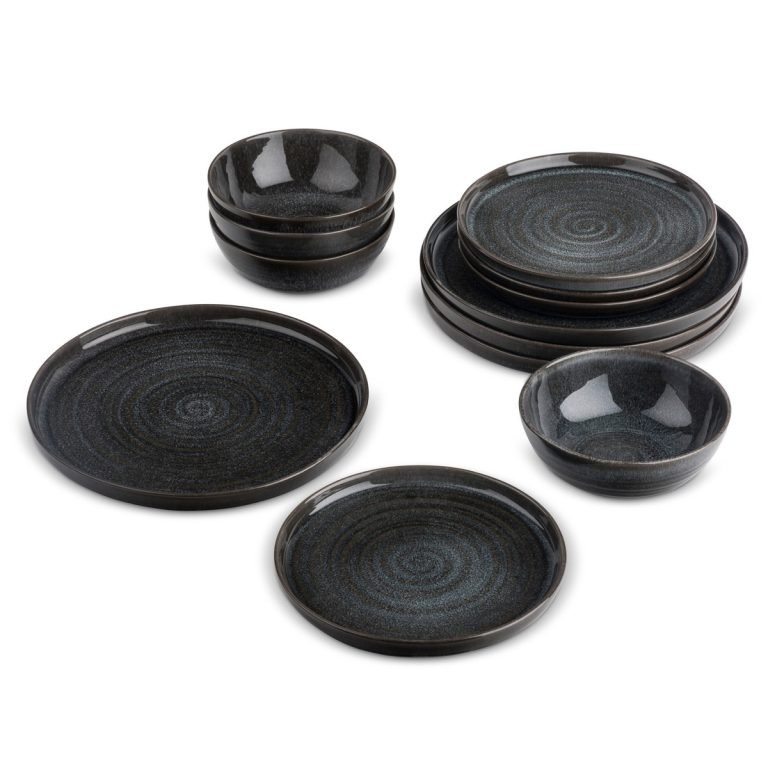
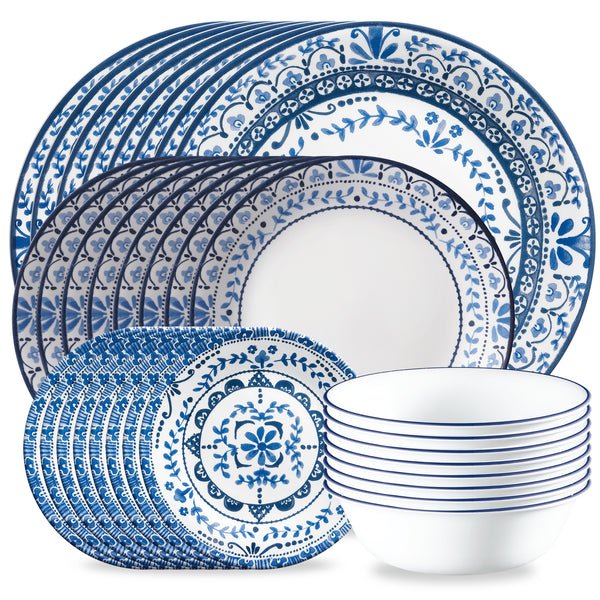
10 Essential Outdoor Tableware Features to Look For
You want your patio dining set to hold up through sun, rain, and endless summer dinners without falling apart or looking tired after a season. Finding the right outdoor tableware features to look for comes down to matching materials, construction quality, and design choices to how you actually live outdoors. The differences between a $300 set and a $2,000 one show up fast, especially when hurricane-force gusts, salt air, or freezing temps test your purchase.
Per manufacturer specifications and independent durability testing reported by consumer product safety agencies, a quality outdoor dining frame uses powder-coated aluminum or marine-grade metals rated for at least 1,200 cycles of salt-spray exposure before showing corrosion. That benchmark separates serious outdoor furniture from items that deteriorate within a single season. Here's what you really need to know before you buy.
Quick Answer
Look for powder-coated aluminum or teak frames with welded joints. Choose solution-dyed acrylic cushions rated for UV resistance. Prioritize sets with weight capacities above 250 pounds per chair.
Check that finishes resist salt spray corrosion for at least 1,200 hours. Verify cushion fabrics shed water rather than absorb it completely.
What Makes Outdoor Tableware Worth the Investment
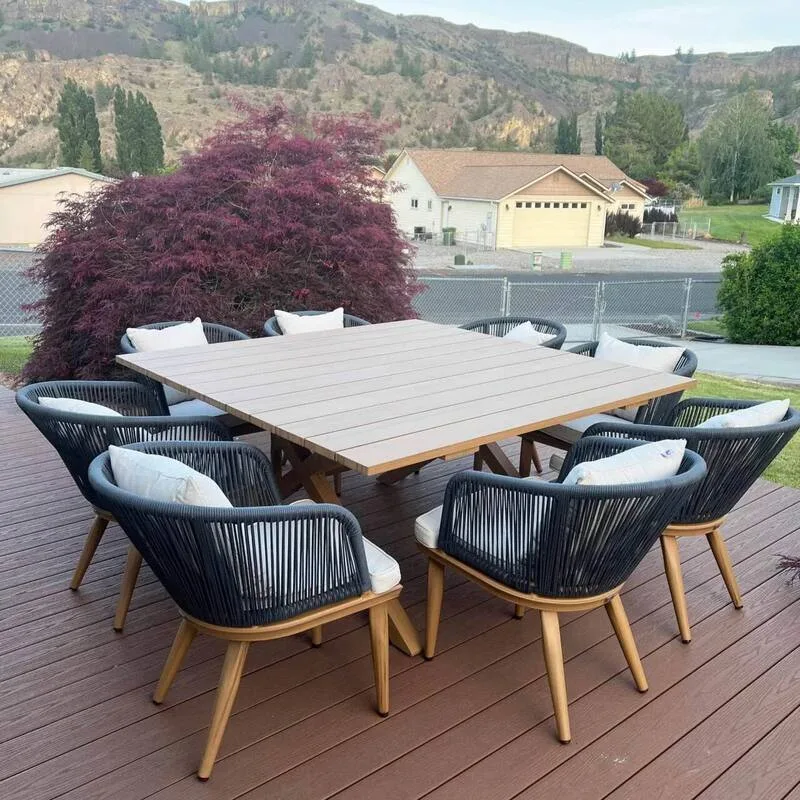
Buying outdoor dining furniture is one of those purchases where price rarely matches value unless you know exactly what to inspect. Cheap sets advertise "weather resistance" but often use thin tubing around 0.8 millimeters thick. That gauge bends under normal loading and corrodes within two years in most climates.
Quality pieces start at 1.2 millimeters and climb toward 2.0 millimeters for heavy-duty frames.
The finish matters nearly as much as the metal itself. Powder coating creates a baked-on layer that bonds to the frame at high temperatures. That process produces a surface far tougher than liquid paint sprayed and air-dried.
Electrostatic painting adds a secondary barrier in premium lines. Both methods prevent the kind of chipping that exposes bare metal to moisture.
Table tops introduce another layer of decision-making. Tempered glass survives stains and scratches well. Stone and composite surfaces feel luxurious but add significant weight.
Wood tops bring warmth but require periodic sealing to resist warping and cracking. Per ASTM testing guidelines cited by the Business and Institutional Furniture Manufacturers Association, tabletops should support concentrated loads without warping beyond acceptable tolerances.
Weight capacity numbers tell you whether a set handles real-world use. Standard chairs support around 250 pounds. Heavy-duty versions reach 300 to 500 pounds.
Checking those ratings prevents embarrassing failures during gatherings when guests pile onto seats not built for them.
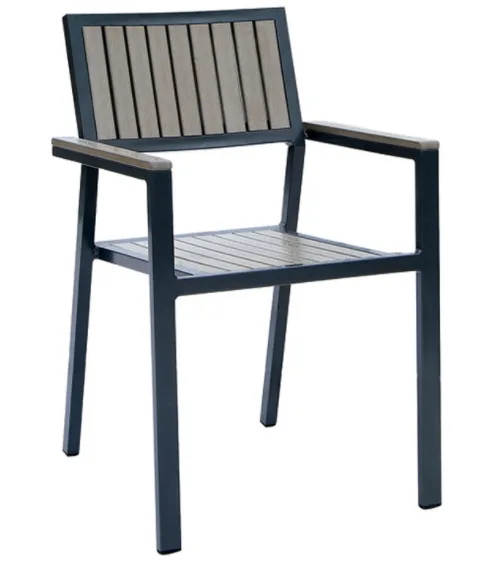
Construction details reveal quality faster than any marketing claim. Welded joints distribute stress evenly across the frame. Screwed or bolted connections loosen over time and create wobbly chairs.
Dovetailed corners in wood frames interlock pieces securely without relying solely on adhesives that fail in humidity swings.
The gap between a bargain set and a durable one often hides in these small details. Joint type, metal gauge, finish quality, and weight ratings combine to determine whether your investment lasts three years or fifteen. Knowing what separates them keeps you from overpaying for weak construction or wasting money on flimsy alternatives.
The Main Materials Compared: What Each One Brings
Choosing the right material determines how your outdoor tableware handles weather, maintenance needs, and long-term costs. Each option carries distinct trade-offs that matter differently depending on your climate and lifestyle.
Aluminum frames dominate the mid-range market for good reason. The metal resists rust naturally without needing a protective coating. Manufacturers enhance that resistance further with powder coating in almost any color.
Sets built from aluminum stay light enough to rearrange easily while handling daily family use without bending.
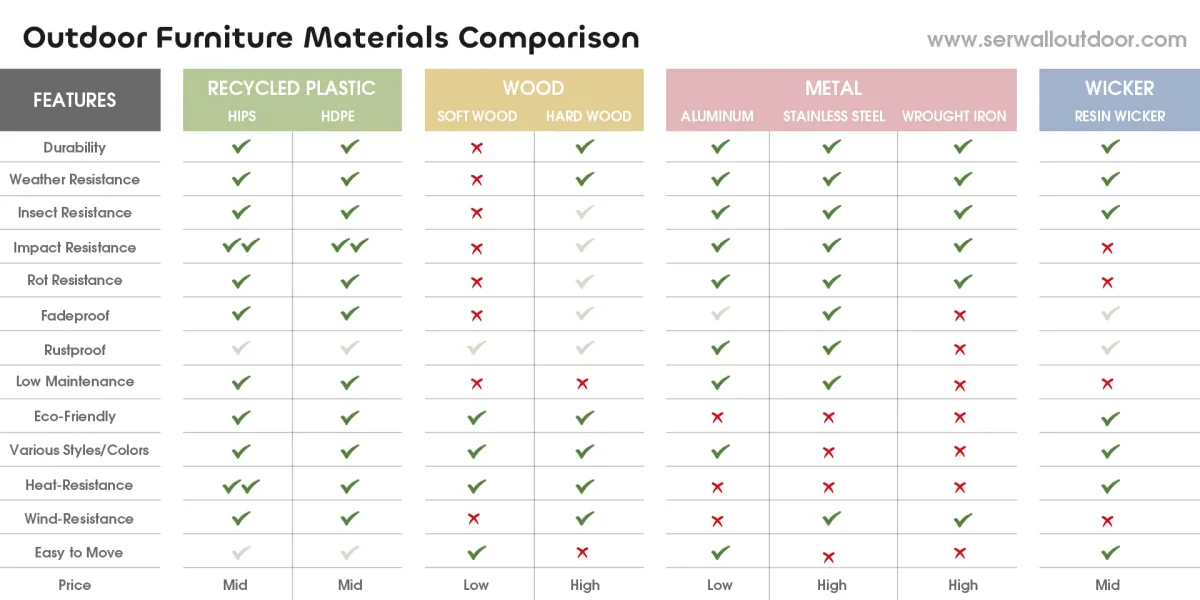
Powder-coated steel offers similar strength at lower cost. The coating prevents rust effectively until the finish chips or scratches. Once exposed metal contacts moisture, corrosion spreads beneath the paint layer.
That failure pattern explains why budget steel sets sometimes last only two or three seasons in wet climates.
Teak remains the gold standard for hardwood outdoor furniture. The wood contains natural oils that repel water and resist insects. Those same oils prevent rot even when the pieces sit exposed to rain year-round.
Teak ages to a silver-gray patina if left untreated. Applying teak oil maintains the golden-brown color instead.
Acacia and eucalyptus provide teak alternatives at lower prices. Both woods perform adequately outdoors but lack teak's natural oil content. They require regular sealing every one to two years to maintain durability.
Skipping that maintenance leads to cracking and splitting within the first few seasons.
Resin wicker, also called polyethylene rattan, wraps around aluminum frames for a comfortable woven look. Unlike natural wicker that absorbs water and mildews, resin variants shed moisture completely. High-quality PE rattan withstands UV exposure without becoming brittle.
Cheaper vinyl versions degrade quickly under direct sunlight.
Stainless steel tables offer exceptional durability for coastal environments. Grade 316 stainless handles salt air better than 304 grade or carbon steel. Those marine-rated pieces justify their premium pricing for beachside homeowners.
Interior-use stainless grades corrode rapidly near ocean spray.
Glass and stone tabletops pair well with metal frames for modern aesthetics. Tempered glass resists scratches and tolerates temperature changes without cracking. Stone composites feel substantial but add considerable weight that complicates moving arrangements.
| Material | Rust Resistance | Maintenance Level | Typical Lifespan | Price Range |
|---|---|---|---|---|
| Aluminum | Excellent | Low | 10–20 years | $–$$ |
| Powder-Coated Steel | Good | Low | 7–15 years | $–$$ |
| Teak | Excellent | Medium | 20+ years | $$–$$$ |
| Acacia | Good | Medium | 8–12 years | $–$$ |
| Resin Wicker | Excellent | Low | 7–15 years | $–$$ |
| 316 Stainless Steel | Excellent | Low | 15–25 years | $$$–$$$$ |
Understanding each material's strengths helps you match your priorities. If low maintenance matters most, aluminum and resin wicker lead the field. If longevity justifies higher spending, teak and stainless steel deliver decades of service.
Head-to-Head: Durability, Maintenance, Comfort & Cost
Comparing outdoor tableware across durability, upkeep requirements, comfort features, and overall cost reveals clear patterns that guide smart purchasing decisions. These four dimensions matter more than any single feature in isolation.
Durability depends primarily on frame construction and finish quality. Aluminum frames survive coastal humidity without corroding. Powder-coated steel holds up well indoors or in dry climates but requires touch-ups where scratches expose bare metal.
Teak withstands rain, sun, and temperature swings without structural degradation. Resin wicker maintains appearance longer than natural fibers in direct sunlight.
Maintenance expectations vary dramatically between materials. Aluminum and stainless steel need only occasional washing with soap and water. Teak demands re-oiling once or twice yearly if you want to preserve color.
Sealed acacia requires similar attention. Resin wicker wipes clean effortlessly. Glass tops show water spots frequently but resist staining completely.
Comfort involves cushion quality, seat design, and fabric choices. Solution-dyed acrylic fabrics like Sunbrella resist fading and moisture absorption far better than standard polyester. Quick-dry foam inserts prevent mold growth in humid conditions.
Mesh suspension seats eliminate cushion maintenance entirely but offer less padding. Chair ergonomics matter too. Seats around 18 inches high pair best with standard 29-inch tables.
Cost ranges span from budget-friendly options under $500 to premium sets exceeding $5,000. Budget selections typically use thinner tubing and basic finishes. Mid-range sets balance quality materials with reasonable pricing.
Premium investments focus on teak, stainless steel, or designer pieces with superior engineering. Warranty length often signals expected lifespan. A five-year warranty on frame components indicates manufacturer confidence.
When weighing these factors together, aluminum sets offer the best balance for most buyers. They deliver strong durability with minimal upkeep at moderate prices. Teak suits those prioritizing longevity above all else.
Resin wicker provides comfort and style for casual entertainers who host infrequently.
Matching Your Tableware to Your Real-Life Situation
Your local climate and daily habits should drive your outdoor tableware selection more than any trend or sale price. A set perfect for Arizona desert heat may deteriorate rapidly in Florida humidity. Understanding your environment prevents costly mismatches.
Coastal and salt-air environments demand marine-grade materials exclusively. Aluminum rated for salt spray exposure survives decades near ocean communities. Stainless steel frames, particularly grade 316, resist corrosion where ordinary metals fail within months.
Avoid wrought iron and untreated steel near saltwater regardless of how attractive the initial finish appears.
Humid subtropical climates favor quick-drying fabrics and rust-resistant frames. Solution-dyed acrylic cushions resist mold better than standard polyester fills. Aluminum and resin wicker withstand constant moisture without degradation.
Skip porous wood materials unless you commit to annual sealing routines.
Arid and desert climates prioritize UV resistance above all else. Fading destroys fabric colors and degrades plastics over time. Dark-colored resin wicker absorbs heat uncomfortably in direct sun.
Lighter shades and UV-stabilized materials maintain appearance longer under intense exposure. Water-shedding table tops prevent mineral deposits from hard water evaporation.
Families with young children benefit from easy-clean surfaces and stable designs. Tempered glass or composite tabletops wipe clean instantly. Rounded edges reduce injury risk compared to sharp wooden corners.
Heavier bases prevent tipping when kids climb on chairs. Stackable designs simplify storage during play periods.
Frequent entertainers need seating capacity and table stability. Extending tables accommodate variable guest counts efficiently. Round tables encourage conversation but seat fewer people than rectangular equivalents.
Bar-height sets save floor space in compact areas. Commercial-grade frames handle constant rearranging without loosening joints.
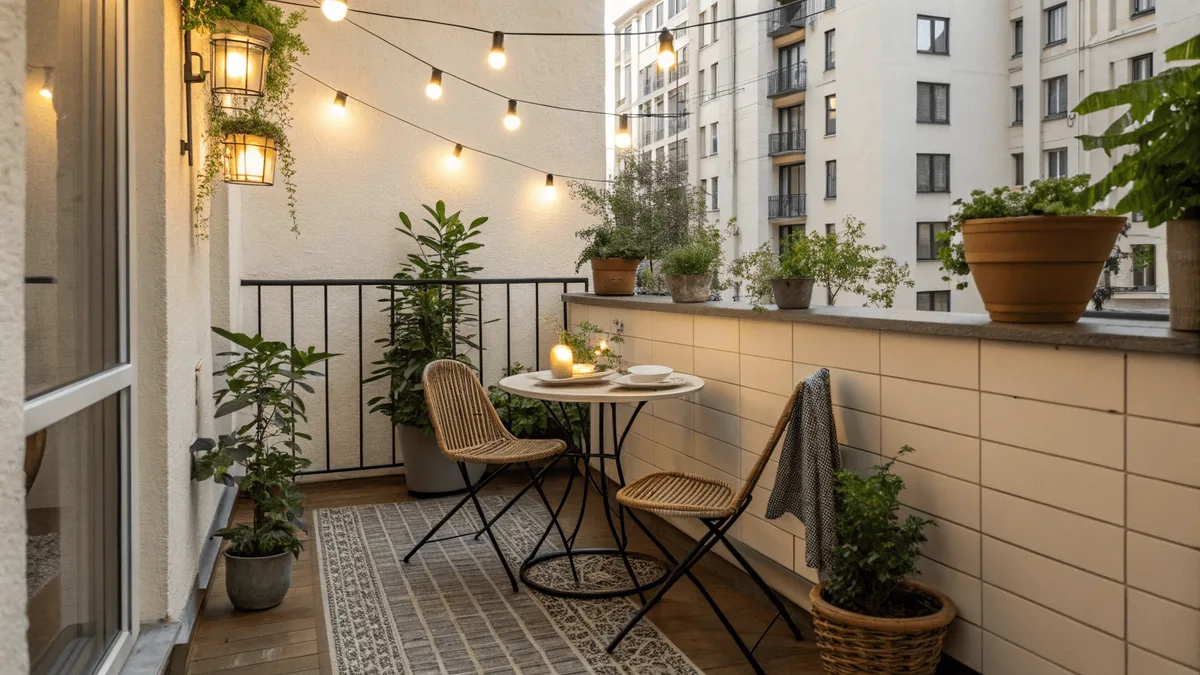
Balcony and small-space dwellers require lightweight, stackable solutions. Foldable chairs and nesting tables maximize limited square footage. Weight limits matter less than easy portability when transporting pieces up stairs.
Compact dining sets designed for apartments prioritize storage efficiency over grand seating capacity.
Commercial properties face different requirements than residential use. Restaurant-grade furniture endures constant cleaning chemicals and heavy daily traffic. Anti-tip foot pads protect deck surfaces from scratches.
Fire-resistant cushion fabrics meet code requirements in many jurisdictions. Warranty terms often differ substantially for commercial versus residential applications.
Common Mistakes People Make When Buying
Making smart choices about outdoor tableware means avoiding predictable traps that sink otherwise decent purchases. These mistakes appear repeatedly in buyer reviews and return data across major retail channels.
Ignoring your local climate before selecting materials causes the most damage. Buyers in humid regions choose untreated wood or cheap steel expecting indoor-level performance outdoors. Those selections fail within a single wet season.
Always verify material suitability for your specific weather patterns before purchasing.
Overlooking cushion fabric ratings leads to disappointing results quickly. Standard polyester absorbs water and develops mildew in damp conditions. Solution-dyed acrylic fabrics resist both moisture and UV fading significantly better.
Checking fabric specifications prevents buying pretty cushions that turn moldy inside within weeks.
Skipping weight capacity verification creates safety hazards during gatherings. Cheap chairs labeled with inflated ratings bend or break under normal adult weight. Verifying manufacturer specifications prevents accidents and wasted money on inadequate furniture.
Purchasing the lowest-priced set assumes savings outweigh replacement costs. Budget options often use thin tubing prone to bending and basic finishes that chip quickly. The total cost of replacing inferior furniture every two years exceeds investing in quality initially.
Aggregate reviews consistently report that mid-range sets outlast budget choices by multiple seasons.
Forgetting seasonal storage requirements causes unnecessary deterioration. Leaving resin wicker exposed to freezing temperatures without covers leads to cracking. Winterizing procedures differ by material type.
Planning storage strategies before purchase prevents avoidable damage during cold months.
Mixing indoor-outdoor hybrid pieces with genuine outdoor furniture creates visual inconsistency and premature failure. Items marketed as hybrids rarely withstand full outdoor exposure despite tempting pricing. Sticking with purpose-built outdoor collections ensures uniform durability across your entire set.
Not checking joint construction quality wastes money on weak assemblies. Screwed connections loosen rapidly under outdoor temperature fluctuations. Welded joints maintain structural integrity far longer.
Examining product photos closely reveals connection types before purchase.
Choosing attractive but impractical designs ignores how you actually use the space. Glass tops show every fingerprint and water spot. Ornate wrought iron collects dirt in decorative crevices.
Simpler lines and smooth surfaces clean effortlessly after meals. Prioritizing maintainable aesthetics over dramatic looks pays dividends during routine upkeep.
How to Clean and Maintain Your Outdoor Tableware
Proper maintenance extends your outdoor dining set's lifespan dramatically and preserves its appearance through changing seasons. Simple routines prevent costly repairs and replacement.
What Cleaning Routine Keeps Outdoor Furniture Looking New?
Establish a weekly cleaning schedule during active use periods. Mix mild dish soap with warm water and scrub frames with a soft brush. Rinse thoroughly and allow complete drying before replacing cushions.
| Material | Weekly Care | Deep Clean Frequency | Seasonal Storage |
|---|---|---|---|
| Aluminum | Soap and water rinse | Monthly | Optional cover |
| Teak | Soft brush cleaning | Quarterly oil application | Indoor preferred |
| Resin Wicker | Hose rinse only | Biannual mild detergent | Covered storage |
| Steel Frame | Dry wipe after rain | Monthly touch-up check | Required winter cover |
| Glass Top | Glass cleaner spray | As needed for spots | N/A |
Fabric cushion care requires separate attention. Vacuum debris regularly to prevent embedding. Spot clean stains immediately with appropriate cleaners.
Store cushions indoors during heavy rain or winter months whenever possible.
How Should I Prepare My Outdoor Dining Set for Winter?
Winter preparation varies significantly by material type. Aluminum and resin wicker sets tolerate covered outdoor storage adequately. Wooden teak and acacia pieces benefit most from indoor garage or basement storage.
Begin with thorough cleaning to remove organic debris that traps moisture. Apply protective sealants to wood surfaces before temperatures drop below freezing. Disassemble removable parts like chair cushions and umbrella fabric.
Store in breathable bags away from direct concrete contact.
Check manufacturer warranties for specific winter care requirements. Some brands void coverage if improper storage causes damage. Following documented procedures maintains warranty protection while extending furniture life.
What Troubleshooting Steps Fix Common Outdoor Furniture Problems?
Address minor issues promptly before they escalate into major failures. Rust spots on metal frames require immediate sanding and touch-up paint application. Weld cracks need professional repair or component replacement.
Loose joints signal tightening needs or worn fasteners. Carry a basic tool kit during outdoor gatherings for on-the-spot adjustments. Replace stripped screw holes with larger diameter hardware or epoxy fillers.
Fading fabrics often indicate UV degradation beyond restoration. Consider reupholstering seats with solution-dyed acrylic replacements rather than discarding entire chairs. Proper cushion rotation distributes wear evenly across seating surfaces.
Final Verdict: Which Features Matter Most for You?
Your ideal outdoor tableware selection balances five key feature priorities against personal circumstances and budget constraints. No single combination serves every situation perfectly.
Low Maintenance Priority Buyers Should Choose These Materials
Powder-coated aluminum frames require the least ongoing effort. They resist rust naturally and clean easily with soap and water. Resin wicker surfaces follow closely behind with similar care demands.
Both options suit busy homeowners who prefer hosting over furniture upkeep.
Skip teak if you dislike annual oiling rituals. Upright maintenance commitment translates directly to longer visual appeal retention. Accept silver-gray weathering instead for hands-off aging.
Durability-Focused Shoppers Prioritize These Construction Elements
Heavy-gauge metal tubing above 1.5 millimeters prevents bending under weight. Welded joint construction outlasts screwed assemblies by years. Marine-grade stainless steel components justify premium pricing near saltwater environments.
Check weight capacity ratings exceed your household maximum by at least 50 pounds. That buffer accommodates guest variations and prevents structural failures during crowded gatherings.
Comfort-Oriented Buyers Should Focus On These Design Aspects
Ergonomic seat contours reduce fatigue during extended meals. Deep seat cushions with quick-dry foam prevent moisture retention in humid climates. Adjustable armrests provide accessibility benefits for older adults.
Table height compatibility with standard dining chairs matters more than aesthetic preferences. Measure existing indoor furniture before purchasing outdoor matching sets. Mismatched heights create uncomfortable eating experiences.
Budget-Conscious Purchasers Need These Value Compromises
Mid-range aluminum sets deliver best value across all performance categories. Avoid ultra-budget steel options despite attractive pricing. Replacement costs within three years negate initial savings completely.
Consider refurbished teak pieces from reputable sellers. Quality wood ages gracefully and often outlasts new synthetic alternatives when properly maintained.
Decision Checklist for Your Specific Situation
Ask yourself these questions before finalizing any purchase. Your answers determine which features deserve priority investment.
- What climate conditions does your location experience year-round?
- How many people regularly dine outdoors simultaneously?
- Do you entertain frequently or use furniture occasionally?
- What storage space exists for seasonal protection?
- How much annual maintenance time can you realistically commit?
Match your responses to material recommendations provided throughout this guide. Aluminum dominates versatility while teak excels in longevity. Resin wicker bridges style and convenience effectively.
Your outdoor tableware represents both functional equipment and aesthetic statement pieces. Selecting features aligned with actual usage patterns ensures satisfaction across decades of service. Proper selection now prevents regrettable replacements later.
Frequently Asked Questions
What frame thickness ensures durability for outdoor dining sets?
Frames using metal tubing at least 1.2 millimeters thick handle daily family use without bending. Premium sets reach 1.5 to 2.0 millimeters for heavy-duty applications. Thinner gauge metal under one millimeter warps within two seasons under normal loading conditions.
Are welded joints better than screwed connections for outdoor furniture?
Welded joints distribute stress evenly across frames and resist loosening from temperature changes. Screwed connections vibrate loose over time and create wobbly chairs. Always examine product photos closely to identify joint construction before purchasing.
How often should I apply teak oil to maintain golden color?
Teak oil application depends entirely on desired appearance. Natural silver-gray patina requires no maintenance whatsoever. Preserving golden-brown color demands oiling once or twice yearly during active outdoor seasons.
Skipping regular treatment allows weathering to occur naturally without damage.
What weight capacity should outdoor dining chairs support?
Standard chairs support approximately 250 pounds per seat comfortably. Heavy-duty versions rated for 300 to 500 pounds accommodate larger adults safely. Verify manufacturer specifications rather than assuming capacity based on visual appearance alone.
Do I need to cover my outdoor tableware during rainy seasons?
Quality protective covers shed rainwater and block UV degradation when furniture sits unused. Covered storage significantly extends cushion fabric lifespan in wet climates. Aluminum and resin wicker tolerate uncovered exposure reasonably well during mild rainfall periods.
How can I tell if outdoor cushion fabric will resist fading?
Solution-dyed acrylic fabrics like Sunbrella resist fading dramatically better than standard polyester blends. Check fabric composition labels before purchase. Darker colors fade faster regardless of material quality due to greater UV absorption.
Which table shape seats the most guests efficiently?
Rectangular tables accommodate the highest number of diners in a given footprint. A 72-inch rectangular table seats six comfortably with armrest clearance. Round tables create better conversation flow but sacrifice approximately one seat compared to equivalent-length rectangular designs.
What's the difference between outdoor and indoor-outdoor furniture?
Indoor-outdoor hybrids use materials rated for covered porches only. Genuine outdoor furniture withstands direct rain, UV exposure, and temperature extremes indefinitely. Products labeled "indoor-outdoor" often lack the protective coatings needed for full outdoor exposure.
Verify marketing claims against actual material specifications before assuming weather resistance.
How do I choose between round and rectangular dining tables?
Round tables encourage intimate conversation and fit better in compact spaces. Rectangular tables maximize seating capacity and suit formal dinner arrangements. Consider your typical guest count and available patio space when making this decision.
Both shapes offer valid solutions depending on your entertaining style.
Should I invest in extendable outdoor dining tables?
Extendable tables provide flexibility for varying guest counts without requiring extra seating storage. Mechanisms range from leaf additions to butterfly folds. Quality extensions use smooth-running hardware that won't stick in humid conditions.
Budget versions often feature wobbly extension systems prone to loosening over time.
What cushion thickness provides optimal outdoor comfort?
Four-inch thick cushions offer the best balance of comfort and quick drying. Thinner two-inch options dry faster but feel firmer under prolonged sitting. Thicker six-inch cushions retain more moisture and take longer to dry after rain.
Quick-dry foam cores mitigate water retention issues regardless of thickness selection.
How important is UV resistance rating for outdoor fabrics?
UV resistance ratings directly correlate with color retention longevity. Fabrics rated for 100+ hours of UV exposure maintain vibrancy significantly longer than lower-rated alternatives. Solution-dyed acrylics typically exceed 150 hours of resistance.
Standard polyester fabrics often degrade within 50 hours of direct sunlight exposure.
Can I mix different materials in one outdoor dining set?
Mixing materials creates visual interest but requires compatible maintenance schedules. Combining aluminum frames with teak accents works well since both tolerate similar conditions. Pairing resin wicker with glass tops offers contrasting textures while sharing low upkeep needs.
Ensure all component materials handle your local climate equally before mixing categories.
What's the average lifespan of quality outdoor dining furniture?
Well-maintained aluminum sets last ten to twenty years minimum. Teak furniture frequently exceeds twenty-five years with minimal care. Resin wicker averages seven to fifteen years depending on UV exposure levels.
Powder-coated steel ranges from seven to fifteen years with proper touch-ups. Budget selections under $300 typically require replacement within three seasons.
How do I calculate the right table size for my patio?
Measure your available patio space and subtract thirty-six inches around all sides for chair pullback clearance. A six-person rectangular table needs approximately eight feet by four feet of clear deck space. Round four-person tables require roughly five feet by five feet of floor area.
Always prioritize circulation space over maximum seating capacity for comfortable entertaining.
Final Decision Guide: Quick-Reference Checklist
Use this summary to finalize your selection confidently.
| Priority | Best Material Choice | Key Feature to Verify | Typical Budget Range |
|---|---|---|---|
| Low maintenance | Powder-coated aluminum | Welded joints, 1.2mm+ gauge | $600–$2,000 |
| Maximum longevity | Teak hardwood | FSC certification, sealed joints | $1,500–$5,000+ |
| Style & comfort | Resin wicker over aluminum frame | UV-stabilized PE rattan, quick-dry foam | $500–$1,800 |
| Coastal salt air | Grade 316 stainless steel | Marine-grade hardware, no steel screws | $2,000–$6,000 |
| Budget-conscious | Powder-coated steel | Electrostatic paint, reinforced corners | $300–$800 |
Always verify weight capacity ratings match your household needs. Match fabric ratings to your climate's humidity and sun intensity. Plan for seasonal storage or covers before purchase to protect your investment.
The right combination of material, construction, and care routine ensures your outdoor tableware performs reliably for years to come.

Sophia Martinez is a culinary lifestyle writer and product reviewer for DiningGadgets.com. Passionate about blending style with functionality, she explores the latest dining essentials, kitchen décor, and cleaning hacks that transform everyday cooking spaces. With a background in home organization and design, Sophia brings readers expert advice on creating beautiful, practical kitchens that truly feel like the heart of the home.