Outdoor Tableware Problems & Solutions (Fix Them Today)
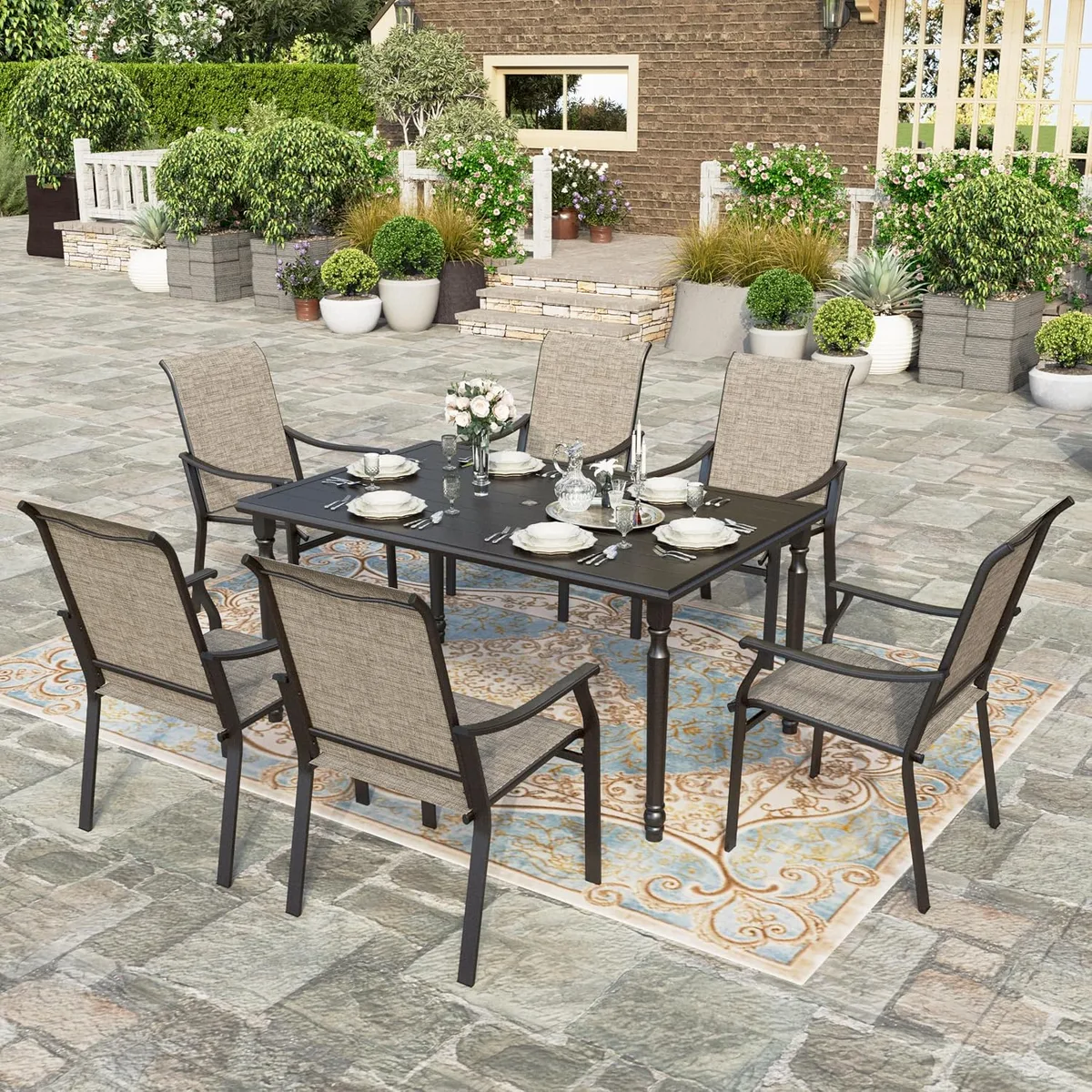
Outdoor tableware problems and solutions often come down to three things: material choice, local climate, and how well you maintain your pieces. Most failures stem from rust forming on metal frames, fabric cushions developing mold after rain, or wooden tables warping under intense sun. These issues are predictable but not inevitable if you understand the root cause first.
A quick fix like drying wet cushions immediately or applying a rust inhibitor can save a $500 chair. Replacing an entire set because of a single damaged cushion is usually unnecessary. The key is matching the symptom to the solution path that actually addresses it.
Quick Diagnostic: Figure Out What's Actually Going Wrong
Start by spotting the visible symptom and tracing it back to its source. Wobbly legs usually mean loose joints or uneven ground, not a defective product. Rust stains on a deck often indicate trapped moisture under a metal frame.
Mildew on cushions points to poor airflow after rain, not necessarily cheap fabric. Thermal cracks in glass tops happen when hot surfaces meet cold water too quickly. Fading is almost always UV damage from prolonged direct sun.
By listing what you see first, you avoid throwing money at the wrong fix. Once you identify the likely cause, you can choose the appropriate repair method instead of guessing.
Match Your Problem to the Right Solution Path
If it's metal frames: rust and powder-coat failure
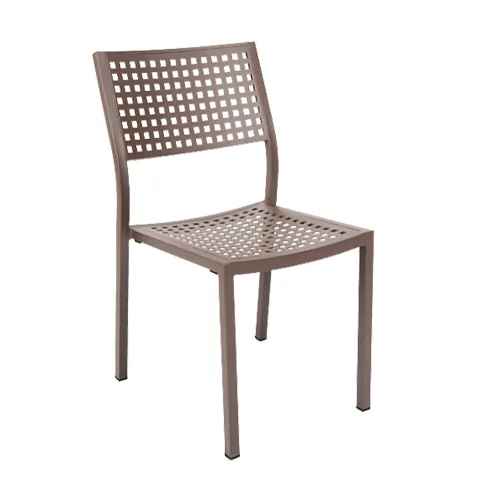
Rust starts when the protective coating chips and moisture reaches the bare metal. Remove surface rust with a wire brush, then apply a rust-inhibiting primer before repainting with exterior-grade enamel. For ongoing protection, wipe frames dry after rain and store them under a breathable cover.
Avoid pressure washing, which can force water into joints and accelerate corrosion.
If it's cushions and fabrics: mold, fading, and water staining
Clean cushions weekly during heavy use season with a mild soap solution and soft brush. Rinse thoroughly and let them air dry completely before storing or using. For mildew spots, use a vinegar-water mixture and sun-dry the fabric.
Fade resistance depends on fabric quality. Solution-dyed acrylic fades far slower than standard polyester. Choose UV-resistant covers if your seating gets direct sun for hours daily.
If it's glass and tabletops: cracking, scratching, and thermal stress
Never pour cold water on a hot glass top. Thermal shock is the leading cause of sudden cracks. Clean tempered glass with a vinegar solution and microfiber cloth to avoid abrasive scratches.
For plastic or resin tops, use only non-abrasive cleaners. Scratching dulls the finish and traps dirt over time. Inspect mounting hardware quarterly to ensure the tabletop stays secure and level.
If it's wood and natural materials: warping, splitting, and rot
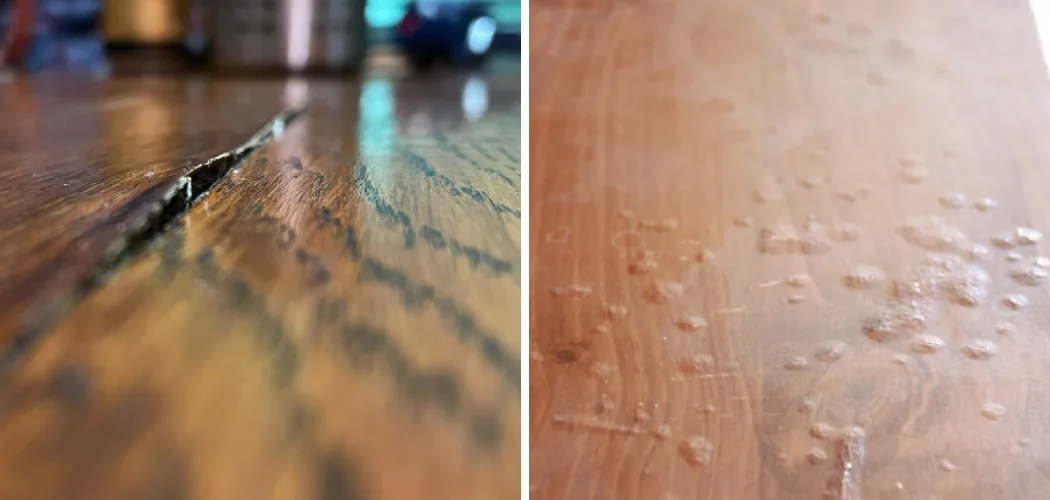
Wood expands and contracts with humidity changes. Seal all sides and edges annually with a penetrating oil or exterior-grade sealant. Sand any rough splinters lightly before reapplying finish.
Store cushions off the surface when not in use to allow airflow underneath. If rot appears on legs or joints, epoxy fillers can patch small areas. Replace severely compromised structural pieces entirely.
If it's plastic and resin: brittleness, warping, and UV degradation
Cheap resins become brittle after three to five summers in direct sun. Look for UV-stabilized formulas when replacing worn pieces. Clean with soap and water only.
Harsh chemicals can break down polymers and cause fading or cracking. Avoid placing hot pans directly on resin surfaces. Thermal damage here is permanent and cannot be polished out.
Choosing the Right Materials for Your Specific Situation
Your material choice should match your climate and maintenance willingness. Powder-coated aluminum resists rust well and works in most climates except heavy coastal salt spray. Stainless steel offers better salt resistance but costs more and can still show surface rust if scratched.
Teak and acacia woods age gracefully without sealing but require annual cleaning. Eucalyptus is softer and more prone to warping if left uncovered.
For tabletops, tempered glass is durable against stains but can shatter from impact or thermal shock. Composite surfaces resist scratches and fading but may feel plasticky. High-density polyethylene resin is lightweight and affordable but warps under extreme heat.
Fabric choices matter as much as frame materials. Solution-dyed acrylic fabrics carry longer warranties and hold color better than standard polyester blends. Always check the manufacturer's care guidelines before purchasing.
Consider how the same attention to detail applies when selecting durable pieces like best American made flatware for long-lasting dining.
Real Scenarios That Show How Climate and Use Decide the Outcome
A coastal deck in Florida will attack metal joints and fade fabrics twice as fast as a shaded patio in Oregon. Salt air accelerates corrosion regardless of powder-coat quality. In that setting, marine-grade stainless hardware and UV-rated fabrics are essential.
Conversely, a freeze-thaw cycle in Minnesota stresses wood joints and cracks unsealed stone. Furniture left outside year-round needs covers rated for breathability, not just waterproofing.
High-traffic entertaining areas demand stackable chairs and easy-clean surfaces. A small balcony in an apartment building needs folding tables and weather-resistant wicker that won't blow away in wind. Seasonal storage saves money upfront but requires diligent cleaning and drying before stowing.
Improper stored cushions develop mold in damp garages. Proper maintenance workflows depend on knowing your local climate patterns and how often you actually use the furniture.
The Maintenance Workflow That Keeps Outdoor Tableware Lasting Years
A consistent maintenance schedule prevents most common failures before they start. Weekly care takes less than ten minutes and removes dirt, pollen, and moisture that cause long-term damage. Monthly deep cleaning addresses buildup that weekly wipes miss.
Seasonal preparation extends lifespan significantly, especially in harsh climates.
Weekly Care Routine
Wipe metal frames with a damp cloth to remove salt residue and dust. Check for loose joints or wobbly legs and tighten hardware immediately. Fluff and rotate cushions to ensure even wear and airflow.
Sweep debris off tabletops before it scuffs surfaces.
Monthly Deep Cleaning
Remove all cushions and wash them according to manufacturer instructions. Clean metal frames with mild soap and water, then dry thoroughly. Inspect wood surfaces for early signs of drying or cracking.
Apply sealant to wood if the surface feels rough to the touch.
Seasonal Storage and Protection
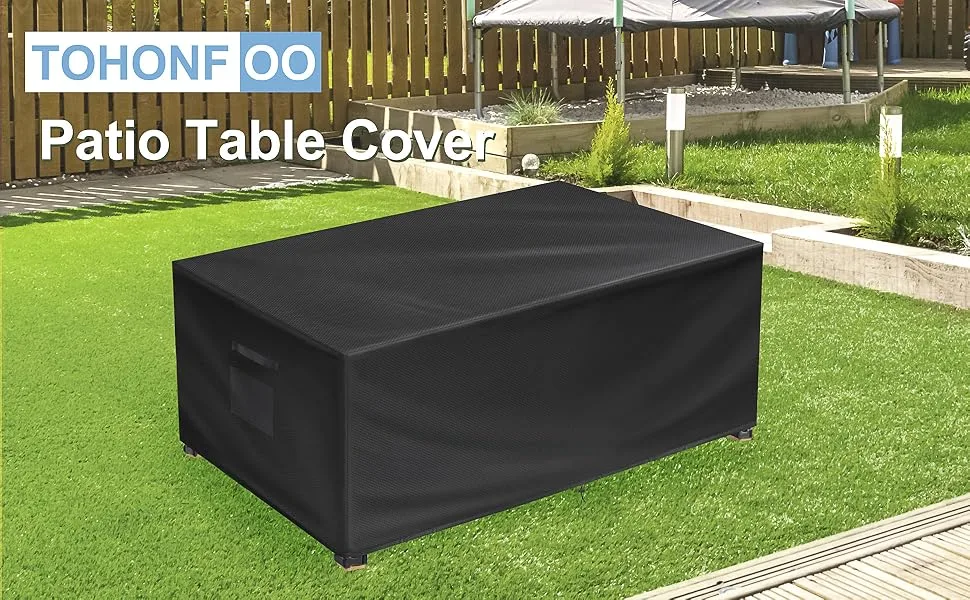
Clean everything thoroughly before storing. Ensure materials are completely dry to prevent mold. Store cushions indoors in breathable bags, not plastic containers.
Cover outdoor pieces with breathable, waterproof covers rated for your climate. Elevate furniture slightly off ground surfaces to improve airflow underneath.
Repair Playbook for Common Issues
Tighten loose bolts with the correct hex key or screwdriver size. Replace worn glide feet every one to two seasons depending on use. Patch small rust spots with primer and touch-up paint matching the original finish.
Reseal wood furniture annually before signs of splitting appear.
Mistakes to Avoid When Solving Outdoor Furniture Problems
Using the wrong cleaners damages finishes faster than weather does. Avoid bleach on fabric cushions unless the care label explicitly allows it. Never use abrasive pads on glass or polished metal surfaces.
Harsh chemical cleaners strip protective coatings and accelerate UV damage.
Leaving cushions wet and stacked creates mold colonies within forty-eight hours. Always air-dry cushions flat in direct sunlight before stacking or storing. Do not leave furniture wet after rain without wiping it down first.
Trapped moisture between pieces causes both mildew and metal corrosion.
Skipping leveler adjustments guarantees wobbly tables and chairs. Uneven decks and patios shift seasonally with temperature and moisture changes. Check leg stability monthly and adjust glide feet accordingly.
Ignoring small wobbles stresses joints and shortens furniture lifespan.
Buying cheap covers that trap moisture defeats their purpose. Non-breathable tarps create a greenhouse effect that speeds fabric rot and metal rust. Choose covers with ventilation panels and water-resistant but breathable fabrics.
Secure covers properly so wind doesn't rub them against surfaces.
Ignoring early warning signs leads to expensive replacements. Surface rust appears as orange discoloration before structural damage occurs. Fabric fading indicates UV breakdown that weakens fibers over time.
Wood checking signals moisture loss that invites rot if untreated. Address these issues immediately instead of hoping they resolve themselves. Think of it the same way you would approach maintaining durable dinnerware sets, early attention prevents costly damage later.
Costs, Lifespans, and When It Makes Sense to Upgrade
Average price tiers vary widely based on material quality and construction. Budget sets under five hundred dollars typically use resin frames and basic fabric. These last two to four years in moderate climates with proper care.
Mid-range options between five hundred and fifteen hundred dollars feature powder-coated aluminum and solution-dyed acrylic cushions. Expect five to eight years of reliable service from these pieces. Premium sets exceeding fifteen hundred dollars offer teak, stainless steel, and commercial-grade hardware.
These often last ten to twenty years with minimal upkeep.
Expected lifespans depend heavily on material choice and local conditions. Powder-coated aluminum in humid inland areas averages six to ten years. Teak wood in the same climate can reach fifteen to twenty years.
Resin wicker degrades faster in intense sun, often lasting only three to five years. Coastal salt air reduces all metal frame lifespans by roughly thirty percent.
Total cost of ownership includes maintenance supplies and replacement parts. Annual sealant for wood furniture runs twenty to fifty dollars. Replacement cushions cost forty to one hundred fifty dollars per piece.
Rust-inhibiting primer and touch-up paint average fifteen dollars per year. Factor these ongoing costs into your initial purchase decision.
Signs it is time to upgrade include structural cracks in frames, persistent mold that cleaning cannot remove, and frequent joint failures despite tightening. Commercial-grade furniture makes sense for high-traffic entertaining spaces. Residential sets work fine for casual seasonal use.
Investing in better materials upfront usually saves money over ten years compared to replacing cheap furniture twice.
Frequently Asked Questions
Can I stop rust on my patio table without replacing it?
Yes, you can stop surface rust with proper treatment. Remove loose rust with a wire brush, apply a rust-inhibiting primer, and repaint with exterior-grade enamel. This stops corrosion from spreading.
Structural rust inside tubular frames requires replacement since internal damage compromises strength.
What's the best outdoor chair material for rain and humidity?
Powder-coated aluminum and teak wood handle rain and humidity best. Aluminum resists rust when the coating stays intact. Teak contains natural oils that repel moisture and resist rot.
Avoid wrought iron and untreated steel in humid climates since they corrode quickly.
How do I fix a wobbling outdoor dining table fast?
Check all leg connections and tighten any loose bolts immediately. Adjust adjustable glide feet until the table sits level on the surface. Place a rubber shim under short legs if the deck is uneven.
Wobble usually comes from loose hardware or uneven ground, not defective manufacturing.
Are outdoor cushions worth replacing every season?
Only replace cushions showing persistent mold, torn fabric, or collapsed foam. Professional cleaning extends cushion life significantly when done correctly. Store cushions indoors during off-seasons to prevent winter damage.
High-quality solution-dyed acrylic cushions last five to eight years with proper care.
Should I buy covers or just store my furniture indoors?
Store furniture indoors whenever possible for maximum longevity. Covers work adequately for permanent outdoor installations where indoor space is unavailable. Choose breathable, fitted covers designed for your specific furniture dimensions.
Cheap universal covers trap moisture and cause more damage than leaving furniture uncovered.

Sophia Martinez is a culinary lifestyle writer and product reviewer for DiningGadgets.com. Passionate about blending style with functionality, she explores the latest dining essentials, kitchen décor, and cleaning hacks that transform everyday cooking spaces. With a background in home organization and design, Sophia brings readers expert advice on creating beautiful, practical kitchens that truly feel like the heart of the home.