Serving Tray Problems and Their Simple Solutions
Image source: Bing (Web (fair-use with source credit))
Serving Tray Problems and Solutions: How to Fix Common Issues Before They Ruin Your Setup
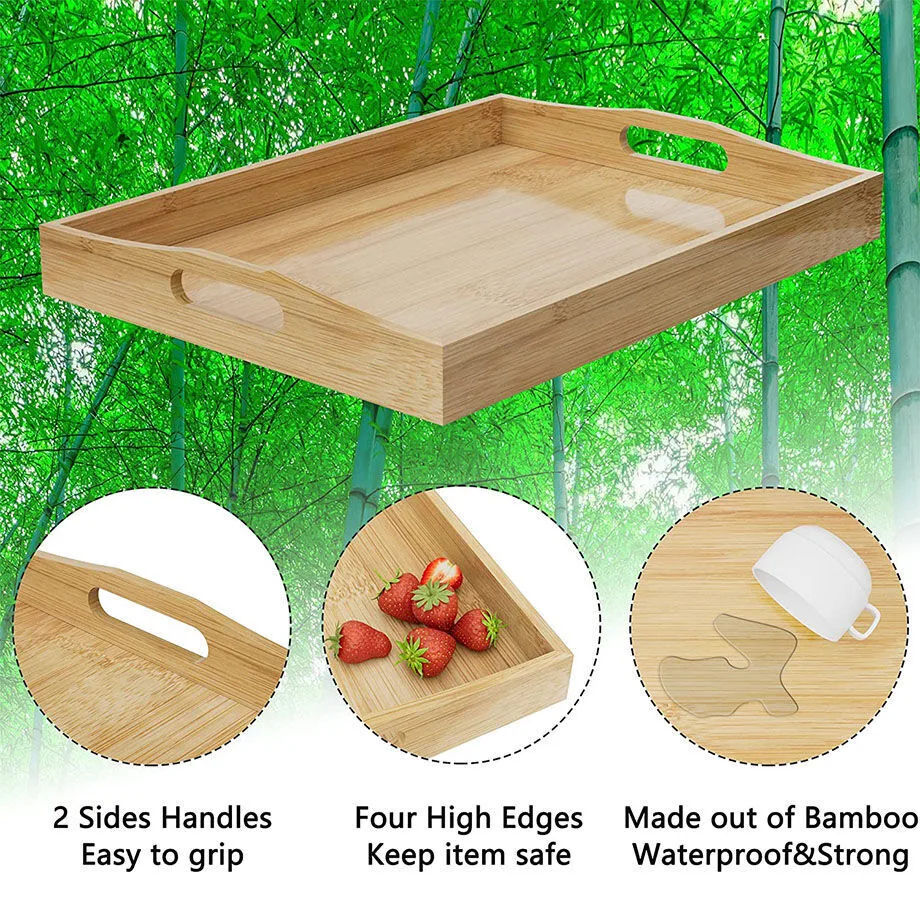
Image source: Bing (Web (fair-use with source credit))
If you've ever set a serving tray down and found a stubborn stain, or watched a wooden tray warp after a humid summer, you know how quickly these small hassles can derail a gathering. We've all dealt with the embarrassment of a loose handle mid-pour or the frustration of a plastic tray that smells like last week's curry. Solving those everyday serving tray problems and solutions is simpler than most people think.
The good news is that almost every issue comes from a handful of predictable causes, moisture, abrasive cleaners, or storing trays stacked without protection. By learning to spot the warning signs early and matching your care routine to the tray's material, you can restore and protect it for years. Let's walk through how to diagnose what's wrong and choose the right fix before minor damage turns into a replacement.
Quick Answer
Common serving tray problems include staining, warping, loose handles, rust, and scratches. Solutions depend on material. Wood needs oiling and gentle cleaning.
Metal requires polishing and drying. Plastic benefits from vinegar soaks. Marble avoids acids.
Proper care prevents most issues.
Common Serving Tray Problems (And How to Spot Them)
You've probably noticed a serving tray developing a dull ring or a slight bend after just a few seasons. Those are common early warnings, and catching them quickly saves you from bigger headaches later. In our research, the most frequent issues fall into four clear patterns: surface marks, structural changes, hardware failures, and material-specific wear.
Surface stains show up as cloudy circles from cold glasses, dark marks from wine or tea, or greasy fingerprints that never quite wash off. If your tray feels tacky or looks blotchy after cleaning, a residue buildup is likely culprit.
Warping or cracking usually starts near the edges or around handle mounts. Wooden and bamboo trays expand and contract with humidity; when they dry out unevenly, you may see a visible curve or a hairline split. Metal trays rarely warp, but thin aluminum can bow under heavy loads if not supported properly.
Loose or wobbly handles are a safety risk more than an aesthetic issue. Screws working themselves loose, stripped holes in wood, or cracked attachment points on plastic trays can turn a steady carry into a spill waiting to happen.
Material-specific wear includes tarnish on brass, rust spots on unprotected steel, scratches on acrylic, and chipping on ceramic or marble. Each material has its own weak points, so knowing what to look for depends on what you own.
| Problem Type | Typical Materials Affected | Early Warning Signs |
|---|---|---|
| Staining & residue | Wood, bamboo, plastic, acrylic | Cloudy spots, dark marks, oily feel |
| Warping / cracking | Solid wood, bamboo, MDF cores | Visible curve, split edges, handles pulling away |
| Hardware failure | Any tray with attached handles | Wobble, rattling, screws visible above surface |
| Surface wear | Brass, steel, acrylic, ceramic, marble | Tarnish, rust, fine scratches, chips |
When you identify which pattern matches your tray, you can skip the guesswork and move straight to the material-specific fixes that follow.
The Fix Depends on Your Tray's Material
Different materials fail in different ways, so the repair method must match what you're actually holding. A approach that works on sealed oak will ruin raw bamboo, and the wrong cleaner can permanently etch acrylic or marble. Getting this right means diagnosing the surface first, then following a branch tailored to it.
What you own matters more than how bad it looks
Start by confirming whether your tray is solid wood, engineered wood, bamboo, metal, plastic, acrylic, glass, stone, or woven fiber. Many "wood" trays are actually MDF cores with a veneer, those can't take heavy sanding or oil, and they'll swell if submerged. Metal trays may be brass, stainless steel, aluminum, or tin-plated; each reacts differently to acids and abrasives.
Plastic and acrylic look similar but have very different heat tolerances and stain behaviors.
A quick diagnostic test: tap the surface. Solid wood sounds dense and warm; hollow-sounding engineered boards often feel lighter and may have a slight flex. If the tray has a glossy finish that chips at the edges, it's likely sealed or lacquered rather than raw.
For metal, a magnet will stick to stainless steel but not to brass or aluminum, that simple test tells you which polishing route to avoid.
Why one-size-fits-all cleaning advice fails
Most home-care guides suggest the same vinegar-water spray for everything, but vinegar degrades sealants on wood, dulls polished stone, and can pit certain metals over time. Aggressive scrubbing removes stains from plastic but scratches acrylic and glass instantly. Heat-based fixes like hairdryers warp thin plastics and can ignite finishes on wood.
Instead, always isolate the problem to a small hidden area first. Test any cleaner, oil, or polish on the underside or a corner you won't see during service. Let it sit for five minutes, then wipe clean and inspect after an hour.
This takes seconds but prevents costly mistakes, like turning a minor stain into a stripped finish across the entire serving surface.
Wooden and bamboo trays
Oil-based care is the baseline. Food-safe mineral oil or beeswax conditioner penetrates the pores and blocks moisture. Apply a thin coat with a soft cloth, let it soak for 15 minutes, then buff off the excess.
Reapply every three to six months for high-use trays, or whenever the wood looks dry or faded.
For stains, make a paste of baking soda and water. Gently rub it into the mark using a circular motion, leave it for ten minutes, then wipe clean with a damp cloth and dry immediately. Never soak a wooden tray.
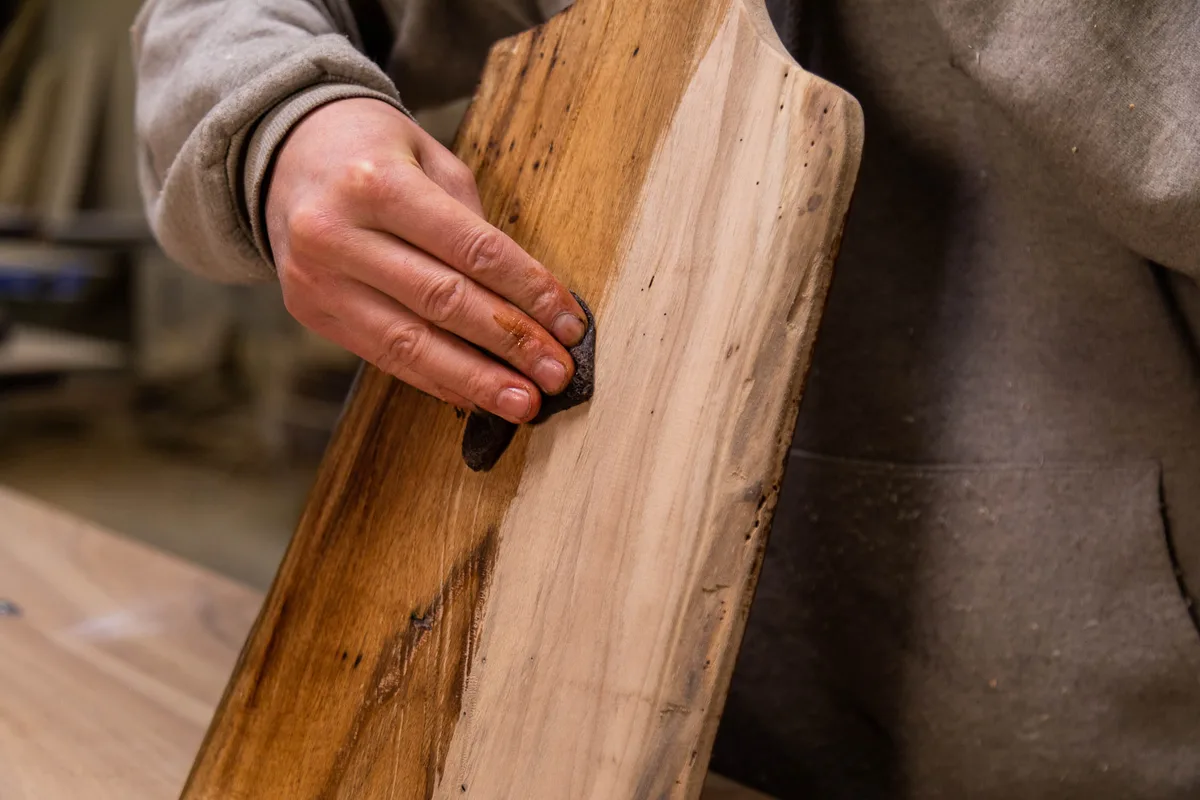
For deeper stains from red wine or coffee, a light sanding with fine-grit paper (220 to 320) followed by re-oiling will lift the discoloration.
If the tray warps slightly, lay it flat on a smooth surface with a heavy weight on top. Place a dry towel underneath to absorb moisture, then leave it for 24 to 48 hours in a low-humidity room. Persistent warping usually means the grain was exposed to uneven drying during manufacture, which no repair can fully reverse, so prevention through consistent oiling matters more.
For more on keeping your entertaining pieces in shape, you might find our guide useful: Master Your Outdoor Dining Set.
Metal trays — steel, brass, aluminum, copper
Polishing restores shine without stripping protective layers. Use a dedicated metal polish for the specific alloy; do not mix products across different metals. Brass and copper respond well to lemon juice and salt pastes, but rinse thoroughly and dry completely to prevent new tarnish.
Stainless steel tolerates mild soap and water, but abrasive pads will scratch the finish permanently.
Rust on steel or iron starts as orange spots. Remove it with a paste of cream of tartar and vinegar, applied with a soft cloth. Gently work the paste into the rust, let it sit for five minutes, then wipe away and dry instantly.
Finish with a thin coat of food-safe mineral oil to seal the bare metal from moisture.
Aluminum trays dent easily and shouldn't be scoured. For dullness, wash with warm soapy water, dry thoroughly, and apply a very light film of oil to restore luster. Avoid chlorine-based cleaners, which cause pitting and permanent corrosion.
Plastic and acrylic trays
Plastic absorbs odours and stains because its surface is porous on a microscopic level. For odours, soak the tray in a solution of one part white vinegar to three parts warm water for one hour, then wash with dish soap and air-dry completely. Do not use boiling water, as heat warps most plastics above 60°C.
Acrylic scratches easily and should never be cleaned with paper towels or abrasive sponges. Use a microfiber cloth and a cleaner formulated for acrylic, or simply mild soapy water. For stubborn marks, a small amount of isopropyl alcohol on a soft cloth can lift residue without clouding the surface.
If stains persist, a baking soda paste works gently on both plastic and acrylic. Apply, leave for 10 minutes, then wipe clean. Dishwashers are risky: the heating element often exceeds safe thresholds and causes warping over time.
Hand-washing remains the safest route.
Glass and marble trays
Glass is non-porous but chips easily on hard edges. Clean with glass cleaner and a lint-free cloth. For hard-water spots, a mixture of equal parts water and white vinegar sprayed on, then wiped, removes buildup without scratching.
Dry immediately to prevent water marks.
Marble is calcium-based and etches instantly from acids. Wine, citrus, and vinegar will leave dull spots that cannot be polished out, you must instead remove a microscopic layer of the stone via professional diamond polishing. Until then, blot spills within seconds and clean only with pH-neutral stone cleaner.
Always use a trivet or coaster under hot dishes to prevent thermal shock cracks.
Rattan and wicker trays
These natural fibers crack in dry heat and mold in humidity. Wipe clean with a barely damp cloth and dry immediately. Never submerge them.
For dust, use a soft brush or a hairdryer on cool setting to blow particles out of the weave.
Conditioning is minimal: a light application of linseed oil sparingly can slow drying, but excess oil attracts dirt. Store in a stable environment away from direct sunlight and radiators. Cracks cannot be bonded effectively with standard wood glue; replacement or professional repair is usually the only durable fix.
For additional tips on maintaining your serving equipment, see How to Maintain Your Camping Kitchen Gadgets.
Step-by-Step Fixes for the Most Common Issues
Every serving tray problem follows a pattern, and each one has a proven fix. Rather than guessing, follow these step-by-step methods for the issues you're most likely to face. They work across materials and save time compared to trial and error.
Removing wine, tea, and food stains from wood and bamboo
Stains penetrate the surface layer of unfinished or lightly sealed wood. The goal is to lift them without damaging the finish underneath.
- Mix a paste using equal parts baking soda and water.
- Apply it directly to the stain with a soft cloth.
- Rub gently in a circular motion for two minutes.
- Let the paste sit for ten minutes without letting it dry completely.
- Wipe away with a damp cloth and dry immediately.
- If the stain remains, repeat once more before moving to sanding.
For older or set-in stains, fine-grit sandpaper (320 grit) lightly buffed over the affected area removes the stained layer. Wipe away dust, then reapply food-safe mineral oil to restore moisture balance. Seal the area again once the oil absorbs.
Restoring a warped wooden tray
Warping happens when one side dries faster than the other. The fix requires flattening and reconditioning the wood structure.
- Fill a basin with lukewarm water and add one cup of white vinegar.
- Submerge the warped area facing down for 15 minutes.
- Remove the tray and place it flat on a smooth surface.
- Cover with a clean, dry towel on both sides.
- Place heavy books or weights evenly across the surface.
- Leave undisturbed for 24 to 48 hours in a low-humidity room.
Once flat, sand any raised grain with 220-grit paper, clean thoroughly, and condition with mineral oil. This process addresses minor warping only; severe structural distortion usually means the tray needs replacement.
Polishing tarnished brass and restoring stainless steel shine
Tarnish forms when metals react with air and moisture. Regular polishing prevents buildup, and targeted treatment removes what already sits on the surface.
For brass trays:
- Create a paste from lemon juice and cream of tartar.
- Apply with a soft cloth and rub in small circles.
- Rinse with warm water and dry completely.
- Buff to shine with a clean microfiber cloth.
For stainless steel:
- Wash with warm soapy water and a non-abrasive sponge.
- Dry immediately to prevent water spots.
- Apply a thin layer of food-grade mineral oil for extra protection.
Never use bleach or chlorine cleaners on any metal tray. They cause irreversible pitting and discoloration that no polish can fix.
Lifting grease and odour from plastic and acrylic without damage
Grease traps in the microscopic pores of plastic and acrylic. Odours stick for the same reason, and strong chemicals can cloud or crack these surfaces.
- Combine one part white vinegar with three parts warm water.
- Soak the tray for one hour at room temperature.
- Wash gently with mild dish soap and a soft sponge.
- Rinse thoroughly and air-dry completely before storage.
- For persistent odours, sprinkle baking soda inside, add enough water to cover, and let sit overnight before washing.
Avoid heat-based cleaning methods. Plastic deforms above 60°C, and acrylic softens well below that threshold. Hand-washing remains the only safe option.
Securing loose handles with the right screws and adhesives
Handle failure usually comes from loose screws, stripped holes, or cracked attachment points. Fixing it depends on the material and the type of damage.
For screw-based handles:
- Tighten existing screws with the correct screwdriver size.
- If screws spin freely, fill the holes with wood glue and toothpicks, let dry, then redo.
- Replace stripped screws with slightly thicker ones or add washers.
For glued or riveted handles:
- Clean old adhesive residue from both surfaces.
- Apply epoxy rated for the tray material.
- Clamp tightly and cure for the manufacturer's specified time.
- Reinforce with additional fasteners if possible.
Always test the repair by applying gentle pressure before returning the tray to regular use. A handle failure during service causes spills and potential injury.
Mistakes That Ruin Your Trays Faster
Some tray damage is completely avoidable. You'd be surprised how many common habits turn minor wear into permanent destruction. These mistakes show up repeatedly in repair forums and manufacturer warnings, so learning to spot them early saves you money and frustration.
Putting wooden trays in the dishwasher
Dishwashers expose wood to prolonged moisture and heat simultaneously. The combination forces water deep into the grain, causing swelling and warping. High drying cycles then shrink the wood unevenly, creating cracks.
Manufacturers consistently warn against machine washing wooden serving pieces. Always hand-wash and dry immediately after.
Cleaning marble or finished wood with vinegar
Vinegar is acidic, and acid eats away at calcium-based stone and unprotected finishes. A single vinegar wipe on marble can leave a dull etch mark that requires professional polishing to remove. On finished wood, repeated vinegar exposure strips sealants and leaves the surface dry and vulnerable.
Use pH-neutral cleaners instead.
Leaving wet glasses sitting on untreated wood
Water rings form when condensation sits on unprotected wood for hours. The moisture penetrates the finish and creates cloudy circles that are difficult to remove. Place coasters under every glass, even for short periods.
If water does sit, dry it immediately with an absorbent cloth.
Using abrasive scrubbers on acrylic or glossy finishes
Steel wool, scouring pads, and rough sponges scratch smooth surfaces instantly. Those scratches trap dirt and make the tray look perpetually worn. Switch to microfiber cloths, soft sponges, or non-abrasive brushes for cleaning.
They remove residue without damaging the surface layer.
Ignoring spills until they dry
Dried spills bond to surfaces and become permanent stains. Wine, tomato sauce, and oily foods set quickly on porous materials. Wipe any spill within minutes of it happening.
Keep a small cloth near your serving area for quick cleanup during use.
Stacking trays without protection between them
Stacked trays scratch each other during storage. Placing a soft cloth, paper towel, or felt sheet between each piece prevents surface contact. This simple habit extends the life of glossy and polished finishes dramatically.
For guidance on protecting your tableware while storing it, check out our tips on the correct way to store tableware.
How to Choose a Serving Tray That Won't Give You Trouble
Selecting the right tray from the start prevents most problems down the line. Match the material and design to your actual use case, not just what looks nice on the shelf.
Best tray materials for everyday home entertaining
Wood and bamboo trays work well for dry foods and light drinks. They add warmth but need regular oiling. Plastic and acrylic trays handle spills easily and are dishwasher-safe on gentle cycles.
Metal trays suit modern aesthetics and outdoor use but show fingerprints. Marble and stone trays are stunning but heavy and vulnerable to acid spills.
Outdoor and humid-environment friendly options
Teak, acacia, and sealed hardwoods resist moisture better than pine or maple. Powder-coated metal trays shed water without rusting. Avoid untreated wood and natural wicker for outdoor use.
If you host often outdoors, check out our guide to how to maintain an outdoor dining set for broader care tips that apply to trays too.
Heavy-load considerations for full meals or bar service
Solid wood and thick-gauge metal trays handle weight best. Look for reinforced handles and a minimum thickness of 3⁄4 inch for wood, or 16 gauge or thicker for metal. Narrow rim trays tip more easily under heavy loads.
Wider, deeper rims keep glasses and plates stable during transport.
Handle design and grip comfort for frequent carrying
Dual side handles distribute weight evenly across both hands. Single center handles work for lighter loads but strain one arm over time. Rope handles offer grip but can fray with moisture exposure.
Ensure handle attachment points are reinforced, not just screwed into thin veneer.
Easy-clean surfaces for high-use households
Sealed wood, stainless steel, and food-grade plastic clean fastest. Textured surfaces and deep grooves trap crumbs and residue. Glazed ceramic and glass also wipe clean easily but chip on impact.
If you value low maintenance, skip ornate carved edges and go for smooth, flat surfaces.
When to invest in higher-cost materials versus budget picks
Solid hardwood and genuine marble trays cost more but last decades with proper care. Engineered wood, thin plastic, and decorative metal trays save money upfront but may warp, stain, or dent within a year or two. For occasional use, budget picks suffice.
For weekly hosting, investing in durable materials pays off.
FAQs
Can I put my wooden serving tray in the dishwasher?
No. Dishwashers expose wood to prolonged heat and moisture that cause warping and cracking. Always hand-wash wooden trays with warm soapy water and dry them immediately afterward.
What is the best way to remove red wine stains from bamboo?
Make a paste of baking soda and water, apply it to the stain, let it sit for ten minutes, then gently rub and wipe clean. Repeat if needed, then re-oil the area with food-safe mineral oil.
How do I stop my metal tray from developing rust spots?
Keep metal trays dry after every wash and apply a thin coat of food-safe mineral oil periodically. Store them in a low-humidity environment and avoid leaving wet glasses sitting on the surface for extended periods.
Are serving trays with raised edges safer for carrying drinks?
Yes. Raised edges, especially on the sides you grip, prevent glasses and bottles from sliding off during movement. They also provide a more secure handhold when carrying loaded trays across a room.
How often should I oil a wooden tray to keep it from drying out?
Oil a wooden tray every three to six months depending on use frequency. High-use trays used weekly may need monthly conditioning. Reapply whenever the wood looks dry or faded to the touch.
What is the difference between a serving tray and a platter?
A serving tray typically has raised edges and handles for carrying multiple items. A platter is usually flat with no handles, designed for presenting a single dish like a roast or cake on a table.