How to Maintain Outdoor Dinnerware: 7 Simple Tips
You've spent money on patio dishes that look great through summer. But heat, rain, UV rays, and frequent wash cycles degrade them fast if you don't know the basics. Learning how to maintain outdoor dinnerware correctly keeps every plate, bowl, and glass looking fresh for years instead of months.
Different materials need completely different care routines. Melamine scuffs easily from abrasives. Glass clouds from hard water.
Stoneware cracks when temps shift suddenly. Plastic warps in dishwashers. Knowing your set's material first is the single most important step in any cleaning plan.
Quick Answer
Outdoor dinnerware care depends entirely on material type. Clean melamine and glass with mild soap and a soft sponge. Hand-wash stoneware whenever possible.
Avoid dishwashers for cheap plastic pieces. Dry everything completely before stacking for storage. Treat stains within hours instead of letting them set overnight.
How to Identify What You're Cleaning (Material Matters)
Quick Answer: Why Your Dinnerware Type Changes Everything
The first decision you make before touching any cleaner is simple: what material are you actually holding? Different compositions react differently to heat, chemicals, and physical contact. Using the wrong cleaner on the wrong material causes permanent damage faster than anything else in outdoor dining.
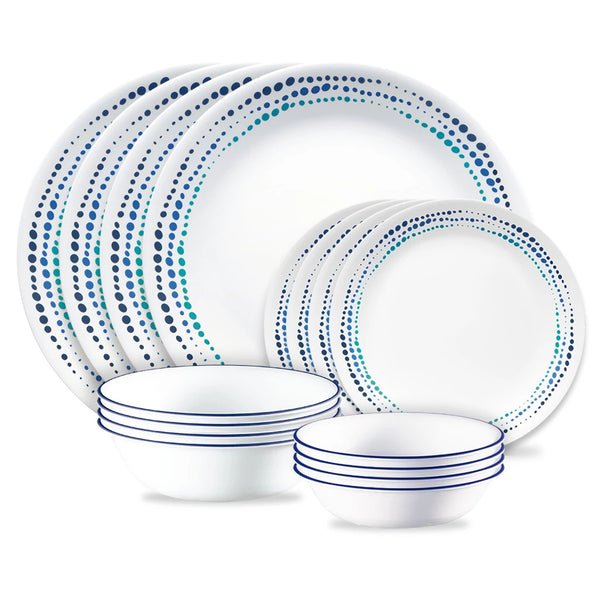
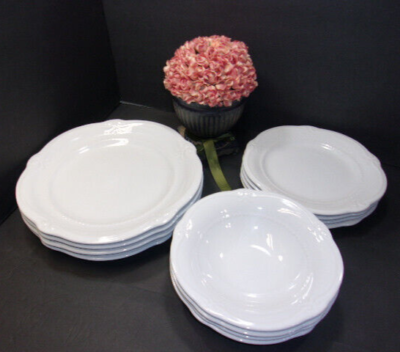
Melamine is a thermosetting plastic that feels lightweight and nearly unbreakable. It stays cool to the touch even after sitting in sun. Corelle and similar brands use a tri-laminate process that makes these plates remarkably chip-resistant compared to ordinary ceramic.
That toughness is why you'll find Corelle-style sets mentioned among top picks for active households. But melamine scratches easily. Those scratches become bacteria traps over time.
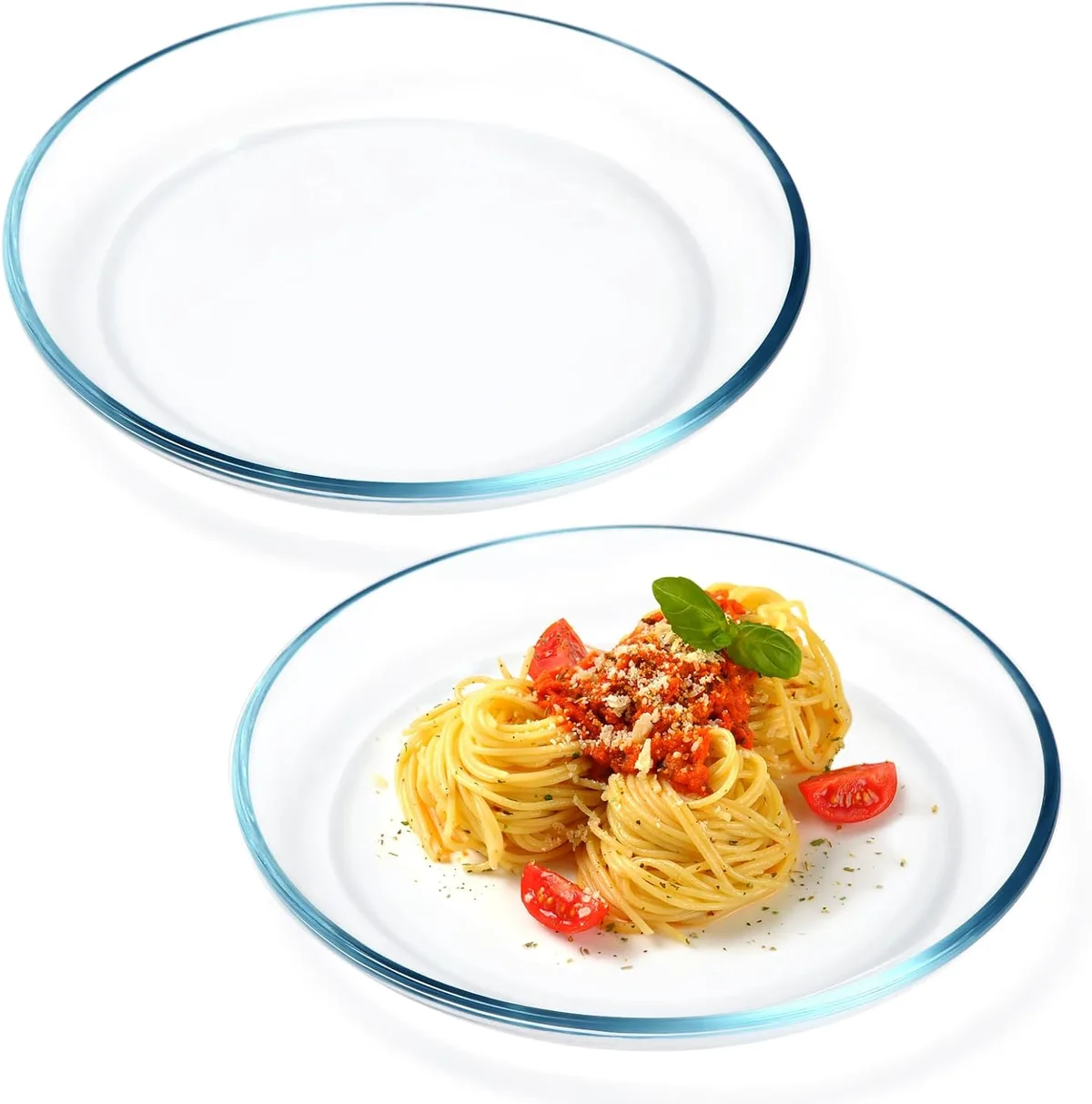
Tempered glass shares some durability with melamine but reacts very differently to cleaners. It resists staining far better because the surface is completely non-porous. Tomato sauce won't soak in.
Hard water deposits will sit on top instead. The downside is thermal shock risk. Pour boiling soup onto a glass plate pulled straight from a cold car trunk and it may crack instantly.
Always let cold glass adjust to room temperature first.
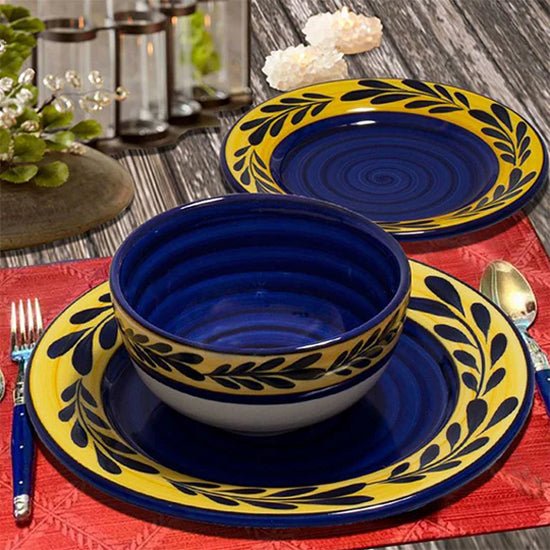
Stoneware occupies the middle ground between ceramic and porcelain. It has a thicker body that holds heat well during meals but absorbs liquids unless glazed properly. Unglazed stoneware stains immediately.
Glazed stoneware handles dishwashers but may lose its shine after repeated high-heat cycles. Look for pieces marked "dishwasher-safe" or "oven-safe" to know limits. The best brands for durable dinnerware typically list explicit temperature ratings on their product pages.
Food-grade plastic rounds out most outdoor sets. Polypropylene plastic labeled number five withstands higher temperatures than cheaper alternatives. Check the recycle symbol molded into the bottom before trusting any piece with hot food or dishwasher racks.
Cheap polystyrene will warp almost instantly under those conditions.
| Material | Weight | Dishwasher Safe? | Heat Resistance | Stain Risk | Chip Resistance |
|---|---|---|---|---|---|
| Melamine | Light | Top rack only | Low | Moderate | High |
| Tempered Glass | Medium | Yes | Moderate | Low | Moderate |
| Glazed Stoneware | Heavy | Usually | High | Low to moderate | Moderate |
| Food-Grade Plastic | Light | Sometimes | Low | High | High |
UV exposure accelerates fading on every material except tempered glass. Manufacturers add stabilizers to premium melamine and plastic lines. Cheaper imports often skip them.
If your white plates turn slightly yellow after two summers in direct sun, UV degradation is likely responsible. You can pack glassware safely for long-term protection against sunlight damage by wrapping each piece individually.
Melamine
Melamine requires the gentlest handling of any common outdoor material. Soft sponges only. Never steel wool or scouring powders.
Those tools create micro-scratches that accumulate over months into a permanently dull surface. Dull melamine holds stains worse than smooth melamine ever did.
Hand washing remains the gold standard. If you must use a dishwasher, place melamine on the top rack away from heating elements. Close-door dryers expose dishes to intense radiant heat.
Open-door drying or air drying eliminates that variable entirely.
Tempered Glass
Glass thrives on vinegar solutions. Spray a mixture of equal parts white vinegar and water onto clouded surfaces. Let it sit for three minutes.
Buff gently with a soft cloth. Repeat weekly if your area has particularly hard water. Vinegar dissolves mineral deposits without scratching.
Avoid ammonia-based cleaners on tinted glass. Ammonia can damage colored layers over extended periods. Stick to pH-neutral or mildly acidic formulations for routine care.
Stoneware & Ceramic
Stoneware tolerates dishwashers better than melamine but still benefits from hand washing when convenience allows. High heat fades glaze finishes gradually. A glossy plate that looked brilliant year one may appear matte by year four after constant dishwasher cycling.
Check glaze integrity annually. Hairline cracks in the glaze allow moisture into the clay body beneath. Freeze-thaw cycles expand trapped water and widen those cracks until the piece eventually splits.
Discard any stoneware showing visible glaze fractures.
Food-Grade Plastic
Plastic demands the strictest temperature boundaries. Confirm the melt point before exposing any piece to hot liquids or dishwasher cycles. When in doubt, hand wash with warm soapy water and towel dry immediately.
Sun-drying plastic outdoors often leaves water spots that attract dust and grime.
Inspect plastic edges regularly for stress whitening. That faint white discoloration along rims indicates polymer fatigue. Continued flexing will turn stress whitening into actual cracking.
Choose Your Routine Based on Use & Weather Exposure
Light/Indoor-Adjacent Use vs. Full Outdoor Exposure
Your cleaning schedule should scale directly to environmental severity. A set stored in a screened porch between monthly dinners faces dramatically less wear than a set left on an open deck all season long.
Light-use scenarios mean wiping down after each meal and performing a thorough wash once a week. Full outdoor exposure requires rinsing after every single use to remove pollen, bird droppings, and airborne pollutants. Those contaminants degrade finishes faster than food residue alone.
Sun intensity matters enormously. Sets in Arizona or Florida face UV damage that identical sets in Seattle never experience. UV breaks down color pigments and weakens polymer chains in plastic and melamine.
Consider storing pieces under a breathable cover when not actively in use.
Wind exposure creates a separate category entirely. Loose items blow over constantly. Secure stackable designs reduce this problem significantly.
You can always sell old flatware sets or upgrade to heavier weighted pieces designed specifically for gusty environments.
Frequency Guide: When to Wipe, Wash, or Deep-Clean
A simple frequency framework prevents most maintenance emergencies before they start. After every outdoor meal, wipe plates with a damp cloth to remove loose debris. This takes thirty seconds and prevents sticky residues from baking into surfaces.
Weekly, perform a complete wash using mild detergent and warm water. Rinse thoroughly. Air dry upside down on a clean towel before returning to storage.
This baseline routine works for light-use sets year-round.
Monthly deep-cleans target accumulated grime. Soak stained pieces in warm water with a teaspoon of baking soda per quart. Let them soak for twenty minutes.
Scrub gently with a soft brush. Rinse and dry completely. Reserve this treatment for sets showing visible film buildup or persistent odors.
Seasonal transitions warrant extra attention regardless of frequency. Before tucking a set away for winter or spring, perform a comprehensive inspection. Clean every piece individually.
Check for chips, cracks, and deep scratches. Replace compromised items immediately rather than risking contamination from damaged surfaces.
Step-by-Step Care for Each Material
Melamine
Start by scraping leftover food into compost or trash before any washing begins. Wet a soft sponge with warm water and add a drop of liquid dish soap. Clean each piece using circular motions focusing on the eating surface first, then the rim, then the underside.
Rinse thoroughly under warm running water until no soap residue remains. Soap film attracts dust and creates a cloudy appearance over time. Inspect immediately while wet for any remaining stains.
Treat persistent marks with a paste of baking soda and water before final rinsing.
Dry with a lint-free microfiber cloth or air dry completely. Never stack damp melamine. Trapped moisture between stacked plates encourages mildew growth on the surface between them.
Store in a dry location away from direct sunlight to preserve color vibrancy.
Tempered Glass
Begin with a vinegar solution for routine cleaning. Mix one part white vinegar with one part warm water in a spray bottle. Spray generously over each piece.
Let sit for two minutes to dissolve minerals and grease. Wipe with a soft non-abrasive cloth.
For heavier buildup, soak glassware in the same vinegar solution for ten minutes. Remove and scrub gently with a soft brush around any decorative edges. Rinse with clean water and dry immediately to prevent new water spots from forming.
Polish dried glass with a second clean microfiber cloth for a streak-free finish. This step matters more than most people realize. A final buff removes any remaining microscopic particles that cause visual distortion.
Stoneware & Ceramic
Wash stoneware separately from lighter materials to avoid cross-contamination from porous surfaces. Use warm soapy water and a non-scratch sponge. Pay special attention to the textured surfaces many rustic stoneware pieces feature.
Texture traps food particles that smooth finishes release easily.
Soak baked-on residue for fifteen minutes before scrubbing. Never use metal utensils or abrasive pads on glazed stoneware. Those tools score the glaze permanently.
Once the glossy protective layer is compromised, stains penetrate the clay body directly.
Air dry upright on a rack rather than stacked. Proper airflow prevents moisture trapping against adjacent surfaces. When storing, place a paper towel between each piece to absorb any lingering humidity and prevent chipping during handling.
Food-Grade Plastic
Inspect every plastic piece before washing for cracks or stress marks. Damaged plastic harbors bacteria in ways that surfaces you cannot see. Throw away anything showing significant deterioration rather than attempting repair.
Hand wash in warm soapy water using a soft cloth. Dishwashers warp cheap plastic faster than anyone expects. Even pieces labeled dishwasher-safe often emerge slightly warped after repeated cycles.
Warped plates wobble on flat surfaces and stack poorly in storage.
Dry completely before storage. Apply a thin layer of food-grade mineral oil to heavily used plastic serving boards occasionally. This conditioning step prevents the polymer from drying out and becoming brittle over time.
Stain, Scratches, Cloudiness & Odor Troubleshooting
Hard Water Stains on Glass
Hard water leaves calcium and magnesium deposits that appear as white cloudy patches. Vinegar handles this effectively. Soak affected glassware in undiluted white vinegar for thirty minutes.
Scrub gently with a soft brush if deposits persist. Rinse thoroughly and dry.
Prevention beats treatment every time. Wipe glasses dry immediately after washing instead of air drying. This simple habit eliminates ninety percent of future spotting issues before they develop.
Tomato & Oil Stains on Melamine
Tomato-based sauces stain melamine rapidly due to natural acidity and pigment content. Oil creates a greasy film that attracts additional dirt. Address both immediately after each use.
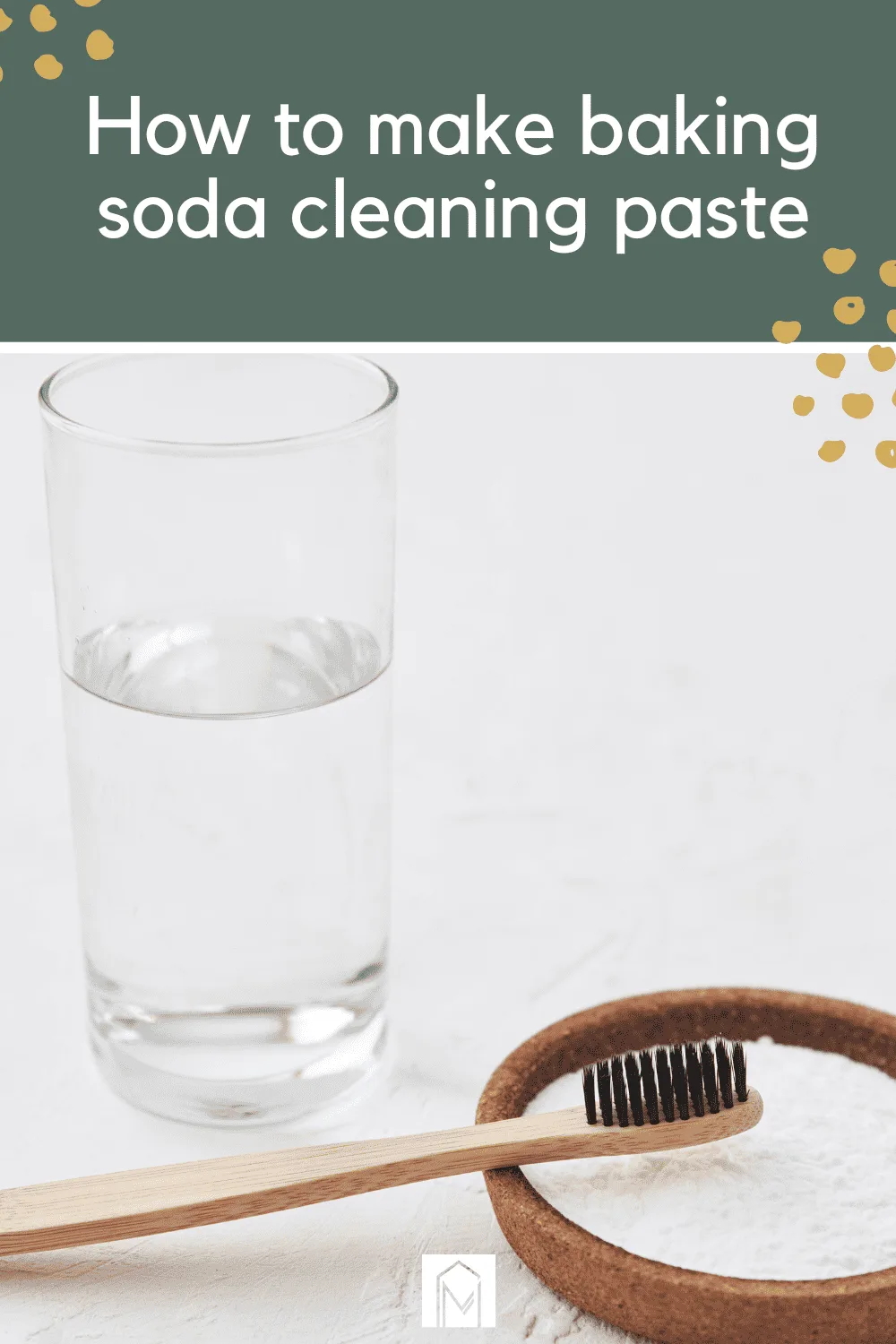
For fresh stains, sprinkle baking soda directly onto the affected area. Add a few drops of water to form a paste. Rub gently with a soft cloth in circular motions.
Let sit for five minutes. Rinse and inspect. Repeat if necessary.
Set-in stains require longer treatment. Apply the baking soda paste and cover with plastic wrap. Let sit for several hours or overnight.
The extended contact time allows the mild abrasive to lift embedded pigments without damaging the surface.
Musty Smells After Storage
Mustiness indicates microbial growth from insufficient drying before storage. Remove plates from storage immediately and wash with a solution of one tablespoon bleach per gallon of water. Let soak for ten minutes.
Rinse extremely thoroughly. Air dry completely in direct sunlight when possible. UV light kills remaining odor-causing bacteria naturally.
Prevent recurrence by ensuring absolute dryness before stacking and covering. Store with silica gel packets inside the container to absorb ambient moisture during dormancy periods.
When to Retire Chipped or Scratched Pieces
Retirement criteria focus on food safety, not aesthetics. Any chip on the eating rim creates a sharp edge that harms lips and harbors bacteria in its irregular crevices. Discard chipped pieces immediately rather than risking injury or contamination.
Deep scratches matter less for safety but affect cleanliness. Scratches deeper than one millimeter trap food particles and resist normal cleaning. Evaluate severity honestly.
Surface scratching alone is cosmetic. Functional degradation warrants replacement.
When considering retirement, you might also find the best non-toxic dinnerware options to replace worn pieces with safer alternatives. Healthy habits extend beyond just cleaning routines into material choices themselves.
Storage & Seasonal Care Workflow
Daily Drying & Stacking Protocol
Proper drying determines whether your next meal starts clean or questionable. After washing, arrange pieces upright on a clean drying rack with space between each item. Air circulation prevents moisture retention that leads to odors and bacterial growth.
Stack only after complete dryness is confirmed. Tap two plates together gently. If they sound crisp and clear rather than dull and muted, they're dry enough.
Damp plates produce a muffled tone that signals trapped moisture.
Protect stacked surfaces by placing a clean cloth layer between each tier. This prevents scratching during handling and absorbs minor residual humidity that escaped initial drying.
End-of-Season Storage Setup
Prepare stored sets during favorable weather. Choose a low-humidity day for packing. Pack each piece individually using soft cloth wraps or archival paper.
Avoid newspaper contact with food surfaces because ink transfers easily.
Store in a cool, dry, dark location. Basements work well when they remain dry. Attics often exceed safe temperature ranges during summer months.
Garages swing between extreme cold and heat without climate control.
Include desiccant packets throughout the storage container. Replace them annually before reopening the collection. Fresh silica absorbs moisture far more effectively than exhausted packets.
Spring Retrieval & Inspection Checklist
Begin retrieval with a visual inspection of the storage area itself. Check for water intrusion, pest evidence, or unusual odors before handling any pieces. Contaminated storage environments compromise contents regardless of how carefully items were wrapped.
Unwrap each piece individually and examine for damage incurred during storage. Check for cracks, discoloration, or texture changes. Test stability by placing plates on a flat surface.
Wobbling indicates warping from heat exposure.
Clean all retrieved pieces before putting them back into active rotation. Even properly stored items accumulate dust and may harbor dormant spores. A fresh wash establishes a clean baseline before the season begins.
Common Maintenance Mistakes That Damage Outdoor Dinnerware
Abrasive Tools on Melamine
Steel wool and harsh scouring pads destroy melamine surfaces permanently. Those scratches create rough textures that hold stains and bacteria far more aggressively than original smooth finishes. Soft sponges or microfiber cloths handle every routine cleaning task adequately.
Scouring powders like Comet or Ajax contain crystalline abrasives designed for tough indoor surfaces. They are far too aggressive for outdoor plastics and laminates. Switch to liquid dish detergents exclusively for melamine care.
Dishwasher Pitfalls by Material
Dishwashers destroy cheap plastic faster than hand washing ever could. The heating element raises interior temperatures well beyond safe thresholds for polypropylene and polystyrene. Warped pieces become unstable on table surfaces and stack poorly in storage.
Melamine on bottom racks sits closer to the heating element. Top rack placement reduces but does not eliminate heat exposure. When possible, hand wash melamine to maximize lifespan.
The extra minute of effort pays for itself in extended usability.
Stoneware tolerates dishwashers best among common outdoor materials. Even so, heavy stacking within the dishwasher causes chips from clattering during spray cycles. Separate pieces with rack dividers when available.
Storing Wet Pieces or Overpacking
Wet storage guarantees odor problems within days. Moisture trapped between sealed containers creates ideal conditions for mold and mildew growth. Many people skip the drying step consciously or overlook subtle dampness between stacked pieces.
Overpacking forces pieces against each other under pressure. Friction from removal and replacement transfers cause edge chips and surface scratches. Leave adequate spacing between items even in compact storage solutions.
Leaving Temperature-Sensitive Dishes in Direct Sun
Temperature extremes degrade materials faster than most owners expect. Plastic left in a hot car reaches surface temperatures exceeding 150 degrees Fahrenheit within minutes. That heat softens polymers temporarily and accelerates long-term brittleness.
Glass subjected to sudden temperature shifts cracks from thermal stress. A cold plate pulled from shade into direct afternoon sun develops internal strain patterns invisible to the eye until failure occurs. Store temperature-sensitive materials in shaded areas whenever possible.
Expert Tips for Extending Outdoor Dinnerware Lifespan
Rotate Your Sets Regularly
Alternating between two or more dinnerware sets distributes wear evenly across all pieces. One set stays in active rotation while the other rests in proper storage. This practice prevents any single set from experiencing continuous UV exposure and repeated cleaning cycles.
Rotate seasonal styles as well. Reserve delicate patterned pieces for special occasions instead of everyday use. Everyday dishes take the most abuse during casual meals and grill sessions.
Invest in Quality Accessories
Silicone coasters protect glass surfaces from thermal shock when placing cold drink glasses on warm tables. Felt pads beneath stacked plates prevent scratching during handling and storage. Both accessories cost little but significantly extend piece longevity.
Consider UV-protective storage covers for patio sets left partially exposed. These breathable covers block harmful rays while allowing air circulation that prevents moisture buildup underneath.
Final Recommendation: Build a Simple Maintenance Routine
Start by identifying every material in your outdoor dinnerware collection. Group pieces by care requirements rather than matching patterns or colors. Melamine, glass, stoneware, and plastic each demand different cleaning approaches and storage conditions.
Establish a baseline routine that matches your actual usage patterns. Light indoor-adjacent use needs weekly washing only. Full outdoor exposure requires rinsing after every meal and monthly deep cleans.
Adjust frequency based on your climate and exposure level.
Replace compromised pieces immediately rather than continuing to use damaged dinnerware. Chips, cracks, and deep scratches create food safety hazards that no cleaning method can eliminate. Your health matters more than saving a single plate or bowl.
A consistent maintenance routine takes less than ten minutes daily but protects your investment for years. Start simple, stay consistent, and adjust as your needs change throughout the seasons.
Frequently Asked Questions
Is melamine dishwasher safe?
Yes, but only on the top rack away from heating elements. Close-door dryers expose melamine to excessive heat that causes warping and surface degradation over time. Hand washing extends melamine lifespan significantly compared to repeated dishwasher cycles.
Can you put hot food directly on cold glass?
No. Sudden temperature changes cause thermal shock that cracks tempered glass. Allow cold glassware to reach room temperature before serving hot foods.
This simple precaution prevents costly replacements and potential injury from shattered pieces.
How often should outdoor plates be replaced?
Replace melamine every three to five years depending on usage intensity. Tempered glass and quality stoneware last five to ten years or longer with proper care. Replace any piece showing chips on eating edges, deep scratches, or structural cracks regardless of age.
What is the best way to remove rust stains from metal accents?
Create a paste from baking soda and lemon juice. Apply directly to rust spots on metal handles or trim. Let sit for ten minutes before gently scrubbing with a soft brush.
Rinse thoroughly and dry completely to prevent new rust formation from residual moisture.
Can I use vinegar on all types of outdoor dinnerware?
Vinegar works safely on glass, stoneware, and most plastics. Avoid prolonged vinegar exposure on natural stone accents or unsealed wood components. Test small inconspicuous areas first when applying acidic cleaners to unfamiliar materials.
Should I cover outdoor dinnerware during rain?
Covering protects against rain spots and debris accumulation but breathability matters more than complete sealing. Non-breathable covers trap moisture underneath and create condensation that damages finishes. Use breathable canvas covers or leave partially uncovered for airflow.

Sophia Martinez is a culinary lifestyle writer and product reviewer for DiningGadgets.com. Passionate about blending style with functionality, she explores the latest dining essentials, kitchen décor, and cleaning hacks that transform everyday cooking spaces. With a background in home organization and design, Sophia brings readers expert advice on creating beautiful, practical kitchens that truly feel like the heart of the home.