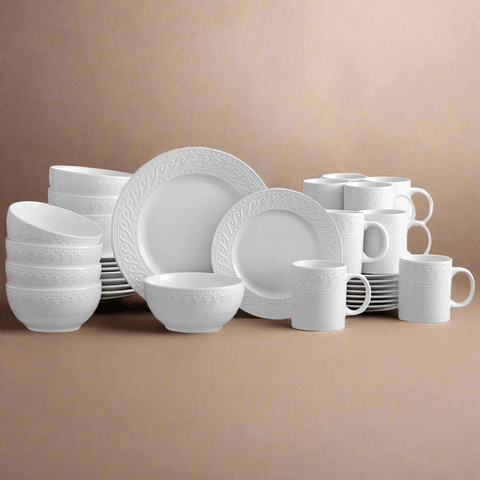
How to Clean Outdoor Dinnerware in 5 Easy Steps

Image source: Bing (Web (fair-use with source credit))
Cleaning outdoor dinnerware doesn't require expensive products or complicated routines. The process changes completely based on whether your plates are melamine, ceramic, wood, or stainless steel. Each material reacts differently to stains, heat, and harsh chemicals.
Using the wrong method can scratch surfaces, warp wood, or leave harmful residues where food touches.
Per NSF International testing, melamine surfaces degrade faster under high dishwasher heat, while ceramic glazes can withstand standard cycles. Wooden chargers must never enter a dishwasher, prolonged soaking causes warping within a single cycle. This guide breaks down exactly how to clean each type, what to avoid, and how to store your set so it lasts season after season.
Quick Answer
How to clean outdoor dinnerware depends entirely on your plate material. Start by removing loose food debris with a soft brush or dry cloth. Wash melamine with warm soapy water using a non-abrasive sponge.
Never put wooden chargers in a dishwasher, they will warp and crack over time. Rinse everything thoroughly and air-dry completely before storing.
Melamine Plates: Scrub Smart, Not Hard
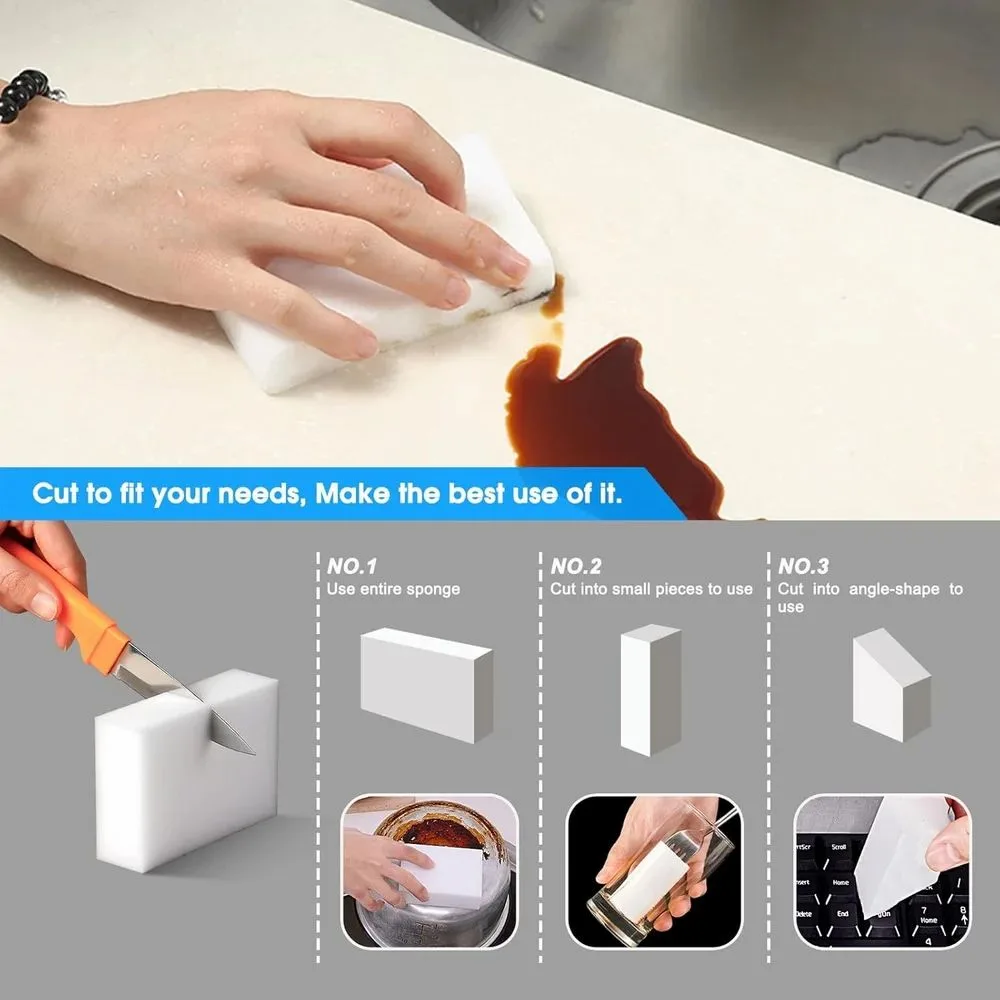
Melamine dinnerware dominates the outdoor market because it is lightweight, shatterproof, and budget-friendly. The material itself is a durable thermoset plastic, which means it handles drops far better than ceramic or glass. For similar shatter-resistant options, see our guide to shatter-resistant plate choices.
That durability does come with a catch, though. Melamine surfaces scratch easily, and those scratches become breeding grounds for bacteria and stubborn stains.
What Goes Wrong Most Often
People reach for steel wool or abrasive scrubbing pads, thinking they need extra power. Those tools leave micro-scratches that look fine initially but turn yellow and grimy within months. Another common error is throwing melamine into the dishwasher on a high-heat cycle.
Most manufacturers recommend hand-washing only, and NSF testing confirms that prolonged high heat accelerates surface degradation.
The Right Way to Wash Melamine
Soak plates in warm, soapy water for five to ten minutes. Use a mild dish detergent and a soft sponge or cloth, never scouring pads. If food is dried on, gently scrape it away with a silicone spatula before washing.
For persistent stains, make a paste from baking soda and water, apply it to the spot, let it sit for fifteen minutes, then gently rub and rinse thoroughly.
Dealing with Stubborn Stains
Wine, tomato sauce, and BBQ grease leave marks that basic soap won't lift. Soak the affected plate in a solution of one part white vinegar to four parts warm water for thirty minutes before washing normally. Avoid bleach-based cleaners unless absolutely necessary.
Never mix bleach with vinegar, that creates toxic chlorine gas. After cleaning, air-dry melamine completely before stacking or storing. Trapped moisture between stacked plates causes odors and promotes bacterial growth.
Ceramic & Glass: Avoid Thermal Shock & Harsh Abrasives
Ceramic and glass dinnerware bring real elegance to an outdoor table setting, but they demand more careful handling than melamine. Temperature changes and stain removal require attention to avoid cracks and dull finishes.
The Thermal Shock Problem
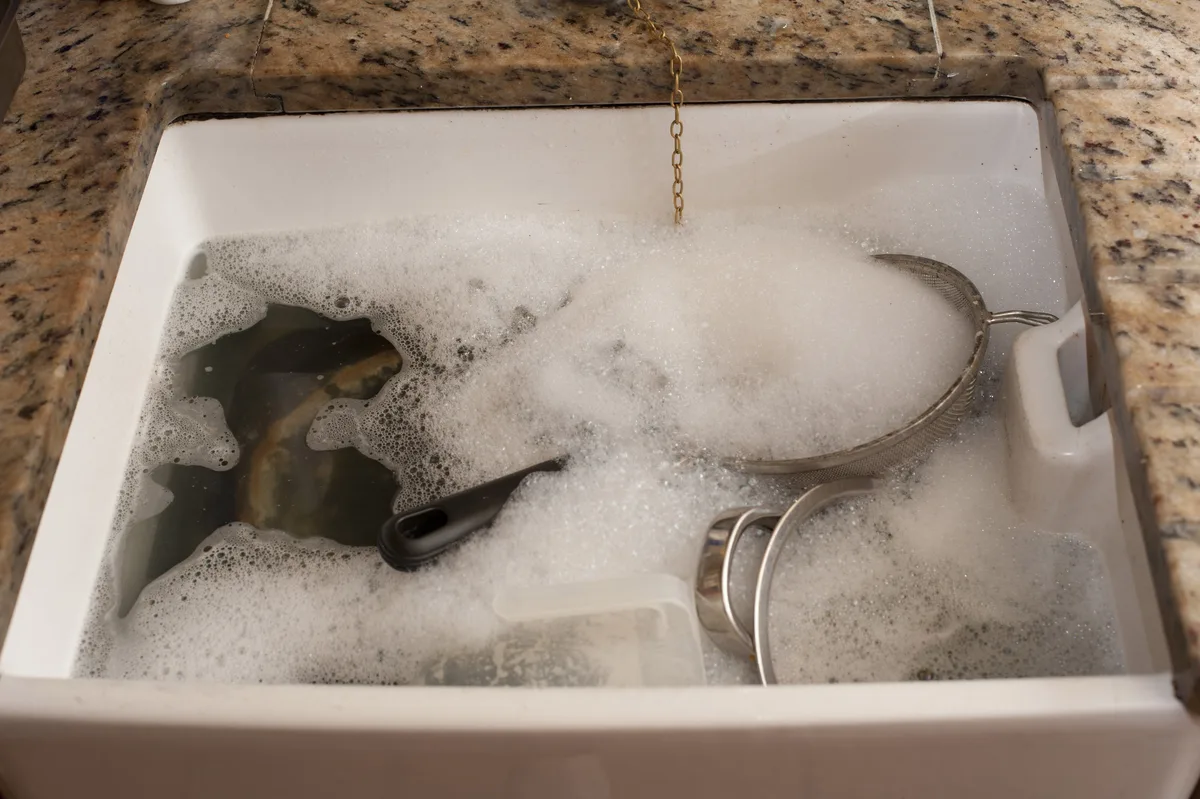
Thermal shock happens when a cold ceramic plate hits boiling water, or vice versa. The rapid temperature change causes the material to expand or contract faster than it can handle, leading to cracks or shattering. Never transfer a refrigerated ceramic plate directly onto a hot patio grill.
Always rinse with warm water before moving to hot water during washing.
Washing Stoneware and Porcelain Safely
Ceramic and stoneware can typically go in the dishwasher, but check the manufacturer's label first. Hand-washing gives you more control over stain prevention. Use warm water, a gentle detergent, and a soft sponge.
For mineral deposits and hard water rings, soak the item in a dilute white vinegar solution, equal parts water and vinegar, for twenty minutes, then scrub gently with a non-abrasive pad.
Glass dinnerware follows similar rules but is even more sensitive to sudden temperature changes. Never pour hot liquid into a chilled glass plate sitting on a cold stone countertop. Let both the glass and the surface reach ambient temperature first.
Removing Set-In Stains
Red wine, turmeric, and curry powders stain both ceramic and glass if left too long. A paste made from baking soda and a few drops of hydrogen peroxide works well on both materials. Apply the paste, let it sit for twenty minutes, then gently buff with a soft cloth and rinse completely.
Avoid lemon juice on unglazed ceramic, the acid can etch the surface over time.
Wooden Chargers & Bamboo: Prevent Warping & Mildew
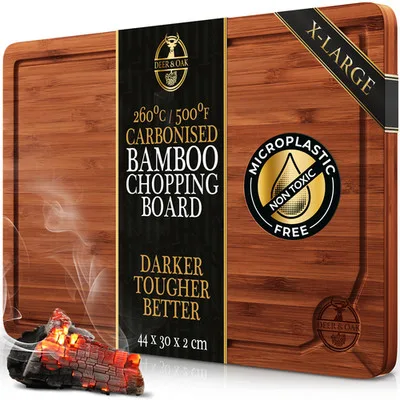
Wooden charger plates and bamboo serving boards look stunning outdoors, but they require the most maintenance of any outdoor dinnerware type. Wood is porous, organic, and thirsty, three traits that make it vulnerable to moisture damage, warping, and mildew.
Why Wood Demands Different Treatment
Unlike ceramic, glass, or melamine, wood absorbs liquids instead of resisting them. Water seeps into the grain, causing swelling and warping. Food residues trap inside those same pores, creating ideal conditions for mold and bacteria.
That is why putting wooden chargers in the dishwasher is a guaranteed way to ruin them. The combination of high heat and prolonged soaking will crack, split, and distort the wood within a single cycle.
The Hand-Wash Rule for All Wood
Always wash wooden dinnerware by hand using warm water and a small amount of mild dish soap. Use a soft brush or cloth, never steel wool or abrasive pads, which strip the protective surface layer. Rinse immediately and do not soak.
A quick dip is fine, but leaving wood submerged for more than two minutes invites warping.
Drying and Conditioning
After washing, pat wooden items dry with a clean towel, then stand them upright or lay them flat in a well-ventilated area away from direct sunlight. Sunlight speeds drying but also fades and cracks wood over time. Once completely dry, usually two to four hours, apply a thin coat of food-safe mineral oil or a dedicated cutting board conditioner.
This rehydrates the wood and creates a barrier against future moisture absorption. Re-oil every few weeks during heavy use, or monthly during off-season storage.
Killing Mildew Before It Spreads
If you notice black or green spots after rainy weather storage, those are mildew spores. Mix a solution of one part white vinegar to three parts water and wipe the affected areas thoroughly. Let the vinegar sit for ten minutes, then rinse and dry completely.
Do not use bleach on wood, it damages the fibers and leaves harmful residues on food-contact surfaces. If mildew has penetrated deep into the grain and won't come out with vinegar, sand the surface lightly with fine-grit sandpaper, then re-oil.
Stainless Steel Serving Ware: Tackle Grease & Water Spots
Stainless steel chargers, platters, and serving bowls are tough, sleek, and increasingly popular on modern patios. They resist rust and handle heat well. But they also show every fingerprint, water spot, and grease streak, which means they need regular attention to look their best.
Removing Grease and Food Residue
BBQ grease is the number-one enemy of stainless steel outdoors. Oil splatters from grilling accumulate quickly and build into a sticky film that dulls the surface. Wash stainless steel with warm water and a degreasing dish detergent.
For built-up residue, spray a mixture of equal parts water and white vinegar onto the surface, let it sit for five minutes, then scrub gently with a soft cloth or non-abrasive sponge. Rinse and dry immediately with a microfiber towel to prevent water spots.
Polishing Out Water Spots and Fingerprints
Hard water leaves white ring patterns on stainless steel, especially in areas with high mineral content. A paste of baking soda and water applied with a soft cloth lifts these spots effectively. For a faster polish, a small amount of olive oil on a dry cloth rubbed in the direction of the grain restores shine and leaves a protective film that repels fingerprints longer.
Dishwasher Safety
Most stainless steel serving ware is dishwasher-safe, but prolonged exposure to harsh detergents can eventually dull the finish. If you run stainless steel through a dishwasher, use a rinse aid and remove it promptly once the cycle ends. Air-drying inside the closed dishwasher traps moisture and encourages spotting.
For care tips on similar metal surfaces, see our guide to stainless steel flatware care.
Material vs. Stain Matrix: Pick the Right Cleaner for Your Situation
Choosing the correct cleaning method becomes much simpler when you match the stain type to your dinnerware material. Here is a practical reference table to guide you:
| Stain Type | Melamine | Ceramic & Glass | Wood & Bamboo | Stainless Steel |
|---|---|---|---|---|
| Wine or juice | Vinegar soak 30 min | Baking soda paste | Immediate wipe, oil after | Vinegar spray, dry fast |
| Tomato or curry | Baking soda paste | Baking soda + hydrogen peroxide | Soap and warm water, oil after | Degreasing detergent |
| BBQ grease | Warm soapy water, soft sponge | Degreasing detergent | Soap and warm water, re-oil | Degreaser or vinegar mix |
| Hard water rings | White vinegar solution | Diluted vinegar soak | Dry immediately, re-oil | Baking soda paste, polish |
| Mold or mildew | Vinegar wipe, dry fully | Vinegar wipe, dry fully | Vinegar solution, sand if deep | Vinegar spray, dry and oil |
| Scorched food | Soak in warm soapy water | Soak in warm soapy water | Scraping only, never abrasive | Soak, then gentle scrub |
When to Skip the Home Remedy
Some stains simply refuse to budge with household solutions. If a baking soda paste or vinegar soak has sat for its full recommended time and the mark remains, do not escalate to stronger chemicals. On melamine, aggressive scrubbing with harsh abrasives damages the surface beyond repair.
On wood, trying to strip stains often means sanding through the entire piece. Know when to accept a permanent mark rather than risk ruining the item entirely.
The One-Rule Approach for Every Material
Regardless of stain type, the golden rule stays the same: start gentle, work up only if needed, and always finish with thorough rinsing and complete drying. Rushing the process or skipping the drying step causes more long-term damage than any stain ever will.
Frequently Asked Questions
Can I put melamine plates in the dishwasher?
Most melamine manufacturers recommend against dishwasher cleaning. High heat and prolonged water exposure can warp the plastic and dull the surface over time. Hand-washing with warm soapy water and a soft sponge is safer and preserves the finish longer.
How do I remove wine stains from ceramic outdoor plates?
Create a paste using baking soda and a few drops of hydrogen peroxide. Apply it directly to the stain, let it sit for twenty minutes, then gently buff with a soft cloth. Rinse thoroughly and air-dry.
For tougher stains, soak the plate in equal parts water and white vinegar for thirty minutes first.
Is it safe to use bleach on wooden chargers?
No. Bleach damages wood fibers and leaves harmful chemical residues on food-contact surfaces. Instead, use a vinegar solution, one part white vinegar to three parts water, to kill mildew and lift surface stains without compromising the wood.
Why do my stainless steel platters get water spots?
Water spots form when hard water minerals are left to evaporate on the metal surface. The fix is simple: dry stainless steel immediately after washing with a microfiber towel. For existing spots, a baking soda paste or a light coating of food-safe mineral oil rubbed with the grain will restore shine.
How often should I re-oil wooden outdoor dinnerware?
During heavy summer use, re-oil wooden chargers and boards every two to three weeks. In off-season storage, apply a fresh coat once a month. If the wood looks dry or feels rough to the touch, it needs oil regardless of schedule.

Sophia Martinez is a culinary lifestyle writer and product reviewer for DiningGadgets.com. Passionate about blending style with functionality, she explores the latest dining essentials, kitchen décor, and cleaning hacks that transform everyday cooking spaces. With a background in home organization and design, Sophia brings readers expert advice on creating beautiful, practical kitchens that truly feel like the heart of the home.