How to Clean Your Outdoor Dining Set (Step-by-Step)
Not sure how to clean outdoor dining set pieces without ruining them? The answer comes down to one thing: identify your furniture's material first. Teak needs special care.
Powder-coated aluminium is low maintenance. Resin wicker requires thorough drying. One method does not fit every surface.
Our research into outdoor furniture care guidelines from the National Durable Patio Furniture Association confirms this branching approach. It is the single most effective way to protect your investment and keep your set looking fresh year after year. Let us walk through exactly how to do this step by step.
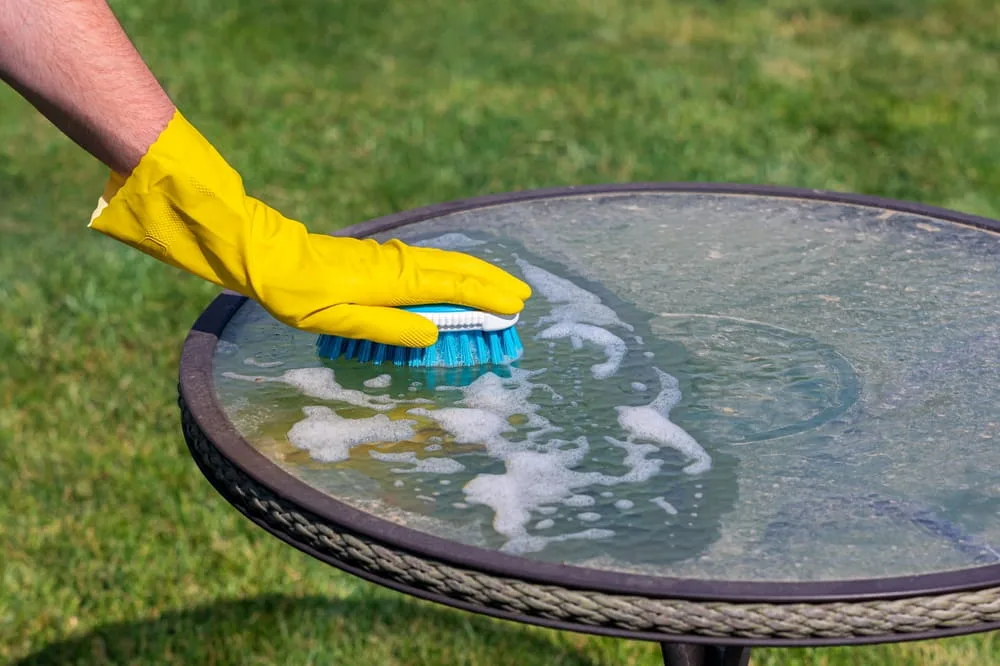
Image source: Bing (Web (fair-use with source credit))
Quick Answer
Clean an outdoor dining set by matching your method to each material. Teak needs a wood-specific cleaner brushed along the grain. Powder-coated aluminium only requires soapy water and a soft sponge.
Wrought iron needs rust inspection and metal-safe cleaner. Resin wicker must be rinsed well and dried completely to stop mould. Glass tops take standard glass cleaner.
Fabric cushions need mild detergent and full drying before reuse.
Step 1: Identify Your Set's Material (The Right Path Depends on This)
Most people grab one bottle of cleaner and spray everything equally. That is a fast track to damaged furniture. Each material has its own personality and cleaning needs.
Treat teak like wood. Treat metal like metal. Treat woven synthetic materials gently.
Using the wrong cleaner on the wrong surface causes real and often permanent damage.
Teak Wood
Teak is dense and naturally oily. Those oils resist rot and insects really well. Over time though, sun and rain turn that warm honey color into a silvery gray patina.
You can restore the original color with teak cleaner and oil. Or you can simply embrace the weathered look. Either choice is valid.

Image source: Web (Bing) / alibaba.com (Web image (fair-use with source credit))
A soft nylon brush, warm water, and a dedicated teak cleaner handle routine cleaning. Skip the pressure washer entirely. High pressure splinters teak fibers and ruins the surface texture.
For stubborn stains, a paste of baking soda and water applied gently removes marks without damaging the wood grain.
Powder-Coated Aluminium
Aluminium is the low-maintenance champion of outdoor furniture. The powder coating shields it from corrosion and the frames stay lightweight. Regular washing with soapy water and a soft brush keeps it looking fresh.
The coating scratches easily if you are careless. Avoid steel wool, abrasive scouring pads, and harsh chemical cleaners. Those products strip the finish and expose bare metal to moisture.
A mild dish soap solution and a microfiber cloth handle most buildup without risk.
Wrought Iron
Wrought iron delivers that classic aesthetic but demands regular attention. Paint or powder coating provides protection, but once that layer chips, rust spreads quickly. Start by brushing away loose rust with a wire brush.
Then apply a rust-inhibiting primer before touching up with paint.
Regular inspections catch trouble early. Check joints, welds, and cushion contact zones. Those spots collect moisture and degrade protective coatings faster than exposed areas.
Resin Wicker and All-Weather Rattan
Resin wicker weaves mimic natural rattan but use synthetic polymers. Dirt settles deep inside tight weaves and mould loves hiding there too. Mix mild dish soap with warm water and scrub the weave with a soft brush.
Rinse thoroughly and let the frame air dry completely before replacing cushions.
Do not seal resin wicker with wood stain or varnish. That traps moisture inside and speeds up degradation instead of preventing it. If you see cracking or fraying in the weave, the piece likely needs replacement rather than restoration.
Glass Table Tops and Outdoor Fabrics
Glass tops respond well to standard glass cleaner and a microfiber cloth. Hard water spots clear up with a vinegar-water mix. Outdoor fabrics handle a blend of mild detergent and warm water best.
Always check the manufacturer's care label first since some fabrics carry special coatings that react poorly to certain chemicals.
Fabric cushions should wash individually and dry completely before returning to the frame. Damp cushions breed mould and develop unpleasant odors within days.
Step 2: Follow the Right Cleaning Workflow for Your Material
Each material needs its own workflow. Get this wrong and you risk permanent damage to your investment.
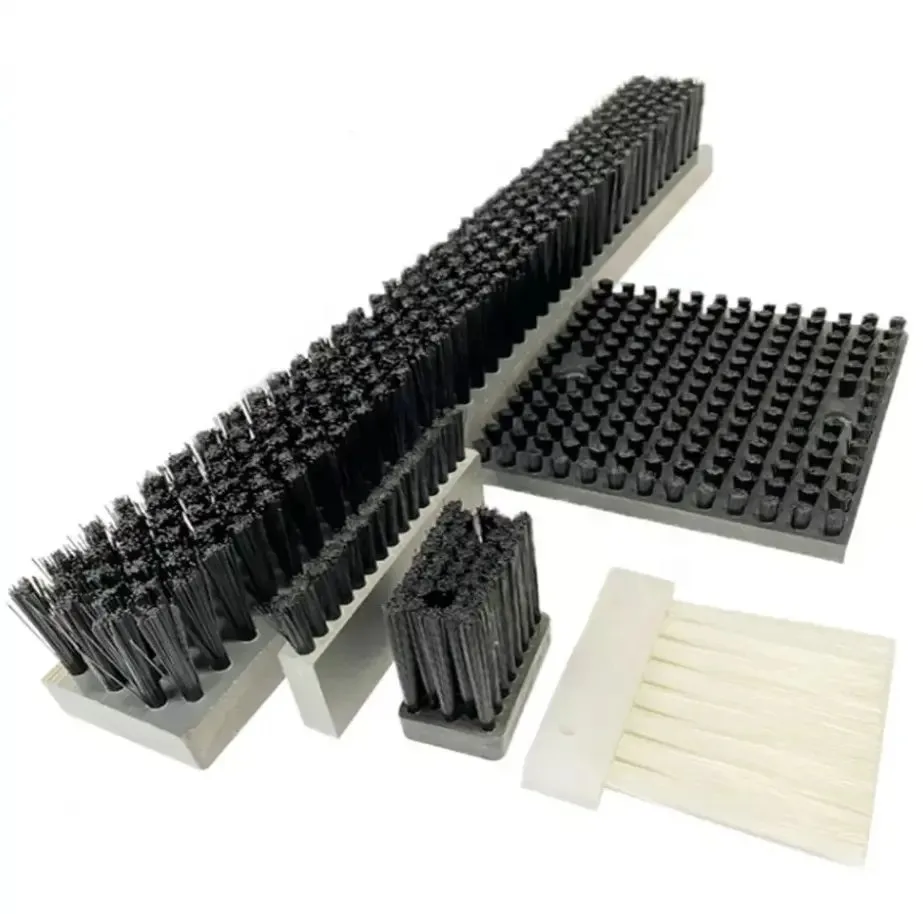
Image source: Web (Bing) / mengranbrushchina.en.made-in-china.com (Web image (fair-use with source credit))
The Teak Restoration Path
Apply teak cleaner with a soft brush following the grain direction. Scrub gently then rinse thoroughly. Allow the wood to dry for 24 to 48 hours before applying sealer or oil if you want to preserve color.
Reapply every six to twelve months depending on sun exposure. Skip the oil entirely if you prefer the natural silver patina.
The Metal Frame Path
Aluminium frames only need soapy water and a soft sponge. Rinse well and dry with a clean cloth to prevent spotting. Wrought iron takes a bit more effort.
Remove loose rust with a wire brush, apply touch-up paint, and let it cure fully before placing cushions back. Keep a paint pen in your garage for quick seasonal touch-ups.
The Wicker and Fabric Path
Mix mild dish soap with warm water and scrub resin wicker using a soft brush. Work the solution deep into the weave then rinse thoroughly. Air dry completely before putting anything back on the frame.
Check inside the weave by running your finger through it. If it feels damp, keep drying.
Wash fabric cushions individually when possible. Spot-treat stains first then launder the entire cushion if needed. Dry everything in direct sunlight whenever weather allows.
UV light kills mould spores naturally.
The Universal First Steps (Every Set Needs This)
Before applying any material-specific workflow, run through these universal steps. They apply to every outdoor dining set regardless of construction type.
Remove all cushions and portable accessories first. Set them aside in a sheltered location. Next sweep or vacuum the furniture surfaces to remove loose dirt, leaves, and debris.
Do not skip this step. Washing dirty furniture just creates mud and spreads grime across every surface.
Use a soft-bristle brush or a vacuum with a brush attachment for loose debris. Pay special attention to crevices, joints, and the underside of seats. Move furniture slightly if possible so you can clean underneath as well.
Inspect the entire set for damage before applying any cleaning solutions. Look for loose joints, cracked welds, frayed fabric, or splintered wood. Address structural issues first since cleaning over damaged areas wastes time and effort.
These preparation steps take roughly five to ten minutes and prevent countless mistakes down the line. They also give you a chance to evaluate whether any components need repair or replacement before investing energy in cleaning.
Common Cleaning Mistakes That Damage Furniture
Even experienced homeowners make these errors. Avoiding them saves money and prevents costly replacements.
Using a pressure washer incorrectly causes the most damage. Keep the nozzle at least 12 inches from the surface. Use a wide fan tip rather than a narrow jet.
Hold the wand at a 45-degree angle and move continuously. Never hold the stream in one spot. Pressure washers on high settings blast through powder coatings, split teak fibers, and force water into upholstered cushions.
Applying bleach directly to teak destroys the wood's natural oils. It also fades fabric colors permanently. If you must use bleach for mould removal, dilute it heavily and rinse immediately.
Never pour undiluted bleach onto any outdoor furniture surface.
Letting cleaning solutions dry on surfaces creates residue and potential staining. Work in small sections. Apply cleaner, agitate with a brush, and rinse before the solution dries.
This matters most in direct sunlight where evaporation happens rapidly.
Skipping the drying step is arguably the most common mistake. Damp metal invites rust. Damp wicker breeds mould.
Damp cushions develop odors and structural breakdown. Always ensure complete dryness before reassembly or covering.
Using the wrong brush damages finishes. Steel wool scratches powder coating. Wire brushes on teak gouge the wood grain.
Match your tool to the material. Soft nylon for aluminium and teak. Natural bristle for delicate surfaces.
Steel wire only for active rust removal on wrought iron.
Simple Maintenance Schedule to Keep It Looking New
You do not need a full deep clean every week. Consistent light maintenance prevents heavy buildup and extends furniture life dramatically.
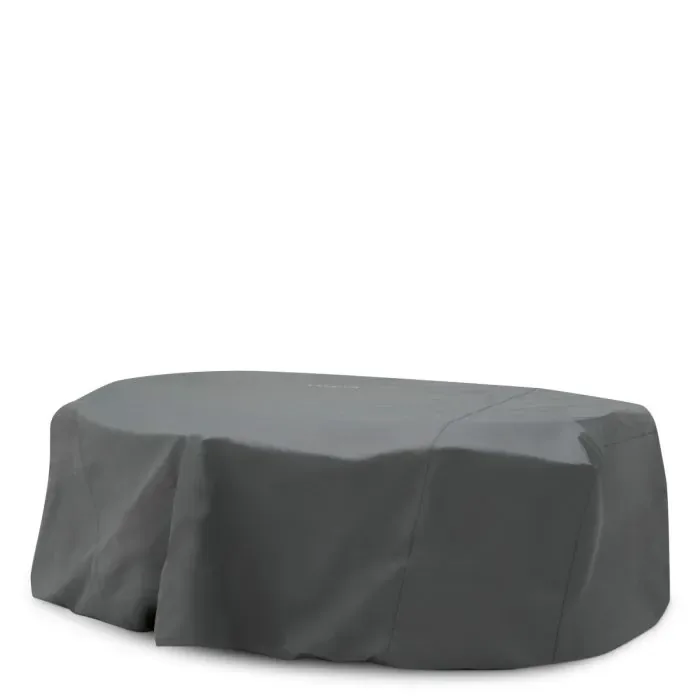
Image source: Web (Bing) / wilhelminadesigns.com (Web image (fair-use with source credit))
Weekly, sweep or vacuum surfaces to remove debris. Spot-clean spills immediately before they stain or etch. Check cushions for dryness and rotate them for even wear.
Monthly, wash frames with soapy water and inspect for early signs of rust or coating damage. Turn cushions to promote even sun exposure and prevent fading on one side.
Seasonally, perform the full material-specific workflows outlined earlier. Spring and fall are ideal times for thorough cleaning and inspection.
Before winter storage, clean everything thoroughly and ensure it is completely dry. Use breathable furniture covers that allow airflow. Plastic tarps trap moisture and create the perfect environment for mould growth.
After severe weather events, inspect for damage and clear debris from drainage gaps. Address any new issues immediately rather than letting them worsen. A consistent schedule takes roughly ten minutes per week and prevents overwhelming deep-cleaning projects.
What It Costs to Clean Your Outdoor Dining Set Properly
You do not need expensive professional services to maintain your furniture. Most materials clean effectively with basic household supplies. Here is what you actually need and what it typically costs.
| Item | Typical Price Range | Notes |
|---|---|---|
| Soft nylon brush set | $8–15 | Essential for all materials |
| Teak cleaner solution | $10–25 per bottle | Lasts several cleanings |
| Microfiber cloths pack of 5 | $6–12 | Reusable and effective |
| Mild dish soap | $2–4 | Works for most surfaces |
| Rust remover or touch-up paint | $5–15 | Wrought iron maintenance |
| Vinegar for glass and stains | $1–3 | Multi-purpose alternative |
| Furniture covers per piece | $15–40 | Breathable fabric recommended |
Most homeowners spend between $25 and $50 annually on cleaning supplies. A pressure washer adds upfront cost but reduces labor time significantly if you use it correctly.
Professional deep-cleaning services run from $100 to $300 depending on set size and condition. DIY cleaning achieves similar results when you follow material-specific methods.
The investment pays off quickly. A well-maintained outdoor dining set lasts five to ten years longer than neglected furniture. Even basic care prevents replacement costs that range from $500 to $2,000 or more for quality sets.
Frequently Asked Questions
How often should I deep clean my outdoor dining set?
Plan a full deep clean once or twice per year depending on climate and usage. Homes in high-traffic areas or coastal zones benefit from seasonal cleanings in spring and fall. Light monthly maintenance keeps buildup from becoming a heavy project later.
Can I use a pressure washer on my outdoor dining set?
Yes, but only with caution. Use a wide fan tip, keep the nozzle at least 12 inches away, and maintain a 45-degree angle while moving continuously. Never target joints, welds, or softwood surfaces directly.
Pressure washers damage powder coatings and splinter teak when used incorrectly.
How do I remove rust from wrought iron furniture?
Start by scrubbing loose rust with a wire brush until you reach solid metal. Apply a rust converter or inhibitor, then prime and paint the area with exterior-grade metal paint. For light surface rust, a paste of baking soda and water applied with steel wool works as a gentler alternative.
What is the best way to clean outdoor fabric cushions?
Remove cushion covers if the design allows it. Machine wash on gentle with mild detergent and air dry completely before reinstalling. For non-removable covers, spot-clean stains with a fabric-safe cleaner and sponge.
Never store cushions while damp since mould develops within 24 hours in warm conditions.
Should I cover my outdoor dining set when not in use?
Breathable fabric covers protect against debris, UV fading, and bird droppings without trapping moisture. Avoid plastic tarps that create condensation inside. Covers work best after the furniture is clean and completely dry.
Store cushions indoors during heavy rain or winter months when possible.

Sophia Martinez is a culinary lifestyle writer and product reviewer for DiningGadgets.com. Passionate about blending style with functionality, she explores the latest dining essentials, kitchen décor, and cleaning hacks that transform everyday cooking spaces. With a background in home organization and design, Sophia brings readers expert advice on creating beautiful, practical kitchens that truly feel like the heart of the home.