Clean Camping Kitchen Gadgets in Minutes
Cleaning your camping kitchen gear isn't just about removing grime. It's about preventing foodborne illness and protecting fragile wilderness ecosystems. Whether you're scrubbing a cast iron skillet after a trail breakfast or disinfecting a cooler full of perishables, the right method keeps your group safe and your equipment ready for the next adventure.
We've seen how improper sanitation can turn a backcountry meal into a health hazard, especially when water is scarce and medical help is miles away.
Per CDC and USDA guidelines, unsafe food handling is a leading cause of outdoor illness, and grease-laden dishes can pollute local waterways if greywater isn't managed correctly. The key is matching your cleaning routine to both the material of your gear and the Leave No Trace rules of your campsite. Let's break down exactly how to handle each type of camping kitchen gadget safely and effectively.
Quick Answer
To clean camping kitchen gadgets, scrape food residue into trash before washing. Use minimal hot water and biodegradable soap for greasy cookware. Sanitize surfaces with a diluted bleach solution or boiling water.
Dispose of greywater at least 200 feet from any water source. Dry all items completely to prevent rust and mold.
Why Camp Kitchen Cleaning Is a Safety Issue, Not Just Chores
Your camp kitchen is a cross-contamination zone. Raw meat juices can drip onto clean utensils, and stale food particles left in coolers attract wildlife. The CDC emphasizes that bacteria like Salmonella and E. coli thrive in warm, moist outdoor conditions.
Skipping a proper sanitizing step can lead to serious foodborne illness when you're far from a pharmacy.
Beyond personal health, dirty greywater harms the environment. Soap, oil, and food scraps washed directly into streams disrupt aquatic life and concentrate pollutants. The Leave No Trace principle of "proper waste disposal" exists to keep trails and campsites healthy for everyone.
When you manage your kitchen runoff responsibly, you protect both your health and the backcountry you love exploring.
For a deeper look at how food safety standards apply outside the home, check the USDA's outdoor cooking guidelines. These resources clarify why a quick rinse isn't enough when you're sharing a pot with a group of hungry hikers.
The Right Cleaning Method for Each Type of Camping Gear
Different materials demand different cleaning approaches. Using the wrong tool can strip seasoning, scratch non-stick coatings, or damage stove components. Here's how to tackle each category without causing permanent wear.
Cast Iron Skillets and Dutch Ovens
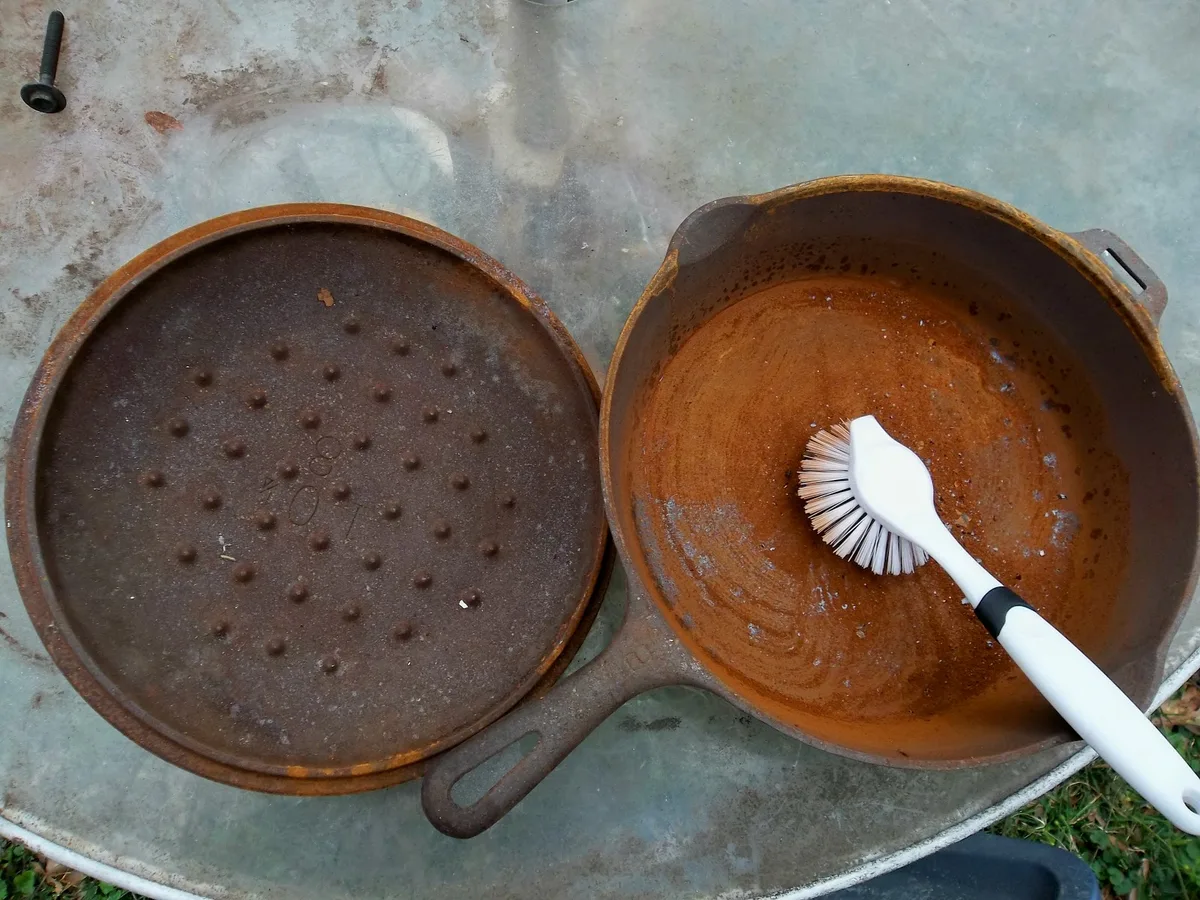
Cast iron loves heat but hates harsh detergents. Soap can degrade the polymerized oil layer that gives the pan its natural non-stick surface. Instead, scrape out food while the pan is still warm.
For stuck-on bits, use a stiff nylon brush or a paste of coarse salt and a little water. Rinse with hot water only, dry thoroughly over low heat, and apply a thin coat of oil to maintain the seasoning. Avoid soaking cast iron overnight, as water can promote rust on bare metal spots.
Non-Stick Pots and Enamel Cookware
Non-stick surfaces scratch easily, so opt for soft sponges rather than abrasive pads. Enamel on steel pots can crack if cleaned while scorching hot due to thermal shock. Let both types cool slightly before washing.
Use a mild biodegradable dish soap and a non-abrasive scrubber. For stubborn stains on enamel, a baking soda paste lifts residue without scoring the surface. Never use metal utensils during cooking or cleaning to preserve the coating.
Portable Camping Stoves and Burner Systems
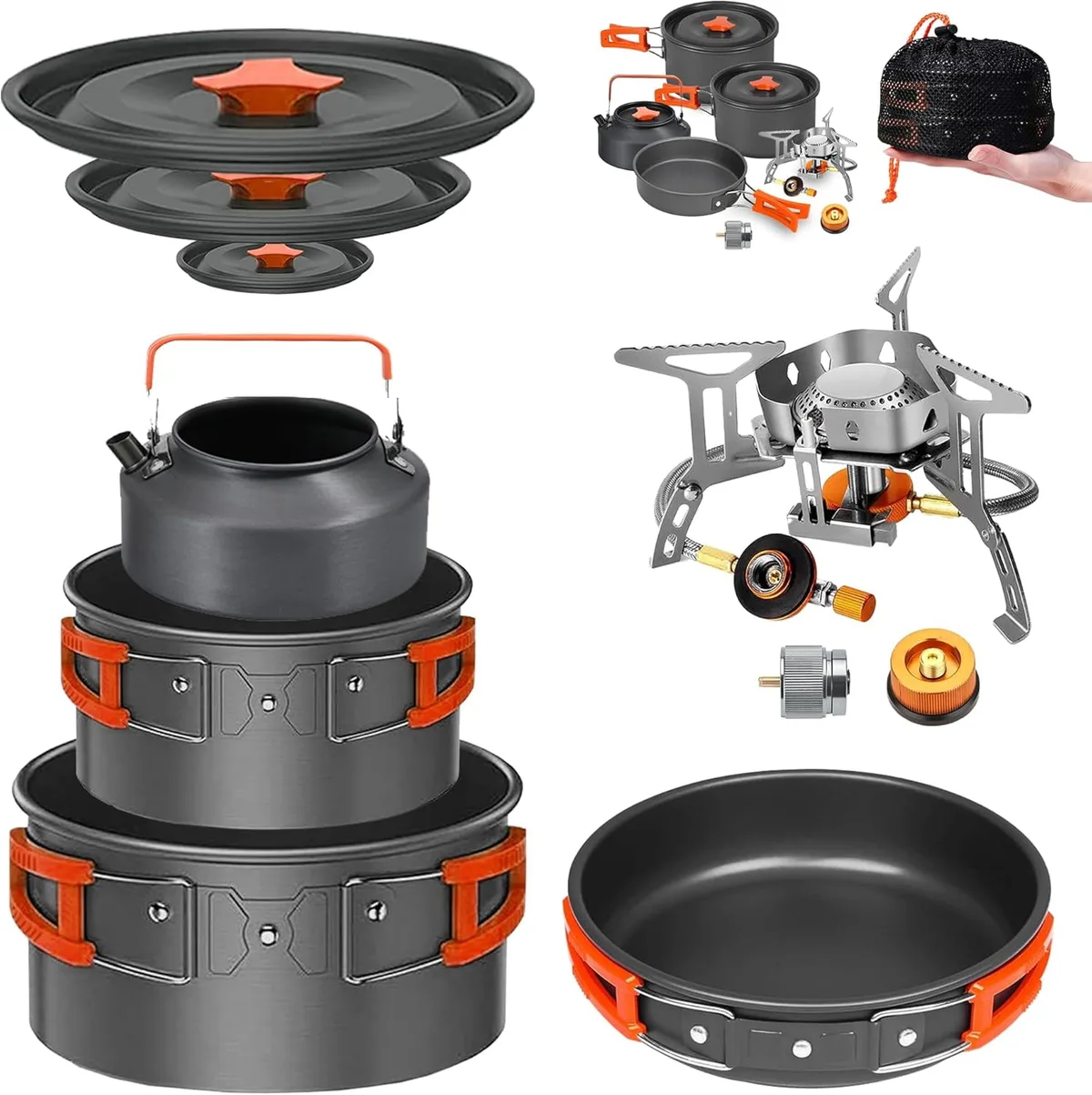
Grease and food debris clog stove jets and wind screens, leading to poor flame performance. After each use, let the stove cool completely. Wipe the exterior with a damp cloth and dish soap.
Remove the burner head according to the manufacturer's instructions and clear ports with a thin brush or compressed air. For liquid-fuel stoves, carry a dedicated cleaning kit with jet tools and a small brush. Regular maintenance prevents clogging and extends the life of your heat source significantly.
Coolers and Food Storage Containers
Coolers harbor mold spores and rancid odors in drain plugs and rubber gaskets. Empty leftover ice and drain water immediately after unpacking. Wash interiors with warm, soapy water using a bottle brush for corners.
For disinfection, spray a solution of one part white vinegar to four parts water, let sit for ten minutes, then rinse. Always leave the lid propped open during drying to circulate air and inhibit microbial growth. Store food in sealed, leak-proof containers rather than loose bags to reduce cleanup time.
Water Jugs, Thermometers, and Small Tools
Collapsible water bladders and rigid jugs develop film inside if not dried upside down. Clean with a dilute bleach solution (one tablespoon unscented bleach per gallon of water), shake well, and rinse thoroughly. Thermometer probes should be sanitized with alcohol wipes between uses to avoid cross-contamination.
Metal utensils like sporks and tongs can be soaked in warm soapy water and scrubbed with a small brush. Always check for sharp edges or damaged handles before packing gear away.
Leave No Trace Rules for Greywater Disposal
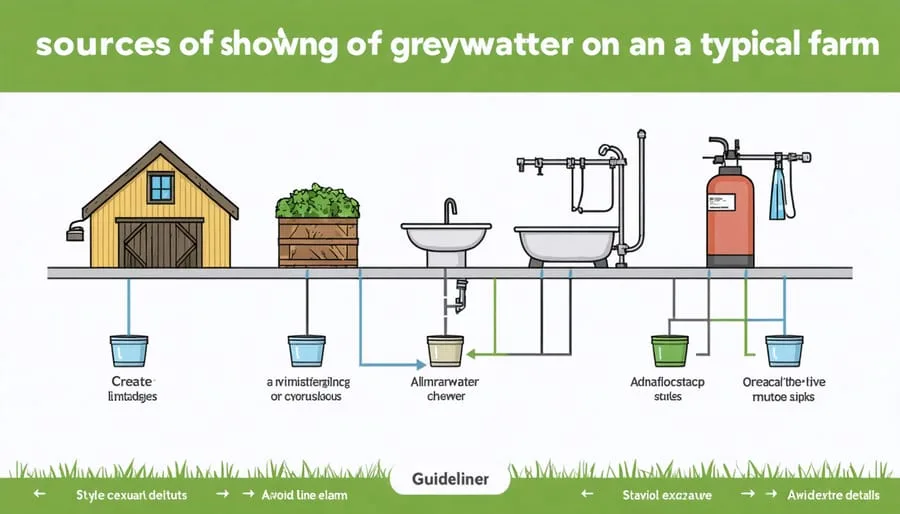
Greywater from dishwashing contains food particles, soap, and oils that can contaminate sensitive water sources. The National Park Service recommends using a two-basin system: one for washing with biodegradable soap, another for rinsing with clean water. Strain food scraps through a fine mesh and pack them out with your trash.
Disperse the strained greywater widely across durable surfaces at least 200 feet from lakes, streams, or springs.
Biodegradable soap breaks down more easily than conventional formulas, but it still leaves residues in the environment. The Leave No Trace Center for Outdoor Ethics advises using only small amounts of certified biodegradable soap and spreading it thinly. Never pour soapy water directly onto vegetation or into soil near waterways.
At established campsites with communal sinks, follow posted regulations for soap choice and drainage. When in doubt, treat all greywater as a potential pollutant and plan your washing strategy to minimize impact.
For detailed guidance on backcountry sanitation, refer to the NPS's Leave No Trace website. Their materials explain how small actions, like proper greywater disposal, add up to preserving wilderness areas for future visitors.
Common Mistakes That Cause Foodborne Illness or Ruin Gear
Even experienced campers make cleaning errors that compromise safety or damage equipment. One frequent mistake is using regular dish soap on cast iron, which strips the seasoned surface and leaves food sticking to future meals. Another is rinsing cookware with untreated stream water, introducing harmful bacteria directly onto clean utensils.
Always bring enough potable water for final rinses, or use a sanitizer step if water is limited.
Cooler neglect is equally problematic. Leaving wet sponges or damp cloths inside a sealed cooler creates a breeding ground for mold and unpleasant odors. After cleaning, allow every compartment to air-dry completely before storing.
Similarly, ignoring the stove's burner jets after a trip leads to clogging and uneven heating, forcing costly repairs or replacements. Make a habit of wiping down all equipment before packing it away, and inspect seams and seals for trapped moisture. These small habits prevent both health risks and gear degradation over time.
Another common error involves using steel wool on non-stick surfaces. The abrasive wires scratch coatings and leave metal fragments behind. Opt for nylon scrubbers instead, which clean effectively without damaging sensitive finishes.
Some campers also skip the sanitizing step entirely, assuming that washing with soap is sufficient. Soap removes visible dirt, but it doesn't kill bacteria. A simple rinse with a diluted bleach solution takes less than a minute and provides an extra layer of protection.
Don't forget about trash management either. Food scraps attract ants, raccoons, and bears to your campsite. Scrape plates into your trash bag before washing, and store waste in bear-proof containers when required.
Proper trash handling keeps wildlife away and reduces the amount of residue you need to clean from your gear. Small choices compound into big differences in both safety and convenience.
Post-Trip Deep Clean to Prevent Mold, Rust, and Persistent Odors
A thorough post-trip cleanup restores your gear to like-new condition and stops problems before they start. Start by disassembling any removable parts from stoves, coffee makers, and utensil sets. Soak metal items in warm, soapy water to loosen baked-on grease.
For cast iron, inspect the seasoning for bare spots and reapply a thin coat of cooking oil if needed. Use a soft brush to clean cooler drains and gaskets, then wipe interiors with a vinegar solution to neutralize odors.
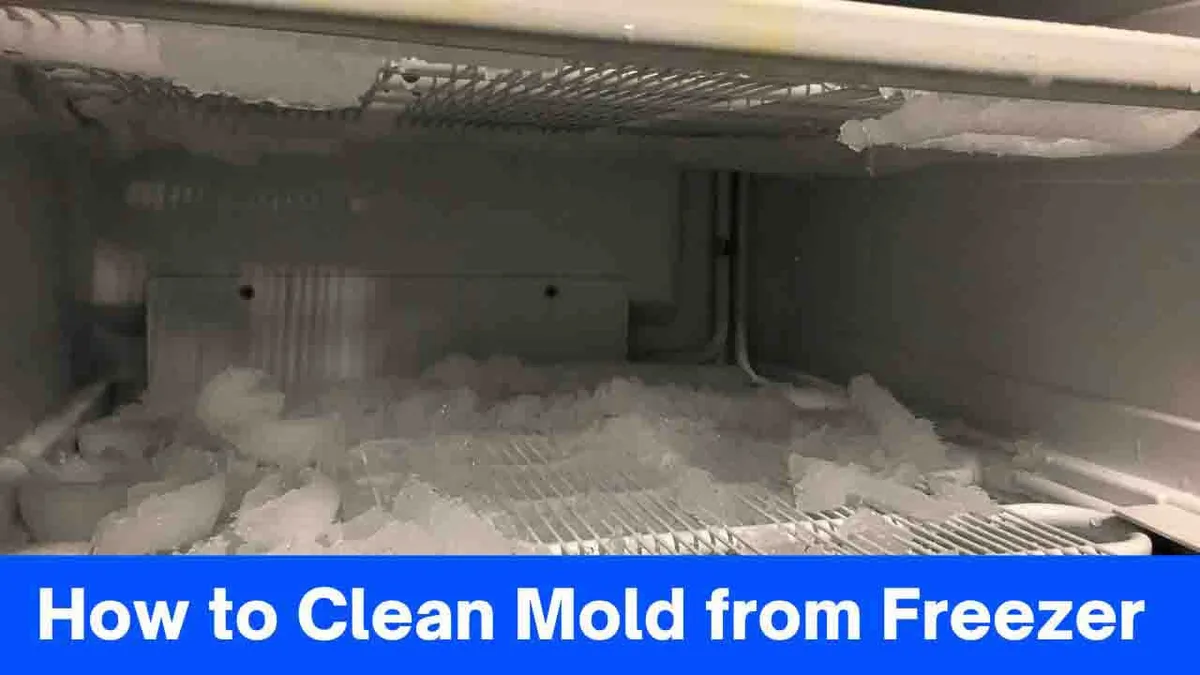
Allow everything to dry fully in a well-ventilated area before storing. Pack clean, dry items in breathable bags rather than airtight containers to discourage moisture buildup. Check water jugs for lingering smells; if present, run a cycle with baking soda and water, then rinse thoroughly.
For fabric aprons or reusable snack bags, wash according to care labels. This routine ensures your camping kitchen stays sanitary and ready for your next outing, whether it's a weekend car-camp or a week-long backcountry trek.
Rust prevention deserves special attention. After washing steel or iron items, dry them completely using low heat on a stove or by hanging them in direct sunlight. Apply a light film of cooking oil to protect bare metal surfaces.
Store coolers with doors slightly ajar to promote airflow and prevent musty conditions during long storage periods. These steps extend the life of your gear and keep it tasting fresh for future meals.
Frequently Asked Questions
Can I use regular dish soap in the backcountry?
Yes, but only biodegradable formulas and only when proper greywater disposal is possible. Traditional soaps leave chemical residues that harm aquatic life. Always strain food particles and disperse water widely away from sources, following local regulations.
How do I remove black mold from my cooler?
Mix equal parts white vinegar and water, spray generously inside, and let sit for an hour. Scrub with a soft brush, especially around drain plugs and gaskets. Rinse thoroughly and air-dry completely with the lid open to prevent regrowth.
What's the fastest way to sanitize camping utensils?
Boiling water is effective and requires no chemicals. Submerge utensils for one minute after washing with soap. Alternatively, use a diluted bleach solution (one tablespoon per gallon) and rinse well.
Both methods kill most pathogens quickly.
Should I ever soak cast iron cookware?
Avoid prolonged soaking, as water seeps into pores and causes rust. Quick rinses are fine, but always dry immediately on low heat and apply a thin oil layer. For heavy residue, use coarse salt as a gentle abrasive instead.
How do I clean a clogged camping stove jet?
Turn off the fuel supply and let the stove cool. Use a dedicated jet tool or a thin brass wire to clear the orifice gently. Avoid steel pins that can enlarge the hole.
Refer to your manufacturer's manual for specific steps.

Sophia Martinez is a culinary lifestyle writer and product reviewer for DiningGadgets.com. Passionate about blending style with functionality, she explores the latest dining essentials, kitchen décor, and cleaning hacks that transform everyday cooking spaces. With a background in home organization and design, Sophia brings readers expert advice on creating beautiful, practical kitchens that truly feel like the heart of the home.