Leaky, Spilling, Cold? Fix Every Travel Mug Problem
Leaking seals, strange smells, and lukewarm coffee are common travel mug problems and solutions that frustrate daily commuters. Instead of tossing your favorite tumbler, you can usually fix it with a few simple steps. Understanding how insulation works and what wears out makes repair straightforward.
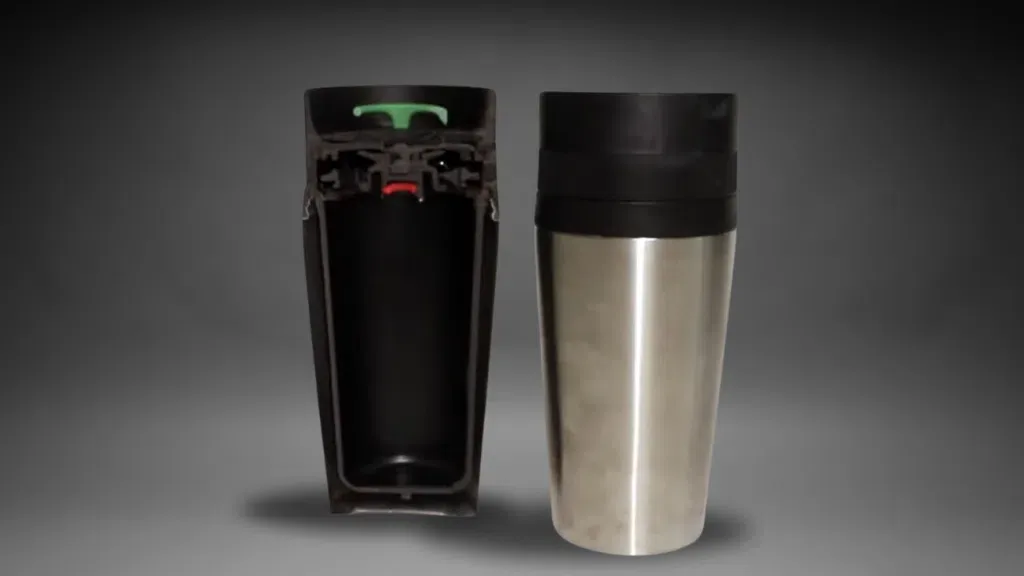
Our research shows that most failures stem from degraded silicone gaskets or failed vacuum seals rather than broken bodies. Aggregate user feedback confirms that replacing a worn seal extends a mug's life significantly. Most reputable brands offer replacement parts and repair guides to help you get back to drinking hot coffee on time.
Let's walk through the most frequent issues and the exact steps to resolve them.
Quick Answer
Most travel mug problems stem from three main sources: seal degradation, vacuum failure, or buildup inside the cup. You can stop leaks by cleaning or replacing the silicone gasket. Restore heat retention only if the vacuum seal remains intact.
Eliminate odors using a vinegar soak or baking soda paste. Check the manufacturer's care guide for specific maintenance instructions.
What's Wrong With My Travel Mug? Fix It Here
Before attempting any repairs, pinpoint exactly which component is failing. This diagnostic table helps you match your symptom to the likely culprit so you know where to start.
| Symptom | Most Likely Cause | First Thing to Check |
|---|---|---|
| Liquid leaks into bag | Worn or misaligned silicone seal | The ring inside the lid |
| Drink goes cold or hot fast | Broken vacuum seal | The temperature of the outer wall |
| Musty or plastic smell | Mold or trapped moisture | The crevices under the flip lid |
| Brown rings or stains | Tannin buildup from coffee | The interior stainless steel surface |
| Lid won't lock or stay shut | Debris in the latch mechanism | The sliding track or hinge area |
Identify Your Problem — Quick Diagnostic
Start by testing the mug with water at room temperature before filling it with hot liquids. If it leaks during this test, you have a physical seal issue rather than a pressure problem. Inspect the lid closely.
Sometimes a tiny hairline crack in the plastic causes a slow drip that ruins your bag. If the outside feels warm while hot coffee sits inside, the double-wall insulation has failed. That is a permanent structural defect that cannot be repaired.
How to Fix Common Travel Mug Problems
Once you identify the symptom, follow these targeted steps to restore functionality. Each solution addresses the root cause directly.
Stop Leaks in Under 5 Minutes
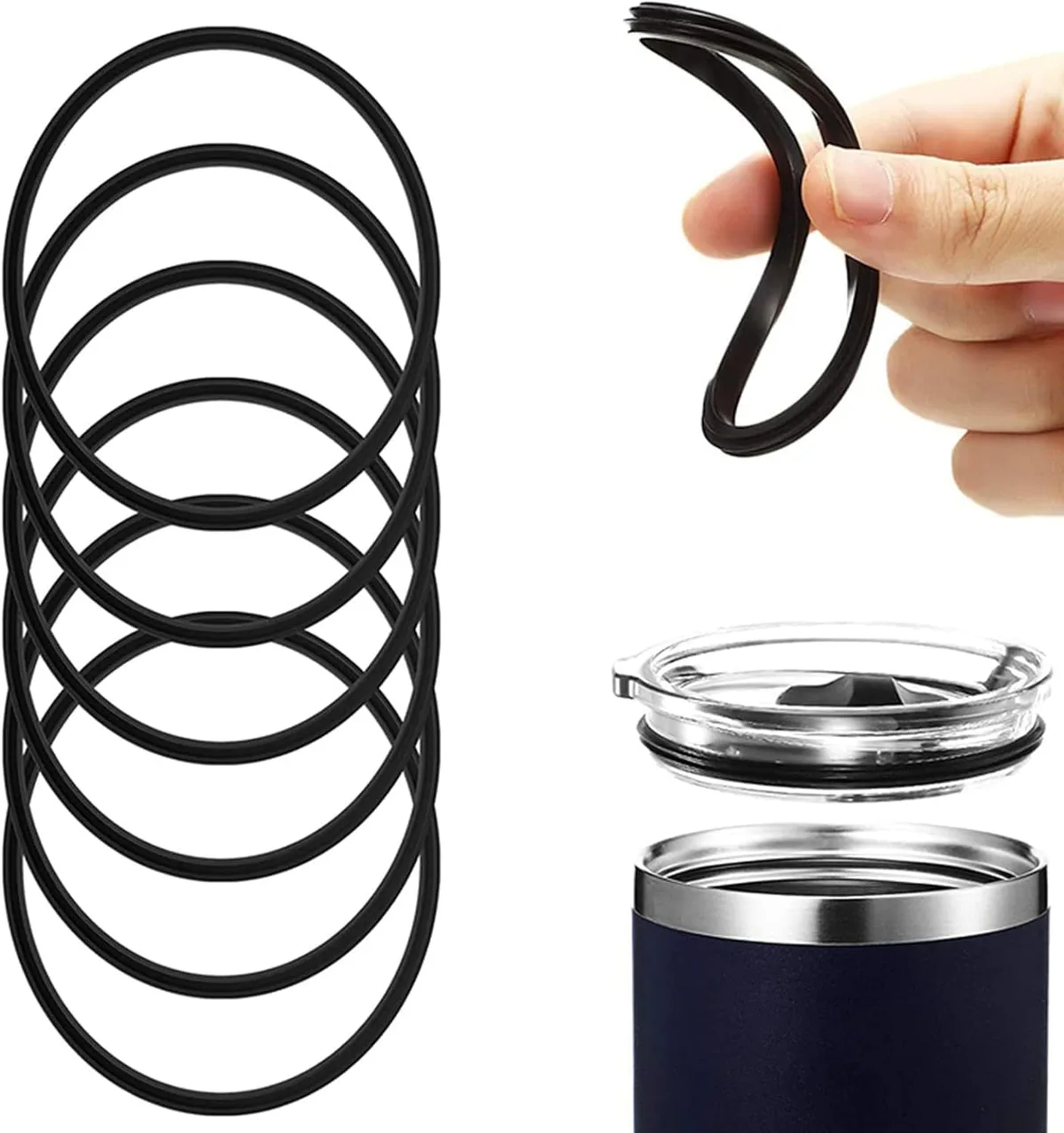
Leaks almost always come from a compromised seal between the lid and the mug body. Remove the silicone O-ring from the lid and wash it thoroughly with warm, soapy water. Check for cracks, nicks, or flattening that prevents it from returning to its original shape.
If the ring looks damaged, purchase a universal replacement that matches your mug's diameter. Reinstall it carefully and ensure it sits evenly in its groove without twisting.
Sometimes the issue is debris caught in the sealing channel instead of the ring itself. Use a toothpick or small brush to clear out any coffee grounds or mineral deposits. Screw the lid back on firmly and test it upside down over the sink before putting it in your bag.
If the leak persists, check the threads on the lid for cross-threading or damage.
Restore Temperature Retention
If your mug no longer keeps drinks hot, the vacuum seal between the inner and outer walls has likely failed. Verify this by touching the outer wall after pouring in boiling water. If it warms up quickly, the vacuum is gone and insulation performance is lost forever.
There is no DIY fix for a broken vacuum seal.
Rule out simple causes first. Ensure the lid is closed tightly since an open lid allows heat to escape rapidly via evaporation. Clean the interior surfaces to remove thick mineral buildup, which can interfere with heat distribution.
If the seal is intact but retention is poor, the mug may simply be reaching the end of its lifespan. Reputable insulated products typically maintain performance for several years with proper care.

Eliminate Odors and Remove Stains
Persistent odors and stains usually come from organic residues and tannins bonding to interior surfaces. To remove odors, mix one part white vinegar with one part warm water and fill the mug. Let it sit for at least thirty minutes, then rinse thoroughly.
For tougher smells, add a tablespoon of baking soda to the mixture and let it fizz overnight.
Stains require gentle abrasive action without damaging the stainless steel. Make a thick paste using baking soda and a little water, then scrub the interior with a soft sponge or bottle brush. Avoid steel wool or harsh scouring pads since they scratch the surface and make future staining worse.
Rinse well and air dry completely before the next use.
Clear Mold and Mildew From Lids
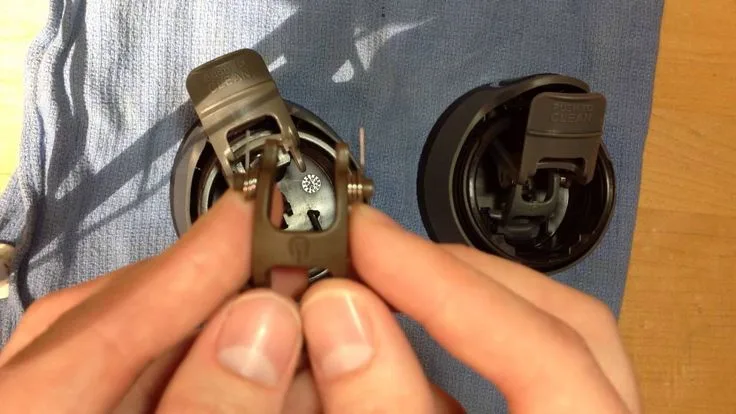
Lids are the most common breeding ground for mold because moisture gets trapped in their complex mechanisms. Disassemble every removable part, including the silicone gasket, the slider, and any rubber seals. Soak these components in warm water mixed with a splash of bleach or a denture-cleaning tablet.
Use an old toothbrush to scrub every crevice, paying special attention to the areas where the silicone sits.
Allow all parts to air dry completely on a clean towel before reassembling. Never put the lid back on a damp mug since this restarts mold growth immediately. For hard-to-reach spots inside the hinge, use a small detailing brush or a cotton swab dipped in your cleaning solution.
Regular disassembly and drying after each use prevents this problem from recurring.
Fix Lid Mechanism Issues
A sticky or broken lid often results from dried liquid residue acting like glue in the moving parts. Start by rinsing the lid under warm water to dissolve any sticky spills. If the slider still feels stiff, apply a tiny amount of food-grade silicone lubricant to the tracks.
Wipe away any excess to avoid attracting dust and dirt.
If the spring inside the lid has broken or popped out, you will need to replace the entire lid assembly. Many manufacturers sell replacement lids separately, which is much more economical than buying a new mug. Check the brand name stamped on the bottom of your mug and search for official replacement parts online.
Maintenance and Prevention Checklist
Preventing problems is far easier than fixing them later. Follow this routine to keep your travel mug performing like new.
- Rinse the mug with warm water immediately after every use to prevent residue from drying.
- Wash removable lid parts weekly with warm, soapy water and a dedicated brush.
- Perform a deep clean with vinegar or baking soda once a month to remove buildup.
- Inspect the silicone seal every few months for signs of wear, cracking, or stretching.
- Store the mug with the lid off to allow airflow and prevent musty odors.
- Avoid using the dishwasher unless the manufacturer explicitly states it is safe.
- Do not place coated mugs in the dishwasher's heated dry cycle since extreme heat damages the finish.
Regular maintenance protects your investment and ensures your coffee stays hot without any unpleasant surprises.
When to Repair vs. Replace
Deciding whether to fix a mug depends on the severity of the damage and the cost of parts. If the issue involves a simple seal or lid component, repair is usually the best option. Replacement silicone rings and lids are often inexpensive and readily available from the manufacturer.
If the vacuum seal has failed or the body is cracked, repair is impossible. In those cases, replacement is the only viable solution. As of 2026, many brands offer lifetime warranties against manufacturing defects, so check your warranty status before buying a new one.
Compare the cost of replacement parts against the price of a new high-quality mug. If parts cost more than half the price of a new unit, upgrade instead.
Frequently Asked Questions
Can I put my travel mug in the dishwasher?
Only if the manufacturer explicitly states it is dishwasher-safe. Many insulated mugs and their lids degrade faster in dishwashers due to harsh detergents and high heat. Hand washing is always the safer choice for longevity.
Why does my travel mug sweat on the outside?
Sweating is a classic sign of vacuum seal failure. The insulation layer is no longer working, so the cold or hot liquid inside transfers temperature to the outer wall. This defect cannot be fixed and requires replacing the mug.
How do I remove tough coffee stains?
A baking soda paste applied with a soft sponge works well for most stains. For stubborn buildup, soak the mug in a vinegar solution overnight. Avoid abrasive scrubbers that can scratch the interior surface.
Is a leaking travel mug safe to use?
It is safe to drink from a leaking mug, but the leak can damage your bag, laptop, or car interior. Fix the seal immediately or replace the mug to prevent further damage to your belongings.
How long should a good travel mug last?
With proper care, a quality insulated mug can last three to five years or more. Lower-quality mugs or those subjected to rough handling may fail within a year. Regular maintenance and avoiding drops extend lifespan significantly.

Sophia Martinez is a culinary lifestyle writer and product reviewer for DiningGadgets.com. Passionate about blending style with functionality, she explores the latest dining essentials, kitchen décor, and cleaning hacks that transform everyday cooking spaces. With a background in home organization and design, Sophia brings readers expert advice on creating beautiful, practical kitchens that truly feel like the heart of the home.