How to Clean & Maintain Your Picnic Table Accessories
Planning how to maintain picnic table accessories does not have to feel overwhelming. Whether you have wooden slat tops, powder-coated metal frames, or fabric cushions taking daily sun and rain, the right care routine keeps everything looking great and lasting years longer. Most damage comes from skipping simple monthly checks and waiting until problems become expensive repairs.
Once you know your materials and follow a few proven steps, protecting your setup becomes a straightforward habit instead of a chore.
Quick Answer
How to maintain picnic table accessories depends on the material. Clean surfaces monthly with mild soap and water. Dry everything thoroughly before storing or covering.
Apply protectant sealers annually to wood and metal. Treat fabric cushions with stain guard sprays each season.
What Kind of Picnic Table Accessories Do You Have? (Start Here)
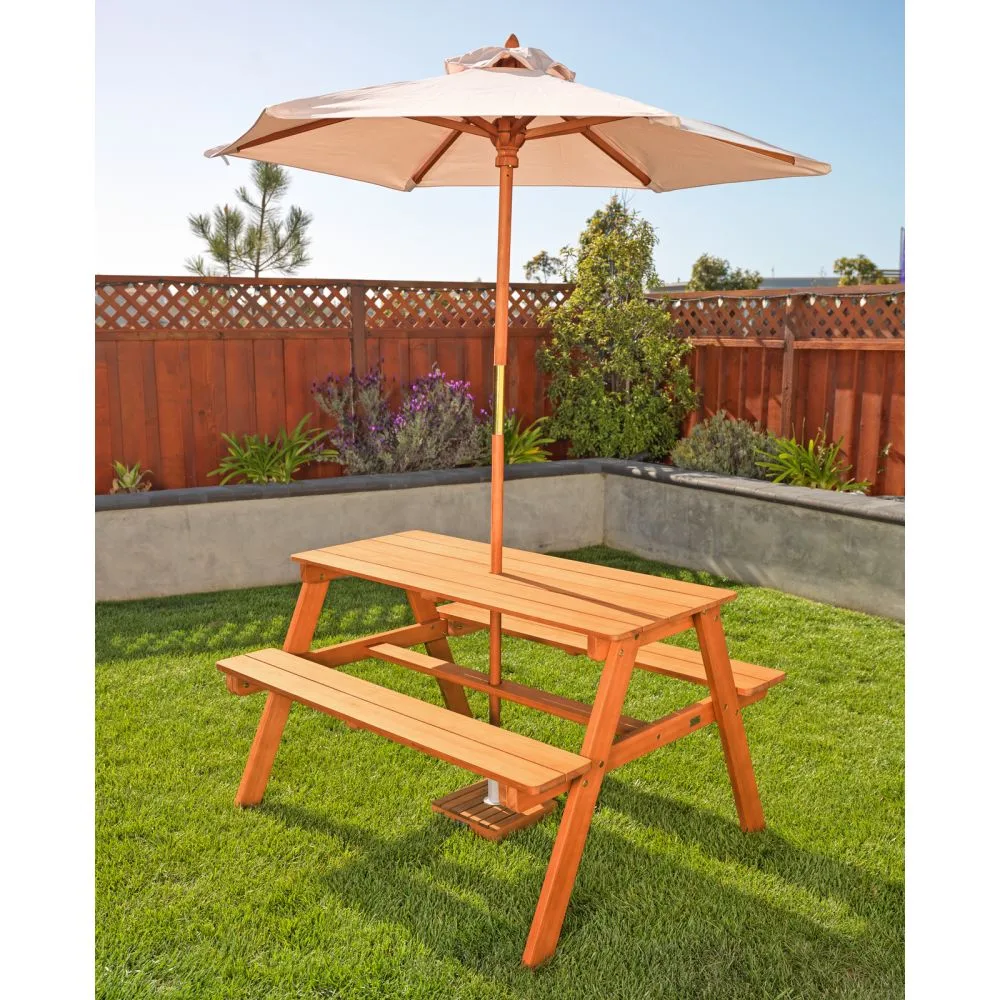
Before you grab any cleaner or sealer, you need to know what you are working with. Picnic table accessories come in four main material families. Each one needs a different approach.
Getting this step right prevents costly mistakes down the line.
WOODEN ACCESSORIES
Wooden picnic tables and their attached accessories like slat tops, seat pads, and cushion frames are popular for their natural look. Wood is porous and absorbs water, UV rays, and dirt over time. This leads to cracking, warping, and eventual rot if neglected.
POWDER-COATED METAL
Many picnic tables feature powder-coated steel legs, umbrella poles, and hardware. The coating acts as a shield against moisture and rust. Scratches and chips in this coating expose bare metal to the elements.
Left unchecked, rust spreads beneath the surface.
RESIN AND PLASTIC
Resin and plastic accessories like side tables, chair seats, and storage bins resist moisture well. Their main enemies are UV fading and cold-weather brittleness. High heat can also soften some plastics, causing warping.
OUTDOOR FABRICS
Cushion covers, umbrella canopies, and seat pads made from outdoor fabrics face the harshest conditions. Direct sun fades colors. Rain breeds mold and mildew.
Spills set in quickly if not treated fast.
Understanding your material determines your entire maintenance strategy. Here is a quick breakdown of what each type needs most.
| Material | Biggest Threat | Primary Defense |
|---|---|---|
| Wood | Moisture rot and cracking | Annual sealing or oiling |
| Powder-coated metal | Rust under scratches | Touch-up paint and dry storage |
| Resin/plastic | UV fading and cold brittleness | Shade cover and gentle cleaning |
| Outdoor fabric | Mold and fade | Fabric guard spray and indoor storage |
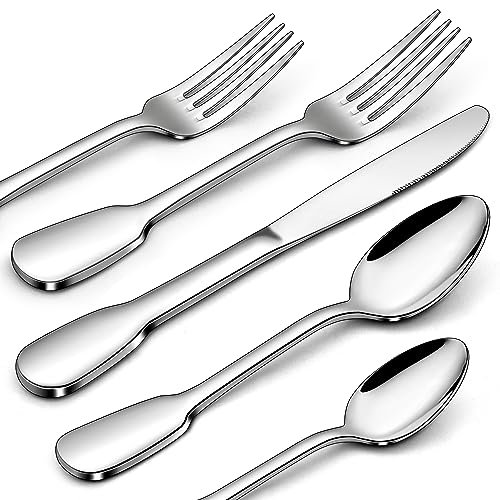
This material check is the foundation for everything else in this guide. Once you know what you have, the rest of the maintenance steps fall into place naturally. If you also store flatware near your setup, keeping a rust-resistant flatware kit in a dry compartment helps prevent corrosion on other metal items nearby.
Universal Care: The 15-Minute Monthly Checkup
Does every picnic table accessory need special treatment every month? Not necessarily. A simple monthly checkup covers all material types and catches small problems before they grow.
This routine takes about 15 minutes and prevents most major issues.
WHAT YOU WILL NEED
Grab these basic supplies before starting your monthly check. Keep them stored near your outdoor area for easy access.
- Soft-bristle brush or microfiber cloth
- Bucket with warm water and mild dish soap
- Clean dry towels
- Screwdriver for tightening loose hardware
- Flashlight for spotting hidden cracks or rust
STEP BY STEP ROUTINE
Start by dusting off all surfaces. Use the soft brush or dry microfiber cloth to remove loose dirt, pollen, and bird droppings. Wet debris left on surfaces acts like sandpaper.
It grinds into finishes during sunlight and wind exposure.
Next, mix warm water with a few drops of mild dish soap. Wipe down all surfaces with a damp cloth. Rinse thoroughly with clean water.
Do not skip the rinse step. Soap residue attracts more dirt over time.
Dry every surface completely with a clean towel. This is especially critical for metal joints and wood seams. Trapped moisture causes rust and wood rot from the inside out.
Inspect all hardware connections while you work. Tighten any loose screws or bolts. Loose hardware creates wobble and accelerates wear.
Check for early signs of rust on metal parts or soft spots in wood.
Finally, look for fabric tears, cushion stains, or umbrella fraying. Small fixes now prevent replacements later. Addressing minor damage early keeps your setup safe and ready for use.
WHY MONTHLY MATTERS
Monthly maintenance matches how quickly outdoor conditions change. Spring brings pollen and rain. Summer brings intense UV and spilled drinks.
Fall brings falling leaves and moisture retention. Winter brings freeze-thaw cycles. A regular checkup adapts to all of these shifts.
Regular monthly checks can extend accessory lifespan considerably compared to neglectful maintenance. You can also store your complete flatware collection in a sealed bin during the off-season to protect it from the same elements.
Wood Accessories: Seal, Clean, and Prevent Cracks
How do you properly maintain wooden picnic table accessories? The answer involves a cycle of cleaning, inspecting, and resealing that protects the wood from moisture and UV damage. Follow these steps to keep your wooden accessories in top shape.
RECOGNIZING WHEN YOUR WOOD NEEDS HELP
Watch for these clear warning signs that your wood accessories need attention. Water no longer beads on the surface after rain means the seal has worn off. The wood feels rough or splintery to the touch instead of smooth.
Visible cracks appear along the grain or at joint connections. Colors look faded or gray instead of rich and even.
CLEANING PROCEDURE
Clean wooden accessories using a gentle approach that removes dirt without damaging the finish. Mix a solution of one part white vinegar to four parts warm water. Scrub the surface gently with a soft-bristle brush following the wood grain direction.
Rinse thoroughly with clean water and wipe dry with a towel.
Let the wood dry completely before applying any sealant. This drying period takes 24 to 48 hours depending on humidity and temperature. Never apply sealer to damp wood.
Trapped moisture underneath the seal causes rot and peeling.
RESEALING FREQUENCY
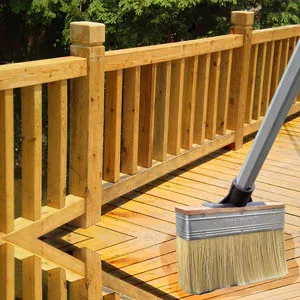
Apply a penetrative wood sealer or exterior-grade oil once per year in moderate climates. In high-UV or heavy-rain zones, reseal every six to twelve months. Follow manufacturer instructions on the product label for application thickness and drying time.
Use marine-grade spar urethane if you live in a high-sun environment. This product flexes with wood expansion and contraction better than standard sealants. It also blocks more UV radiation than basic oils.
PRO TIPS FOR WOOD CARE
Work in shade when applying sealant. Direct sunlight makes the product dry too fast and creates uneven coverage. Test any new sealer on a hidden spot first.
Some woods react differently to various products. Light sanding with 220-grit paper removes splinters before resealing. Always sand with the grain to avoid cross-grain scratches.
Metal Hardware: Stop Rust Before It Starts
What causes rust on metal picnic table accessories? Rust forms when the protective powder coating gets scratched or chipped. Bare metal exposed to moisture and oxygen starts oxidizing.
Early intervention stops rust before it spreads.
WARNING SIGNS OF METAL DAMAGE
Look for these indicators that your metal hardware needs immediate attention. Flaking or chalky residue on coated surfaces means the protective layer is breaking down. Orange-brown spots signal active oxidation forming under or through the coating.
Stiff or gritty movement at joints suggests corrosion has started inside the hardware.
CLEANING AND PROTECTION STEPS
Clean metal accessories with warm soapy water and a soft cloth. Rinse thoroughly and dry completely. Never leave water sitting on metal surfaces.
For minor scratches, apply matching touch-up paint immediately. This seals the exposed metal from moisture and air.
Lubricate moving parts annually with silicone-based spray. Avoid standard penetrating oils for long-term protection. They attract dust and degrade coating over time.
Silicone sprays repel water without damaging finishes.
COASTAL AND HIGH-HUMIDITY CARE
If you live near the coast or in a humid climate, increase your maintenance frequency. Salt air accelerates corrosion dramatically. Rinse metal components with fresh water after exposure to salty conditions.
Apply a light wax coating for extra moisture barrier protection. Store accessories indoors during harsh winter months whenever possible.
REPLACING SEVERELY CORRODED PARTS
Do not attempt to rebuild severely corroded bolts or hinges. Safety comes first. Weak hardware can collapse under weight or stress.
Replace compromised components with new stainless steel or coated equivalents. This prevents accidents and maintains structural integrity. If you are storing metal flatware alongside your furniture, choosing quality flatware sets made from higher-grade alloys gives you a model for what to expect from durable outdoor metals.
Fabric & Cushions: Banish Stains, Mold, and Fading
How do you keep outdoor fabric accessories looking fresh? The key lies in prompt stain treatment, regular cleaning, and applying protective sprays. Fabric faces the toughest abuse from spills, sun, and moisture.
SPOT CLEANING ESSENTIALS
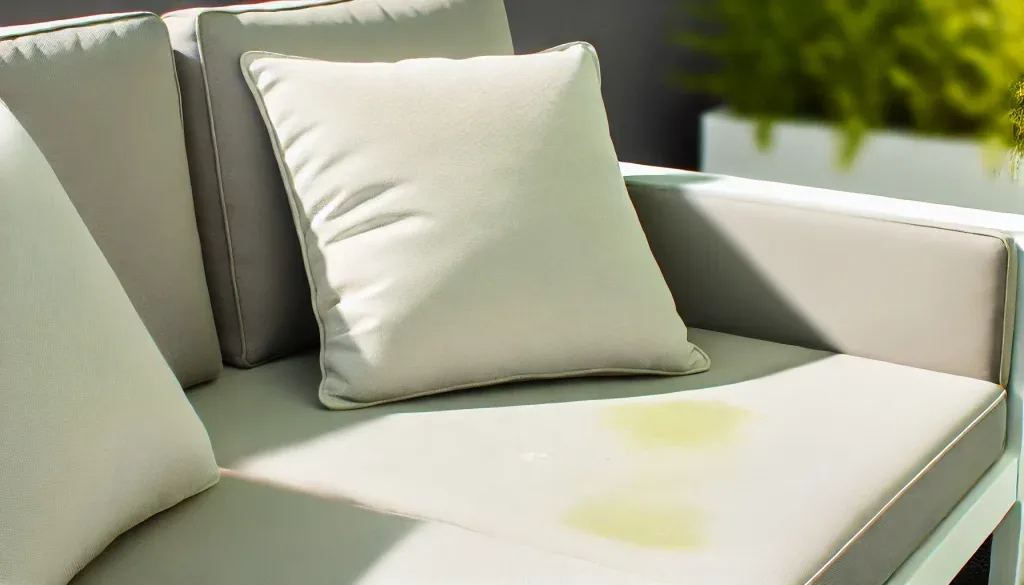
Blot spills immediately with a clean absorbent cloth. Do not rub the stain. Rubbing pushes liquid deeper into fibers and spreads the mark.
Use a fabric-safe cleaner for set-in stains. Work from the outside toward the center to prevent ring formation.
DEEP CLEANING PROCEDURE
Remove cushion covers when possible and wash them on a gentle cycle. Use mild detergent and cool water. Air dry covers completely before reinstalling.
Never machine dry foam inserts. Heat damages the quick-dry foam structure and causes premature breakdown.
MILDEW REMOVAL
Musty smells after rain mean mold or mildew has taken hold. Mix one cup white vinegar with one gallon warm water. Scrub affected areas gently with a soft brush.
Rinse thoroughly and dry in full sunlight. UV light kills remaining spores and prevents regrowth.
FABRIC PROTECTANT APPLICATION
Apply a fluoropolymer-based fabric guard every season. This creates an invisible barrier that repels water and stains. Choose solution-dyed acrylic fabrics for maximum UV resistance.
Standard polyester fades significantly faster under direct sun exposure.
STORAGE BEST PRACTICES
Store cushions upright in breathable cotton bags during off-season. Never pack wet cushions into sealed plastic bags. Moisture trapped inside causes mold within two days.
Always air-dry cushions completely before storage. Sunlight helps kill spores naturally. Place silica gel packets inside storage bins to absorb residual humidity.
Label boxes clearly for quick identification during spring setup. When your dining guests arrive, having a elegant table settings routine ready makes outdoor meals feel polished rather than improvised.
Seasonal Storage & Winterization
When should you store picnic table accessories? Store them when average nighttime temperatures drop below 40 degrees Fahrenheit or after your last expected frost. Spring storage removal happens once humidity drops and frost risk passes completely.
PREPARATION CHECKLIST
Clean every accessory thoroughly before storage. See the monthly checkup routine for details. Dry everything completely.
Moisture trapped under covers becomes mold fuel overnight. Disassemble what you can remove. Take off cushions, fold umbrellas, and separate removable parts.
Cover everything with breathable waterproof tarps. Avoid plastic sheeting. Plastic traps condensation and creates a greenhouse effect inside.
Breathable covers let moisture escape while blocking rain and snow.
INDOOR STORAGE ADVANTAGES
If you have garage or shed space, store accessories indoors. This is the single best thing you can do for longevity. Indoor storage eliminates UV damage, temperature swings, and precipitation exposure entirely.
Elevate items off concrete floors. Concrete wicks moisture upward. Use pallets or rubber mats as a barrier.
Place silica gel packets inside storage bins to absorb any residual humidity. Label every box by accessory type. You will thank yourself during spring setup.
WHAT NOT TO STORE OUTDOORS
Never store fabric cushions outside year-round without heavy-duty covers. Even premium outdoor fabrics degrade significantly over winter months. The combination of snow, ice, and freeze-thaw cycles breaks down fibers and foam faster than summer sun alone.
Resin and plastic items fare better outdoors but still benefit from cover protection. Extreme cold makes some plastics brittle. Impact resistance drops dramatically below freezing.
Wood accessories should always be stored indoors or under sealed covers with proper ventilation.
You can also keep your flatware collection safe by storing it in a sealed container alongside your seasonal accessories to protect both from the same elements.
Common Mistakes to Avoid
What are the most damaging mistakes people make when maintaining picnic table accessories? The biggest errors involve improper cleaning techniques, wrong product choices, and skipping prevention steps until damage becomes irreversible.
PRESSURE WASHER DAMAGE
Using a pressure washer on wood or fabric causes immediate damage. High-pressure water forces itself into wood seams and splits fibers apart. The force strips sealant coatings completely.
Switch to a garden hose with a gentle spray nozzle instead. Let soaking and brushing do the work that pressure cannot safely accomplish.
SEALER ON DAMP WOOD
Applying sealer to damp wood traps moisture underneath. The trapped water has nowhere to go. It causes rot from within and peels the sealant off in large sheets.
Always wait 24 to 48 hours of dry weather before sealing. Test wood moisture with your finger. If it feels cool or damp, wait longer.
SKIPPING HARDWARE CHECKS
Loose screws and bolts create wobble that accelerates wear on every connected part. A wobbling table puts uneven stress on joints and fasteners. This leads to cracked wood, stripped threads, and failed connections.
Tighten hardware during every monthly checkup. Replace stripped bolts immediately. Do not ignore them.
STORING WET CUSHIONS
Storing damp cushions in sealed bags creates mold in less than two days. Fungal growth produces musty odors that never fully disappear. Spores also trigger allergies and respiratory irritation.
Always air-dry cushions completely before storage. Sunlight helps kill spores naturally.
MIXING CLEANERS DANGEROUSLY
Mixing bleach with ammonia or vinegar creates toxic chloramine or chlorine gas. Both reactions happen quickly and produce dangerous fumes. Never mix cleaning products unless the manufacturer explicitly says it is safe.
Use one product at a time and rinse thoroughly between applications.
IGNORING MANUFACTURER INSTRUCTIONS
Skipping the care instructions on your product label voids warranties and risks damage. Different materials need different cleaners and sealants. Applying the wrong product can discolor fabrics, dull metal finishes, or soften wood sealant.
Read the label before buying anything. Keep instruction sheets in a visible folder near your supplies.
Learning how to maintain your dining setup properly also means protecting your glassware and dinnerware during seasonal transitions so nothing gets damaged in storage.
Maintenance: Long-Term Optimization
How do you keep picnic table accessories looking good for years? The secret is consistent optimization rather than reactive repairs. Small regular actions prevent the big problems that require costly replacement.
YEARLY MAINTENANCE CALENDAR
Create a simple calendar with four key maintenance milestones. Early spring, do a full inspection and clean everything before first use. Early summer, touch up sealants and fabric guards after heavy spring rain exposure.
Early fall, prepare for storage with deep cleaning and protective treatments. Late winter, inspect stored items for any moisture damage.
Track when you last applied sealants or fabric guards. Most products need reapplication every six to twelve months depending on climate severity. Writing dates on storage containers prevents guesswork later.
UPGRADE STRATEGIES
Consider upgrading high-wear components before they fail completely. Replace worn umbrella hinges with stainless steel equivalents. Swap faded cushion covers instead of buying new cushion sets.
Apply fresh powder-coat paint to heavily scratched metal legs rather than replacing entire frames. These targeted upgrades cost far less than full replacements.
WEATHER STATION AWARENESS
Monitor local weather forecasts closely during extreme events. High winds can topple lightweight accessories. Hail storms dent metal and crack resin.
Torrential rain floods low-lying storage areas. Secure or move vulnerable items before storms hit. A little forewarning saves thousands in damage replacement costs.
ENVIRONMENTAL ADAPTATIONS
Adjust your maintenance schedule based on your specific environment. Coastal residents rinse metal after every salt-air event. Desert dwellers apply extra UV protectant and check for cracking weekly.
Humid climates focus heavily on mold prevention and ventilation. Cold-climate owners prioritize freeze-thaw damage inspection.
Match your approach to your region using resources like extreme weather preparedness guidelines to help plan seasonal routines around your local conditions rather than guessing blindly.
Frequently Asked Questions
How often should wood accessories be resealed?
Reseal wooden accessories once per year in moderate climates. In high UV or heavy rain zones, reseal every six to twelve months. Test water beading regularly.
When water stops beading and soaks in instead, it is time to reseal immediately.
Can I use a garden hose to clean resin furniture?
Yes, a garden hose with a gentle spray nozzle works perfectly for resin and plastic accessories. Avoid high-pressure settings that can force water into seams. Use mild soap and a soft brush for stubborn dirt.
Rinse thoroughly and let dry completely.
What is the fastest way to remove hard-water stains from metal?
Make a paste of baking soda and water. Rub it gently onto hard-water stains with a soft cloth. Let it sit for five minutes.
Rinse and dry thoroughly. For severe buildup, use a dedicated metal polish following manufacturer directions carefully.
Are all outdoor fabrics equally fade-resistant?
No. Solution-dyed acrylic fabrics resist UV fading far better than standard polyester. Check the fabric rating before purchasing.
Premium outdoor fabrics cost more upfront but last significantly longer without color loss.
Should I store my umbrella indoors during winter?
If you experience heavy snow or prolonged freezing rain, yes, indoor storage is best. Otherwise, a breathable waterproof cover provides adequate protection. Remove and fold the umbrella before covering to prevent trapped moisture.
How do I know if my cushion foam has gone bad?
Press the center of the cushion firmly. If the indentation stays visible for several seconds or the foam feels crumbly, replace the insert. Good quick-dry foam springs back quickly and retains its shape over time.

Sophia Martinez is a culinary lifestyle writer and product reviewer for DiningGadgets.com. Passionate about blending style with functionality, she explores the latest dining essentials, kitchen décor, and cleaning hacks that transform everyday cooking spaces. With a background in home organization and design, Sophia brings readers expert advice on creating beautiful, practical kitchens that truly feel like the heart of the home.