How to Clean Greasy Kitchen Walls: Easy and Effective Tips
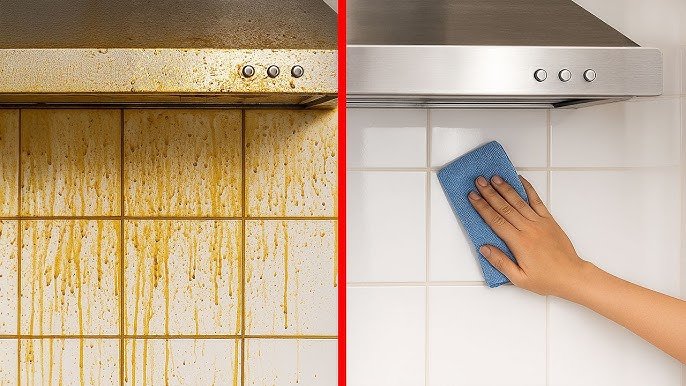
Greasy kitchen walls are one of the most frustrating, overlooked cleaning challenges homeowners face. Unlike countertop grease, which wipes away in seconds, wall grease binds to paint, wallpaper, and grout over time, creating dark, sticky patches that attract dust and even pests. Left unaddressed, this buildup doesn’t just make your kitchen look dingy—it can also trap cooking-related indoor air pollutants and degrade your wall finishes, leading to costly repaints. The good news? You don’t need harsh chemicals or expensive professional services to restore your walls. This guide shares easy, effective, paint-safe tips for every wall type, tested by cleaning professionals and homeowners alike, to get your kitchen looking fresh again in under an hour. You can also read our guide on how to remove tile backsplash from kitchen wall.
Why Kitchen Walls Get Greasy (and Why It Matters)
Grease buildup isn’t a sign of a messy kitchen—it’s a natural byproduct of regular cooking, but understanding how it forms makes it easier to prevent and remove. You can also read our guide on how to wash kitchen walls.
The Science of Kitchen Grease Buildup
When you fry, sauté, or sear food, tiny hydrophobic oil and fat particles are released into the air alongside steam. These particles are lightweight, so they travel up to 3 feet from the cooking surface before settling on cooler wall areas. Once they land, they bind to porous surfaces like painted drywall and wallpaper, mixing with dust and food particles to form a sticky, hard-to-remove film. In practice, this film gets darker and more stubborn the longer it sits, as it oxidizes and traps more airborne grime over time. You can also read our guide on bed bath beyond dinnerware sets.
High-Risk Areas for Grease Accumulation
While all kitchen walls can collect grease, three areas see buildup far faster than the rest: the 12-inch swath of wall directly above your stovetop, the wall behind your sink (from splashing grease and food debris), and the backsplash area around your range hood. Walls near exterior doors or windows may also see faster buildup if cooking steam condenses on cooler surfaces. If you cook greasy meals more than 3 times a week, these areas may need monthly touch-ups to prevent permanent staining. You can also read our guide on how to clean kitchen walls without removing paint.
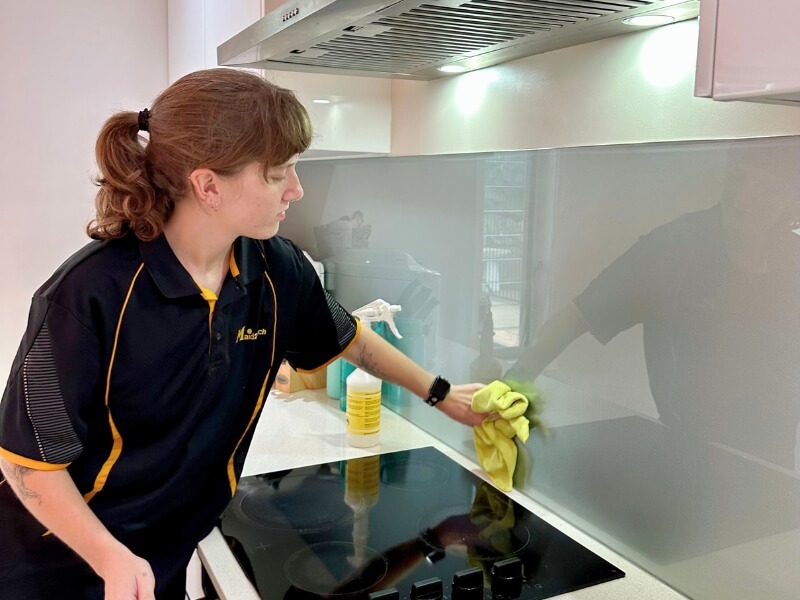 Wiping down the wall behind your stovetop weekly prevents heavy grease buildup
Identify Your Wall Type First
Using the wrong cleaner for your wall material can lead to peeling paint, etched tile, or ruined wallpaper. Before you start cleaning, confirm what type of surface you’re working with, as this will dictate which solutions and tools are safe to use. You can also read our guide on what color to paint kitchen walls with gray cabinets.
Painted Drywall
The most common kitchen wall material, painted drywall is porous, so grease can seep into the paint layer if left uncleaned for months. Most matte, eggshell, and satin interior paints are safe for gentle cleaning, but avoid oversaturating the surface, as excess water can cause the drywall to warp or the paint to peel. You can also read our guide on how to stop kitchen cabinet door from hitting wall.
Ceramic or Porcelain Tile
Tile walls are non-porous and extremely durable, making them the easiest kitchen surface to degrease. The only risk is damage to the grout lines between tiles, which can be porous and stained if scrubbed too aggressively. Avoid harsh acidic cleaners (like undiluted vinegar) on natural stone tile (marble, travertine), as they can etch the surface permanently. For detailed tile and grout cleaning steps, check out our guide to cleaning tiled kitchen surfaces. You can also read our guide on what finish paint for kitchen walls.
Washable vs. Permanent Wallpaper
Washable vinyl wallpaper can handle gentle degreasing, but permanent paper-backed wallpaper will absorb liquid and tear if scrubbed. For permanent wallpaper, skip liquid cleaners entirely and use a dry degreasing sponge instead. You can also read our guide on best oven mitts for high heat.
Brick or Stone
Unsealed brick or stone kitchen walls are highly porous, so liquid cleaners can leave stains or cause efflorescence (white salt deposits). For these surfaces, use a dry baking soda paste and avoid excessive water. You can also read our guide on how to paint wall tiles in kitchen.
Tools and Supplies You’ll Need
Having the right supplies on hand before you start will cut your cleaning time in half and prevent accidental wall damage. Skip harsh, smelly commercial degreasers unless you’re dealing with extreme buildup, and opt for gentle, non-toxic options that won’t leave harmful residue on food-prep surfaces. You can also read our guide on how to install kitchen exhaust vent through wall.
Non-Toxic Cleaning Solutions
- White distilled vinegar: A natural degreaser and deodorizer, safe for all painted and tiled surfaces (avoid on natural stone).
- Mild grease-cutting dish soap: Look for a clear, fragrance-free formula for best results; avoid soaps with added moisturizers or oils, which can leave a residue.
- Baking soda: A mild abrasive that lifts set-in grease without scratching paint or tile.
- 2026 EPA Safer Choice-certified commercial degreaser: For buildup that’s been sitting for 6+ months, these plant-based formulas are tough on grease but safe for household use.
- Warm distilled water: Use distilled instead of tap to avoid hard water spots on your walls.
Gentle Cleaning Tools
- Microfiber cloths: Lint-free and absorbent, these are far better than paper towels or sponges for wiping walls without leaving scratches.
- Soft-bristle scrub brush: Look for a brush labeled for painted surfaces to avoid scratching; avoid steel wool or harsh scouring pads entirely.
- Spray bottle: For even, controlled application of cleaning solutions to avoid over-saturating walls.
- Bucket: For mixing solutions and holding rinse water.
- Plastic putty knife: For gently scraping off thick, caked-on grease without damaging the wall surface.
Safety and Prep Supplies
- Rubber gloves: Protect your hands from drying cleaners and grease.
- Painter’s tape: To protect baseboards, countertops, and cabinet edges from drips.
- Plastic drop cloths: To cover floors and appliances near the work area.
- Step ladder: For reaching high wall areas safely; never stand on chairs or unstable surfaces.
Step-by-Step Prep Before Cleaning
Skipping prep is the most common cause of poor cleaning results, as dust and loose debris can mix with grease to create a sticky, hard-to-remove mess. Follow these steps to set yourself up for success:
Clear and Protect Surrounding Areas
Start by moving all small appliances, utensils, and decor away from the walls you’ll be cleaning. Cover countertops, floors, and cabinet fronts with painter’s tape and plastic drop cloths to protect them from drips and splatters. If you’re working near food-prep areas, make sure to cover any open food containers to avoid contamination. You can also read our guide on how to remove wall tile in kitchen.
Remove Loose Dust and Debris
Use a dry microfiber cloth to wipe the entire wall surface from top to bottom, using gentle, overlapping strokes. For textured walls, use a soft-bristle brush to get into crevices where dust and grease accumulate. In practice, skipping this step often leads to you smearing greasy dust across the wall, creating a darker, harder-to-remove mess than the original grease. You can also read our guide on how to install a kitchen range hood wall vent.
Spot-Test All Cleaning Solutions
Before applying any cleaner to the full wall, test it on a 2×2 inch hidden area (like behind a cabinet or in a closet) and wait 10 minutes to check for discoloration, paint lifting, or texture changes. This is especially important for vintage walls with lead-based paint (pre-1978) or delicate wallpaper, which can be damaged by even mild cleaners. If your walls have thick, caked-on grease that won’t respond to standard cleaning, prepping heavily soiled walls for a fresh coat of paint is often more effective than endless scrubbing. You can also read our guide on how to decorate my kitchen walls.
Homemade Cleaning Solutions for Every Grease Level
All the solutions below use inexpensive, non-toxic ingredients you likely already have at home, and are safe for most kitchen wall types when used correctly. You can also read our guide on how to install kitchen cabinets on uneven walls.
Light Grease: Vinegar and Water Mix
For walls with a thin, recent grease film (less than 1 month old), mix equal parts white distilled vinegar and warm distilled water in a spray bottle. Spray the solution lightly onto the wall, let it sit for 3-5 minutes to break down the grease bonds, then wipe with a damp microfiber cloth. This solution also deodorizes walls, making it ideal for kitchens that smell like fried food. Avoid using this on unsealed natural stone tile, as vinegar can etch the surface over time. You can also read our guide on best drying towels for dishes.
Medium Grease: Dish Soap and Warm Water
For walls with moderate, slightly sticky grease (1-3 months old), mix 1 tablespoon of clear, grease-cutting dish soap with 2 cups of warm distilled water in a bucket. Dip a microfiber cloth into the solution, wring it out until it’s damp (not dripping), and wipe the wall in small 2×2 foot sections. Let the solution sit for 2 minutes on stubborn spots before wiping. This is the safest option for all wall types, including washable wallpaper and painted drywall. You can also read our guide on how to clean kitchen walls for painting.
Heavy, Set-In Grease: Baking Soda Paste
For dark, caked-on grease that’s been sitting for 6+ months, mix 2 parts baking soda with 1 part warm distilled water to form a thick paste. Apply the paste directly to the grease spot with a cloth, let it sit for 5-10 minutes to absorb the oil, then gently scrub in circular motions with a soft-bristle brush. Rinse with a damp cloth afterward. This mild abrasive lifts grease without scratching paint or tile, but avoid using it on glossy vinyl wallpaper, which can be scuffed. For extra stubborn set-in stains, check out our tips for tackling set-in grease stains for targeted solutions. You can also read our guide on how to fix a leaking wall mounted kitchen faucet.
Commercial Degreaser Options for Tough Buildup
If homemade solutions don’t work, opt for an EPA Safer Choice-certified commercial degreaser, which uses plant-based ingredients to cut through grease without harsh chemicals. Apply the degreaser according to the package instructions, let it sit for the recommended dwell time, then wipe and rinse thoroughly. Always spot-test first, as some formulas can strip matte paint finishes. You can also read our guide on how to get rid of kitchen grease on walls.
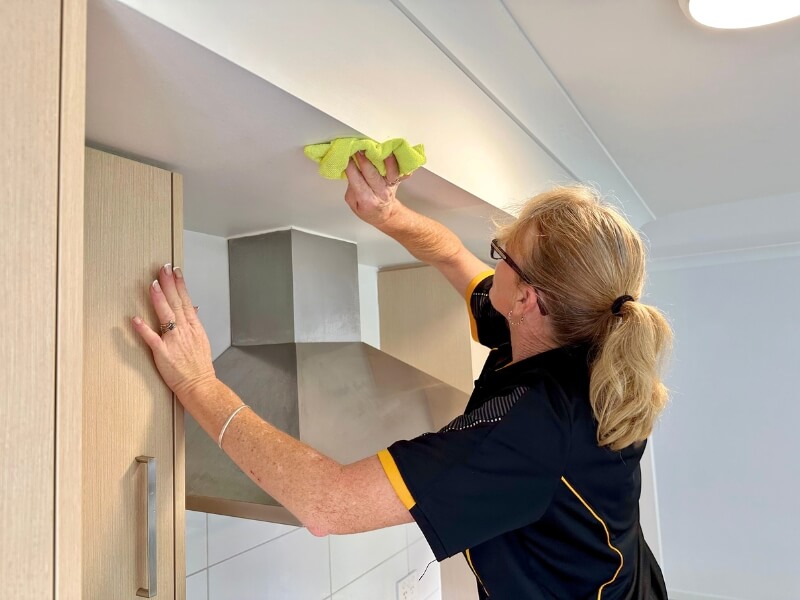 Baking soda paste is a gentle abrasive for set-in grease on painted walls
The Gentle Cleaning Process (No Paint Damage Guaranteed)
Follow this step-by-step process to remove grease without ruining your wall finishes:
Step 1: Apply Solution to Small Sections
Spray or dab your chosen cleaning solution onto a 2×2 foot section of the wall at a time, working from the top of the wall down to avoid drips onto already cleaned areas. Never soak the wall—your cloth or sponge should be damp, not dripping, to avoid water damage to drywall or paint. You can also read our guide on best fabric for cloth napkins.
Step 2: Scrub Gently with the Right Tool
Use a soft-bristle brush or non-abrasive sponge to scrub the greasy area in gentle circular motions. For tough spots, apply a small amount of baking soda paste to the sponge for extra abrasion. Avoid pressing hard enough to remove paint or scratch tile; if the grease doesn’t lift after 2 minutes of scrubbing, let the solution sit for another 3 minutes before trying again. You can also read our guide on what to use to clean grease off kitchen walls.
Step 3: Rinse Away Residue
Wipe the cleaned section with a clean, damp microfiber cloth to remove all soap, vinegar, or degreaser residue. Leftover cleaner will attract dust and grease quickly, undoing your hard work. Change your rinse cloth frequently to avoid redepositing grime. You can also read our guide on how to clean sticky kitchen walls.
Step 4: Dry Thoroughly to Prevent Water Spots
Use a dry, lint-free microfiber cloth to wipe the wall in circular motions until it’s completely dry. This prevents water spots and stops moisture from seeping into drywall, which can cause mold or paint peeling over time. You can also read our guide on kitchen wall decorating ideas do it yourself.
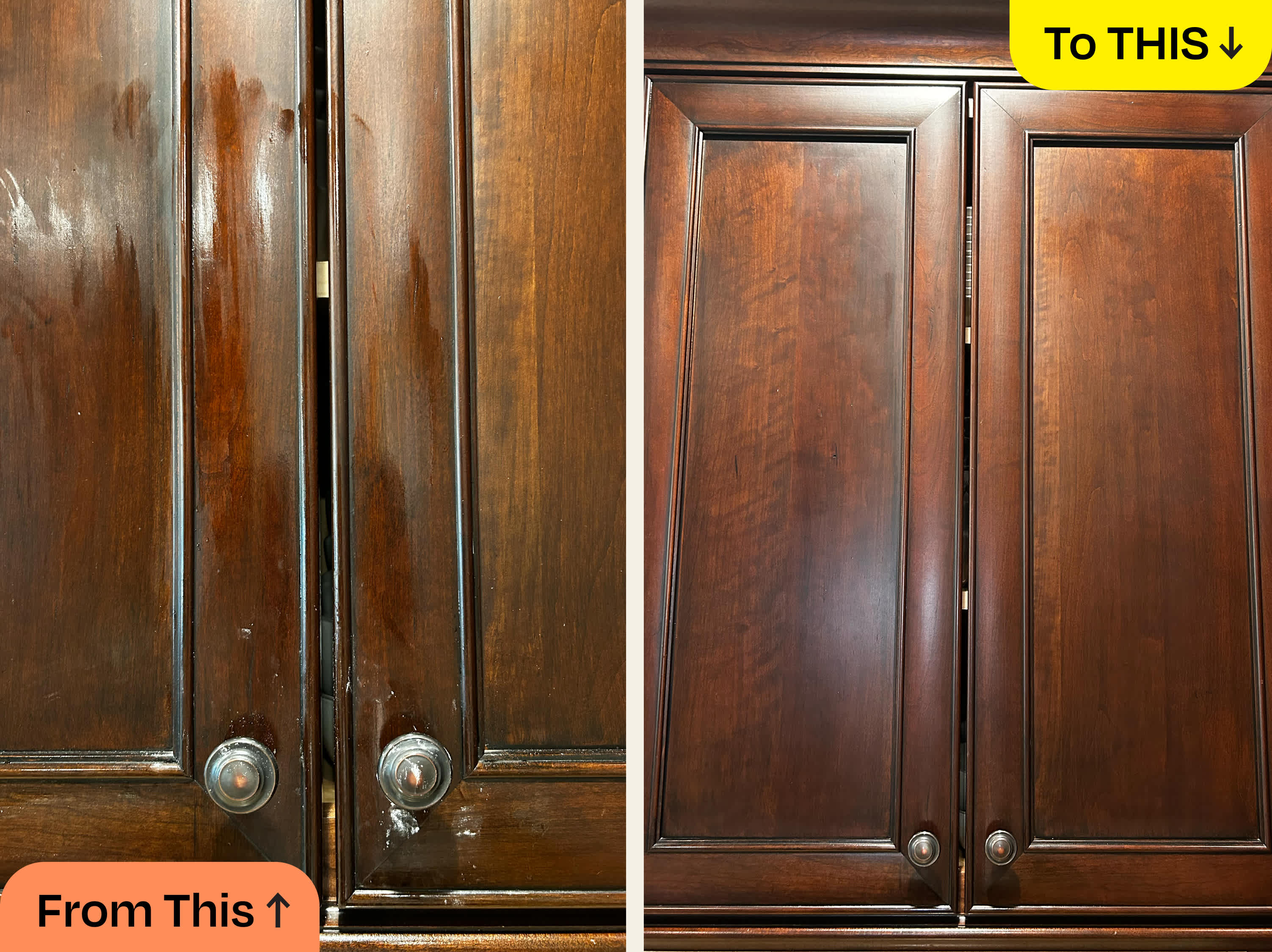 Heavy grease buildup near cooking surfaces requires longer dwell time for cleaners
Common Cleaning Mistakes to Avoid
Even with the right supplies, these common errors can damage your walls or make grease worse:
- Over-saturating the wall: Excess water seeps into drywall, causing warping, mold, or paint peeling. Always wring out your cloth or sponge until it’s just damp before applying it to the wall.
- Using abrasive scrubbers: Steel wool, harsh scouring pads, or stiff-bristle brushes will scratch paint, tile, and wallpaper permanently. Stick to soft-bristle brushes and microfiber cloths only.
- Skipping the rinse step: Soap or vinegar residue left on the wall will attract dust and grease faster than before, making your walls get dirty again in just a few days.
- Using the wrong cleaner for your wall type: Vinegar etches natural stone, abrasive pastes scuff vinyl wallpaper, and harsh degreasers can strip matte paint finishes. Always match your cleaner to your wall material.
- Scrubbing dry: Applying cleaner to a dry wall will spread grease around instead of lifting it. Always dampen the wall with your cleaning solution before scrubbing.
How to Prevent Greasy Walls Long-Term
Preventing grease buildup is far easier than removing it once it’s set in. Follow these tips to keep your walls clean between deep cleans:
Optimize Your Kitchen Ventilation
Turn on your range hood every time you cook, and leave it running for 10-15 minutes after you finish to pull airborne grease particles out of the air. If you don’t have a range hood, open a window or use a portable air purifier with a HEPA filter to capture grease particles before they settle on your walls. Clean your range hood filter monthly, as a clogged filter can’t vent grease effectively. You can also read our guide on best material for cloth napkins.
Choose the Right Paint Finish
If you’re repainting your kitchen, opt for a satin or semi-gloss paint finish, which repels grease and makes wipe-downs far easier than flat or matte finishes. For homes with green cabinetry, durable, washable paint finishes in soft white or light gray will hide minor splatters while complementing your cabinet style. For brown cabinetry, low-maintenance wall paint in warm beige or muted green tones offers the same low-fuss benefit with a cohesive, inviting look. You can also read our guide on best dish towels for drying dishes.
Adopt Quick, Daily Wipe-Down Habits
Keep a damp microfiber cloth and a small spray bottle of dish soap solution next to your stove. After each cooking session, wipe down the 12-inch wall area above the stovetop and the backsplash while the grease is still fresh—this takes 30 seconds and prevents buildup from forming in the first place. You can also read our guide on how much to open up kitchen wall.
Add Protective Barriers to High-Splash Zones
Install a stainless steel or glass backsplash behind your stovetop and sink, which are far easier to degrease than painted walls. For heavy frying sessions, you can even temporarily tape a layer of aluminum foil to the backsplash to catch splatters, then discard it when you’re done. You can also read our guide on how to clean oil stains from kitchen walls.
When to Call a Professional Cleaning Service
If you’ve tried the steps above and still have dark, sticky grease stains, or if your walls show signs of damage (peeling paint, water stains, soft drywall), it’s time to call a professional. Professional cleaners use industrial-grade, low-toxicity degreasers and steam cleaning tools that are not available to most homeowners, allowing them to lift even years of caked-on grease without damaging finishes. They can also identify underlying issues, like poor ventilation or water damage, that are causing repeated grease buildup. For heavily soiled walls that require repainting after cleaning, many professionals offer prep services as part of their package. You can also read our guide on how to get rid of grease stains on kitchen walls.
Frequently Asked Questions
How often should I clean my kitchen walls to prevent grease buildup?
For most households, a quick wipe-down of high-risk areas (above the stovetop, behind the sink) once a week, plus a full deep clean every 3-4 months, will prevent heavy grease buildup. If you fry or sear food more than 3 times a week, increase your wipe-down frequency to every 2-3 days to avoid set-in stains. You can also read our guide on how to remove kitchen cabinets without damaging wall.
Can I use bleach to clean greasy kitchen walls?
No, bleach is not recommended for grease removal, as it doesn’t break down oil particles, and can discolor painted walls, damage grout, and release harmful fumes when mixed with other cleaning products. Stick to vinegar, dish soap, or baking soda for safe, effective degreasing. You can also read our guide on best tea towels for drying dishes.
Will cleaning greasy walls damage my paint?
No, as long as you use a gentle cleaner, a soft cloth or sponge, and avoid over-saturating the wall. Always spot-test your cleaner first, and stick to satin or semi-gloss paint finishes, which are designed to withstand regular cleaning. You can also read our guide on bentonite for wine making.
What’s the fastest way to clean extremely greasy walls?
For extremely greasy walls, start by sprinkling a thick layer of baking soda over the greasy area, then spray a 1:1 vinegar and water mix over it. The mixture will fizz and lift the grease; let it sit for 10 minutes, then wipe away with a damp cloth. This method cuts cleaning time in half for heavy buildup. You can also read our guide on michel design works by stonewall kitchen.
Final Tips for Lasting Clean Walls
Cleaning greasy kitchen walls doesn’t have to be a weekend-long chore. By identifying your wall type, using the right gentle solutions, and adopting quick daily wipe-down habits, you can keep your walls looking fresh for months between deep cleans. Always remember to spot-test new cleaners, avoid abrasive tools, and prioritize ventilation to reduce grease buildup in the first place. If you do encounter stubborn, set-in stains that won’t respond to DIY methods, don’t hesitate to call a professional to avoid damaging your wall finishes. A clean, grease-free kitchen not only looks more inviting, it also supports better indoor air quality and a healthier home for you and your family. You can also read our guide on how to regrout kitchen wall tiles easy steps for a fresh look.
Ready to tackle other kitchen maintenance projects? Our guide to removing a wall-mounted kitchen faucet walks you through the process without damaging your walls. You can also read our guide on cold vs warm white wine fermentation.