How to Cover Old Kitchen Wall Tiles: Easy & Stunning Makeover Ideas
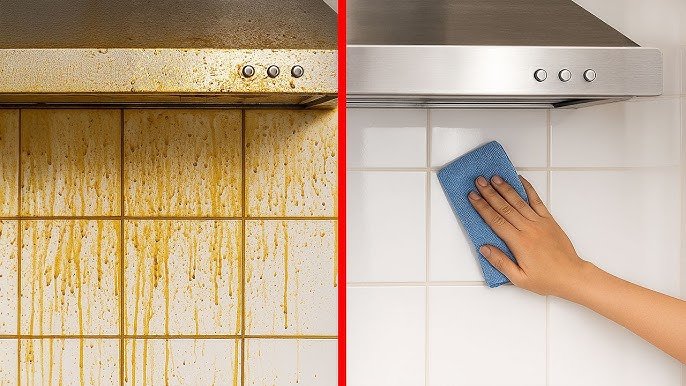
Are your old kitchen wall tiles making your space look outdated and dull? You don’t have to go through the hassle and expense of a full renovation to give your kitchen a fresh, modern look.
How to Cover Old Kitchen Wall Tiles. Imagine transforming those tired tiles into something stylish and new with just a few simple steps. You’ll discover easy, practical ways to cover your old kitchen wall tiles and instantly boost your kitchen’s charm. Ready to see your kitchen in a whole new light?
Let’s dive in and make that change happen!
Assessing Your Old Tiles
Before you cover your old kitchen wall tiles, a careful assessment is essential. Understanding the current state of your tiles will help you choose the best covering option and avoid surprises during the project. Let’s break down what you need to check and measure to make an informed decision.
Checking Tile Condition
Start by inspecting the tiles closely for any cracks, loose pieces, or missing grout. Damaged tiles can affect how well your new covering sticks or looks. If you find any weak spots, you might need to repair or remove those tiles first.
Pay attention to stains or discoloration too. Some stains might bleed through paint or adhesive, ruining your fresh finish. Testing a small hidden area can save you from future headaches.
Measuring The Wall Area
Accurate measurements are crucial for estimating materials and costs. Use a tape measure to record the height and width of the tiled area. Multiply these to get the total square footage.
Don’t forget to note any outlets, switches, or fixtures that may affect coverage. Jotting down these details helps you plan cuts and avoid surprises later on.
Choosing The Right Coverage Method
Once you know the condition and size of your tiles, think about how you want to cover them. Options include painting, tiling over with new tiles, applying peel-and-stick panels, or using decorative wall panels.
Consider durability, ease of installation, and how each method will interact with your current tile surface. For example, painting works well on smooth, intact tiles but not on cracked or textured ones.
Ask yourself: Do you want a quick fix or a long-lasting upgrade? Your answer will guide the best choice for your kitchen walls.
Peel-and-stick Tile Covers
Peel-and-stick tile covers offer a quick and affordable way to refresh old kitchen wall tiles without the mess of traditional renovation. These self-adhesive sheets or tiles simply stick over your existing surface, instantly transforming your kitchen’s look. If you’re looking for a hassle-free update, peel-and-stick options might be exactly what you need.
Benefits And Drawbacks
Benefits:
- Easy to install – no need for grout or mortar.
- Cost-effective compared to replacing tiles entirely.
- Removable without damaging the original tiles underneath.
- Wide variety of colors and patterns available.
Drawbacks:
- May not stick well on uneven or dirty surfaces.
- Less durable than real tiles, prone to peeling over time.
- Can be difficult to clean if oil or grease builds up.
- Heat and moisture in kitchens might reduce lifespan.
Installation Tips
Start by cleaning your tiles thoroughly to remove grease and dirt. Any residue will prevent the adhesive from sticking properly. Use a mild detergent and let the surface dry completely before applying the tile covers.
Measure your wall area and cut the peel-and-stick tiles carefully for a perfect fit. Press down firmly, especially around edges, to ensure they stick well. Use a roller or a flat tool to smooth out any air bubbles for a seamless finish.
Think about the placement before sticking the tiles. Once applied, repositioning can be tricky and may weaken the adhesive. Have patience and work slowly to avoid mistakes that could cost you time and materials.
Design Options
Peel-and-stick tile covers come in many styles, from classic subway tiles to trendy geometric patterns. You can choose a glossy finish for a modern look or matte for a more understated vibe. Some designs even mimic natural materials like marble or wood, adding sophistication without the price tag.
Mix and match colors and patterns to create your own unique backsplash. Want to brighten up a dark kitchen? Go for white or pastel shades to reflect light. If you like bold, eye-catching spaces, select vibrant colors or metallic accents.
Have you considered using peel-and-stick tiles beyond the backsplash? They can also freshen up cabinet fronts or even small appliance surfaces. This versatility means you can experiment with style without a big commitment.
Painting Over Tiles
Painting over old kitchen wall tiles offers a fresh, cost-effective way to update your space. It brightens the room and changes the style without removing tiles. This method saves time and avoids messy renovations. Proper preparation and the right paint ensure lasting results. Follow these steps to transform your tiled walls with paint.
Preparing The Surface
Start by cleaning tiles thoroughly. Use a strong detergent or tile cleaner to remove grease and dirt. Rinse well and let dry completely. Next, sand the tiles lightly with fine-grit sandpaper. This helps the paint stick better. Wipe away dust with a damp cloth. Repair any cracks or chips with filler. Mask edges and surrounding areas with painter’s tape to protect them.
Selecting Suitable Paint
Choose paint designed for tiles or high-gloss surfaces. Epoxy or enamel paints work well for kitchens. They resist moisture and stains. Avoid regular wall paint as it peels easily. Select a primer made for slick surfaces. This improves adhesion and durability. Pick a color that matches your kitchen style and lighting.
Step-by-step Painting Guide
- Apply the primer evenly on the tiles using a brush or roller.
- Allow the primer to dry for the time stated on the label.
- Paint the tiles with your chosen tile paint in thin, even coats.
- Let each coat dry completely before applying the next one.
- Apply at least two coats for full coverage and durability.
- Remove painter’s tape carefully after the final coat dries.
- Let the paint cure fully before exposing tiles to water or heavy use.

Peel and stick panels covering old kitchen wall tiles
Using Tile Overlays And Panels
Using tile overlays and panels is a smart way to refresh your kitchen walls without the hassle of removing old tiles. These options offer a clean, modern look while saving time and effort. They also provide a durable surface that’s easy to clean and maintain, making them perfect for busy kitchens.
Types Of Overlays
There are several types of tile overlays and panels you can choose from, each with its own benefits:
- PVC Panels:Lightweight, waterproof, and easy to install, these panels are great for covering tiles and come in various colors and textures.
- Acrylic Panels:Durable and glossy, acrylic overlays offer a sleek finish and resist stains well.
- Glass Panels:These provide a high-end look and are easy to wipe down, but they require careful handling during installation.
- Laminate Overlays:Affordable and available in many styles, laminate panels stick directly over tiles for a quick update.
Choosing the right overlay depends on your kitchen style, budget, and how much wear your walls will face.
Installation Process
Preparing your old tiles is key before adding overlays. Clean the surface thoroughly to remove grease, dirt, and loose grout. This helps the adhesive stick properly and prevents bubbles or peeling later.
Measure your wall space carefully and cut the panels to size. Use a strong adhesive designed for your overlay type to fix the panels onto the tiles. Press firmly and smooth out any air pockets.
Sealing the edges with silicone or a matching sealant improves water resistance and keeps moisture from getting behind the panels. If you’re not confident with cutting or handling large panels, ask for help or hire a professional for a flawless finish.
Maintenance Tips
Once your tile overlays are installed, keeping them clean is simple but important. Use a soft cloth or sponge with mild detergent to wipe down surfaces regularly. Avoid abrasive cleaners that can scratch or dull the finish.
Check the edges and seams occasionally to ensure the sealant hasn’t cracked or peeled. Resealing as needed prevents water damage and keeps your kitchen looking fresh.
Thinking about how much time you spend cleaning your kitchen walls? A smooth, sealed overlay can cut that time significantly, letting you enjoy your kitchen more and stress less about upkeep.
Applying Wallpaper Or Decals
Applying wallpaper or decals is a quick way to refresh old kitchen wall tiles. It covers the worn-out surface without the mess of removing tiles. This method adds color, pattern, and texture to the kitchen easily. It also allows you to customize your space with minimal effort and cost.
Choosing Waterproof Options
Waterproof wallpaper or decals resist moisture and stains. They are ideal for kitchen walls where splashes happen often. Look for vinyl or laminated materials designed for wet areas. These options last longer and stay clean with simple wiping.
Surface Preparation
Clean the tile surface thoroughly before applying wallpaper or decals. Remove grease, dirt, and dust using a mild detergent. Dry the surface completely to ensure good adhesion. Smooth out any rough spots or loose grout to avoid bumps. A smooth surface helps the wallpaper or decals stick firmly.
Creative Design Ideas
- Use bold patterns to create a focal wall behind the stove or sink.
- Mix different decal shapes for a playful, modern look.
- Choose light colors to brighten small kitchens and make them feel larger.
- Try faux textures like brick or wood for added depth and interest.
- Combine wallpaper with open shelving to balance style and function.

Painted old kitchen tiles for a modern kitchen upgrade
Installing New Tiles Over Old
Installing new tiles over old kitchen wall tiles is a practical way to update your space. It saves time and effort by avoiding tile removal. This method works well when the old tiles are in good condition and firmly attached. Proper preparation and the right materials ensure a smooth, long-lasting finish.
When To Consider This Method
Choose this method if old tiles are clean, flat, and unbroken. Loose or cracked tiles need removal first. Avoid if tiles are peeling or damaged under the surface. This approach suits renters or quick renovation projects. It also helps reduce dust and debris from demolition.
Adhesive And Tools Needed
Select a strong adhesive made for tiling over existing tiles. Thin-set mortar is often best for this purpose. Essential tools include:
- Notched trowel for spreading adhesive evenly
- Tile spacers to keep consistent gaps
- Level to ensure tiles are straight
- Tile cutter or wet saw for precise cuts
- Grout and float for finishing joints
Clean old tiles well to remove grease and dirt. A primer may improve adhesive grip on glossy surfaces.
Design Patterns To Try
Installing new tiles over old allows creative design choices. Popular patterns include:
- Herringbone for a dynamic, modern look
- Subway tiles laid in a classic brick pattern
- Diagonal layout to create a sense of space
- Mosaic tiles for colorful, detailed designs
- Large format tiles to simplify the look
Mix tile colors and textures to add depth and interest. Choose grout colors that highlight or blend with tile tones.
Using Wood Or Laminate Panels
Using wood or laminate panels is a smart way to cover old kitchen wall tiles. These panels can hide imperfections and refresh your kitchen’s look. They offer warmth and texture that tiles often lack. Installing panels is simpler than removing tiles, saving time and effort. Both wood and laminate come in many styles, fitting different kitchen themes. This option is cost-effective and durable, making it popular for kitchen makeovers.
Material Choices
- Wood panels:Real wood adds natural beauty and warmth.
- Laminate panels:Made from synthetic materials, they mimic wood or stone.
- Engineered wood:Combines wood layers for stability and style.
- Moisture resistance:Choose panels with water-resistant finishes for kitchens.
- Thickness:Thicker panels offer better durability and hiding power.
Installation Tips
- Clean tiles thoroughly before starting installation.
- Use adhesive designed for smooth surfaces to attach panels.
- Apply a primer if the surface is very glossy or sealed.
- Cut panels carefully to fit around outlets and corners.
- Seal edges with silicone to protect from moisture.
- Allow adhesive to dry fully before using the kitchen.
Style Inspirations
- Rustic look:Use reclaimed wood panels for a cozy feel.
- Modern style:Choose sleek, matte laminate with clean lines.
- Farmhouse charm:Whitewashed wood panels brighten the space.
- Bold design:Dark wood contrasts with light cabinets.
- Textured surfaces:Panels with grooves add depth and interest.
Wood paneling used to cover outdated kitchen wall tiles
Cost And Time Considerations
Covering old kitchen wall tiles involves careful planning about cost and time. These factors affect your choice of materials and methods. Knowing what to expect helps avoid surprises during the project.
Budgeting For Materials
Material costs vary greatly depending on your chosen method. Paint and tile stickers are usually affordable. New tile overlays or panels cost more but last longer. Always check prices for adhesives, primers, and tools too. Plan a budget that covers all supplies and small extras. This approach prevents running out of funds mid-project.
Time Required For Each Method
Simple methods like painting or using tile stickers take less time. They can often be done in a day or two. Installing new tiles or panels needs more time. Prepare for several days or even a week. Drying and setting times affect total project length. Factor in cleanup and preparation for a smooth process.
Diy Vs Professional Help
Doing the work yourself saves money on labor. It requires time and some skills. Mistakes can increase costs and delay completion. Hiring a professional costs more upfront. Professionals finish jobs faster and with a polished look. Decide based on your budget, skills, and time availability. Sometimes, a mix of DIY and expert help works best.
Frequently Asked Questions
How Can I Cover Old Kitchen Wall Tiles Easily?
You can cover old kitchen tiles with peel-and-stick tiles, paint, or adhesive panels. These options are quick, affordable, and require minimal tools or skills. Proper surface cleaning and preparation ensure better adhesion and a smooth finish.
Is Painting Old Kitchen Tiles A Good Idea?
Yes, painting old tiles is cost-effective and visually appealing. Use a primer and tile-specific paint for durability. This method refreshes your kitchen without removing tiles, saving time and effort.
What Materials Work Best To Cover Kitchen Tiles?
Peel-and-stick vinyl tiles, beadboard panels, and tile paint are popular choices. They offer easy installation, durability, and a fresh look. Choose materials based on your budget, style, and kitchen usage.
Can I Cover Old Tiles Without Removing Them?
Yes, covering tiles without removal is possible using tile paint, adhesive tiles, or paneling. This method saves time, reduces mess, and offers a quick kitchen update.
Conclusion
Updating kitchen tiles can refresh your space. It’s simple and effective. Explore various materials for covering. Peel-and-stick tiles offer easy installation. Paint offers a budget-friendly option. Panels provide a smooth, modern look. Choose what’s best for your needs. Each method adds unique style to your kitchen.
Enjoy the process of transforming your space. A fresh look awaits with these ideas. Your kitchen can become a cozy, inviting place. Embrace creativity and enjoy your new kitchen vibe. With patience and the right tools, results can be impressive.
Happy renovating!