What Color Should Kitchen Walls Be: Stunning Ideas for Every Style
Choosing the right color for your kitchen walls can change everything—from the mood you feel to how your space looks and even how your food tastes. You might wonder, “What color should kitchen walls be?” The answer isn’t just about picking a pretty shade.
It’s about finding the perfect tone that makes your kitchen feel welcoming, bright, and truly yours. You’ll discover simple tips and expert advice that will help you make a confident choice for your kitchen walls. Ready to transform your kitchen into a space you love?
Keep reading—you’re closer than ever to getting it just right.

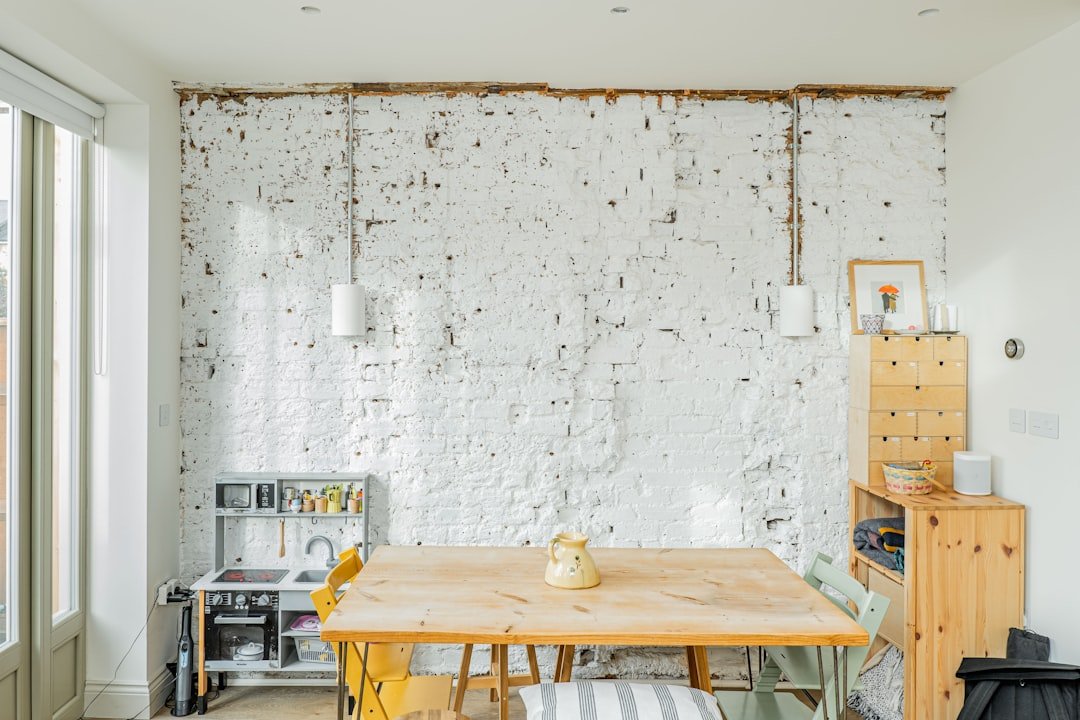
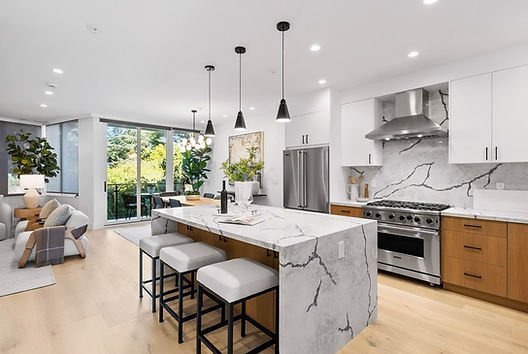
Modern kitchen with white walls and wooden cabinets
Choosing Colors By Kitchen Style
Choosing the right color for your kitchen walls depends on the style you want to create. Each kitchen style has colors that fit best and highlight its unique features. Picking colors that match your kitchen’s look creates a balanced and inviting space.
Modern Kitchens
Modern kitchens look great with neutral colors. Shades like white, gray, and black create a clean and sleek feel. Bright colors such as bold blue or green can add energy without cluttering the space. Use matte finishes for a smooth, stylish look.
Traditional Kitchens
Warm and soft colors suit traditional kitchens well. Cream, beige, and soft yellows bring a cozy and classic touch. These colors highlight wood cabinets and vintage details. Light pastels also work to keep the space bright and welcoming.
Farmhouse Style
Farmhouse kitchens call for natural and earthy colors. Warm whites, soft greens, and light browns create a rustic charm. These shades complement wood and stone elements. A touch of muted blue or sage green adds calmness and warmth.
Industrial Look
Industrial kitchens pair well with dark and bold colors. Charcoal gray, deep navy, and black add depth and edge. These tones highlight metal and brick details. You can soften the space with warm wood tones or lighter accents.
Scandinavian Vibes
Scandinavian kitchens use light and airy colors. Whites, pale grays, and soft blues make rooms feel bright and fresh. These shades match simple, clean lines and natural wood. Minimal contrast helps keep the space calm and open.
Popular Kitchen Wall Colors
Choosing the right color for your kitchen walls can dramatically change the vibe of the entire space. Popular colors range from timeless neutrals to daring brights, each setting a unique tone. Understanding these options helps you pick a shade that fits your style and enhances your kitchen’s atmosphere.
Neutral Shades
Neutral shades like whites, grays, and beiges are a favorite for many kitchens. They create a clean, fresh backdrop that makes your kitchen feel larger and more open. If you want flexibility, neutral walls allow you to easily switch up accessories and decor without repainting.
Consider a soft gray if you want something a little more modern but still subtle. Creamy whites add warmth without overwhelming the space. Have you noticed how neutral walls can brighten up even a small kitchen?
Bold And Bright Hues
Bright colors such as reds, blues, and yellows bring energy and personality to your kitchen. These colors grab attention and can make cooking and dining feel more lively and fun. If you love a vibrant atmosphere, bold colors might be your best bet.
For example, a sunny yellow wall can make mornings feel cheerful. Deep navy blue adds a touch of sophistication while still being dramatic. Would you be ready to make a statement with your kitchen walls?
Soft Pastels
Soft pastels like mint green, baby blue, and blush pink offer a gentle and calming effect. They work well if you want a kitchen that feels light and airy but with a hint of color. Pastels can add charm without overpowering your space.
Mint green walls can bring a fresh, garden-like feel indoors. Blush pink adds warmth and a modern touch without being too bold. Have you thought about how subtle color can change your mood while cooking?
Earthy Tones
Colors inspired by nature—warm browns, terracotta, olive green—create a cozy, grounded kitchen. Earthy tones connect your space to the outdoors and make it feel inviting and comfortable. These shades pair beautifully with wooden cabinets and natural materials.
Imagine a terracotta wall adding rustic warmth or an olive green creating a peaceful vibe. Earthy colors often hide dirt and smudges better too, which is practical for busy kitchens. Could this be the color family that makes your kitchen feel like home?
Matching Colors With Cabinets And Countertops
Choosing the right wall color to match your kitchen cabinets and countertops is key to creating a balanced and appealing space. The colors you select can either highlight your cabinetry or make the room feel off. Think about how wall colors interact with the tones and materials of your cabinets and countertops to bring harmony or exciting contrast to your kitchen.
Light Cabinets Pairings
Light cabinets often bring a fresh, airy feel to a kitchen. Pairing them with soft, warm wall colors like pale grays, creamy whites, or muted pastels can enhance this openness. If you want to add some personality, consider gentle blues or sage greens that complement without overpowering.
Have you tried a light lavender or dusty rose? These unexpected colors work surprisingly well, adding subtle charm without clashing with the brightness of the cabinets. Remember, light walls with light cabinets keep the room feeling spacious and calm.
Dark Cabinets Pairings
Dark cabinets make a bold statement and need a wall color that balances their depth. Light neutrals such as soft beige, light taupe, or crisp white can create a striking contrast, making your cabinets stand out. If you prefer a more dramatic look, deep jewel tones like emerald or navy on the walls can create a cozy, luxurious vibe.
One trick is to match your wall color to undertones in the cabinets or countertops. For example, if your dark cabinets have a hint of warm brown, a warm-toned wall color can tie everything together beautifully. What feeling do you want your kitchen to evoke—bright and open or rich and intimate?
Mixed Materials
Kitchens with a mix of cabinet colors or countertop materials call for a carefully chosen wall color that unifies the space. Neutral shades like greige or soft greys often act as the perfect backdrop, allowing different surfaces to shine without clashing. You can also use a wall color that picks up one color from your countertops or cabinet hardware for subtle cohesion.
Don’t shy away from texture in your wall finish when you have mixed materials—matte or eggshell paints can complement glossy cabinets and natural stone countertops. What wall color could bring your diverse kitchen elements into a seamless whole? Experiment with samples on your walls before committing.
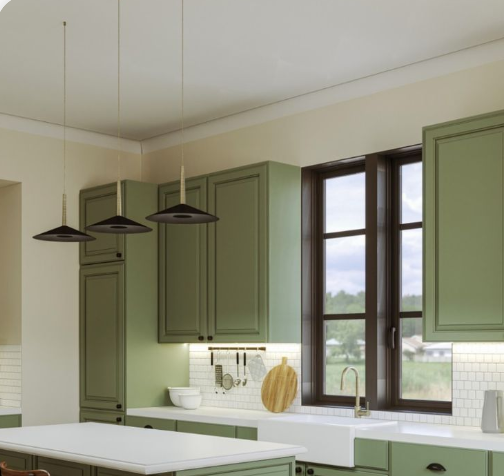
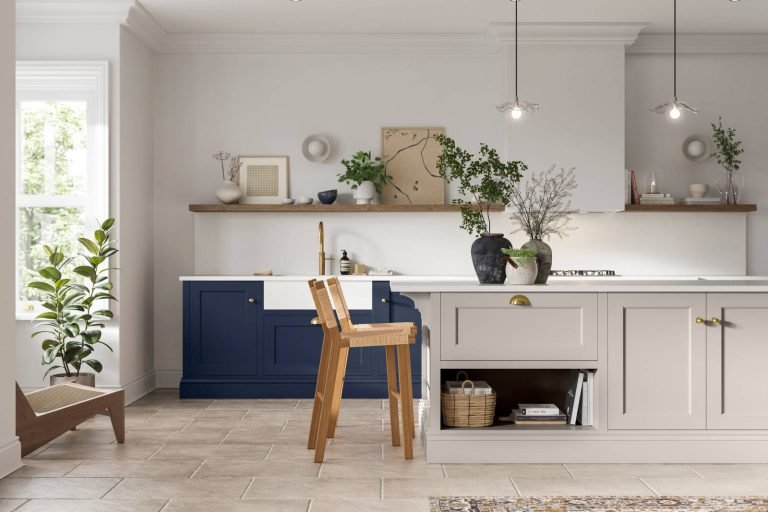
Navy blue kitchen walls with white units
Accent Walls And Color Blocking
Accent walls and color blocking bring life and personality to kitchen spaces. They break the monotony of plain walls and create areas that catch the eye. Choosing the right color and style can transform your kitchen into a lively and inviting place.
Creating Focal Points
An accent wall focuses attention on one part of the kitchen. It can highlight the area behind the stove or the dining corner. Bold colors like deep blue, forest green, or warm terracotta work well for this. The contrast with lighter surrounding walls makes the accent wall pop. This technique adds depth and interest without overwhelming the entire room.
Using Patterns And Textures
Patterns and textures add dimension to kitchen walls. Consider geometric shapes, stripes, or even a subtle floral design. Textured paint or wallpaper creates a tactile experience that feels cozy. Tiles with different finishes, like matte or glossy, add another layer of style. These elements make the kitchen feel unique and dynamic.
Lighting Effects On Wall Colors
Lighting plays a crucial role in how your kitchen wall colors appear. The same paint shade can look dramatically different depending on the type and amount of light it receives. Understanding lighting effects helps you pick a color that feels just right throughout the day and evening.
Natural Light Impact
Natural light changes throughout the day, affecting your wall colors in subtle ways. Morning sunlight tends to be cooler and bluer, which can make cool tones like blues and greens pop. In contrast, afternoon sunlight is warmer and richer, enhancing warm shades like yellows, reds, and oranges.
If your kitchen faces north, expect less direct sunlight, which can make colors appear dull or muted. In this case, choosing lighter or warmer colors helps brighten the space. South-facing kitchens get strong sunlight most of the day, which can intensify both light and dark colors, so test samples at different times to avoid overwhelming brightness.
Artificial Lighting Choices
Your choice of artificial lighting can either complement or clash with your wall colors. Warm LED bulbs (2700K–3000K) add a cozy glow that enhances reds, oranges, and yellows but can dull cooler tones. Cool white bulbs (4000K–5000K) bring out blues and greens but might make warm colors look harsh or washed out.
Consider layering different light sources like overhead lights, under-cabinet lighting, and pendant lights to create balance. Dimmer switches allow you to adjust brightness and mood, changing how colors feel at different times. Have you tested your paint samples under your kitchen’s artificial lights yet? It’s a small step that saves big regrets later.
Color Psychology In Kitchen Design
Color psychology plays a powerful role in shaping the atmosphere of your kitchen. The colors you choose can influence your mood, energy levels, and even how much you enjoy your meals. Understanding how different tones affect you can help you pick a kitchen wall color that fits your lifestyle and cooking habits.
Energizing Colors
Bright colors like red, orange, and yellow spark energy and enthusiasm. They can make your kitchen feel lively and vibrant, perfect if you want to boost your motivation during meal prep. However, too much intensity might feel overwhelming, so balance these shades with neutral tones or use them as accents.
Think about how you feel when you see a splash of red—does it make you more alert or hungry? If yes, these colors could be a great choice for your kitchen walls.
Calming Shades
Soft blues, greens, and grays create a peaceful environment that helps reduce stress. These colors work well if your kitchen is a place where you want to relax and enjoy quiet moments. They also tend to make small kitchens feel more spacious and open.
Consider whether you want your kitchen to be a calming retreat or a high-energy zone. If you lean toward calm, these shades can help set that tone.
Appetite-stimulating Tones
Colors like warm reds and earthy browns are known to stimulate appetite and conversation. Many restaurants use these tones to encourage diners to feel comfortable and enjoy their food more. These colors can add a cozy, inviting vibe to your kitchen.
Ask yourself if you want your kitchen to feel like a social hub where everyone gathers around food. If yes, these tones might be the perfect fit for your walls.
Tips For Painting Kitchen Walls
Painting kitchen walls might seem straightforward, but getting it right can transform your entire space. The color you choose and how you apply it can affect the room’s brightness, mood, and even your cooking experience. Let’s dive into some practical tips that help you paint your kitchen walls effectively and beautifully.
Choosing The Right Finish
The finish you pick for your kitchen walls matters just as much as the color. Kitchens are busy spaces prone to spills, steam, and grease, so durability is key.
Consider these finishes:
- Satin:Offers a slight sheen and is easy to clean, making it perfect for kitchens.
- Semi-gloss:More reflective and very durable, ideal for areas near the stove or sink.
- Eggshell:Has a soft, low sheen but might be harder to clean than satin or semi-gloss.
Think about how much cleaning you’re willing to do. I once used flat paint in my kitchen, and it stained quickly, forcing me to repaint sooner than I wanted. Satin or semi-gloss could save you time and effort.
Preparation And Maintenance
Proper prep work lays the foundation for a smooth, long-lasting paint job. Start by cleaning your walls thoroughly—remove grease, dust, and any loose paint.
If your walls have stains or holes, fill and sand them until smooth. This step prevents bumps and unevenness that show through paint.
After painting, maintenance is easier if you wipe walls regularly with a damp cloth. Have you tried spot-cleaning stains right after they appear? It keeps your walls looking fresh and avoids deep stains.
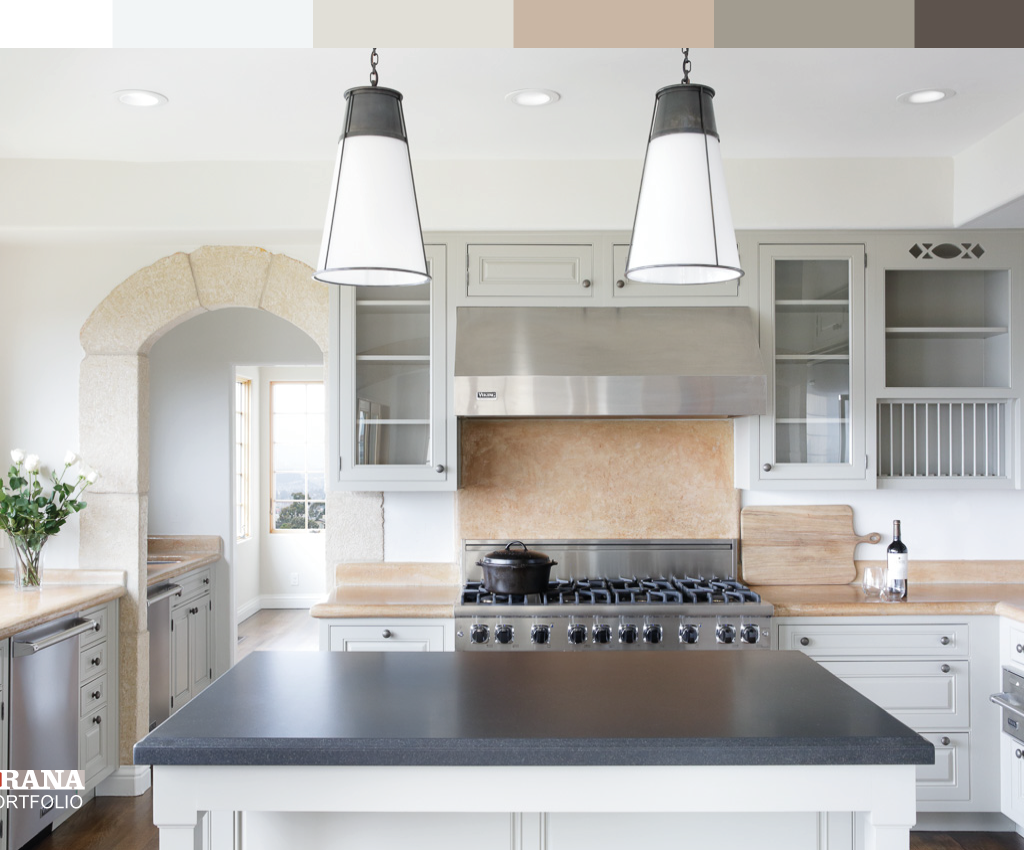
Soft grey walls in a contemporary kitchen design
Frequently Asked Questions
What Colors Make Kitchen Walls Look Bigger?
Light colors like white, pale gray, and soft pastels make kitchens feel larger. They reflect natural light well. These hues create an open, airy atmosphere. Avoid dark shades if you want to expand the space visually.
Which Wall Color Suits Modern Kitchens Best?
Neutral tones like white, beige, and gray suit modern kitchens. They provide a clean, sleek look. These colors complement stainless steel and minimalist designs. You can add vibrant accents for personality.
How To Choose Kitchen Wall Colors With Natural Light?
Consider the direction of windows when picking colors. Warm colors enhance south-facing kitchens. Cool tones work well with north-facing rooms. Test paint samples in different light throughout the day for best results.
Are Bold Colors Good For Kitchen Walls?
Bold colors like red, navy, or emerald add energy and style. Use them on one accent wall to avoid overwhelming the space. Pair with neutral cabinets and accessories for balance.
Conclusion
Choosing the perfect kitchen wall color can transform your space. Light shades create an open, airy feeling. Darker tones add warmth and depth. Neutral colors offer versatility and elegance. Consider your kitchen’s lighting and size. Think about your personal style and preferences.
Balance your wall color with cabinets and countertops. Test colors before making a final decision. A well-chosen color enhances your kitchen’s beauty and functionality. Make your kitchen a place where you love to spend time. Enjoy the process of creating a space that reflects you.