
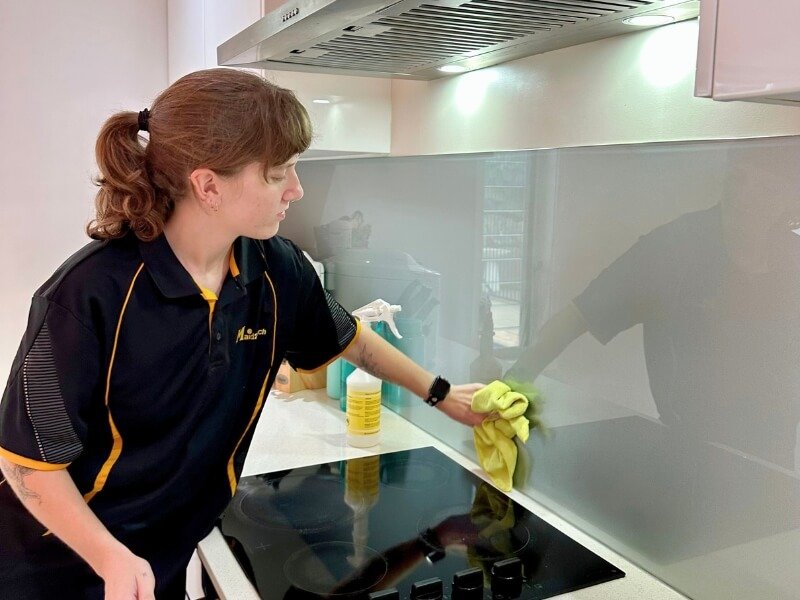
How to Clean Kitchen Grease off Painted Walls: Easy & Effective Tips
Are you tired of seeing stubborn kitchen grease ruining the look of your painted walls? Grease stains can make your kitchen feel dirty and neglected, even if everything else is spotless.
The good news is, you don’t have to live with those ugly marks. With the right approach, you can restore your walls to their original shine without damaging the paint. You’ll discover simple and effective ways to clean kitchen grease off your painted walls quickly.
How to Clean Kitchen Grease off Painted Walls
Keep reading to learn easy steps that will save your walls and brighten up your kitchen space!
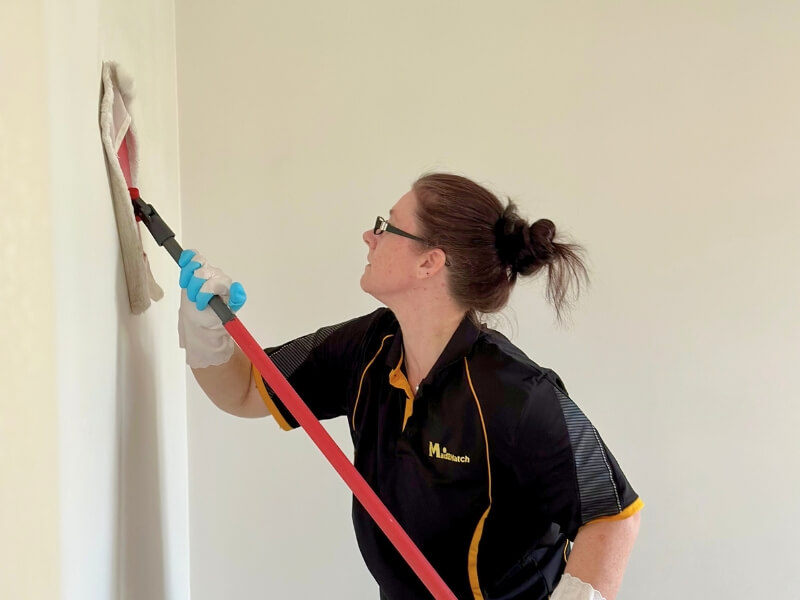
Woman cleaning kitchen grease off painted wall with sponge
Causes Of Kitchen Grease Buildup
Understanding what causes kitchen grease buildup is key to tackling it effectively. Grease doesn’t just appear out of nowhere—it comes from everyday cooking activities that release oils and fats into the air. Recognizing these sources can help you prevent stubborn stains and maintain the beauty of your painted walls.
Common Grease Sources
Grease mostly comes from cooking oils and fats that vaporize during frying, sautéing, or grilling. Foods like bacon, fried chicken, and stir-fries release a lot of oily smoke that sticks to nearby surfaces.
Another major source is splatters from pans and pots. If you’ve ever noticed tiny oil spots on your walls after cooking, that’s the culprit. Even steam mixed with tiny grease particles can settle on walls over time.
- Frying or grilling fatty meats
- Using oil-heavy recipes
- Boiling soups or sauces with oil content
- Running the stove without proper ventilation
Effects On Painted Walls
Grease buildup doesn’t just look ugly; it can cause long-term damage to your painted walls. The oily residue attracts dust and dirt, making walls sticky and dull. Over time, the paint can discolor or peel due to the constant exposure to grease.
Have you ever tried wiping a greasy wall only to see the stain spread or become worse? That’s because grease can seep into the paint, making it harder to clean. Left untreated, it might even cause unpleasant odors that linger in your kitchen.
Knowing these effects, you might want to ask: how often should I clean my kitchen walls to prevent grease buildup? The answer depends on your cooking habits and ventilation but regular cleaning is definitely a smart move.
Safety Precautions Before Cleaning
Before you start scrubbing away kitchen grease from your painted walls, taking safety precautions is a must. Cleaning products and loosened grime can release fumes or particles that may irritate your skin, eyes, or lungs. Protecting yourself ensures the job gets done without any health setbacks.
Protective Gear To Use
Wear rubber gloves to shield your hands from harsh chemicals and greasy residue. Goggles are a smart choice to prevent splashes from reaching your eyes, especially if you’re using strong cleaning agents. Consider a mask if you’re sensitive to smells or if the cleaner produces strong fumes—this helps you breathe easier throughout the process.
Ventilation Tips
Open windows and doors to create a cross breeze that carries away fumes and moisture. If your kitchen has an exhaust fan, turn it on to boost air circulation. Have you noticed how a stuffy room can make even simple cleaning feel overwhelming? Fresh air keeps you comfortable and reduces the risk of dizziness or headaches while you work.
Essential Cleaning Supplies
Cleaning kitchen grease off painted walls requires the right supplies to make the job effective and safe for your paint. Without proper tools, you might struggle to remove stubborn grease or risk damaging your walls. Gathering essential cleaning supplies before you start can save you time and frustration.
Household Items For Grease Removal
You probably already have some powerful grease-fighting supplies at home. Simple items like white vinegar, baking soda, and dish soap work wonders on greasy walls.
- White vinegar:Its acidity breaks down grease naturally without harsh chemicals.
- Baking soda:Acts as a gentle abrasive that won’t scratch your paint.
- Dish soap:Designed to cut through grease on dishes, it’s just as effective on walls.
- Warm water:Helps loosen grease and rinse away residue easily.
- Soft cloths or sponges:Avoid rough materials that might damage your paint.
Have you ever tried wiping grease with just water? Chances are, it just spread the mess around. These household items give you real cleaning power without risking your painted surfaces.
Recommended Commercial Cleaners
If household items don’t do the trick, commercial cleaners made for kitchen grease can be your next step. Look for products labeled safe for painted walls to avoid peeling or discoloration.
- All-purpose degreasers:Formulated specifically to cut through tough grease quickly.
- Spray cleaners with citrus extracts:These offer natural grease-fighting ingredients with a pleasant scent.
- Non-abrasive wall cleaners:Designed to clean without damaging paint or wallpaper.
Before you apply any commercial cleaner, test a small hidden spot on your wall. Does the cleaner cause any fading or bubbling? If yes, try a milder product or stick to household options.
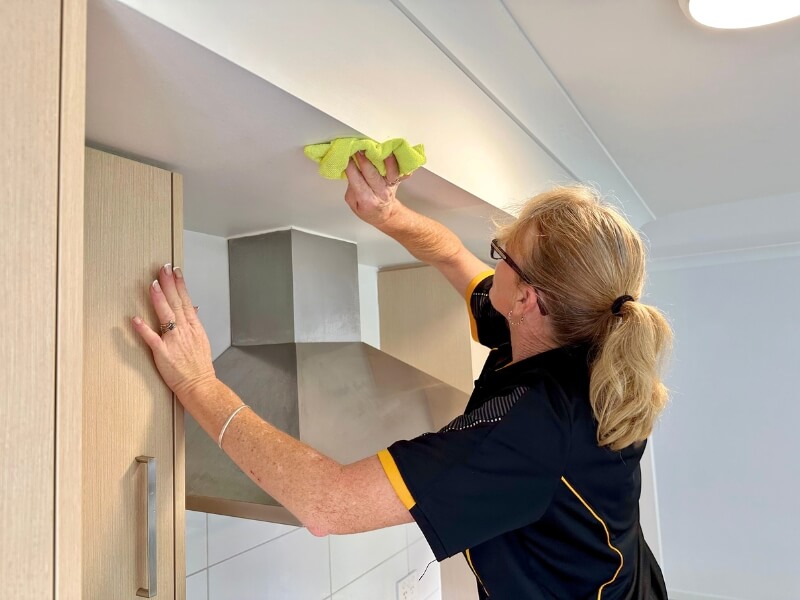
Kitchen wall before and after grease removal
Step-by-step Cleaning Methods
Cleaning kitchen grease off painted walls can feel like a tough challenge, but breaking it down into clear steps makes the task manageable. You don’t need harsh chemicals or expensive tools to get the job done. Instead, focus on simple, effective methods that you can try with common household items or store-bought products.
Using Warm Soapy Water
Start with a gentle approach by mixing warm water and dish soap. Dish soap is designed to cut through grease, making it an ideal first step.
- Mix a few drops of dish soap in a bucket of warm water.
- Dip a soft cloth or sponge into the soapy water and wring out excess liquid.
- Gently scrub the greasy spots on your painted walls in a circular motion.
Rinse the cloth frequently to avoid spreading grease around. If the wall feels sticky after cleaning, wipe it down with a damp, clean cloth to remove soap residue.
Applying Vinegar And Baking Soda
Vinegar and baking soda form a natural cleaning duo that’s tough on grease but safe for most paints.
- Sprinkle baking soda directly on the greasy areas.
- Spray or dab white vinegar over the baking soda and let it fizz for a few minutes.
- Use a soft sponge to scrub gently, then wipe with a damp cloth.
This method works well if you prefer eco-friendly solutions. Have you noticed how fizzing reactions can lift grime without harsh chemicals?
Using Commercial Degreasers
If the grease is stubborn or widespread, a commercial degreaser might be necessary. Choose one labeled safe for painted surfaces to avoid damage.
- Read the instructions carefully before use.
- Apply the degreaser to a cloth or sponge rather than spraying directly on the wall.
- Rub the greasy area gently and then wipe with a clean, damp cloth.
Test the product on a small, hidden area first to check for any discoloration. What’s your experience with commercial cleaners—do they work better or cause more hassle?
Handling Stubborn Grease Stains
Stubborn grease stains on painted walls can be frustrating. They often resist simple wiping and demand a bit more care. Tackling these tough spots without damaging your paint requires patience and the right approach.
Gentle Scrubbing Techniques
Start by using a soft sponge or microfiber cloth to avoid scratching the paint. Apply a mild cleaning solution, such as a mix of warm water and dish soap, directly to the sponge rather than spraying it on the wall. This prevents over-saturation and potential paint damage.
Use small circular motions to gently lift the grease. Avoid harsh scrubbing, which can peel or dull the paint finish. If the stain doesn’t budge, let the cleaning solution sit for a few minutes before trying again.
When To Repeat Cleaning
Grease stains may need several gentle cleaning rounds before they disappear completely. After each attempt, dry the area with a clean towel to check your progress clearly. If the grease remains, repeat the process, but always give the wall time to dry between tries.
Ask yourself: is the wall showing signs of wear? If yes, pause and consider a different approach or a professional cleaner. Over-cleaning can cause more harm than good, so balancing persistence with caution is key.
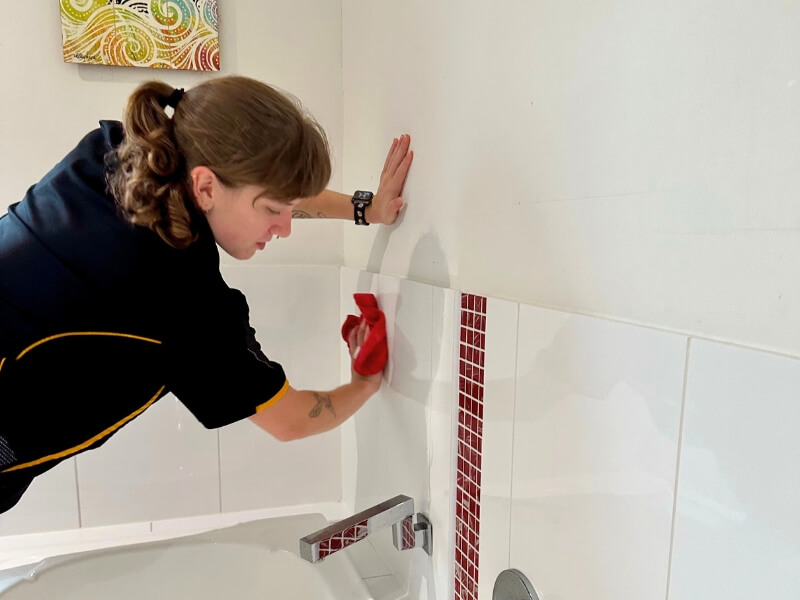
Soft cloth wiping grease stains from a painted kitchen wall
Preventing Future Grease Buildup
Preventing future grease buildup on your painted kitchen walls saves you time and keeps your space looking fresh. Grease can stick stubbornly if left unattended, so taking steps to reduce accumulation makes cleaning easier and protects your wall’s finish. What small changes can you start today to keep grease at bay?
Regular Cleaning Habits
Wiping down your walls regularly is the best defense against grease buildup. Use a mild detergent mixed with warm water and a soft cloth or sponge. Even a quick weekly wipe can prevent grease from settling deeply into the paint.
Try to clean right after cooking, especially if you fry or grill often. This stops grease from hardening, making it easier to remove. If you can’t clean immediately, keep a spray bottle of water and mild cleaner handy for a quick spray and wipe.
Don’t forget to clean less obvious spots like corners, edges near the stove, and backsplash areas. These tend to trap grease and dust, contributing to buildup over time.
Using Protective Wall Coatings
Applying a protective coating on your painted walls creates a barrier that repels grease and stains. Clear sealants or washable paint finishes designed for kitchens help grease slide off rather than soak in.
Look for products labeled as “grease-resistant” or “washable” when choosing paints or coatings. These finishes make cleaning simpler and reduce the need for harsh scrubbing that can damage paint.
Have you considered adding a washable wallpaper or a glass panel behind your stove? These options provide an extra layer of protection and are easy to clean, keeping your walls pristine without extra effort.
Tips For Maintaining Painted Walls
Maintaining painted walls keeps your kitchen looking fresh and clean. Regular care stops grease build-up and paint damage. Simple habits protect your walls and save time on deep cleaning later.
Avoiding Paint Damage
Use gentle cleaning products made for painted surfaces. Avoid harsh chemicals that strip paint or cause discoloration. Test cleaners on a small hidden area first.
Do not scrub walls hard. Use a soft cloth or sponge to wipe gently. Keep water and cleaning solutions from pooling on walls.
Routine Maintenance Practices
Wipe walls regularly to prevent grease from settling. Clean kitchen walls at least once a week with a mild soap solution.
- Use a mixture of warm water and a few drops of dish soap.
- Dry the walls with a clean towel after wiping.
- Ventilate the kitchen to reduce moisture and grease buildup.
Keep cooking splatters from hitting the walls by using splatter guards. Regularly check for stains and clean them promptly for best results.
Frequently Asked Questions
How Can I Remove Kitchen Grease From Painted Walls?
Use a mixture of warm water, dish soap, and vinegar. Apply with a soft cloth and gently scrub the grease. Rinse with clean water and dry the wall to prevent damage.
What Household Products Clean Grease Off Painted Surfaces?
Common products include dish soap, white vinegar, baking soda, and warm water. These are effective and safe for painted walls when used gently.
Is It Safe To Use Vinegar On Painted Kitchen Walls?
Yes, diluted white vinegar is safe and effective for cleaning grease. Always test on a small area first to avoid paint damage.
How Do I Prevent Grease Buildup On Painted Kitchen Walls?
Regularly wipe walls with a damp cloth after cooking. Use a kitchen exhaust fan to reduce grease particles in the air.
Conclusion
Cleaning kitchen grease off painted walls is simple with the right steps. Begin with mild soap and warm water. Gently scrub the stained areas. For stubborn grease, try vinegar or baking soda. Always test on a small area first. Ensure the wall dries completely after cleaning.
Regular maintenance prevents buildup. This keeps your kitchen fresh and inviting. Remember, gentle methods preserve your wall’s paint. Keep these tips handy for a spotless kitchen. Your walls will thank you. Clean, fresh walls make a happier home. Enjoy your clean space!

Sophia Martinez is a culinary lifestyle writer and product reviewer for DiningGadgets.com. Passionate about blending style with functionality, she explores the latest dining essentials, kitchen décor, and cleaning hacks that transform everyday cooking spaces. With a background in home organization and design, Sophia brings readers expert advice on creating beautiful, practical kitchens that truly feel like the heart of the home.


2 Comments
Comments are closed.