

Choosing the right paint for your kitchen walls can make all the difference in how your space feels and functions. You want a paint that not only looks great but also stands up to heat, moisture, and daily messes.
What Paint to Use on Kitchen Walls. Picking the wrong type could mean peeling, stains, or constant touch-ups. But don’t worry—this guide will help you find the perfect paint that keeps your kitchen fresh and beautiful for years. Keep reading to discover the best options tailored just for your kitchen walls.

Painter applying washable paint on a kitchen wall
Choosing The Right Paint Finish
Choosing the right paint finish for your kitchen walls can make a huge difference in both appearance and durability. The finish affects how the paint looks under different lighting and how easy it is to clean. Understanding the options helps you pick a finish that balances style with practicality.
Matte Vs. Satin Vs. Semi-gloss
Matte finishes offer a smooth, non-reflective surface that hides wall imperfections well. However, they are less resistant to moisture and stains, which might be a challenge in a kitchen environment.
Satin finishes strike a balance with a soft sheen that brightens the room but still conceals minor flaws. They are easier to clean than matte, making them a popular choice for kitchen walls.
Semi-gloss finishes have a noticeable shine that reflects light and highlights colors vividly. Their moisture resistance and durability make them ideal for areas prone to splashes and grease.
Benefits Of Glossy Finishes In Kitchens
Glossy finishes, including semi-gloss and gloss, repel stains and wipe clean effortlessly. If you cook often, you’ll appreciate how easy it is to remove splatters without damaging the paint.
These finishes also brighten the space by reflecting light, which can make your kitchen feel larger and more inviting. Have you noticed how a little shine can change the entire mood of a room?
Keep in mind, though, glossy paint can reveal wall imperfections more clearly. If your kitchen walls have bumps or uneven textures, consider preparing the surface well before applying a glossy finish.
Best Paint Types For Kitchen Walls
Choosing the right paint for kitchen walls affects both beauty and durability. Kitchens need paint that resists moisture, stains, and frequent cleaning. The best options balance appearance with practical features. Here are top paint types suited for kitchen walls.
Latex Paint Advantages
Latex paint is water-based and dries quickly. It offers good flexibility, so it resists cracking. This paint cleans easily with soap and water, perfect for kitchen messes. It emits fewer fumes, making it safer for indoor use. Latex paint comes in many finishes, including satin and semi-gloss. These finishes add extra protection against moisture and stains. Its quick drying time helps complete kitchen projects faster.
Oil-based Paint Pros And Cons
Oil-based paint creates a smooth, durable surface. It handles scrubbing and moisture well, suitable for busy kitchens. This paint resists stains and wear better than latex in some cases. However, it takes longer to dry and has a strong odor. Cleanup requires solvents like mineral spirits. Oil-based paint can yellow over time, especially in low light. Use it in well-ventilated areas and apply with care.
Eco-friendly Paint Options
Eco-friendly paints reduce harmful chemicals and odors. They use natural ingredients or low volatile organic compounds (VOCs). These paints improve indoor air quality and are safer for family and pets. Many eco paints have excellent durability and stain resistance. They come in various colors and finishes for kitchen walls. Choosing eco-friendly paint supports health and the environment.
Durability Factors To Consider
Durability is a key factor when choosing paint for kitchen walls. Kitchens face heat, steam, spills, and frequent cleaning. Paint must stand up to these challenges without losing color or texture. Selecting the right paint ensures walls stay fresh and attractive for years.
Resistance To Moisture And Stains
Kitchen walls often get wet from steam and splashes. Paint that resists moisture prevents peeling and bubbling. It also stops mold and mildew growth, which thrive in damp places.
Stain resistance is vital too. Grease and food splatters can leave marks on walls. Paint with a strong, stain-resistant finish keeps these spots from soaking in.
Look for paints labeled as “moisture-resistant” or “stain-resistant.” Satin and semi-gloss finishes usually offer better protection than flat paints.
Ease Of Cleaning And Maintenance
Kitchen walls need frequent cleaning to remove dirt and grease. Paint should allow easy wiping without damage.
Choose paints that hold up to scrubbing. This quality saves time and effort during cleaning.
Low-VOC paints are better for indoor air quality and safe for regular use. They also dry faster, reducing downtime.
Keeping kitchen walls clean and fresh is simple with durable, washable paint.
Color Choices And Kitchen Style
Choosing the right paint color for your kitchen walls can dramatically change the feel and style of the space. Your color choice should reflect your personality but also work well with existing elements like cabinets and countertops. Think about what mood you want to create—inviting and warm, bright and energetic, or calm and sleek.
Popular Color Palettes For Kitchens
Neutral shades like soft grays, creamy whites, and beige remain popular because they create a clean and timeless backdrop. If you want a bolder look, try deep blues or forest greens, which add richness without overwhelming the room.
Pastel colors such as pale yellow or mint green can brighten smaller kitchens and give a fresh, airy feel. Don’t shy away from warm tones like terracotta or mustard—they add coziness and pair well with rustic or farmhouse styles.
Matching Paint With Cabinets And Countertops
Matching your wall paint to cabinets and countertops requires a balance that enhances all elements. If you have dark cabinets, lighter wall colors will open up the space and prevent it from feeling cramped. Conversely, dark walls work well with light or white cabinetry, creating a striking contrast.
Consider undertones carefully. For example, if your countertops have cool gray tones, picking a wall paint with warm undertones might clash. A helpful trick is to grab paint samples and hold them against your cabinets and countertops at different times of the day to see how lighting affects the colors.
Preparing Kitchen Walls For Painting
Preparing your kitchen walls for painting is key to achieving a smooth, long-lasting finish. Skipping this step can lead to peeling, uneven color, and an overall less professional look. Taking the time to clean, repair, and prime your walls will save you headaches down the line and make your new paint job truly shine.
Cleaning And Repairing Surfaces
Start by wiping down the walls with a mild detergent mixed with warm water. This removes grease, food splatters, and dust that can stop paint from sticking properly.
Check for cracks, holes, or dents. Use spackle or wall filler to patch these spots, then sand smooth once dry. Don’t rush this—paint won’t hide imperfections.
Have you ever painted over a stained wall only to see the marks bleed through? Cleaning thoroughly and fixing damage prevents this issue and helps your paint look fresh and even.
Priming Tips For Better Adhesion
Priming creates a uniform surface and improves paint adhesion, especially on kitchen walls that face moisture and heat.
- Choose a primer suited for your wall type—drywall, plaster, or previously painted surfaces.
- Use a stain-blocking primer if you have any stubborn marks or water stains.
- Apply primer evenly with a roller or brush and let it dry completely before painting.
Think of primer as the foundation for your paint. Skipping it might save time now, but it can cause peeling or uneven coverage later. Do you want your kitchen walls to last through years of cooking and cleaning?
Application Tips For A Long-lasting Finish
Getting a long-lasting finish on your kitchen walls requires more than just picking the right paint. The way you apply it plays a huge role in durability and appearance. Paying attention to the tools and techniques you use, as well as the number of coats and drying times, can save you from future touch-ups and peeling.
Tools And Techniques
Using the right tools can make your painting job smoother and more professional. A high-quality angled brush helps you reach corners and edges neatly, while a roller with a medium nap covers flat surfaces evenly.
Try to maintain a “wet edge” as you paint to avoid streaks and uneven texture. This means working quickly and overlapping each stroke slightly before the paint dries.
Have you noticed how skipping surface prep causes paint to peel? Cleaning your walls thoroughly and repairing any cracks or holes ensures better paint adhesion. Sanding glossy surfaces lightly can also help the paint stick better.
Number Of Coats And Drying Times
Applying multiple thin coats beats one thick coat every time. Thin layers dry faster and reduce drips or unevenness. Usually, two coats of kitchen-specific paint provide good coverage and durability.
Drying times vary between paint brands and room conditions. Wait at least 4 hours between coats for water-based paints, and longer for oil-based ones. Don’t rush this step—patience here prevents damage later.
Have you ever painted over a wall that wasn’t fully dry and ended up with bubbles or peeling? Let your walls dry completely before moving furniture back or hanging decorations to protect your hard work.
Top Paint Brands For Kitchen Walls
Choosing the right paint brand for kitchen walls is key to lasting beauty and durability. Kitchens face humidity, heat, and frequent cleaning. The best paint brands offer formulas that resist stains, moisture, and wear. They also provide smooth finishes that brighten your space.
Top brands combine quality ingredients with easy application. Their paints dry quickly and maintain color over time. This helps your kitchen walls stay fresh and vibrant for years.
Recommended Products By Experts
- Benjamin Moore Aura:Known for excellent coverage and durability. It resists mildew and stains well.
- Sherwin-Williams Emerald:Offers a smooth, washable finish. It handles kitchen moisture easily.
- Behr Premium Plus Ultra:Provides good stain resistance and is easy to clean.
- Farrow & Ball Modern Emulsion:A washable, hard-wearing paint with a matte finish.
- Valspar Signature:Great for kitchens with moisture resistance and fade protection.
Budget-friendly Vs. Premium Options
| Feature | Budget-Friendly Paints | Premium Paints |
|---|---|---|
| Price | Lower cost, good for small projects | Higher cost, better for long-term use |
| Durability | Decent, may require more touch-ups | Highly durable, resists stains and moisture |
| Finish | Good finish but less smooth | Superior finish with rich colors |
| Coverage | May need multiple coats | Excellent coverage in fewer coats |
| Cleaning | Washable but less resistant | Easy to clean without damage |
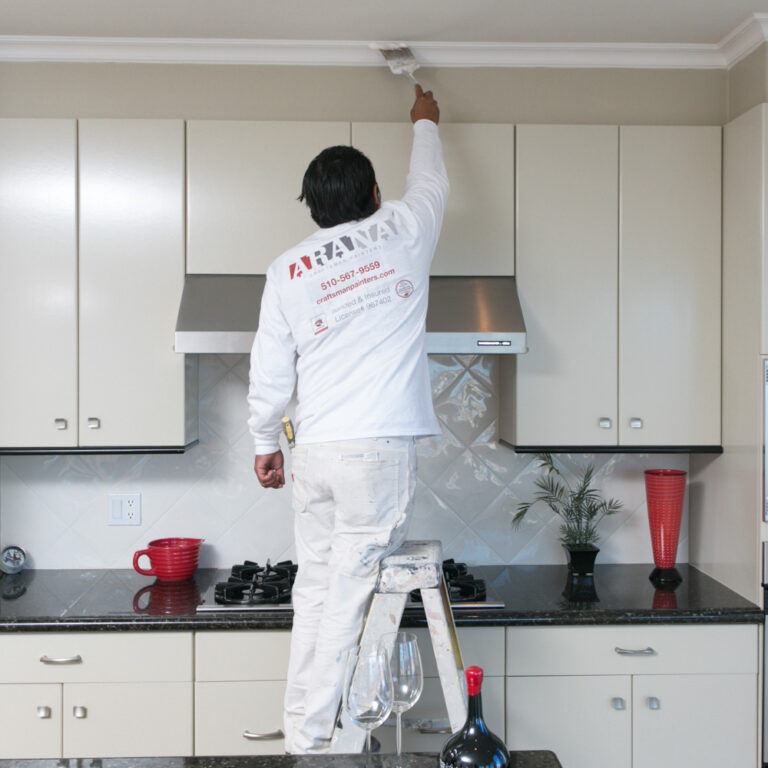
Modern kitchen with freshly painted walls in durable finish
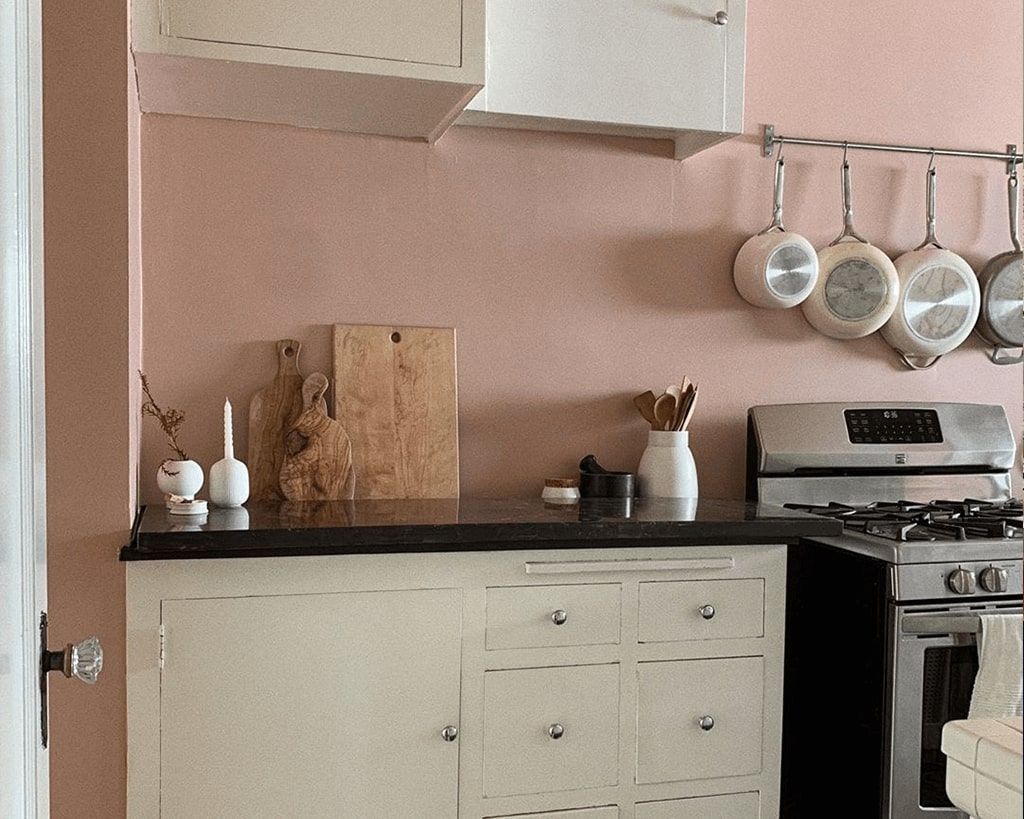
Bright kitchen showing stain-resistant wall paint
Frequently Asked Questions
What Type Of Paint Is Best For Kitchen Walls?
Use semi-gloss or satin paint for kitchen walls. These finishes resist moisture and stains. They are easy to clean and maintain, making them ideal for kitchens.
Can I Use Oil-based Paint In The Kitchen?
Oil-based paint offers durability and stain resistance. However, it has strong fumes and longer drying time. Water-based paints are often preferred for kitchens due to better ventilation and easier cleanup.
Should I Choose Washable Paint For Kitchen Walls?
Yes, washable paint is recommended for kitchens. It allows easy removal of grease, food splatters, and dirt. This keeps your kitchen walls looking fresh and clean over time.
Is Mold-resistant Paint Necessary For Kitchens?
Mold-resistant paint helps prevent mold growth in damp kitchen areas. It is especially useful in kitchens with poor ventilation. Choosing this paint type improves wall longevity and hygiene.
Conclusion
Choosing the right paint for your kitchen walls is crucial. It impacts durability and look. Consider washable paints for easy cleaning. Semi-gloss and satin finishes work well. They resist moisture and stains. Ensure the paint color complements your kitchen decor.
Light shades can make the space look bigger. Darker tones add warmth and coziness. Always test a paint sample before committing. This helps avoid surprises. Proper preparation leads to lasting results. Your kitchen walls can look fresh and inviting. Make a choice that suits your needs and style.
Enjoy a beautiful kitchen space!
