

Choosing the right paint for your kitchen walls can feel overwhelming. You want a color that brightens your space, but also a paint that stands up to spills, steam, and constant cleaning.
What Paint is Good for Kitchen Walls. What if you could pick a paint that makes your kitchen look amazing and stays fresh for years? You’ll discover exactly what paint works best for your kitchen walls—so you can create a beautiful, easy-to-maintain space you’ll love. Keep reading to find the perfect paint that fits your style and your busy kitchen life.
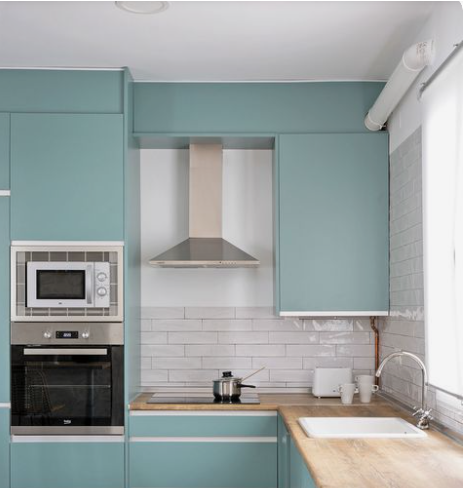
Kitchen with semi-gloss wall paint resistant to moisture
Choosing The Right Paint Type
Choosing the right paint type for kitchen walls is crucial. The kitchen faces moisture, heat, and stains daily. Paint must resist these challenges and last long. The choice affects appearance and maintenance. Some paints clean easily, others offer strong protection. Understanding paint types helps pick the best option for your kitchen.
Latex Vs Oil-based Paints
Latex paint is water-based and dries quickly. It has low odor and cleans up with soap and water. It resists fading and cracking well. Oil-based paint takes longer to dry. It offers a hard, smooth finish. Oil-based paint handles stains better but needs solvents for cleanup. Latex paint is eco-friendlier and less toxic.
Benefits Of Acrylic Paint
Acrylic paint is a type of latex paint with added benefits. It sticks well to walls and resists peeling. Acrylic paint handles moisture better than regular latex. It stays flexible and prevents cracks. This paint type holds color longer in humid kitchens. It cleans easily and resists mildew growth.
Advantages Of Enamel Paint
Enamel paint forms a hard, durable surface. It is excellent for high-traffic kitchen walls. Enamel resists scratches and stains effectively. It cleans with a damp cloth without damage. This paint can be glossy or satin, adding shine. Enamel paint is often oil-based but water-based versions exist too.
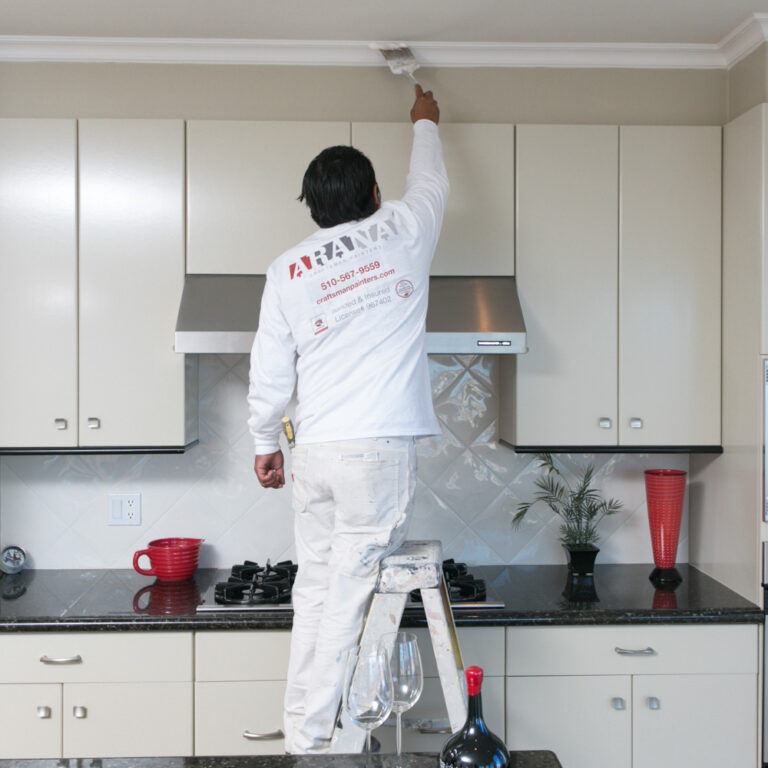
Bright kitchen with stain-resistant wall paint
Key Features For Kitchen Walls
Choosing the right paint for your kitchen walls means focusing on specific qualities that can handle the unique challenges of this busy space. Your kitchen walls face heat, spills, and constant cleaning, so the paint must be tough and practical. Understanding these key features helps you pick a paint that keeps your kitchen looking fresh and clean for years.
Durability And Washability
Your kitchen walls need paint that stands up to frequent scrubbing. Durable paint resists scratches and chips, so your walls won’t show wear after cleaning. Washability is crucial—choose paint that allows you to wipe off stains without losing color or finish.
Have you ever tried scrubbing kitchen splatters only to see the paint peel or fade? Selecting washable paint means your walls stay vibrant even after multiple cleanings.
Moisture And Stain Resistance
Cooking produces steam and grease that can damage ordinary paint. Moisture-resistant paint prevents bubbles and peeling caused by humidity. Stain-resistant formulas repel oily splashes and food stains, so your walls look neat without constant touch-ups.
Think about how often your kitchen walls get exposed to steam or grease—wouldn’t it be easier if the paint could handle these without extra effort on your part?
Mold And Mildew Protection
Kitchens are prone to mold and mildew because of heat and moisture. Paint with mold inhibitors blocks growth on your walls, keeping your kitchen healthier. This feature also protects your investment by preventing unsightly black spots and damage.
Do you want a kitchen wall that stays clean and safe? Choosing paint with mold and mildew protection is a smart move to avoid future problems.
Best Paint Finishes For Kitchens
Choosing the right paint finish for your kitchen walls can make a big difference in both appearance and durability. Kitchens face unique challenges like moisture, grease, and frequent cleaning. Your paint finish needs to stand up to these while enhancing the room’s style.
Satin And Eggshell Finishes
Satin and eggshell finishes offer a soft, smooth look that hides imperfections well. They provide a subtle sheen that brightens the space without being too shiny. These finishes are easy to clean, making them a popular choice for busy kitchens.
If you want a balance between durability and aesthetics, satin or eggshell might be perfect. They resist stains better than flat paints but don’t show every fingerprint like glossy ones can. Have you tried wiping down your kitchen walls with these finishes? You’ll notice they handle everyday messes gracefully.
Semi-gloss And Glossy Options
Semi-gloss and glossy paints are the toughest finishes you can get for kitchen walls. Their shiny surfaces repel moisture and grease, making cleaning quick and effective. This finish works well near sinks, stoves, and backsplashes where splashes and stains are common.
However, these finishes highlight wall imperfections more than satin or eggshell. If your walls aren’t perfectly smooth, you might want to prepare them thoroughly before painting. Does your kitchen wall need to survive splatters and scrubs? Semi-gloss or glossy finishes will stand up to the challenge.
Matte And Flat Finishes
Matte and flat finishes offer a smooth, non-reflective look that can make your kitchen feel cozy. These paints hide wall flaws well and provide a modern, understated style. But they aren’t the best choice if you expect frequent cleaning because they absorb stains and can wear down faster.
If your kitchen has low traffic or you prefer a soft, natural look, matte might work. Still, ask yourself if you’re okay with touching up paint more often. Sometimes, a matte finish on an accent wall combined with more durable finishes elsewhere can be a smart compromise.
Color Choices And Trends
Choosing the right color for your kitchen walls can change the entire mood and functionality of the space. color trends shift over time, but what remains constant is the impact color has on how you feel and interact in your kitchen. You want colors that not only look good but also support your daily routines and personal style.
Popular Kitchen Color Palettes
Neutrals like soft grays, creamy whites, and warm beiges continue to dominate kitchen walls because they create a clean, versatile backdrop. These shades make it easy to swap out accessories or change cabinet colors without repainting.
On the other hand, cool blues and greens bring calm and freshness into the kitchen, ideal for those who want a soothing atmosphere. Warmer tones like muted yellows or terracotta add a cozy, inviting vibe that can make your kitchen the heart of your home.
Are you more drawn to timeless colors, or do you want your kitchen to reflect the latest trends? Think about how often you want to refresh the space.
Impact Of Light On Paint Color
Natural and artificial light play a huge role in how paint colors appear on your kitchen walls. A color that looks bright and vibrant in daylight might seem dull or muddy under kitchen lighting.
South-facing kitchens usually get warm, natural light, which enhances cooler shades, while north-facing rooms might benefit from warmer tones to balance the cooler light. Always test paint samples on your walls at different times of the day before deciding.
Have you noticed how a color can change as the sun moves or when you switch on your kitchen lights? This can surprise you if you’re not prepared.
Using Bold Vs Neutral Shades
Bold colors like deep navy, forest green, or even black can make a striking statement on kitchen walls. They create contrast and highlight architectural features but can also make the space feel smaller if overused.
Neutral shades are safer choices for those who want flexibility and a timeless look. They allow your kitchen’s design elements, like colorful backsplashes or wooden cabinets, to stand out.
Consider your kitchen size and natural light when choosing between bold and neutral. Would you rather have a cozy, dramatic kitchen or a bright, open feel? Your answer will guide your paint choice.
Preparation For Painting Kitchen Walls
Preparing your kitchen walls before painting can make all the difference in how the final result looks and lasts. Skipping proper prep work often leads to peeling paint, uneven finish, or stains showing through. Taking time to clean, repair, and prime the walls sets a strong foundation for a beautiful and durable paint job.
Cleaning And Repairing Surfaces
Start by thoroughly cleaning your kitchen walls. Cooking grease, dust, and food splatters build up over time and can prevent paint from sticking properly.
- Use a mixture of warm water and mild detergent to scrub the walls.
- Rinse with clean water and let the walls dry completely.
- Inspect for cracks, holes, or peeling paint and fill them with spackle or putty.
- Sand repaired areas smooth so they blend seamlessly with the rest of the wall.
Have you noticed stubborn stains that won’t come off? These spots may need extra attention with a degreaser before painting.
Priming Tips For Better Adhesion
Priming your kitchen walls creates a uniform surface that helps paint stick better and last longer. This step is especially important if you’re painting over dark colors or repaired patches.
- Choose a primer designed for kitchen environments or one with stain-blocking properties.
- Apply an even coat of primer using a roller or brush and allow it to dry fully.
- Don’t rush this step; a well-primed wall prevents peeling and uneven color.
Did you know some primers can also resist moisture and mildew? This can be a game-changer in humid kitchens.
Tools And Materials Needed
Having the right tools on hand speeds up the painting process and improves your results. Here’s what you’ll want to gather before starting:
- Soap, sponge, or cloth for cleaning walls
- Spackle or wall filler and a putty knife
- Sandpaper (medium and fine grit)
- Primer suitable for kitchen walls
- Paint rollers and brushes (angled brushes work well for corners)
- Painter’s tape to protect trim and cabinets
- Drop cloths or plastic sheets to cover floors and counters
Having these supplies ready means you won’t have to pause mid-project, helping you stay motivated and efficient.
Application Tips For Long-lasting Results
Applying paint to kitchen walls needs care for lasting beauty. Following simple tips helps the paint stay smooth and fresh. Proper application saves time and keeps walls looking good longer. Focus on technique, coats, and drying for the best result.
Proper Techniques For Smooth Finish
Start with clean, dry walls. Remove grease and dirt before painting. Use painter’s tape to protect edges. Apply paint with a good quality brush or roller. Use even strokes in one direction. Avoid overloading the brush to prevent drips. Light sanding between coats helps smooth rough spots.
Number Of Coats Recommended
Two coats work well for kitchen walls. The first coat seals the surface. The second coat adds color depth and durability. Thin coats dry faster and stick better. Thick coats may peel or bubble. Let each coat dry before adding the next.
Drying And Curing Time
Allow paint to dry fully before touching walls. Drying time varies by paint type and room temperature. Most kitchen paints dry in 1 to 2 hours. Full curing takes up to 7 days. Avoid washing or scrubbing walls until paint cures. Proper curing prevents damage and stains.
Maintaining Painted Kitchen Walls
Maintaining painted kitchen walls keeps your space fresh and inviting. Proper care extends the life of your paint and prevents damage. Regular cleaning and timely repairs preserve the color and finish. Understanding the right methods helps avoid wear and tear from daily kitchen activities.
Cleaning Painted Surfaces Safely
Use a soft cloth or sponge for cleaning. Avoid rough scrubbers that can scratch the paint. Mix mild soap with warm water to remove grease and stains. Test the solution on a small area first. Wipe gently in circular motions to protect the paint layer. Rinse with clean water and dry with a soft towel. Avoid harsh chemicals or bleach that damage paint.
Touch-up And Repair Strategies
Keep leftover paint for quick touch-ups. Clean the damaged area before applying paint. Lightly sand rough spots to smooth the surface. Use a small brush for precise application. Apply thin layers and let each dry fully. For larger damage, consider repainting the entire wall section. Match paint sheen and color for a seamless fix.
When To Repaint
Repaint when walls show persistent stains or fading. Peeling or cracking paint also signals the need. Frequent cooking can cause buildup that cleaning can’t fix. A fresh coat brightens the kitchen and protects walls. Plan repainting every 5 to 7 years for best results. Choose durable, washable paint to reduce future wear.
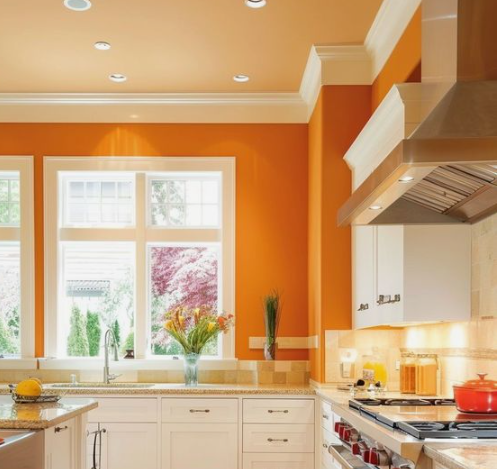
Bright kitchen with stain-resistant wall paint
Frequently Asked Questions
What Type Of Paint Is Best For Kitchen Walls?
The best paint for kitchen walls is semi-gloss or satin finish. These finishes resist moisture, stains, and are easy to clean. They provide durability and a smooth look, ideal for high-traffic, humid kitchen environments.
Can I Use Washable Paint For Kitchen Walls?
Yes, washable paint is perfect for kitchens. It allows easy removal of grease, spills, and stains. Look for paints labeled “washable” or “scrubbable” to keep your kitchen walls clean and fresh.
Should Kitchen Walls Have Oil-based Or Water-based Paint?
Water-based (latex) paint is preferred for kitchen walls. It dries faster, has less odor, and resists yellowing. Oil-based paint is durable but harder to clean and emits strong fumes.
Is Mold-resistant Paint Necessary For Kitchens?
Mold-resistant paint is highly recommended for kitchens. It prevents mold and mildew growth in humid areas. Using this paint helps maintain healthier air quality and extends wall longevity.
Conclusion
Choosing the right paint for kitchen walls is important. Durable paints last longer and resist stains. Semi-gloss and satin finishes work best. They are easy to clean and look great. Consider neutral colors for a timeless look. Light colors make small kitchens feel bigger.
Darker shades add warmth and depth. Always test paint samples before deciding. This ensures the color suits your kitchen light. Quality paint creates a welcoming space for cooking and dining. Invest in good paint to enjoy a beautiful kitchen for years.
Happy painting!
