What Paint Finish to Use on Kitchen Walls: Expert Tips for Durability
Choosing the right paint finish for your kitchen walls can make a big difference in how your space looks and feels. You want something that not only looks great but also stands up to spills, splashes, and daily wear.
What Paint Finish to Use on Kitchen Walls. But with so many options out there, how do you know which one is best for your kitchen? Keep reading, and you’ll discover the perfect paint finish that will keep your walls beautiful and easy to clean, making your kitchen the heart of your home for years to come.
Choosing The Right Paint Finish
Choosing the right paint finish for kitchen walls affects both look and function. The finish changes how light reflects and how easy the walls stay clean. Each finish offers different benefits for kitchen spaces.
Matte Vs. Glossy Finishes
Matte finishes give walls a soft, flat look. They hide imperfections well but can stain easily. Glossy finishes reflect light and look shiny. They make colors pop and are easier to clean but show bumps and marks.
Pros And Cons Of Satin
Satin finish sits between matte and glossy. It has a smooth, pearl-like shine. Satin resists stains and cleans easily. It hides small wall flaws better than glossy. Satin works well in busy kitchens with spills.
Durability Of Semi-gloss
Semi-gloss paints are tough and moisture resistant. They handle scrubbing without losing shine. This finish is perfect near sinks and cooking areas. Semi-gloss helps keep kitchens hygienic and bright.
When To Use High-gloss
High-gloss paint shines the most and looks sleek. It is very durable and cleans easily. Use it on trims, cabinets, or small accent walls. High-gloss highlights details but can make wall flaws obvious.
Factors Affecting Paint Durability
Choosing the right paint finish for your kitchen walls depends heavily on how durable the paint will be over time. Durability means the paint can handle daily wear and tear without losing its look or function. To pick the best finish, you need to think about what your kitchen walls face every day and how easy it is to keep them clean and fresh.
Moisture And Humidity Impact
Kitchens are hotspots for moisture, with steam from cooking and dishwashing creating a humid environment. Paint finishes that can resist moisture will prevent peeling and bubbling. Satin or semi-gloss finishes are great because they handle humidity better than flat paints.
Think about your kitchen’s ventilation. If it’s limited, you might want a finish that stands up to damp air for longer periods. Have you noticed any paint peeling in your kitchen? It’s often due to moisture problems.
Resistance To Stains And Scratches
Your kitchen walls face splashes from sauces, oils, and grease daily. A paint finish that resists stains and scratches saves you from constant repainting. Semi-gloss and gloss finishes offer a harder surface that resists marks better than matte finishes.
Imagine wiping off a stubborn sauce stain. If your paint finish is delicate, you risk rubbing paint off along with the stain. Choosing a finish designed for durability means stains won’t easily damage the wall.
Ease Of Cleaning
Cleaning kitchen walls should be quick and effective. Paint finishes that allow easy washing without damage are ideal. Semi-gloss paints can be wiped down with a damp cloth without losing their shine or integrity.
Do you avoid cleaning certain wall spots because you’re worried about damaging the paint? A finish that balances durability and easy cleaning can change that. This makes your kitchen look fresh with minimal effort.
Kitchen Traffic Considerations
High traffic kitchens see a lot of movement, from cooking to kids running around. Paint finishes need to stand up to knocks, scrapes, and constant contact. Durable finishes like satin or semi-gloss hold up better in busy kitchens than flat or matte paints.
Think about how often your kitchen walls get touched or bumped. Choosing a tougher paint finish helps maintain the look of your walls, even in the busiest homes. What kind of activity does your kitchen face daily?
Best Paint Finishes For Different Kitchen Areas
Choosing the right paint finish enhances both the look and durability of kitchen walls. Different areas in the kitchen need specific finishes to handle moisture, heat, and frequent cleaning. Using the correct finish keeps walls looking fresh and protects them from damage. This guide explains the best paint finishes for key kitchen zones.
Walls Near Cooking Zones
Paint near cooking areas must resist heat, grease, and stains. Satin or semi-gloss finishes work well here. They are easy to clean and handle moisture better than flat paints. These finishes also stand up to scrubbing without losing color or texture.
Areas Around Sinks
Walls by sinks face constant moisture and splashes. Choose a semi-gloss or gloss paint for these spots. These finishes prevent water damage and mold growth. They dry quickly and wipe clean easily, keeping walls fresh and bright.
Backsplashes And Accent Walls
Backsplashes get frequent splatters from cooking and washing. Semi-gloss or gloss paints provide a smooth, shiny surface that resists stains. For accent walls, satin finish offers a soft shine and hides minor imperfections well. Both finishes add style and function.
Ceilings And Trim
Ceilings require a flat or matte finish to hide flaws and reduce glare. Trim should have a semi-gloss or gloss finish to stand out and resist wear. These finishes make cleaning easier and keep trim looking sharp over time.
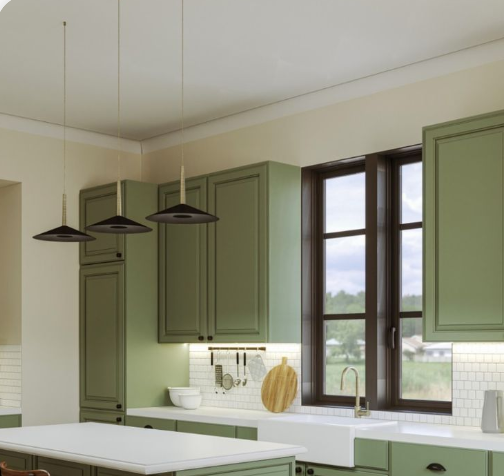
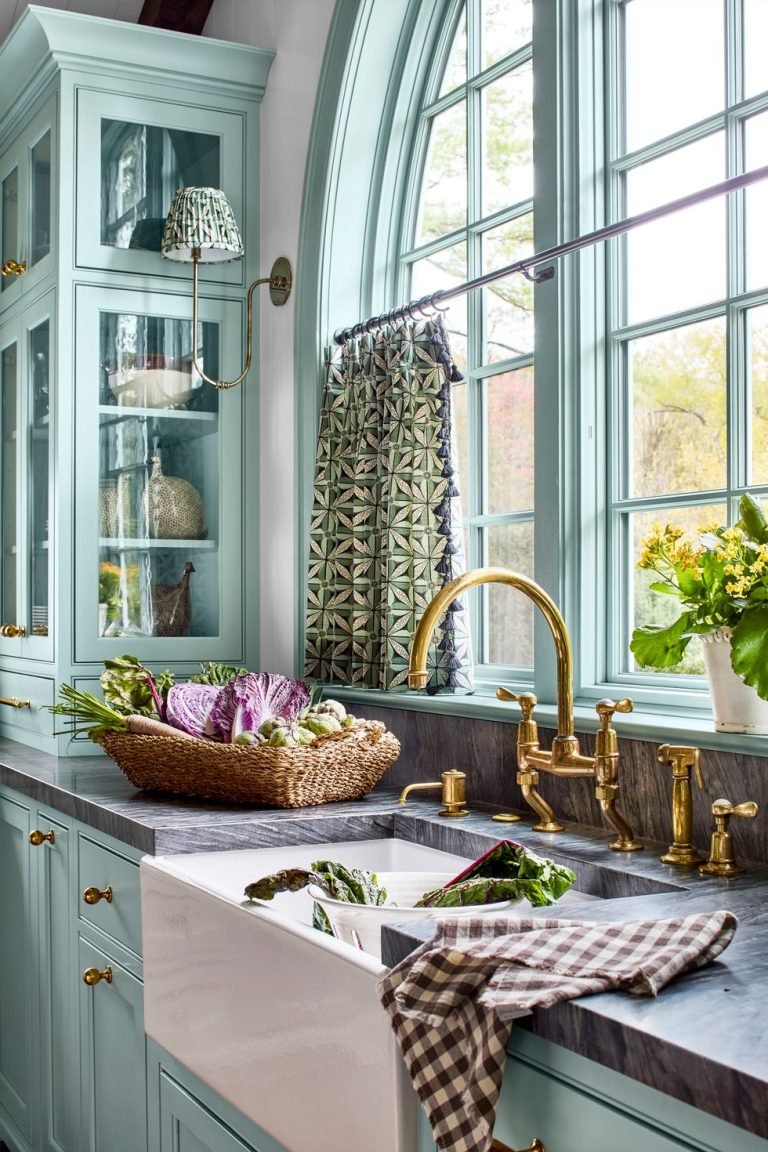
Kitchen walls painted with satin finish for durability
Tips For Preparing Kitchen Walls
Preparing your kitchen walls properly is key to achieving a smooth, long-lasting paint finish. Skipping this step can lead to peeling, uneven color, or frequent touch-ups. Taking the time to clean, repair, and prime your walls sets the foundation for a flawless look that can handle kitchen humidity and mess.
Cleaning And Repairing Surfaces
Start by wiping down your kitchen walls to remove grease, dirt, and dust. Use a mixture of warm water and mild detergent for effective cleaning. Grease spots near the stove need extra attention; consider a degreaser for stubborn areas.
After cleaning, check for cracks, holes, or peeling paint. Fill any imperfections with spackle or wall filler and sand smooth once dry. This step helps your paint stick better and prevents bumps or rough patches from showing through.
Priming For Better Adhesion
Priming your kitchen walls is a step many skip but it makes a huge difference. Primer creates a smooth base that helps paint adhere evenly. It also blocks stains and prevents moisture from seeping in, which is crucial in a kitchen environment.
Apply primer evenly with a roller or brush, focusing on patched areas first. Allow it to dry completely before applying your topcoat to avoid peeling or bubbling paint. Have you noticed how paint can flake off easily in humid kitchens? Primer reduces that risk significantly.
Choosing The Right Primer
Select a primer based on your wall condition and the paint finish you plan to use. If your walls have stains or water damage, opt for a stain-blocking primer. For new drywall or repaired surfaces, a drywall primer will work best.
In kitchens, a primer with mildew-resistant properties adds extra protection against mold growth. Look for primers labeled for high-humidity areas to ensure durability. Investing in the right primer saves time and effort down the line—you’ll thank yourself when your paint job stays fresh for years.
Maintenance Tips To Extend Paint Life
Keeping your kitchen walls looking fresh and vibrant depends largely on how you care for the paint after it’s applied. Proper maintenance can save you from frequent repainting and keep your kitchen inviting. Let’s dive into some practical tips to extend the life of your kitchen wall paint.
Regular Cleaning Techniques
Kitchen walls often attract grease, spills, and dust. Cleaning them regularly prevents buildup that can dull your paint’s finish.
- Use a soft sponge or microfiber cloth with warm, soapy water.
- Avoid harsh chemicals that could strip or discolor the paint.
- Test a small hidden area first to ensure the paint won’t react badly.
How often do you clean your kitchen walls? Even a quick wipe-down once a week can make a big difference.
Touch-up Strategies
Minor scuffs and scratches are inevitable in busy kitchens. Having a touch-up plan saves you from having to repaint the entire wall.
- Keep leftover paint handy for quick fixes.
- Use a small artist’s brush for precision on chips or scratches.
- Match the finish type—matte, satin, or semi-gloss—to blend repairs seamlessly.
Have you ever noticed a tiny scratch that you wished you fixed right away? Taking care of it early prevents it from becoming an eyesore.
Avoiding Common Damage
Some kitchen habits can unintentionally harm your wall paint. Recognizing these can help you protect your walls better.
- Use splash guards near sinks and cooking areas to reduce water and grease exposure.
- Avoid leaning sharp or rough objects against walls.
- Be mindful when moving furniture or appliances close to painted surfaces.
Could small changes in your kitchen routine protect your walls from damage? Sometimes, awareness is all it takes to keep paint looking new longer.
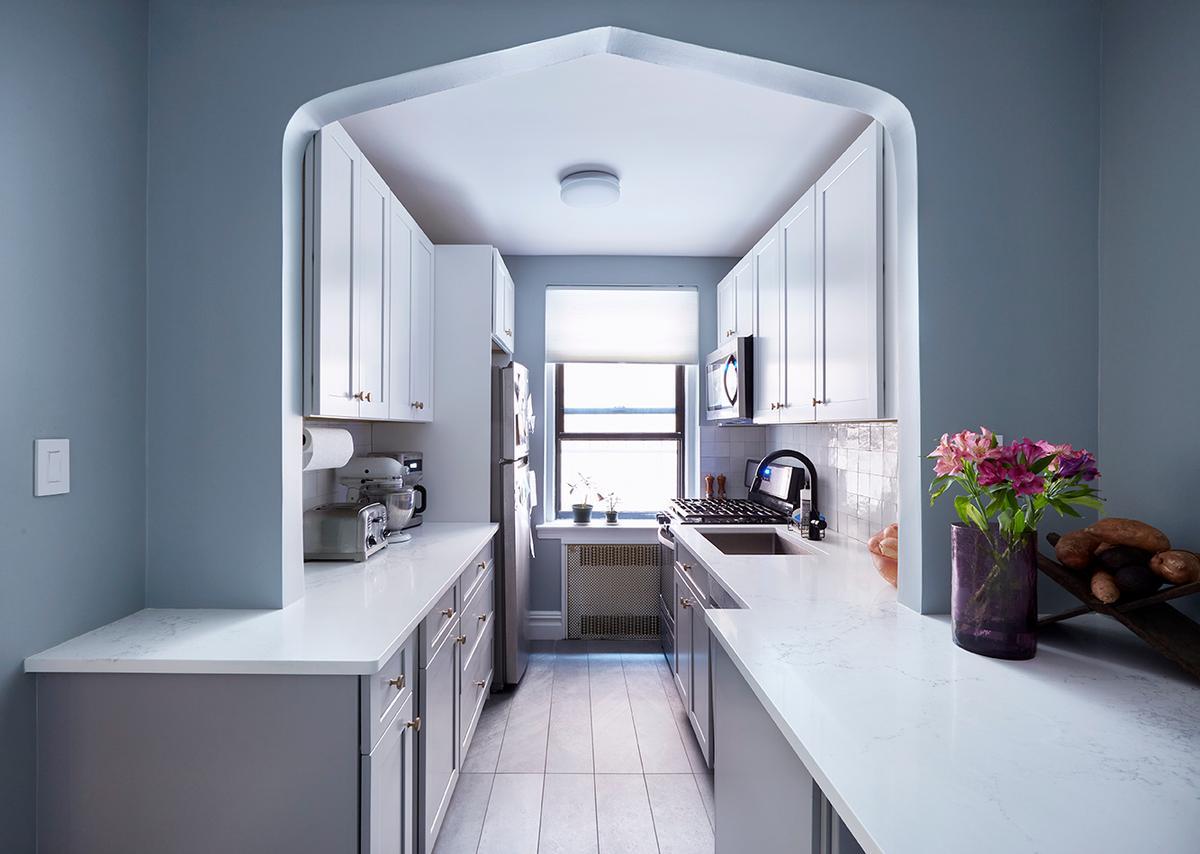
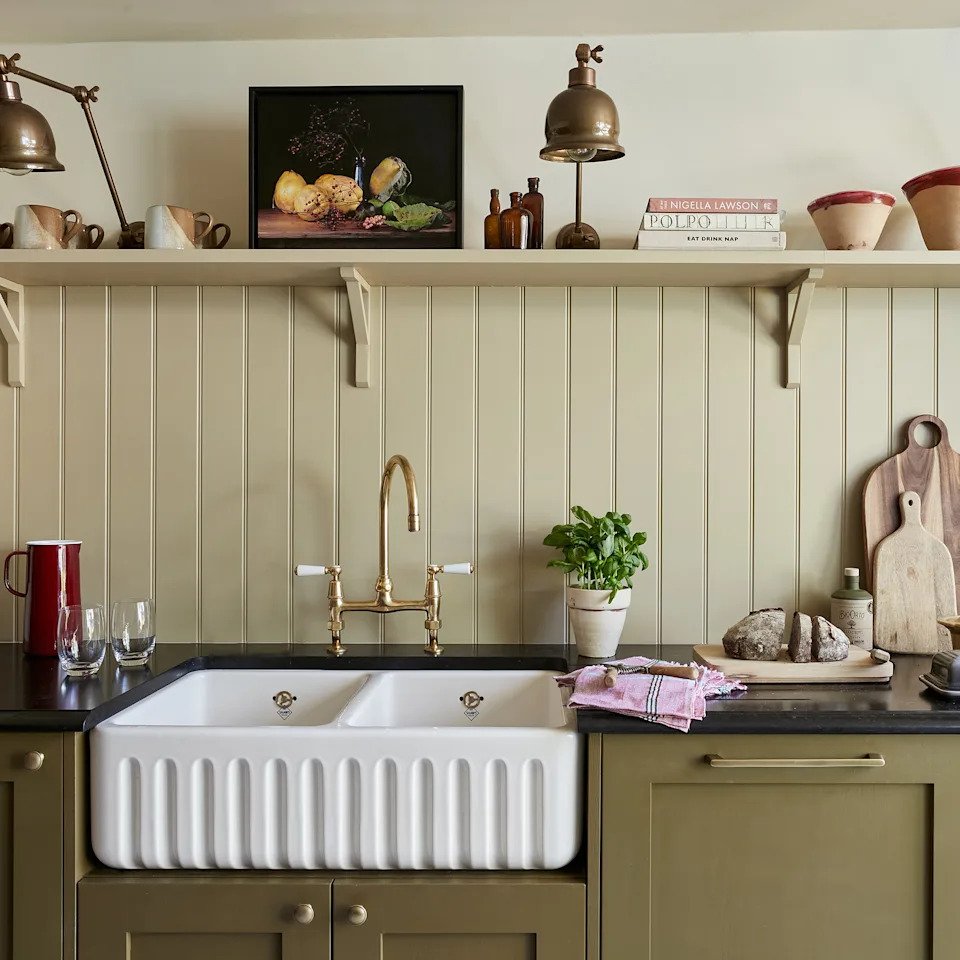
Semi-gloss paint finish on modern kitchen wall

Matte finish wall paint in cozy kitchen design
Frequently Asked Questions
What Paint Finish Is Best For Kitchen Walls?
Semi-gloss paint finish is best for kitchen walls. It resists moisture, stains, and is easy to clean. This finish adds a subtle shine that brightens the space while providing durability against kitchen wear and tear.
Can I Use Matte Finish In My Kitchen?
Matte finish can be used, but it’s less durable. It hides wall imperfections well but is harder to clean. For kitchens, it’s best for low-traffic areas or accent walls where moisture and stains are minimal.
Why Is Semi-gloss Paint Ideal For Kitchens?
Semi-gloss paint is ideal because it’s moisture-resistant and easy to wipe clean. It stands up well against grease, spills, and frequent scrubbing, making it perfect for kitchen walls that need regular cleaning.
Should Kitchen Walls Have Satin Or Eggshell Finish?
Satin or eggshell finishes offer a soft sheen and moderate durability. They are easier to clean than matte but less shiny than semi-gloss. These finishes suit kitchens with less moisture and lower traffic.
Conclusion
Selecting the right paint finish for kitchen walls matters. It influences the room’s look and feel. Satin or semi-gloss finishes are top choices. They offer durability and easy cleaning. Flat finishes are less ideal due to moisture. Think about your kitchen’s style and needs.
Bright colors can energize. Soft tones can calm. Match the paint with your kitchen’s activities. Test samples on walls before deciding. It helps you see real results. Make your kitchen a happy place. A place you love to cook and gather in.
The right paint makes a big difference.